 1 / 5
1 / 5 6 daysPrivate
6-Day Thrilling Chimp Trek & Wildlife Safari In Uganda
by
Highlights
- Game Drive
Loading SafariFind...
1 / 5by
SafariFind app
Keep up with your inquiries and bookings, and message operators wherever you are.

Arrive In Uganda | Travel To Ziwa Rhino Sanctuary | Rhino Tracking | Travel To Murchison Falls National Park | Top Of Falls Tour | Game Drive
Murchison Falls National Park
Meals: Lunch, Dinner
Morning Game Drive | Boat Cruise | Birding | Evening Game Drive
Murchison Falls National Park
Meals: Breakfast, Lunch, Dinner
Travel To Fort Portal | Hiking | Explore The Crater Lakes
Fort Portal
Meals: Breakfast, Lunch, Dinner
Transfer To Kibale National Park | Chimpanzee Tracking | Visit The Sempaya Hot Springs
Kibale Forest National Park
Meals: Breakfast, Lunch, Dinner
Travel To Queen Elizabeth National Park | Boat Ride | Game Drive
Queen Elizabeth National Park
Meals: Breakfast, Lunch, Dinner
The Last Day With Us | Transfer To The Airport | Fly Back Home
Entebbe International Airport
Meals: Breakfast, Lunch
Year Round
Year-round
| Season | Solo traveller | 2 people | 3 – 4 people | 5 – 6 people | 7+ people | Child rate | Single suppl. |
|---|---|---|---|---|---|---|---|
Year Round Year-round | $2,730 | $1,950 | $1,755 | $1,658 | $1,560 | $1,365 | $585 |
Child rate applies to travelers under 12 years. Single supplement applies to solo travelers taking their own room.
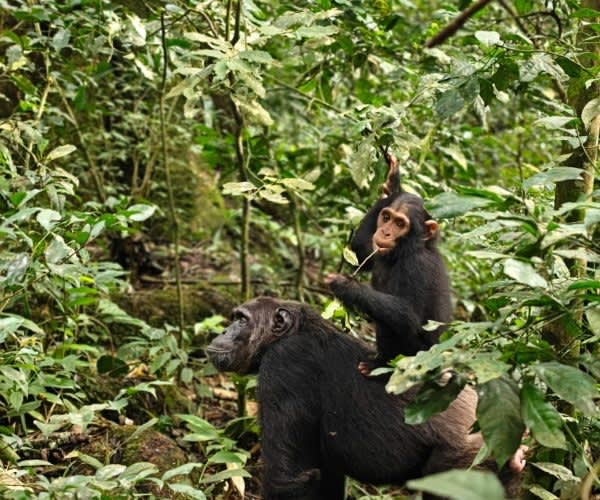
Chimpanzee trekking in Uganda, particularly in Kibale National Park, offers extraordinary opportunities to observe wild chimpanzees in their natural habitat. You'll encounter troops of these intelligent primates engaged in their daily activities—foraging, socializing, and playing. Beyond chimps, Kibale is home to over 13 primate species including red colobus monkeys, L'Hoest's monkeys, and various other wildlife. The forest ecosystem also supports forest elephants, buffalo, and numerous bird species. Each trek is unique, as chimpanzee movements vary daily, making every experience special. Expert guides use their knowledge to track these animals while maintaining respectful distances and minimizing disturbance to their natural behavior.
Chimpanzee trekking can be suitable for families, though there are important considerations. Most operators recommend children be at least 15-16 years old due to the physical demands of hiking through forest terrain and the need to maintain strict behavioral protocols around wild animals. The treks typically involve 2-5 hours of walking on uneven forest paths, which requires reasonable fitness levels. Children must be able to follow safety guidelines, remain quiet when necessary, and stay close to guides. Younger children may find the physical exertion challenging. It's essential to consult with your tour operator about your family's specific circumstances, fitness levels, and the operator's policies on minimum ages before booking.
Uganda offers excellent wildlife viewing year-round, but the best times are during the dry seasons: June to August and December to February. These periods provide easier game drive access, better road conditions, and clearer skies for wildlife spotting. During dry seasons, animals congregate around water sources, increasing sighting chances. However, the wet seasons (March to May and September to November) offer their own advantages: lush landscapes, fewer tourists, lower prices, and unique wildlife viewing opportunities. Chimpanzee trekking is productive throughout the year, though some travelers prefer the drier months for comfort. Consider your priorities—if you want maximum wildlife density and easier travel, choose the dry seasons. For fewer crowds and dramatic scenery, wet seasons are rewarding.
A 6-day safari in Uganda provides an ideal timeframe to experience both chimpanzee trekking and diverse wildlife viewing. This duration allows you to spend dedicated time in multiple ecosystems—typically combining Kibale National Park for chimpanzee trekking with Queen Elizabeth National Park and Murchison Falls for broader wildlife experiences. The 6-day structure accommodates travel between destinations, acclimatization, and thorough exploration without feeling rushed. Shorter trips (3-4 days) are possible but offer limited variety, while longer safaris (8-10+ days) provide deeper immersion and additional destinations. For first-time visitors wanting a comprehensive Uganda experience with chimpanzees as a highlight, 6 days strikes an excellent balance between time investment and experience quality.
Packing for an Uganda safari requires preparation for varied conditions. Essential items include: moisture-wicking, neutral-colored clothing (greens and browns blend better with forest environments), sturdy waterproof hiking boots with good grip for forest terrain, a lightweight rain jacket, long pants and long-sleeved shirts for sun and insect protection, a wide-brimmed hat, and sunscreen. For chimpanzee trekking specifically, wear closed-toe hiking boots and avoid bright colors or patterns. Bring binoculars for wildlife viewing, a camera with extra batteries, insect repellent (DEET-based), medications for altitude or motion sickness if needed, and toiletries. Pack layers as temperatures vary throughout the day. Quick-dry clothing is practical. Don't forget a small daypack, refillable water bottle, and any personal medications. Check with your operator about specific recommendations based on the season and parks you'll visit.
Visa requirements for Uganda depend on your nationality. Most visitors require a visa, which can typically be obtained on arrival at Entebbe International Airport, online through Uganda's e-visa system, or from a Ugandan embassy before travel. The tourist visa is usually valid for 90 days. However, visa requirements vary significantly by country—citizens of some nations may have visa-free or visa-on-arrival privileges. It's essential to check the current requirements with the Ugandan Ministry of Foreign Affairs or your nearest Ugandan embassy well before your trip, as regulations can change. Additionally, ensure your passport is valid for at least 6 months beyond your travel dates. Your tour operator can provide guidance, but you're responsible for confirming your specific visa requirements.
Vaccinations for Uganda travel should be discussed with a travel medicine clinic or your healthcare provider at least 4-6 weeks before departure. Commonly recommended vaccines include yellow fever (often required for entry), typhoid, hepatitis A and B, and routine immunizations. Malaria prophylaxis is typically advised, as Uganda is a malaria-endemic country—your doctor will recommend appropriate antimalarial medication based on the specific regions you'll visit and your health profile. Additionally, consider vaccinations for Japanese encephalitis if spending extended time in rural areas. Consult a travel health professional who can assess your personal medical history, the specific parks and regions in your itinerary, and current disease prevalence. Begin health preparations early, as some vaccines require multiple doses administered over weeks.
Chimpanzee trekking in Uganda is moderately to highly physically demanding and should not be underestimated. Treks typically involve 2-5 hours of hiking through dense forest on uneven, sometimes steep terrain, often in humid conditions. You'll navigate roots, vines, and muddy paths while maintaining a steady pace to track chimpanzees. The altitude in Kibale National Park (around 1,500 meters) adds another element. Good cardiovascular fitness, strong leg muscles, and ankle stability are important. Guides set a sustainable pace, and breaks are provided, but the experience requires endurance and determination. Those with knee problems, heart conditions, or limited mobility should consult their doctor and inform their operator beforehand. Regular exercise before your trip—including hiking, stair climbing, and cardiovascular training—will significantly enhance your comfort and enjoyment. The physical challenge is part of what makes the experience rewarding.
Murchison Falls and Queen Elizabeth National Park are Uganda's premier wildlife destinations, each offering distinct ecosystems and animal encounters. Murchison Falls, Uganda's largest national park, is home to the Big Five (lion, leopard, buffalo, elephant, and rhinoceros), along with giraffes, zebras, antelopes, hippos, and crocodiles. The Nile River corridor hosts abundant birdlife and aquatic wildlife. Queen Elizabeth National Park offers similar large mammals plus tree-climbing lions (unique to this region), hippos in the Kazinga Channel, and over 600 bird species. Both parks feature game drives, boat safaris, and walking tours. The variety depends on season and specific locations within each park. Early morning and late afternoon game drives yield the best sightings when animals are most active. These parks represent quintessential African safari experiences with reliable wildlife encounters.
A typical Uganda safari package includes accommodations at designated lodges or camps, all meals (breakfast, lunch, and dinner), national park entrance fees, professional English-speaking guides, game drives and guided activities, bottled water during excursions, airport transfers, and government taxes. These inclusions provide a comprehensive experience covering lodging, sustenance, and core safari activities. However, several costs are typically not included: international airfare, travel insurance, visa fees, vaccinations, alcoholic beverages, tips and gratuities for guides and staff, personal expenses (souvenirs, phone calls, laundry), optional activities beyond the standard itinerary, and travel-related transportation outside the package scope. It's important to clarify with your operator exactly what's covered before booking. Budget additionally for travel insurance (highly recommended), pre-travel health preparations, and discretionary spending. This transparency helps you plan accurate total costs for your Uganda adventure.
© 2026 SafariFind. All rights reserved.