 1 / 5
1 / 5 6 daysPrivate
6-Day Uganda Primates Trekking Adventure
by
Highlights
- Gorilla Trekking
Loading SafariFind...
1 / 5by
SafariFind app
Keep up with your inquiries and bookings, and message operators wherever you are.

Arrival In Uganda | Transfer To Bwindi Impenetrable National Park | Batwa Cultural Interaction
Bwindi Impenetrable Forest
Meals: Lunch, Dinner
Gorilla Trekking | Relaxing
Bwindi Impenetrable Forest
Meals: Breakfast, Lunch, Dinner
Transfer To Kibale National Park | Bigodi Community Walk
Kibale Forest National Park
Meals: Breakfast, Lunch, Dinner
Chimpanzee Tracking | Relaxing
Kibale Forest National Park
Meals: Breakfast, Lunch, Dinner
Transfer To Entebbe | A Stopover At The Equator | Entebbe City Tour
Entebbe
Meals: Breakfast, Lunch, Dinner
The Last Day With Us | Transfer To The Airport | Fly Back Home
Entebbe International Airport
Meals: Breakfast
Year Round
Year-round
| Season | Solo traveller | 2 people | 3 – 4 people | 5 – 6 people | 7+ people | Child rate | Single suppl. |
|---|---|---|---|---|---|---|---|
Year Round Year-round | $3,640 | $2,800 | $2,520 | $2,380 | $2,240 | $1,960 | $840 |
Child rate applies to travelers under 12 years. Single supplement applies to solo travelers taking their own room.
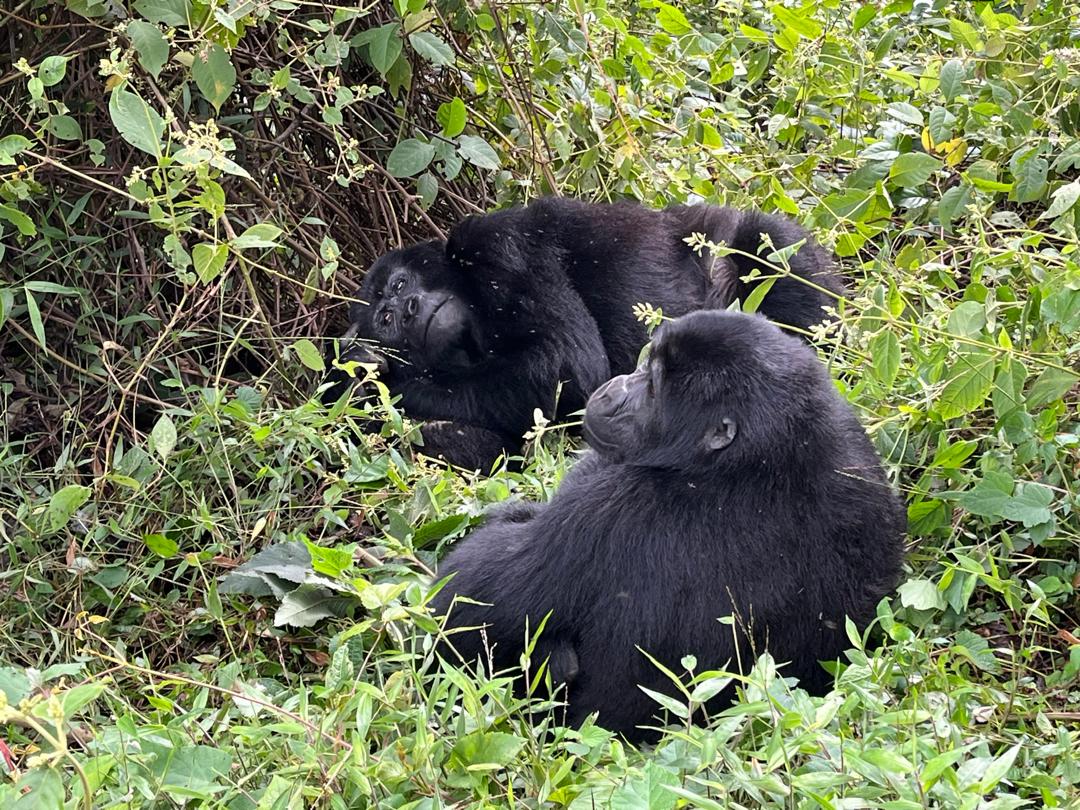
Mountain gorilla trekking in Uganda's Bwindi Impenetrable National Park offers the extraordinary opportunity to encounter these magnificent primates in their natural habitat. Beyond gorillas, you'll encounter other wildlife including forest elephants, buffalo, various antelope species, and over 350 bird species. The lush forest environment also hosts other primates like colobus monkeys and baboons. Bwindi is one of only two places in the world where you can see mountain gorillas in the wild, making it an unparalleled wildlife experience. The trek itself is challenging but incredibly rewarding, offering intimate encounters with these endangered creatures.
Yes, chimpanzee trekking in Kibale National Park is conducted safely under strict protocols and with experienced professional guides. Visitors maintain a safe distance from the chimpanzees, and all treks are carefully monitored to ensure both human and animal safety. Guides are trained in wildlife behavior and know how to respond appropriately in all situations. The park has established rules and regulations specifically designed to protect both visitors and the chimpanzee population. While the experience is thrilling and immersive, safety measures are paramount. It's important to follow all guide instructions and maintain the recommended distance from the animals at all times.
A 6-day safari provides an ideal timeframe for experiencing mountain gorilla trekking in Bwindi Impenetrable National Park. This duration allows for travel to the park, acclimatization, the actual gorilla trek, and visits to other wildlife areas like Kibale National Park for chimpanzee trekking. The mountain gorilla trek itself typically takes 4-7 hours depending on where the gorillas are located on any given day. The additional days in your itinerary allow you to explore other attractions, recover from the physical exertion, and experience Uganda's cultural and natural highlights. Most visitors find 6 days sufficient to have a meaningful and comprehensive primate trekking experience.
Uganda's primate trekking season is generally year-round, but the best times are during the dry seasons: June to August and December to February. During these months, trails are more accessible, visibility is better for wildlife spotting, and weather conditions are more favorable for trekking. The rainy seasons (March to May and September to November) are less ideal due to muddy trails and reduced visibility, though trekking is still possible. The dry seasons also coincide with lower rainfall, making the forest environment more navigable. However, Uganda's equatorial location means temperatures remain warm throughout the year. Consider booking during shoulder seasons (May-June or November-December) for fewer crowds and competitive pricing while still enjoying reasonable weather conditions.
For gorilla trekking in Uganda, pack sturdy, waterproof hiking boots with good ankle support, as trails are often muddy and uneven. Bring lightweight, breathable clothing in neutral colors (avoid bright colors that may disturb wildlife), along with a waterproof rain jacket and long-sleeved shirts for sun and insect protection. Essential items include a hat, sunscreen, insect repellent, and a small backpack with water. Pack layers, as forest temperatures can be cool in the morning and warm during the day. Bring binoculars for wildlife viewing, a camera with extra batteries, and any personal medications. Comfortable lodge clothing for evenings is important, along with toiletries and a headlamp or flashlight. Consider bringing trekking poles to ease the physical strain of the hike. Leave valuables and unnecessary items at your lodge to keep your pack light.
Mountain gorilla trekking in Bwindi is moderately to highly physically demanding and should not be underestimated. Treks typically last 4-7 hours and involve hiking through dense forest on steep, muddy, and uneven terrain at high altitude (up to 2,600 meters). The altitude, combined with the challenging terrain and humid forest environment, makes it strenuous for most people. Good cardiovascular fitness is recommended, though people of varying fitness levels can complete the trek with determination and proper pacing. Guides set a manageable pace and allow rest breaks. Trekking poles can help reduce strain on knees and legs. The experience is incredibly rewarding, but it's important to be honest about your fitness level when booking. Those with serious health concerns should consult a doctor before attempting the trek.
While specific vaccination requirements depend on your home country and individual health circumstances, certain vaccinations are strongly recommended for travel to Uganda. Yellow fever vaccination is commonly recommended and sometimes required depending on your origin country. Malaria prophylaxis is advised, particularly for lower-altitude areas. Vaccinations for typhoid, hepatitis A and B, and routine immunizations are also typically recommended. It's essential to consult with a travel health clinic or your healthcare provider at least 4-6 weeks before your trip to discuss your specific health needs and risk factors. Uganda's healthcare facilities in major towns are reasonable, but comprehensive travel insurance that covers medical evacuation is highly recommended. Bring any prescribed medications in their original containers, along with copies of prescriptions.
Mountain gorilla trekking permits in Uganda's Bwindi Impenetrable National Park are a significant investment, typically costing $700-$1,500 USD per person depending on the season and operator. This permit grants you access to trek with a habituated gorilla family. A comprehensive 6-day primate trekking safari that includes gorilla trekking, chimpanzee trekking in Kibale, accommodation, meals, and professional guides offers good value compared to booking components separately. When comparing prices, ensure inclusions cover park fees, accommodation quality, meals, guide expertise, and transportation. Budget-friendly options exist, but quality experiences with reputable operators typically cost more. Consider that gorilla permits support conservation efforts and park management. Many operators offer package deals that bundle gorilla trekking with other experiences, providing better overall value than individual bookings.
Kibale National Park is home to approximately 1,500 chimpanzees, making it one of the highest concentrations of chimpanzees in Africa. The park is often called the 'primate capital of the world' due to its incredible biodiversity—it harbors 13 primate species in total. During chimpanzee trekking, you'll encounter a habituated community that has been accustomed to human presence. The number of chimpanzees you see depends on their location, behavior, and group dynamics on any given day. Some treks result in close encounters with multiple individuals, while others may involve observing from a distance. Beyond chimpanzees, you'll likely spot other primates including red colobus, black-and-white colobus, and various monkey species. The park's diverse primate population makes it an exceptional destination for primate enthusiasts and wildlife photographers.
A 6-day Uganda primate trekking safari typically includes three meals daily—breakfast, lunch, and dinner—prepared by lodge chefs and featuring a mix of international and local Ugandan cuisine. Breakfast usually consists of eggs, fresh fruits, bread, and beverages to fuel your day before trekking. Packed lunches are provided on trekking days, containing sandwiches, fresh fruits, snacks, and drinks. Dinners at lodges offer more substantial meals, often showcasing local dishes alongside familiar options. Most lodges accommodate dietary restrictions if notified in advance. Bottled water is provided throughout the day during activities and at meals. Coffee and tea are typically available at breakfast. While alcoholic beverages are not usually included in package pricing, most lodges have bars where you can purchase drinks. The quality and variety of meals vary by lodge category, so discussing dining expectations when booking is recommended.
© 2026 SafariFind. All rights reserved.