 1 / 91 / 9
Loading SafariFind...
1 / 9Arrival in Arusha - Gateway to Adventure
Arusha
Meals: Dinner
Tarangire National Park - Ancient Giants and Acacia Forests
Tarangire National Park
Meals: Breakfast, Lunch, Dinner
Journey to Serengeti - The Endless Plains Await
Serengeti National Park
Meals: Breakfast, Lunch, Dinner
Serengeti Exploration - Witness the Great Migration
Serengeti National Park
Meals: Breakfast, Lunch, Dinner
Ngorongoro Crater - The Eighth Wonder of the World
Ngorongoro Crater
Meals: Breakfast, Lunch, Dinner
Return via Arusha National Park - Farewell to Tanzania
Arusha National Park
Meals: Breakfast
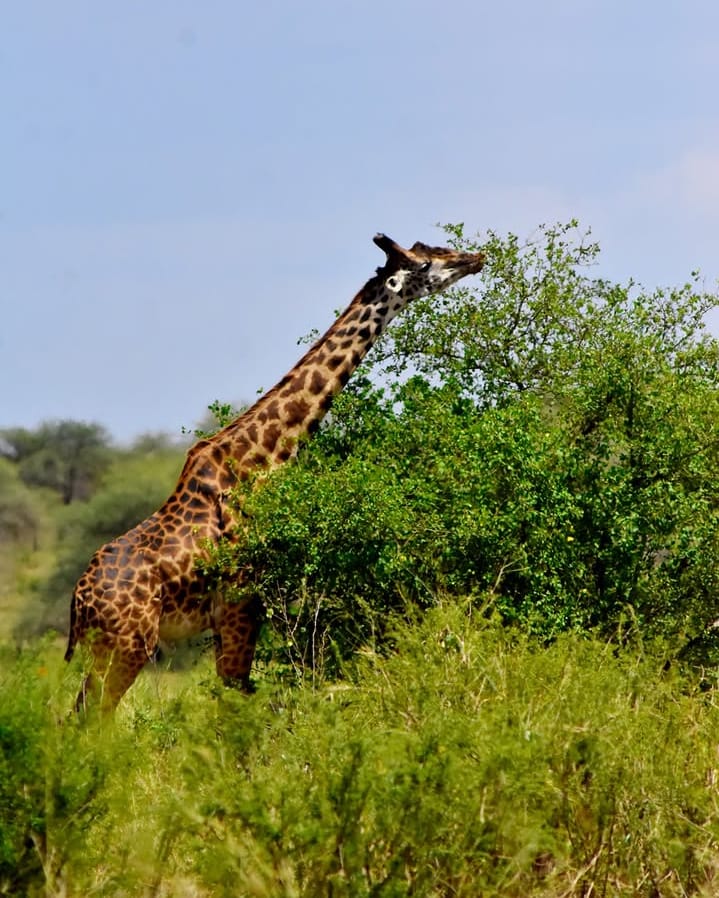
The Northern Circuit of Tanzania is home to an incredible diversity of wildlife. You can expect to encounter lions, elephants, giraffes, zebras, wildebeests, buffalo, leopards, cheetahs, hyenas, and numerous antelope species including impala and gazelles. The Ngorongoro Crater is particularly renowned for its exceptional wildlife density, while the Serengeti offers the famous Great Migration where millions of wildebeest and zebras move across the plains. Lake Manyara is known for its tree-climbing lions and large elephant populations. Each park within the circuit offers unique wildlife viewing opportunities, making it one of Africa's most comprehensive safari experiences.
Tanzania offers excellent wildlife viewing year-round, but the best times depend on what you want to experience. The dry seasons (June to October and January to February) provide the best game viewing as animals congregate around water sources, making them easier to spot. June to October is particularly ideal if you want to witness the Great Migration in the Serengeti. The wet season (November to May) brings lush green landscapes, fewer tourists, and excellent birdwatching opportunities. If you're flexible, consider visiting during the shoulder months of May or November for a balance of good wildlife viewing and lower prices.
Yes, 6 days is an excellent duration for experiencing Tanzania's Northern Circuit. This timeframe allows you to visit multiple parks including Tarangire, Serengeti, Ngorongoro Crater, and Lake Manyara, with adequate time for quality game drives in each location. Six days provides a good balance between maximizing wildlife encounters and minimizing travel fatigue. You'll have sufficient time to appreciate the diverse ecosystems and landscapes rather than rushing through them. However, if you have more time available, extending your safari to 7-8 days would allow for deeper exploration and additional activities like the Materuni Waterfalls near Mount Kilimanjaro.
Pack neutral-colored, lightweight clothing in earth tones (greens, browns, tans) to blend with the landscape and avoid disturbing wildlife. Bring long pants and long-sleeved shirts for sun protection and to guard against insects. Essential items include a wide-brimmed hat, high-SPF sunscreen, sunglasses, and a light rain jacket for the rainy season. Comfortable walking shoes and closed-toe boots are important for game drives and any walking activities. Don't forget binoculars for wildlife viewing, a camera with extra batteries and memory cards, and any personal medications. Bring a light sweater or fleece for early morning and evening game drives, as temperatures can be cool. Check with your doctor about recommended vaccinations and antimalarial medications before your trip.
The cost of a 6-day Tanzania safari varies depending on accommodation choices, season, and operator. Budget safaris can range from $1,500 to $3,000 per person, mid-range options typically fall between $3,000 and $6,000 per person, while luxury safaris can exceed $6,000 per person. Most packages include park fees, accommodation, meals, game drives, and professional guides, which provides good value compared to booking separately. Traveling during the shoulder season (May or November) or wet season can offer better rates than peak season. Keep in mind that international flights, travel insurance, visa fees, and tips are typically not included in quoted prices.
Visa requirements for Tanzania depend on your nationality. Many countries can obtain a visa on arrival at Julius Nyerere International Airport in Dar es Salaam or apply for an e-visa online before travel. Some nationalities qualify for visa exemptions for stays up to 90 days. It's essential to check the Tanzanian immigration website or contact your nearest Tanzanian embassy well in advance of your trip, as requirements can change. Ensure your passport is valid for at least 6 months beyond your intended stay. Processing times for visas can vary, so plan accordingly and apply early to avoid any travel delays.
While specific vaccination requirements can vary based on your medical history and the areas you're visiting, most health authorities recommend vaccinations for yellow fever, typhoid, and hepatitis A for travel to Tanzania. Malaria prophylaxis is strongly recommended, particularly for the Northern Circuit safari areas. Routine vaccinations (MMR, tetanus, etc.) should also be up to date. Consult with a travel medicine specialist or your doctor at least 4-6 weeks before your trip to receive personalized recommendations based on your health profile and itinerary. They can advise on the best antimalarial medications and any other preventative measures you should take.
The Ngorongoro Crater is a UNESCO World Heritage Site and one of the world's largest intact volcanic calderas, located in northern Tanzania. It spans approximately 260 square kilometers and descends about 610 meters deep, creating a unique enclosed ecosystem. What makes it exceptional for safari is its extraordinary wildlife density—the crater floor supports one of the highest concentrations of large mammals in Africa, including lions, elephants, buffalo, zebras, and wildebeest, all within a relatively compact area. This makes wildlife viewing particularly rewarding, as you're likely to encounter diverse species in a single game drive. The crater's dramatic landscape, combined with its rich biodiversity, makes it a highlight of any Northern Circuit safari.
Yes, you can witness the Great Migration on a Tanzania safari, particularly when visiting the Serengeti National Park during the migration season. The Great Migration is one of nature's most spectacular events, involving millions of wildebeest, zebras, and gazelles moving in a cyclical pattern across the Serengeti and Masai Mara. In Tanzania, the migration is typically visible in the Serengeti from June to October, when massive herds move northward. The best time to witness river crossings and dramatic predator-prey interactions is typically July to September. However, the migration's exact timing varies yearly based on rainfall patterns, so it's worth discussing the best time for your specific travel dates with your safari operator.
Materuni Waterfalls are a stunning natural attraction located on the slopes of Mount Kilimanjaro in the Chagga region of northern Tanzania. These beautiful waterfalls offer a refreshing contrast to the typical savannah safari experience, featuring lush vegetation, cool pools, and scenic hiking opportunities. Many Northern Circuit safaris include a visit to Materuni Waterfalls as a cultural and nature-based activity, allowing you to interact with local Chagga communities, learn about traditional coffee farming, and enjoy a more intimate experience with Tanzania's natural beauty. Swimming in the cool pools beneath the falls is often possible, making it an ideal activity for those seeking relaxation and cultural immersion alongside traditional game viewing. This addition provides a well-rounded safari experience that combines wildlife, culture, and natural landscapes.
© 2026 SafariFind. All rights reserved.