 1 / 91 / 9
Loading SafariFind...
1 / 9Arrival in Arusha - Gateway to Adventure
Arusha
Meals: Dinner
Tarangire National Park - Land of Giants
Tarangire National Park
Meals: Breakfast, Lunch, Dinner
Journey to Serengeti - The Great Migration Awaits
Serengeti National Park
Meals: Breakfast, Lunch, Dinner
Serengeti Deep Dive - Wildlife Spectacle
Serengeti National Park
Meals: Breakfast, Lunch, Dinner
Ngorongoro Crater - Natural Wonder
Ngorongoro Crater
Meals: Breakfast, Lunch, Dinner
Lake Manyara and Return to Arusha
Arusha National Park
Meals: Breakfast
A Northern Tanzania safari offers exceptional wildlife viewing opportunities across multiple ecosystems. In Tarangire National Park, you'll encounter large elephant herds, buffalo, giraffes, zebras, and various antelope species. The Serengeti is famous for the Great Migration, where millions of wildebeest and zebras traverse the plains, along with lions, leopards, cheetahs, and hyenas. The Ngorongoro Crater hosts an incredible concentration of wildlife in a compact area, including lions, elephants, buffalo, and rhinos. Lake Manyara National Park features tree-climbing lions, flamingos, hippos, and diverse bird species. Each destination offers unique wildlife viewing experiences throughout your 6-day journey.
Tanzania offers excellent safari opportunities year-round, but the best times depend on what you want to experience. The dry season from June to October is ideal for wildlife viewing as animals congregate around water sources, and vegetation is sparse, making them easier to spot. This period also coincides with the Great Migration in the Serengeti. The wet season from November to May brings lush landscapes, abundant birdlife, and fewer tourists, making it perfect for photography and a more intimate experience. The shoulder months of May and November offer a balance of good wildlife viewing and scenic beauty. Consider your priorities—migration viewing, general wildlife, or landscape photography—when planning your visit.
Packing for a Tanzania safari requires thoughtful preparation for varying climates and activities. Bring lightweight, neutral-colored clothing in layers, as mornings and evenings can be cool while afternoons are warm. Essential items include a wide-brimmed hat, sunscreen, sunglasses, and a light rain jacket for the wet season. Pack binoculars for wildlife viewing, a camera with extra batteries and memory cards, and sturdy, closed-toe hiking boots for walking safaris. Bring toiletries, medications, and any prescription glasses. Neutral colors like khaki, tan, and green are recommended for game drives to avoid startling wildlife. Don't forget a power bank for charging devices, insect repellent, and comfortable clothing for evening relaxation at your accommodation. Check with your operator for any specific recommendations based on the season.
A 6-day safari is an excellent duration for experiencing the Northern Circuit comprehensively. This timeframe allows you to visit all four major destinations—Tarangire National Park, Serengeti National Park, Ngorongoro Crater, and Lake Manyara National Park—while spending meaningful time at each location for quality wildlife viewing and photography. Six days provides sufficient time to witness diverse ecosystems, experience different wildlife encounters, and acclimatize to the travel pace without feeling rushed. While shorter 3-4 day safaris are possible, they typically focus on fewer destinations. Longer safaris of 7-10 days allow for deeper exploration and additional activities, but 6 days strikes an ideal balance between experience depth and travel logistics.
The Ngorongoro Crater is one of Africa's most remarkable natural wonders—a massive volcanic caldera spanning approximately 19 kilometers in diameter with walls rising 600 meters. It's a UNESCO World Heritage Site and home to one of the highest concentrations of wildlife on the continent. The crater functions as a natural amphitheater, trapping animals within its boundaries, making wildlife viewing exceptionally rewarding. You can spot lions, elephants, buffalo, zebras, wildebeest, and numerous other species in a relatively compact area. The crater's unique ecosystem supports permanent resident populations that rarely leave, unlike migration-dependent areas. The stunning landscape, combined with the ease of wildlife spotting and the opportunity to visit Maasai communities in the surrounding area, makes it a highlight of any Northern Tanzania safari.
Visa requirements for Tanzania depend on your nationality and passport. Most visitors require a visa, which can typically be obtained on arrival at the airport, online through Tanzania's e-visa system, or from a Tanzanian embassy before travel. The process is generally straightforward and can be completed relatively quickly. However, visa requirements and procedures change periodically, so it's essential to check the official Tanzanian immigration website or contact your nearest Tanzanian embassy well before your travel dates. Additionally, your passport must be valid for at least six months beyond your intended stay. Some nationalities may be exempt from visa requirements, so verify your specific situation. Your safari operator can often provide guidance on visa procedures, but you remain responsible for ensuring you have proper documentation.
Vaccination requirements and recommendations for Tanzania vary based on your health history and the regions you'll visit. Yellow fever vaccination is often recommended, particularly if you're traveling from countries where it's endemic. Malaria prophylaxis is typically advised for most regions of Tanzania, including the Northern Circuit safari areas. Common recommended vaccinations include those for hepatitis A and B, typhoid, and routine immunizations. However, vaccination and health recommendations are highly individual and change based on current disease prevalence and your personal medical history. It's crucial to consult with a travel medicine specialist or your healthcare provider at least 4-6 weeks before your trip to receive personalized medical advice. They can assess your specific health profile and recommend appropriate preventive measures. Additionally, travel insurance that covers medical expenses is highly recommended.
Malaria is present in Tanzania, including the Northern Circuit safari regions, particularly at lower altitudes and during the wet season. However, the risk can be effectively managed through preventive measures. Most travelers take antimalarial medication as prescribed by their healthcare provider, though the specific medication depends on current drug resistance patterns and individual health factors. Additional preventive measures include using insect repellent containing DEET, wearing long sleeves and pants during dawn and dusk when mosquitoes are most active, and sleeping under mosquito nets. Many safari accommodations provide screened rooms and bed nets as standard. The risk is generally lower in higher-altitude areas and during the dry season when mosquito populations are reduced. Consult a travel medicine specialist before your trip to determine the appropriate malaria prevention strategy for your specific circumstances and the time of year you're traveling.
Tanzania safari costs vary significantly based on accommodation quality, group size, season, and operator. Budget safaris can range from $1,500-$3,000 for 6 days, mid-range options typically fall between $3,000-$6,000, while luxury safaris can exceed $6,000-$15,000 or more per person. A 6-day Northern Circuit safari generally falls in the mid-range to upper-mid-range category depending on your accommodation choices. Most packages include park fees, accommodation, meals, transportation, and professional guiding, which represents significant value. However, costs vary by season—high season (June-October) is more expensive than shoulder or low seasons. Additional expenses to budget separately include international flights, travel insurance, visa fees, tips for guides and staff, alcoholic beverages, and optional activities. Booking with reputable operators often provides better value and ensures quality experiences. Request detailed quotes that clearly outline what's included and excluded to make accurate comparisons.
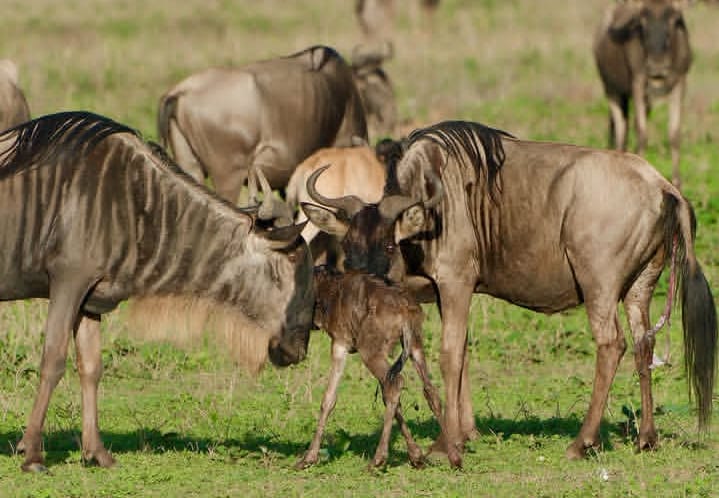
The Great Migration is one of nature's most spectacular phenomena—an annual movement of approximately 1.5 million wildebeest, zebras, and gazelles across the Serengeti and Masai Mara ecosystems in search of fresh grazing lands. It's driven by seasonal rainfall patterns and follows a roughly circular route throughout the year. In the Serengeti, the migration typically follows this pattern: January-February sees animals in the southern plains, March-May they move northward, June-July they cross into the northern Serengeti and Masai Mara, August-September they remain in the north, and October-December they return south. The dramatic river crossings, particularly in July-August, are legendary for their intensity and danger as crocodiles and predators await. The migration is one of the most sought-after wildlife experiences globally. Timing your safari to coincide with specific migration phases increases your chances of witnessing this extraordinary event, though wildlife viewing remains excellent year-round in the Serengeti.
© 2026 SafariFind. All rights reserved.