 1 / 6
1 / 6 7 daysPrivate
7-Day 7 DAYS / 6 NIGHTS – FULL KENYA CIRCUIT
by
Loading SafariFind...
1 / 6by
SafariFind app
Keep up with your inquiries and bookings, and message operators wherever you are.

Day 1: Nairobi – Naivasha
Meals: Dinner
Lake Naivasha Exploration & Hell's Gate National Park
Meals: Breakfast, Lunch, Dinner
Lake Nakuru National Park - Flamingos & Rhino Sanctuary
Meals: Breakfast, Lunch, Dinner
Journey to the Maasai Mara - Gateway to Africa's Greatest Wildlife Spectacle
Meals: Breakfast, Lunch, Dinner
Full Day Maasai Mara Safari - Big Five & Bush Breakfast Experience
Meals: Breakfast, Lunch, Dinner
Maasai Mara to Amboseli National Park - Kilimanjaro Gateway
Meals: Breakfast, Lunch, Dinner
Amboseli National Park & Return to Nairobi
Meals: Breakfast
Year Round
Year-round
| Season | Solo traveller | 2 people | 3 – 4 people | 5 – 6 people | 7+ people | Child rate | Single suppl. |
|---|---|---|---|---|---|---|---|
Year Round Year-round | $2,625 | $1,750 | $1,575 | $1,488 | $1,400 | $1,225 | $525 |
Child rate applies to travelers under 12 years. Single supplement applies to solo travelers taking their own room.
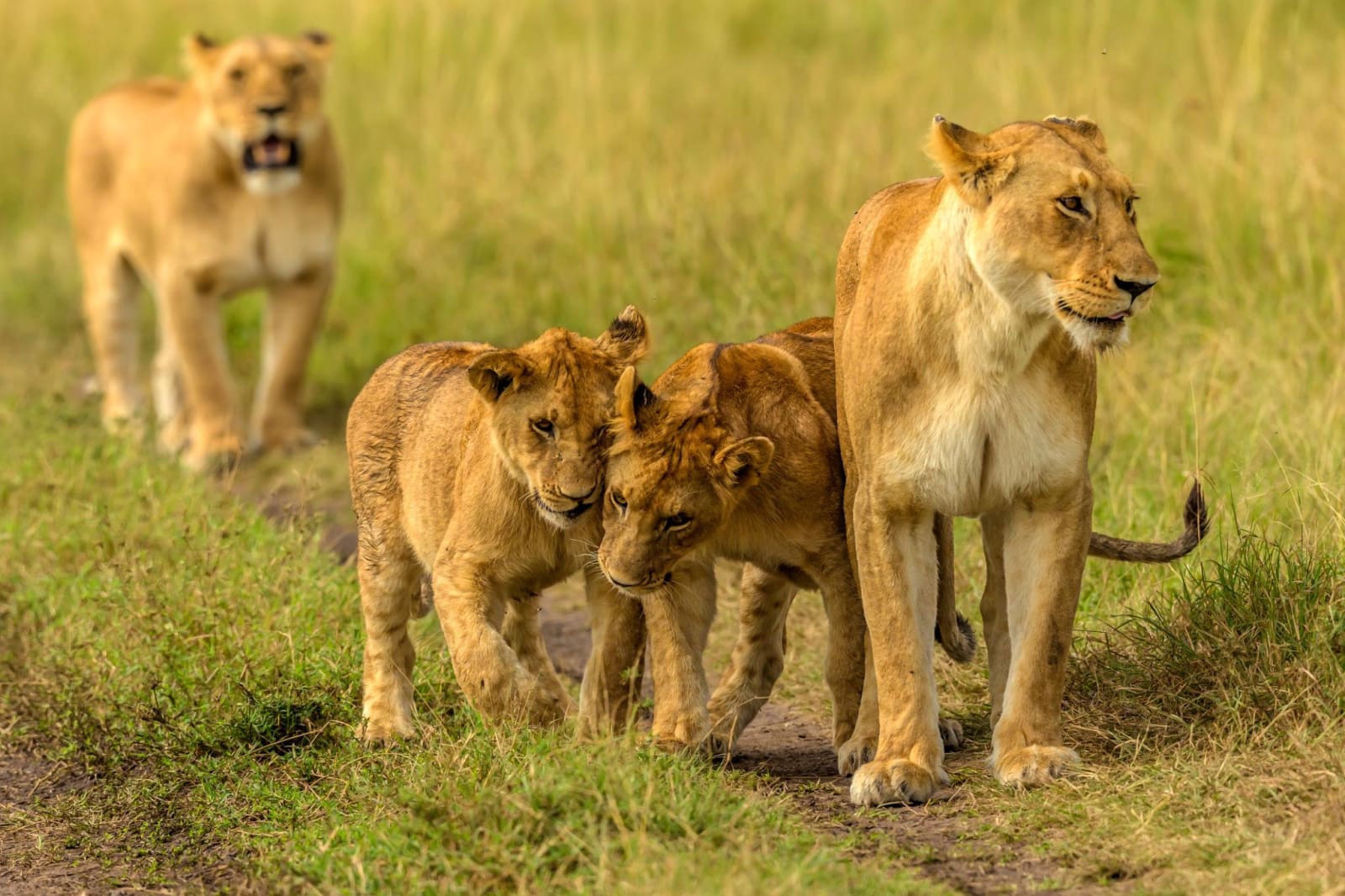
Kenya is home to Africa's most iconic wildlife, including the Big Five: lions, leopards, buffalo, elephants, and rhinoceros. You'll also encounter giraffes, zebras, wildebeest, cheetahs, hyenas, and hundreds of bird species across the country's diverse reserves. While wildlife sightings are never guaranteed, Kenya's game reserves offer some of Africa's highest concentrations of animals, particularly during the dry seasons when animals gather around water sources. Each ecosystem—from the Rift Valley lakes to the Maasai Mara plains to Amboseli's savanna—supports different species and provides unique viewing opportunities.
Kenya offers excellent wildlife viewing year-round, but the dry seasons provide the best game viewing experiences. The primary dry season runs from June to October, while the secondary dry season spans January to February. During these periods, animals concentrate around remaining water sources, making them easier to spot. However, the wet seasons (March to May and November to December) offer their own advantages, including lush landscapes, fewer tourists, and excellent bird watching. The choice depends on your priorities—maximum wildlife viewing versus lower costs and smaller crowds.
A seven-day safari is considered ideal for experiencing Kenya comprehensively. This duration allows you to visit multiple ecosystems—such as the Rift Valley lakes, the Maasai Mara, and Amboseli National Park—while spending enough time in each location for meaningful wildlife encounters and cultural experiences. Seven days strikes the perfect balance between immersion and practicality, giving you sufficient time to truly connect with the landscape and wildlife without requiring an extended absence from home. Shorter safaris (3-4 days) are possible but offer less comprehensive coverage, while longer trips (10+ days) allow for deeper exploration.
Absolutely. A Kenya safari is perfect for first-time safari-goers, offering a comprehensive introduction to East African ecosystems and wildlife. Professional guides provide education and context throughout your journey, enriching your understanding of animal behavior, ecology, and conservation. The variety of landscapes and wildlife concentrations across Kenya's reserves—from flamingo-filled lakes to the expansive Maasai Mara plains—creates an immersive experience that showcases why Kenya is considered one of the world's greatest wildlife destinations. First-timers benefit from the structured itinerary and expert guidance that help maximize wildlife encounters and cultural insights.
Pack neutral-colored, layered clothing in earth tones (khaki, tan, olive green) to blend into the landscape and avoid disturbing wildlife. Bring lightweight, breathable fabrics for hot days and a warm layer for cool mornings and evenings. Essential items include a wide-brimmed hat, sunglasses, high-SPF sunscreen, insect repellent, and sturdy walking shoes. A camera with a good zoom lens is crucial for capturing wildlife moments. Don't forget binoculars for bird watching and spotting distant animals. Bring any prescription medications, a basic first-aid kit, and toiletries. While most accommodations provide bottled water during game drives, consider a reusable water bottle. Check with your operator about specific recommendations based on current conditions and the time of year you're traveling.
Kenya safari costs vary significantly based on accommodation quality, group size, and season. Budget-tier safaris offer excellent value, including accommodation, all meals, game drives, park fees, and professional guides—making extended Kenyan adventures accessible to more travelers. The pricing typically reflects the tier of lodges or camps used rather than the quality of the safari experience itself. Additional costs to budget separately include international airfare, travel insurance, visa fees, alcoholic beverages, tips for guides and staff, and optional activities. The seven-day circuit format provides better value per day than shorter safaris due to reduced proportional costs for transfers and logistics. Booking during shoulder seasons (April-May or November) often offers better rates than peak periods.
A comprehensive Kenya safari package typically includes all park entrance fees, accommodation as specified in the itinerary, three meals daily (breakfast, lunch, and dinner), private 4x4 safari vehicle use, a professional English-speaking guide, bottled water during game drives, airport transfers, and government taxes and VAT. This all-inclusive approach simplifies planning and budgeting. However, items not included are international airfare, travel insurance, visa fees, alcoholic beverages, tips and gratuities for staff, personal expenses, optional activities, and travel vaccinations. Review the detailed inclusions for your specific package to confirm exactly what is covered, as offerings can vary between operators.
Visa requirements for Kenya depend on your nationality and passport. Many countries' citizens can obtain a visa on arrival, while others must apply in advance through the Kenyan embassy or online e-visa system. Most visitors receive a 90-day tourist visa. It's essential to check the official Kenyan immigration website or contact your nearest Kenyan embassy well before your trip to confirm requirements for your specific country. Ensure your passport is valid for at least six months beyond your intended stay. Visa fees are not typically included in safari packages, so budget accordingly. Processing times vary, so apply early if you require an advance visa.
Consult your healthcare provider or a travel medicine clinic at least 4-6 weeks before your trip, as vaccination recommendations depend on your medical history and the specific regions you'll visit. Yellow fever vaccination is often recommended or required, particularly if you're visiting certain areas or traveling onward to other African countries. Malaria prophylaxis is typically advised for most of Kenya, though risk levels vary by region and season. Routine vaccinations (MMR, tetanus, etc.) should be current. Typhoid and hepatitis A vaccines are sometimes recommended. Travel insurance that covers medical evacuation is highly advised. Your safari operator can provide guidance on health precautions, but vaccination decisions should be made in consultation with a medical professional.
Kenya's premier safari destinations each offer distinct experiences. Lake Naivasha and Lake Nakuru in the Rift Valley are known for flamingos, rhinos, and birdwatching, offering more intimate wildlife encounters. Hell's Gate National Park features dramatic cliffs and geothermal features alongside wildlife. The Maasai Mara is Kenya's most famous reserve, renowned for massive wildlife concentrations, predator-prey interactions, and the annual wildebeest migration (July-October). Amboseli National Park offers views of Mount Kilimanjaro and large elephant herds in an open savanna setting. A comprehensive circuit combines these destinations to showcase Kenya's ecological diversity—from highland lakes to vast plains—providing varied landscapes and maximizing your chances of encountering different species and experiencing different aspects of East African wildlife and culture.
 Creek Tours and TravelsNakuru, Kenya5.0(6 reviews)
© 2026 SafariFind. All rights reserved.