 1 / 91 / 9
Loading SafariFind...
1 / 9Arrival In Kilimanjaro Airport Transfer In Arusha
Arusha
Meals: Dinner
Tarangire National Park
Tarangire National Park
Meals: Breakfast, Lunch, Dinner
Serengeti National Park
Serengeti National Park
Meals: Breakfast, Lunch, Dinner
Serengeti National Park
Serengeti National Park
Meals: Breakfast, Lunch, Dinner
Serengeti National Park
Serengeti National Park
Meals: Breakfast, Lunch, Dinner
Ngorongoro Conservation Area Authority
Ngorongoro Crater
Meals: Breakfast, Lunch, Dinner
Lake Manyara National Park
Lake Manyara National Park
Meals: Breakfast
The Serengeti is home to one of the world's most impressive concentrations of wildlife. You can expect to see the Big Five (lions, elephants, buffalo, leopards, and rhinoceros), along with zebras, wildebeest, giraffes, hyenas, cheetahs, and numerous antelope species. The park is particularly famous for hosting over a million wildebeest and zebras as part of the Great Migration, a circular movement of animals across the Serengeti-Mara ecosystem that follows seasonal rainfall patterns. The specific animals you encounter depend on the season and which areas of the park you visit.
The Great Migration is an year-round phenomenon, but the best viewing times depend on which part of the migration you want to experience. The migration typically follows a circular pattern: from December to March, large herds are in the southern Serengeti grazing on short grasses. From April to June, animals move northwest as dry season approaches. July to October is peak migration season in the northern Serengeti and Masai Mara, featuring dramatic river crossings. Each season offers unique wildlife viewing opportunities, so the 'best' time depends on your preferences and which migration events you prioritize.
The Ngorongoro Crater is the world's largest intact caldera and one of Africa's most remarkable natural wonders. Spanning approximately 20 kilometers across, it features a self-contained ecosystem with grasslands, forests, and a soda lake, all surrounded by steep crater walls. The crater is home to a diverse array of wildlife including lions, elephants, buffalo, zebras, and flamingos, making it a concentrated wildlife viewing area. The jaw-dropping beauty of the landscape, combined with the unique geology and abundant wildlife, makes it an unforgettable destination. The crater's enclosed environment creates a natural sanctuary where animals are relatively easy to spot compared to open savanna parks.
Yes, Lake Manyara National Park is renowned for its population of tree-climbing lions, a behavior that is relatively rare among lions in Africa. These lions have adapted to climbing acacia and mahogany trees, likely to escape insects and find cooler resting spots during the heat of the day. While not every lion in the park climbs trees, sightings of these remarkable cats perched in branches are one of the park's most iconic experiences. The park's diverse ecosystem also includes elephants, giraffes, zebras, buffalo, and numerous bird species, making it a rewarding destination for both wildlife and bird enthusiasts.
For a 7-day safari, pack lightweight, neutral-colored clothing in layers, as temperatures vary between day and night and across different elevations. Essentials include long-sleeved shirts and trousers (to protect from sun and insects), a warm jacket or fleece for early morning game drives, sturdy walking shoes, and closed-toe hiking boots. Don't forget a wide-brimmed hat, sunglasses, and high-SPF sunscreen. Bring binoculars for wildlife viewing and a camera with extra batteries and memory cards. Other important items include insect repellent, basic medications, toiletries, and any prescription medications. Check with your tour operator about specific recommendations, and consider travel insurance. Note that many lodges have limited electricity, so a power bank is useful.
A 7-day safari is an excellent duration for experiencing Tanzania's northern circuit, allowing you to visit multiple parks including the Serengeti, Ngorongoro Crater, Tarangire, and Lake Manyara. This timeframe provides sufficient time for quality wildlife viewing, as game drives typically yield better sightings when you're not rushing between locations. Shorter safaris (3-4 days) are possible but more limited in scope, while longer safaris (10+ days) allow for deeper exploration and visits to additional regions like the southern Serengeti or western corridor. Seven days strikes a good balance between comprehensive wildlife viewing and practical travel considerations.
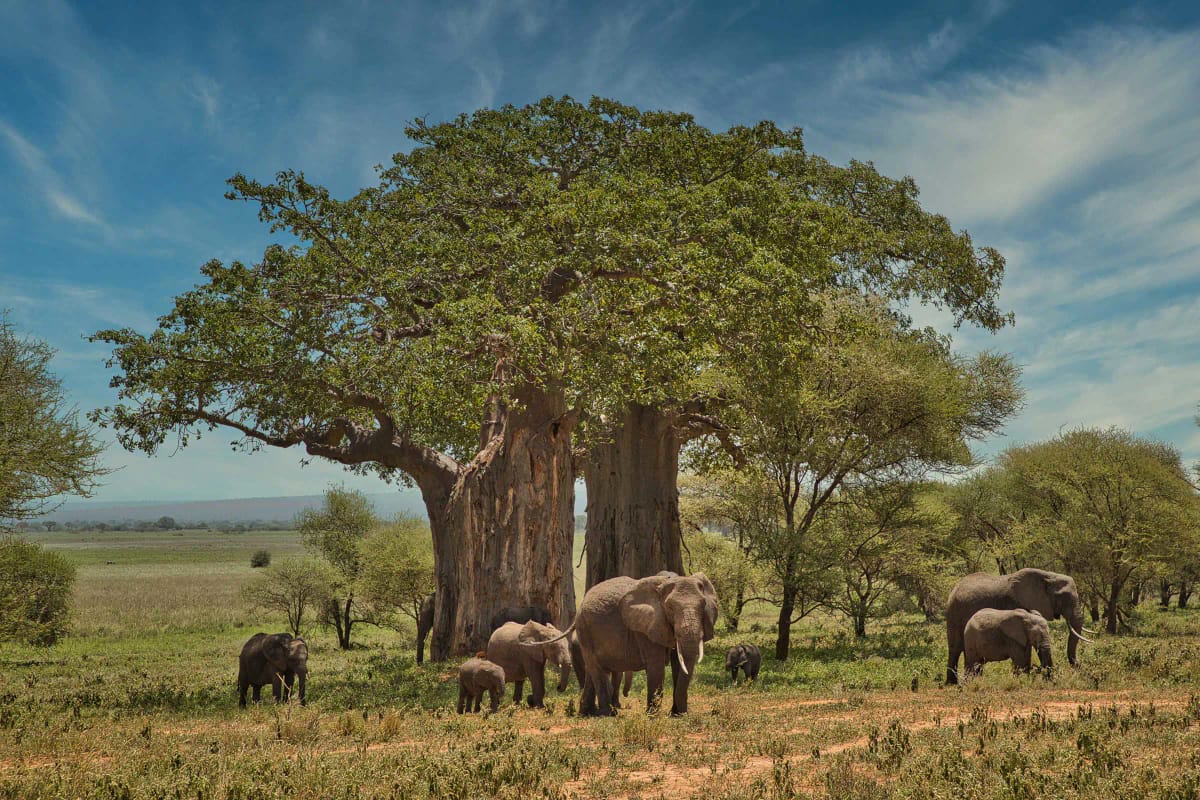
Tarangire National Park is distinctive for its ancient baobab trees, which are among the largest and most impressive in Tanzania. These iconic trees create a striking landscape and are particularly photogenic during the dry season when they stand bare against the sky. The park is named after the Tarangire River, which is a crucial water source during dry seasons, attracting large concentrations of wildlife including elephants, lions, giraffes, zebras, and numerous bird species. Tarangire is less crowded than some other northern circuit parks, offering a more intimate safari experience. The park's diverse habitats—from grasslands to acacia woodlands—support varied wildlife and make it an excellent destination for both game viewing and photography.
While travel insurance is not mandatory, it is highly recommended for any international safari trip. Comprehensive travel insurance should cover trip cancellation, medical emergencies, evacuation, lost baggage, and travel delays. Given that safaris often involve remote locations and activities, medical evacuation coverage is particularly important. Many tour operators require proof of travel insurance, and some activities may have specific insurance requirements. Check your policy to ensure it covers safari activities and the specific regions you'll be visiting. It's advisable to purchase insurance before your trip and review the coverage details carefully to understand what is and isn't included.
Vaccination requirements and recommendations for Tanzania vary based on your country of origin and personal health history. Yellow fever vaccination is often recommended, and some countries may require proof of yellow fever vaccination for entry. Malaria prophylaxis is typically advised, as malaria is present in many parts of Tanzania, including the safari regions. Common vaccinations such as routine immunizations, hepatitis A and B, and typhoid are often recommended. Consult with a travel clinic or your healthcare provider at least 4-6 weeks before your trip to receive personalized advice based on your health status and the specific areas you'll visit. They can also provide guidance on malaria prevention strategies beyond medication.
A comprehensive Tanzania safari package typically includes accommodation at lodges or camps, all meals (breakfast, lunch, and dinner), a private 4x4 safari vehicle for game drives, a professional English-speaking guide, park entrance fees, airport transfers, and bottled water during game drives. Government taxes and VAT are usually included in the quoted price. However, items not typically included are international airfare, visa fees, travel vaccinations, travel insurance, alcoholic beverages, tips and gratuities for guides and staff, and optional activities. Personal expenses such as laundry, phone calls, and souvenirs are also generally excluded. It's important to review the specific inclusions and exclusions with your tour operator before booking to avoid surprises.
© 2026 SafariFind. All rights reserved.