 1 / 91 / 9
Loading SafariFind...
1 / 9Arrival in arusha
Arusha
Meals: Dinner
Tarangire National Park
Tarangire National Park
Meals: Breakfast, Lunch, Dinner
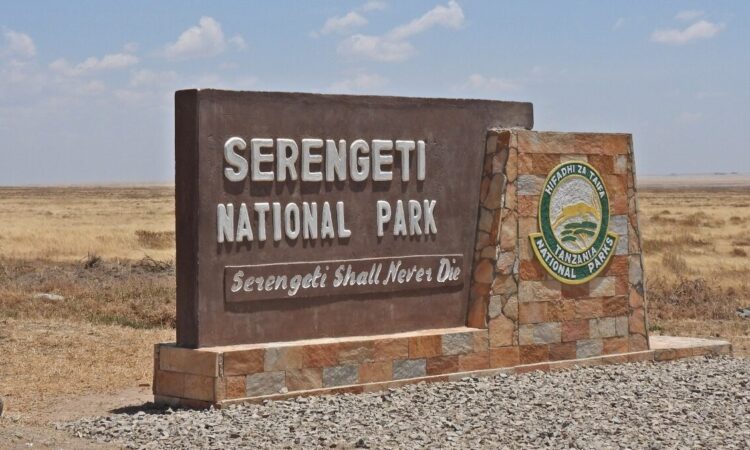
Serengeti National Park
Serengeti National Park
Meals: Breakfast, Lunch, Dinner
Serengeti National Park
Serengeti National Park
Meals: Breakfast, Lunch, Dinner
Ngorongoro crater
Ngorongoro Crater
Meals: Breakfast, Lunch, Dinner
Lake Manyara National Park
Lake Manyara National Park
Meals: Breakfast, Lunch, Dinner
Materuni Wateralls
Materuni Waterfalls
Meals: Breakfast
The Serengeti is one of Africa's most biodiverse ecosystems, home to the Big Five (lions, elephants, buffalo, leopards, and rhinoceros) as well as giraffes, zebras, wildebeest, hyenas, cheetahs, and numerous bird species. The park's vast plains and varied habitats support over 500 species of birds and countless other animals. Your chances of seeing diverse wildlife increase significantly with a professional guide who knows the best locations and animal behavior patterns.
The Ngorongoro Crater can be visited year-round, but the best times are during the dry seasons: June to October and January to February. During these periods, wildlife congregates around water sources, making animal sightings more frequent and predictable. The crater floor is particularly spectacular during the dry season when you can spot lions, elephants, buffalo, and flamingos with greater ease. The wet season (November to May) offers lush landscapes and fewer tourists, though some roads may be challenging.
Pack lightweight, neutral-colored clothing in layers since mornings and evenings can be cool while days are warm. Essential items include a wide-brimmed hat, sunglasses, high-SPF sunscreen, insect repellent, and comfortable walking shoes. Bring binoculars for wildlife viewing, a camera with extra batteries, and any personal medications. Pack a light jacket or fleece for early morning game drives. Avoid bright colors and patterns that can startle wildlife. Don't forget travel documents, copies of important papers, and any required vaccinations documentation.
A 7-day safari in Northern Tanzania varies depending on accommodation quality, season, and operator. Budget safaris start around $1,500-$2,500 per person, mid-range options range from $2,500-$5,000, and luxury safaris can exceed $5,000-$10,000 or more per person. Most packages include park fees, accommodation, meals, transportation, and a professional guide. Additional costs typically include international flights, travel insurance, visa fees, tips, and optional activities. Traveling during shoulder seasons (April-May or November) often offers better rates than peak season.
Visa requirements for Tanzania depend on your nationality. Many countries can obtain a visa on arrival or apply for an e-visa online before travel. Some nationalities may be exempt from visa requirements for short stays. It's essential to check with the Tanzanian embassy or official government website for your specific country well in advance of your trip. Most visitors need a passport valid for at least six months beyond their travel dates. Processing times and fees vary, so plan accordingly.
Consult your healthcare provider or a travel medicine clinic at least 4-6 weeks before your trip, as vaccination requirements vary by individual health history and current disease prevalence. Yellow fever vaccination is often recommended or required for entry into Tanzania. Malaria prophylaxis is typically recommended for most regions of Northern Tanzania. Other vaccinations commonly advised include typhoid, hepatitis A and B, and tetanus. Your doctor can assess your specific risk factors and provide personalized recommendations based on your itinerary and health status.
The Serengeti is a vast, open ecosystem spanning over 14,000 square kilometers, famous for the Great Migration and offering expansive wildlife viewing across diverse landscapes including grasslands, woodlands, and rivers. The Ngorongoro Crater is a massive volcanic caldera containing a concentrated ecosystem within its walls, offering excellent wildlife viewing in a more compact area with dramatic scenery. The Serengeti provides longer game drives and greater distances between wildlife sightings, while the crater offers more accessible viewing and stunning geological formations. Both are complementary experiences that showcase different aspects of Tanzania's natural beauty.
A minimum of 3-4 days allows you to see significant wildlife and experience the safari atmosphere. However, 5-7 days is ideal for a comprehensive experience that includes multiple ecosystems, increases your chances of rare animal sightings, and allows time for cultural experiences and relaxation. A week-long safari gives you enough time to visit major destinations like the Serengeti and Ngorongoro Crater, experience varied landscapes, and have flexibility if weather or animal movement affects viewing opportunities. Longer safaris (8-10+ days) allow for deeper exploration and visits to additional parks.
Tanzania is generally considered safe for tourists, and safaris are a well-established tourism industry with strong safety protocols. Professional safari operators follow strict safety guidelines, provide experienced guides, and use well-maintained vehicles. Wildlife encounters are managed responsibly with maintained distances. Standard travel precautions apply: avoid displaying valuables, use registered taxis, and stay aware of your surroundings in towns. Check current travel advisories from your government before booking. Travel insurance is highly recommended. Most visitors have safe, enjoyable safari experiences when they follow operator guidelines and use common sense.
Northern Tanzania offers rich cultural experiences beyond wildlife viewing. You can visit Maasai villages to learn about traditional pastoralist culture, customs, and daily life. Many safaris include stops at local waterfalls and forests where you can interact with indigenous communities. Cultural tours often feature traditional dances, craft demonstrations, and opportunities to purchase authentic handmade goods directly from artisans. These interactions provide deeper understanding of Tanzania's diverse ethnic groups and their connection to the land. Respectful, community-based tourism supports local economies and creates meaningful cross-cultural exchanges.
© 2026 SafariFind. All rights reserved.