 1 / 4
1 / 4 7 daysPrivate
7-Day Gorilla And Chimpanzee Trekking Safari In Uganda
by
Highlights
- Big Five Game Drive
Loading SafariFind...
1 / 4by
SafariFind app
Keep up with your inquiries and bookings, and message operators wherever you are.

Arrive In Uganda | Travel To Ziwa Rhino Sanctuary | Rhino Tracking | Transfer To Murchison Falls National Park | Top Of The Falls Tour | Evening Game Drive
Murchison Falls National Park
Meals: Dinner
Morning Game Drive | Boat Cruise | Birding | Evening Game Drive
Murchison Falls National Park
Meals: Breakfast, Lunch, Dinner
Transfer To Kibale National Park | Bigodi Community Walk
Kibale Forest National Park
Meals: Breakfast, Lunch, Dinner
Chimpanzee Trekking | Transfer To Queen Elizabeth National Park | Boat Ride | Evening Game Drive
Queen Elizabeth National Park
Meals: Breakfast, Lunch, Dinner
Transfer To Ishasha Sector | Tracking Tree Climbing Lions | Transfer To Bwindi Impenetrable National Park | Batwa Cultural Interaction
Bwindi Impenetrable Forest
Meals: Breakfast, Lunch, Dinner
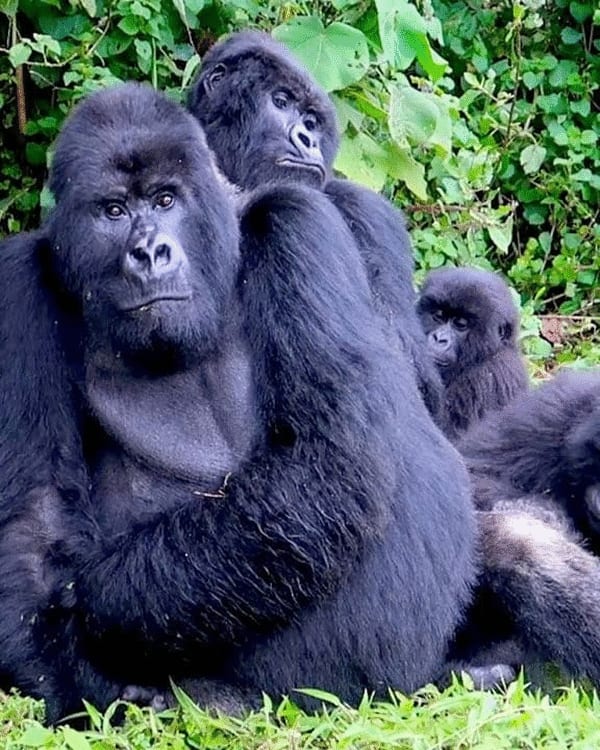
Gorilla Trekking | Relaxing
Bwindi Impenetrable Forest
Meals: Breakfast, Lunch, Dinner
The Last Day With Us | Equator Stopover | Transfer To The Airport | Fly Back Home
Entebbe International Airport
Meals: Breakfast, Lunch
Year Round
Year-round
| Season | Solo traveller | 2 people | 3 – 4 people | 5 – 6 people | 7+ people | Child rate | Single suppl. |
|---|---|---|---|---|---|---|---|
Year Round Year-round | $4,515 | $3,010 | $2,709 | $2,559 | $2,408 | $2,107 | $903 |
Child rate applies to travelers under 12 years. Single supplement applies to solo travelers taking their own room.
The best time to trek mountain gorillas in Uganda is during the dry seasons: June to July and December to February. During these months, trails are more accessible, visibility is clearer for photography, and gorillas tend to stay at lower elevations. However, gorilla trekking is possible year-round, though the rainy seasons (March to May and September to November) can make trails muddy and more challenging. It's important to note that gorilla permits are highly sought after, so booking well in advance is essential regardless of season.
Gorilla trekking requires moderate to good physical fitness, as you'll be hiking through dense forest terrain at high altitude (often between 7,000 and 13,000 feet). Treks typically last 2 to 7 hours depending on where the gorillas are located. You should be comfortable walking uphill on uneven, sometimes muddy paths. However, porters are available to assist, and the pace is leisurely. If you have any health concerns, consult your doctor beforehand, and inform your guide of any limitations so they can adjust the pace accordingly.
Uganda's national parks host an incredible variety of wildlife. You can see African elephants, lions, buffalo, leopards, hyenas, and various antelope species including kob and waterbuck. Bird enthusiasts will appreciate over 1,000 bird species found throughout the country. At Ziwa Rhino Sanctuary, you can track endangered white rhinos on foot. Murchison Falls is particularly known for large concentrations of hippos, crocodiles, and diverse birdlife. Kibale Forest is home to over 13 primate species beyond chimpanzees, including red colobus monkeys and mangabeys. The combination of different ecosystems across Uganda's parks ensures a rich and varied wildlife experience.
Yes, vaccinations are strongly recommended before traveling to Uganda. Yellow fever vaccination is particularly important and may be required for entry, depending on your country of origin. Other commonly recommended vaccines include typhoid, hepatitis A and B, and routine immunizations. Malaria prophylaxis is also advised, especially for lower-altitude areas. It's essential to consult with a travel health clinic or your doctor at least 4 to 6 weeks before your trip to receive personalized medical advice based on your health history and the specific areas you'll be visiting. Travel insurance that covers medical emergencies is also highly recommended.
A 7-day safari is an ideal duration for experiencing both mountain gorilla and chimpanzee trekking while also enjoying broader wildlife experiences. This timeframe allows you to visit multiple national parks and sanctuaries without feeling rushed. A typical itinerary includes time for gorilla trekking in Bwindi or Mgahinga, chimpanzee tracking in Kibale Forest, rhino tracking at Ziwa Sanctuary, and wildlife viewing at Murchison Falls. While shorter 3 to 4-day trips focusing only on gorillas are possible, 7 days provides a more comprehensive Ugandan safari experience with less travel fatigue and more opportunities for wildlife encounters.
Pack sturdy, waterproof hiking boots with good ankle support, as they're essential for muddy forest trails. Bring lightweight, moisture-wicking clothing in neutral colors (avoid bright colors that can disturb wildlife), along with a waterproof rain jacket and trousers. Layer your clothing, as forest temperatures can vary significantly with altitude. Include a wide-brimmed hat, sunscreen, insect repellent, and a headlamp or flashlight for early morning starts. Pack binoculars for wildlife viewing and a camera with a good zoom lens. Bring any personal medications, toiletries, and a small first-aid kit. Comfortable walking socks and gaiters help protect against insects. Finally, pack light, as luggage space is often limited on small aircraft used for internal transfers.
Yes, gorilla trekking in Uganda is generally safe when conducted through reputable operators with experienced guides. Mountain gorillas are wild animals and naturally shy; they rarely attack humans unless they feel threatened. Your professional guide will maintain a safe distance (typically 7 meters) and provide clear instructions on behavior and positioning. Guides are trained in gorilla behavior and know how to respond appropriately. The main risks are environmental—slippery trails, altitude, and physical exertion—rather than gorilla encounters. To maximize safety, follow all guide instructions, wear appropriate footwear, and inform your guide of any health concerns. Choosing operators with strong safety records and proper insurance is important.
Mountain gorillas and chimpanzees are both great apes but differ significantly. Gorillas are larger, weighing 300-400 pounds, while chimpanzees weigh 70-130 pounds. Gorillas are primarily herbivorous, eating plants and vegetation, whereas chimpanzees are omnivorous and hunt small mammals. Gorillas live in stable family groups led by a dominant silverback male, while chimps have more fluid social structures. Behaviorally, gorillas are generally calm and gentle, while chimpanzees are more energetic and vocal. Physically, gorillas have longer arms relative to body size and lack the prominent ears of chimpanzees. Both species are highly intelligent and endangered. Trekking experiences differ too: gorilla treks involve hiking through dense forest to find groups, while chimpanzee tracking often involves listening for their calls before locating them.
A mountain gorilla permit in Uganda typically costs between $600 and $800 USD per person, depending on the specific location and park. Bwindi Impenetrable National Park and Mgahinga Gorilla National Park both offer permits, with prices occasionally varying. Permits are issued on a first-come, first-served basis and are highly sought after, especially during peak seasons, so advance booking is crucial. The permit fee grants you access to trek with a gorilla family for up to one hour. Some safari packages include gorilla permits in their pricing, while others list them separately. It's worth noting that permit prices can change, so confirm current rates with your operator or the Uganda Wildlife Authority. The investment is worthwhile for this once-in-a-lifetime experience.
Visa requirements for Uganda depend on your nationality. Citizens of many countries can obtain a visa on arrival or apply for an e-visa online before traveling, while some nationalities may be exempt from visa requirements for short stays. It's essential to check the current visa requirements with the Ugandan embassy or official government website for your specific country of citizenship well before your trip. Most tourists can obtain a 30-day tourist visa relatively easily. Additionally, ensure your passport is valid for at least 6 months beyond your intended departure date. Processing times for visas vary, so apply well in advance. Travel insurance is also highly recommended and should be arranged before departure.
© 2026 SafariFind. All rights reserved.