 1 / 9
1 / 9 7 daysPrivate
7-Day Kilimanjaro Climb Lemosho Route
by
Loading SafariFind...
1 / 9by
SafariFind app
Keep up with your inquiries and bookings, and message operators wherever you are.

Suits
Runs in
Price includes
Not included
Day 1
Arusha City
Meals: Lunch, Dinner
Day 2
Kilimanjaro National Park
Meals: Breakfast, Lunch, Dinner
Day 3
Kilimanjaro National Park
Meals: Breakfast, Lunch, Dinner
Day 4
Kilimanjaro National Park
Meals: Breakfast, Lunch, Dinner
Day 5
Kilimanjaro National Park
Meals: Breakfast, Lunch, Dinner
Day 6
Kilimanjaro National Park
Meals: Breakfast, Lunch, Dinner
Day 7
Kilimanjaro National Park
Meals: Breakfast, Lunch
Year Round
Year-round
| Season | Solo traveller |
|---|---|
Year Round Year-round | $3,500 |
The Lemosho Route is one of the most scenic and rewarding trekking paths on Mount Kilimanjaro, known for offering an excellent balance of natural beauty and acclimatization success. It begins on the western slopes of the mountain and gradually ascends through diverse ecosystems—lush rainforest, heath and moorland, alpine desert, and high-altitude zones—before approaching the summit via the Southern Circuit. This route is favored by experienced climbers because it provides superior acclimatization opportunities compared to steeper routes, reducing the risk of altitude sickness, and it tends to be quieter and less crowded than popular alternatives like the Marangu Route. The Lemosho Route also offers stunning views of glaciers, volcanic formations, and the surrounding Tanzanian landscapes throughout the journey.
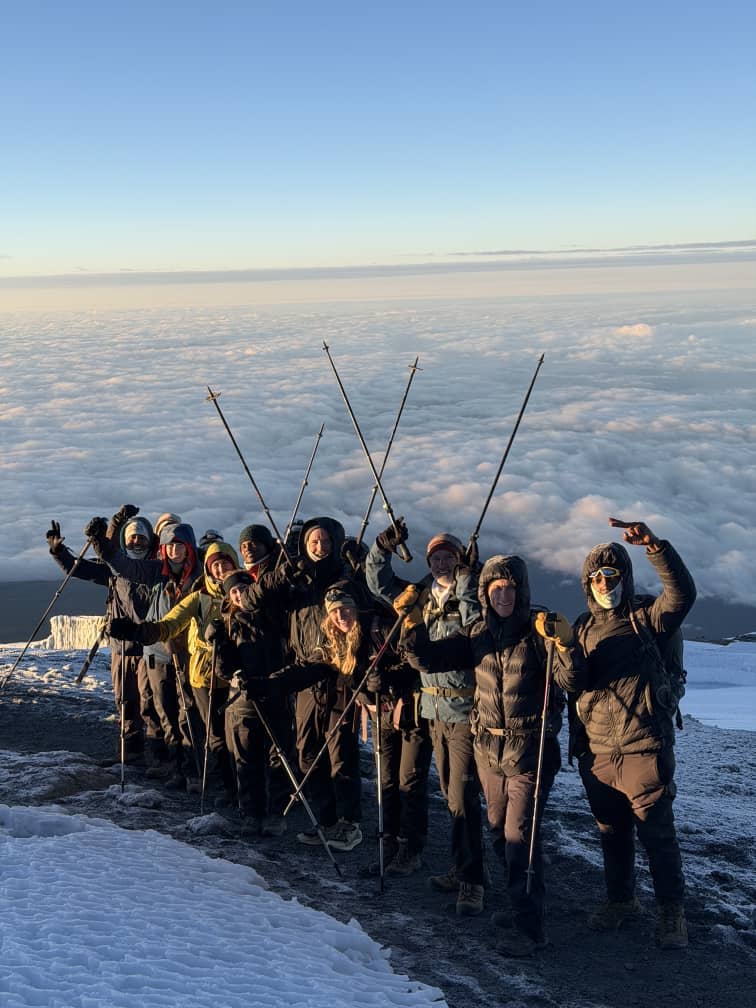
Mount Kilimanjaro's highest point is Uhuru Peak, which stands at 5,895 meters (19,341 feet) above sea level, making it the highest peak in Africa. Uhuru Peak is the ultimate destination for climbers attempting to summit Kilimanjaro. Reaching this elevation is a significant achievement, as climbers must acclimatize gradually to the thin air and extreme altitude. The final push to Uhuru Peak typically occurs in the early morning hours to maximize the chances of success and to allow climbers to experience the breathtaking sunrise from Africa's highest point.
A 7-day climb on the Lemosho Route is considered a good duration for summiting Mount Kilimanjaro, as it provides adequate time for proper acclimatization—a critical factor in achieving a successful summit attempt. The Lemosho Route is specifically designed with gradual elevation gain and a longer approach, which helps your body adjust to the decreasing oxygen levels at higher altitudes. This extended timeframe significantly improves your chances of reaching Uhuru Peak compared to faster routes. However, success also depends on individual fitness levels, prior altitude experience, and how well your body adapts. It's important to follow your guide's recommendations, stay hydrated, and listen to your body throughout the climb.
The Lemosho Route takes you through some of Mount Kilimanjaro's most diverse and stunning landscapes. Your journey begins in the lush rainforest on the western slopes, where you'll experience dense vegetation and rich biodiversity. As you ascend, you'll transition through the heath and moorland zone, characterized by open grasslands and unique alpine vegetation. Further up, you'll enter the alpine desert, a sparse, otherworldly landscape with minimal vegetation and dramatic geological formations. Finally, you'll reach the high-altitude zone near the summit, where glaciers and volcanic features dominate the landscape. Throughout the trek, you'll enjoy breathtaking views of glaciers, volcanic formations, and the surrounding Tanzanian countryside, making the Lemosho Route one of the most scenic ways to climb Kilimanjaro.
The best times to climb Mount Kilimanjaro are during the dry seasons: January to March (short dry season) and June to October (long dry season). During these periods, you'll experience more stable weather, clearer skies, and better visibility for enjoying the spectacular views. The June to October window is particularly popular as it offers cooler temperatures at higher altitudes and more consistent climbing conditions. December to mid-January and April to May are considered the rainy seasons, when trails become muddy and visibility is reduced, making climbing more challenging. However, these shoulder seasons see fewer climbers and offer lush green landscapes. Regardless of when you climb, weather on the mountain can be unpredictable, so it's essential to be prepared for various conditions and to follow your guide's advice.
Packing appropriately is crucial for a successful and comfortable Kilimanjaro climb. Essential items include: layered clothing (thermal base layers, insulating mid-layers, and a windproof jacket) to manage temperature changes from tropical rainforest to freezing alpine conditions; sturdy, well-broken-in hiking boots with good ankle support; a warm hat, gloves, and sunglasses; high-SPF sunscreen and lip balm to protect against intense UV exposure at altitude; a headlamp or flashlight for early morning summit attempts; a sleeping bag rated for sub-zero temperatures; moisture-wicking socks; and a day pack for carrying water and essentials. Personal items should include any medications (especially for altitude sickness if recommended by your doctor), toiletries, and a camera. Most operators provide accommodation and meals, so focus on clothing and personal gear. It's advisable to check with your specific tour operator for a detailed packing list, as they may provide additional guidance based on current conditions.
Altitude sickness, also known as acute mountain sickness (AMS), is a common concern when climbing Mount Kilimanjaro due to the rapid elevation gain and thin air at high altitudes. Symptoms include headaches, nausea, fatigue, and dizziness. The Lemosho Route is specifically designed to minimize altitude sickness risk because its gradual ascent and longer duration allow your body more time to acclimatize to lower oxygen levels. To prevent altitude sickness: climb slowly and steadily, allowing your body to adjust; stay well-hydrated throughout the trek; eat nutritious meals to maintain energy; avoid alcohol and excessive caffeine; listen to your guide's advice about pacing; and consider discussing altitude sickness medication (such as acetazolamide) with your doctor before your climb. Most importantly, inform your guide immediately if you experience symptoms, as they can adjust the pace or recommend descent if necessary. Proper acclimatization and a slower climbing route like Lemosho significantly increase your chances of summiting successfully without serious altitude-related issues.
A comprehensive Kilimanjaro climbing package typically includes: park entrance fees to access Mount Kilimanjaro National Park; professional experienced guides who are trained in mountain safety and acclimatization; accommodation in mountain huts or camps throughout the trek; meals (breakfast, lunch, and dinner) as indicated in your itinerary; drinking water provided during the climb; and airport transfers to and from the starting point. However, most packages exclude: international flights to Tanzania; visa fees (though many nationalities can obtain visas on arrival); travel insurance (highly recommended); tips and gratuities for guides and porters; personal expenses such as souvenirs or additional snacks; and alcoholic beverages. It's essential to review your specific package details carefully and clarify what's included before booking. Additionally, consider purchasing comprehensive travel insurance that covers high-altitude trekking, as this is not typically included in standard packages.
No, you do not need prior climbing or mountaineering experience to summit Mount Kilimanjaro. Unlike technical mountain climbs that require specialized rock climbing skills, Kilimanjaro is primarily a high-altitude trekking challenge rather than a technical climb. The main requirements are: good physical fitness and cardiovascular endurance (training for several months before your climb is recommended); mental determination and resilience; and the ability to acclimatize well to altitude. The Lemosho Route is particularly suitable for first-time climbers because its gradual ascent and longer duration provide excellent acclimatization time. However, you should be in reasonably good health and prepared for the physical demands of walking at altitude for several hours each day. Many first-time trekkers successfully summit Kilimanjaro each year. It's advisable to consult with your doctor before climbing, especially if you have any pre-existing health conditions, and to follow a structured training program in the months leading up to your trek.
Daily trekking times on the Lemosho Route vary depending on the specific itinerary and acclimatization needs, but generally range from 4 to 7 hours of active hiking per day. The early days of the trek, when you're in the rainforest and lower elevations, typically involve longer daily distances but easier terrain. As you gain altitude, daily distances may decrease, but the terrain becomes steeper and the thin air makes hiking more challenging. Your professional guide will set a pace that prioritizes acclimatization and safety over speed, which is why the Lemosho Route takes 7 days rather than the faster 5 or 6-day alternatives. This slower pace is actually beneficial for your body's adjustment to altitude and significantly increases your chances of successfully reaching Uhuru Peak. Rest days or lighter hiking days are often built into the itinerary to further aid acclimatization. Your guide will communicate daily plans each morning and adjust the pace based on how climbers are feeling.
 Pumba ReisenArusha, Tanzania
© 2026 SafariFind. All rights reserved.
