 1 / 3
1 / 3 7 daysPrivate
7-Day Kruger, Victoria Falls, Hwange & Chobe Safari
by
Highlights
- Game Drive
- Falls Tour
Loading SafariFind...
1 / 3by
Arrive in Johannesburg - Hazyview
Hazyview
Meals: Dinner
Full-day Kruger Safari
Kruger National Park
Meals: Breakfast, Dinner
Victoria Falls
Victoria Falls
Meals: Breakfast
Tour of Victoria Falls & Sundowner Cruise
Victoria Falls
Meals: Breakfast
Full-day Chobe National Park Safari
Chobe National Park
Meals: Breakfast, Lunch
Full-day Hwange National Park Safari
Hwange National Park
Meals: Breakfast, Lunch
Victoria Falls Departure
Victoria Falls
Meals: Breakfast
Year Round
Year-round
| Season | Solo traveller | 2 people | 3 – 4 people | 5 – 6 people | 7+ people | Child rate | Single suppl. |
|---|---|---|---|---|---|---|---|
Year Round Year-round | $3,218 | $2,145 | $1,931 | $1,823 | $1,716 | $1,502 | $644 |
Child rate applies to travelers under 12 years. Single supplement applies to solo travelers taking their own room.
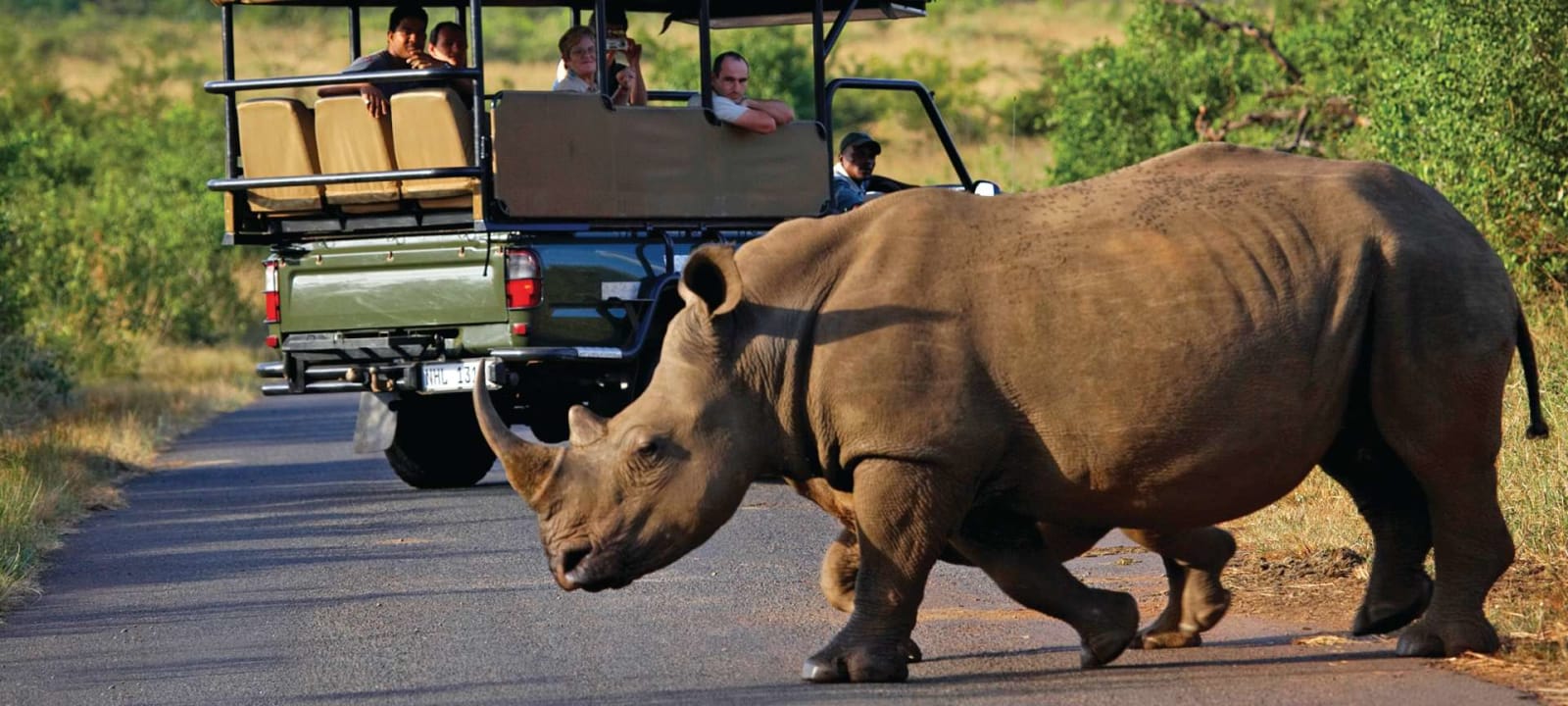
Kruger National Park is one of Africa's largest game reserves and offers exceptional wildlife viewing opportunities. You can expect to see the Big Five—lions, leopards, rhinoceros, elephants, and buffalo—along with numerous other species including giraffes, zebras, wildebeest, hyenas, wild dogs, and a remarkable variety of bird species. The park covers nearly 2 million hectares, providing diverse habitats from savanna to woodland, which supports over 500 species of birds and countless mammal species. Game drives with experienced guides significantly increase your chances of memorable wildlife encounters.
The best time to visit Kruger National Park is during the dry season, which runs from May to September. During these months, vegetation is sparse, water sources are limited, and animals congregate around remaining waterholes, making wildlife sightings more frequent and predictable. The cooler temperatures also make for more comfortable game drives. However, the park is rewarding year-round—the green season (November to March) offers lush landscapes and excellent birdwatching, though animals are more dispersed. Early morning and late afternoon game drives typically yield the best wildlife viewing regardless of season.
Victoria Falls is one of the world's largest and most spectacular waterfalls, straddling the border between Zimbabwe and Zambia. Known locally as 'Mosi-oa-Tunya' (The Smoke That Thunders), it plunges over 100 meters and stretches more than 1.7 kilometers wide, creating an awe-inspiring natural wonder. The falls are particularly impressive during the rainy season when water volume is at its peak. Beyond the falls themselves, the area offers thrilling activities including guided tours of the falls, sunset cruises on the Zambezi River, and opportunities to experience the raw power of nature. The combination of natural beauty, adventure activities, and wildlife viewing makes Victoria Falls an essential African destination.
Hwange National Park in Zimbabwe is home to one of Africa's largest elephant populations, with estimates of around 45,000 elephants. The park covers approximately 14,600 square kilometers and provides crucial habitat for these magnificent creatures. Beyond elephants, Hwange supports diverse wildlife including lions, buffalo, giraffes, zebras, and numerous antelope species. The abundance of elephants, particularly during the dry season when they gather around waterholes, makes Hwange an exceptional destination for wildlife enthusiasts. The park's vast landscape and healthy elephant population offer unforgettable safari experiences and excellent photography opportunities.
The Chobe River, which forms the border between Botswana and Namibia, is renowned for having one of the highest concentrations of wildlife in Africa. River cruises offer spectacular opportunities to observe large herds of elephants, buffalo, hippos, and crocodiles coming to drink at the water's edge. The river also attracts numerous bird species, making it excellent for birdwatchers. The dense concentration of animals along the riverbank, particularly during the dry season, creates exceptional viewing conditions. Early morning and late afternoon cruises are ideal, as animals are most active during cooler parts of the day. The Chobe River experience provides a unique perspective on African wildlife compared to traditional land-based game drives.
Visa requirements depend on your nationality and the specific countries you're visiting. This safari covers South Africa (Kruger), Zimbabwe (Victoria Falls and Hwange), Botswana (Chobe), and potentially Namibia. Most visitors will need passports valid for at least six months beyond their travel dates. Many nationalities can enter South Africa and Botswana visa-free for tourism, but Zimbabwe and Namibia may require visas depending on your citizenship. Some nationalities qualify for visa-on-arrival in certain countries. It's essential to check the specific visa requirements for your passport with the embassies or consulates of each country well in advance of your trip. Consider consulting your travel operator or official government immigration websites for the most current requirements.
Packing for a safari requires consideration of both wildlife viewing needs and climate conditions. Bring neutral-colored, lightweight clothing (khaki, tan, green, brown) that blends into the landscape—avoid bright colors and white, which can startle animals. Include layers for early morning and evening game drives, which can be cool. Essential items include a wide-brimmed hat, high-SPF sunscreen, sunglasses, and a lightweight rain jacket for the rainy season. Binoculars are invaluable for wildlife viewing. Comfortable, closed-toe hiking boots are necessary for walking safaris and exploring Victoria Falls. Don't forget insect repellent, particularly if visiting during warmer months. A camera with a good zoom lens and extra batteries is highly recommended. Medications, toiletries, and any personal items should be brought from home. Check with your safari operator for specific recommendations based on the season of your visit.
A 7-day safari provides an excellent timeframe for experiencing diverse wildlife across multiple ecosystems and destinations. This duration allows for multiple full-day game drives in different parks, increasing your chances of encountering varied species and experiencing different habitats. With a week-long safari, you can dedicate full days to major parks like Kruger, allowing for both morning and afternoon drives when animal activity is highest. This timeframe also permits visits to natural wonders like Victoria Falls and river cruises on the Chobe, creating a well-rounded African experience. While shorter 3-4 day safaris are possible, they offer limited game viewing opportunities. Longer safaris of 10+ days allow deeper exploration of individual parks and increase wildlife sighting probabilities, but 7 days strikes an excellent balance between comprehensive wildlife viewing and practical travel logistics.
Before traveling to Southern Africa, consult with a travel medicine clinic or your doctor at least 4-6 weeks before departure. Malaria prophylaxis is recommended for most areas, particularly Kruger National Park and lower-lying regions—discuss options with your healthcare provider as recommendations vary by individual risk factors. Yellow fever vaccination may be required depending on your itinerary and country of residence; check current requirements with official health authorities. Routine vaccinations (MMR, tetanus, polio) should be up to date. Typhoid and hepatitis A vaccinations are often recommended. Travel insurance that covers medical evacuation is highly advisable for remote safari areas. Practice malaria prevention through insect repellent, long sleeves during dawn and dusk, and sleeping under mosquito nets. Bring a comprehensive first-aid kit and any personal medications in original containers. Stay hydrated, practice good food and water hygiene, and avoid drinking untreated water. Consult official health advisories for current disease information in the regions you'll visit.
Yes, the Big Five—lion, leopard, rhinoceros, elephant, and buffalo—can all be seen in the parks covered by this safari itinerary, particularly in Kruger National Park and Hwange National Park. Kruger is especially renowned for reliable Big Five sightings due to its size, well-developed infrastructure, and healthy populations of all five species. Elephants are particularly abundant in Hwange and along the Chobe River. However, leopards remain the most elusive of the Big Five and sightings cannot be guaranteed. The probability of seeing all five species during a 7-day safari depends on factors including season, specific locations visited, weather, and luck. Your experienced guide's knowledge and the timing of game drives (early morning and late afternoon) significantly increase your chances. While seeing the complete Big Five is a common goal, the safari experience encompasses far more wildlife diversity and natural beauty beyond these five iconic species.
© 2026 SafariFind. All rights reserved.

