 1 / 81 / 8
Loading SafariFind...
1 / 8Arrival Arusha City
Arusha
Meals: Dinner
Chemka Hot Springs & Materuni Waterfalls
Materuni Waterfalls
Meals: Breakfast, Lunch, Dinner
Arusha to Tarangire National Park
Tarangire National Park
Meals: Breakfast, Lunch, Dinner
Tarangire to Serengeti National Park
Serengeti National Park
Meals: Breakfast, Lunch, Dinner
Full Day in Serengeti
Serengeti National Park
Meals: Breakfast, Lunch, Dinner
Serengeti to Ngorongoro Crater
Ngorongoro Crater
Meals: Breakfast, Lunch, Dinner
Lake Manyara National Park
Lake Manyara National Park
Meals: Breakfast
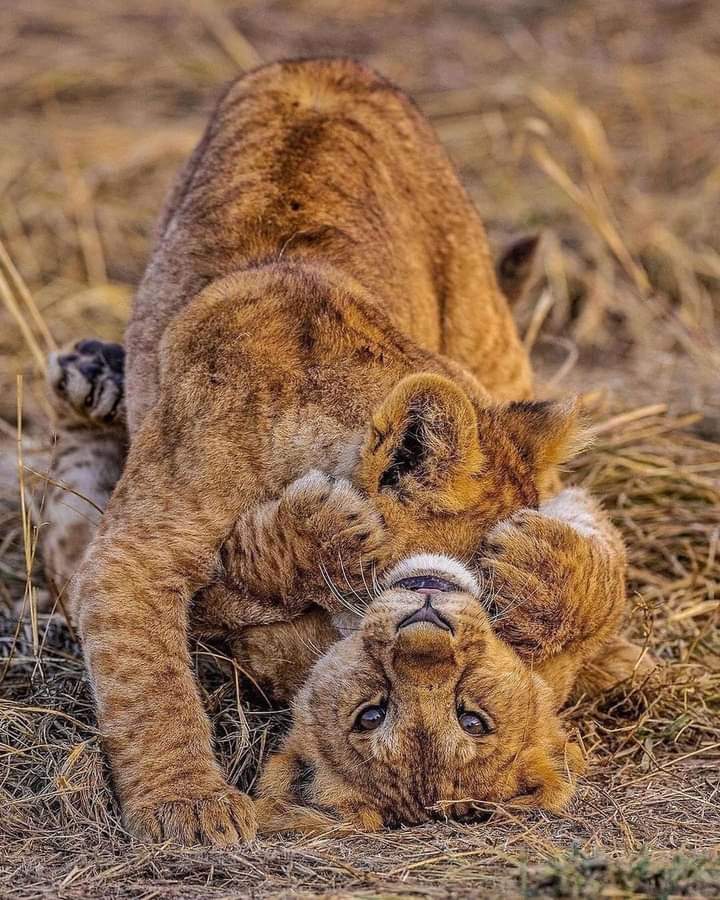
The Northern Circuit of Tanzania is home to an incredible diversity of wildlife. In Tarangire National Park, you'll encounter large elephant herds, buffalo, giraffes, zebras, and various antelope species. The Serengeti is famous for its massive wildebeest and zebra populations, along with lions, leopards, cheetahs, and African wild dogs. Ngorongoro Crater offers a unique ecosystem where you can see black rhinos, hippos, and a concentrated population of predators and herbivores. Lake Manyara is known for its tree-climbing lions, flamingos, and abundant birdlife. The variety across these parks means you'll experience Tanzania's full spectrum of African wildlife in one journey.
Tanzania's safari season is generally year-round, but the best times depend on what you want to experience. The dry season from June to October offers the clearest skies, easier game viewing, and the famous Great Migration river crossings in the Serengeti. December to February is the rainy season but features lush landscapes, fewer tourists, and excellent bird watching. March to May brings heavy rains but lower prices and dramatic wildlife photography opportunities. For most travelers, June to October provides the optimal combination of wildlife visibility and weather conditions for a Northern Circuit safari.
A 7-day safari is considered ideal for experiencing Tanzania's Northern Circuit comprehensively. This duration allows you to spend meaningful time in multiple parks—Tarangire, Serengeti, Ngorongoro, and Lake Manyara—without feeling rushed. Seven days gives you several game drives in each location, increasing your chances of encountering diverse wildlife and experiencing different ecosystems. While shorter safaris (3-4 days) are possible, they limit your park exploration. Longer safaris (10+ days) allow for deeper immersion and additional destinations like the Southern Circuit or cultural experiences.
Pack lightweight, neutral-colored clothing in khaki, tan, and olive tones to blend with the landscape and avoid disturbing wildlife. Bring layers for temperature variations—mornings and evenings can be cool, especially in elevated areas like Ngorongoro. Essential items include a wide-brimmed hat, high-SPF sunscreen, sunglasses, and a good camera with extra batteries. Comfortable walking shoes and closed-toe hiking boots are important for game drives and any walking excursions. Don't forget binoculars for wildlife viewing, a reusable water bottle, insect repellent, and any personal medications. Pack a light rain jacket even during dry season. Most safari vehicles have limited luggage space, so pack efficiently in soft-sided bags rather than hard suitcases.
While specific vaccination requirements depend on your home country and current health regulations, certain vaccinations are commonly recommended for Tanzania. Yellow fever vaccination is often suggested, particularly if traveling from endemic countries. Malaria prophylaxis is typically recommended, especially for lower-altitude areas like Lake Manyara and Tarangire. Routine vaccinations (measles, tetanus, hepatitis A and B) are also advisable. Typhoid and rabies vaccinations may be considered depending on your itinerary and activities. It's essential to consult with a travel medicine clinic 4-6 weeks before your departure to receive personalized health recommendations based on your medical history and specific travel plans.
Yes, Tanzania is a popular and generally safe safari destination that welcomes thousands of international visitors annually. The Northern Circuit parks are well-established, professionally managed, and visited by tourists worldwide. Safari operators employ experienced, trained guides who prioritize safety during game drives and all activities. The wildlife, while wild, is accustomed to vehicles and tourists following proper protocols. Standard safety precautions include staying in your vehicle during game drives, following guide instructions, and avoiding wildlife encounters outside controlled settings. As with any international travel, exercise standard safety practices in towns and cities like Arusha. Choosing reputable, established safari operators significantly enhances your safety and experience.
Tanzania safari costs vary significantly based on season, accommodation level, and operator. A 7-day Northern Circuit safari typically ranges from mid-budget to premium pricing depending on lodge choices and service quality. Budget safaris may cost $1,500-$2,500 per person, mid-range safaris $2,500-$5,000, and luxury safaris $5,000+. Most comprehensive packages include park fees, accommodation, meals, transportation, and professional guides, which represents excellent value. Costs are typically lower during shoulder and rainy seasons. Additional expenses not included in base packages are international flights, travel insurance, visa fees, tips, and alcoholic beverages. Booking directly with operators or during off-season can provide better rates than booking last-minute or during peak season.
The primary way to explore Tanzania's safari parks is via private 4x4 safari vehicles, which provide the best vantage points for wildlife viewing and can navigate off-road terrain to follow animals. Professional safari guides drive these vehicles and handle navigation while you focus on observing wildlife. Game drives typically occur in early morning and late afternoon when animals are most active. For longer distances between parks, you may travel by road or domestic flights depending on the itinerary and time constraints. Walking safaris with guides are sometimes available in certain areas for a more intimate experience. The 4x4 vehicle approach is safest, most comfortable, and provides the best wildlife photography opportunities compared to other transportation methods.
Yes, the Great Migration is one of Tanzania's most spectacular wildlife events and can be experienced on a Northern Circuit safari, particularly in the Serengeti. This massive movement of over 2 million wildebeest, zebras, and other herbivores follows seasonal rains in a clockwise pattern across the Serengeti and Masai Mara. The migration timing varies: the southern Serengeti hosts the migration from December to May during calving season, while the northern Serengeti and Masai Mara see the migration from July to October during river crossings. Witnessing river crossings—where predators hunt migrating animals—is particularly dramatic. A 7-day safari scheduled during these peak periods maximizes your chances of encountering the migration, though specific timing depends on rainfall patterns that vary annually.
Tanzania's Northern Circuit offers rich cultural immersion opportunities alongside wildlife viewing. The region around Mount Kilimanjaro and Arusha provides access to local Tanzanian communities and villages where you can learn about traditional ways of life, local customs, and cultural practices. Many safaris include visits to Maasai communities, where you can interact with local people, learn about their pastoral traditions, and understand their relationship with the land and wildlife. Village walks and cultural tours offer insights into daily life, traditional crafts, and local agriculture. These cultural experiences complement game drives, providing a well-rounded understanding of Tanzania beyond wildlife. Engaging respectfully with communities and supporting local economies through tourism creates meaningful connections and contributes positively to local development.
© 2026 SafariFind. All rights reserved.