 1 / 91 / 9
Loading SafariFind...
1 / 9Arusha National Park
Arusha National Park
Meals: Dinner
Tarangire National Park
Tarangire National Park
Meals: Breakfast, Lunch, Dinner
Serengeti National Park
Serengeti National Park
Meals: Breakfast, Lunch, Dinner
Serengeti National Park
Serengeti National Park
Meals: Breakfast, Lunch, Dinner
Serengeti National Park
Serengeti National Park
Meals: Breakfast, Lunch, Dinner
Ngorongoro Crater
Ngorongoro Crater
Meals: Breakfast, Lunch, Dinner
Lake Manyara National Park
Ngorongoro Crater
Meals: Breakfast
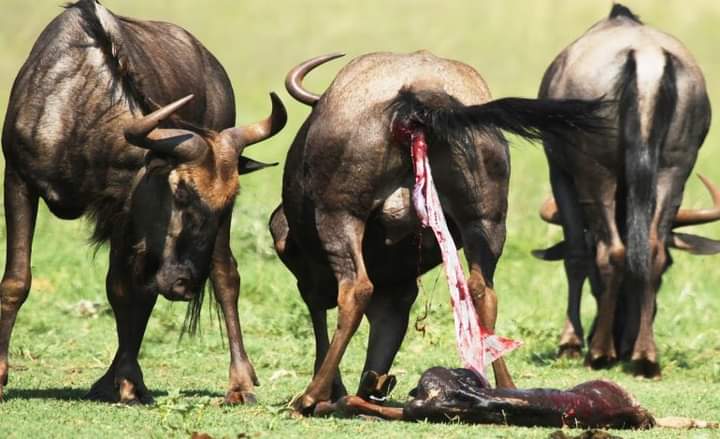
Northern Tanzania is home to incredible wildlife diversity, including the Big Five (lion, leopard, rhinoceros, elephant, and Cape buffalo). The region is particularly famous for its large elephant populations, especially in Tarangire National Park. You'll also encounter zebras, giraffes, wildebeest, gazelles, hyenas, and numerous bird species. The Serengeti is renowned for hosting the Great Migration, where millions of wildebeest and zebras move across the plains seasonally, creating one of nature's most spectacular events. Arusha National Park offers sightings of buffalo, giraffe, and various antelope species in a more intimate setting.
The best time to visit Northern Tanzania depends on what you want to experience. The dry season from June to October offers excellent game viewing as animals congregate around water sources, and this is when the Great Migration typically moves through the Serengeti. The short rains in November and December bring lush green landscapes and fewer tourists. The long rains from March to May are less ideal for safari due to muddy roads and reduced visibility, though the scenery is stunning and wildlife is dispersed. December to February is also good for game viewing and offers warm, dry conditions. For the Great Migration specifically, July to October is prime time.
Pack neutral-colored, breathable clothing in layers, as mornings and evenings can be cool while days are warm. Bring long-sleeved shirts and pants to protect against sun and insects. Essential items include a wide-brimmed hat, sunglasses, high-SPF sunscreen, insect repellent, and a light rain jacket. Comfortable, closed-toe hiking boots are crucial for game drives and walking safaris. Pack a camera with extra batteries and memory cards, binoculars for wildlife viewing, and any personal medications. Toiletries, a headlamp or flashlight, and a power bank are also recommended. Since three meals daily are provided, you don't need to pack extensive food items, but bring any specific snacks or dietary supplements you prefer. Check weather forecasts closer to your travel dates for more specific packing guidance.
A 7-day Northern Tanzania safari typically includes multiple game-viewing days across different parks. With the itinerary covering Arusha National Park, Tarangire National Park, and the Serengeti, you can expect several dedicated game-drive days—usually at least 4-5 full-day or combination morning/afternoon drives. The Serengeti portion alone typically features multiple game-viewing opportunities given its vast wilderness and wildlife concentration. Game drives are usually conducted in early morning (starting around 6-7 AM) and late afternoon (around 4-5 PM) when animals are most active. Your professional English-speaking guide will optimize routes based on recent wildlife sightings and seasonal patterns.
The Great Migration is a natural phenomenon that occurs seasonally, so it cannot be absolutely guaranteed, but a 7-day Northern Tanzania safari is strategically timed to maximize your chances of witnessing it. The migration typically moves through the Serengeti from June to October, with peak activity usually between July and September. However, the exact timing varies yearly based on rainfall and grass conditions. Even if you don't witness the massive river crossings, you'll still see enormous herds of wildebeest and zebras, plus abundant other wildlife. Your professional guide will use current information to position you for the best viewing opportunities. It's wise to manage expectations while understanding that seeing the migration, even partially, is an extraordinary experience.
A typical 7-day Northern Tanzania safari includes accommodation throughout your stay, all meals (breakfast, lunch, and dinner daily), a professional English-speaking guide, a private 4x4 safari vehicle for game drives, bottled water during drives, and all national park entrance fees. Government taxes and VAT are also covered. However, international airfare is not included, so you'll need to arrange your own flights. Travel insurance, visa fees, and travel vaccinations are your responsibility. Alcoholic beverages beyond what's provided are not included, nor are tips and gratuities for guides and staff (though these are customary and appreciated). Personal expenses, optional activities, and any additional excursions beyond the itinerary are also excluded. It's wise to budget separately for these items.
Visa requirements for Tanzania depend on your nationality. Many countries' citizens can obtain a visa on arrival at Tanzania's international airports, while others must apply in advance at a Tanzanian embassy or consulate. Some nationalities qualify for e-visa applications online before travel. It's essential to check the current visa requirements for Tanzania based on your passport country well in advance of your trip—ideally 2-3 months before departure. Visit the official Tanzanian immigration website or contact your nearest Tanzanian embassy for the most up-to-date information. Processing times can vary, so don't delay. Keep in mind that your passport should be valid for at least six months beyond your travel dates.
Vaccinations for Tanzania vary based on your health history and the regions you're visiting. Yellow fever vaccination is often recommended or required, depending on your origin country, and proof of vaccination may be needed upon entry. Malaria prophylaxis (anti-malaria medication) is typically recommended for most areas of Tanzania, including the safari regions. Other vaccinations commonly advised include those for hepatitis A and B, typhoid, and routine immunizations (MMR, tetanus, etc.). Since health recommendations change and depend on individual circumstances, consult with a travel medicine specialist or your doctor 4-6 weeks before your trip. They'll assess your specific health profile and travel itinerary to provide personalized recommendations. Ensure you have adequate travel insurance that covers any health-related issues.
A Northern Tanzania safari is generally moderate in physical demand. Most time is spent sitting in a comfortable 4x4 vehicle during game drives, which requires minimal physical exertion. However, you'll be in the vehicle for extended periods (typically 5-7 hours daily with breaks), so some comfort with sitting and bumpy terrain is necessary. Early morning starts (around 6 AM) and afternoon drives are part of the routine. Walking safaris or nature walks may be offered in some parks, which require moderate fitness levels. The altitude in some areas (particularly around Arusha) can affect those sensitive to elevation changes. The climate is warm and can be physically taxing, so staying hydrated and managing sun exposure is important. Most safari operators can accommodate varying fitness levels, so discuss any concerns when booking.
Each park offers distinct wildlife viewing and landscape experiences. The Serengeti is Tanzania's largest and most famous park, known for its endless savannah plains, the Great Migration, and exceptional concentrations of the Big Five. It covers approximately 14,750 square kilometers and is a UNESCO World Heritage Site. Tarangire National Park is smaller but famous for its massive elephant populations—you can see hundreds of elephants, especially during the dry season—and diverse birdlife. The Tarangire River is a crucial water source that attracts wildlife. Arusha National Park is the smallest and most accessible, featuring lush highland forests, volcanic landscapes, and Mount Mawenzi views. It's ideal for a more intimate safari experience with diverse ecosystems in a compact area. Together, these three parks showcase the full spectrum of Northern Tanzania's ecosystems and wildlife.
© 2026 SafariFind. All rights reserved.