 1 / 3
1 / 3 7 daysPrivate
7-Day Sabi Sands, Timbavati & Kruger Big Five Safari
by
Highlights
- Big Five Safari
- Game Drive
Loading SafariFind...
1 / 3by
Sabi Sands Game Reserve
Sabi Sand Game Reserve
Meals: Lunch, Dinner
Sabi Sands Game Reserve
Sabi Sand Game Reserve
Meals: Breakfast, Lunch, Dinner
Timbavati Private Nature Reserve
Timbavati Private Nature Reserve
Meals: Breakfast, Lunch, Dinner
Timbavati Nature Reserve
Timbavati Private Nature Reserve
Meals: Breakfast, Lunch, Dinner
Kruger National Park
Kruger National Park
Meals: Breakfast, Lunch, Dinner
Kruger National Park
Kruger National Park
Meals: Breakfast, Lunch, Dinner
Morning Safari & Departure
Kruger Mpumalanga International Airport
Meals: Breakfast
Year Round
Year-round
| Season | Solo traveller | 2 people | 3 – 4 people | 5 – 6 people | 7+ people | Child rate | Single suppl. |
|---|---|---|---|---|---|---|---|
Year Round Year-round | $4,359 | $2,906 | $2,615 | $2,470 | $2,325 | $2,034 | $872 |
Child rate applies to travelers under 12 years. Single supplement applies to solo travelers taking their own room.
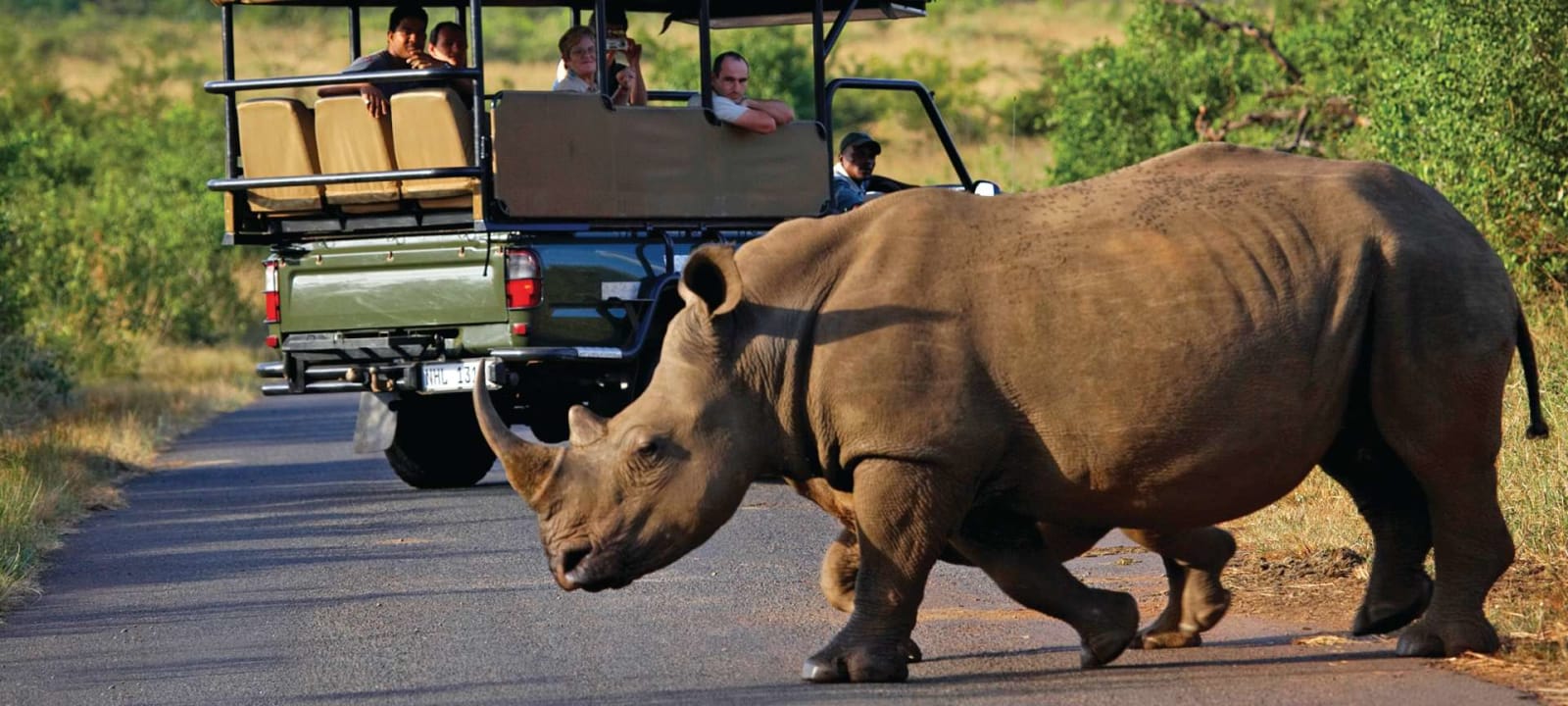
Sabi Sands and Kruger National Park are world-renowned for Big Five sightings—lions, leopards, elephants, buffalo, and rhinoceros. Beyond the Big Five, you'll encounter African wild dogs, hyenas, cheetahs, giraffes, zebras, wildebeest, and numerous antelope species. Sabi Sands, being a private reserve adjacent to Kruger, offers particularly excellent leopard and lion viewing opportunities due to smaller group sizes and off-road tracking. Kruger's vast 1.9 million hectares provides diverse ecosystems supporting an incredible variety of wildlife, from big cats to smaller mammals, birds, and reptiles. The combination of private reserves and the national park maximizes your chances of encountering Africa's most iconic animals.
A 7-day safari is ideal for experiencing both private reserves and Kruger National Park comprehensively. This duration allows you to spend quality time in Sabi Sands and Timbavati Private Game Reserves, known for intimate Big Five encounters, while also exploring Kruger's vast wilderness. Seven days provides sufficient time for multiple game drives, increasing your wildlife viewing opportunities and allowing you to experience different landscapes and habitats. Shorter safaris (3-4 days) are possible but offer limited exposure, while 7+ days is considered optimal for serious wildlife enthusiasts seeking diverse experiences and higher encounter rates.
The dry season from May to September is generally considered the best time for safari in Kruger and Sabi Sands. During these cooler months, water sources concentrate wildlife, making animals easier to spot. Vegetation is sparse, providing better visibility. However, each season offers unique advantages: the green season (November to March) brings lush landscapes, bird watching opportunities, and predator activity around water sources, though visibility can be reduced. The shoulder seasons (April and October) offer pleasant weather and good wildlife viewing. For Big Five sightings specifically, the dry season is most productive. Check current weather patterns and book well in advance, as these are peak safari seasons.
A comprehensive 7-day safari package typically includes accommodation throughout your stay, all meals (breakfast, lunch, and dinner), professional guided game drives in a private 4x4 safari vehicle, park entrance fees to all reserves and national parks, airport transfers, and an experienced English-speaking guide. Government taxes and VAT are also covered. This all-inclusive approach means your main expenses are covered, allowing you to focus on the wildlife experience. However, check what's excluded from your specific package—commonly excluded items include international airfare, travel insurance, visa fees, alcoholic beverages, tips and gratuities, and optional activities. Budget accordingly for these additional costs.
Visa requirements for South Africa depend on your nationality. Citizens of many countries, including the United States, United Kingdom, Canada, Australia, and most European nations, can enter South Africa visa-free for tourism purposes and receive a 90-day visitor permit upon arrival. However, visa policies vary by country, and regulations can change. It's essential to check the official South African Department of Home Affairs website or contact your nearest South African embassy or consulate at least 6-8 weeks before travel to confirm your specific requirements. Ensure your passport is valid for at least 6 months beyond your intended departure date, as this is a standard entry requirement.
While no vaccinations are legally required for entry into South Africa, health authorities commonly recommend vaccinations for Yellow Fever (if arriving from endemic countries), Hepatitis A and B, Typhoid, and Polio boosters. Malaria prophylaxis is strongly recommended for Kruger National Park and surrounding areas, as malaria transmission occurs year-round, though risk is higher during the rainy season. Consult your doctor or a travel medicine specialist 4-6 weeks before your trip to determine which vaccinations and preventive medications are appropriate for your medical history and the specific regions you'll visit. Carry copies of your vaccination records and consider travel insurance that covers medical emergencies.
Pack neutral-colored, lightweight clothing (khaki, tan, green, and brown) that blends with the landscape and doesn't attract insects. Bring layers for early morning and evening game drives, which can be cool. Essential items include a wide-brimmed hat, high-SPF sunscreen, sunglasses, and a light rain jacket. Comfortable walking shoes and closed-toe boots are necessary for safety and protection. Pack binoculars, a camera with a good zoom lens, and extra batteries. Toiletries, medications, and a basic first-aid kit are important. Bring a headlamp or flashlight for evening use. Avoid bright colors, perfumes, and scented products that may disturb wildlife. Check your airline's baggage allowance and consider a soft-sided bag for easier packing in vehicles. Leave room for souvenirs and consider the season when packing—dry season requires more sun protection, while rainy season requires waterproof gear.
Private game reserves like Sabi Sands and Timbavati offer distinct advantages over Kruger National Park. Private reserves allow off-road driving, enabling guides to track and follow animals more closely for intimate viewing experiences. Group sizes are smaller, creating more personalized encounters. Guides in private reserves often have exclusive access rights and deeper knowledge of specific animal territories. However, Kruger's advantage lies in its vast 1.9 million-hectare expanse, offering greater wildlife diversity, varied ecosystems, and the authentic experience of Africa's largest national park. Kruger is more affordable and accessible. The ideal safari combines both: private reserves for close-up Big Five encounters and Kruger for wilderness immersion and broader wildlife diversity. This combination provides the best of both worlds.
Safari tourism in South Africa's established reserves and Kruger National Park is generally very safe when following professional guides' instructions. The safari experience is conducted from secure vehicles with experienced guides trained in wildlife behavior and safety protocols. However, like any travel destination, exercise standard travel safety precautions: avoid displaying valuables, use registered taxis or airport transfers, and stay aware of your surroundings in towns. Check current travel advisories from your government before booking. Ensure comprehensive travel insurance that covers medical evacuation. In game reserves, always remain in your vehicle unless explicitly authorized by your guide, follow all safety briefings, and respect wildlife boundaries. The combination of professional guides, established infrastructure, and proper safety protocols makes safari in these regions a secure and rewarding experience for millions of visitors annually.
A 7-day Big Five safari combining private reserves and Kruger National Park varies widely in cost depending on accommodation quality, season, and operator. Budget safaris may range from $2,000-$4,000 per person, mid-range options from $4,000-$8,000, and luxury safaris from $8,000-$15,000+ per person. These estimates typically include accommodation, meals, game drives, and park fees, but exclude international flights (often $800-$2,000), travel insurance, visas, and personal expenses. Peak season (June-August) commands higher prices than shoulder seasons. Private reserve experiences generally cost more than Kruger-only safaris due to exclusive access and smaller group sizes. Request detailed quotes from operators, compare inclusions and exclusions carefully, and book during shoulder seasons for better value without compromising wildlife viewing quality.
© 2026 SafariFind. All rights reserved.

