 1 / 9
1 / 9 7 daysshared
Loading SafariFind...
1 / 9Arrival In Arusha
Arusha
Meals: Dinner
Tarangire National Park
Tarangire National Park
Meals: Breakfast, Lunch, Dinner
Serengeti National Park
Serengeti National Park
Meals: Breakfast, Lunch, Dinner
Full Day Serengeti National Park
Serengeti National Park
Meals: Breakfast, Lunch, Dinner
Ngorongoro crater
Ngorongoro Crater
Meals: Breakfast, Lunch, Dinner
Mount Kilimanjaro Hike
Kilimanjaro National Park
Meals: Breakfast, Lunch, Dinner
Departure
Kilimanjaro International Airport
Meals: Breakfast
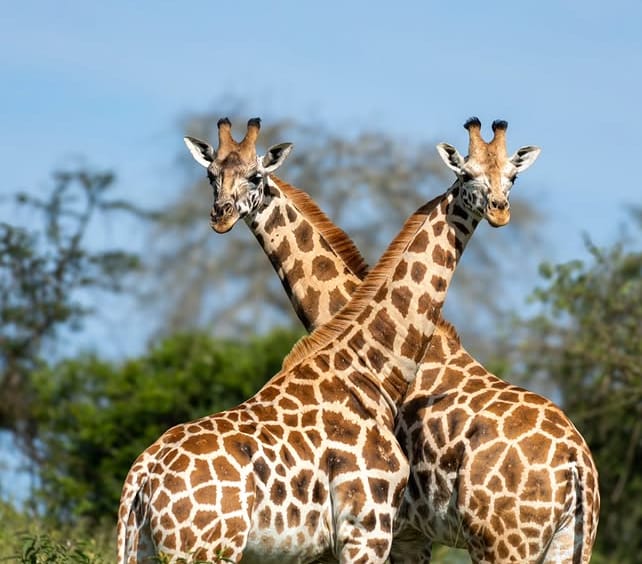
Tanzania's Serengeti and Tarangire National Parks are home to exceptional wildlife viewing opportunities. You can expect to see the Big Five (lions, leopards, elephants, buffalo, and rhinoceros), along with giraffes, zebras, wildebeest, cheetahs, hyenas, and numerous antelope species. Tarangire is particularly famous for its large elephant herds, especially during the dry season when animals congregate around the Tarangire River. The Serengeti offers year-round wildlife viewing with the added spectacle of the Great Migration between July and October, when millions of wildebeest and zebras traverse the plains. Bird enthusiasts will also find over 500 bird species throughout these parks.
The best time to visit Tanzania for combined safari and trekking is during the dry seasons: June to October (long dry season) and January to February (short dry season). These periods offer the clearest skies for Kilimanjaro trekking, the best visibility for wildlife viewing, and the most comfortable conditions overall. June to October is ideal for witnessing the Great Migration in the Serengeti. The rainy seasons (March to May and November to December) are less popular but offer lush landscapes, fewer tourists, and lower prices. However, trekking Kilimanjaro during heavy rains can be challenging due to slippery trails and reduced visibility.
A day hike on Mount Kilimanjaro is moderately challenging and depends on which trail and elevation you choose. Most day hikes on Kilimanjaro reach altitudes between 2,700 and 3,500 meters (8,900 to 11,500 feet), taking 5 to 8 hours round trip. The terrain includes rainforest sections with muddy trails, moorland zones with steep inclines, and alpine areas with rocky paths. The main challenges are altitude, duration, and terrain rather than technical difficulty. Proper acclimatization, a steady pace, and good physical fitness help ensure success. Most people with reasonable fitness levels can complete a day hike, though it's important to listen to your body and descend if you experience severe altitude sickness symptoms.
Pack layers since temperatures vary significantly by elevation and time of day. For the Kilimanjaro trek, bring warm layers (fleece jacket, thermal underwear), waterproof rain gear, sturdy hiking boots, and a warm hat and gloves for higher elevations. For the safari, pack neutral-colored clothing (khaki, tan, green) to blend with the landscape, long sleeves and pants for sun and insect protection, a wide-brimmed hat, and sunglasses. Essential items include high-SPF sunscreen, insect repellent, a reusable water bottle, binoculars, a camera, and any personal medications. Bring comfortable walking shoes for lodge use and lightweight clothing for warm afternoons. Don't forget a headlamp or flashlight, toiletries, and any necessary travel documents. Most lodges provide basic amenities, but pack any specific toiletries you prefer.
Yes, travel insurance is highly recommended for any Tanzania safari and Kilimanjaro trek. Comprehensive travel insurance should cover medical emergencies (including altitude-related issues), evacuation services, trip cancellation, lost luggage, and travel delays. Kilimanjaro trekking carries inherent risks including altitude sickness, and having evacuation coverage is crucial since the mountain is remote. Medical facilities in Tanzania are limited outside major cities, making evacuation insurance essential. Additionally, travel insurance protects your financial investment if you need to cancel or cut short your trip due to unforeseen circumstances. Ensure your policy specifically covers high-altitude trekking and adventure activities, as standard policies may have exclusions.
While specific vaccination requirements depend on your home country and medical history, certain vaccinations are generally recommended for Tanzania. Yellow fever vaccination is often required or recommended, depending on your destination within Tanzania. Hepatitis A, typhoid, and routine vaccinations (MMR, tetanus) are typically advised. Malaria prophylaxis is recommended for most areas, particularly lower-altitude regions like the Serengeti and Tarangire. Consult your healthcare provider or a travel medicine clinic at least 4 to 6 weeks before your trip to receive personalized recommendations based on your health status and itinerary. Check current requirements with your country's health authority and the Tanzania Ministry of Health, as requirements can change.
A 7-day Tanzania safari combining Kilimanjaro trekking with visits to major parks like Serengeti, Tarangire, and Ngorongoro generally ranges from $2,500 to $5,000+ per person, depending on accommodation quality, season, and operator. Midrange safari packages (with comfortable lodge accommodations) typically fall in the $2,500 to $3,500 range. Budget options may be lower, while luxury safaris can exceed $5,000 significantly. Peak season (June to October) commands higher prices than shoulder or low seasons. The package price usually includes accommodation, meals, park fees, and guided game drives, but excludes international flights, travel insurance, visa fees, and personal expenses. Booking during low season or with group discounts can offer better value.
The Ngorongoro Crater is a UNESCO World Heritage Site and one of Africa's most spectacular natural wonders. It's a massive volcanic caldera in northern Tanzania, approximately 20 kilometers (12 miles) in diameter and 600 meters (2,000 feet) deep. The crater floor hosts a self-contained ecosystem with approximately 25,000 large animals, including the Big Five, making it one of the highest concentrations of wildlife in Africa. The crater's unique geography creates a natural amphitheater where animals are concentrated, offering exceptional viewing opportunities. The landscape includes grasslands, acacia forests, and soda lakes. Visiting the Ngorongoro Crater is worthwhile for its breathtaking scenery, abundant wildlife, and the opportunity to see diverse habitats in one location. Many consider it a highlight of any Tanzania safari.
A full Mount Kilimanjaro summit trek typically takes 5 to 9 days depending on the route chosen, with most climbers using 6 to 7-day itineraries for better acclimatization. However, day hikes on Kilimanjaro are much shorter, usually taking 5 to 8 hours round trip to reach elevations between 2,700 and 3,500 meters. A day hike is an excellent alternative for those with limited time or who want to experience Kilimanjaro without committing to a multi-day summit attempt. Day hikes allow you to trek through the rainforest and moorland zones, enjoy stunning views, and experience the mountain's unique ecosystems without the risks and demands of a full summit climb. This makes day hiking ideal for combining with a safari itinerary.
A comprehensive Tanzania safari package typically includes accommodation at carefully selected lodges, all meals (breakfast, lunch, and dinner), park entrance fees for all visited national parks, private or shared 4x4 safari vehicle with a professional guide, game drives at optimal wildlife viewing times, bottled water during drives, and airport transfers. Most packages also include the services of an English-speaking guide who provides wildlife education and cultural insights. Some packages may include activities like walking safaris or visits to local communities. Exclusions usually cover international flights, travel insurance, visa fees, alcoholic beverages, tips and gratuities, personal expenses, and optional add-on activities. Always review the specific inclusions and exclusions with your tour operator to understand what's covered and what requires additional payment.
© 2026 SafariFind. All rights reserved.