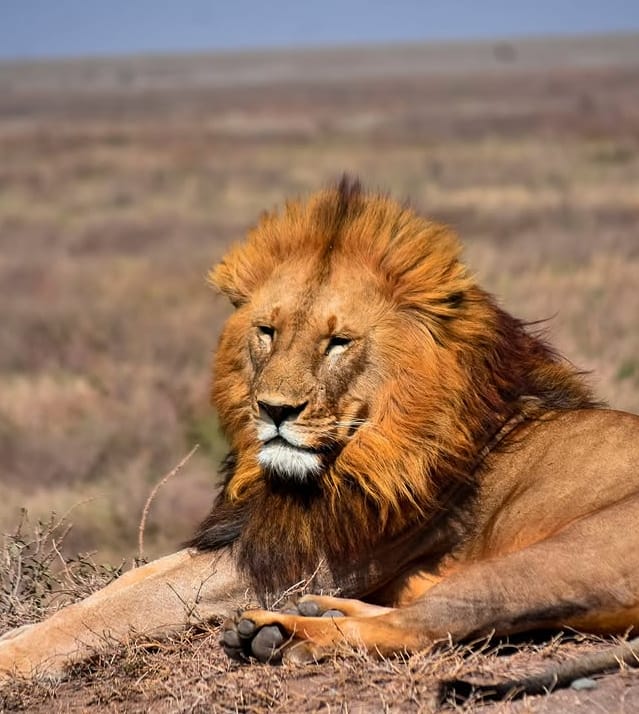
 1 / 8
1 / 8 7 daysshared
7-Day Tanzania Classic Safari & Nature Experience
Highlights
- Birdwatching Viewing
Loading SafariFind...
1 / 8Tarangire National Park
Tarangire National Park
Meals: Dinner
Lake Manyara National Park
Lake Manyara National Park
Meals: Breakfast, Lunch, Dinner
Serengeti National Park
Serengeti National Park
Meals: Breakfast, Lunch, Dinner
Serengeti National Park
Serengeti National Park
Meals: Breakfast, Lunch, Dinner
Serengeti National Park
Serengeti National Park
Meals: Breakfast, Lunch, Dinner
Ngorongoro Crater
Ngorongoro Crater
Meals: Breakfast, Lunch, Dinner
Materuni Waterfalls
Materuni Waterfalls
Meals: Breakfast
Tanzania's iconic wildlife parks are home to an incredible variety of animals. You can expect to see the Big Five (lions, elephants, buffalo, leopards, and rhinoceros), along with giraffes, zebras, wildebeest, antelopes, hyenas, and numerous bird species. The specific wildlife you encounter depends on which parks you visit and the season, but Tanzania's diverse ecosystems support one of Africa's most abundant and varied wildlife populations. Early morning and late afternoon game drives offer the best opportunities for wildlife viewing.
Tanzania offers excellent safari experiences year-round, but the best times are during the dry seasons: June to October (long dry season) and January to February (short dry season). During these periods, vegetation is sparse, making wildlife easier to spot, and animals congregate around water sources. The dry season also means fewer insects and more comfortable travel conditions. The wet season (November to May) brings lush landscapes and excellent birdwatching, though some roads may be challenging and wildlife is more dispersed.
Pack neutral-colored, lightweight clothing in layers since temperatures vary between early mornings, daytime, and evenings. Essential items include a wide-brimmed hat, sunscreen, sunglasses, comfortable walking shoes, and binoculars for wildlife viewing. Bring a light jacket or fleece for cool mornings and evenings. Don't forget a camera with extra batteries and memory cards, insect repellent, and any personal medications. Avoid bright colors and patterns that can disturb wildlife. A daypack for game drives and a larger bag for your accommodation are also recommended. Check with your healthcare provider about recommended vaccinations before traveling.
A 7-day safari is an ideal duration for experiencing Tanzania's diverse landscapes and wildlife. This timeframe allows you to visit multiple parks, experience different ecosystems from savannahs to highlands, and have adequate game drive time to maximize wildlife sightings. Seven days also provides a good balance between immersive wildlife experiences and reasonable travel logistics. While shorter safaris (3-4 days) are possible, they offer limited park exploration. Longer safaris (10+ days) allow for more in-depth experiences and visits to remote areas.
Most international travelers require a visa to enter Tanzania. Visa requirements depend on your nationality, so it's essential to check with the Tanzanian embassy or consulate in your country well in advance of your trip. Many nationalities can obtain a tourist visa on arrival at major airports, though this can involve longer processing times. E-visas are also available for many countries through the official Tanzanian immigration website. Processing times and fees vary, so plan accordingly and ensure your passport is valid for at least six months beyond your travel dates.
Consult with a travel health clinic or your healthcare provider at least 4-6 weeks before your trip, as vaccination requirements depend on your medical history and the specific areas you'll visit. Yellow fever vaccination is often recommended and may be required for entry from certain countries. Other vaccinations commonly recommended for Tanzania include typhoid, hepatitis A and B, and routine immunizations. Malaria prophylaxis is typically advised for most regions, particularly during the wet season. Your healthcare provider can assess your individual risk and recommend appropriate preventive measures.
Most Tanzania safari packages include three meals daily: breakfast, lunch, and dinner. Breakfast is typically served at your accommodation before morning game drives, lunch is often a packed meal or served at a lodge during the midday break, and dinner is a full meal in the evening. Meals feature a mix of local and international cuisine, with accommodations catering to various dietary preferences and restrictions. It's important to inform your safari operator about any dietary requirements in advance. Bottled water is provided throughout the day, and you can typically purchase alcoholic beverages separately at lodges.
A comprehensive Tanzania safari package typically includes all park entrance fees, a private 4x4 safari vehicle for game drives, a professional English-speaking guide, accommodation as per your itinerary, three meals daily, bottled water during game drives, and government taxes and VAT. This ensures you have a well-organized, immersive experience without worrying about major logistics. However, packages generally exclude international airfare, visa fees, travel insurance, personal expenses, tips and gratuities for guides and staff, alcoholic beverages, and optional activities like hot air balloon rides or cultural visits. Review your package details to understand exactly what's covered.
Tanzania is generally a safe destination for safari tourism, with well-established safari operations and experienced guides who prioritize visitor safety. Most safari lodges and camps maintain good security standards and follow strict wildlife encounter protocols. That said, like any travel destination, it's wise to take standard precautions: keep valuables secure, avoid traveling alone at night outside lodges, and follow your guide's instructions during game drives and wildlife encounters. Check current travel advisories from your government before booking, purchase comprehensive travel insurance, and choose reputable safari operators with good safety records. Your guide's expertise ensures you maintain safe distances from wildlife.
Tanzania safari costs vary based on the length of the trip, accommodation level (budget, midrange, or luxury), season, and specific parks included. A 7-day midrange safari package typically ranges from $2,000 to $4,000 per person, depending on the operator and inclusions. Budget options may start lower, while luxury safaris can exceed $5,000 or more. Package prices usually include accommodation, meals, park fees, and guides, but exclude international flights and visa fees. Traveling during shoulder seasons (March-May or November) can offer better rates than peak season. Get quotes from multiple operators and compare what's included to ensure you're getting good value.
© 2026 SafariFind. All rights reserved.