7 daysPrivate
7-Day Victoria Falls, Chobe Safari & Okavango Delta
by
Highlights
- Game drives
- Mokoro Safari
Loading SafariFind...
by
Arrival Victoria Falls
Victoria Falls
Meals: Dinner
Victoria Falls
Victoria Falls
Meals: Breakfast
Victoria Falls - Chobe National Park
Chobe National Park
Meals: Breakfast, Lunch, Dinner
Game Drive & Water Safari at Chobe
Chobe National Park
Meals: Breakfast, Lunch, Dinner
Okavango Delta
Okavango Delta
Meals: Breakfast, Lunch, Dinner
Okavango Delta
Okavango Delta
Meals: Breakfast, Lunch, Dinner
Departure
Maun
Meals: Breakfast
Year Round
Year-round
| Season | Solo traveller | 2 people | 3 – 4 people | 5 – 6 people | 7+ people | Child rate | Single suppl. |
|---|---|---|---|---|---|---|---|
Year Round Year-round | $5,445 | $3,630 | $3,267 | $3,086 | $2,904 | $2,541 | $1,089 |
Child rate applies to travelers under 12 years. Single supplement applies to solo travelers taking their own room.
Chobe National Park is renowned for hosting some of Africa's largest concentrations of elephants, with herds often numbering in the thousands. Beyond elephants, you'll encounter lions, leopards, buffalo, giraffes, zebras, hippos, and a diverse array of bird species. The park's varied habitats—from riverine forests to savanna grasslands—support different animal populations throughout the year. Game drives typically offer excellent predator sightings, particularly during the dry season when animals congregate near water sources. Water safaris along the Chobe River provide unique viewing opportunities and often yield sightings of elephants bathing and drinking at the riverbanks.
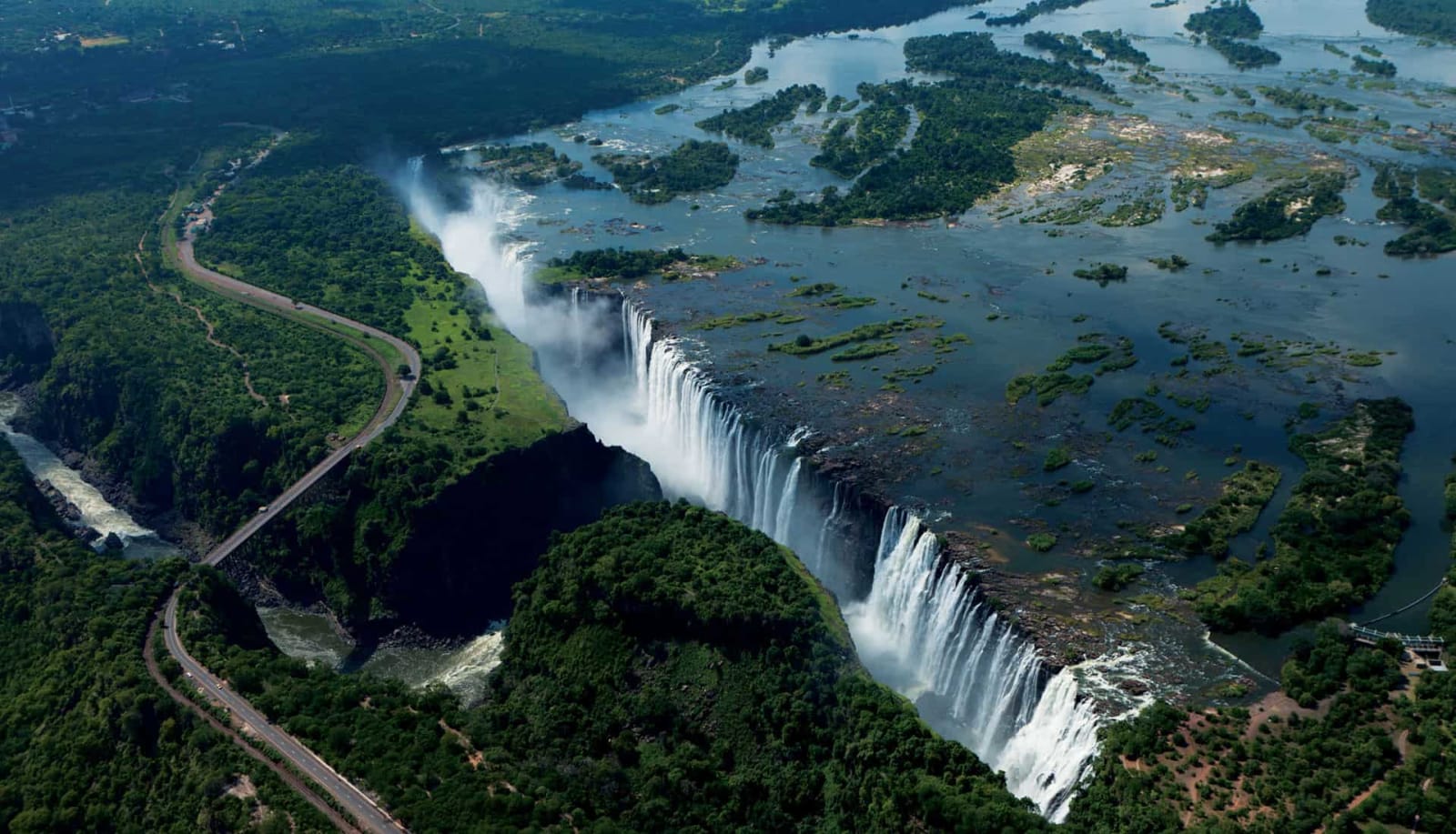
Victoria Falls town offers numerous adventure and wildlife activities for visitors. Popular options include white-water rafting in the Zambezi River gorge, bungee jumping from the Victoria Falls Bridge, helicopter or microlight flights over the falls for aerial perspectives, and guided nature walks. For wildlife enthusiasts, there are game drives in nearby reserves and boat cruises on the Zambezi River where you can spot hippos, crocodiles, and various bird species. Adventure seekers also enjoy zip-lining, canyoning, and swimming in natural pools. The combination of adrenaline activities and wildlife experiences makes Victoria Falls appealing to diverse traveler interests.
A mokoro is a traditional, shallow-draft canoe traditionally used by the indigenous San people of the Okavango Delta. These dugout or fiberglass boats are poled through narrow waterways and channels by a skilled guide. Mokoro rides are special because they offer an intimate, peaceful way to explore the Delta's waterways at a slow pace, allowing you to observe wildlife, birdlife, and aquatic vegetation up close without engine noise or disturbance. The experience is uniquely suited to the Okavango's ecosystem and provides a stark contrast to motorized game drives. Many travelers consider mokoro rides one of the most serene and memorable safari experiences, perfect for photography and wildlife observation.
The dry season, typically from May to October, is considered the best time for safari in both Chobe and the Okavango Delta. During these months, water sources become scarce, concentrating wildlife around remaining waterholes and rivers, which increases sighting opportunities. Vegetation is also thinner, making animals easier to spot. June to August offers cooler temperatures and excellent predator activity. The wet season (November to April) brings lush landscapes, migratory bird arrivals, and fewer tourists, but wildlife viewing can be more challenging due to dispersed animal populations and overgrown vegetation. However, the Delta's water levels peak in the dry season, making water-based activities like mokoro rides particularly rewarding. Consider your priorities: peak wildlife viewing versus landscape beauty and fewer crowds.
While the Okavango Delta can be visited in as few as 2-3 days, dedicating 3-4 days allows you to experience it more fully. This timeframe enables multiple game drives, mokoro excursions, and time to explore different areas of the Delta, each with distinct wildlife and landscapes. A longer stay increases the likelihood of diverse wildlife sightings and allows you to appreciate the Delta's unique ecosystem without feeling rushed. Many travelers find that 2-3 days in the Delta provides a solid introduction, while 4+ days offers a more immersive experience with greater opportunities for memorable encounters. The combination of motorized and non-motorized activities across several days creates a well-rounded safari experience.
Visa requirements depend on your nationality and the countries you're visiting. Victoria Falls is in Zimbabwe, while Chobe National Park and the Okavango Delta are in Botswana. Most visitors will need to check visa requirements for both countries based on their passport. Many nationalities can obtain visas on arrival or qualify for visa-free entry, but this varies significantly. Some travelers obtain visas in advance for convenience. It's essential to check the official websites of the Zimbabwean and Botswanan immigration authorities or consult your nearest embassy well before travel. Travel insurance should also cover any visa-related issues. Note that visa fees are typically not included in safari packages, so budget accordingly.
Pack neutral-colored, breathable clothing suitable for warm days and cool mornings/evenings—khaki, tan, and muted greens are ideal for wildlife viewing. Bring long sleeves and pants for sun protection and insect defense. Essential items include a wide-brimmed hat, sunscreen, sunglasses, and a light jacket or fleece for early morning game drives. Comfortable walking shoes and closed-toe boots are important for game drives and nature walks. Binoculars and a quality camera with extra batteries and memory cards are highly recommended. Don't forget medications, insect repellent, and a first-aid kit. For water activities like mokoro rides, pack quick-dry clothing and water shoes. A headlamp or flashlight is useful for evening activities. Check current health recommendations and pack any required medications or vaccinations documentation. Avoid bright colors, perfumes, and excessive jewelry that might disturb wildlife.
A game drive involves traveling in a 4x4 vehicle through Chobe's savanna and woodland areas, allowing you to cover larger distances and explore diverse habitats. Game drives are excellent for spotting a wide variety of wildlife including predators, herbivores, and birds across different terrain. A water safari, typically conducted via motorboat along the Chobe River, focuses on riverine wildlife such as hippos, crocodiles, elephants drinking at the water's edge, and water birds. Water safaris offer a unique perspective and often provide close-up encounters with animals at the river. Many safari experiences combine both activities—game drives during the day and water safaris during late afternoon or sunset—to maximize wildlife viewing opportunities and provide varied perspectives of the ecosystem.
Yes, malaria precautions are strongly recommended for all three destinations, particularly during the wet season (November to April) when mosquito activity is highest. Consult a travel medicine specialist or your doctor at least 4-6 weeks before travel to discuss antimalarial medications suitable for your health profile. Additionally, use insect repellent containing DEET, wear long sleeves and pants during dawn and dusk when mosquitoes are most active, and consider using mosquito nets if accommodations don't have screens. The risk varies by specific location and season—some areas carry higher risk than others. Travel insurance should cover malaria-related medical issues. Always check current health advisories from official sources like the CDC or WHO before your trip, as recommendations can change based on disease patterns and local conditions.
Safari costs in Botswana vary significantly based on accommodation standards, season, and specific experiences. Budget safaris can range from $150-300 per person per day for mid-range lodges with basic amenities, while premium and luxury safari experiences can exceed $500-1,000+ per person daily. A 7-day safari typically includes park fees, professional guides, and vehicle transportation, but costs vary based on lodge category and activities. Shoulder seasons (April-May and September-October) often offer better rates than peak season. Note that many packages exclude international flights, travel insurance, meals beyond those specified, alcoholic beverages, tips, and personal expenses. When comparing prices, ensure you understand what's included and excluded. Booking directly or through reputable operators can sometimes offer better value. Consider that investing in a quality safari experience often results in better wildlife sightings and overall satisfaction.
© 2026 SafariFind. All rights reserved.

