 1 / 5
1 / 5 8 daysPrivate
8-Day Incredible Budget Safari In Uganda
by
Highlights
- Gorilla Trekking
Loading SafariFind...
1 / 5by
SafariFind app
Keep up with your inquiries and bookings, and message operators wherever you are.

Arrive In Uganda | Transfer To Kibale National Park | Visit Bigodi Swamp
Kibale Forest National Park
Meals: Lunch, Dinner
Chimpanzee Trekking | Transfer To Queen Elizabeth National Park | Boat Ride | Evening Game Drive
Queen Elizabeth National Park
Meals: Breakfast, Lunch, Dinner
Travel To Ishasha Sector | Transfer To Bwindi Impenetrable National Park | Batwa Cultural Interaction
Bwindi Impenetrable Forest
Meals: Breakfast, Lunch, Dinner
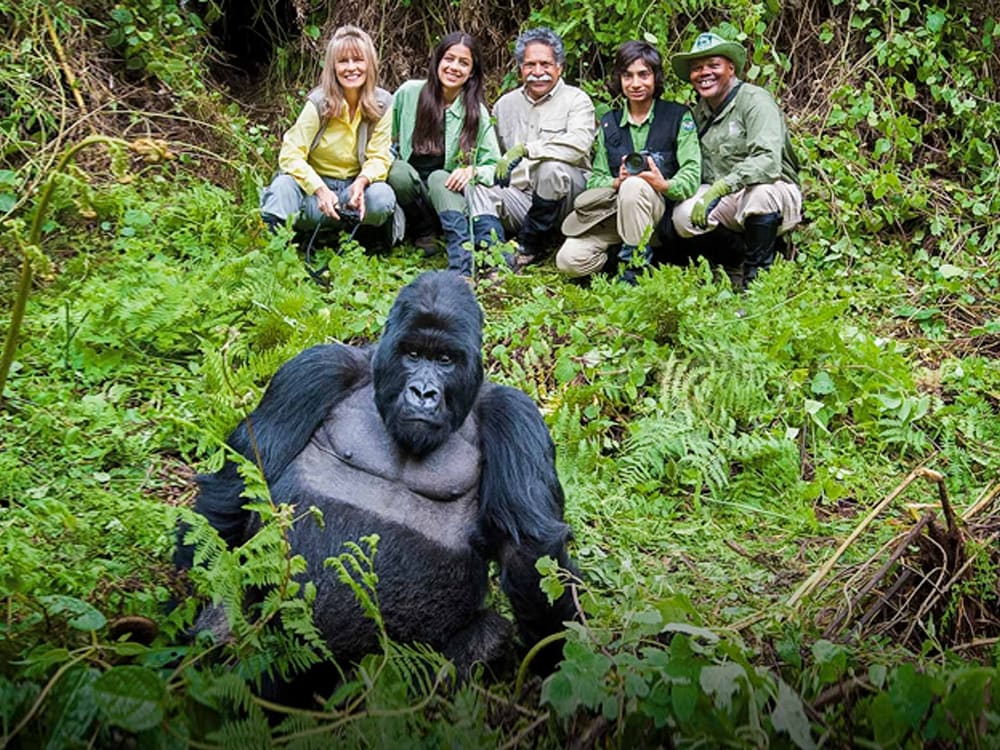
Gorilla Trekking | Relaxing
Bwindi Impenetrable Forest
Meals: Breakfast, Lunch, Dinner
Transfer To Lake Mburo National Park | Evening Game Drive
Lake Mburo National Park
Meals: Breakfast, Lunch, Dinner
Walking Safari | Optional Activities At A Fee | Equator Stopover | Transfer To Kampala | Relaxing
Kampala
Meals: Breakfast, Lunch, Dinner
Travel To Jinja | Optional White Water Rafting While Discovering The Nile | Relaxing
Jinja
Meals: Breakfast, Lunch, Dinner
The Last Day With Us | Transfer To The Airport | Fly Back Home
Entebbe International Airport
Meals: Breakfast, Lunch
Year Round
Year-round
| Season | Solo traveller | 2 people | 3 – 4 people | 5 – 6 people | 7+ people | Child rate | Single suppl. |
|---|---|---|---|---|---|---|---|
Year Round Year-round | $4,441 | $3,416 | $3,074 | $2,904 | $2,733 | $2,391 | $1,025 |
Child rate applies to travelers under 12 years. Single supplement applies to solo travelers taking their own room.
Uganda is home to an incredibly diverse array of wildlife, making it one of Africa's premier safari destinations. You can encounter the endangered mountain gorillas in Bwindi Impenetrable National Park, tree-climbing lions in Queen Elizabeth National Park, and numerous primate species in Kibale Forest, which is often called the primate capital of Africa. Beyond these iconic animals, Uganda's safaris also offer opportunities to spot elephants, buffalo, antelopes, hippos, crocodiles, and over 1,000 bird species. The country's varied ecosystems—from dense forests to savanna grasslands to wetlands—support an exceptional range of fauna that you won't find in other African safari destinations.
Yes, Uganda is one of the best destinations in the world for gorilla trekking. Bwindi Impenetrable National Park is home to nearly half of the world's remaining mountain gorillas, making it a premier destination for this extraordinary wildlife experience. The park's dense forests and well-established habituated gorilla groups provide excellent opportunities for close encounters with these magnificent creatures. Gorilla trekking in Uganda is typically less crowded than in neighboring countries, offering a more intimate experience. The trek itself is challenging but rewarding, involving hiking through misty forests to observe these endangered animals in their natural habitat.
An 8-day safari is an excellent duration for experiencing Uganda's diverse wildlife and landscapes comprehensively. This timeframe allows you to visit multiple national parks and reserves, including Bwindi for gorilla trekking, Queen Elizabeth for tree-climbing lions and general game viewing, and Kibale Forest for primate encounters. It also provides enough time to explore unique experiences like the Nile River in Jinja and walking safaris in Lake Mburo. Shorter safaris of 3-4 days can work if you're focused on one specific activity, but 8 days gives you the full spectrum of Uganda's natural wonders and cultural experiences without feeling rushed.
Uganda can be visited year-round, but the best times for safari are during the dry seasons: June to August and December to February. During these periods, wildlife is easier to spot as animals congregate around water sources, vegetation is less dense, and roads are more accessible. The dry seasons also offer the most comfortable trekking conditions for gorilla tracking in Bwindi. However, Uganda's equatorial climate means it's relatively wet year-round, and the rainy seasons (March to May and September to November) can still offer excellent wildlife viewing with fewer tourists. Consider your specific interests—gorilla trekking is possible throughout the year, but conditions are generally better during dry seasons.
For an 8-day Uganda safari, pack lightweight, breathable clothing in neutral colors (greens and browns help with wildlife viewing). Bring layers as temperatures vary by altitude—mornings and evenings can be cool, especially in highland areas like Bwindi. Essential items include sturdy hiking boots for gorilla trekking, a waterproof jacket for unpredictable rain, a wide-brimmed hat, sunscreen, and insect repellent. Pack binoculars for game viewing, a camera with extra batteries, and any personal medications. Since bottled water is provided during game drives, focus on packing toiletries, a headlamp or flashlight, and comfortable clothing for evening relaxation. Check specific health requirements with your doctor, as malaria prophylaxis and certain vaccinations may be recommended depending on the areas you'll visit.
Visa requirements for Uganda depend on your nationality. Many countries' citizens can obtain a visa on arrival at Entebbe International Airport, though it's advisable to check current requirements with the Ugandan immigration authority or your nearest embassy before traveling. Some nationalities may be eligible for an e-visa, which can be obtained online before arrival. Processing times and fees vary by country. It's recommended to apply for your visa well in advance of your trip to avoid any complications. Ensure your passport is valid for at least six months beyond your intended stay in Uganda. Travel insurance that covers your safari activities is also highly recommended but should be arranged separately.
A comprehensive Uganda safari package typically includes all national park entrance fees, allowing you to access protected areas without additional costs. Accommodation is arranged throughout your journey, with meals provided daily (breakfast, lunch, and dinner), ensuring you're well-fed during your adventure. Professional English-speaking guides accompany you throughout the safari, providing expert knowledge about wildlife, ecosystems, and local culture. Bottled water is supplied during game drives to keep you hydrated. Airport transfers are included for convenient arrival and departure logistics. Government taxes and VAT are also covered. However, international airfare, travel insurance, visa fees, alcoholic beverages, tips for guides, and optional activities are typically not included and should be budgeted separately.
Uganda safari costs vary depending on accommodation standards, specific destinations visited, and season. Budget safaris offer excellent value compared to other African destinations, with 8-day packages ranging significantly based on lodge quality and inclusions. The package typically covers park fees, meals, guides, and transfers, which represents substantial value. Additional costs to budget for include international flights, travel insurance, visa fees, tips for guides and staff, alcoholic beverages, and optional activities. Traveling during shoulder seasons (March to May or September to November) may offer better rates than peak dry seasons. It's worth comparing different operators and package inclusions to find the best value for your budget and preferences.
Yes, walking safaris are an excellent way to experience Uganda's wilderness more intimately. Lake Mburo National Park is particularly known for offering guided walking safaris where you can explore the landscape on foot with an experienced guide. Walking safaris provide a different perspective on wildlife and ecosystems compared to vehicle-based game drives, allowing you to notice smaller details like tracks, plants, and insects. These safaris also offer a more immersive connection with nature and often include opportunities to encounter wildlife at closer range. Walking safaris in Uganda are generally safe when conducted with professional guides who understand animal behavior and safety protocols. They're suitable for most fitness levels, though the terrain and distance vary by location.
Uganda's main safari attractions span diverse ecosystems and wildlife experiences. Bwindi Impenetrable National Park is the crown jewel for mountain gorilla trekking, offering encounters with these endangered primates. Queen Elizabeth National Park is famous for its tree-climbing lions and abundant general wildlife, plus the scenic Kazinga Channel. Kibale Forest is renowned as the primate capital, home to chimpanzees and numerous other primate species. The Nile River in Jinja provides unique experiences like white-water rafting and boat tours. Lake Mburo offers walking safaris and opportunities to see zebras, impalas, and hippos in a more intimate setting. Uganda's rich cultural experiences with local communities add another dimension to the safari, making it a well-rounded destination that combines wildlife, adventure, and cultural immersion.
© 2026 SafariFind. All rights reserved.