 1 / 91 / 9
Loading SafariFind...
1 / 9Arrival in Arusha - Gateway to Adventure
Arusha
Meals: Dinner
Tarangire National Park - Land of Giants
Tarangire National Park
Meals: Breakfast, Lunch, Dinner
Journey to the Serengeti - Endless Plains Await
Serengeti National Park
Meals: Breakfast, Lunch, Dinner
Full Day Serengeti Safari - Big Five Quest
Serengeti National Park
Meals: Breakfast, Lunch, Dinner
Serengeti Extended - Wildlife and Hot Air Balloon Experience
Serengeti National Park
Meals: Breakfast, Lunch, Dinner
Ngorongoro Crater - Nature's Amphitheater
Ngorongoro Crater
Meals: Breakfast, Lunch, Dinner
Lake Manyara National Park - Scenic Splendor
Lake Manyara National Park
Meals: Breakfast, Lunch, Dinner
Departure - Arusha and Farewell
Arusha National Park
Meals: Breakfast
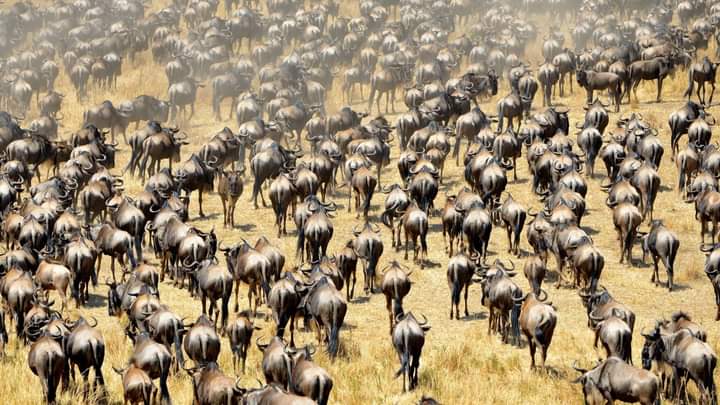
The Northern Circuit of Tanzania is home to an incredible variety of wildlife. You can expect to see the Big Five (lions, elephants, buffalo, leopards, and rhinoceros), along with giraffes, zebras, wildebeest, gazelles, hyenas, cheetahs, and numerous bird species. Each park within the circuit offers unique viewing opportunities—Tarangire is famous for its large elephant populations, the Serengeti for vast predator and prey concentrations, Ngorongoro Crater for dense wildlife viewing, and Lake Manyara for tree-climbing lions and flamingos. The abundance and variety of animals you'll encounter make this one of Africa's premier safari destinations.
Tanzania's safari season is year-round, but the best times depend on what you want to experience. The dry season from June to October offers excellent wildlife viewing as animals congregate around water sources, and the Great Migration typically moves through the Serengeti during this period. The shoulder seasons of January to February and March to May bring lush landscapes and fewer tourists, though some roads may be challenging. The wet season (November to May) is ideal for bird watching and offers lower prices, but some areas become difficult to access. Most travelers prefer June to October for the most reliable game viewing.
A comprehensive Tanzania Northern Circuit safari typically includes all national park entrance fees, comfortable accommodation throughout your journey, all meals (breakfast, lunch, and dinner), transportation in a private 4x4 safari vehicle, services of a professional English-speaking guide, bottled water during game drives, and airport transfers. This all-inclusive approach means you can focus entirely on the safari experience without worrying about logistics. However, international flights, travel insurance, visa fees, alcoholic beverages, tips for guides and staff, and personal expenses are usually not included and should be budgeted separately.
Yes, 8 days is an ideal duration for experiencing the Northern Circuit of Tanzania. This timeframe allows you to visit multiple parks—typically Tarangire, Serengeti, Ngorongoro Crater, and Lake Manyara—with sufficient time in each location for meaningful wildlife encounters and exploration. Eight days provides a good balance between experiencing diverse ecosystems and wildlife, allowing for multiple game drives per day and scenic activities, while minimizing travel fatigue. You'll have enough time to appreciate the landscapes and increase your chances of spotting rare animals without feeling rushed.
Visa requirements for Tanzania depend on your nationality. Many countries' citizens can obtain a visa on arrival at Tanzanian airports, while others may need to arrange one in advance. It's essential to check with the Tanzanian embassy or consulate in your country well before your trip to understand the specific requirements for your passport. Most visitors will need a valid passport with at least 6 months of validity remaining. Additionally, check current travel advisories and any health requirements, such as vaccinations, which may be necessary for entry into Tanzania.
Pack neutral-colored, lightweight clothing suitable for warm days and cool mornings and evenings—khaki, tan, green, and brown are ideal for blending into the landscape and reducing insect attraction. Bring long sleeves and pants for sun and insect protection, a warm layer or fleece for early morning game drives, a waterproof jacket for the rainy season, and sturdy walking boots. Other essentials include a wide-brimmed hat, sunscreen with high SPF, sunglasses, insect repellent, binoculars for wildlife viewing, a camera with extra batteries and memory cards, toiletries, and any personal medications. Avoid bright colors and perfumes, as these can disturb wildlife. Pack light, as luggage space in safari vehicles is limited.
The cost of a Tanzania Northern Circuit safari varies depending on accommodation standards, group size, and season. Budget safaris typically range from $2,000 to $4,000 per person for 8 days, mid-range options from $4,000 to $7,000, and luxury safaris from $7,000 to $15,000 or more. These estimates usually include park fees, accommodation, meals, guides, and vehicle transportation. Additional costs to budget separately include international flights (typically $800–$2,000), travel insurance, visa fees, tips for guides and staff (10–15% is customary), alcoholic beverages, and personal expenses. Traveling during the shoulder season can offer better value than peak season.
The Ngorongoro Crater is a UNESCO World Heritage Site and one of the largest intact volcanic calderas in the world, located in northern Tanzania. Formed millions of years ago, it's often called the 'Eighth Wonder of the World.' The crater floor is approximately 260 square kilometers and is home to a permanent population of around 25,000 large animals, including lions, elephants, buffalo, zebras, and wildebeest. What makes it special for safari is the unique ecosystem—animals are naturally concentrated within the crater's walls, offering exceptional wildlife viewing opportunities in a relatively compact area. The stunning landscapes, combining the crater rim with the wildlife-rich floor, create an unforgettable safari experience unlike anywhere else in Africa.
Each park on Tanzania's Northern Circuit offers distinct characteristics. Tarangire National Park is known for its massive elephant herds and baobab trees, making it ideal for elephant enthusiasts. The Serengeti is famous for the Great Migration and vast plains with exceptional predator populations. Ngorongoro Crater is unique for its concentrated wildlife viewing within a volcanic caldera and stunning scenery. Lake Manyara offers diverse habitats including forests, grasslands, and a soda lake, famous for tree-climbing lions, flamingos, and hippos. Together, these parks provide varied landscapes and wildlife experiences—from dense concentrations to vast open plains—making the Northern Circuit one of Africa's most comprehensive safari routes.
While travel insurance is not mandatory for entry into Tanzania, it is highly recommended for any international safari trip. Comprehensive travel insurance should cover medical emergencies, evacuation (important in remote safari areas), trip cancellations, lost luggage, and travel delays. Given that safaris often take place in remote locations far from major medical facilities, evacuation insurance is particularly valuable. Check that your policy covers activities like game drives and any optional excursions you plan to undertake. Review policy details carefully to ensure coverage meets your needs, and purchase insurance shortly after booking your safari to maximize coverage for pre-existing conditions if applicable.
© 2026 SafariFind. All rights reserved.