9 daysPrivate
9-Day Classic Uganda Primates Adventure
by
Highlights
- Mabamba Swamp Excursion
- Rhino trackking
Loading SafariFind...
by
SafariFind app
Keep up with your inquiries and bookings, and message operators wherever you are.

Day 1
Entebbe International Airport
Meals: Breakfast, Lunch, Dinner
Day 2
Murchison Falls National Park
Meals: Breakfast, Lunch, Dinner
Day 3
Kibale Forest National Park
Meals: Breakfast, Lunch, Dinner
Day 4
Kibale National Park & Queen Elizabeth National Park
Meals: Breakfast, Lunch, Dinner
Day 5
Bwindi Impenetrable Forest
Meals: Breakfast, Lunch, Dinner
Day 6
Kigali
Meals: Breakfast, Lunch
Year Round
Year-round
| Season | 2 people |
|---|---|
Year Round Year-round | $4,621 |
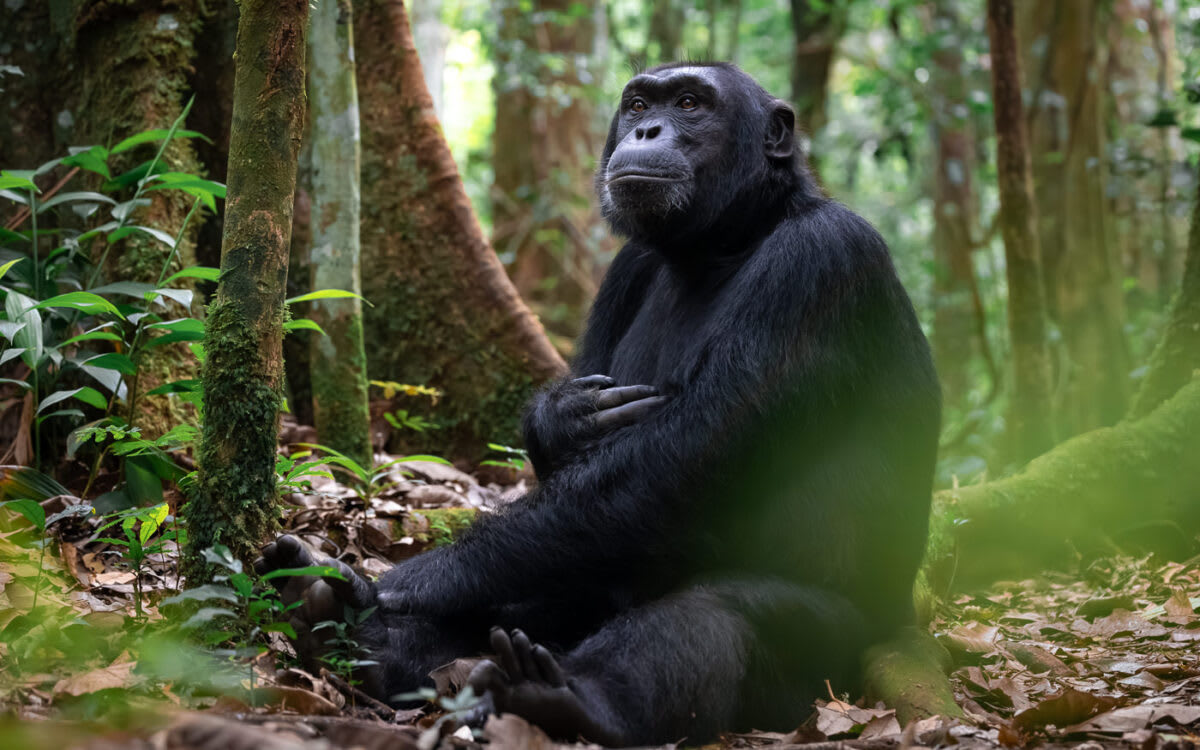
Uganda is one of Africa's premier wildlife destinations, offering exceptional opportunities to see diverse species across its national parks. You can encounter the Big Five (lion, leopard, buffalo, elephant, and rhinoceros), particularly in Queen Elizabeth National Park and Murchison Falls. Uganda is also world-renowned for its primate populations, including endangered mountain gorillas found in the misty forests of Bwindi Impenetrable National Park, and chimpanzees in Kibale Forest. Beyond these iconic species, you'll see hippos, crocodiles, antelopes, warthogs, and over 1,000 bird species. The variety of habitats—from savannas to tropical forests to wetlands—ensures rich biodiversity throughout your journey.
Uganda can be visited year-round, but the best times for safari are during the dry seasons: June to August and December to February. These periods offer the most comfortable wildlife viewing conditions, with lower rainfall and better road accessibility. During dry seasons, animals congregate around water sources, making them easier to spot. However, the wet seasons (March to May and September to November) have their advantages—lush landscapes, fewer tourists, and excellent birdwatching. Mountain gorilla trekking in Bwindi is possible throughout the year, though some months are more challenging due to muddy forest trails. Consider your priorities: wildlife viewing favors dry seasons, while budget-conscious travelers may prefer shoulder seasons.
Mountain gorilla trekking in Bwindi Impenetrable National Park is moderately to strenuous, depending on where the gorilla families are located on any given day. Treks typically last 2 to 8 hours, involving hiking through dense forest on steep, muddy terrain at high altitude (around 4,300 to 8,000 feet). You'll need reasonable fitness, sturdy hiking boots, and mental preparation for challenging conditions. However, the experience is considered life-changing by most visitors. Guides are highly experienced and move at a pace suitable for groups. The reward—spending an hour observing these magnificent endangered creatures in their natural habitat—is incomparable. Porters are available for hire to assist with the physical demands of the trek.
Pack lightweight, neutral-colored clothing suitable for warm days and cool mornings/evenings in highland areas. Essential items include: moisture-wicking shirts and pants, a warm fleece or jacket (especially for Bwindi's cooler climate), waterproof rain jacket, sturdy hiking boots, comfortable walking shoes, wide-brimmed hat, sunscreen, and insect repellent. Binoculars and a camera with extra batteries are invaluable for wildlife viewing. For gorilla trekking, wear long sleeves and pants to protect against vegetation and insects. Bring personal medications, toiletries, and any required malaria prophylaxis. A small daypack for game drives is useful. Neutral colors help avoid startling wildlife. Most accommodations provide basic amenities, but confirm specifics in advance. Pack conservatively—you'll have limited luggage space on light aircraft transfers between parks.
Visa requirements for Uganda depend on your nationality. Many countries' citizens can obtain a visa on arrival at Entebbe International Airport or apply for an e-visa online before travel, which is often faster and more convenient. The process typically takes a few days for e-visa approval. Some nationalities enjoy visa-free or visa-on-arrival privileges. It's essential to check the current requirements with the Ugandan immigration authority or your nearest Ugandan embassy well before your trip, as regulations can change. Ensure your passport is valid for at least six months beyond your travel dates. Allow extra time in your travel planning for visa processing, and keep copies of your visa documentation with you during your safari.
A 9-day safari is ideal for experiencing Uganda's diverse attractions comprehensively. This duration allows you to visit multiple national parks—such as Murchison Falls, Queen Elizabeth, Kibale, and Bwindi—and engage in key activities like game drives, chimpanzee tracking, and mountain gorilla trekking without feeling rushed. If you have fewer days (5-7), you can still have a meaningful experience by focusing on 2-3 destinations, though you'll miss some highlights. For a truly immersive experience covering all major primate encounters and wildlife viewing, 9 days is considered optimal. Longer safaris allow for deeper exploration and increased wildlife sighting opportunities. Shorter trips work well for those with limited time but may feel compressed given travel between parks and the physical demands of gorilla trekking.
Both experiences are remarkable but distinctly different. Chimpanzee trekking, primarily in Kibale Forest, involves shorter hikes (2-4 hours) through dense forest to locate habituated chimp communities. Chimps are highly active, vocal, and expressive, offering dynamic wildlife viewing with frequent movement and social interactions. Mountain gorilla trekking in Bwindi is more physically demanding (2-8 hours) and takes place in misty, steep terrain. Gorillas are generally calm and sedentary, allowing for peaceful, intimate observation of family groups. Gorillas are larger and more endangered, making encounters deeply moving. Chimpanzees offer more action and vocalizations; gorillas provide serene, contemplative moments. Both require early morning starts and reasonable fitness. Many visitors do both to experience Uganda's primate diversity fully. The choice depends on your fitness level, interests, and time available.
Malaria is present in Uganda, particularly in lower-altitude areas like Murchison Falls and Queen Elizabeth National Park, though risk is lower in highland regions like Bwindi. Consult your doctor or travel clinic at least 4-6 weeks before departure to discuss malaria prophylaxis options suited to your health profile and the specific areas you'll visit. Antimalarial medications such as atovaquone-proguanil, doxycycline, or mefloquine are commonly recommended. Beyond medication, use these preventive measures: sleep under insecticide-treated bed nets, wear long sleeves and pants during dawn and dusk (peak mosquito hours), apply insect repellent containing DEET, and stay in accommodations with screened windows or air conditioning. Most safari lodges have good mosquito protection measures in place. Malaria is preventable and treatable, so proper precautions significantly reduce risk. Travel insurance that covers medical evacuation is highly recommended.
Uganda safari costs vary widely based on accommodation quality, group size, and season, typically ranging from $2,000 to $5,000+ per person for a 9-day trip. Package inclusions usually cover park entrance fees, professional safari guide services, game drives, accommodation, meals, airport transfers, and emergency evacuation insurance. These comprehensive inclusions provide excellent value compared to other African destinations. Costs typically exclude international flights, visa fees, travel insurance, tips and gratuities, alcoholic beverages, and personal expenses. Accommodation ranges from budget lodges to luxury camps, significantly affecting overall price. Booking during shoulder seasons (March-May or September-November) can offer better rates than peak periods. Many operators offer flexible packages allowing you to customize experiences and accommodation levels. Request detailed quotes specifying what's included to compare value accurately across different operators.
Yellow fever vaccination is strongly recommended and may be required depending on your nationality and onward travel plans—check current requirements before departure. Routine vaccinations (measles, mumps, rubella, polio, tetanus) should be current. Additional vaccinations often recommended include hepatitis A and B, typhoid, and rabies (depending on your risk profile and activities). Malaria prophylaxis is essential for most areas. Consult a travel medicine clinic 4-6 weeks before your trip for personalized advice based on your health history and itinerary. Carry a travel health kit including basic medications, first-aid supplies, and any personal prescriptions in original containers. Ensure your travel insurance covers medical emergencies and evacuation. Drink bottled or purified water only, practice food hygiene, and maintain good hand sanitation. Most safari lodges maintain high health standards, but it's wise to be prepared for remote locations with limited medical facilities.
 GoExplore SafarisKampala, Uganda4.8(85 reviews)
© 2026 SafariFind. All rights reserved.
