 1 / 9
1 / 9 9 daysshared
Loading SafariFind...
1 / 9Arrival in Arusha & Journey to Tarangire National Park
Tarangire National Park
Meals: Dinner
Tarangire Exploration & Transfer to Serengeti National Park
Serengeti National Park
Meals: Breakfast, Lunch, Dinner
Full Day Serengeti Safari & Great Wildebeest Migration
Serengeti National Park
Meals: Breakfast, Lunch, Dinner
Extended Serengeti Experience & Hot Air Balloon Safari
Serengeti National Park
Meals: Breakfast, Lunch, Dinner
Serengeti to Ngorongoro Crater Descent
Ngorongoro Crater
Meals: Breakfast, Lunch, Dinner
Ngorongoro Crater Exploration & Lake Manyara Transfer
Lake Manyara National Park
Meals: Breakfast, Lunch, Dinner
Lake Manyara Safari & Transition to Island Paradise
Lake Duluti
Meals: Breakfast, Lunch, Dinner
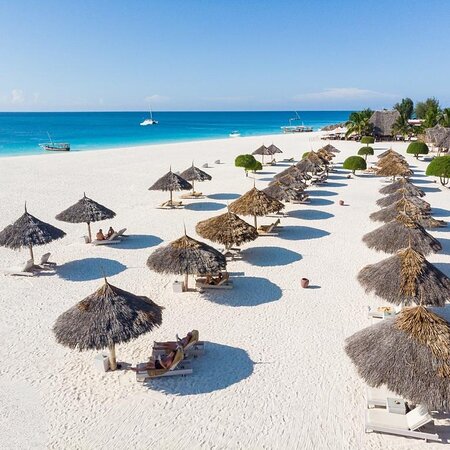
Flight to Zanzibar Island & Beach Paradise Arrival
Zanzibar Island
Meals: Breakfast, Lunch, Dinner
Zanzibar Island Relaxation & Cultural Exploration
Zanzibar Island
Meals: Breakfast
The Northern Circuit in Tanzania is home to an incredible diversity of wildlife. You can expect to see the Big Five (lions, leopards, elephants, buffalo, and rhinoceros), along with giraffes, zebras, wildebeests, hyenas, cheetahs, and numerous antelope species. The Serengeti is particularly renowned for hosting the Great Migration, where millions of wildebeest and zebras move across the plains in search of fresh grazing lands. Lake Manyara is famous for its tree-climbing lions, while Tarangire National Park is known for its large elephant herds. Ngorongoro Crater offers exceptional wildlife viewing in a concentrated area due to its natural amphitheater formation. The variety and abundance of animals you'll encounter make the Northern Circuit one of Africa's premier safari destinations.
The best time for a Tanzania safari depends on what you want to experience. The dry seasons—June to October and January to February—offer the best game viewing because wildlife congregates around water sources, making them easier to spot. June to October is particularly excellent for witnessing the Great Migration in the Serengeti, when massive herds cross the plains. The wet season (November to May) is less crowded, offers lush landscapes, and is ideal for birdwatching and photography. December to February brings calving season, when thousands of wildebeest calves are born, attracting predators. If you prefer fewer tourists and lower prices while still enjoying good wildlife viewing, the shoulder months of March to May and November are worth considering.
A comprehensive Tanzania safari package typically includes all national park entrance fees, accommodations throughout your journey, all meals (breakfast, lunch, and dinner), transportation in a private 4x4 safari vehicle, and a professional English-speaking guide. Most packages also provide bottled water during game drives, airport transfers, and government taxes and VAT. However, international airfare, travel insurance, visa fees, alcoholic beverages, tips and gratuities, personal expenses, and optional activities are usually not included. It's important to clarify with your tour operator exactly what's covered to avoid surprises. Travel vaccinations are your responsibility and should be discussed with a healthcare provider before departure.
A 9-day safari itinerary is an ideal length for exploring Tanzania's Northern Circuit comprehensively. This duration allows you to spend multiple days in each major park—Tarangire, Lake Manyara, Ngorongoro Crater, and the Serengeti—without feeling rushed. The extended time increases your chances of encountering diverse wildlife and experiencing different landscapes. Shorter safaris of 3-5 days can work if you're on a tight schedule, but you'll see less of the parks and have fewer opportunities for memorable wildlife encounters. A 9-day trip also allows for a balance between safari adventure and relaxation, often including time to unwind on Zanzibar's beaches afterward, which provides a perfect transition from the intensity of safari to tropical leisure.
Tanzania is generally considered a safe destination for safari tourism, and thousands of visitors enjoy safaris there safely each year. The Northern Circuit parks are well-established tourism destinations with professional guides, established infrastructure, and regular security presence. Your safety is enhanced when you book with reputable tour operators who employ experienced guides trained in wildlife safety protocols. That said, it's always wise to follow your guide's instructions carefully, respect wildlife from a safe distance, and avoid traveling alone at night outside of established accommodations. Check current travel advisories from your government before departure, ensure you have comprehensive travel insurance, and maintain standard travel precautions like not displaying valuables. Most visitors report positive and safe experiences when they use established safari operators and follow recommended guidelines.
Packing appropriately for a Tanzania safari ensures comfort and safety. Bring neutral-colored, lightweight clothing in layers, as mornings and evenings can be cool while afternoons are warm. Essential items include a wide-brimmed hat, high-SPF sunscreen, sunglasses, and insect repellent to protect against mosquitoes. Comfortable walking shoes and closed-toe hiking boots are important for game drives and any walking excursions. Pack a lightweight rain jacket or poncho for the wet season. Bring binoculars for wildlife viewing, a camera with extra batteries and memory cards, and any personal medications. Don't forget toiletries, though basic items are often available at accommodations. If you're extending to Zanzibar, include swimwear, beach cover-ups, and reef-safe sunscreen. Check with your tour operator about specific recommendations based on the season you're traveling, and leave room in your luggage for souvenirs.
Visa requirements for Tanzania depend on your nationality. Many countries' citizens can obtain a visa on arrival at Tanzanian airports, while others need to apply in advance at a Tanzanian embassy or consulate. Some nationalities may qualify for visa-free entry for short periods. It's essential to check the current visa requirements for Tanzania based on your passport country well before your travel date, as regulations can change. Most tour operators can provide guidance on visa requirements and may assist with applications. You'll need a valid passport with at least six months of validity remaining beyond your travel dates. Additionally, check if your destination country has any specific entry requirements. Official sources like the Tanzanian immigration website or your nearest Tanzanian embassy are the most reliable places to verify current visa policies.
Before traveling to Tanzania, consult with a travel health clinic or your doctor at least 4-6 weeks before departure to discuss recommended vaccinations. Yellow fever vaccination is often recommended or required, depending on which regions you're visiting and your country of origin. Vaccinations against hepatitis A and B, typhoid, and tetanus are commonly advised. Malaria prevention is crucial for Tanzania, and your doctor may recommend antimalarial medication depending on the season and specific areas you'll visit. The Northern Circuit parks are in malaria-prone regions, so prophylaxis is typically recommended. Additionally, ensure your routine vaccinations (MMR, polio, etc.) are up to date. Travel insurance that covers medical expenses is highly recommended. Your healthcare provider can give personalized advice based on your health history, the specific areas you'll visit, and the time of year you're traveling.
Tanzania safari costs vary widely depending on several factors, including the duration of your trip, the season you travel, the level of accommodation (budget, mid-range, or luxury), and your tour operator. A 9-day Northern Circuit safari typically ranges from moderate to premium pricing, with all-inclusive packages covering park fees, accommodation, meals, and guides. Costs are generally lower during the wet season (November to May) and higher during peak dry season (June to October) when wildlife viewing is optimal. Budget safaris may cost less but offer basic accommodations, while luxury safaris with high-end lodges command significantly higher prices. Additional expenses not included in package prices—such as international flights, travel insurance, visas, tips, alcoholic beverages, and optional activities—can substantially increase your total cost. It's worth comparing multiple operators and asking for detailed breakdowns of what's included to find the best value for your budget and preferences.
Absolutely! Combining a safari with a beach vacation is one of the most popular ways to experience Tanzania. After exploring the wildlife-rich Northern Circuit parks, you can travel to Zanzibar Island to relax on pristine white sandy beaches and enjoy the warm Indian Ocean. Zanzibar offers crystal-clear turquoise waters perfect for swimming and snorkeling, with vibrant coral reefs teeming with marine life. The historic Stone Town provides cultural exploration with its narrow streets, spice markets, and architectural heritage. A typical combination involves spending 5-7 days on safari followed by 2-3 days on Zanzibar, allowing you to experience both the thrill of wildlife adventure and the tranquility of tropical relaxation. This balanced itinerary appeals to travelers seeking variety and provides a perfect transition from the intensity of safari to leisurely beach time. Many tour operators specialize in these combined packages, making it convenient to book everything together.
© 2026 SafariFind. All rights reserved.