 1 / 91 / 9
Loading SafariFind...
1 / 9Arrival in Arusha - Tanzania's Safari Gateway
Arusha
Meals: Dinner
Tarangire National Park - Land of Giants
Tarangire National Park
Meals: Breakfast, Lunch, Dinner
Journey to the Serengeti - The Greatest Show on Earth
Serengeti National Park
Meals: Breakfast, Lunch, Dinner
Serengeti Deep Dive - Predator and Prey
Serengeti National Park
Meals: Breakfast, Lunch, Dinner
Serengeti Sunrise and Hot Air Balloon Adventure
Serengeti National Park
Meals: Breakfast, Lunch, Dinner
Ngorongoro Crater - The Eighth Wonder of the World
Ngorongoro Crater
Meals: Breakfast, Lunch, Dinner
Lake Eyasi - Cultural Encounters and Wilderness
Lake Eyasi
Meals: Breakfast, Lunch, Dinner
Lake Manyara National Park - Forest and Flamingos
Lake Manyara National Park
Meals: Breakfast, Lunch, Dinner
Return to Arusha and Departure
Kilimanjaro International Airport
Meals: Breakfast
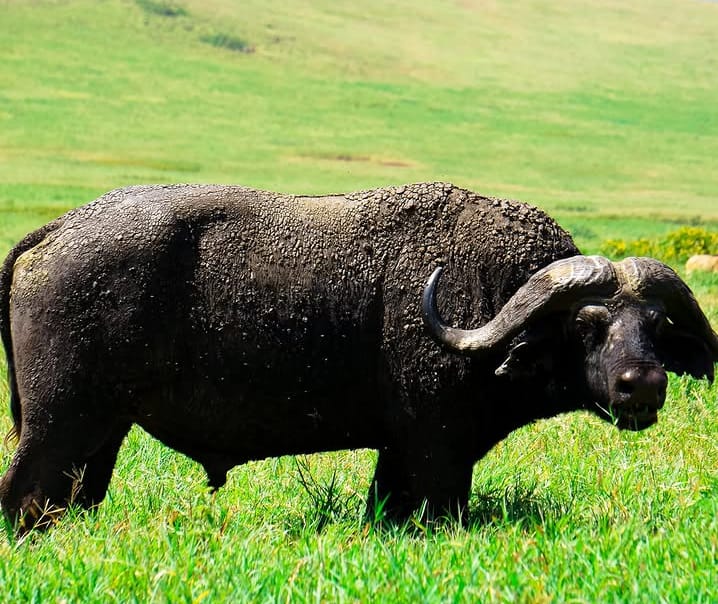
Tanzania's national parks are home to an incredible diversity of wildlife. You can expect to see the Big Five (lions, leopards, elephants, buffalo, and rhinoceros), along with giraffes, zebras, wildebeest, antelopes, hyenas, and numerous bird species. Tarangire National Park is particularly famous for its massive elephant herds and ancient baobab trees. The Serengeti hosts the largest concentration of large mammals in Africa, while the Ngorongoro Crater creates a natural enclosure where wildlife density is exceptionally high. Lake Manyara is known for its tree-climbing lions and flamingos, and Lake Eyasi offers opportunities to encounter local Hadza communities and their traditional hunting practices.
Tanzania offers year-round safari experiences, but the best times depend on what you want to see. The dry season from June to October is ideal for wildlife viewing, as animals congregate around water sources, making them easier to spot. During this period, the Great Migration typically moves through the Serengeti. The wet season from November to May brings lush landscapes, bird watching opportunities, and fewer tourists, though some roads may be challenging. December to February offers good wildlife viewing with pleasant weather. January and February are excellent for predator sightings as prey animals are more dispersed. Plan your trip based on your wildlife priorities and comfort preferences.
A 9-day safari is considered an ideal duration for experiencing Tanzania's major ecosystems comprehensively. This timeframe allows you to spend meaningful time in multiple parks—such as Tarangire, the Serengeti, Ngorongoro Crater, Lake Manyara, and Lake Eyasi—without rushing between destinations. Shorter safaris of 3-5 days are possible but may feel hurried, while 9 days provides the opportunity for multiple game drives, increased wildlife sightings, and a deeper immersion in the landscape and culture. The longer duration also accounts for travel time between parks and accommodation changes.
Pack neutral-colored, lightweight clothing in earth tones (khaki, tan, olive, gray) to blend with the environment and avoid disturbing wildlife. Bring layers for early morning and evening game drives when temperatures drop. Essential items include a wide-brimmed hat, sunglasses, high-SPF sunscreen, and insect repellent containing DEET. Comfortable, closed-toe hiking boots are crucial for uneven terrain. Include binoculars for wildlife viewing, a camera with extra batteries and memory cards, and any personal medications. Bring a light rain jacket for the wet season. Don't forget toiletries, as supplies in remote areas may be limited. Consider a headlamp or flashlight for evening use in camps. Leave behind bright colors and perfumes, as these can attract insects and startle wildlife.
Visa requirements for Tanzania depend on your nationality. Most international visitors require a visa, which can be obtained on arrival, through an embassy, or via an e-visa system. The process and fees vary by country, so check the Tanzanian immigration website or your nearest embassy for specific requirements well before travel. Ensure your passport is valid for at least six months beyond your intended departure date. Some nationalities may be exempt from visa requirements, but this is rare. It's advisable to arrange your visa before traveling to avoid delays at the airport, though on-arrival visas are typically available.
Yellow fever vaccination is strongly recommended and may be required depending on your origin country and onward travel plans. Malaria prophylaxis is essential, as malaria is present in most of Tanzania, particularly at lower altitudes. Consult your healthcare provider at least 4-6 weeks before departure to discuss your specific health needs. Routine vaccinations (measles, mumps, rubella, polio, tetanus) should be up to date. Additional vaccinations to consider include hepatitis A and B, typhoid, and Japanese encephalitis, depending on your medical history and travel plans. Carry any prescribed medications in original containers and bring a copy of prescriptions. Travel insurance that covers medical evacuation is highly recommended.
The Ngorongoro Crater is a UNESCO World Heritage Site and one of the world's largest intact volcanic calderas, located in northern Tanzania. This natural wonder spans approximately 19 kilometers in diameter and descends about 600 meters to a crater floor that creates a self-contained ecosystem. The crater is special for safari because it functions as a natural enclosure, concentrating wildlife in a relatively compact area. You can see lions, elephants, buffalo, zebras, wildebeest, and numerous other species within the crater floor, often in a single game drive. The dramatic landscape—with steep crater walls and a patchwork of grasslands, forests, and soda lakes—creates stunning scenery unlike anywhere else. The crater's unique environment supports a stable population of animals year-round, making it one of the most reliable places in Africa for wildlife viewing.
The Great Migration is an annual cycle involving approximately 1.5 million wildebeest, 200,000 zebras, and hundreds of thousands of other herbivores that move in a clockwise pattern across the Serengeti and Masai Mara ecosystems. The migration follows seasonal rainfall and fresh grass availability. From December to April, animals graze in the southern Serengeti. As the dry season approaches, they begin moving north, reaching the central Serengeti around May-June. By July-August, massive herds cross the Grumeti River into Kenya's Masai Mara, a dramatic river crossing with predator interactions. They remain in the Masai Mara until October-November before returning south to the Serengeti. This cyclical movement is driven entirely by natural environmental conditions and creates some of the most dramatic wildlife spectacles on Earth, with predator-prey interactions intensifying during river crossings and at water sources.
A comprehensive Tanzania safari package typically includes all national park entrance fees, professional English-speaking guide services, private 4x4 safari vehicle transportation, accommodation at lodges or camps as specified in the itinerary, all meals (breakfast, lunch, and dinner), bottled water during game drives, and airport transfers. Government taxes and value-added tax (VAT) are usually included. However, packages typically exclude international airfare, travel insurance, visa fees, alcoholic beverages, tips and gratuities for guides and staff, personal expenses, and optional activities. Some packages may also exclude travel vaccinations. It's important to review your specific package details to understand exactly what is and isn't covered, and to budget separately for excluded items.
Tanzania is generally considered a safe destination for safari tourism when you follow standard travel precautions and use reputable, established safari operators. Wildlife encounters are managed safely through professional guides who understand animal behavior and maintain appropriate distances. Your safari vehicle provides security during game drives, and camps are designed with safety protocols in mind. However, like any travel destination, it's wise to avoid displaying valuables, be aware of your surroundings, and follow your guide's instructions carefully. Check current travel advisories from your government before departure, purchase comprehensive travel insurance, and ensure your vaccinations are up to date. Choosing established operators with good safety records and experienced guides significantly reduces any risks. Millions of tourists safely enjoy Tanzania safaris annually.
© 2026 SafariFind. All rights reserved.