Ethiopia Safari Animals: 7-Day Wildlife Checklist 2026
Discover Ethiopia's rarest wildlife on a 7-day safari. Spot endemic Ethiopian wolves, Walia ibex, and mountain nyala. July–September best. $2,000–$3,500 per person.
Jul 17, 2026 21 min read
Loading SafariFind...
Discover Ethiopia's rarest wildlife on a 7-day safari. Spot endemic Ethiopian wolves, Walia ibex, and mountain nyala. July–September best. $2,000–$3,500 per person.

Last updated: July 2026
Ethiopia's 7-day safari features unique endemic animals like the Ethiopian wolf, Walia ibex, and mountain nyala. The best time to visit is July to September during the dry season. A typical 7-day safari costs $2,000 to $3,500 per person. Book through verified operators on SafariFind to compare packages and find the perfect wildlife experience.
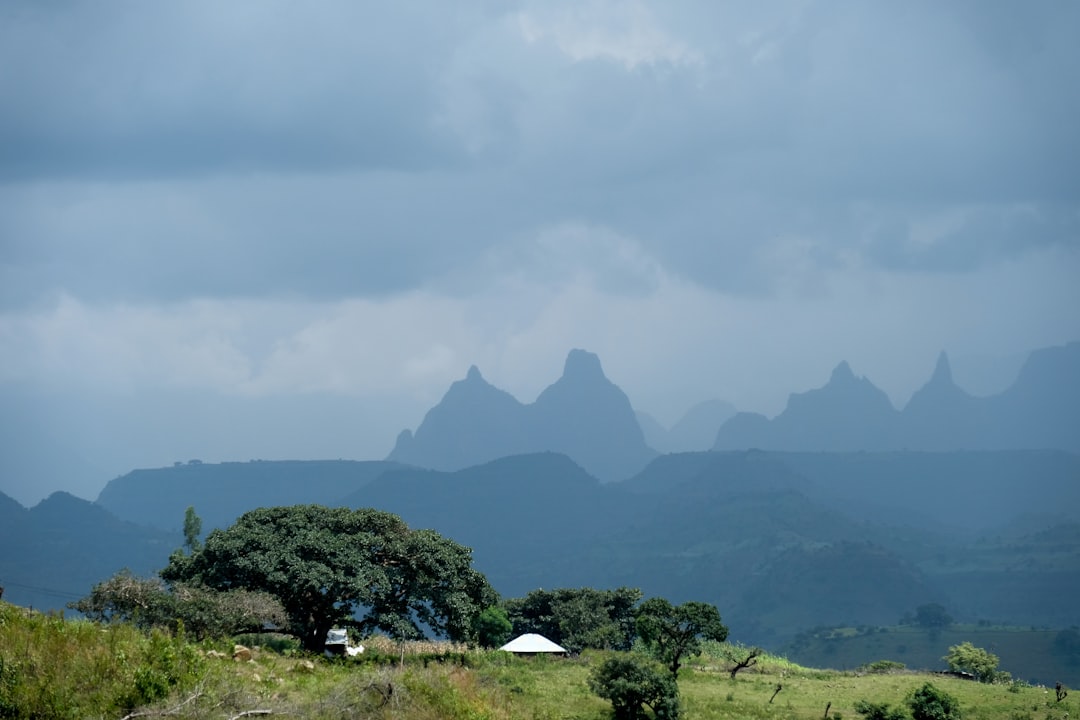
Ethiopia safari animals represent some of Africa's rarest and most unique wildlife experiences. Unlike typical East African safaris, Ethiopia's ecosystem hosts endemic species found nowhere else on Earth. A 7-day Ethiopia safari wildlife checklist guides you through the country's most important animal encounters and habitats.
Ethiopia is not a traditional safari destination like Kenya or Tanzania. Instead, it offers exceptional wildlife viewing focused on highland species and rare endemics. The 7-day checklist covers the animals you'll likely encounter in the country's premier wildlife regions, including the Bale Mountains, Simien Mountains, and lower Omo Valley.
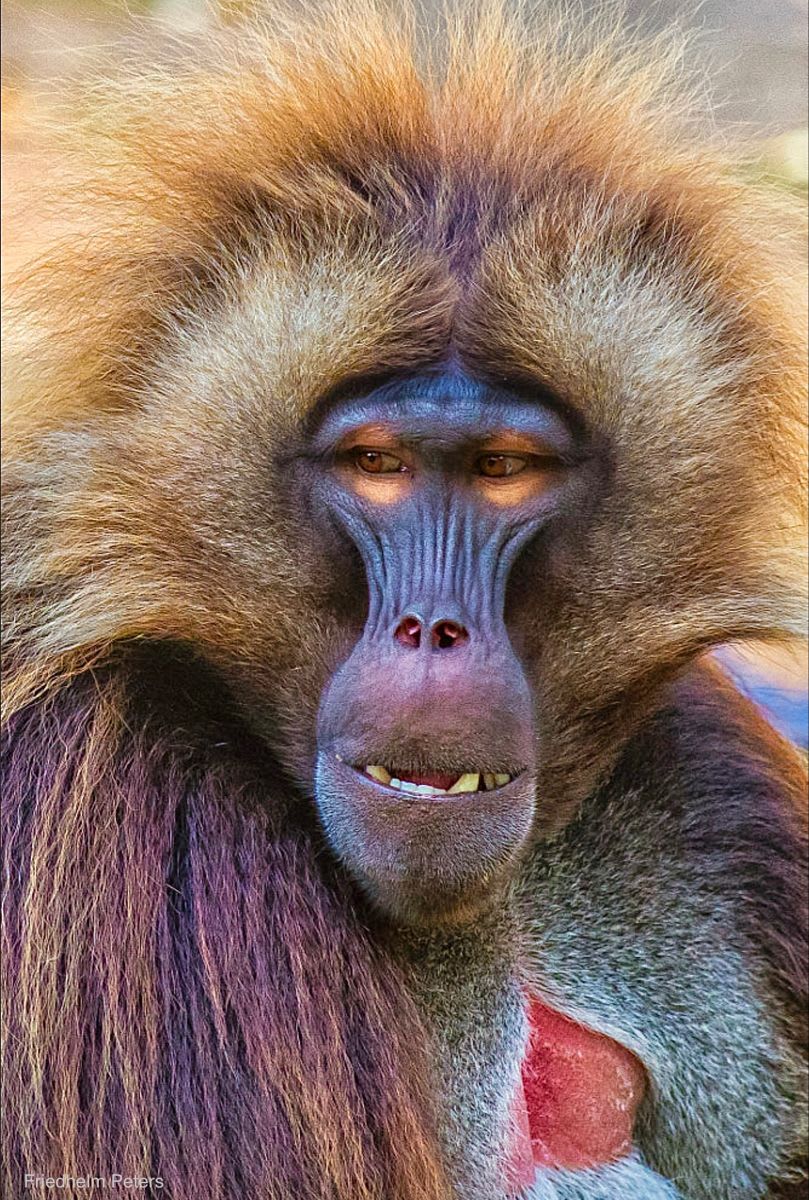
Ethiopia's safari animals include the endangered Ethiopian wolf, the elusive Walia ibex, mountain nyala with distinctive spiral horns, and Swayne's hartebeest. You'll also spot gelada monkeys with their distinctive red chests, hamadryas baboons, and Beisa oryx. These animals thrive in Ethiopia's unique highland and lowland ecosystems, making wildlife viewing fundamentally different from other African safaris.
A 7-day checklist helps travelers prepare realistic expectations. Ethiopia offers rich wildlife diversity, but you won't find the massive herds of wildebeest or the traditional "Big Five" experience. Instead, you get close encounters with rare, endemic species in spectacular mountain settings. This makes Ethiopia perfect for wildlife photographers and nature enthusiasts seeking something truly different.
Understanding what animals to expect helps you choose the right safari operator and itinerary. Different regions feature different species, so your 7-day route matters significantly. The Bale Mountains focus on highland endemics, while the lower Omo Valley offers lowland species and cultural encounters.
Ethiopia's wildlife stands apart because of its geographic isolation and unique habitats. The Ethiopian Highlands create perfect conditions for species found nowhere else. Endemic animals evolved separately from other African wildlife, making Ethiopia a bucket-list destination for serious wildlife enthusiasts.
The country's diverse elevations support different animal communities. High mountains host hardy alpine species like the Walia ibex at elevations above 3,000 meters. Mid-elevation forests shelter mountain nyala and various monkey species. Lower elevations feature savanna animals like zebras, gazelles, and occasional big cats.
Ethiopia's endemic species face serious conservation challenges. The Ethiopian wolf remains Africa's rarest carnivore with fewer than 500 individuals remaining in the wild. Walia ibex numbers have recovered through dedicated conservation efforts but remain critically endangered. By visiting Ethiopia's wildlife regions, you support conservation initiatives that protect these remarkable animals.
Tourism revenue directly funds habitat protection and anti-poaching efforts. Your safari package costs help maintain protected areas and employ local guides who monitor wildlife populations. Choosing verified operators through SafariFind ensures your money supports responsible, conservation-focused tourism that benefits both animals and local communities.
A comprehensive 7-day checklist covers the animals most commonly encountered across Ethiopia's premier wildlife destinations. This structured approach helps you track sightings and set realistic viewing expectations for your trip.
The Bale Mountains National Park is Ethiopia's premier wildlife destination. Your checklist should include the Ethiopian wolf, Africa's rarest carnivore. These elusive animals hunt in the morning and evening, so early starts matter. You'll also spot mountain nyala, with their dark coats and impressive spiral horns, typically seen in small groups near water sources.
Bale Mountains host multiple monkey species worth noting on your checklist. Gelada monkeys, with their distinctive red chest patches, gather in large groups across high-altitude grasslands. Their social behavior is fascinating—they communicate with complex vocalizations and spend hours grazing like sheep. You'll also encounter Anubis baboons, larger primates that move in family troops through the mountains.
Small carnivores and rodents round out the Bale Mountains ecosystem. Spotted hyenas roam the highlands at night, occasionally visible in early morning. Rock hyraxes—small, guinea pig-like animals—shelter among mountain rocks. These often-overlooked creatures are actually distant relatives of elephants and deserve a spot on your wildlife checklist.
The Simien Mountains offer dramatic scenery and unique wildlife encounters. The Walia ibex, Ethiopia's endemic wild goat, clings to steep rocky cliffs throughout this UNESCO World Heritage site. These agile animals have adapted to near-vertical terrain, making them challenging but incredibly rewarding to spot. Early morning hikes offer your best chances.
Simien Lodge sits at 3,300 meters, making it Africa's highest hotel and an excellent base for wildlife viewing. From the lodge, you can spot Walia ibex, gelada monkeys, and occasionally lammergeiers—massive vultures with wingspans up to 2.8 meters. The golden eagle also frequents these mountains, making it essential on your checklist.
Hamadryas baboons inhabit the Simien escarpment cliffs. These impressive primates display striking sexual dimorphism—males have massive manes and weigh significantly more than females. Watching their complex social interactions provides hours of entertainment and excellent photography opportunities. Your checklist should note their unique one-male harem social structure.
The lower Omo Valley introduces lowland animals absent from the highlands. Beisa oryx—elegant antelopes adapted to arid environments—roam the dry plains. These animals navigate harsh terrain efficiently, requiring minimal water. Their straight horns and tan coats make them distinctive and photogenic additions to your checklist.
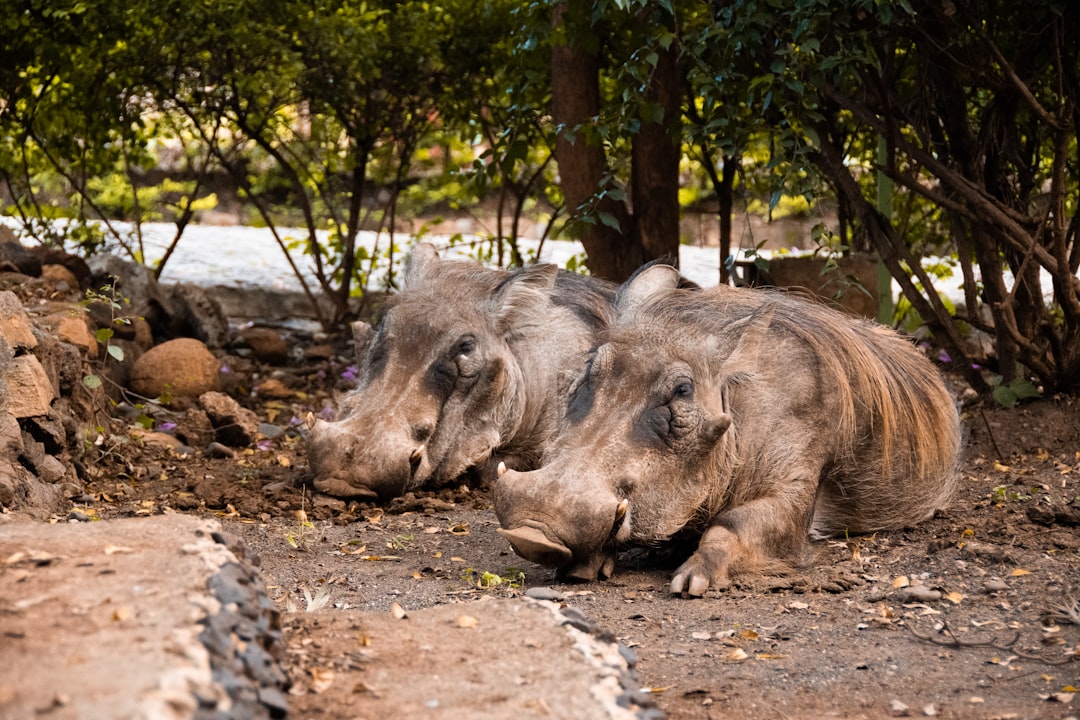
The Omo Valley hosts occasional lions, though sightings remain uncommon. Cheetahs and African wild dogs also inhabit the region but appear rarely. Zebras, gazelles, and warthogs are more reliable sightings in this ecosystem. The lower Omo also offers cultural encounters with pastoral communities, adding a human dimension to your wildlife experience.
Hippos and crocodiles inhabit the Omo River itself. While you won't swim, boat excursions provide safe viewing distances. These massive reptiles and semi-aquatic mammals represent Africa's dangerous megafauna. Adding river wildlife to your checklist rounds out Ethiopia's complete animal diversity.
Your final day typically involves travel back to Addis Ababa. Use this time to review your completed checklist and reflect on sightings. Many safari operators offer optional visits to the Ethiopian National Museum or cultural sites. This day helps you transition from wildlife viewing back to city life before your departure.
Before leaving, consider visiting the Addis Ababa Zoo, which houses captive Ethiopian wolves and other endemic species. While not a substitute for wild wildlife viewing, the zoo provides educational context about animal behavior and conservation efforts. Many travelers find this helpful for understanding what they've seen in the wild.
A wildlife checklist serves multiple purposes on your Ethiopia safari. It keeps you engaged during game drives and helps you track sightings systematically. Most experienced travelers bring printed checklists and binoculars, marking animals as they spot them.
Download or print a detailed checklist before arriving in Ethiopia. Include photos of each animal to help with identification. Your guide will appreciate your preparation and may share extra knowledge about species behavior. Many SafariFind operators provide detailed animal guides with your booking materials.
Research animal behavior patterns specific to each season. In July–September, animals congregate near water sources as vegetation dries out. Understanding these patterns helps your guide position you for optimal viewing. Certain animals like Ethiopian wolves are most active during early morning hours, so scheduling matters significantly.
Share your checklist with your guide on day one. Professional guides know exactly where to find specific animals and understand seasonal movement patterns. They can explain animal behavior, vocalizations, and ecological relationships. Your guide's expertise transforms a checklist into an educational wildlife experience.
Ask your guide about animals you haven't seen yet. They may adjust the itinerary slightly to increase chances of specific sightings. While no safari guarantees every animal, experienced guides maximize your viewing opportunities. Guides working for verified SafariFind operators receive specialized training in wildlife knowledge and animal tracking.
Bring a good camera and extra batteries for your 7-day safari. Ethiopia's wildlife offers exceptional photography opportunities, especially for endemic species. The dramatic mountain landscapes provide stunning backdrops for animal portraits. Professional guides often help position you for optimal shots without disturbing animals.
Document your sightings with photos and notes. These records become cherished memories and help you remember specific animal behaviors. Many travelers share photos on social media and contribute to citizen science projects tracking animal populations. Your documentation helps researchers understand Ethiopia's wildlife distribution and health.
The dry season from July to September offers optimal wildlife viewing conditions in Ethiopia. During these months, animals concentrate near permanent water sources, increasing sighting chances. Vegetation dries out, making animals more visible in open areas. This is when most travelers schedule their 7-day safari checklists.
The dry season coincides with Ethiopia's cooler months at high elevations. Temperatures remain comfortable for hiking and game drives. Wildlife viewing peaks because animals must visit water sources regularly. Your guide can reliably locate specific species during this optimal season.
Rainfall becomes minimal during these months, reducing muddy road conditions. Vehicle access to remote wildlife areas improves significantly. Your 7-day itinerary can cover more ground and visit more diverse habitats. Tour operators schedule most departures during this season because conditions favor successful wildlife encounters.
December to February offers another viewing window with different advantages. These months bring moderate rainfall and cooler temperatures. Fewer tourists visit during this period, creating more intimate wildlife experiences. However, some highland areas become challenging to access due to weather conditions.
April to June represents the rainy season with lower tourism traffic and reduced visibility. Animals disperse across wider areas as water becomes abundant. Wildlife photography becomes more challenging due to cloudy conditions. Most travelers avoid these months for serious wildlife checklists, though budget-conscious visitors find better rates.
A 7-day Ethiopia safari checklist experience costs between $2,000 and $3,500 per person in 2026, depending on accommodation level and group size. Budget safaris use basic lodges and smaller vehicles, while luxury options feature premium accommodations and private guides. Mid-range packages offer the best value for most travelers.
Your package typically includes accommodation, meals, ground transportation, and professional guide services. Park entrance fees for Bale Mountains and Simien Mountains are usually included. Vehicle costs and fuel cover your daily game drives and wildlife viewing activities. Most packages include airport transfers in Addis Ababa.
International flights to Ethiopia remain your largest separate expense. From North America, expect $800–$1,500 round-trip depending on season and booking time. From Europe, flights cost $400–$900 round-trip. Adding flight costs to your safari package gives your true total budget.
SafariFind connects you with verified operators offering Ethiopia safari packages at transparent prices. Browse available packages by duration, price range, and destination. Read authentic traveler reviews to understand what previous guests experienced. Request quotes from multiple operators to compare services and inclusions.
Compare the Robe Bale Mountains Adventure—a 3-day package starting at $549 with 4.8-star ratings—as a shorter alternative if budget is tight. Combining shorter packages with city time in Addis Ababa or Lalibela creates a complete Ethiopia experience within various budgets. SafariFind's detailed listings help you find packages matching your specific requirements.
Successful wildlife viewing requires proper preparation and realistic expectations. Ethiopia's animals are wild and unpredictable—sightings aren't guaranteed. However, following these practical tips significantly improves your chances of completing your 7-day checklist.
Bring quality binoculars—they're essential for spotting distant animals. A telephoto camera lens helps capture wildlife photography even at distance. Wear neutral-colored clothing that blends with natural landscapes. Avoid bright colors and excessive perfume that disturb animals. Comfortable hiking boots are crucial for Simien and Bale Mountains trekking.
Pack layers for temperature fluctuations. High elevations like Simien (3,300 meters) get cold at night, while lowland regions grow hot during the day. Sunscreen, hat, and sunglasses protect against intense African sun. Bring a small notebook for recording sightings and animal behavior observations alongside your checklist.
Consult your doctor about vaccinations before traveling to Ethiopia. Malaria prevention may be recommended for lower-elevation areas. Travel insurance covering evacuation is wise for remote safari regions. Drink purified water and follow food safety guidelines throughout your trip.
Your guides are trained in wildlife safety protocols. Listen carefully to instructions about maintaining distance from animals. Never approach animals for photography, as this endangers both you and wildlife. Respect the natural behavior of every animal on your checklist—observation, not interaction, is the goal.
Wake early for morning game drives when animals are most active. The first hours after sunrise offer excellent visibility and animal activity. Afternoon drives provide secondary opportunities but often prove less productive. Evening drives near the Omo River increase chances of hippo and crocodile sightings.
Stay quiet during game drives to avoid startling animals. Your guide uses spotting techniques developed over years of experience. Trust their instincts when they stop or change direction—they've often spotted animals invisible to untrained eyes. Patience pays dividends on wildlife safaris; the best sightings often reward those willing to wait quietly.
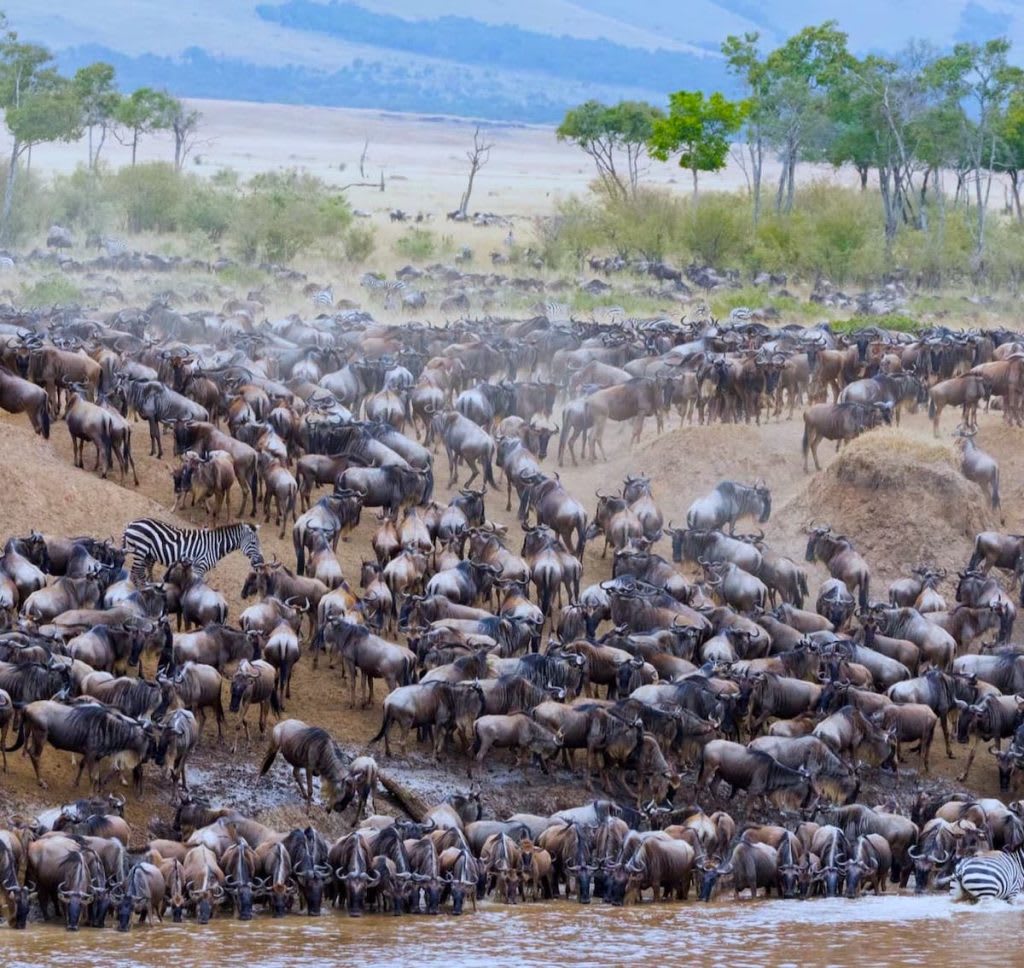
Ethiopia's safari differs fundamentally from East African destinations like Kenya and Tanzania. While you won't see the Great Migration or massive wildlife herds, Ethiopia offers unparalleled access to rare endemic species. This unique positioning makes Ethiopia ideal for specific traveler types with particular interests.
Ethiopia features minimal populations of traditional "Big Five" animals—lions, elephants, buffalo, leopards, and rhinos. You may encounter lions or occasionally other big cats, but sightings remain uncommon. Instead, Ethiopia specializes in highland endemics and rare species absent from typical safari destinations. This fundamental difference attracts wildlife enthusiasts seeking something distinctive.
Ethiopian safari operators focus on sustainable, low-impact tourism in sensitive habitats. Small group sizes protect fragile mountain ecosystems and provide intimate wildlife experiences. Your 7-day checklist reflects this philosophy—quality encounters with rare animals rather than quantity of sightings.
Ethiopia safaris appeal to wildlife photographers seeking rare subject matter. Serious birdwatchers find Ethiopia exceptional, with over 860 bird species recorded. Nature enthusiasts interested in endemic species and evolution find Ethiopia fascinating. Cultural travelers appreciate the indigenous communities integrated into many safari itineraries.
First-time safari visitors should read our Ethiopia safari first-timer's guide to understand what makes Ethiopia different from other African destinations. Experienced safari-goers appreciate Ethiopia's unique offerings and endemic species they've never encountered elsewhere. Regardless of experience level, Ethiopia demands respect for its special wildlife and ecosystems.
Ethiopia's endemic animals face serious conservation challenges requiring support from responsible tourism. The Ethiopian wolf faces extinction with fewer than 500 individuals remaining. Walia ibex populations have recovered but remain vulnerable. Your safari choices directly impact these animals' survival.
Booking with verified SafariFind operators ensures your money supports legitimate conservation efforts. Responsible operators contribute portions of safari fees to habitat protection and anti-poaching initiatives. Your wildlife viewing directly funds the preservation of Ethiopia's unique ecosystem and rare animals.
Many operators employ local guides and staff, providing economic incentives for wildlife protection. Communities benefit when tourism revenue exceeds poaching returns. This economic reality makes responsible safari tourism one of the most effective conservation tools available.
Follow your guide's instructions about maintaining distance from animals. Never feed wildlife, as this disrupts natural behavior and creates dependency. Photograph respectfully without using flash or making excessive noise. These simple practices ensure animals remain wild and unhabituated to human presence.
Respect protected areas' regulations and stay on designated trails. Report any poaching or illegal activity to authorities immediately. Share your positive safari experience with others—word-of-mouth promotion increases awareness about Ethiopia's unique wildlife and conservation importance.
You'll likely see gelada monkeys, hamadryas baboons, and various antelope species like Beisa oryx. Mountain nyala and Walia ibex appear frequently in Bale and Simien Mountains. Ethiopian wolves remain the rarest sighting but experienced guides maximize your chances. Other probable sightings include rock hyraxes, spotted hyenas, and numerous bird species. No safari guarantees specific animals, but 7 days in quality habitats significantly improves your viewing success.
Yes, July–September offers optimal conditions for wildlife viewing in Ethiopia. The dry season concentrates animals near water sources, making them easier to find. Cooler temperatures make high-elevation hiking comfortable. Roads remain accessible despite previous rains. Fewer tourists visit compared to peak seasons elsewhere in Africa, creating more intimate experiences. December–February offers a secondary window with moderate rainfall and comfortable temperatures, though visibility may be reduced.
A 7-day Ethiopia safari package costs $2,000–$3,500 per person in 2026, depending on accommodation level and group size. Budget options use basic lodges, while luxury packages feature premium accommodations and private guides. This doesn't include international flights ($400–$1,500) or travel insurance. Shorter 3-day packages start around $549, allowing budget-conscious travelers to experience Ethiopia's wildlife. Compare packages on SafariFind to find options matching your budget and preferences.
Ethiopia features endemic wildlife species found nowhere else on Earth, like the Ethiopian wolf and Walia ibex. You won't encounter massive herds or traditional "Big Five" animals consistently. Instead, Ethiopia specializes in rare, highland species in spectacular mountain settings. The safari experience emphasizes intimate encounters with unique animals rather than quantity of sightings. This makes Ethiopia ideal for experienced travelers and wildlife enthusiasts seeking something fundamentally different from typical African safaris.
A 7-day safari provides excellent chances to see most common Ethiopian animals, though rare species like Ethiopian wolves require patience and luck. Your checklist should include realistic expectations—not every animal appears on every trip. Experienced guides maximize your sighting opportunities through knowledge of animal behavior and seasonal patterns. Seven days across Bale Mountains, Simien Mountains, and the lower Omo Valley covers Ethiopia's primary wildlife regions, giving you comprehensive exposure to the country's diverse animal communities.
Browse verified operators on SafariFind, which lists tour companies with authentic traveler reviews and ratings. Filter by price range, duration, and destination to find packages matching your needs. Read detailed reviews from previous travelers to understand operator quality and service levels. Request quotes from multiple operators to compare inclusions and prices. SafariFind's verification process ensures operators meet safety, conservation, and customer service standards, protecting your investment and supporting responsible tourism.
Ethiopia's 7-day safari animals checklist represents a unique African wildlife experience. Unlike traditional East African safaris, Ethiopia specializes in rare endemic species like the Ethiopian wolf, Walia ibex, and mountain nyala found nowhere else on Earth. These remarkable animals thrive in Ethiopia's highland ecosystems, creating unforgettable wildlife encounters for prepared travelers.
The best time to experience Ethiopia's wildlife is July through September, when dry season conditions concentrate animals near water sources. A budget of $2,000–$3,500 per person covers accommodation, meals, guides, and park fees for 7 days. Adding international flights and travel insurance brings your total closer to $3,500–$5,500 depending on your origin and accommodation choices.
Successful wildlife viewing requires booking with verified operators who prioritize conservation and responsible tourism practices. SafariFind connects you with experienced tour companies offering transparent pricing and authentic traveler reviews. Compare multiple packages, read what previous guests experienced, and choose an operator matching your budget and wildlife interests.
Ethiopia's unique safari experience appeals to wildlife photographers, serious birdwatchers, and travelers seeking something fundamentally different from typical African destinations. Your 7-day checklist becomes more than a list—it transforms into a journey through one of Africa's most remarkable and biodiverse ecosystems. Whether you're a first-time safari traveler or an experienced wildlife enthusiast, Ethiopia offers unforgettable encounters with Africa's rarest animals.
Start planning your Ethiopia safari adventure today. Browse verified packages on SafariFind, request quotes from multiple operators, and prepare your wildlife checklist. The endemic animals of Ethiopia's mountains and valleys await your arrival in 2026. Your responsible safari tourism supports conservation efforts protecting these remarkable species for future generations.
These recommendations use real data from SafariFind, where you can compare operators, browse packages, and read verified traveler reviews before you book.
Explore curated safari packages and find your perfect African adventure with verified operators.

Discover Bururi Forest Nature Reserve Packages 2027: Costs and Booking - Expert guide to safari tourism and wildlife destinations.

Discover Is Madagascar Good for Safari? 2027 First-Timer's Guide - Expert guide to safari tourism and wildlife destinations.

Discover Etosha National Park Packages 2027: First-Timer Booking Guide - Expert guide to safari tourism and wildlife destinations.
SafariFind app
Keep up with your inquiries and bookings, and message operators wherever you are.

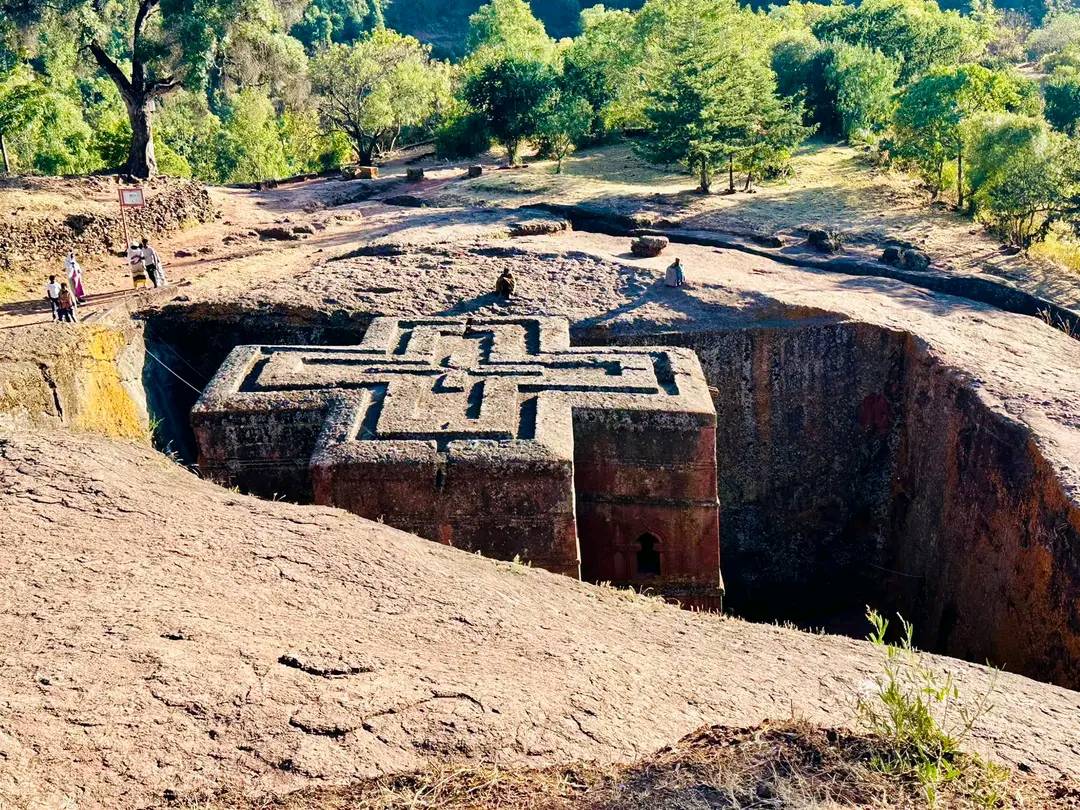 5 daysPrivate
 Essence Ethiopia Tours
 1 dayGroup Joining
 vowland Ethiopia Tour and Travel
 3 daysGroup Joining
 GishAbay Ethiopia Tours
 4 daysPrivate
 Jungle jewels expeditions
 12 daysPrivate
 ACATREE TOURS AND SAFARIS
 10 daysPrivateEssence Ethiopia Tours

