Ethiopia Safari Animals: Complete Wildlife Guide 2026
Discover Ethiopia Safari Animals: Complete Wildlife Guide 2026 - Expert guide to safari tourism and wildlife destinations.

Ethiopia Safari Animals: Complete Wildlife Guide 2026
Last updated: July 2026
Ethiopia protects wildlife found nowhere else on Earth, including the Ethiopian wolf, Walia ibex, mountain nyala, and Swayne’s hartebeest.
Ethiopia Safari Animals: Complete Wildlife Guide 2026 explains where to see Ethiopia’s rare mammals, primates, and savanna species. In 2026, listed Awash trips start from US$300 for 2 days and US$788 for 3 days. Choose Bale Mountains for highland wildlife and Awash for accessible Rift Valley landscapes.
At a Glance
- Wildlife highlights: Ethiopian wolf, Walia ibex, mountain nyala, Swayne’s hartebeest, geladas, hamadryas baboons, and Beisa oryx.
- Price range: Listed Awash trips in 2026 start from US$300 for 2 days and US$788 for 3 days.
- Best time: Match travel dates to your target animal and chosen park rather than using one national wildlife season.
- Duration: Allow 2 to 3 days for Awash and add more days for a wider Ethiopia wildlife route.
- Getting there: Awash National Park is reachable from Addis Ababa in Ethiopia’s eastern Rift Valley.
- Best for: Wildlife travelers who value endemic mammals and highland landscapes over a classic Big Five safari.
What Makes Ethiopia Safari Animals So Special?
Ethiopia Safari Animals: Complete Wildlife Guide 2026 is a practical guide to the country’s distinct wildlife regions, key species, trip costs, and viewing habits. Ethiopia is not a standard Big Five destination. Its strongest wildlife draw is a group of unusual endemic mammals that reward patient travelers who plan around the right habitats.
Ethiopia Safari Animals deserve attention because several flagship species have a very limited natural range. The Ethiopian wolf, Walia ibex, mountain nyala, and Swayne’s hartebeest are the animals most often linked with Ethiopia’s wildlife identity. You visit Ethiopia to see animals that a Kenya or Tanzania itinerary cannot easily replace.
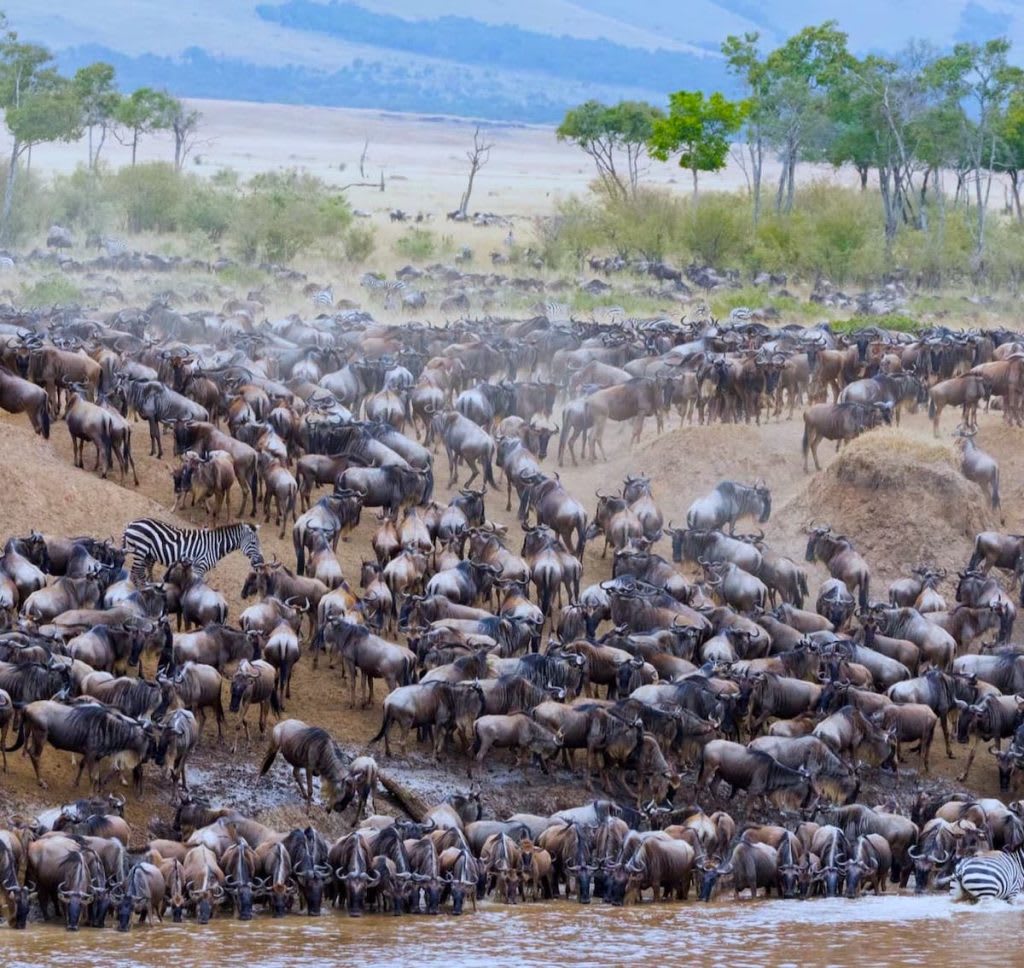
For a broader planning view, read SafariFind’s Ethiopia safari versus Kenya wildlife and value comparison. Kenya suits travelers who want famous migration scenes and larger concentrations of mainstream safari animals. Ethiopia suits travelers who want rare mammals, dramatic highlands, and a safari that feels more specialist.
What Is Included in Ethiopia Safari Animals: Complete Wildlife Guide 2026?
Ethiopia Safari Animals: Complete Wildlife Guide 2026 covers the country’s highland specialists, Rift Valley wildlife, primates, practical trip lengths, and current listed Awash prices. The guide helps you choose a destination based on the animal you most want to see, rather than booking a generic safari itinerary.
Overview of Ethiopia’s wildlife experience
Ethiopia is a wildlife destination shaped by altitude and habitat. One route can include high plateaus, volcanic peaks, lakes, mountain streams, dry grasslands, acacia woodland, and river gorges. This range explains why Ethiopia supports such different animal communities across relatively short travel distances.
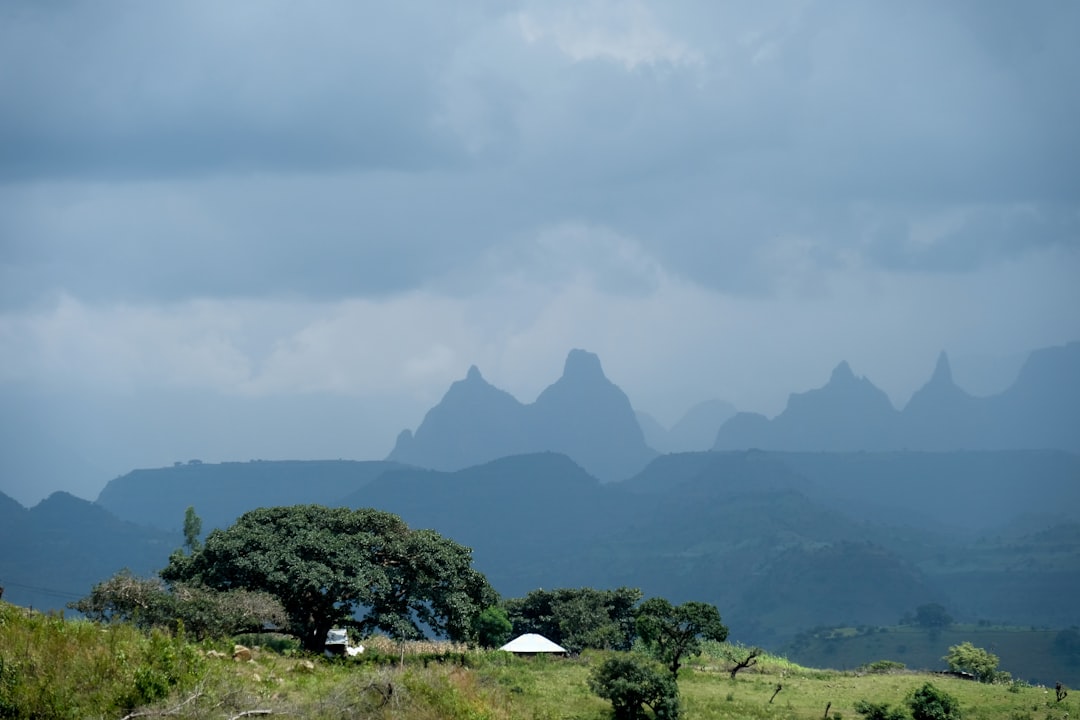
Bale Mountains National Park is a high-altitude landscape with volcanic peaks, alpine lakes, and mountain streams. Its cold, open highlands are very different from the hot lowland settings many travelers expect from an African safari. This contrast is central to planning an Ethiopia wildlife trip.
Awash National Park lies in the eastern Rift Valley and combines savanna grasslands, acacia woodlands, volcanic scenery, hot springs, and the Awash River Gorge. The park gives first-time visitors a strong introduction to Ethiopia’s lowland wildlife and geology in one short journey.
Key features for animal-focused travelers
- Known for: Endemic and range-restricted mammals rather than only famous Big Five sightings.
- Highland targets: Ethiopian wolf, Walia ibex, and mountain nyala.
- Rift Valley targets: Beisa oryx and wildlife in open savanna and acacia country.
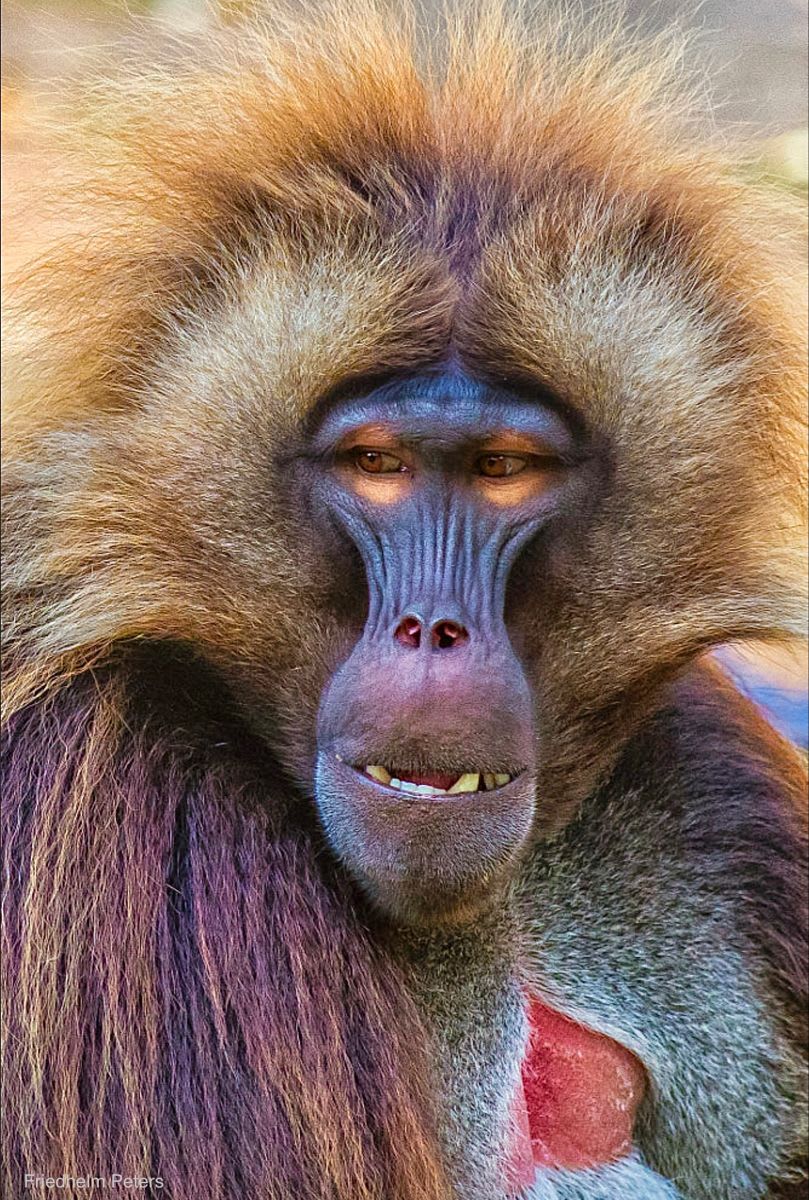
- Primate interest: Gelada monkeys and hamadryas baboons are key parts of Ethiopia’s animal appeal.
- Landscape value: Wildlife viewing can sit alongside volcanic features, alpine lakes, and river gorges.
Ethiopia’s wildlife matters because it expands the idea of what an African safari is. A classic safari often centers on lions, elephants, and large herds. Ethiopia adds rare carnivores, mountain antelope, cliff-dwelling ibex, and primates with behavior that is as memorable as a predator sighting.
SafariFind connects travelers with verified tour operators and authentic traveler reviews. Use it to compare what each itinerary includes, how many park days it offers, and whether its route focuses on Awash, Bale Mountains, or a multi-region Ethiopia safari.
Which Ethiopia Safari Animals Should You Look For?
Ethiopia’s most important safari animals are the Ethiopian wolf, Walia ibex, mountain nyala, Swayne’s hartebeest, gelada monkey, hamadryas baboon, and Beisa oryx. These species make Ethiopia best for travelers who want rare wildlife and varied habitats instead of a single classic savanna experience.
Endemic mammals and highland specialists
The Ethiopian wolf is Ethiopia’s best-known rare carnivore and a leading reason to visit the country’s highland habitats. The animal appears on specialist Ethiopia wildlife itineraries because it is endemic, meaning it occurs naturally only in Ethiopia. Build your route around suitable highland park time if this species is your priority.
The Walia ibex is another Ethiopian wildlife icon. This mountain goat is associated with steep, rugged terrain and gives Ethiopia a wildlife identity unlike East Africa’s open plains. Its presence makes a mountain-focused safari a strong choice for wildlife photographers who enjoy dramatic backdrops.
The mountain nyala and Swayne’s hartebeest add two more sought-after antelope species to an Ethiopia safari. Both animals matter because they turn a wildlife checklist into a more focused conservation-style experience. Bring binoculars, ask your guide about likely viewing areas, and allow time for careful scanning.
Primates and lowland wildlife
Gelada monkeys are one of Ethiopia’s most distinctive primates. Their large social groups and grassland behavior create a different viewing experience from forest monkey encounters. Hamadryas baboons also add to the country’s primate diversity and are a major draw for visitors who enjoy animal behavior as much as rare species lists.
Awash National Park highlights Beisa oryx among its wildlife. The park is also valued for its accessible location, diverse habitats, and volcanic scenery. This mix makes Awash a smart add-on for travelers arriving in Addis Ababa and wanting a shorter wildlife experience.
| Name | Price | Duration | Best For |
|---|---|---|---|
| Awash nature experience | From US$788 | 3 days | Travelers seeking wildlife and volcanic landscapes |
| Awash short tour | From US$300 | 2 days | Short Addis Ababa wildlife add-ons |
| Bale Mountains wildlife route | Check operator quote | Custom | Highland wildlife and alpine scenery |
Price range: current listed Awash experiences begin at US$300 for 2 days and US$788 for 3 days, as of 2026. Those prices are useful starting points, but you should confirm park fees, lodging, transport, guide services, and meals before paying a deposit.
Before you book, use SafariFind to compare verified safari operators for Ethiopia wildlife routes and request quotes that match your target animals.
How Do You Plan an Ethiopia Wildlife Safari?
Plan an Ethiopia wildlife safari by choosing one priority animal, selecting the habitat where it lives, then allowing enough days for weather and wildlife movement. Awash works well for a compact Rift Valley trip from Addis Ababa, while Bale Mountains suit travelers who want high-altitude terrain and specialist wildlife.
Step 1: Choose your wildlife goal
Ethiopia Safari Animals trips work best when you start with a clear goal. Choose Ethiopian wolf and mountain wildlife for a highland-focused journey. Choose Beisa oryx, acacia landscapes, volcanic features, and a shorter route for Awash National Park.
Awash National Park is accessible from Ethiopia’s capital and is visited for both wildlife and volcanic landscapes. That makes it a practical first stop if your international flight arrives through Addis Ababa. It also helps travelers who have limited time but still want a nature-based safari.
Step 2: Set a realistic itinerary
- Choose one main park and one wildlife priority.
- Book at least 2 days for a short Awash visit.
- Add travel time between highland and lowland regions.
- Ask operators which wildlife sightings are realistic for your travel dates.
- Confirm each inclusion in writing before you book.
Bale Mountains National Park needs a different mindset from a fast savanna game drive. The park’s high-altitude plateau, volcanic peaks, alpine lakes, and mountain streams make scenery part of the reward. Dress in layers, carry waterproof outerwear, and use a guide who understands both wildlife and changing mountain conditions.
Step 3: Book with the right expectations
Ethiopia is best for travelers who accept that wildlife viewing takes patience. Animal encounters depend on habitat, weather, road conditions, time of day, and guide knowledge. A responsible operator will never promise a specific animal sighting, especially for rare endemic species.
Ask every operator five direct questions: Which parks are included? How many game-viewing hours are planned? What vehicle is used? Which fees are excluded? What happens if weather changes the route? These questions make prices easier to compare and reduce surprises on arrival.
For detailed trip timing and budget context, SafariFind’s Ethiopia safari packages 2026 cost and best-times guide helps you compare trip structure before you request quotes. Travelers who are also weighing traditional East African options can review the Tanzania versus Kenya safari value guide for 2026.
Step 4: Use respectful wildlife practices
Wildlife viewing is better when you give animals space. Keep voices low, follow your guide’s vehicle rules, and never ask a driver to approach too closely for a photo. Bring binoculars so you can enjoy animal behavior without forcing a close encounter.
Suggested image alt text: “Ethiopian wolf standing in Bale Mountains highland grassland”; “Beisa oryx in Awash National Park acacia savanna”; “Gelada monkey group on Ethiopian mountain plateau”; and “Volcanic landscape near Awash National Park.” Clear alt text helps readers and search engines understand each wildlife image.
Key Takeaways
- Choose a target species first: Plan a highland route for Ethiopian wolf, Walia ibex, and mountain nyala, or choose Awash for Beisa oryx and Rift Valley habitats.
- Allow at least 2 days for Awash: Listed 2026 Awash tours start from US$300 for 2 days, giving short-stay travelers a clear entry point.
- Budget for a longer Awash experience: A listed 3-day Addis Ababa-to-Awash nature experience starts from US$788 in 2026.
- Pack for the habitat: Use warm layers for Bale Mountains’ high-altitude plateau and sun protection for Awash’s Rift Valley conditions.
- Compare inclusions before paying: Check transport, guides, lodging, meals, and park fees with verified SafariFind operators to avoid unclear safari quotes.
Frequently Asked Questions
What animals can I see on an Ethiopia safari?
Ethiopia safari animals include Ethiopian wolf, Walia ibex, mountain nyala, Swayne’s hartebeest, gelada monkeys, hamadryas baboons, and Beisa oryx. Ethiopia is strongest for rare and endemic wildlife rather than large numbers of mainstream Big Five animals.
Where can I see the Ethiopian wolf in Ethiopia?
The Ethiopian wolf is a highland wildlife target, so travelers should choose a route built around Ethiopia’s mountain environments. Bale Mountains National Park is a leading highland landscape with volcanic peaks, alpine lakes, and mountain streams.
Is Awash National Park worth visiting for wildlife?
Awash National Park is worth visiting for travelers who want wildlife, volcanic landscapes, hot springs, acacia woodland, and the Awash River Gorge in one accessible destination. Beisa oryx is one of the species highlighted for the park.
How much does an Ethiopia safari cost in 2026?
Listed Awash safari products start from US$300 for a 2-day tour and US$788 for a 3-day Addis Ababa-to-Awash nature experience in 2026. Confirm exactly what the quote includes because accommodation, fees, meals, and transport can differ between operators.
Is Ethiopia better than Kenya for wildlife?
Ethiopia is better for travelers seeking endemic mammals, mountain scenery, and unusual primates, while Kenya is better known for classic savanna wildlife and migration-focused safari routes. Read SafariFind’s Ethiopia versus Kenya safari comparison to match the destination with your wildlife priorities.
How do I book a verified Ethiopia safari operator?
SafariFind helps you book an Ethiopia safari by connecting you with verified tour operators and authentic traveler reviews. Compare itineraries, ask for written inclusions, and request quotes based on your preferred park, target animal, trip length, and comfort level.
Conclusion: Is Ethiopia Right for Your Wildlife Safari?
Ethiopia Safari Animals: Complete Wildlife Guide 2026 shows that Ethiopia is a top choice for rare mammals, remarkable primates, and landscapes that range from alpine plateaus to volcanic Rift Valley terrain. The Ethiopian wolf, Walia ibex, mountain nyala, Swayne’s hartebeest, geladas, and Beisa oryx give the country a wildlife identity of its own.
Choose a 2-day Awash trip from US$300 if you need a short wildlife add-on from Addis Ababa. Choose a longer highland-focused route if your main goal is Ethiopia’s specialist mountain animals and Bale Mountains scenery. Your best result comes from matching the itinerary to one clear wildlife goal.
Compare verified Ethiopia safari packages on SafariFind, read authentic reviews, and request a quote from operators for your 2026 wildlife trip. Ethiopia’s rare wildlife remains one of Africa’s most rewarding reasons to travel in 2026.
Plan Your Safari with SafariFind
These recommendations use real data from SafariFind, where you can compare operators, browse packages, and read verified traveler reviews before you book.