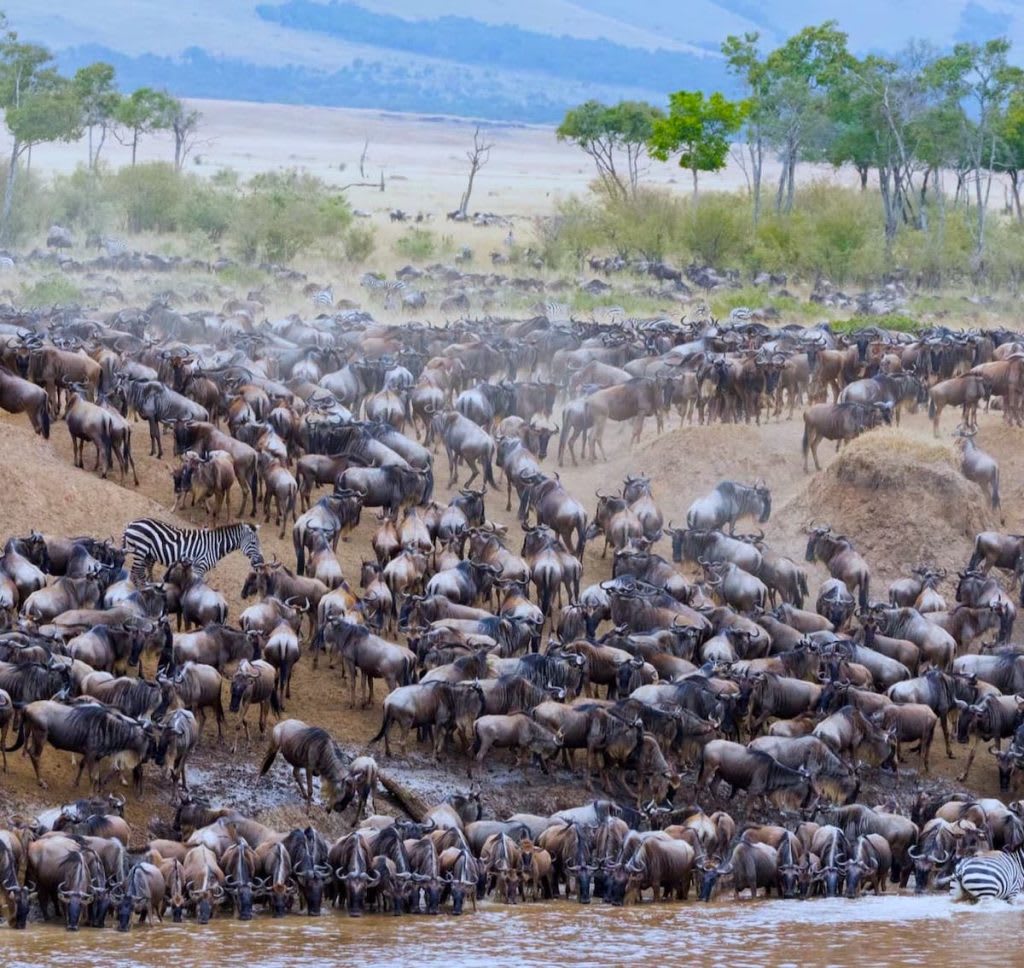
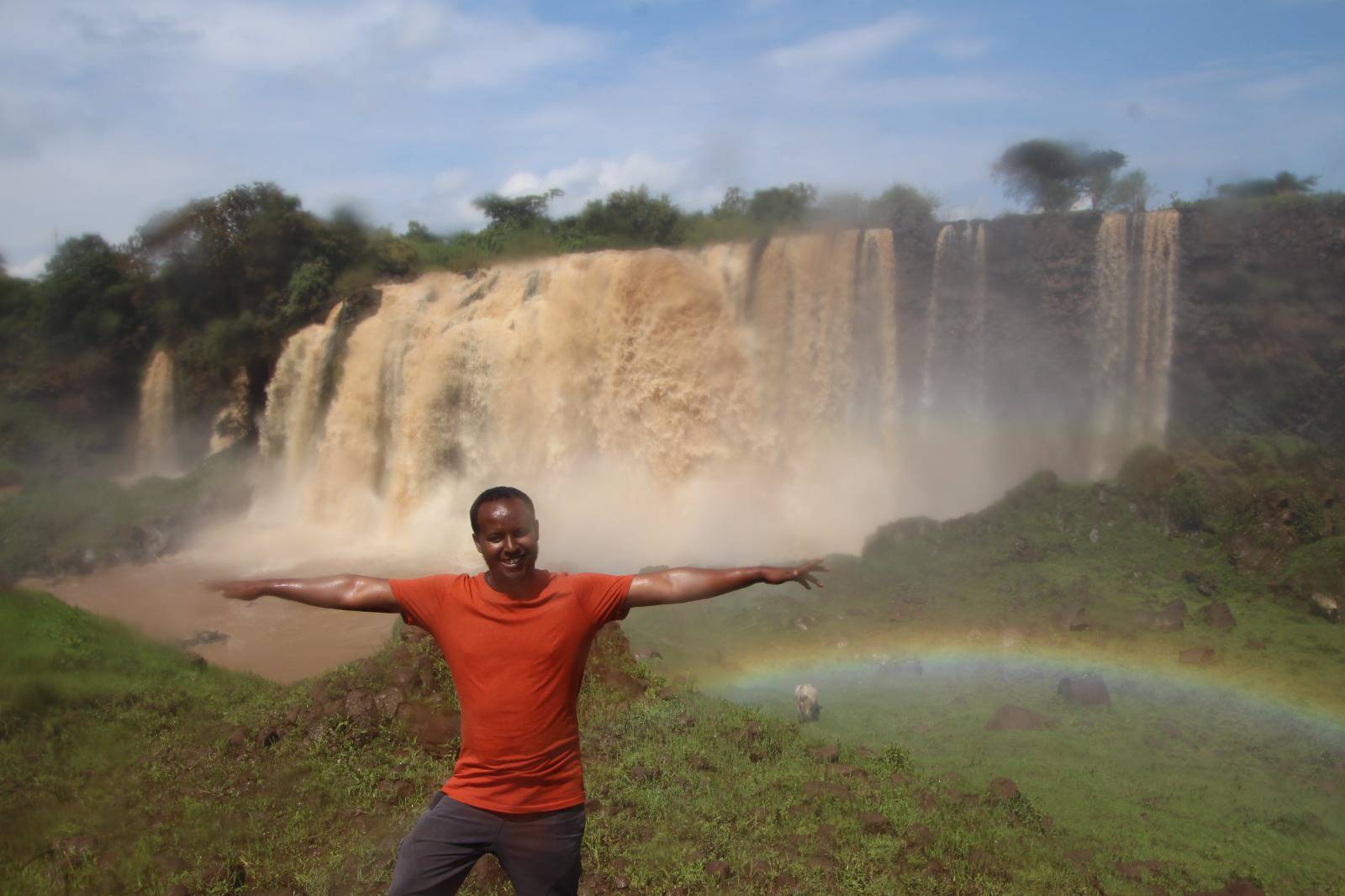
Ethiopia Safari Packages 2026: Cost & Best Times
Ethiopia safari packages cost $3,000–$5,000 per person in 2026. Best times: December–February & June–September. Book verified operators on SafariFind.

Ethiopia Safari Packages 2026: Cost & Best Times
Last updated: July 2026
Ethiopia safari packages cost between $3,000 and $5,000 per person for mid-range tours in 2026. The best times to visit are December through February and June through September during dry seasons. Book through verified operators on SafariFind to compare packages, read authentic reviews, and find deals on Ethiopia safaris.
At a Glance
- Cost: $3,000–$5,000 per person for mid-range packages
- Best time to visit: December–February and June–September (dry seasons)
- Duration: 7–12 days recommended
- Getting there: Fly into Addis Ababa International Airport
- Best for: Wildlife lovers, cultural travelers, budget-conscious explorers
- Wildlife highlights: Simien Mountains, Danakil Depression, Great Rift Valley
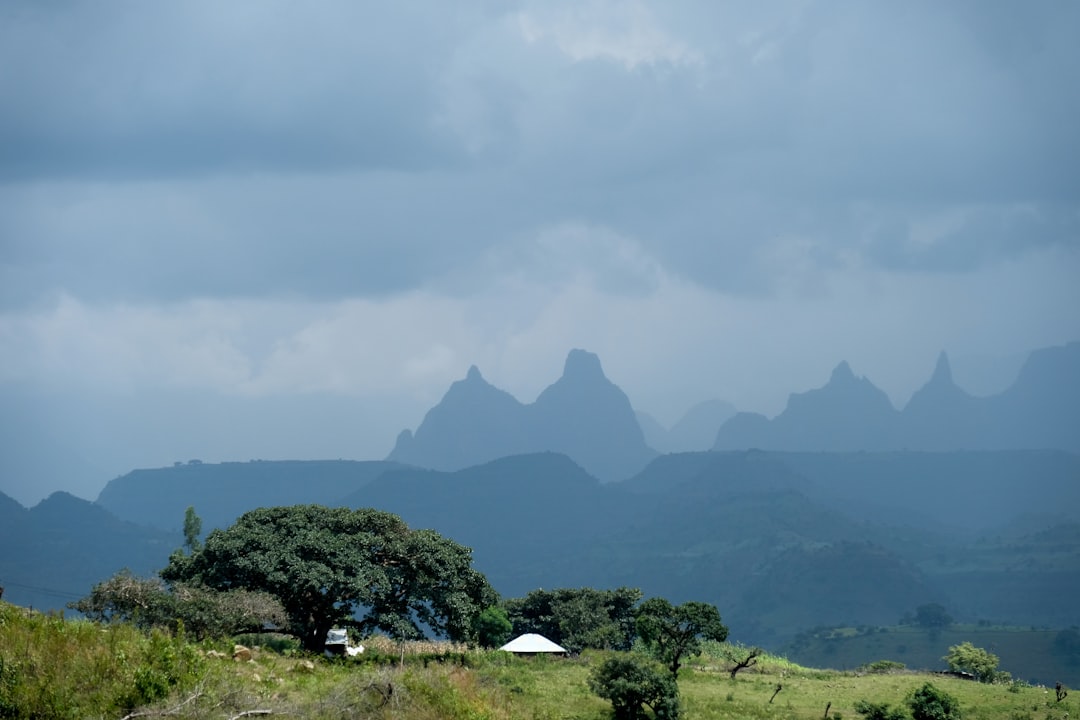
What Are Ethiopia Safari Packages 2026?
Ethiopia safari packages are organized tours that let you explore one of Africa's most unique destinations. Unlike traditional East African safaris, Ethiopia offers a mix of wildlife, culture, history, and stunning landscapes. These packages typically include accommodations, meals, transportation, and guided tours through national parks and historic sites.
Ethiopia safari packages come in different styles and price ranges. Budget packages start around $3,000 per person, while luxury options can exceed $5,000 for comparable durations. The variation depends on accommodation quality, group size, destinations covered, and services included. Most packages run 7 to 12 days, giving you time to see multiple highlights without rushing.
What makes Ethiopia different from other safari destinations? The country combines world-class wildlife viewing with ancient history and vibrant culture. You'll see endemic species found nowhere else on Earth. You'll also visit UNESCO World Heritage sites and meet local communities. This blend of experiences makes Ethiopia safari packages exceptional value for travelers seeking adventure beyond typical safari itineraries.
Ethiopia safari packages appeal to different traveler types. Adventure seekers love the Danakil Depression's otherworldly landscapes. Wildlife photographers flock to Simien Mountains to capture rare Ethiopian wolves. Cultural travelers appreciate visits to ancient churches and local villages. Budget explorers choose Ethiopia because it costs less than Kenya or Tanzania safaris while offering unique experiences.
The safety record for tourists in Ethiopia has improved significantly. Most safari regions welcome visitors year-round, though certain areas have seasonal restrictions. Reputable tour operators manage logistics, permits, and security so you can focus on enjoying your experience. SafariFind connects you with verified operators who have proven track records in Ethiopia tourism.
How Much Do Ethiopia Safari Packages Cost in 2026?
Ethiopia safari packages cost between $3,000 and $5,000 per person for mid-range tours in 2026, though prices vary based on several factors [1]. Budget packages start near $3,000, while luxury experiences can reach $6,000 or more. The cost structure depends on trip length, accommodation standards, group size, and included activities [1].
Budget Package Costs
Budget Ethiopia safari packages typically cost $3,000 to $3,500 per person for 7 days [7]. These packages include basic accommodations in guesthouses or budget lodges, group transportation, meals, and guided tours. Budget operators focus on value without sacrificing quality experiences. You'll see the same wildlife and visit the same destinations as higher-priced packages, but with simpler accommodations.
Budget packages work well for travelers who prioritize experiences over comfort. You'll share rooms or stay in modest but clean facilities. Meals are simple but nutritious local cuisine. Transportation uses shared safari vehicles with other tourists. These cost-saving measures let you extend your trip duration or visit more destinations within your budget.
Mid-Range Package Costs
Mid-range Ethiopia safari packages cost between $3,500 and $4,500 per person for 7–10 days [1]. These packages offer a sweet spot between comfort and value. You'll stay in comfortable hotels or mid-range lodges with private bathrooms and decent amenities. Meals include a mix of local and international cuisine. Group sizes are smaller, typically 4–8 people, allowing more personalized service.
Mid-range packages are the most popular choice for good reason. The accommodation quality is notably better than budget options. You get more flexibility in activities and dining. Transportation is reliable and relatively comfortable. This tier represents the best value for most travelers seeking quality experiences without luxury-level spending.
Luxury Package Costs
Luxury Ethiopia safari packages cost $5,000 to $7,000+ per person for 8–12 days [1]. These packages feature high-end accommodations in premium lodges and resorts with excellent amenities. You'll enjoy private guides, exclusive experiences, and gourmet meals. Group sizes are tiny—often 2–4 people—ensuring personalized attention throughout your journey.
Luxury packages appeal to travelers wanting maximum comfort and convenience. Private vehicles mean no sharing with other tourists. Guides are exceptionally knowledgeable and customizable to your interests. Accommodations rival international hotel standards. While pricier, luxury packages eliminate logistical stress and provide unforgettable service.
What Affects Ethiopia Safari Package Prices
Several factors influence your final Ethiopia safari package cost [1]. Trip duration is the biggest factor—longer trips naturally cost more. Accommodation level dramatically impacts pricing. Group size matters too; small groups cost more per person than large groups. Destinations covered affect the price; remote areas like the Danakil Depression cost more than accessible parks.
Seasonal timing affects pricing significantly. Peak season (December–February) sees higher prices. Shoulder seasons (June–September) offer better deals. Off-season packages (March–May, October–November) are cheapest but may have limited departures. Domestic flights between regions add $300–$800 per person depending on routes.
Included services shape the final cost. Packages with all meals included cost more than those with only breakfast. Guided activities at specific sites add fees. Photography permits, park entrance fees, and permits for restricted areas increase the total. Always clarify what's included before comparing prices between operators.
Ready to compare Ethiopia safari packages with transparent pricing? Browse verified Ethiopia safari packages on SafariFind to see real prices, durations, and ratings from actual travelers.
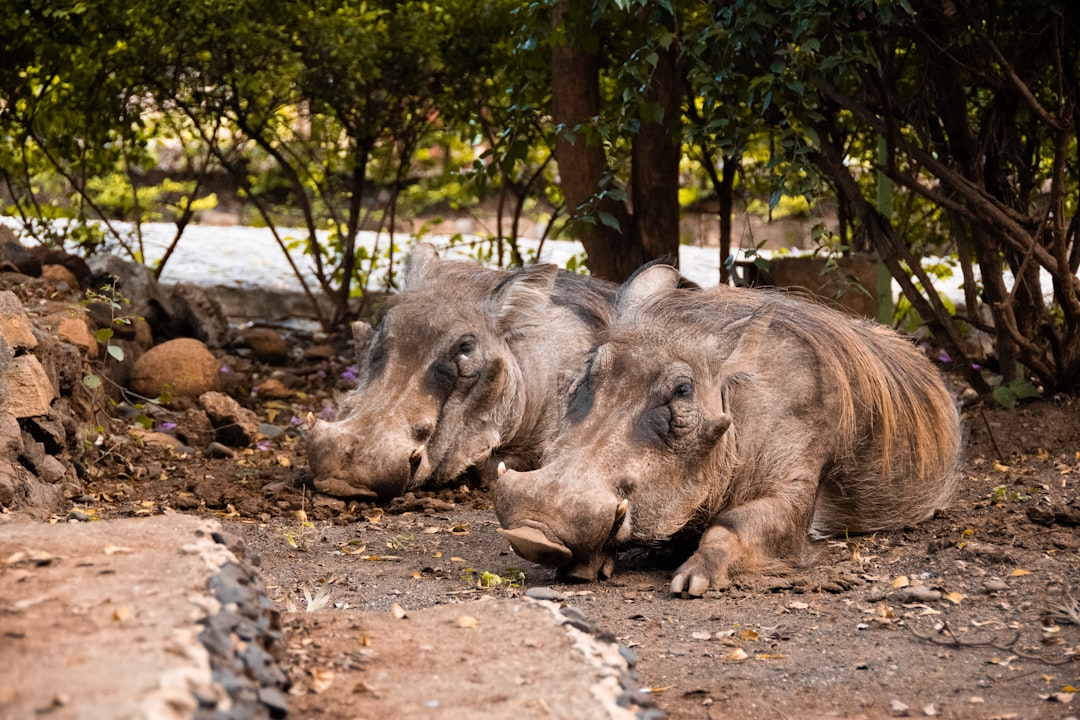
When Is the Best Time to Visit for Ethiopia Safaris?
The best times to visit Ethiopia for safaris are December through February and June through September during dry seasons [1]. These periods offer the clearest skies, most comfortable temperatures, and best wildlife viewing. Dry seasons mean easier travel on unpaved roads and higher visibility for photography.
December to February: Peak Season
December through February is Ethiopia's peak safari season and the absolute best time for wildlife viewing. The dry weather makes roads passable and wildlife congregates around water sources. Temperatures are mild—typically 50–75°F (10–24°C)—perfect for outdoor activities. Clear skies mean stunning photography conditions and excellent visibility for spotting wildlife.
Peak season runs during the Northern Hemisphere winter, which explains why most travelers visit then. Prices are highest during these months, but availability is guaranteed. This season suits photographers, families, and anyone wanting optimal conditions. Book 3–6 months in advance to secure the best packages and guides.
June to September: Shoulder Season
June through September offers excellent safari conditions with fewer crowds and lower prices than peak season. This period coincides with Ethiopia's dry season in the north. Temperatures are warm but manageable—60–80°F (15–27°C). Wildlife viewing remains very good, though not quite as concentrated as December–February.
The shoulder season appeals to budget-conscious travelers and those seeking fewer tourists. You'll still see abundant wildlife and enjoy clear skies for photography. Prices drop 15–20% compared to peak season. This timing works well for families and independent travelers who can travel outside peak holidays.
March to May and October to November: Off-Season
March through May and October through November are Ethiopia's off-season for safari travel. These months see occasional rains that can make roads difficult. Visibility for wildlife viewing decreases. Prices are lowest during off-season—sometimes 30–40% cheaper than peak season. Some operators offer limited departures, restricting your scheduling options.
Off-season suits adventurous travelers on tight budgets. You'll encounter fewer other tourists and enjoy more intimate experiences. The landscape is greener and more lush. However, road conditions can be challenging, and some remote areas may be inaccessible. Confirm road conditions with your operator before booking off-season packages.
Seasonal Wildlife Patterns
Ethiopia's wildlife follows seasonal patterns tied to rainfall and vegetation. During dry seasons (Dec–Feb, Jun–Sep), animals concentrate near permanent water sources, making them easier to spot. During wet seasons, vegetation is lush and animals disperse, making viewing harder. The Simien Mountains' endemic Ethiopian wolves are more active during dry seasons when prey is more visible.
The Danakil Depression offers year-round exploration since it receives minimal rainfall. However, summer temperatures exceed 120°F (49°C), making December–February far more comfortable. Great Rift Valley lakes attract migratory birds during specific seasons. Plan your visit around what you want to see most.
What Should You Know Before Booking Ethiopia Safari Packages?
Before booking your Ethiopia safari package, understand visa requirements, health precautions, and what to pack. Ethiopia requires visas for most nationalities, obtainable on arrival or in advance. Yellow fever vaccination is recommended for some regions. Travel insurance covering adventure activities is essential. These details affect your planning timeline and overall trip cost.
Visa and Documentation Requirements
Most travelers need a visa to enter Ethiopia. You can obtain a tourist visa on arrival at Addis Ababa International Airport, but pre-arranged visas from Ethiopian embassies are recommended to avoid delays. Visa processing typically takes 3–5 business days if applying in advance. Your passport must be valid for at least six months beyond your travel dates.
Travel insurance is crucial for Ethiopia safaris. Choose policies covering medical evacuation, trip cancellation, and adventure activities. Standard travel insurance may exclude safari activities, so verify coverage explicitly. Insurance costs $100–$300 depending on trip length and coverage level. This investment protects your financial and health interests.
Health and Safety Considerations
Yellow fever vaccination is recommended for certain regions, particularly lower-altitude areas. Malaria prophylaxis is advised for some destinations like the Rift Valley. Consult a travel medicine doctor 4–6 weeks before departure. Carry a well-stocked first-aid kit and any prescription medications in original containers. Most Ethiopian cities have decent medical facilities, but remote safari areas have limited healthcare.
Ethiopia's safety record for tourists has improved considerably. Most safari regions are secure for organized tours. Avoid traveling alone at night in cities. Keep valuables secured. Use reputable operators who know current conditions. SafariFind's verified operators have established safety protocols and local expertise.
What to Pack for Ethiopia Safaris
Pack layers because Ethiopian temperatures vary dramatically by elevation. High-altitude regions like Simien Mountains drop to 40°F (4°C) at night. Lower regions reach 80°F (27°C) during the day. Bring lightweight, breathable clothing for daytime and warm layers for evenings. Closed-toe hiking boots are essential for trekking terrain.
Photography equipment needs protection from dust and temperature changes. Bring lens cleaning supplies and extra memory cards. Binoculars enhance wildlife viewing significantly. Sunscreen, sunglasses, and a wide-brimmed hat protect against intense sun at high elevations. A headlamp or flashlight helps with early morning game drives.
Language and Communication
English is widely spoken in tourist areas and by professional guides. Amharic is Ethiopia's official language, but learning basic phrases enhances interactions with locals. "Selam" (hello) and "Ameseginalehu" (thank you) go a long way. Mobile phone coverage is available in cities and most safari areas. International roaming is expensive; consider buying a local SIM card for data and calls.
Currency is the Ethiopian Birr (ETB). ATMs are available in Addis Ababa and major towns. Credit cards work at upscale establishments, but cash is preferred in rural areas. Exchange rates fluctuate, so check current rates before traveling. Most safari packages include meals and activities, reducing daily cash needs.
How Do You Choose the Right Ethiopia Safari Package?
Choosing the right Ethiopia safari package requires matching your interests, budget, and travel style. Start by defining what you want to experience—wildlife photography, cultural immersion, adventure trekking, or a combination. Determine your realistic budget including flights to Ethiopia. Consider your preferred trip length and travel dates. These factors narrow your options significantly.
Define Your Safari Priorities
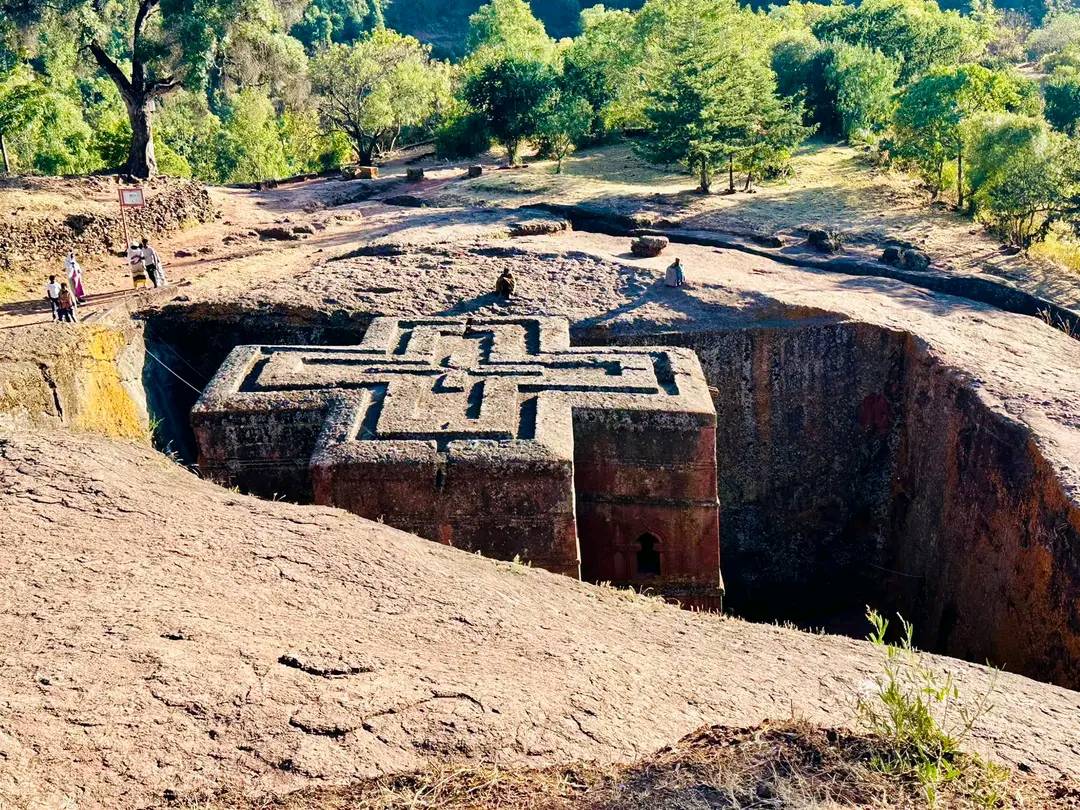
Wildlife enthusiasts should prioritize packages including Simien Mountains for Ethiopian wolves and other endemic species. Cultural travelers want time in Axum, Lalibela, and local villages. Adventure seekers choose the Danakil Depression and trekking itineraries. Photography-focused travelers need packages with experienced guides and flexible timing for good light.
Some packages blend multiple interests—wildlife, culture, and adventure combined. These comprehensive packages typically run 10–12 days. Specialized packages focus deeply on one area, like a 7-day Simien Mountains wildlife and trekking expedition. Identify your top 2–3 priorities to find matching packages.
Compare Operator Reviews and Ratings
Read authentic reviews from previous travelers before booking. SafariFind displays verified reviews with ratings and detailed feedback. Look for consistent comments about guide quality, vehicle conditions, and customer service. Operators with 4.5+ stars and 50+ reviews have proven track records. Be cautious of operators with few reviews or recent negative feedback.
Reviews reveal practical details about actual experiences. One traveler might mention excellent wildlife sightings; another highlights exceptional guide knowledge. Some reviews discuss accommodation quality and meal variety. Authentic reviews help you understand what you'll actually experience, not marketing promises.
Verify Inclusions and Hidden Costs
Read package descriptions carefully to understand what's included. Most packages include accommodation, meals, transportation, guides, and park fees. Some exclude domestic flights, alcoholic beverages, or tips. Ask operators directly about additional costs before booking. Hidden fees—park permits, photography fees, vehicle surcharges—can add $500+ to your total cost.
Compare packages with similar durations and destinations side-by-side. A cheaper package might exclude meals or use budget accommodations. A pricier package might include flights and premium lodges. Calculate the true per-day cost including all inclusions. SafariFind's package comparison tools help you evaluate options transparently.
Find your ideal Ethiopia safari package by comparing verified operators and authentic reviews. Browse Ethiopia safari operators on SafariFind to see ratings, reviews, and detailed package information.
What Are Popular Ethiopia Safari Destinations?
Popular Ethiopia safari destinations include Simien Mountains, Danakil Depression, Great Rift Valley, and the Omo Valley. Each offers unique wildlife, landscapes, and cultural experiences. Most multi-day packages combine 2–3 destinations to showcase Ethiopia's diversity. Understanding each destination helps you choose packages matching your interests.
Simien Mountains National Park
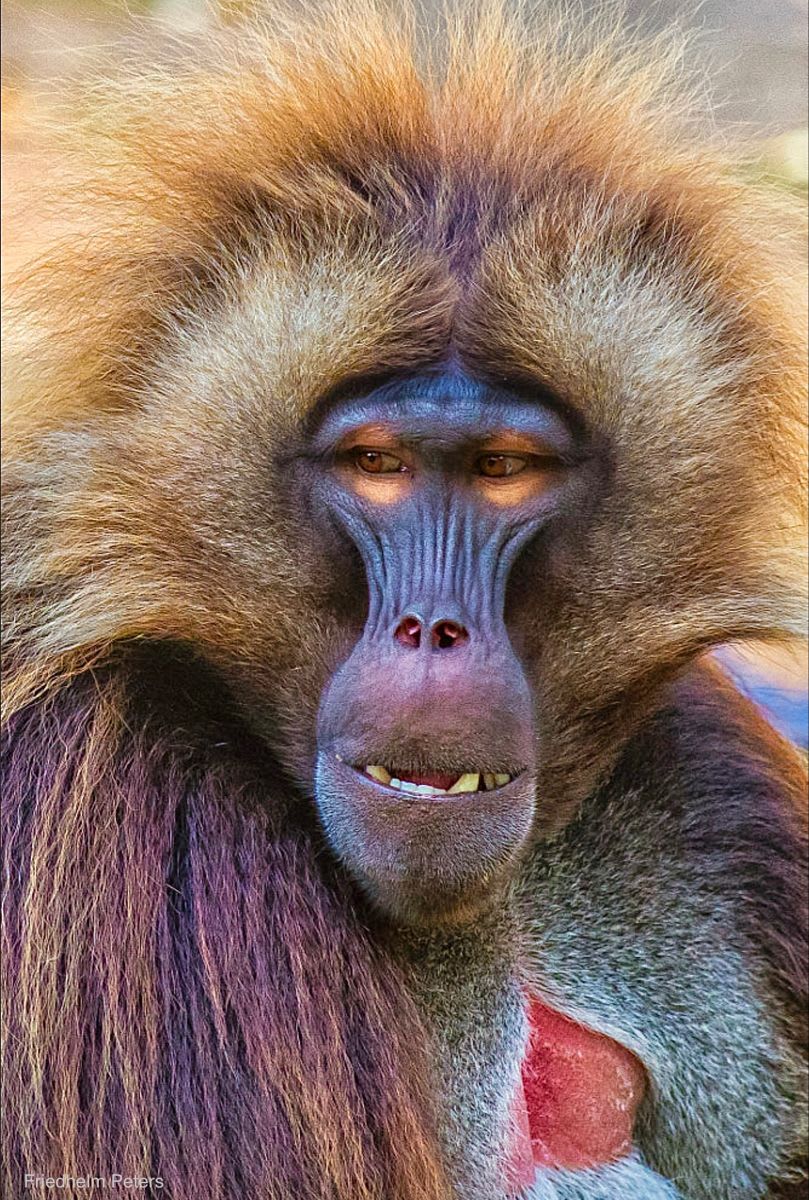
Simien Mountains National Park features dramatic mountain scenery and endemic Ethiopian wildlife. The park protects endangered Ethiopian wolves, gelada baboons, and Walia ibex found nowhere else on Earth. Trekking through the mountains offers stunning vistas and excellent wildlife photography. The park sits at high elevation, with temperatures dropping significantly at night.
Most Simien Mountains packages include 2–3 days of trekking with experienced guides. You'll hike through alpine meadows and along cliff edges with panoramic views. Early morning hikes offer the best wildlife viewing, especially for Ethiopian wolves. Photography enthusiasts love the dramatic light and unique animals. Packages typically cost $150–$300 per day including accommodation and meals.
Danakil Depression
The Danakil Depression is one of Earth's most extreme environments, featuring colorful hot springs, salt formations, and otherworldly landscapes. The region sits below sea level with temperatures exceeding 120°F (49°C) in summer. December through February offers manageable conditions. Few tourists visit compared to other destinations, providing an exclusive experience.
Danakil packages typically run 3–4 days from Mekelle. You'll visit multi-colored hot springs, sulfur formations, and salt mining areas. Local guides navigate challenging terrain and explain geological features. Photography in the Danakil produces surreal, otherworldly images. These specialized packages cost $800–$1,500 for 3 days including transport, accommodation, and meals.
Great Rift Valley
The Great Rift Valley stretches through Ethiopia with stunning lakes and diverse wildlife. Lake Awasa, Lake Shala, and Lake Abaya offer birdwatching, crocodile spotting, and cultural interactions with local tribes. The valley's unique ecosystem supports species found nowhere else. The landscape transitions from highlands to dramatic escarpments and lakeside plains.
Rift Valley packages typically include 2–3 days exploring multiple lakes. You'll spot hippos, crocodiles, and over 400 bird species. Boat excursions on pristine lakes offer unique perspectives. Cultural visits to Arbore and Dassanech tribes provide authentic local experiences. These packages cost $200–$400 per day including all activities and meals.
Omo Valley
The Omo Valley is Ethiopia's most remote and culturally rich region, home to diverse indigenous tribes with unique traditions. The Mursi, Hamar, Surma, and Karo peoples maintain traditional lifestyles. Visiting the Omo Valley offers profound cultural immersion and incredible photography opportunities. The landscape features rugged terrain, river gorges, and sweeping plains.
Omo Valley packages are specialized and typically run 4–5 days. You'll visit multiple tribal communities, participate in cultural activities, and learn about traditional practices. Experienced guides provide context and facilitate respectful interactions. Photography is exceptional but requires cultural sensitivity and permission. These packages cost $300–$500 per day due to remote logistics and specialized guides.
Key Takeaways
- Book Ethiopia safari packages 3–6 months in advance during peak season (December–February) to secure your preferred dates and save 15–20% compared to last-minute bookings.
- Budget $3,000–$5,000 per person for mid-range 7–10 day packages in 2026, with prices varying based on accommodation quality, group size, and included activities.
- Visit during dry seasons (December–February or June–September) for optimal wildlife viewing, clearest skies, and best photography conditions with comfortable temperatures.
- Choose operators with 4.5+ star ratings and 50+ authentic reviews on SafariFind to ensure quality guides, reliable vehicles, and proven customer service.
- Combine multiple destinations like Simien Mountains, Danakil Depression, and Rift Valley in 10–12 day packages to experience Ethiopia's unique wildlife, landscapes, and cultures.
Frequently Asked Questions
How much does an Ethiopia safari cost per person in 2026?
Ethiopia safari packages cost between $3,000 and $5,000 per person for mid-range 7–10 day tours in 2026 [1]. Budget packages start around $3,000, while luxury options exceed $5,000. Costs vary based on accommodation quality, group size, destinations covered, and included services. Domestic flights between regions add $300–$800 per person [1].
What is the best time to visit Ethiopia for safaris?
The best times to visit Ethiopia for safaris are December through February and June through September during dry seasons [1]. December–February is peak season with the clearest skies and most comfortable temperatures, though prices are highest. June–September offers excellent conditions with 15–20% lower prices and fewer crowds. Off-season (March–May, October–November) is cheapest but may have limited departures and occasional rain.
Do I need a visa to visit Ethiopia for a safari?
Most nationalities need a visa to enter Ethiopia. Tourist visas are available on arrival at Addis Ababa International Airport or from Ethiopian embassies in advance. Pre-arranged visas are recommended to avoid delays. Processing takes 3–5 business days if applying in advance. Your passport must be valid for at least six months beyond your travel dates.
What wildlife can you see on Ethiopia safaris?
Ethiopia safaris feature endemic species found nowhere else on Earth, including Ethiopian wolves, Walia ibex, and gelada baboons in Simien Mountains. The Rift Valley hosts hippos, crocodiles, and over 400 bird species. The Omo Valley offers cultural experiences with indigenous tribes. Each region has unique wildlife, making Ethiopia exceptional for nature enthusiasts and photographers.
How long should I spend on an Ethiopia safari?
Most Ethiopia safari packages run 7–12 days, with 7–10 days being the most popular duration [1]. A 7-day package covers 2–3 major destinations like Simien Mountains and the Rift Valley. A 10–12 day package allows deeper exploration including the Danakil Depression and Omo Valley. Longer trips provide better value per day and less travel time between destinations.
How do I find the best Ethiopia safari packages?
Find the best Ethiopia safari packages by reading authentic reviews on SafariFind, comparing operator ratings, and verifying inclusions. Look for operators with 4.5+ stars and 50+ reviews. Read detailed feedback about guide quality, vehicle conditions, and actual experiences. SafariFind connects you with verified tour operators offering transparent pricing and authentic traveler reviews. Compare Ethiopia safari packages on SafariFind to find your perfect match based on budget, dates, and interests.
Conclusion
Ethiopia safari packages offer exceptional value and unique experiences compared to traditional East African safaris. In 2026, expect to pay $3,000–$5,000 per person for mid-range packages, with the best times to visit during December–February and June–September dry seasons [1]. Ethiopia combines world-class wildlife viewing of endemic species with rich cultural experiences and stunning landscapes that few other destinations match.
The diversity of Ethiopia's safari destinations means you can tailor your experience to your interests. Wildlife photographers should prioritize Simien Mountains for Ethiopian wolves and dramatic scenery. Cultural travelers will find profound experiences in the Omo Valley and Rift Valley. Adventure seekers can explore the otherworldly Danakil Depression. Most comprehensive packages blend multiple experiences, giving you the full Ethiopia safari spectrum.
Choosing the right package requires matching your budget, dates, and interests with verified operators who have proven track records. Read authentic reviews from previous travelers to understand what you'll actually experience. Book 3–6 months in advance during peak season to secure your preferred dates and potentially save 15–20% on rates [1]. SafariFind makes this process simple by connecting you with verified tour operators, displaying real reviews, and letting you compare packages transparently.
Your Ethiopia safari awaits in 2026. Whether you're seeking rare wildlife, cultural immersion, adventure, or a combination of all three, Ethiopia delivers unforgettable experiences at excellent value. Compare verified Ethiopia safari packages on SafariFind today to request quotes from trusted operators and read reviews from travelers who've already discovered this remarkable destination.
Plan Your Safari with SafariFind
These recommendations use real data from SafariFind, where you can compare operators, browse packages, and read verified traveler reviews before you book.
Recommended Safari Operators from SafariFind
Top Safari Packages from SafariFind
What Travelers Say (SafariFind Reviews)
References
Related to
Ready to start your safari adventure?
Explore curated safari packages and find your perfect African adventure with verified operators.