Is Mozambique Good for Safari? Wildlife, Parks & Honest Review
Discover if Mozambique is worth your safari. Explore wildlife parks, costs ($2,800–$5,500), best seasons, and how it compares to Kenya and Tanzania.

Is Mozambique Good for Safari?
Last updated: July 2026
Mozambique offers emerging safari experiences with growing wildlife populations, especially in Gorongosa and Zinave National Parks. The best time to visit is June to October when wildlife concentrates around water sources. A typical 7-day safari costs $2,800–$5,500 per person, and Mozambique's parks are safe with professional operations backed by global conservation partners.
At a Glance
- Cost: $2,800–$5,500 per person for 7 days in 2026
- Best time to visit: June to October (dry season, best wildlife viewing)
- Duration: 7–10 days recommended for full experience
- Main parks: Gorongosa, Zinave, Niassa Reserve, Chimio Wildlife Reserve
- Best for: Adventure travelers, budget-conscious explorers, wildlife photographers
- Wildlife highlights: Newly reintroduced black and white rhino, elephants, lions, buffalo, wild dogs
Introduction: Is Mozambique a Good Safari Destination?
Mozambique is not a traditional safari destination like Kenya or Tanzania, but it is becoming an increasingly attractive option for wildlife lovers seeking authentic experiences off the beaten path. Mozambique's safari industry has experienced remarkable growth in recent years, driven by successful conservation efforts and wildlife reintroduction programs. The country borders four major safari nations—Tanzania, Zambia, Zimbabwe, and South Africa—making it a natural addition to African wildlife tours.
The honest answer is yes, Mozambique is good for safari, but with important caveats. Park infrastructure remains developing compared to established safari destinations, yet animal populations are steadily increasing. The most exciting recent development is the reintroduction of black and white rhinos into Zinave National Park, signaling serious conservation commitment. If you value fewer tourists, lower costs, and supporting emerging conservation efforts, Mozambique deserves your consideration.
What Makes Mozambique's Safari Different?
Mozambique offers a unique safari experience distinct from mainstream African destinations. Unlike the crowded game drives of the Serengeti or Masai Mara, Mozambique's parks provide solitude and authentic wilderness encounters. You'll often have viewing areas entirely to yourself, creating intimate moments with wildlife that larger destinations cannot match.
The Conservation Story
Mozambique experienced severe wildlife decline during its civil war (1977–1992), but recovery efforts have transformed the country's parks dramatically. Today, Gorongosa National Park stands as a conservation success story, rebuilt from near collapse to hosting thousands of animals. The government and international partners like the Gorongosa Project have invested heavily in anti-poaching efforts and habitat restoration, making Mozambique's parks among Africa's safest and most professionally managed operations.
Emerging Rather Than Established
Mozambique's safari industry is younger than Kenya's or Tanzania's, which means fewer lodges, less crowding, and sometimes simpler facilities. However, this also means lower prices and more personalized service. Most operators have 15+ years of experience and employ expert guides trained in wildlife identification and safety protocols. The infrastructure is professional and reliable, just not yet at luxury resort levels in all locations.
Which National Parks Should You Visit?
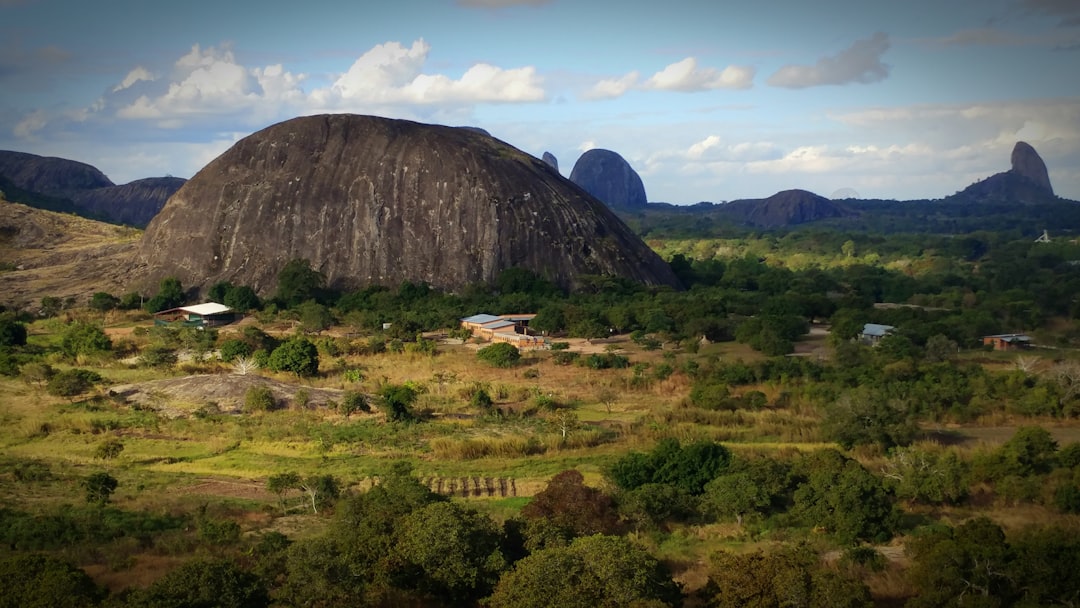
Mozambique's safari packages focus on four primary parks and reserves, each offering distinct wildlife viewing opportunities and conservation stories. Most 7–10 day itineraries combine two or three parks to maximize animal encounters and scenic variety.
Gorongosa National Park
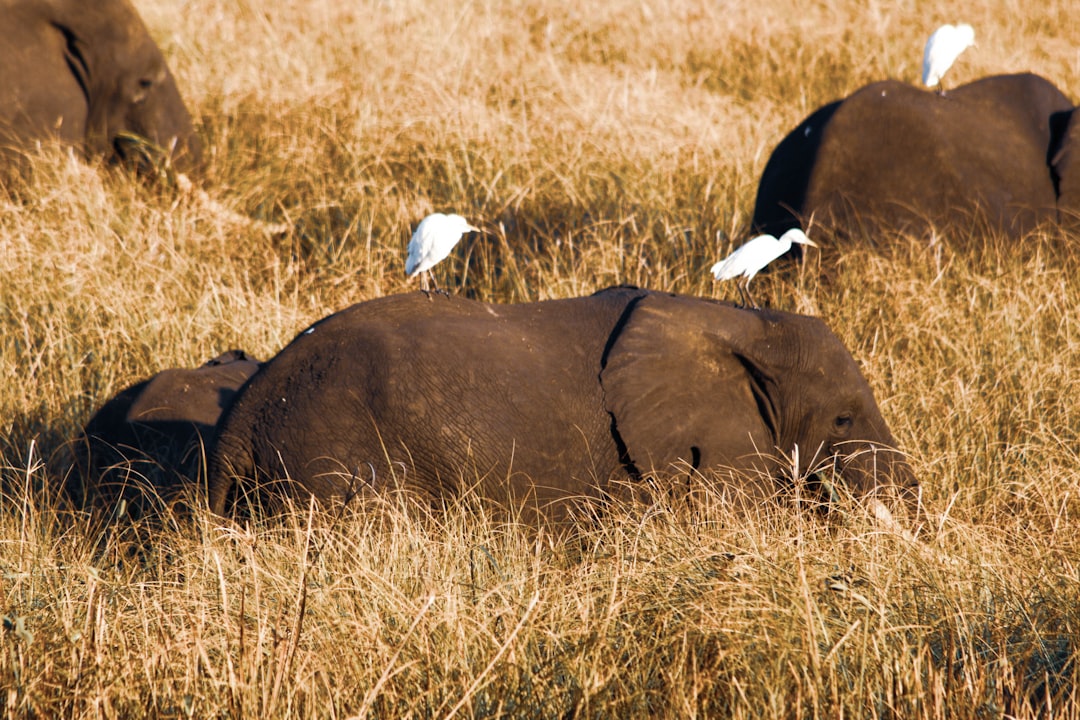
Gorongosa National Park is Mozambique's flagship safari destination and covers 5,400 square kilometers in the central region. The park is known for its diverse wildlife, including elephants, lions, buffalo, zebras, and over 500 bird species. Gorongosa's landscape varies dramatically—from grassy plains to forested mountains—creating excellent viewing conditions year-round. The park's restoration since 2008 has been remarkable, with animal populations growing steadily. Game drives typically yield sightings of multiple species daily during peak season (July–October).
Zinave National Park
Zinave National Park represents Mozambique's boldest conservation achievement. In 2019, the park began reintroducing black rhinos and white rhinos, animals that had been absent for decades. This makes Zinave one of Africa's most exciting safari destinations for travelers seeking rare wildlife encounters. Beyond rhinos, the park hosts elephants, lions, wild dogs, and substantial buffalo herds. Visiting Zinave directly supports ongoing rhino conservation efforts and offers the thrill of potentially spotting these critically endangered animals.
Niassa Reserve and Niassa National Reserve
Niassa Reserve covers 42,000 square kilometers in northern Mozambique and remains one of Africa's largest and most pristine wilderness areas. The reserve is less developed than Gorongosa but offers exceptional adventure for travelers seeking true remote safari experiences. Wildlife includes elephants, wild dogs, lions, and buffalo. Access requires more effort and time, making it ideal for dedicated wildlife enthusiasts willing to rough it slightly for authentic wilderness immersion.
Chimio Wildlife Reserve
Chimio Wildlife Reserve, located in southern Mozambique, is smaller but increasingly popular for safari packages. The reserve offers good wildlife viewing with fewer tourists than Gorongosa, making it excellent for photographers seeking uncluttered shots. Chimio is also closer to Mozambique's beaches, allowing combination safari-beach packages that appeal to travelers wanting diverse experiences.
What Wildlife Can You Expect to See?
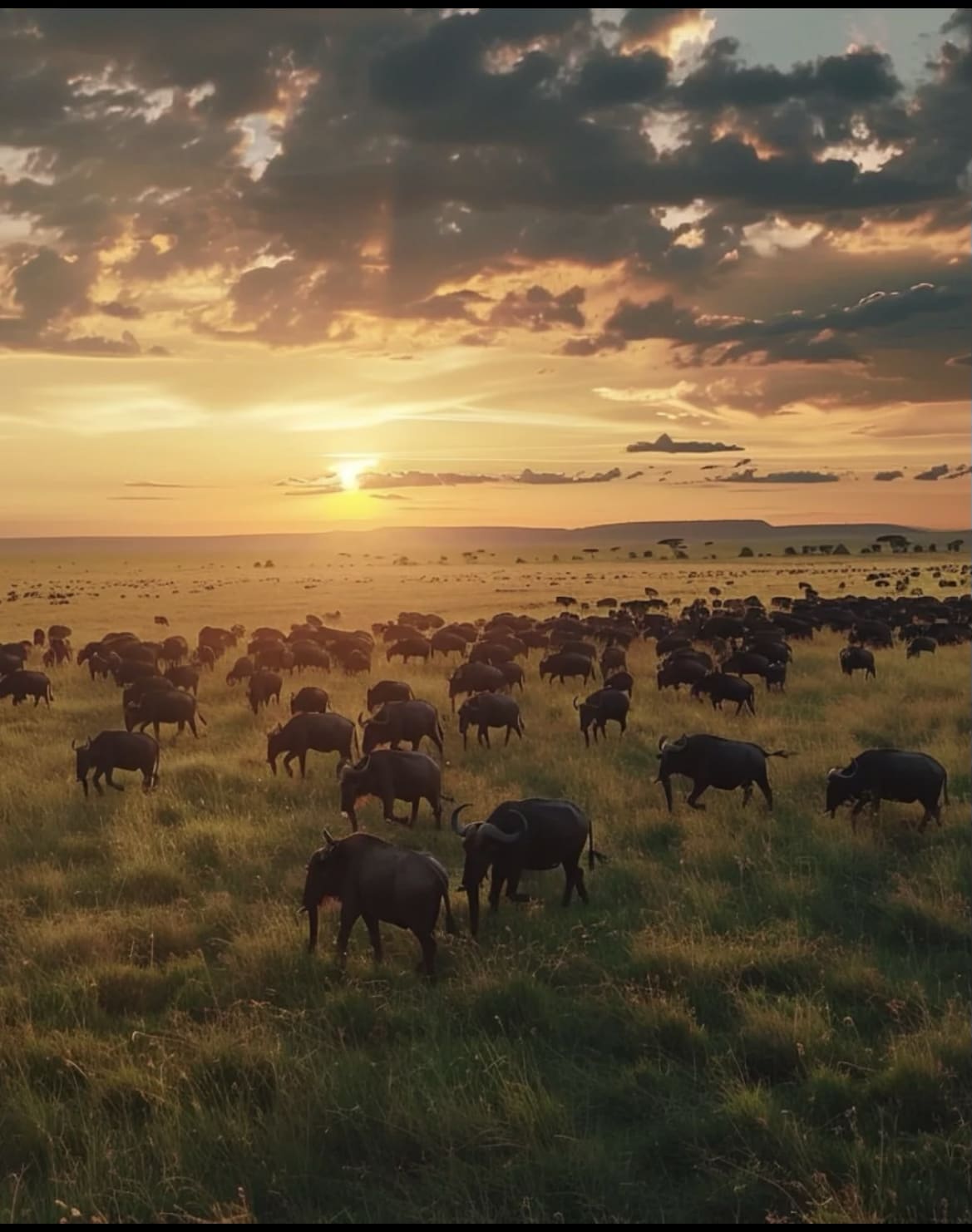
Mozambique's wildlife populations have recovered impressively since the 1990s, though animal densities remain lower than in Kenya or Tanzania. However, this means more authentic, less-crowded viewing experiences. Here's what you'll realistically encounter on a Mozambique safari in 2026.
The Big Five and Major Species
You can see lions, elephants, and buffalo reliably in Gorongosa and Zinave during peak season (July–October). Leopards exist throughout Mozambique's parks but are rarely spotted due to their nocturnal habits. Rhinos, particularly the newly reintroduced populations in Zinave, are increasingly visible but sightings are not guaranteed—they're still recovering in number. Wild dogs are present and sightings are more common than rhino encounters. Zebras, wildebeest, and various antelope species populate all major parks.
Unique Mozambique Wildlife
Mozambique's parks offer species not commonly seen in East African safaris. Waterbucks, a striking antelope with distinctive white markings, are particularly abundant. You'll see numerous smaller mammals like warthogs, hyenas, jackals, and occasionally honey badgers. Bird watching is exceptional—over 500 species inhabit the parks, making Mozambique excellent for ornithologists. During the green season (December–March), migratory birds create spectacular viewing opportunities.
Seasonal Variations
The dry season (June–October) concentrates wildlife around remaining water sources, making sightings more frequent and predictable. During this period, you can expect to see 8–12 different species daily on game drives. The green season (November–May) brings lush vegetation and excellent birding but reduces visibility and some roads close due to flooding. Most safari operators recommend the dry season for first-time visitors seeking maximum wildlife encounters.
Is Mozambique Safe for Safari Tourism?
Yes, Mozambique's parks are secure and professionally managed with established safety measures. Concerns about safety are often outdated, stemming from the country's civil war history rather than current conditions. In 2026, safari operations in Mozambique maintain safety standards equivalent to other African destinations.
Park Security and Professional Operations
Mozambique's national parks employ trained rangers and anti-poaching units supported by international conservation organizations. Safari operators are licensed, experienced, and follow established safety protocols. Guides receive regular training in wildlife behavior, first aid, and emergency procedures. Safari vehicles are well-maintained and equipped with communication systems. Major operators have 20+ years of experience and maintain excellent safety records.
Traveler Safety Considerations
Like any safari destination, basic precautions apply. Stay in designated safari areas, follow guide instructions during game drives, and avoid walking alone at night outside lodges. Malaria prevention is essential—use recommended medications and insect protection. Travel insurance is strongly advised. Check current travel advisories before booking, though Mozambique's main tourist areas are stable and welcoming. Thousands of international travelers visit Mozambique's parks annually without incident.
Global Conservation Support
International organizations including the World Wildlife Fund, African Parks, and the Gorongosa Project actively support Mozambique's conservation efforts. This external oversight and funding ensure parks maintain professional standards and transparent operations. The involvement of global partners adds credibility and accountability to safari operations.
Best Time to Visit Mozambique for Safari
The dry season from June to October offers the best game viewing, as wildlife concentrates around water and roads stay open. This period delivers the highest probability of animal encounters and most comfortable safari conditions.
Peak Season: June to October
During these months, temperatures are mild (15–25°C at night, 25–28°C during day), rainfall is minimal, and wildlife viewing is excellent. Vegetation is sparse, making animals easier to spot. Water sources shrink, forcing wildlife to congregate near remaining rivers and waterholes. Game drives typically yield sightings of 8–12 species daily. June and July are slightly cooler; August through October are warmer but still comfortable. Prices peak during this season, with 7-day packages ranging from $3,500–$5,500 per person at mid-range lodges.
Shoulder Season: May and November
These months offer a balance between wildlife viewing and lower prices. May still has good game viewing as dry season ends. November marks the start of the green season with occasional rain but excellent birding. Temperatures are warm (20–30°C). Prices drop 15–25% compared to peak season. These months suit budget-conscious travelers and birding enthusiasts.
Green Season: December to April
Heavy rains transform the landscape into lush green scenery, attracting migratory birds and creating stunning photography opportunities. However, wildlife viewing becomes challenging as animals spread across abundant water and vegetation. Some park roads close due to flooding. Temperatures are hot and humid (25–35°C). Prices are lowest, with 7-day packages starting around $2,800 per person. This season suits birders, photographers, and budget travelers willing to accept reduced big game sightings.
Mozambique Safari Costs and Value Comparison
Mozambique offers excellent value compared to Kenya, Tanzania, or Botswana. A 7-day safari typically costs $2,800–$5,500 per person depending on lodge category and season, compared to $3,500–$7,000+ in Kenya's Masai Mara. When you combine safari with Mozambique's world-class beaches, the value proposition becomes even more compelling.
What's Included in Safari Packages
Standard packages include accommodation, all meals, daily game drives (morning and afternoon), experienced English-speaking guides, and park fees. Most include airport transfers and internal transport between parks. Excluded items typically are international flights, travel insurance, tips, alcoholic beverages, and optional activities like walking safaris or helicopter tours. Read package details carefully to understand what's covered.
Budget Breakdown by Lodge Category
Budget lodges ($2,800–$3,500 for 7 days) offer basic but clean rooms, simple meals, and reliable game drives. Mid-range lodges ($3,500–$4,500) provide comfortable rooms, good food, and experienced guides. Luxury lodges ($4,500–$5,500+) feature upscale accommodations, gourmet meals, and personalized service. Most first-time safari travelers find mid-range lodges offer excellent value, balancing comfort with cost. Compare specific Mozambique safari costs for 5, 7, and 10-day budgets to find packages matching your budget.
Value Advantages Over Other Destinations
Mozambique offers lower prices than established safari nations while delivering authentic wildlife experiences. You'll encounter fewer tourists, meaning more exclusive game viewing. Smaller lodge groups (typically 6–12 people) provide better service than larger operations. Supporting emerging conservation efforts adds meaningful impact to your trip. If budget is important, Mozambique delivers exceptional value without compromising on safety or wildlife quality.
How to Get There and Plan Your Trip
Most international travelers fly into Maputo or Beira, Mozambique's main airports. From there, domestic flights connect to safari lodges in national parks. The journey requires 2–3 travel days including connections, so plan accordingly.
Flight Options and Routes
Major international airlines serve Maputo from Europe, Asia, and other African hubs. Johannesburg, South Africa, offers the most frequent connections to Mozambique. From Maputo, domestic flights (30–90 minutes) reach Gorongosa, Zinave, and other park areas. Some travelers combine Mozambique with South African safaris, visiting both countries in one trip. Book flights well in advance, especially during peak season, to secure better prices and schedules.
Best Duration for Your Safari
A minimum 5-day safari allows one full day of game drives and is suitable for travelers with limited time. However, 7–10 days is ideal, allowing two parks, multiple game drives, and relaxation time. Longer trips (10–14 days) can combine safari with beach time on Mozambique's stunning coastline. Explore a 7-day itinerary combining safari and beach experiences to see how both can fit into one trip.
Booking Through Verified Operators
Use SafariFind to compare verified Mozambique safari operators and read authentic traveler reviews. Booking through established operators ensures professional service, safety compliance, and transparent pricing. Request quotes from multiple operators to compare offerings. Ask about their conservation partnerships and guide training programs. Browse verified Mozambique safari packages on SafariFind to find operators matching your dates and budget.
Mozambique Safari vs Other African Destinations
Mozambique offers different advantages than traditional safari nations. Understanding these differences helps you decide if Mozambique suits your travel goals.
Mozambique vs Kenya and Tanzania
Kenya's Masai Mara and Tanzania's Serengeti are more developed with larger wildlife populations and more frequent sightings. However, they're crowded, expensive, and touristy. Mozambique offers fewer tourists, lower costs, and more intimate experiences. If you prioritize seeing maximum animals, choose Kenya or Tanzania. If you prefer solitude and emerging destinations, Mozambique wins. Compare Tanzania and Kenya safaris for value and experience differences.
Mozambique vs Botswana and Zambia
Botswana's Okavango Delta and Zambia's South Luangwa offer excellent wildlife viewing but are more expensive than Mozambique. Mozambique's advantage is combining safari with beaches—something Botswana and Zambia cannot offer. If you want beach access plus safari, Mozambique is unique. If wildlife density is your priority, Botswana edges ahead. Review budget Botswana safari options for comparison.
Why Choose Mozambique?
Choose Mozambique if you want emerging conservation success stories, lower prices, fewer tourists, and beach combinations. Choose Kenya or Tanzania for maximum wildlife density and established infrastructure. Choose Botswana for premium luxury experiences. Mozambique fits travelers seeking authentic, budget-friendly safaris with meaningful conservation impact.
Practical Tips for Your Mozambique Safari
These actionable tips will enhance your safari experience and ensure smooth travel in Mozambique.
Packing Essentials
Bring lightweight, neutral-colored clothing for game drives (animals are less startled by muted tones). Pack a wide-brimmed hat, sunscreen, and insect repellent with DEET. Binoculars are essential for spotting distant wildlife. A camera with a zoom lens (200mm minimum) greatly enhances wildlife photography. Bring malaria medication prescribed by your doctor and take it religiously. Include a first-aid kit with blister treatments and stomach remedies. Comfortable walking shoes are crucial for lodge activities.
Health and Safety Precautions
Consult a travel medicine clinic 4–6 weeks before departure. Malaria is present—use recommended prophylaxis and insect protection. Yellow fever vaccination is recommended for some Mozambique regions. Drink only bottled or treated water. Avoid raw fruits and vegetables unless you peel them yourself. Travel insurance covering medical evacuation is essential. Register with your embassy before traveling. Keep copies of important documents separate from originals.
Maximizing Wildlife Encounters
Wake early for morning game drives—this is when animals are most active. Bring binoculars for spotting birds and distant wildlife. Stay quiet during drives to avoid startling animals. Listen to your guide's expertise—they know animal behavior and likely locations. Visit during the dry season (June–October) for best wildlife viewing. Take multiple game drives across different park areas to increase species diversity. Hire a private guide rather than joining large groups for more personalized experiences.
Key Takeaways
- Book your Mozambique safari during the dry season (June–October) to maximize wildlife encounters and enjoy comfortable temperatures while paying peak-season rates.
- Expect to pay $2,800–$5,500 for a 7-day safari in 2026, which is 20–40% cheaper than Kenya or Tanzania while delivering equally authentic experiences.
- Visit Zinave National Park to see newly reintroduced black and white rhinos, supporting one of Africa's most exciting conservation success stories.
- Combine safari with Mozambique's beaches for a unique African experience unavailable in landlocked safari nations like Botswana or Zambia.
- Book through verified SafariFind operators to access authentic reviews, transparent pricing, and professional guides who ensure safe, memorable safari experiences.
Frequently Asked Questions
Is Mozambique good for safari compared to Kenya or Tanzania?
Mozambique offers excellent safari experiences with key differences from Kenya and Tanzania. While Kenya and Tanzania have larger wildlife populations and more developed infrastructure, Mozambique provides lower costs (20–40% cheaper), fewer tourists, and intimate encounters. If you prioritize value, solitude, and emerging conservation stories, Mozambique is excellent. If you want maximum wildlife density, Kenya's Masai Mara or Tanzania's Serengeti may be better choices. Explore detailed information about Mozambique safaris, parks, and 2026 pricing.
What is the best time to visit Mozambique for safari?
The dry season from June to October is best for safari in Mozambique. During these months, wildlife concentrates around water sources, making sightings frequent and predictable. Temperatures are mild (15–28°C), and roads remain open. July and August are peak months with excellent viewing but higher prices. May and November offer good wildlife viewing with lower prices. The green season (December–April) is excellent for birding but has reduced big game sightings and occasional road closures.
How much does a 7-day Mozambique safari cost in 2026?
A 7-day Mozambique safari costs $2,800–$5,500 per person in 2026, depending on lodge quality and season. Budget lodges cost $2,800–$3,500, mid-range lodges run $3,500–$4,500, and luxury lodges exceed $4,500. Peak season (June–October) prices are highest. Shoulder season (May, November) offers 15–25% discounts. Green season (December–April) has lowest prices but reduced wildlife viewing. Compare detailed cost breakdowns for 5, 7, and 10-day Mozambique safari budgets.
Is Mozambique safe for safari tourism?
Yes, Mozambique's parks are safe for safari tourism. Parks employ trained rangers and anti-poaching units supported by international conservation organizations. Safari operators are licensed and experienced, with guides trained in safety protocols. Major operators maintain excellent safety records. Like any travel destination, basic precautions apply—follow guide instructions, use malaria prevention, and check current travel advisories. Thousands of international travelers visit Mozambique's parks annually without incident. Learn how to identify verified safari operators and book with legitimate, safe companies.
What wildlife can you see on a Mozambique safari?
Mozambique's parks host elephants, lions, buffalo, zebras, wild dogs, and various antelope species. The most exciting recent addition is newly reintroduced black and white rhinos in Zinave National Park. Over 500 bird species inhabit the parks, making Mozambique excellent for birding. You'll see waterbucks, warthogs, hyenas, and jackals. Wildlife viewing is most reliable during the dry season (June–October) when animals concentrate around water sources. Expect to see 8–12 different species daily during peak season game drives.
Can you combine Mozambique safari with beach time?
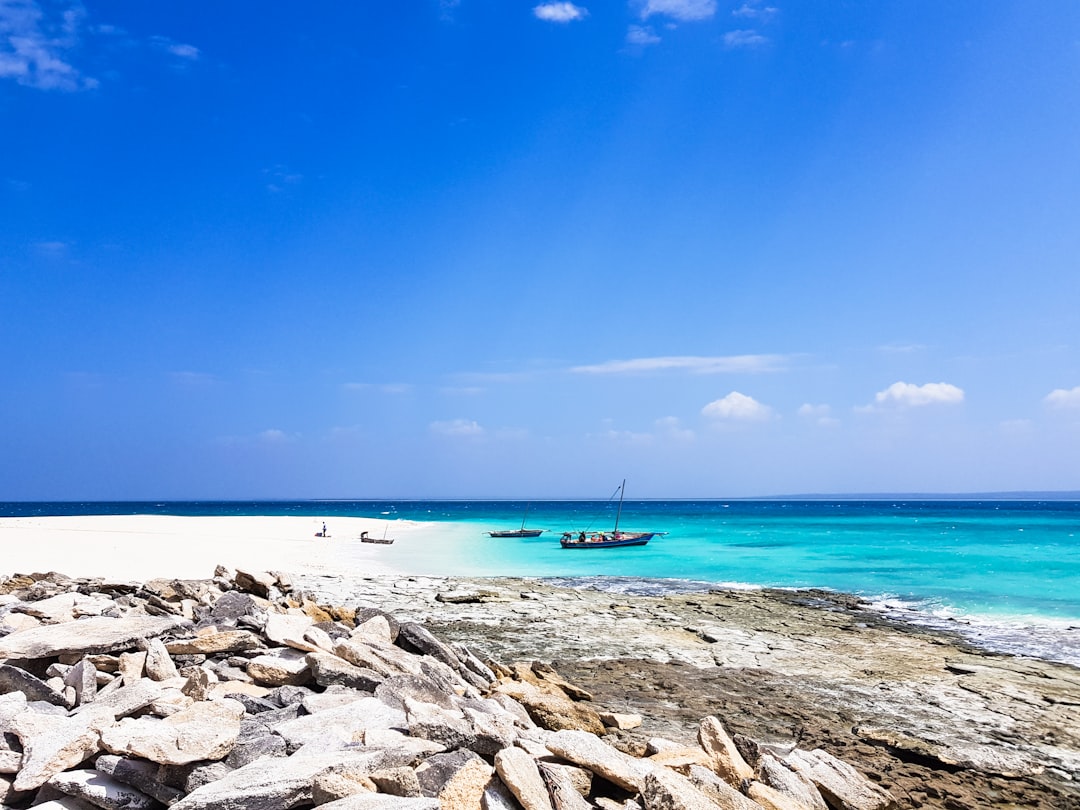
Yes, Mozambique uniquely allows combining safari with world-class beaches—something landlocked safari nations cannot offer. Many 7–10 day packages include 3–4 days of safari and 3–4 days of beach relaxation. You'll fly into Maputo or Beira, spend time in national parks, then travel to coastal islands or mainland beaches. This combination appeals to travelers wanting diverse experiences and is increasingly popular among families and couples. Review a complete 7-day safari and beach itinerary with costs for 2026.
How do I book a Mozambique safari with verified operators?
Use SafariFind to browse verified Mozambique safari operators and read authentic traveler reviews. Compare packages, prices, and ratings from multiple operators. Request detailed quotes specifying lodges, park combinations, and included services. Ask operators about their conservation partnerships, guide training, and safety records. Check reviews from past travelers on SafariFind to ensure reliability. Book directly with operators or through SafariFind's booking system. Browse and compare verified Mozambique safari packages on SafariFind today.
Conclusion: Is Mozambique Worth Your Safari Time?
Mozambique is absolutely worth considering for your African safari, especially if you value authentic experiences, lower costs, and meaningful conservation impact. The country's parks have recovered remarkably from historical decline and now offer professional, safe safari operations comparable to any African destination. The reintroduction of rhinos into Zinave National Park represents one of Africa's most exciting conservation achievements, and visiting directly supports these efforts.
Mozambique is particularly valuable for budget-conscious travelers, solo adventurers, and those seeking fewer crowds. The ability to combine safari with pristine beaches makes Mozambique unique among African safari nations. In 2026, expect professional guides, reliable infrastructure, and genuine wildlife encounters at prices significantly lower than Kenya, Tanzania, or Botswana.
The honest assessment is that Mozambique isn't a replacement for the Serengeti or Masai Mara if you're specifically hunting the Big Five and maximum wildlife density. However, if you want emerging conservation success stories, intimate safari experiences, solitude, and excellent value, Mozambique delivers exceptionally well. Many travelers who visit report that the lack of crowds made their wildlife encounters more memorable and meaningful than crowded, touristy parks elsewhere.
Ready to plan your Mozambique safari? Compare verified Mozambique safari packages on SafariFind to find operators matching your dates, budget, and preferences. Request quotes from multiple operators, read authentic traveler reviews, and book with confidence knowing you're supporting professional, conservation-minded companies. Your Mozambique safari awaits—don't let outdated perceptions hold you back from an unforgettable African adventure.
Plan Your Safari with SafariFind
These recommendations use real data from SafariFind, where you can compare operators, browse packages, and read verified traveler reviews before you book.
Verified Traveler Reviews from SafariFind
References
- Safari Bookings – Mozambique Animals: Wildlife in Mozambique
- Jacada Travel – Luxury Mozambique Wildlife and Safari Tours for 2026/27
- Mozambique Travel – Mozambique National Parks 2026 Safari and Marine Guide
- African Overland Tours – 5 Reasons to Go on Safari in Mozambique
- Private Tours Cape Town – Gorongosa National Park Safari Guide
- Yellow Zebra Safaris – Safari Parks in Mozambique: Game Reserves
- Timbuktu Travel – Mozambique Safari Trips and Tours
Sources
- Safari Bookings – Mozambique Animals: Wildlife in Mozambique
- Jacada Travel – Luxury Mozambique Wildlife and Safari Tours for 2026/27
- Mozambique Travel – Mozambique National Parks 2026 Safari and Marine Guide
- African Overland Tours – 5 Reasons to Go on Safari in Mozambique
- Private Tours Cape Town – Gorongosa National Park Safari Guide
- Yellow Zebra Safaris – Safari Parks in Mozambique: Game Reserves
- Timbuktu Travel – Mozambique Safari Trips and Tours
Related to
Ready to start your safari adventure?
Explore curated safari packages and find your perfect African adventure with verified operators.