Are There Safaris in Mozambique? Parks, Wildlife & Prices 2026
Discover Mozambique safaris in Gorongosa National Park and Bazaruto Archipelago. Wildlife, costs ($5,000–$12,000), best seasons, and booking tips for 2026.

Are There Safaris in Mozambique? Parks, Wildlife & Prices
Last updated: July 2026
Yes, Mozambique offers incredible safaris in Gorongosa National Park combined with beach relaxation in the Bazaruto Archipelago. A 7-day safari and beach package costs $5,000 to $12,000 per person in 2026. The best time to visit is May to October for wildlife viewing and ideal weather. Book through verified operators on SafariFind to find packages that match your budget and experience level.
At a Glance
- Cost: $5,000–$12,000 per person for 7-day safari and beach combo
- Best time to visit: May to October (dry season, excellent wildlife viewing)
- Duration: 7–10 days recommended for full experience
- Getting there: Fly to Maputo or Vilankulo, then connect to safari lodges
- Best for: Adventure seekers wanting wildlife plus beach relaxation
- Wildlife highlights: Big Five, dugongs, marine life, birdwatching
What Are Safaris in Mozambique?
Mozambique offers genuine safari experiences that rival other African destinations, yet remain less crowded and more affordable. The country combines wildlife adventures in national parks with pristine beach retreats on its Indian Ocean coastline. This unique blend makes Mozambique perfect if you want both bush and beach in one trip.
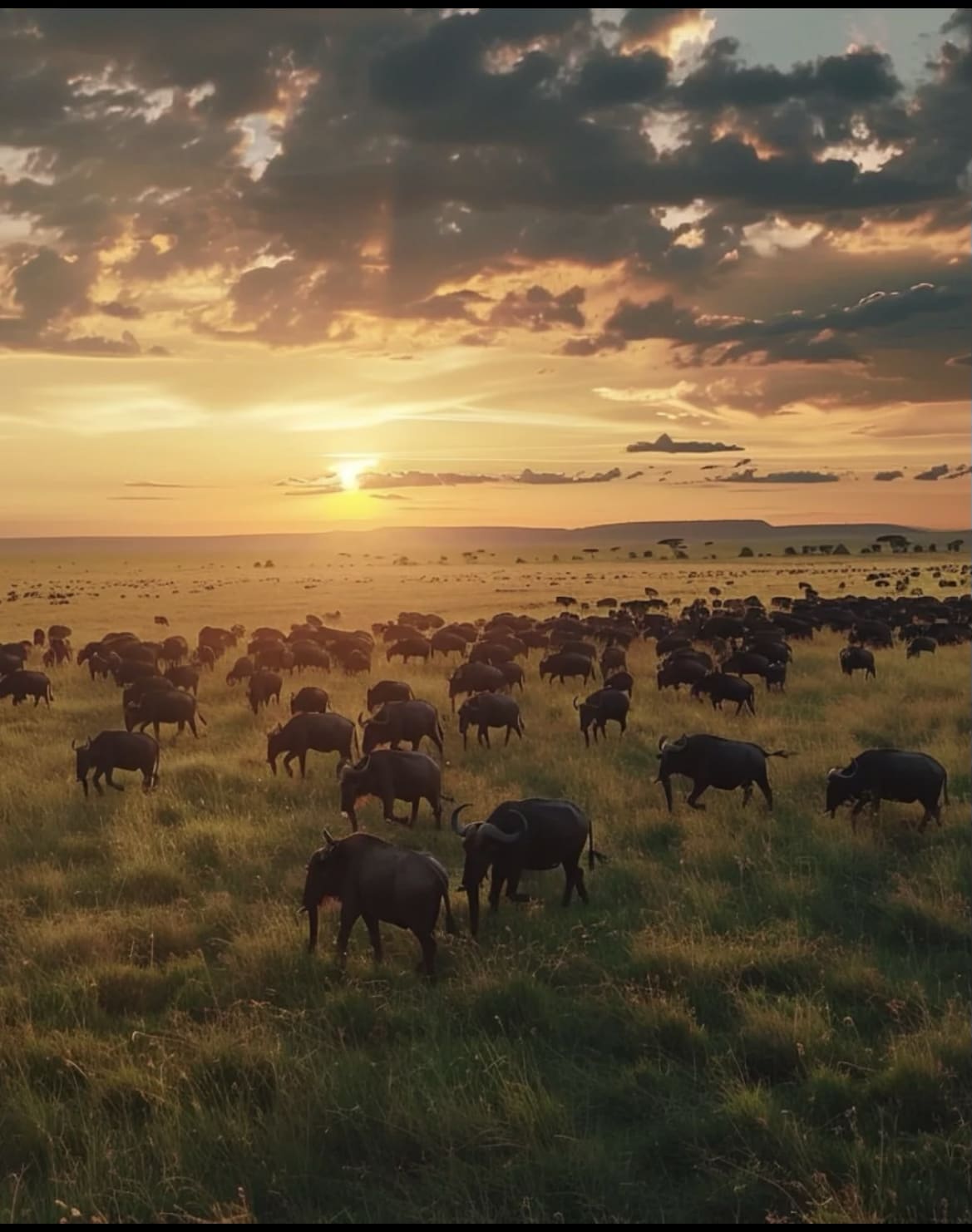
Gorongosa National Park is the main safari hub. Located in central Mozambique, this park has been restored over the past decade and now hosts impressive wildlife populations. You'll see elephants, lions, buffalo, and antelope roaming across diverse landscapes.
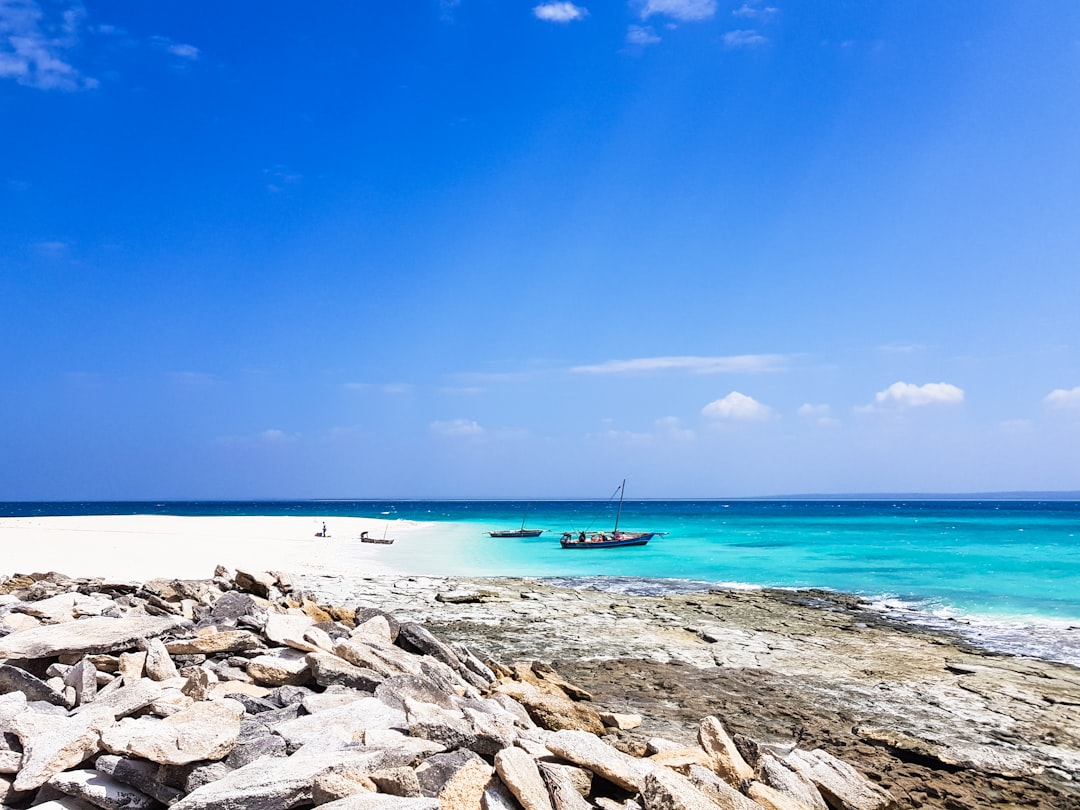
The Bazaruto Archipelago complements safari experiences perfectly. This marine reserve features five islands with world-class diving, snorkeling, and fishing. Many travelers combine 3–4 days in Gorongosa with 3–4 days island hopping for the ultimate adventure.
Mozambique safaris remain underrated compared to Kenya or Tanzania. Fewer tourists mean more authentic wildlife encounters and better value for your money. In 2026, safari packages here offer excellent quality without the premium prices of neighboring countries.
Which National Parks Offer Safaris in Mozambique?
Gorongosa National Park: The Wildlife Heart
Gorongosa National Park is Mozambique's premier safari destination. This historic park covers vast territory and has undergone major restoration efforts since 2015. Today it protects one of Africa's most diverse ecosystems with recovering wildlife populations.
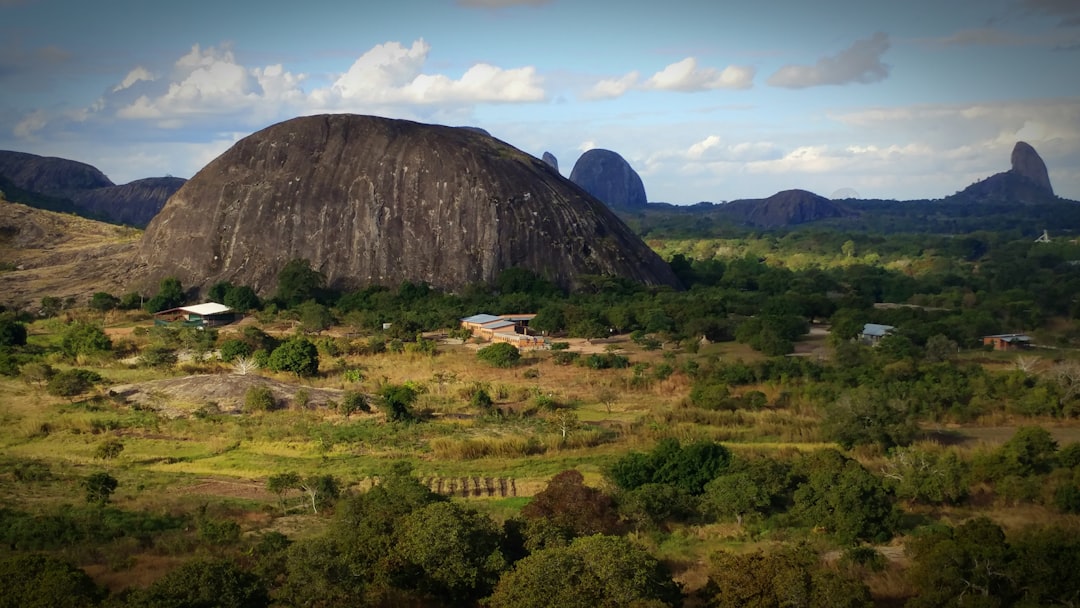
The park spans multiple habitat zones: grassy savannas, miombo woodlands, and wetland areas. Each zone attracts different animal species. You'll encounter buffalo herds, zebras, wildebeest, and various antelope species throughout the year.
Big Five game is present in Gorongosa. Lions have returned in significant numbers after decades of decline. Elephants roam the park's central plains. Leopards inhabit the woodlands but are harder to spot. Rhinos are less common but being reintroduced. Buffalo thrive in multiple locations across the park.
Gorongosa Mountain Lodge and Explore Gorongosa Tented Camp offer luxury and eco-conscious accommodation options. Multi-day safaris start from $2,000 and include accommodation, meals, and guided game drives. The park also offers guided walks for a more intimate wildlife viewing experience.
Bazaruto Archipelago: Marine Safari Experiences
The Bazaruto Archipelago National Park combines traditional safari elements with marine adventures. Located off Mozambique's southern coast, this reserve protects five pristine islands surrounded by coral reefs and rich ocean life.
Benguerra Island is the most developed for tourism. Island lodges start near $490 per person nightly. The surrounding marine reserve offers diving, snorkeling, dhow cruises, and catch-and-release fishing. Underwater encounters include manta rays, sea turtles, and colorful fish species.
Bazaruto also hosts endangered dugongs and whale sharks during specific seasons. These unique marine encounters complement traditional land-based safaris perfectly. Many travelers spend their first days in Gorongosa, then finish their trip island hopping in Bazaruto.
Access to Bazaruto islands is via short boat rides from the mainland. Most lodges arrange transfers and meals as part of their packages. The combination of wildlife viewing and water-based activities makes this destination special.
Other Safari Areas Worth Exploring
Beyond these main destinations, Mozambique has smaller safari areas. Niassa National Park in the north offers remote wilderness experiences. Quirimbas Archipelago provides island adventures similar to Bazaruto but with fewer tourists.
These secondary destinations appeal to travelers seeking solitude and authentic African experiences. Facilities are more basic than in Gorongosa, but prices are correspondingly lower. Consider these options if you want to avoid crowds and support less-developed tourism areas.
What Wildlife Will You See in Mozambique Safaris?
Mozambique's wildlife diversity rivals any African safari destination. The country's varied habitats support numerous species, from large predators to rare marine animals. Your actual sightings depend on the season and specific park location.
Big Five and Major Game Animals
The Big Five—lions, elephants, buffalo, leopards, and rhinos—are the traditional safari highlights. Gorongosa has successfully restored its lion population. You'll likely hear them at night and encounter them during morning game drives.
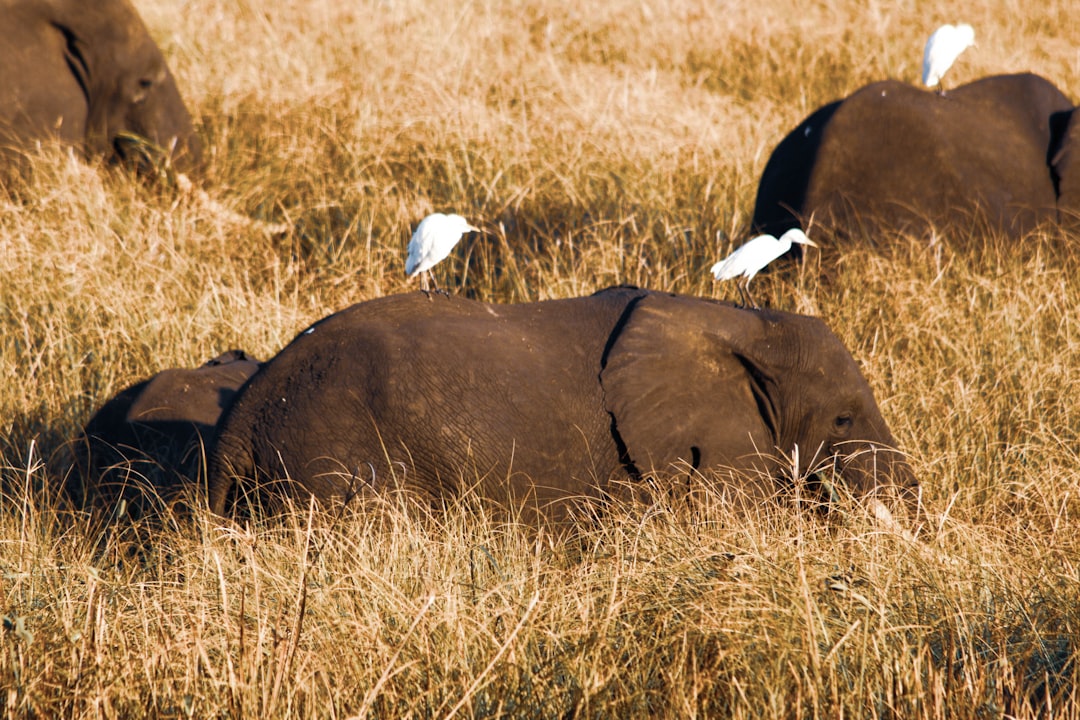
Elephants are common throughout central Mozambique. These intelligent giants travel in family groups and offer incredible photo opportunities. Early morning drives increase your chances of seeing them at waterholes.
Buffalo herds gather in wet season months. These powerful animals can be dangerous but provide thrilling viewing moments. Leopards are present but elusive, requiring patience and luck to observe.
Black rhinos are being reintroduced to Gorongosa. Sightings are rare but increasing yearly. If you see one, consider yourself extremely fortunate.
Antelope Species and Herbivores
Mozambique hosts multiple antelope varieties. Impala, kudu, waterbuck, and sable antelope are commonly seen. Each species has unique behaviors and habitat preferences that experienced guides explain during drives.
Zebras roam the grasslands in herds. Wildebeest appear seasonally. Giraffes browse acacia trees in specific park zones. These herbivores create dramatic wildlife scenes, especially during early morning and late afternoon.
Predators and Carnivores
Beyond the Big Five, Mozambique hosts wild dogs, hyenas, and jackals. These carnivores play vital ecological roles. Sightings are less common than herbivores but equally exciting for safari enthusiasts.
Birdwatching and Marine Life
Mozambique is a birdwatcher's paradise with over 600 recorded species. Eagles, herons, kingfishers, and colorful bee-eaters are frequently spotted. Serious birders should visit during migration seasons for maximum species variety.
Marine areas feature manta rays, whale sharks, sea turtles, and dugongs. The Bazaruto Archipelago is particularly rich in marine biodiversity. Snorkeling and diving reveal coral gardens and tropical fish species.
How Much Do Mozambique Safaris Cost in 2026?
Safari prices in Mozambique vary widely based on accommodation type, group size, and season. Generally, Mozambique offers better value than Kenya or Tanzania for equivalent experiences. Understanding price ranges helps you plan realistic budgets.
7-Day Safari and Beach Package Pricing
A comprehensive 7-day safari and beach itinerary costs $5,000 to $12,000 per person in 2026. This typically includes 3–4 days in Gorongosa National Park with game drives and accommodation, plus 3–4 days on Bazaruto islands with water activities and lodging.
Budget packages at the lower end feature basic but comfortable accommodation and shared game drives. Mid-range options offer private guides and better lodges. Luxury packages include five-star island resorts and exclusive safari experiences.
The price includes most meals, game drives, and activities. Flights between mainland and islands are usually extra. International flights to Mozambique are also separate.
Gorongosa National Park Safari Costs
Multi-day safaris in Gorongosa start from $2,000 per person. This covers accommodation at established lodges, all meals, and guided game drives. Prices vary based on lodge quality and group size.
Budget camps offer basic comfort at lower prices. Mid-range lodges provide better amenities and wildlife expertise. Luxury mountain lodges cost significantly more but offer exceptional views and service.
Shorter 2–3 day safaris cost proportionally less. Longer expeditions of 5+ days provide better wildlife viewing opportunities and justify higher prices.
Bazaruto Archipelago Island Costs
Benguerra Island lodges start near $490 per person nightly. Accommodations range from comfortable bungalows to luxury beachfront suites. All-inclusive packages often cost more but eliminate hidden expenses.
Water activities like diving, snorkeling, and fishing may incur additional charges. Some lodges bundle these into package prices. Always confirm what's included before booking.
Budget Optimization Tips
Travel during shoulder seasons (April–May or September–October) for better rates. Group safaris cost less per person than private expeditions. Multi-day bookings receive better pricing than day trips.
Compare safari packages across multiple operators on SafariFind to find the best value for your budget and preferences. Verified operators often offer package deals that combine park fees, accommodation, and activities into single prices.
When Is the Best Time to Visit Mozambique Safaris?
The best time to visit Mozambique safaris is May to October, during the dry season. This period offers ideal weather, excellent wildlife viewing, and comfortable safari conditions. Understanding seasonal patterns helps you plan the perfect trip.
Dry Season: May to October
The dry season provides the best overall safari experience. Temperatures are mild, rainfall is minimal, and wildlife congregates around water sources. These conditions make animals easier to spot and photograph.
May and June see returning migratory birds and active predator hunting. July to September offer peak wildlife viewing as water sources become scarce. October brings spring flowers and returning resident birds.
This season is also peak tourism period. Expect more travelers and higher prices. Book accommodations 3–6 months in advance to secure preferred lodges.
Wet Season: November to April
The wet season transforms Mozambique's landscape into lush green terrain. Vegetation becomes thick, making wildlife spotting more challenging. However, fewer tourists visit during this period, resulting in lower prices and more solitude.
Birdwatching is exceptional during wet season months. Migratory species arrive in massive numbers. Photographers appreciate the dramatic storm clouds and vibrant vegetation.
Wet season also brings higher malaria risk in some areas. Consult health professionals about necessary precautions. Road conditions may deteriorate during heavy rains.
Shoulder Seasons: April–May and September–October
Shoulder seasons offer excellent compromises between wildlife viewing and cost. April to May transitions from wet to dry season. September to October transitions from dry to wet season.
These months provide good wildlife opportunities with fewer crowds than peak season. Prices are moderate, making them ideal for budget-conscious travelers. Weather is generally pleasant and stable.
Marine Season Considerations
The Bazaruto Archipelago has specific marine seasons. Whale sharks appear December to March. Manta rays are most active April to June. Diving conditions are best May to October.
Plan your island days around marine wildlife interests. Combine peak safari season with optimal water conditions for maximum experiences.
How Do You Get to Mozambique Safari Destinations?
Reaching Mozambique safaris requires international flights followed by domestic connections. Multiple routing options exist, with varying costs and travel times. Planning your route in advance streamlines your journey.
International Flight Entry Points
Most international travelers fly into Maputo International Airport, Mozambique's largest hub. From major cities worldwide, you'll connect through African hubs like Johannesburg or Dar es Salaam. Flight times from Europe average 12–16 hours with connections.
Vilankulo Airport serves southern Mozambique and offers closer access to Bazaruto Archipelago. Some travelers fly through Zimbabwe or South Africa then drive to safari areas. Regional flight connections add flexibility to your itinerary.
Domestic Connections to Safari Parks
From Maputo, you'll take a domestic flight to reach Gorongosa or Bazaruto areas. Flight times are 1–2 hours. Most safari operators arrange these transfers as part of package deals.
Road transfers are possible but time-consuming. The drive from Maputo to Gorongosa takes 8–10 hours. This option is rarely used by international tourists due to travel duration and road conditions.
Island Access from Mainland
Reaching Bazaruto islands requires boat transfers from Vilankulo or other coastal towns. Most lodges arrange speedboat or dhow transfers. Journey times range from 30 minutes to 2 hours depending on destination island.
Charter flights to island airstrips are available but expensive. Most budget-conscious travelers use scheduled boat transfers included in lodge packages.
Visa and Documentation Requirements
Most nationalities require visas for Mozambique. Tourist visas are typically valid for 30 days. Apply through Mozambique embassies or online visa services before travel.
Ensure your passport has 6+ months validity remaining. Yellow fever vaccination is recommended for some travelers. Malaria prophylaxis is advisable for most safari areas. Consult travel health professionals for personalized recommendations.
Why Choose Mozambique Over Other African Safari Destinations?
Mozambique offers distinct advantages compared to Kenya, Tanzania, and Botswana. The combination of affordability, wildlife, and beach access makes it uniquely appealing. Understanding these differentiators helps you decide if Mozambique suits your safari goals.
Superior Value for Money
Mozambique safaris cost significantly less than equivalent experiences in Kenya or Tanzania. A 7-day safari and beach package here ranges $5,000–$12,000. Similar itineraries in Kenya typically cost $7,000–$15,000 for comparable quality.
Lower operating costs, reduced tourism infrastructure expenses, and less competition mean better pricing. You receive excellent service and wildlife viewing without premium African safari destination markups.
Unique Bush and Beach Combination
Few African destinations seamlessly combine wildlife safaris with pristine beach experiences. Mozambique's geography allows you to experience both in a single trip. This versatility appeals to travelers wanting diverse adventures.
The Bazaruto Archipelago's turquoise waters and coral reefs complement inland safari experiences perfectly. You can photograph lions one day and snorkel with manta rays the next.
Fewer Crowds and More Authentic Experiences
Mozambique attracts far fewer international tourists than Kenya or Tanzania. This means smaller game drive groups, more personalized guides, and less crowded viewing spots. Wildlife encounters feel more intimate and authentic.
Local communities benefit more directly from sustainable tourism in less-developed destinations. Choosing Mozambique supports communities eager to develop responsible tourism.
Restored Wilderness and Conservation Success
Gorongosa's restoration story is inspiring. After decades of decline, the park now showcases successful wildlife recovery. Visiting supports ongoing conservation efforts. You become part of this restoration success story.
Compare Mozambique safaris with Tanzania and Kenya options on SafariFind to see how value and experiences stack up across destinations.
What Should You Pack for a Mozambique Safari?
Packing properly ensures comfort and safety during your Mozambique safari adventure. The combination of safari bush and island beach requires versatile clothing and gear. Smart packing maximizes your experience while minimizing luggage.
Clothing Essentials
Neutral-colored safari clothes help you blend into wildlife environments. Pack khaki, tan, and olive green shorts and long pants. Avoid bright colors and patterns that startle animals.
Bring lightweight, breathable fabrics for hot daytime temperatures. Early morning and evening game drives require warm layers as temperatures drop significantly. A fleece jacket or sweater is essential.
Island days require swimwear, cover-ups, and beach casual clothing. Quick-dry materials work best. Bring reef-safe sunscreen to protect coral ecosystems.
Footwear and Accessories
Sturdy, broken-in hiking boots protect your feet during walking safaris. Bring sandals for lodge areas and islands. Water shoes help with rocky shorelines and reef exploration.
Wide-brimmed hats protect your face and head from intense African sun. Sunglasses with UV protection are essential. A lightweight scarf provides sun protection and cultural respect in some areas.
Safari Gear and Equipment
Binoculars significantly enhance wildlife viewing. Bring quality optics for detail observation. A good camera with zoom lens captures distant wildlife. Neutral density filters help manage bright conditions.
Insect repellent with DEET is crucial for malaria prevention. Sunscreen SPF 50+ protects against intense equatorial sun. A reusable water bottle keeps you hydrated during long game drives.
Health and Safety Items
Pack prescription medications in original containers. Bring a basic first aid kit with blister treatments and pain relievers. Antimalarial medications as prescribed by your doctor are essential.
Travel insurance with medical evacuation coverage is highly recommended. Keep copies of important documents separate from originals. Register with your embassy before travel.
How to Book Your Mozambique Safari
Booking a Mozambique safari requires research, comparison, and careful operator selection. Multiple booking paths exist, each with advantages and disadvantages. Understanding your options helps you secure the best package and experience.
Research and Comparison
Start by researching reputable tour operators specializing in Mozambique safaris. Read authentic traveler reviews on platforms like SafariFind. Compare package inclusions, prices, and operator credentials carefully.
Verified operators provide transparent pricing, clear itineraries, and genuine customer testimonials. Avoid operators with vague descriptions or suspiciously low prices. Quality safaris require adequate investment in guides, vehicles, and accommodations.
Learn how to spot fake safari operators and book with verified companies to protect your investment and ensure authentic experiences.
Package Customization
Most operators offer standard packages but accept customization requests. Discuss your interests: photography, birdwatching, marine activities, or relaxation. Customized itineraries cost more but deliver experiences perfectly suited to your preferences.
Communicate special needs or requirements upfront. Dietary restrictions, mobility limitations, or specific wildlife interests require advance planning. Reputable operators accommodate reasonable requests enthusiastically.
Booking Timing and Deposits
Book your safari 3–6 months in advance, especially for peak season (July–September). Early booking secures preferred lodges and allows time for visa processing. Last-minute bookings may limit accommodation choices.
Typical deposit requirements are 25–50% of total cost. Balance due dates vary but usually fall 4–6 weeks before departure. Confirm cancellation policies and travel insurance options before committing funds.
Final Confirmations and Logistics
Request written confirmation of all package details: dates, accommodation names, included activities, and contact information. Clarify flight arrangements and airport transfers. Confirm what meals are included versus optional.
Receive detailed pre-departure information including packing lists, health recommendations, and daily itineraries. Ask questions about anything unclear. Good operators provide comprehensive preparation materials.
Explore verified Mozambique safari and beach packages on SafariFind to compare multiple operators and read authentic traveler reviews before booking.
Key Takeaways
- Book your Mozambique safari 3–6 months in advance to secure preferred lodges and save 15–20% on peak season rates.
- Combine Gorongosa National Park (3–4 days) with Bazaruto Archipelago (3–4 days) for the ultimate bush-and-beach experience in one trip.
- Visit during May to October dry season for optimal wildlife viewing and comfortable safari conditions with minimal rainfall.
- Expect to pay $5,000–$12,000 per person for 7-day safari and beach packages in 2026, offering superior value compared to Kenya or Tanzania.
- Choose verified operators on SafariFind with authentic reviews to avoid scams and ensure your safari investment delivers genuine, unforgettable experiences.
Frequently Asked Questions
Are there safaris in Mozambique with Big Five wildlife?
Yes, Gorongosa National Park in Mozambique hosts all Big Five animals: lions, elephants, buffalo, leopards, and rhinos. The park has successfully restored its wildlife populations, particularly lions which were nearly extinct two decades ago. Sightings are common during dry season months (May–October) when animals congregate around water sources.
How much does a 7-day Mozambique safari cost in 2026?
A 7-day safari and beach package in Mozambique costs $5,000 to $12,000 per person in 2026. This typically includes 3–4 days in Gorongosa National Park with accommodation and game drives, plus 3–4 days on Bazaruto islands with lodging and water activities. Prices vary based on accommodation quality, group size, and included amenities.
What is the best time to visit Mozambique for safaris?
The best time to visit Mozambique safaris is May to October during the dry season. This period offers mild temperatures, minimal rainfall, and excellent wildlife viewing as animals gather around water sources. Peak months (July–September) see the most wildlife activity but also attract more tourists and higher prices. Shoulder months (May, June, September, October) provide good wildlife viewing with fewer crowds.
Can you combine safari and beach activities in Mozambique?
Yes, Mozambique uniquely allows you to combine wildlife safaris with pristine beach experiences in a single trip. Most travelers spend 3–4 days in Gorongosa National Park on safari, then 3–4 days island hopping in the Bazaruto Archipelago for snorkeling, diving, and relaxation. This bush-and-beach combination is rare among African safari destinations and appeals to diverse travel interests.
Is Mozambique safari safer than other African destinations?
Mozambique safaris are generally safe when booked through reputable operators and following standard travel precautions. Stick to established safari lodges, avoid displaying valuables, and follow guide instructions. Mozambique has lower crime rates in safari areas compared to some African destinations. Consult current travel advisories from your government before booking. Health precautions like malaria prophylaxis are essential in most safari areas.
What wildlife will I definitely see on a Mozambique safari?
Common wildlife sightings in Mozambique include buffalo herds, various antelope species (impala, kudu, sable), zebras, giraffes, and numerous bird species. Predators like lions and hyenas are frequently encountered during game drives. Elephant sightings are likely in Gorongosa. Rarer sightings include leopards and black rhinos being reintroduced to the park. Marine areas feature manta rays, sea turtles, and dugongs during specific seasons.
How do I book a Mozambique safari with verified operators?
Book your Mozambique safari through SafariFind, which connects you with verified tour operators offering authentic packages and honest reviews from previous travelers. Research operator credentials, read customer testimonials, and compare package inclusions before committing. Request written confirmations of all details including dates, accommodations, included activities, and pricing. Book 3–6 months in advance for peak season to secure preferred lodges and better rates.
Conclusion
Mozambique offers genuine safari experiences that combine wildlife adventure with beach relaxation at exceptional value. A 7-day safari and beach itinerary balances Gorongosa National Park's wildlife viewing with Bazaruto Archipelago's marine wonders. You'll experience Big Five game in natural habitats while snorkeling coral reefs and relaxing on pristine islands.
The best time to visit is May to October when wildlife viewing is optimal and weather is comfortable. Prices range $5,000–$12,000 per person in 2026, offering superior value compared to Kenya or Tanzania for equivalent experiences. Fewer international tourists mean more authentic encounters and personalized service.
Gorongosa's restoration story showcases successful conservation. By visiting, you support ongoing wildlife recovery efforts and sustainable community development. Your safari investment directly benefits local economies and ecological preservation.
Start planning your Mozambique safari today. Book 3–6 months in advance to secure preferred lodges and access early-booking discounts. Prepare properly with appropriate clothing, gear, and health precautions. Your unforgettable African adventure awaits.
Compare verified Mozambique safari packages on SafariFind to find operators matching your budget and interests. Read authentic traveler reviews, request quotes from multiple operators, and book with confidence knowing you're working with verified professionals dedicated to delivering exceptional experiences.
Plan Your Safari with SafariFind
These recommendations use real data from SafariFind, where you can compare operators, browse packages, and read verified traveler reviews before you book.
What Travelers Say (SafariFind Reviews)
References
- Mozambique Safari & Beach: 7-Day Itinerary + Cost | SafariFind
- Mozambique safaris in 2026 & 2027 | Responsible Travel
- African Safari Pricing Guide for 2026 / 2027 Luxury
- Wildlife in Mozambique – Discover Africa
- The best African safaris to try in 2026 | Africa Geographic
- Mozambique Safaris & Planning - Natural World Safaris
- Best Mozambique Wildlife Safaris, Lodges And Tour Packages
Sources
- Mozambique Safari & Beach: 7-Day Itinerary + Cost | SafariFind
- Mozambique safaris in 2026 & 2027 | Responsible Travel
- African Safari Pricing Guide for 2026 / 2027 Luxury
- Wildlife in Mozambique – Discover Africa
- The best African safaris to try in 2026 | Africa Geographic
- Mozambique Safaris & Planning - Natural World Safaris
- Best Mozambique Wildlife Safaris, Lodges And Tour Packages
Related to
Ready to start your safari adventure?
Explore curated safari packages and find your perfect African adventure with verified operators.