Madagascar Safari Tours: First-Timer's Planning Guide 2026
Discover Madagascar Safari Tours: First-Timer's Planning Guide 2026 - Expert guide to safari tourism and wildlife destinations.

Madagascar Safari Tours: First-Timer's Guide 2026
Last updated: July 2026
A 10-14 day Madagascar safari tour costs $2,500-$5,500 per person in 2026. The best time to visit is July-September for whale watching and wildlife viewing. Explore rainforests, baobab avenues, and unique endemic animals through verified tour operators on SafariFind to compare packages and read authentic reviews.
At a Glance
- Cost: $2,500-$5,500 per person for 10-14 days
- Best time: July-September for whale watching and cooler weather
- Duration: 10-14 days recommended for first-timers
- Best for: Wildlife enthusiasts, nature lovers, adventure seekers
- Getting there: Fly to Antananarivo (TNR), then domestic flights or road transfers
- Wildlife highlights: Lemurs, chameleons, baobabs, humpback whales, endemic reptiles
Introduction
Madagascar safari tours offer a wildlife experience unlike anywhere else on Earth. This island nation sits 400 kilometers off Africa's coast and contains species found nowhere else in the world. Over 90% of Madagascar's wildlife is endemic, meaning you'll see animals you cannot find in Kenya, Tanzania, or other African safari destinations.
First-timers often feel overwhelmed planning a Madagascar safari tour. You need to understand the best destinations, costs, timing, and what wildlife to expect. This guide walks you through everything you need to know to book your first Madagascar adventure with confidence.
Quick answer: A 10-14 day Madagascar safari tour costs between $2,500 and $5,500 per person in 2026. The best time to visit is July through September for cooler weather and whale watching. You'll explore rainforests, baobab forests, and national parks while spotting lemurs, chameleons, and rare reptiles.
What Makes Madagascar Safari Tours Different From Other African Safaris?
Madagascar safari tours feel unlike anywhere else in Africa. As soon as you land in Antananarivo, the capital, you notice the difference. You pass through rice fields and red-soil villages before entering lush rainforests. The wildlife you see here evolved in complete isolation for millions of years.
Most African safaris focus on big game like lions, elephants, and buffalo. Madagascar safaris center on lemurs, chameleons, and endemic reptiles. You won't see the Big Five here, but you will encounter animals that exist nowhere else on the planet.
Why First-Timers Choose Madagascar
First-timers choose Madagascar for several compelling reasons. The island offers diverse ecosystems in one country, from rainforests to dry deciduous forests to spiny forests. You experience multiple habitats without crossing international borders. This makes logistics simpler and costs lower than multi-country African safaris.
Madagascar's spring routes have travelers buzzing about standout combinations. Tours linking Andasibe's rainforests with the Tsingy formations are particularly excellent. Expert guides lead wildlife walks to spot rare lemurs and chameleons in their natural habitats.
Additionally, Madagascar feels less crowded than popular Kenya or Tanzania safaris. You'll encounter fewer tourists at major parks, meaning more intimate wildlife encounters and better photography opportunities. The island's tourism infrastructure is developing, which keeps prices more affordable for budget-conscious travelers.
Unique Wildlife You'll Actually See
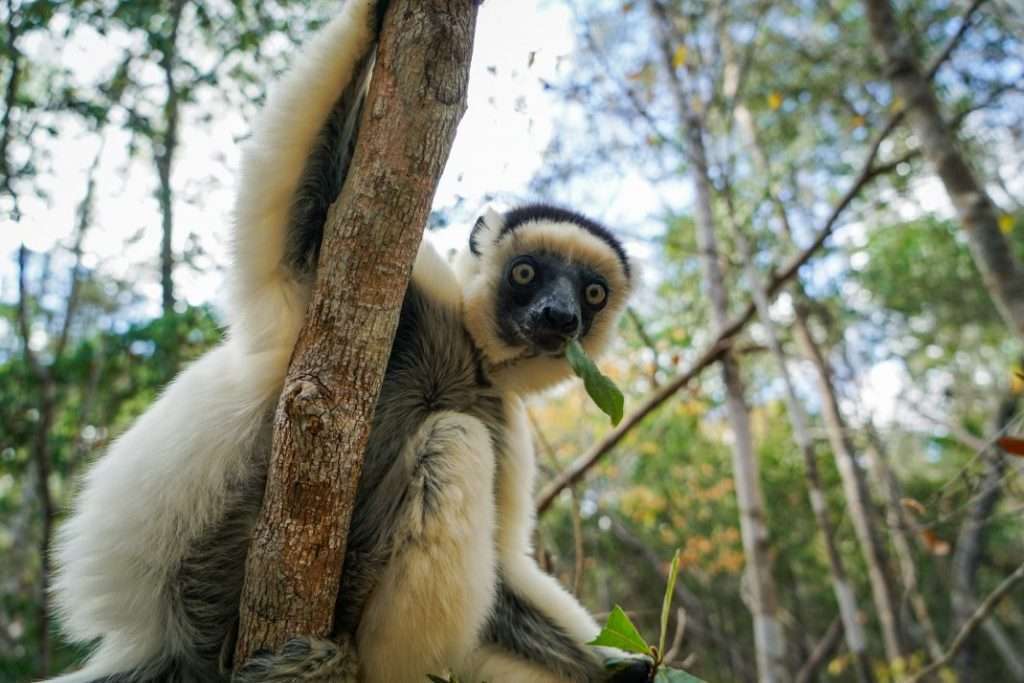
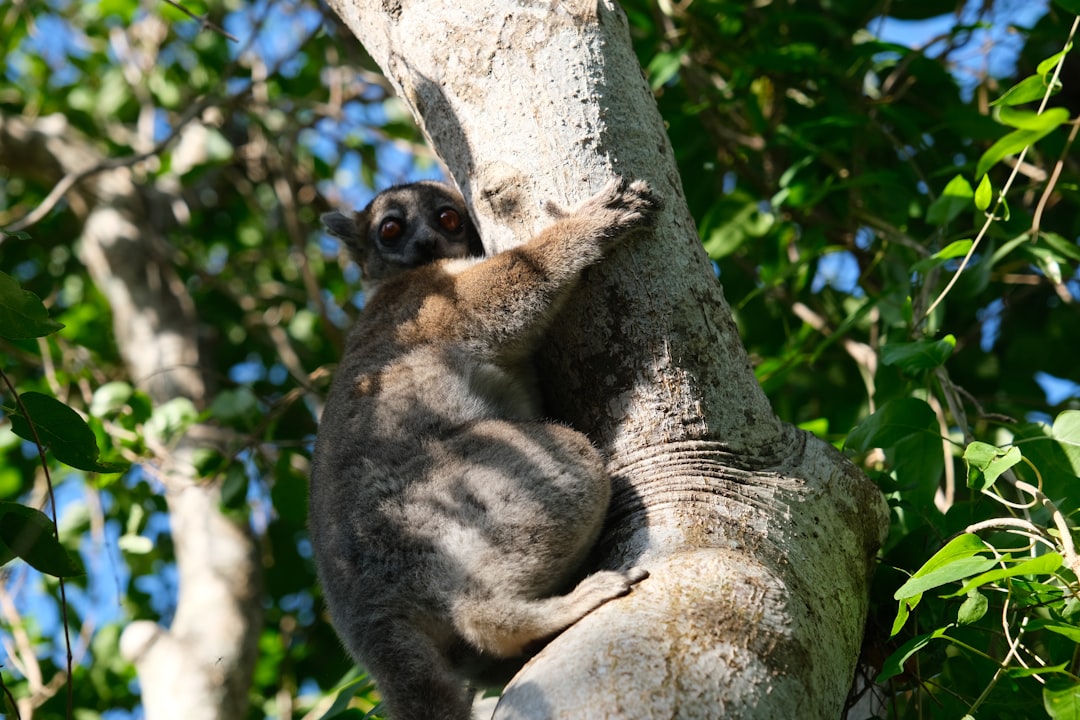
Madagascar's wildlife is genuinely unique. The island hosts over 100 lemur species, and you'll see several during your tour. Ring-tailed lemurs, sifakas, and indri lemurs are common sightings in national parks.
Chameleons are another highlight. Madagascar has more chameleon species than any other place on Earth. You might spot panther chameleons, parson's chameleons, or leaf-nosed chameleons during night walks through the forest.
The island also features the famous Avenue of the Baobabs, where massive baobab trees create a stunning landscape. Humpback whales migrate to Madagascar's waters from July through September, offering unique whale-watching opportunities you won't find on mainland Africa safaris.
Where Should First-Timers Go in Madagascar?
Choosing the right destinations makes or breaks your first Madagascar safari tour. First-timers should focus on three to four key regions rather than trying to cover the entire island. The best routes combine rainforests, dry forests, and cultural experiences.
Andasibe-Mantadia National Park: The Rainforest Must-See
Andasibe-Mantadia National Park sits in eastern Madagascar's mountains and should be your first stop. This park protects dense rainforests where you'll encounter numerous lemur species. The indri lemur, Madagascar's largest lemur, lives here and produces haunting calls that echo through the forest.
Most tours spend two to three days at Andasibe. You'll do guided forest walks at dawn and dusk when wildlife is most active. Night walks reveal nocturnal species like mouse lemurs and chameleons. The park's infrastructure is well-developed, making it perfect for first-timers.
Accommodation at Andasibe ranges from budget lodges ($40-$80 per night) to mid-range hotels ($100-$200 per night). Most safari packages include lodging, meals, and guided walks in the price.
Ranomafana National Park: Rainforest and Waterfalls
Ranomafana National Park offers another excellent rainforest experience. This park covers 43,500 hectares and protects diverse wildlife including 12 lemur species. The park's name means "hot water" in Malagasy, referring to nearby hot springs.
Ranomafana is less crowded than Andasibe, offering a more intimate experience. Waterfalls dot the landscape, creating beautiful photo opportunities. The park sits at higher elevation, making the climate cooler and more comfortable for hiking.
Plan two days at Ranomafana if possible. The terrain is hilly and requires moderate fitness. Guided walks typically last three to four hours and cover several kilometers of forest trails.
Tsingy de Bemaraha: The Stone Forest
Tsingy de Bemaraha features unique limestone formations that look like a stone forest. The name "tsingy" means "where you cannot walk barefoot" in Malagasy, and for good reason—the sharp rocks make hiking challenging but unforgettable.
This UNESCO World Heritage site offers dramatic landscapes unlike anything else in Madagascar. You'll see lemurs, birds, and unique plant species adapted to the rocky terrain. The Grand Tsingy requires rock scrambling and climbing, while the Small Tsingy has easier trails.
Tsingy is remote, requiring a domestic flight from the capital. Most tours spend one to two days here. The experience is worth the extra travel time—you'll see landscapes that feel otherworldly.
Avenue of the Baobabs: Iconic Landscape
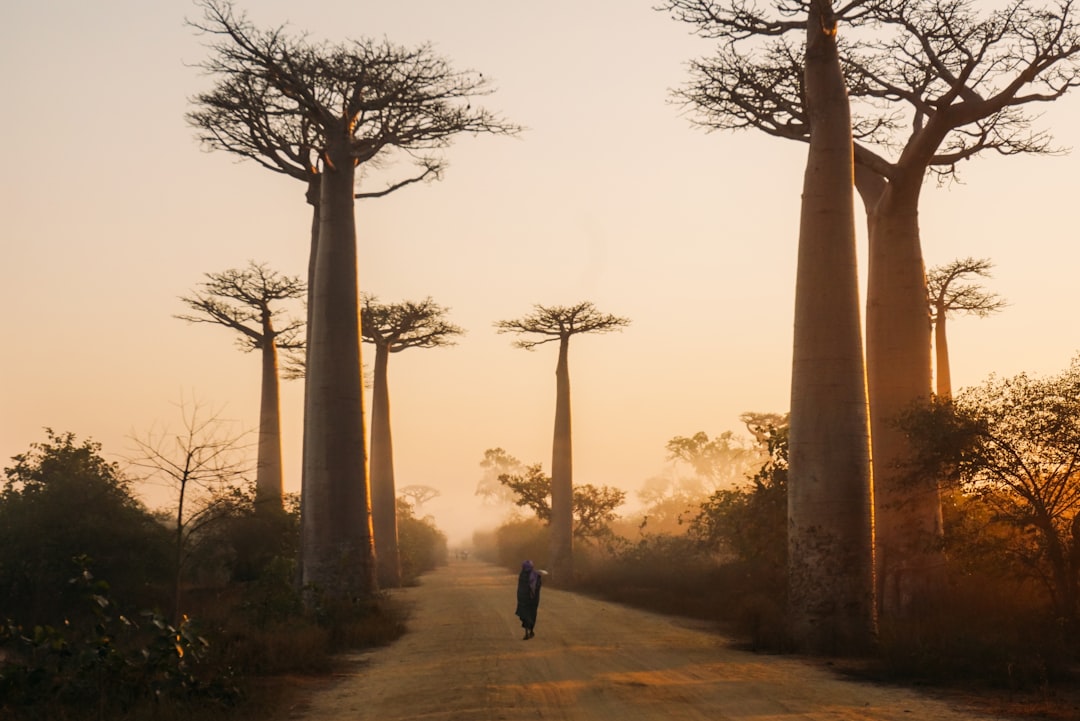
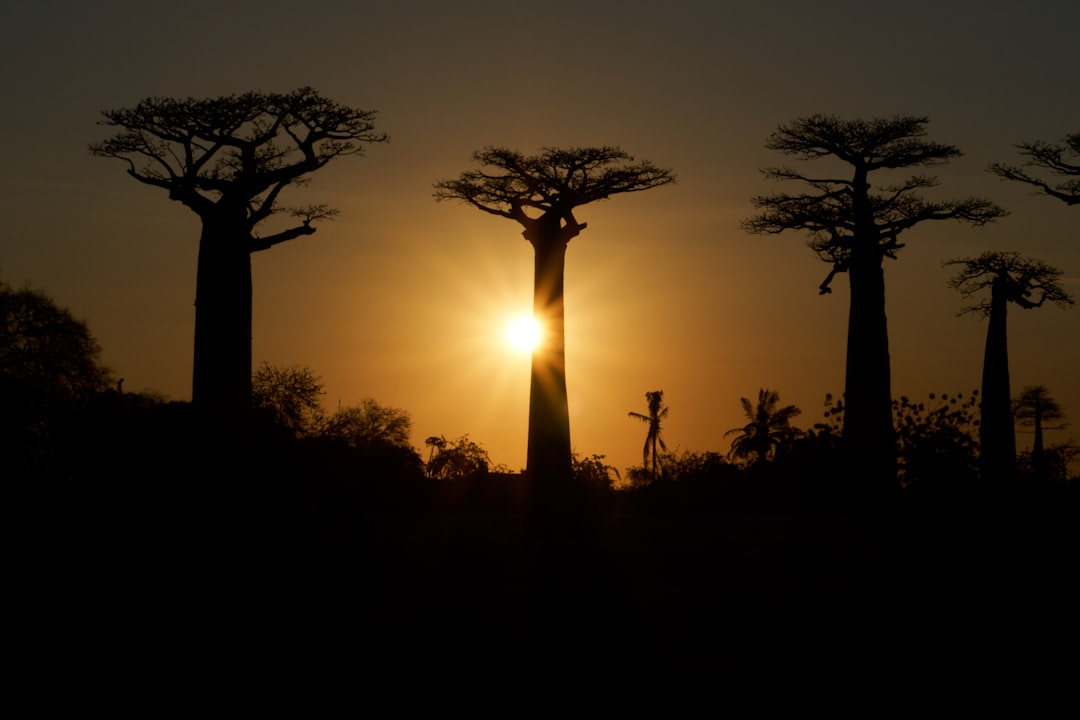
The Avenue of the Baobabs in Menabe is Madagascar's most photographed location. This tree-lined dirt road features massive baobab trees that create stunning silhouettes, especially at sunset.
Most tours include a brief stop at the Avenue rather than spending nights there. You'll spend one to two hours photographing and exploring. The best light for photography occurs in late afternoon when the sun hangs low and golden.
The Avenue is accessible by road from the western city of Menabe. It sits near Reniala Nature Reserve, an excellent destination for witnessing rare endemic flora, animal species, and reptiles.
How Much Does a Madagascar Safari Tour Cost in 2026?
Madagascar safari tour costs vary widely depending on duration, accommodation quality, and group size. In 2026, expect to pay between $2,500 and $5,500 per person for a complete 10-14 day safari tour including flights from major US or European cities.
Budget Safari Tours: $2,500-$3,500 per person
Budget safari tours feature modest accommodations and shared group transportation. You'll stay in simple but clean lodges with basic amenities. Meals are included but feature local cuisine rather than Western options.
Budget tours typically use larger groups (8-12 people) to keep costs down. You'll share transportation with other travelers. These tours skip expensive destinations like Tsingy or offer only brief visits.
Budget tours work well for first-timers on tight budgets. You still see incredible wildlife and experience authentic Madagascar. Expect to save money on accommodation and transportation while maintaining quality guides.
Mid-Range Safari Tours: $3,500-$4,500 per person
Mid-range safari tours offer comfortable accommodations and smaller group sizes (4-8 people). You'll stay in three-star hotels with private bathrooms and reliable hot water. Meals feature both local and international cuisine.
Mid-range tours include more destinations and activities. Most include Andasibe, Ranomafana, and either Tsingy or the Avenue of the Baobabs. Some add whale watching or beach time.
This price range offers the best value for first-timers. You get quality accommodations and good service without excessive luxury costs. Most SafariFind packages fall into this mid-range category.
Luxury Safari Tours: $4,500-$5,500+ per person
Luxury safari tours feature high-end lodges and personalized service. You'll stay in four or five-star accommodations with premium amenities. Meals are prepared by skilled chefs featuring international and local cuisine.
Luxury tours use small groups (2-4 people) or private arrangements. You get a dedicated guide and customized itineraries. Some luxury operators offer private charter flights between destinations.
Luxury tours visit all major destinations including Tsingy, whale watching, and cultural experiences. These packages appeal to travelers seeking premium comfort and exclusivity.
What's Included in Safari Tour Prices?
Most Madagascar safari packages include accommodations, meals, guided activities, and domestic transportation. International flights from your home country are usually not included but can be added.
Always confirm what's included before booking. Some packages include park entrance fees while others charge separately. Travel insurance is typically not included. Ask about gratuities for guides—these are expected but may not be included in the quoted price.
Compare verified tour operators on SafariFind to see exactly what each package includes. Read authentic reviews from past travelers to understand what you're actually getting for your money.
When Should You Visit Madagascar for Your First Safari?
Timing your Madagascar safari tour correctly ensures the best wildlife viewing and most comfortable weather. The island has a tropical climate with distinct wet and dry seasons.
July-September: The Best Time for First-Timers
July through September is the ideal time to visit Madagascar for first-timers. The weather is cool and dry, making hiking more comfortable. Temperatures range from 15-25°C (59-77°F), much cooler than the hot, humid summer months.
July-September brings humpback whales to Madagascar's waters for breeding season. If whale watching interests you, this is the only time to see them. Whale watching tours depart from coastal towns and offer unforgettable encounters.
Wildlife viewing is excellent during this period. Lemurs and other animals are more active in cooler temperatures. The dry season means less rain and better hiking conditions. Parks are accessible and trails are in good condition.
The downside is that July-September is peak tourist season. Accommodations book up quickly and prices are highest. If you plan to visit during these months, book your Madagascar safari tour at least 3-6 months in advance.
October-November: Shoulder Season Advantages
October and November offer good weather with fewer tourists than peak season. Temperatures warm up slightly but remain comfortable for hiking. Rainfall increases slightly but doesn't disrupt activities.
Prices drop during shoulder season. Tour operators offer discounts to fill tours. You'll still see excellent wildlife but encounter fewer other travelers.
October-November marks the start of Madagascar's spring. Wildflowers bloom and the landscape turns green. Photography opportunities are excellent as the island comes back to life.
December-March: Rainy Season Challenges
December through March is Madagascar's rainy season. Heavy rainfall makes some parks inaccessible and hiking conditions muddy and slippery. Some tour operators reduce services during these months.
The rainy season brings higher temperatures and humidity. Malaria risk increases, requiring stronger precautions. Most first-timers should avoid this season for their initial visit.
However, the rainy season offers advantages for adventurous travelers. Prices are lowest, and accommodations are less crowded. Some wildlife species are more active during this period. If you're flexible and don't mind wet weather, you can save significantly.
April-June: Transition Season
April through June offers a transition between rainy and dry seasons. Weather is generally dry and pleasant. Temperatures are warm but not excessively hot.
This period is less crowded than peak season but more reliable than shoulder months. Wildlife viewing remains good. Prices are moderate—higher than rainy season but lower than July-September.
April-June works well for first-timers who want flexibility and decent value. The weather is predictable and comfortable for hiking and exploring.
Planning Your First Madagascar Safari Tour: Step-by-Step Guide
Planning a Madagascar safari tour involves several key steps. Following this process ensures you book a quality tour that matches your budget and interests.
Step 1: Determine Your Budget and Duration
Start by deciding how much you want to spend and how many days you can take off work. Budget determines accommodation quality and destinations you can visit. Most first-timers need 10-14 days to experience Madagascar properly.
Calculate your total budget including international flights, travel insurance, and spending money. Divide this by the number of days to understand your daily budget. This helps you choose between budget, mid-range, and luxury options.
Consider what's most important to you. If whale watching matters, budget extra. If you want to skip Tsingy's challenging terrain, you can reduce costs by choosing easier parks.
Step 2: Choose Your Destinations
Select three to four destinations based on your interests and time available. A typical first-timer itinerary includes Andasibe, Ranomafana, and either Tsingy or the Avenue of the Baobabs.
If you're interested in whale watching, add coastal time in July-September. If you prefer cultural experiences, include time in local villages. If wildlife photography matters, focus on parks known for unique species.
Create a rough itinerary showing how many days in each destination. Allow travel time between locations—domestic flights or road transfers add hours to your schedule.
Step 3: Research Tour Operators
Browse verified tour operators on SafariFind that offer Madagascar safari packages. Read authentic reviews from past travelers to understand what each operator delivers. Check ratings, review counts, and specific feedback about wildlife viewing, accommodation quality, and guide expertise.
Look for operators with specific experience in Madagascar. Some African safari companies offer Madagascar packages but lack deep expertise. Choose operators with dedicated Madagascar teams and years of experience.
Request quotes from at least three operators. Compare what each includes—accommodations, meals, activities, park fees, and transportation. Ask about their cancellation policies and travel insurance requirements.
Step 4: Ask Important Questions
Before booking, ask operators these key questions: What's the group size? Who is the guide, and what are their qualifications? What happens if weather cancels activities? Are park entrance fees included? What's the accommodation standard? Do prices include travel insurance?
Ask about wildlife guarantees. Honest operators won't promise specific animal sightings but will explain what species are commonly seen. Ask about physical fitness requirements—some parks require hiking ability.
Inquire about the cancellation policy. What happens if you need to cancel? Can you reschedule? Is your deposit refundable? Clear policies protect both you and the operator.
Step 5: Book Your Tour and Prepare
Once you've chosen an operator, book your tour 3-6 months in advance, especially for July-September travel. Provide your passport details and confirm all personal information. Review the complete itinerary and confirm dates.
Purchase travel insurance that covers trip cancellation, medical emergencies, and evacuation. Madagascar's healthcare system is limited outside major cities. Comprehensive insurance is essential.
Get vaccinations recommended for Madagascar: hepatitis A, typhoid, and yellow fever. Malaria prevention is important, especially during rainy months. Consult your doctor about antimalarial medications.
Pack appropriate gear: lightweight hiking boots, rain jacket, binoculars, sun protection, and insect repellent. Bring an adapter for electrical outlets and a good camera or smartphone for photography.
What Should You Expect on Your Madagascar Safari Tour?
Understanding what to expect helps you prepare mentally and physically for your first Madagascar safari. The experience differs significantly from typical African safaris.
Daily Schedule and Activities
Most days start early with breakfast around 6:00 or 6:30 AM. Your guide collects you for a morning wildlife walk that lasts two to three hours. You'll hike forest trails looking for lemurs, chameleons, and birds.
After returning to your lodge, you'll have lunch and rest time. The afternoon might include a second walk, cultural visit, or relaxation. Evening walks are common—many nocturnal species are active after dark.
Dinner is typically at 6:30 or 7:00 PM. After dinner, some lodges offer presentations about Madagascar's wildlife and culture. Most evenings are quiet, allowing you to rest and reflect on your day's discoveries.
Physical Demands and Fitness
Madagascar safari tours require moderate fitness. Most days involve hiking for 3-4 hours on forest trails. Terrain varies from flat to steep, with some scrambling over rocks and roots.
Tsingy hikes are more challenging, involving rock scrambling and climbing. If physical fitness concerns you, inform your operator—they can suggest easier alternatives or adjust pacing.
Wear proper hiking boots with good ankle support. The terrain is uneven and slippery when wet. Trekking poles help reduce strain on knees during downhill sections.
Accommodation Standards
Budget accommodations offer basic but clean rooms with shared or private bathrooms. Don't expect air conditioning or hot water in remote areas. Electricity may be limited to certain hours.
Mid-range lodges provide comfortable rooms with private bathrooms and reliable hot water. Most have electricity available 24/7. Some offer wifi, though internet can be slow.
Luxury lodges feature high-end amenities, excellent service, and gourmet meals. These accommodations rival five-star hotels in major cities.
Food and Dining
Madagascar's cuisine features rice as the staple. Most meals include rice with vegetables, beans, or meat. Seafood is excellent in coastal areas.
Mid-range and luxury tours offer diverse menus with international options. Budget tours feature more traditional Malagasy food. If you have dietary restrictions, inform your operator in advance.
Water safety is important. Drink bottled water throughout your tour. Most lodges provide filtered water in rooms. Avoid ice and uncooked vegetables unless they've been properly cleaned.
Guide Quality and Expertise
Your guide makes or breaks your safari experience. Quality guides spot wildlife others miss and share fascinating insights about Madagascar's ecosystems. They're trained in wildlife identification, safety, and local culture.
Ask your operator about guide qualifications. Do guides speak fluent English? Have they worked for years in their assigned parks? Do they have formal training in wildlife biology?
Tip your guide at the end of the tour—this is standard practice in Madagascar. Guides earn modest wages and depend on tips. Generous tips ($10-$20 per day) show appreciation for excellent service.
Safety, Health, and Practical Considerations
Safety in Madagascar is generally good for tourists in established safari areas. However, you should take precautions and understand health requirements before traveling.
Safety for Travelers
Madagascar is safer than many African safari destinations. Petty theft occurs in cities, but safari areas are secure. Tour operators maintain excellent safety records and follow established protocols.
Avoid displaying expensive jewelry, cameras, or large amounts of cash. Keep valuables in your lodge's safe. Use registered taxis in cities rather than hailing random cars.
Political situations can change. Check your government's travel advisory before booking. Most years, Madagascar is safe for tourism, but it's wise to verify current conditions.
Health Precautions
Malaria is present in Madagascar, especially at lower elevations and during rainy months. Take antimalarial medication as prescribed by your doctor. Use insect repellent, particularly at dawn and dusk.
Vaccinations against hepatitis A, typhoid, and yellow fever are recommended. Some areas require yellow fever vaccination. Consult a travel medicine clinic 4-6 weeks before your trip.
Travel insurance is essential. Choose a policy that covers medical evacuation—this is critical in Madagascar where healthcare is limited. Evacuation to South Africa or Europe can cost $100,000+.
Practical Travel Tips
Madagascar uses the Ariary currency (MGA). US dollars are accepted in tourist areas but exchange rates vary. Bring a mix of cash and credit cards. ATMs exist in major cities but may not work with all cards.
Electricity is 220 volts. Bring an adapter for US outlets or a universal adapter. Internet is available in most lodges but can be slow. Don't rely on wifi for important communications.
The local language is Malagasy, but French and English are spoken in tourist areas. Learning a few basic phrases—"Hello" (Salama), "Thank you" (Misaotra), "Goodbye" (Veloma)—shows respect and enhances your experience.
Combining Your Safari With Beach Time and Cultural Experiences
Many first-timers combine their Madagascar safari with beach relaxation or cultural activities. This creates a more well-rounded vacation that balances wildlife viewing with leisure.
Beach Extensions
Madagascar offers beautiful beaches on both coasts. A 7-day safari plus 3-4 days of beach time creates a perfect two-week vacation. Popular beach destinations include Nosy Be in the northwest and Ile Sainte Marie in the northeast.
Nosy Be offers resort-style accommodations, water sports, and nearby whale watching during season. Ile Sainte Marie provides a more relaxed, boutique experience with diving and snorkeling.
Check SafariFind for packages combining safari and beach time. Many operators offer combined itineraries that eliminate logistics headaches. These packages often provide better value than booking separately.
Cultural Experiences
Madagascar's culture is fascinating and distinct from mainland Africa. Many safari tours include village visits, traditional ceremonies, or cultural demonstrations. These experiences deepen your understanding of Malagasy life.
Ask your tour operator about cultural activities. Some lodges employ local staff who share their traditions. Visiting artisan workshops supports local communities and gives you authentic souvenirs.
Respect local customs during village visits. Ask permission before photographing people. Dress modestly and follow your guide's cultural guidance. These practices show respect and enhance your experience.
Key Takeaways
- Book your Madagascar safari tour 3-6 months in advance to secure July-September dates and save 15-20% on peak season rates through verified operators on SafariFind.
- Plan a 10-14 day tour visiting Andasibe, Ranomafana, and Tsingy to see endemic lemurs, chameleons, and unique landscapes that don't exist elsewhere on Earth.
- Budget $2,500-$5,500 per person for a complete safari including accommodations, meals, and guided activities—mid-range packages ($3,500-$4,500) offer the best value for first-timers.
- Choose July-September for your first visit to enjoy cooler weather, excellent wildlife viewing, and whale watching opportunities unavailable during other months.
- Request quotes from at least three operators and read authentic reviews on SafariFind to compare guide expertise, accommodation quality, and what past travelers actually experienced.
Frequently Asked Questions
How much does a Madagascar safari tour cost for two people?
A Madagascar safari tour costs $2,500-$5,500 per person in 2026, so for two people, expect $5,000-$11,000 total. Mid-range packages averaging $4,000 per person would cost $8,000 for two travelers. This includes accommodations, meals, guided activities, and domestic transportation but typically excludes international flights. Couples can sometimes negotiate discounts with operators for booking together.
What's the best time for a first-time Madagascar safari?
July through September is the best time for first-timers visiting Madagascar. The weather is cool and dry, making hiking comfortable. Temperatures range from 15-25°C (59-77°F). Humpback whales migrate to Madagascar's waters during these months for breeding season. Wildlife viewing is excellent as animals are more active in cooler temperatures. The downside is that July-September is peak tourist season with higher prices and full accommodations.
Do you need a guide for Madagascar safari tours?
Yes, guides are essential for Madagascar safari tours. A quality guide spots wildlife you'd miss alone and shares expertise about ecosystems, animals, and local culture. Guides are trained in safety protocols and animal behavior. All legitimate tour operators provide trained guides as part of their packages. Never attempt to explore national parks without a licensed guide.
What wildlife will I actually see on a Madagascar safari?
You'll see endemic species found nowhere else on Earth. Lemurs are the most iconic—ring-tailed lemurs, sifakas, and indri lemurs are common sightings. Madagascar has more chameleon species than anywhere globally; you'll spot several during night walks. You'll also see endemic birds, reptiles, and unique plants. During July-September, you can see humpback whales. However, you won't see lions, elephants, or other big African game.
Is Madagascar safe for first-time safari travelers?
Madagascar is generally safe for tourists in established safari areas. Tour operators maintain excellent safety records. Petty theft occurs in cities but safari areas are secure. Avoid displaying expensive items and use registered taxis. Check your government's travel advisory before booking. Healthcare is limited outside major cities, so comprehensive travel insurance with evacuation coverage is essential.
How do I choose between budget, mid-range, and luxury Madagascar safari packages?
Budget packages ($2,500-$3,500) feature modest accommodations and larger groups but deliver excellent wildlife viewing. Mid-range packages ($3,500-$4,500) offer comfortable accommodations, smaller groups, and the best value for first-timers. Luxury packages ($4,500+) feature high-end lodges and personalized service. First-timers typically choose mid-range packages that balance quality and cost. Compare verified operators on SafariFind to see what each price point includes and read authentic reviews from past travelers.
Can I combine my Madagascar safari with a beach vacation?
Yes, many first-timers combine their safari with beach time. A 7-day safari plus 3-4 days of beach creates a perfect two-week vacation. Popular beach destinations include Nosy Be and Ile Sainte Marie. Many SafariFind operators offer combined safari-and-beach packages that eliminate logistics headaches and often provide better value than booking separately. These packages balance wildlife adventure with relaxation and cultural experiences.
Conclusion
Madagascar safari tours offer an unmatched adventure for first-timers seeking something different from typical African safaris. This island nation protects wildlife found nowhere else on Earth—over 90% of Madagascar's species are endemic. Whether you're passionate about lemurs, chameleons, stunning landscapes, or unique cultural experiences, Madagascar delivers unforgettable memories.
A 10-14 day tour visiting Andasibe's rainforests, Ranomafana's waterfalls, and Tsingy's stone formations costs $2,500-$5,500 per person in 2026. The best time to visit is July-September for cooler weather, excellent wildlife viewing, and whale watching opportunities. July-September is peak season, so book 3-6 months in advance to secure dates and save money.
Your success depends on choosing the right tour operator. Browse verified operators on SafariFind, compare package details, and read authentic reviews from past travelers. Request quotes from multiple operators and ask important questions about group size, guide qualifications, accommodations, and cancellation policies. Mid-range packages ($3,500-$4,500 per person) offer the best value for first-timers, balancing quality accommodations and expert guides with reasonable costs.
Ready to plan your Madagascar safari adventure? Compare verified safari packages on SafariFind to find operators with the best ratings and authentic traveler reviews. Request quotes from your top choices and start your journey to one of Earth's most unique ecosystems. Your first Madagascar safari awaits in 2026.
Plan Your Safari with SafariFind
These recommendations use real data from SafariFind, where you can compare operators, browse packages, and read verified traveler reviews before you book.
Recommended Safari Operators from SafariFind
Recommended Safari Packages from SafariFind
What Travelers Say (SafariFind Reviews)
References
- Lonely Planet - 8 Things to Know Before Traveling to Madagascar
- TourRadar - 10 Best Madagascar Tours & Trips 2026/2027
- Jacada Travel - Luxury Madagascar Safaris and Tours for 2026/2027
- Exoticca - Madagascar Vacation Packages with Airfare, Hotels & Tours 2026/2027
- Go2Africa - The Ultimate Travel Guide to Madagascar
Sources
- Lonely Planet - 8 Things to Know Before Traveling to Madagascar
- TourRadar - 10 Best Madagascar Tours & Trips 2026/2027
- Jacada Travel - Luxury Madagascar Safaris and Tours for 2026/2027
- Exoticca - Madagascar Vacation Packages with Airfare, Hotels & Tours 2026/2027
- Go2Africa - The Ultimate Travel Guide to Madagascar
Related to
Ready to start your safari adventure?
Explore curated safari packages and find your perfect African adventure with verified operators.