Zambia Safari in July–September 2026: Dry Season Wildlife
Plan your Zambia safari July–September 2026. Dry season wildlife viewing, lower costs, mild weather. Book South Luangwa & Lower Zambezi with SafariFind.
Zambia Safari July–September 2026: Dry Season
Last updated: July 2026
A Zambia safari in July through September 2026 offers exceptional wildlife viewing during the dry season when animals gather along rivers. Expect lower costs than peak season, mild temperatures, and fewer tourists. Book 2–3 months ahead with verified operators on SafariFind to secure the best lodges and guides in South Luangwa and Lower Zambezi.
At a Glance
- Cost: $2,500–$4,500 per person for 7–10 days
- Best time: July–September for dry season wildlife concentration
- Duration: 7–10 days recommended for full experience
- Best for: Wildlife photographers, budget-conscious travelers, nature lovers
- Wildlife highlights: Elephants, lions, leopards, buffalo, wild dogs, hippos
- Top parks: South Luangwa National Park, Lower Zambezi National Park
What Is a Zambia Safari in July–September 2026?
Zambia safari in July–September 2026 represents one of Africa's best-kept wildlife secrets during the dry season. As water sources shrink, animals concentrate along rivers, creating predictable and thrilling viewing opportunities. This period falls outside peak European summer holidays, meaning lower prices and fewer crowds.
The dry season in Zambia runs from May through October, with July to September offering the sweet spot of mild temperatures and maximum animal activity. You'll experience cool mornings around 10–15°C and warm afternoons reaching 25–28°C—perfect for comfortable safari drives and walking excursions.
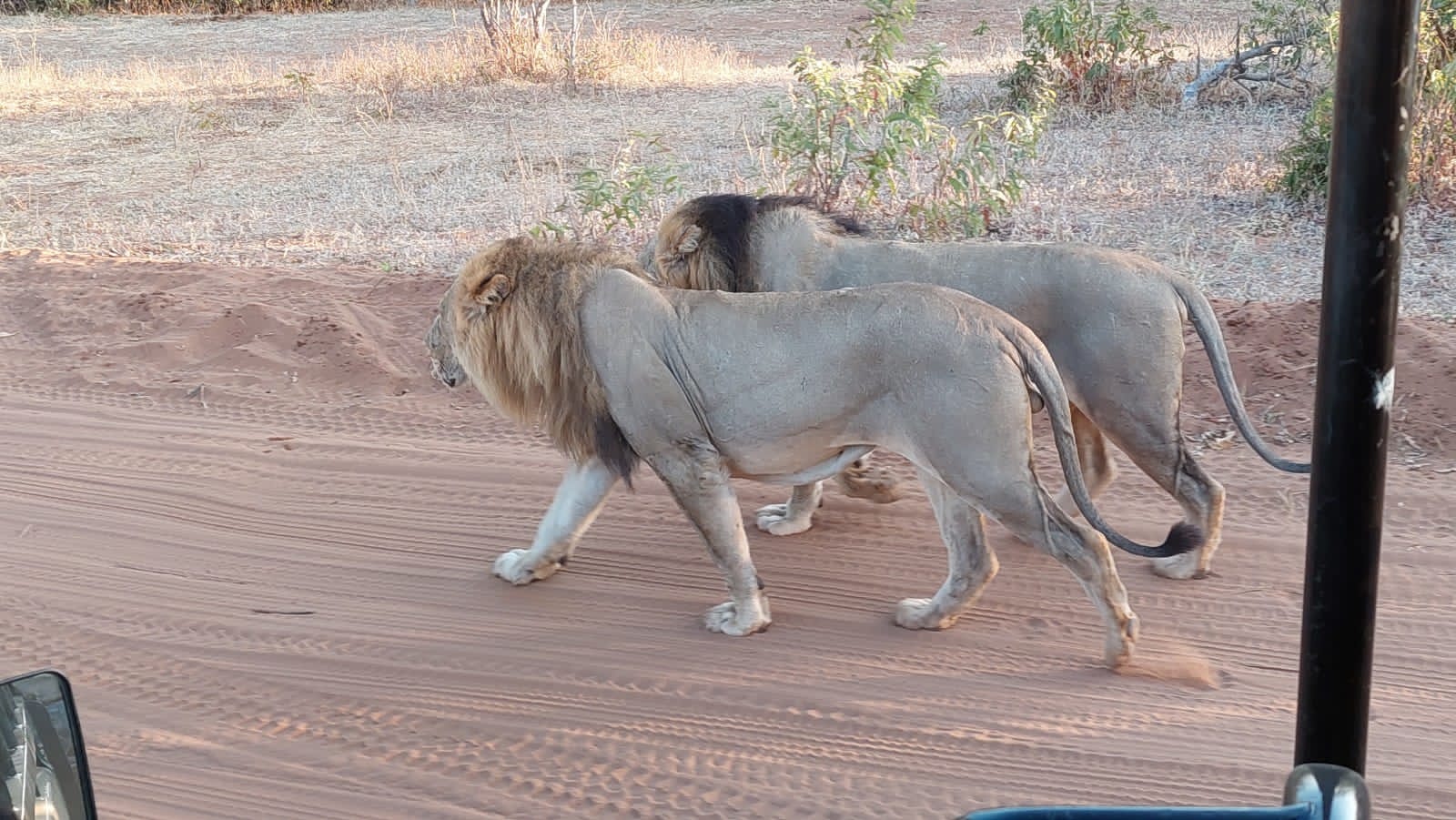
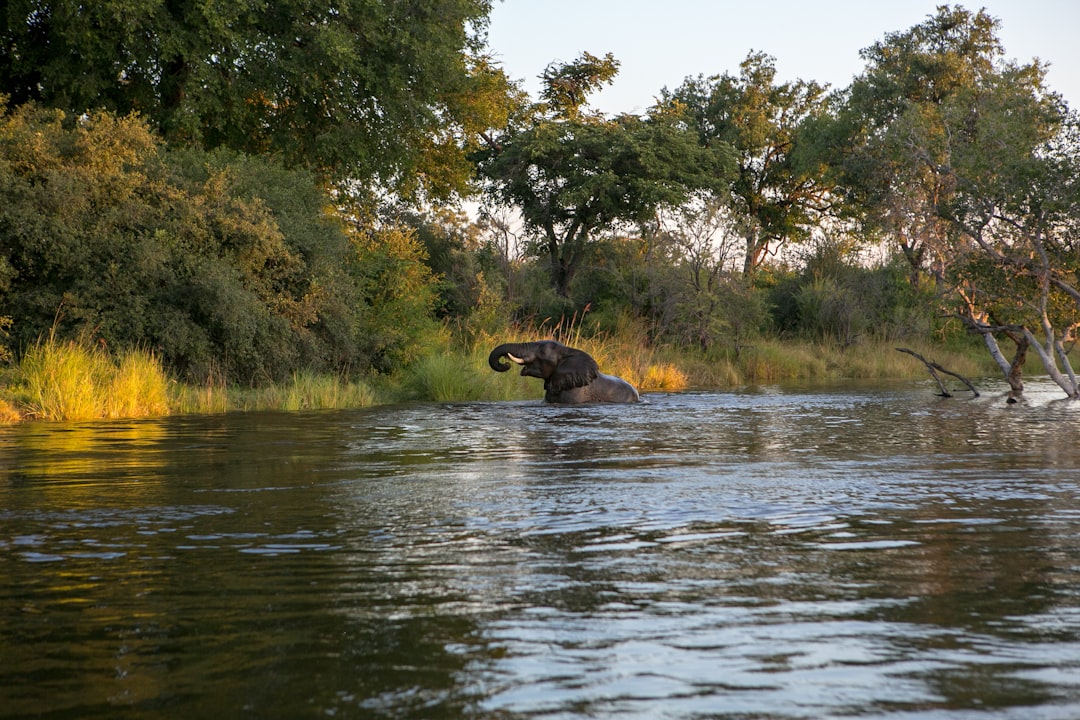
South Luangwa and Lower Zambezi stand as the premier destinations during these months. Elephants parade along riverbanks in impressive numbers, while lions and leopards patrol floodplains. Buffalo herds gather in concentrations, and wild dog encounters happen regularly. Hippos and crocodiles fill the rivers, creating dramatic photography moments.
Why July–September Matters for Safari Planning
Travelling in late July can give you migration river crossings, predator action, and wide open plains while avoiding the highest peak season surcharges. Zambia's tourism infrastructure has grown, with both luxury lodges and budget camps opening specifically for the dry season.
Unlike Kenya's Masai Mara or Tanzania's Serengeti, Zambia remains less crowded. You'll share game drives with fewer vehicles, allowing for more intimate wildlife encounters and better photography. This advantage makes Zambia an excellent alternative for travelers seeking authentic safari experiences without the tourist infrastructure of more famous destinations.
The economic value is compelling too. Zambia's economy is recovering, with growth estimated at 4.6% in 2025, driven by mining, agriculture, and tourism. This stability supports excellent lodge operations and professional guide services across multiple price points.
Key Seasonal Features
Dry season means clear skies and excellent visibility for wildlife spotting. Animals move predictably to water sources, making them easier to locate. Walking safaris become safer and more enjoyable because thick vegetation thins out, offering better sightlines.
The lack of rain also means fewer insects and more comfortable camping or lodge stays. Vehicle tracks are firm and well-defined, reducing travel time between viewing areas. Overall, the dry season creates ideal conditions for both first-time and experienced safari travelers.
Main Wildlife & Park Information for July–September
South Luangwa National Park dominates Zambia's dry season safari experience. This park covers approximately 9,050 square kilometers and features the Luangwa River as its lifeline. During July through September, the river becomes the primary water source for the entire region's wildlife population.
South Luangwa National Park: The Premier Destination
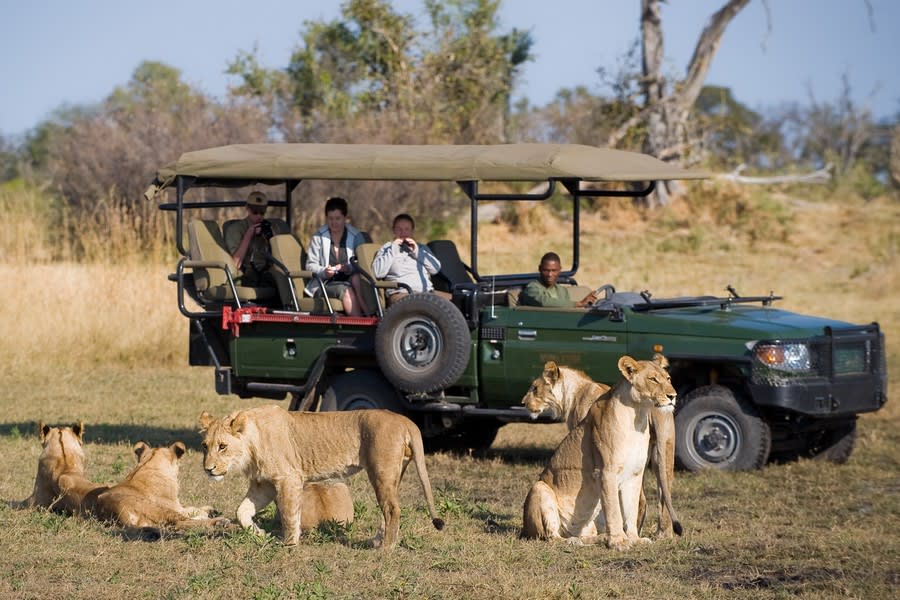
South Luangwa is known for its exceptional predator viewing, particularly leopards. The park's riverine habitat supports dense wildlife populations. During dry season, you'll see elephants in herds of 50–200 individuals, lions hunting along riverbanks, and wild dogs pursuing prey across open plains.
The park offers two main visiting styles: lodge-based safaris and mobile camping. Lodge-based options provide comfortable accommodations with excellent food and hot showers. Mobile camps offer authentic wilderness experiences with canvas tents and campfires. Both approaches work well during July–September when weather is mild.
Walking safaris are a South Luangwa specialty. Professional guides lead you on foot through wildlife areas, offering intimate encounters and educational insights about animal behavior and ecology. Walking safaris typically cost $50–$150 per person per day, making them an affordable way to deepen your safari experience.
Lower Zambezi National Park: The Underrated Choice
Lower Zambezi National Park sits along the Zambezi River and receives fewer visitors than South Luangwa. The park covers 4,092 square kilometers and offers similar dry season wildlife concentrations. Elephants, buffalo, lions, and hippos congregate along the river.
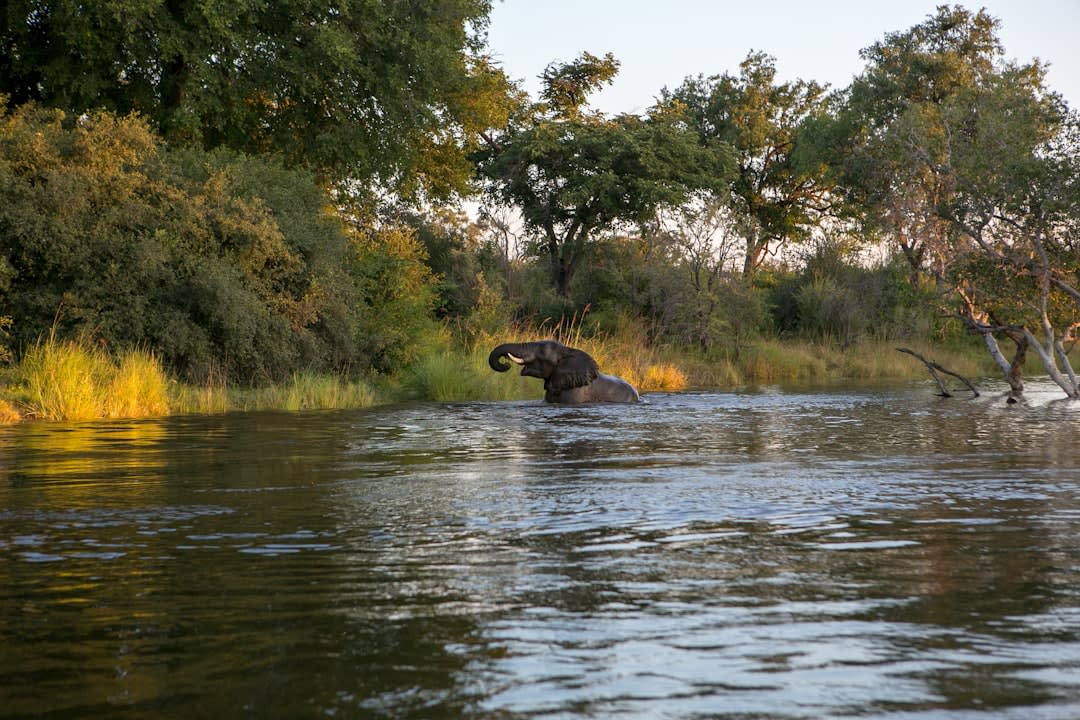
Lower Zambezi specializes in canoe safaris, allowing you to view wildlife from the water. This unique perspective offers photography opportunities unavailable at land-based parks. Canoe safaris cost $100–$250 per person per day and typically operate year-round.
The park remains less developed than South Luangwa, meaning fewer lodges but also fewer tourists. If you prefer solitude and exclusive wildlife encounters, Lower Zambezi deserves consideration. July–September brings peak animal activity while maintaining the park's peaceful atmosphere.
Wildlife Highlights During Dry Season
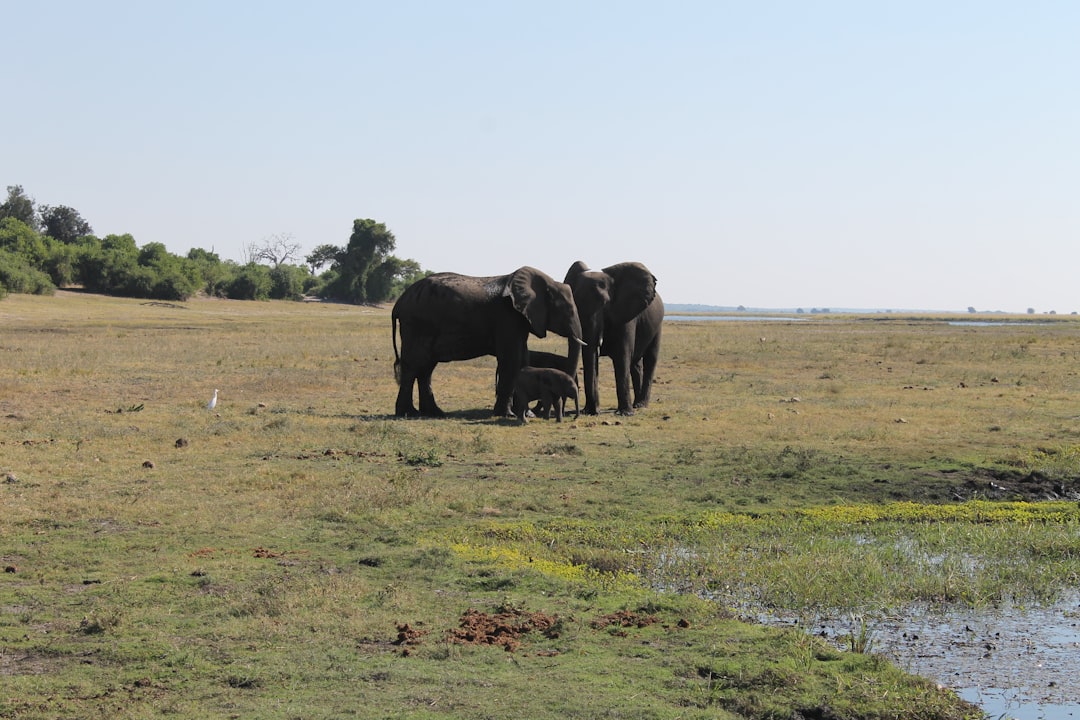
Elephants parade along riverbanks in large numbers. You may see 100–300 elephants in a single day during peak viewing season. Lions patrol floodplains in prides of 4–8 individuals, often hunting buffalo or zebra. Leopards become more visible as vegetation thins, though they remain elusive.
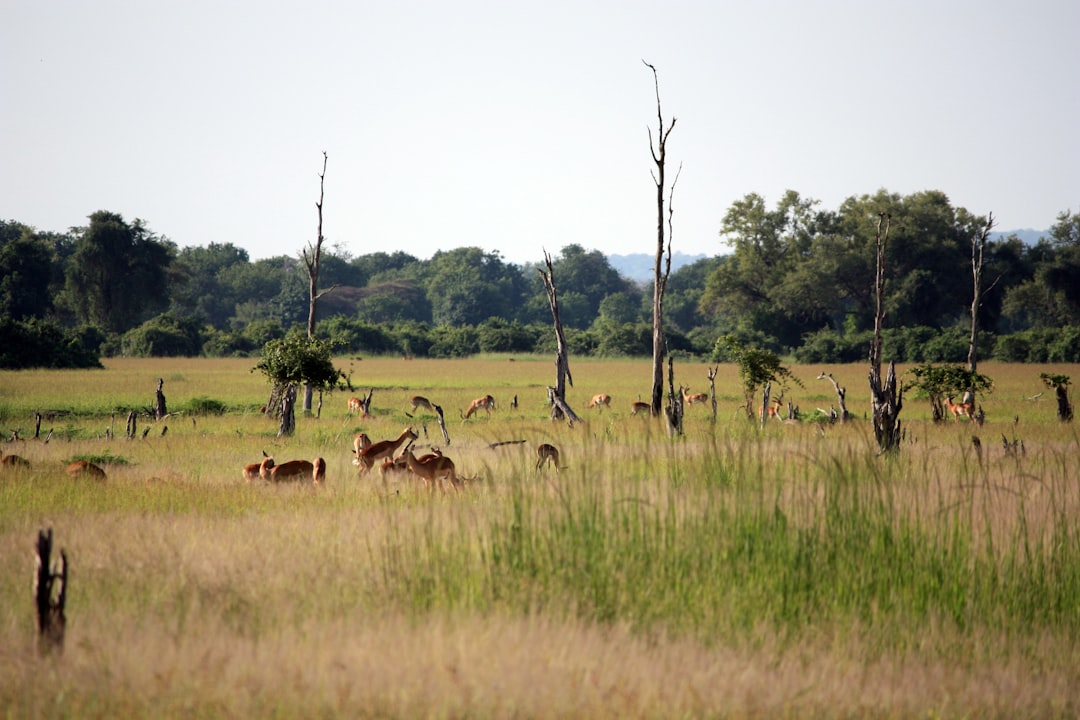
Buffalo herds gather in impressive concentrations, sometimes numbering 1,000+ individuals. Hippos and crocodiles fill the rivers, creating dramatic scenes. Wild dogs hunt in packs of 6–15, and their success rate makes for thrilling viewing.
Birdwatchers will appreciate over 400 bird species recorded in Zambian parks. African fish eagles, kingfishers, and herons are common. July–September brings migratory species, adding diversity to birding lists.
Practical Guide: Planning Your Zambia Safari
Best Time to Book & Travel
Book your Zambia safari 2–3 months before your intended departure date. July–September is shoulder season in Zambia, meaning it's less crowded than peak December–March but still offers excellent wildlife viewing. Early bookings secure the best lodges and guides.
July offers the coolest temperatures, making daytime drives comfortable. August and September are warmer but still pleasant. Avoid late September if you dislike heat; early October marks the transition to hot season.
Budget Breakdown for July–September 2026
A 7-day Zambia safari costs $2,500–$4,500 per person, depending on lodge quality and park choice. Budget camps run $50–$100 per night. Mid-range lodges cost $150–$300 per night. Luxury properties exceed $400 per night. Game drives, meals, and guides typically bundle into lodge rates.
International flights from North America or Europe to Lusaka range $800–$1,500 return. Domestic flights to park airstrips cost $200–$400. Ground transfers add $100–$300. Budget $3,500–$6,000 total for a complete package including flights.
Compare verified safari packages on SafariFind to find operators offering transparent pricing. Many operators provide all-inclusive quotes covering flights, accommodation, meals, and park fees.
Getting There & Ground Logistics
Harry Mwangelwa International Airport in Lusaka serves as Zambia's main entry point. Direct flights operate from London, Frankfurt, and other European hubs. From North America, expect one connection through a Middle Eastern or African hub.
From Lusaka, take a 2-hour domestic flight to South Luangwa's Mfuwe Airport or Lower Zambezi's airstrip. Most lodges arrange airport transfers. Road transfers are possible but take 8–12 hours and aren't recommended due to road conditions.
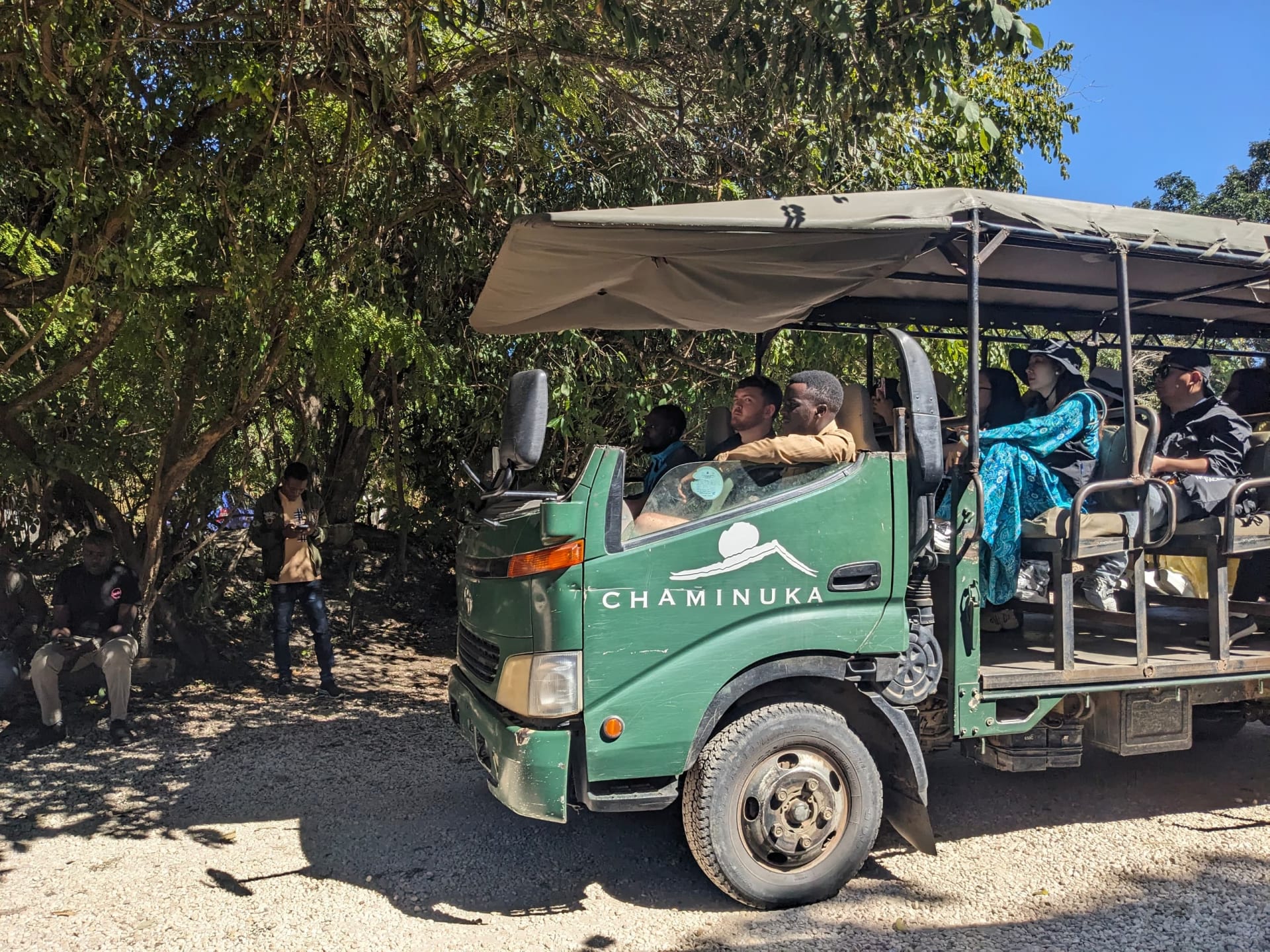
Within parks, experienced guides drive you in open safari vehicles. Walking safaris require fitness but offer the most rewarding experiences. Canoe safaris at Lower Zambezi provide a completely different perspective on wildlife viewing.
What to Pack & Prepare
Pack layers for temperature swings. Bring long-sleeved shirts and long pants for sun protection and insect avoidance. A warm fleece is essential for cool early mornings. Comfortable walking shoes handle rough terrain better than sandals.
Binoculars, a camera, and telephoto lenses enhance wildlife viewing. Sunscreen (SPF 50+) and insect repellent are non-negotiable. Malaria risk exists, so consult your doctor about prophylaxis. Most visitors take antimalarial medication during dry season travel.
Visas are required for most nationalities. Zambia offers on-arrival visas for many countries, though pre-arranged visas are safer. Check current requirements before booking flights.
Comparing Zambia to Neighboring Destinations
Zambia offers better value than Botswana while delivering comparable wildlife experiences. For a detailed comparison, explore how Zambia safari vs Botswana stacks up across wildlife, costs, and parks.
Zambia also excels in walking safaris, an experience less emphasized in Kenya or Tanzania. If walking safaris interest you, read our guide on walking safari in Zambia for detailed cost and operator information.
For comprehensive destination evaluation, check is Zambia good for safari in 2026, which covers wildlife, safety, and value considerations.
Choosing Lodges & Operators
Zambia offers lodges across all price ranges. Budget options provide basic comfort and reliable guides. Mid-range lodges add amenities like hot showers, better meals, and larger rooms. Luxury properties offer world-class service, gourmet dining, and exclusive experiences.
For detailed lodge comparisons, explore Zambia safari lodges 2026, which breaks down options by park and price point.
Verify operators through SafariFind's verified operator database. Read authentic traveler reviews, check cancellation policies, and confirm what's included in package prices. Request quotes from multiple operators to compare service quality and value.
Why July–September Stands Out for Value & Experience
Zambia in July–September offers an exceptional combination of wildlife abundance, comfortable weather, and affordable pricing. Unlike peak season (December–March), you won't compete with thousands of other tourists for wildlife viewing opportunities.
The dry season creates reliable animal locations. Predictability means better photography, more successful game drives, and higher likelihood of seeing rare species like wild dogs and leopards. Professional guides use their knowledge to position you for optimal encounters.
Economically, July–September pricing falls between low season (May–June) and peak season rates. You'll pay 20–30% less than December–February while enjoying superior wildlife viewing. This sweet spot makes Zambia an intelligent choice for budget-conscious travelers seeking authentic experiences.
For comprehensive package comparisons including pricing, check Zambia safari packages 2026. This resource helps you compare 7–10-day itineraries across operators and price ranges.
Additionally, Zambia safari cost 2026 breaks down budget versus luxury packages with specific pricing and what each tier includes.
Key Takeaways
- Book your Zambia safari 2–3 months ahead of your July–September travel dates to secure top lodges and save 15–20% on early-booking rates.
- Expect to spend $2,500–$4,500 per person for a 7-day safari including accommodation, meals, and game drives during dry season 2026.
- South Luangwa and Lower Zambezi national parks deliver exceptional wildlife viewing with fewer tourists than Kenya or Tanzania, offering better value and more intimate experiences.
- Walking safaris in Zambia cost $50–$150 per person daily and provide closer wildlife encounters than vehicle-only safaris, making them essential for photographers and nature enthusiasts.
- Pack layers for temperature swings (10–28°C), bring malaria prophylaxis, and verify your visa requirements before booking flights to maximize trip preparation.
Frequently Asked Questions
Is July–September the best time for a Zambia safari?
Yes, July–September is ideal for Zambia safaris. The dry season concentrates animals along rivers, ensuring consistent wildlife viewing. Temperatures range 10–28°C, making game drives comfortable. You'll encounter fewer tourists than peak season while enjoying excellent wildlife opportunities and lower prices.
How much does a Zambia safari cost in July–September 2026?
A 7-day Zambia safari costs $2,500–$4,500 per person in 2026, including accommodation, meals, and game drives. Budget camps run $50–$100 nightly. Mid-range lodges cost $150–$300. Luxury properties exceed $400. Add $800–$1,500 for international flights and $200–$400 for domestic flights.
What wildlife will I see in Zambia during dry season?
Dry season brings predictable wildlife viewing. You'll see large elephant herds (50–300 daily), lions hunting along riverbanks, elusive leopards, buffalo concentrations (1,000+ individuals), hippos, crocodiles, and wild dogs. Over 400 bird species include African fish eagles, kingfishers, and herons. Migratory species add diversity July–September.
Which Zambian parks are best for July–September travel?
South Luangwa National Park excels for predator viewing and walking safaris. Lower Zambezi offers canoe safaris and fewer crowds. Both concentrate wildlife along rivers during dry season. South Luangwa covers 9,050 square kilometers with excellent lodge infrastructure. Lower Zambezi provides more exclusive, intimate experiences with less tourist traffic.
How far ahead should I book a Zambia safari?
Book 2–3 months ahead for July–September travel. Early bookings secure premium lodges and guides while accessing better rates. July departures should be booked by April–May. August and September travel should be reserved by May–June. Last-minute bookings may limit lodge choices and increase costs.
What's included in typical Zambia safari packages?
All-inclusive packages typically cover accommodation, all meals, daily game drives, professional guides, and park fees. Some include walking safaris or canoe excursions. Most exclude international flights and travel insurance. Confirm what's included before booking. SafariFind's verified operators provide transparent pricing with detailed package breakdowns.
Can I book a Zambia safari on SafariFind?
Yes, SafariFind connects you with verified Zambia safari operators offering transparent pricing and authentic reviews from previous travelers. Browse available packages, compare operators across multiple price ranges, and request quotes directly. Read verified reviews to ensure quality service and authentic wildlife experiences.
Conclusion
A Zambia safari in July–September 2026 delivers world-class wildlife viewing, comfortable weather, and exceptional value compared to peak season alternatives. South Luangwa and Lower Zambezi national parks concentrate animals along rivers, ensuring consistent encounters with elephants, lions, leopards, buffalo, wild dogs, and over 400 bird species.
The dry season represents Zambia's sweet spot for safari travelers. Mild temperatures (10–28°C) make game drives and walking safaris enjoyable. Lower tourist numbers mean more intimate wildlife experiences. Prices remain reasonable at $2,500–$4,500 for 7-day packages, making Zambia an intelligent choice for budget-conscious adventurers.
Book 2–3 months ahead to secure premium lodges and guides. Pack layers, arrange malaria prophylaxis, and verify visa requirements. Whether you choose luxury lodges or budget camps, vehicle safaris or walking excursions, Zambia in July–September will exceed expectations.
Ready to plan your dry season adventure? Compare verified safari packages on SafariFind today. Browse operators across all price ranges, read authentic reviews from previous travelers, and request quotes to find your perfect Zambia safari match. Your unforgettable wildlife experience awaits in 2026.
Plan Your Safari with SafariFind
These recommendations use real data from SafariFind, where you can compare operators, browse packages, and read verified traveler reviews before you book.
Recommended Safari Operators from SafariFind
Recommended Safari Packages from SafariFind
What Travelers Say (SafariFind Reviews)
References
- Zambia country profile – BBC News
- Zambia – Wikipedia
- Zambia – World Bank
- Zambia – Commonwealth Secretariat
- Best Time for an African Safari (July–December 2026): Where to Go for Value – African Budget Safaris
- 10 Best Places to Go on Safari in 2026 – African Safari Blog
- Is Zambia Good for Safari in 2026? – Crafted Africa
- The Best Safari In Zambia: An Expert Guide – Horizon Guides
Sources
- Zambia country profile – BBC News
- Zambia – Wikipedia
- Zambia – World Bank
- Zambia – Commonwealth Secretariat
- Best Time for an African Safari (July–December 2026): Where to Go for Value – African Budget Safaris
- 10 Best Places to Go on Safari in 2026 – African Safari Blog
- Is Zambia Good for Safari in 2026? – Crafted Africa
- The Best Safari In Zambia: An Expert Guide – Horizon Guides
Related to
Ready to start your safari adventure?
Explore curated safari packages and find your perfect African adventure with verified operators.