Zambia Safari vs Botswana: Wildlife, Cost & Best Parks 2026
Compare Zambia and Botswana safaris: costs ($1,500–$8,000), wildlife, parks, and experiences. Find the best destination for your budget and travel style in 2026.

Zambia Safari vs Botswana: Wildlife, Cost & Parks
Last updated: July 2026
Zambia safari costs $1,500–$4,000 per person for 7–10 days with walking safaris and raw wilderness. Botswana safari costs $3,000–$8,000+ per person, featuring luxury camps and the Okavango Delta. Zambia is best for budget travelers seeking adventure; Botswana suits luxury seekers. Book through verified operators on SafariFind to compare packages and read authentic reviews from past travelers.
At a Glance
- Zambia Cost: $1,500–$4,000 per person for 7–10 days in 2026
- Botswana Cost: $3,000–$8,000+ per person for 7–10 days in 2026
- Best Time to Visit: May–October (dry season) for both countries
- Best for Zambia: Budget travelers, walking safari enthusiasts, adventurers
- Best for Botswana: Luxury travelers, water-based safaris, wildlife photographers
- Top Parks – Zambia: South Luangwa, Lower Zambezi, Kafue National Parks
- Top Parks – Botswana: Okavango Delta, Chobe National Park, Moremi Game Reserve
Zambia Safari vs Botswana: Which Destination Is Right for You?
The Zambia vs Botswana comparison helps travelers choose between two of Southern Africa's top safari destinations. Both countries offer pristine wilderness, world-class wildlife viewing, and immersive safari experiences—but each delivers a different style and price point. Zambia is known for affordable walking safaris and raw, untouched landscapes. Botswana is famous for luxury camps, water-based safaris, and the iconic Okavango Delta. Understanding the differences helps you pick the perfect safari destination for your budget and travel style in 2026.
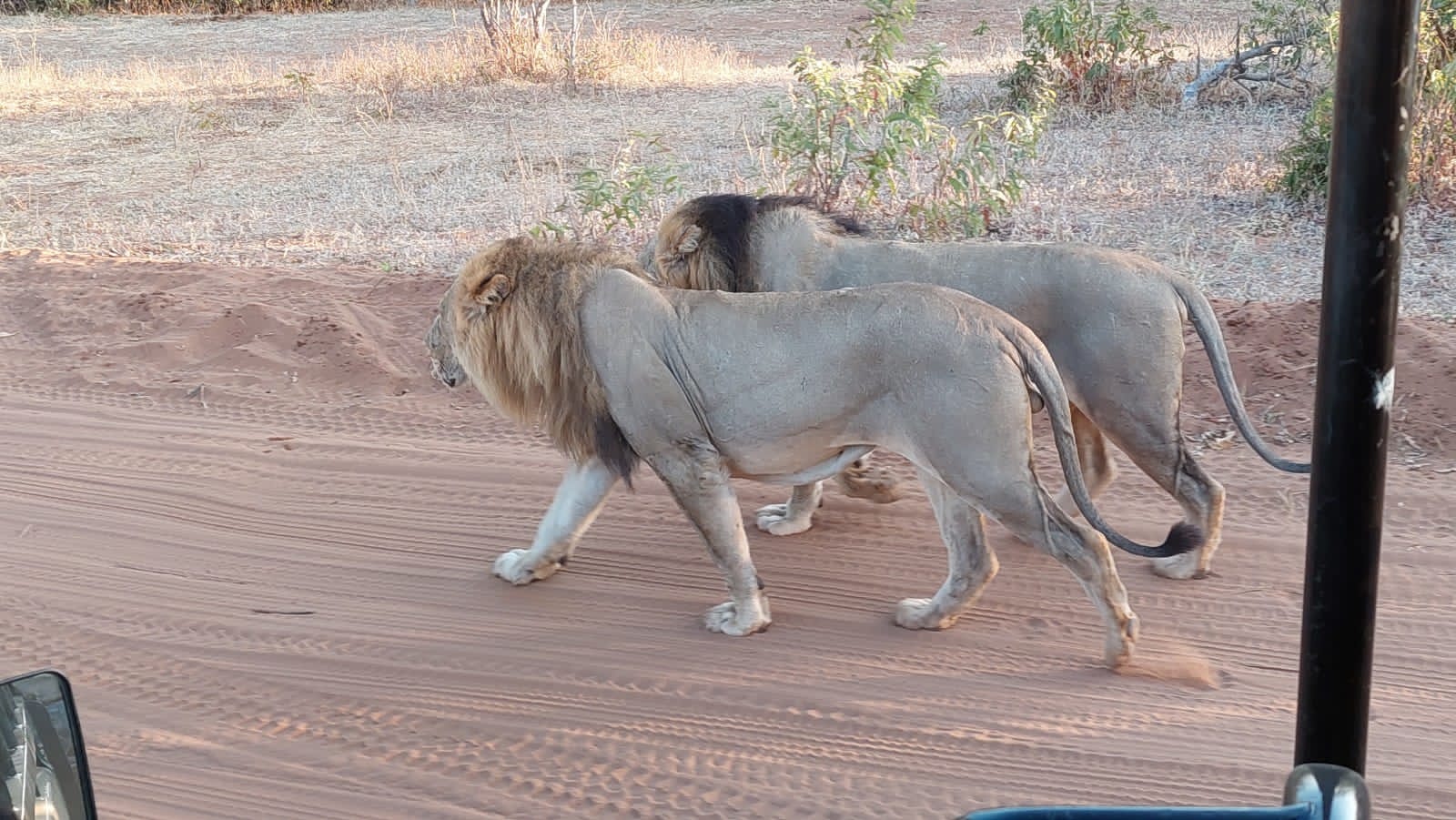
Both nations share incredible wildlife. You'll spot elephants, lions, leopards, buffalo, and African wild dogs in either country. However, the safari experience differs significantly. Zambia emphasizes immersive walking adventures and close wildlife encounters. Botswana focuses on comfort, luxury accommodations, and photographic opportunities. Your choice depends on whether you prioritize adventure and value or luxury and convenience.
Why Compare Zambia and Botswana?
Both are top-tier safari destinations. They're home to Africa's richest wildlife ecosystems and untouched wilderness areas. Zambia offers adventurous, immersive walking safaris with smaller group sizes and lower costs. Botswana offers luxury camps, professional guides, and premium water-based experiences in the Okavango Delta. Neither destination is "better"—each suits different travelers. Your priorities determine which destination wins for you.
Wildlife & National Parks: Zambia vs Botswana
Zambia and Botswana both deliver exceptional wildlife viewing, but their parks offer distinct experiences. South Luangwa and Lower Zambezi in Zambia are known for walking safaris and intimate wildlife encounters. The Okavango Delta and Chobe in Botswana are famous for water-based safaris and large elephant herds. Understanding each park's strengths helps you decide which destination matches your safari dreams.
Zambia's Top Parks
South Luangwa National Park is Zambia's premier safari destination. The park covers 9,050 square kilometers of pristine wilderness along the Luangwa River. South Luangwa is known for walking safaris, where you trek alongside professional guides to spot wildlife on foot. You'll encounter leopards, lions, elephants, hippos, and African wild dogs in their natural habitat. The park is particularly famous for leopard sightings—more leopards roam here than in many other African parks.
Lower Zambezi National Park sits along the Zambezi River in southern Zambia. This 4,092-square-kilometer park offers a mix of walking and canoe safaris. You'll float down the river to spot elephants drinking at the water's edge, crocodiles basking on sandbanks, and hippos submerged in the shallows. Lower Zambezi is less crowded than South Luangwa, making it ideal for travelers seeking solitude and authentic wilderness. The combination of walking and water-based activities creates a unique, immersive experience.
Kafue National Park is Zambia's largest protected area, covering 22,400 square kilometers. Despite its size, Kafue remains one of Africa's least visited parks, offering pristine wilderness and outstanding wildlife viewing without crowds. The park is home to large elephant herds, buffalo, wild dogs, and over 500 bird species. Walking safaris through Kafue provide intimate encounters with African wildlife in a truly remote setting.
Botswana's Top Parks
The Okavango Delta is Botswana's crown jewel and one of Africa's most unique ecosystems. This 15,000-square-kilometer inland delta creates a water paradise in the heart of the Kalahari Desert. The Okavango features channels, lagoons, and islands teeming with wildlife. You'll explore the delta by traditional mokoro (dugout canoe), gliding silently through papyrus beds to spot elephants, buffalo, lions, and hundreds of bird species. The water-based safari experience is unforgettable and unlike anything you'll find in Zambia.
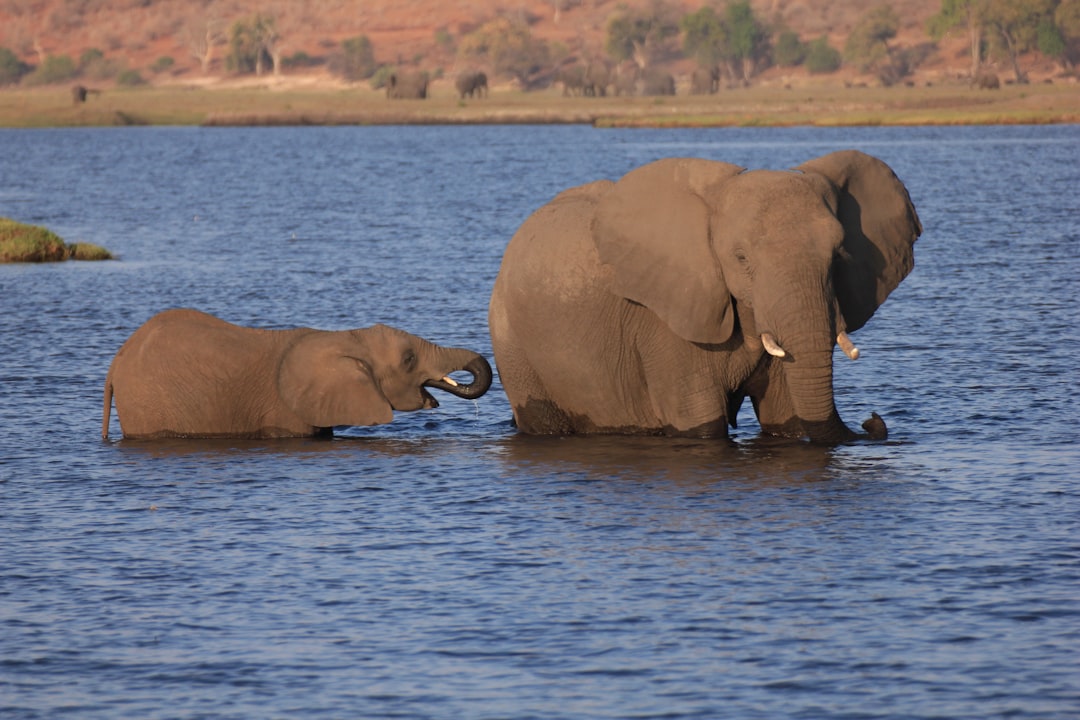
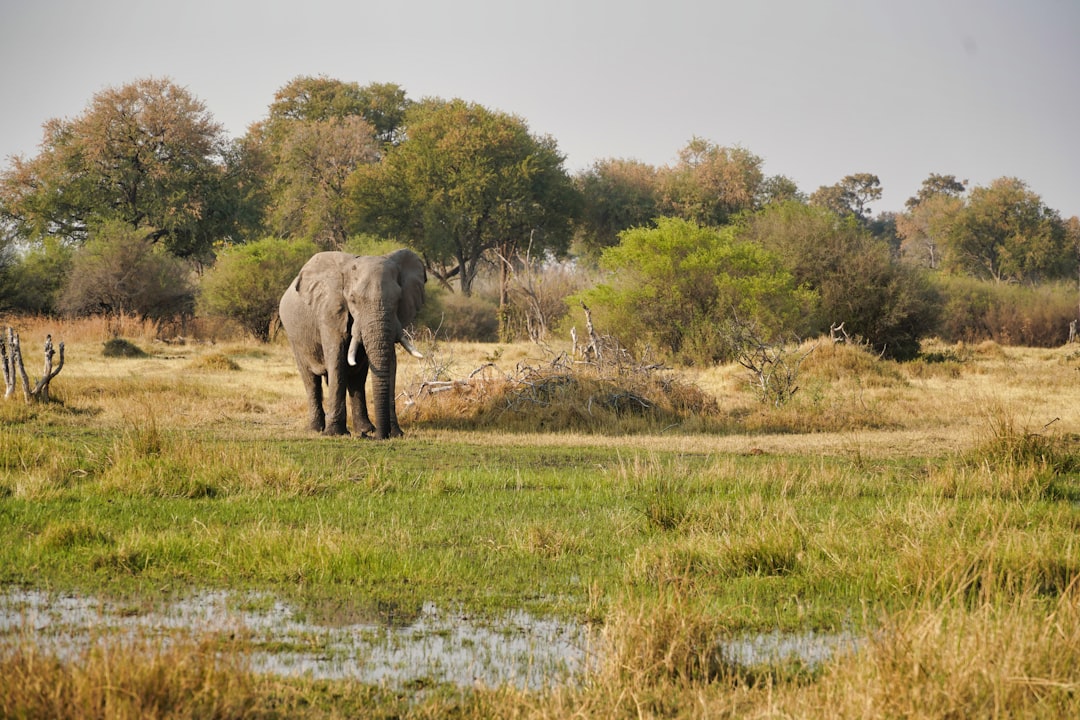
Chobe National Park covers 10,566 square kilometers in northern Botswana. Chobe is famous for having Africa's largest elephant population—over 120,000 elephants roam the park. The Chobe River creates a natural gathering point for wildlife, especially during the dry season. Game drives and boat safaris along the river offer spectacular wildlife viewing, particularly in October when animals congregate at the water's edge. Chobe is closer to Victoria Falls, making it easy to combine with other Southern African attractions.
Moremi Game Reserve sits within the Okavango Delta and protects 4,871 square kilometers of pristine habitat. Moremi combines the water-based safari experience of the delta with traditional game drives. The reserve is home to all of Africa's major predators and large herbivore herds. Professional guides lead safaris that showcase the delta's unique ecosystem and abundant wildlife. Moremi offers a premium safari experience with excellent wildlife viewing and luxury accommodations.
Learn more about whether Zambia is good for safari in 2026 to help compare wildlife quality and safety between destinations.
Safari Costs: Zambia vs Botswana in 2026
Cost is a major factor when choosing between Zambia and Botswana. Zambia offers significantly lower prices while maintaining excellent quality. Botswana commands premium rates due to luxury infrastructure and the Okavango Delta's exclusivity. Understanding the cost breakdown helps you budget accurately and find the best value for your safari investment in 2026.
Zambia Safari Pricing
A 7-day Zambia safari costs $1,500–$3,500 per person in 2026, depending on accommodation level and park choice. Budget safaris with basic camps and shared game drives start around $1,500–$2,000 per person. Mid-range safaris with comfortable lodges and professional guides cost $2,500–$3,000 per person. Luxury safaris with premium camps and private guides reach $3,500–$4,000+ per person.
Walking safaris in Zambia are typically less expensive than luxury lodge stays. Many operators offer multi-day walking safari packages that include camping or simple accommodation, meals, and expert guides. These immersive experiences cost $2,000–$3,000 for 7 days. The lower cost reflects Zambia's developing tourism infrastructure and smaller operator margins. Internal flights to remote parks add $300–$600 per person, but these costs remain lower than Botswana's charter flights.
Zambian camps tend to be less expensive than Botswana camps, but charter flight costs can add to the overall price. If your safari requires charter flights to reach remote parks like Lower Zambezi or parts of Kafue, expect to pay $400–$800 extra. However, South Luangwa is accessible by scheduled flights from Lusaka, keeping costs lower. Compare Zambia safari costs for budget vs luxury packages to find options matching your budget.
Botswana Safari Pricing
A 7-day Botswana safari costs $3,000–$8,000+ per person in 2026, with most travelers spending $5,000–$7,000. Budget safaris with basic accommodations and group game drives start around $3,000–$4,000 per person. Mid-range safaris with comfortable lodges cost $5,000–$6,000 per person. Luxury safaris with premium camps, private guides, and exclusive experiences reach $7,000–$10,000+ per person.
Okavango Delta safaris command the highest prices due to limited capacity and exclusive camp experiences. A luxury Okavango safari costs $6,000–$10,000 per person for 7 days. The delta's water-based safaris, mokoro excursions, and remote island camps justify premium pricing. Chobe National Park safaris are slightly less expensive, ranging from $4,000–$7,000 for 7 days, since the park is more accessible and has more accommodation options.
Botswana safari costs include charter flights to reach remote camps, which add $500–$1,200 per person to the total. Most Botswana safaris require domestic charter flights from Maun or Kasane to reach delta camps and remote lodges. These flights are expensive but necessary for accessing exclusive locations. The premium pricing reflects Botswana's high-quality camps, professional guides, and exclusive wildlife experiences. You're paying for luxury, not just wildlife viewing.
Cost Comparison Table
| Category | Zambia | Botswana |
|---|---|---|
| Budget 7-Day Safari | $1,500–$2,500 | $3,000–$4,500 |
| Mid-Range 7-Day Safari | $2,500–$3,500 | $5,000–$6,500 |
| Luxury 7-Day Safari | $3,500–$4,500 | $7,000–$10,000+ |
| Charter Flights | $300–$800 | $500–$1,200 |
| Daily Camp Meal Cost | $15–$35 | $30–$60 |
| Guide Tip (Daily) | $10–$20 | $20–$40 |
Zambia offers better value for budget-conscious travelers. You'll spend 40–50% less on a Zambia safari compared to Botswana for similar quality. However, Botswana's premium experiences justify the higher cost for luxury travelers willing to invest more. Find budget-friendly Botswana safari options if you want to experience the delta without spending $8,000+ per person.
Safari Style & Experience: Walking vs Luxury
Zambia and Botswana offer fundamentally different safari experiences. Zambia emphasizes walking safaris, adventure, and raw wilderness. Botswana focuses on luxury camps, comfort, and exclusive water-based experiences. Your preferred travel style determines which destination suits you best. Are you seeking adventure and immersion, or comfort and convenience?
Zambia's Walking Safari Experience
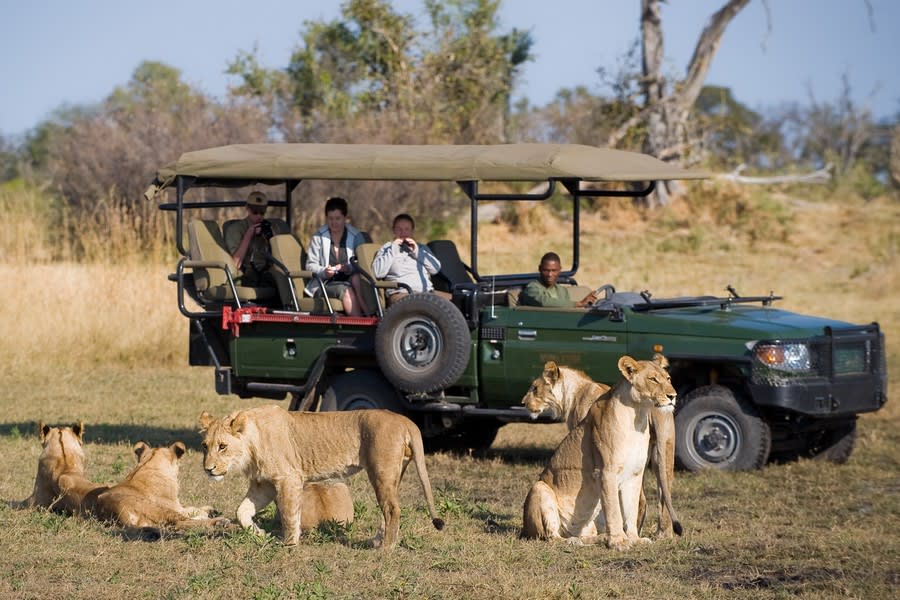
Walking safaris are Zambia's signature experience. You trek through the bush with professional guides, spotting wildlife on foot rather than from a vehicle. Walking safaris create intimate wildlife encounters impossible from a car. You'll hear the snap of branches, smell the grass, and feel the African landscape around you. Guides teach you to read animal tracks, identify bird calls, and understand predator-prey dynamics in real time.
Walking safaris in Zambia typically last 3–5 hours daily, covering 15–25 kilometers per day. You'll start at dawn when animals are most active, rest during midday heat, and resume in late afternoon. Guides carry rifles for safety but rarely need them. Your main focus is observation, photography, and learning about wildlife behavior. Walking safaris suit fit travelers aged 12–75 who enjoy hiking and outdoor adventure. Explore walking safari costs and operator guides in Zambia for detailed information on this unique experience.
Zambia's camps are typically rustic but comfortable. You'll sleep in canvas tents, eat hearty meals cooked over fire, and gather around the campfire at night listening to the African bush. Amenities are basic—bucket showers, pit toilets, and kerosene lamps—but the experience is authentic and unforgettable. This rustic approach keeps costs low and immerses you completely in the African wilderness.
Botswana's Luxury Safari Experience
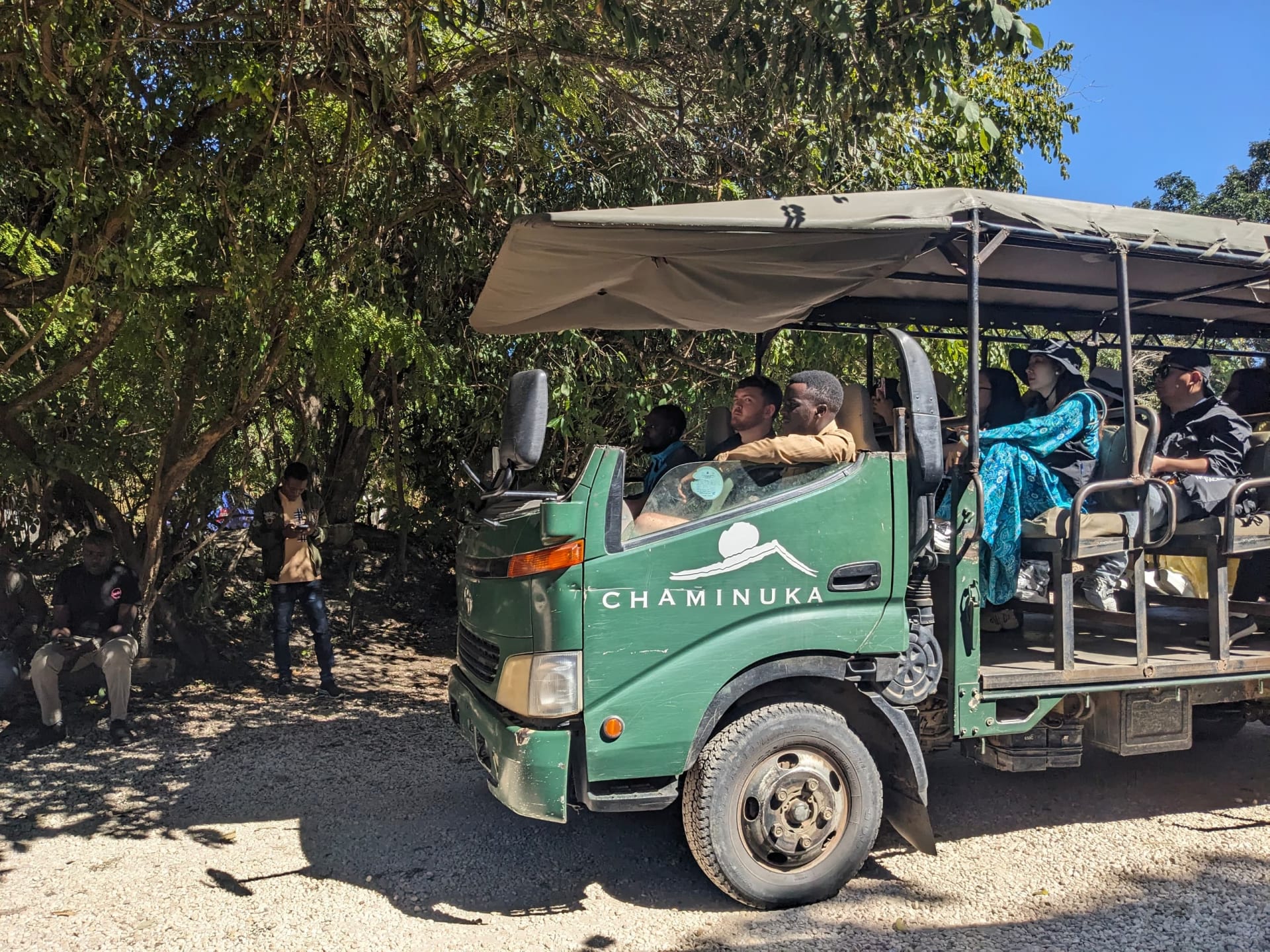
Botswana safaris prioritize luxury, comfort, and exclusive experiences. You'll stay in high-end camps featuring en-suite bathrooms, fine dining, and premium amenities. Game drives are conducted in open-top vehicles with professional guides who communicate via radio to track wildlife sightings. Mokoro safaris float silently through the Okavango Delta's channels, offering photographic opportunities and peaceful water-based exploration.
Botswana camps offer all-inclusive packages with meals, drinks, activities, and guides included. Your day starts with sunrise game drives, followed by breakfast and rest. Afternoon activities include additional game drives, mokoro excursions, or guided walks. Evenings feature gourmet dinners, premium wines, and cultural presentations. You return to your spacious tent or lodge room for comfort and relaxation.
Botswana safaris suit travelers seeking convenience, comfort, and world-class service. You'll experience Africa without sacrificing modern amenities. Professional guides provide expert wildlife knowledge and photography tips. The Okavango Delta's water-based safaris are unique to Botswana and unavailable in Zambia. If you prefer comfort over adventure, Botswana delivers an unforgettable luxury experience.
Best Time to Visit Both Countries
The best time for both Zambia and Botswana is May–October (the dry season). During these months, animals congregate at water sources, making wildlife viewing excellent. Temperatures are cool and pleasant—typically 15–25°C (59–77°F) in mornings and evenings, warming to 25–28°C (77–82°F) by midday. October is the hottest and driest month in Botswana, which makes for good game viewing but uncomfortable conditions. Rainfall is minimal, skies are clear, and insects are fewer.
Many camps close during Zambia's intense rainy season, which falls between November and May. The rainy season transforms the landscape into lush green vegetation, attracting migratory birds and young animals. However, roads become muddy, some parks close, and wildlife is more dispersed. Budget travelers can find discounted rates during shoulder seasons (April–May and September–October), but wildlife viewing is less reliable.
Peak season (July–September) offers the best wildlife viewing but highest prices and largest crowds. If you're flexible with dates, visit in May or October for excellent wildlife viewing with fewer tourists and moderate prices. Book your safari 3–6 months in advance to secure the best accommodations and guides during peak season.
Getting There & Practical Information
Reaching Zambia and Botswana requires international flights and internal transfers. Both countries have modern airports with good connections to major African hubs. Understanding entry requirements, transportation options, and practical logistics helps you plan your safari trip smoothly in 2026.
Getting to Zambia
Zambia's main international airport is Harry Mwanga Nkumbula International Airport (LUN) in Lusaka, the capital. Major airlines including Ethiopian Airlines, Kenya Airways, and South African Airways serve Lusaka with connections from Europe, North America, and Asia. Flight times from London are approximately 18–24 hours (with one connection), from New York about 22–30 hours. From Lusaka, you'll take a domestic flight to reach safari parks—typically 1–2 hours to South Luangwa or Lower Zambezi.
Visa requirements for Zambia are straightforward. Most Western travelers receive a 90-day tourist visa on arrival or can apply online beforehand. No yellow fever vaccination is required to enter Zambia, but it's recommended if you're traveling from other African countries. Malaria is present in safari areas, so antimalarial medication is essential. Pack insect repellent, lightweight long sleeves, and long pants for evening protection.
Getting to Botswana
Botswana's main airport is Sir Seretse Khama International Airport (GBE) in Gaborone, the capital. International flights connect through South Africa, Kenya, or other regional hubs. Alternatively, fly directly to Kasane Airport (BBK) in northern Botswana, which serves Chobe National Park and the Okavango Delta region. Arrival details: Plan flights to arrive on your safari start date, typically in the morning or early afternoon. If visiting the Okavango Delta, you may fly from Kasane to Maun, then charter to your camp.
Botswana's visa policy is similar to Zambia's. Most Western travelers receive 90-day tourist visas on arrival. Yellow fever vaccination is not required unless arriving from endemic countries. Malaria precautions are essential in the delta and northern regions. Gaborone and Maun have modern medical facilities, but remote safari areas have limited healthcare. Travel insurance covering medical evacuation is highly recommended.
Currency & Money Matters
Zambia uses the Zambian Kwacha (ZMW). Botswana uses the Botswana Pula (BWP). Both countries have ATMs in major cities, but remote safari areas don't have banking facilities. Withdraw cash in Lusaka or Gaborone before traveling to your safari destination. Credit cards are accepted at upscale camps and lodges, but smaller operations require cash. Exchange rates as of July 2026 are approximately 25 ZMW per USD and 13 BWP per USD, though rates fluctuate.
Most safari packages include accommodation, meals, and activities, so you'll primarily need cash for tips, drinks, and souvenirs. Budget $15–$30 daily for tips (guides, porters, and camp staff). Tipping is customary and appreciated. Larger camps have shops selling drinks, snacks, and souvenirs at marked-up prices—bringing cash is advisable.
Health, Safety & Practical Considerations
Both Zambia and Botswana are generally safe safari destinations. However, understanding health precautions and practical considerations ensures a safe, enjoyable trip. Malaria is the primary health concern in both countries, particularly in safari areas. Taking prescribed antimalarial medication, using insect repellent, and wearing protective clothing significantly reduce malaria risk.
Health Precautions
Consult your doctor 4–6 weeks before travel to receive antimalarial medication appropriate for your health profile. Chloroquine-resistant malaria is prevalent in both countries, so modern medications like atovaquone-proguanil or artemether-lumefantrine are recommended. Take medication as prescribed—missing doses reduces effectiveness. Combine medication with mosquito prevention: use 20–30% DEET insect repellent, wear long sleeves and pants at dawn and dusk, and sleep under mosquito nets.
Yellow fever vaccination is not required for entry to either country unless arriving from endemic zones. However, the CDC recommends vaccination for travelers to both Zambia and Botswana. Typhoid, hepatitis A, and routine childhood vaccinations are also recommended. Ensure travel insurance covers medical evacuation—remote safari areas have limited medical facilities.
Safety & Wildlife Precautions
Both countries have experienced guides trained in wildlife safety. Listen to your guide's instructions carefully and never approach wildlife without permission. Respect the 20-meter minimum distance from animals—wildlife is unpredictable and dangerous if provoked. Guides carry rifles for protection but use them only in genuine emergencies. Walking safari guides are extensively trained and have excellent safety records.
Political stability in both countries is good. Zambia and Botswana are among Africa's most stable nations with low crime rates targeting tourists. Petty theft occurs in major cities, so secure valuables in your hotel safe. Remote safari areas are extremely safe with minimal crime. Exercise normal travel precautions: avoid walking alone at night in cities, don't display expensive jewelry or cameras, and use registered taxis.
Key Takeaways
- Book Zambia safaris 3–6 months ahead to save 15–20% on peak season rates and secure spots at popular walking safari camps in South Luangwa and Lower Zambezi.
- Choose Zambia if you're budget-conscious: 7-day safaris cost $1,500–$3,500 per person, roughly 40–50% less than Botswana's $3,000–$8,000+ pricing for comparable quality.
- Visit during May–October dry season for excellent wildlife viewing, cool temperatures, and minimal rainfall in both countries, avoiding November–April rainy season closures.
- Expect walking safaris in Zambia with rustic camps and immersive wilderness experiences, versus luxury lodges and water-based mokoro safaris in Botswana's Okavango Delta.
- Take antimalarial medication and DEET insect repellent 4–6 weeks before travel to both countries, where malaria is present but preventable with proper precautions.
Frequently Asked Questions
How much does a safari in Zambia cost compared to Botswana?
A 7-day Zambia safari costs $1,500–$3,500 per person in 2026, while a comparable Botswana safari costs $3,000–$8,000+ per person. Zambia is approximately 40–50% cheaper due to lower accommodation costs and fewer charter flight requirements. Budget safaris in Zambia start around $1,500–$2,000, while Botswana's budget options begin at $3,000. Both offer mid-range and luxury options at progressively higher prices.
What is the best time to visit Zambia and Botswana?
The best time is May–October (dry season) for both countries. During these months, wildlife congregates at water sources, making viewing excellent. Temperatures are cool and pleasant, rainfall is minimal, and skies are clear. October is the hottest and driest month in Botswana, offering good game viewing but uncomfortable heat. Peak season (July–September) provides the best wildlife viewing but highest prices and crowds. Visit in May or October for excellent viewing with fewer tourists and moderate costs.
Which country offers better wildlife viewing: Zambia or Botswana?
Both offer exceptional wildlife viewing but in different styles. Zambia excels at walking safari experiences with intimate leopard and lion encounters in South Luangwa and Lower Zambezi. Botswana is famous for large elephant herds in Chobe and the unique water-based safari experience in the Okavango Delta. Neither is objectively "better"—it depends on your preferences. Zambia suits travelers seeking adventure and close encounters; Botswana suits those wanting luxury and exclusive experiences.
Is Zambia or Botswana safer for tourists?
Both countries are safe safari destinations. Zambia and Botswana rank among Africa's most stable nations with low crime rates targeting tourists. Remote safari areas in both countries are extremely safe with excellent guide training and wildlife protocols. Petty theft occurs in major cities like Lusaka and Gaborone, but this rarely affects safari tourists. Exercise normal travel precautions: avoid walking alone at night in cities and secure valuables. Safari camps have excellent safety records in both nations.
What are the top national parks in Zambia and Botswana?
Zambia's top parks are South Luangwa (9,050 sq km, famous for walking safaris and leopards), Lower Zambezi (4,092 sq km, offering walking and canoe safaris), and Kafue (22,400 sq km, Zambia's largest park with pristine wilderness). Botswana's top parks are the Okavango Delta (15,000 sq km, featuring water-based safaris and mokoro excursions), Chobe (10,566 sq km, home to Africa's largest elephant population), and Moremi Game Reserve (4,871 sq km, combining water and land safaris). Each offers distinct experiences and wildlife viewing opportunities.
What malaria precautions should I take before visiting Zambia or Botswana?
Consult your doctor 4–6 weeks before travel to receive antimalarial medication suited to your health profile. Modern medications like atovaquone-proguanil or artemether-lumefantrine are recommended due to chloroquine-resistant malaria in both countries. Take medication as prescribed—missing doses reduces effectiveness. Combine medication with mosquito prevention: use 20–30% DEET insect repellent, wear long sleeves and pants at dawn and dusk, and sleep under mosquito nets. These precautions reduce malaria risk to minimal levels. Yellow fever vaccination is recommended by the CDC for both countries.
How do I book a safari in Zambia or Botswana?
Compare verified safari packages on SafariFind to explore operators, read authentic traveler reviews, and request quotes from multiple operators. SafariFind lists verified tour operators offering 7–10-day packages in both countries with transparent pricing and ratings. Review past traveler experiences, compare package inclusions, and contact operators directly for custom itineraries. Book 3–6 months in advance for peak season (July–September) to secure the best accommodations and guides. SafariFind helps you find your perfect safari match with confidence.
Conclusion
Zambia and Botswana are both world-class safari destinations, but they serve different travelers. Zambia offers exceptional value with immersive walking safaris, raw wilderness, and lower costs. A 7-day Zambia safari costs $1,500–$3,500 per person, making it ideal for budget-conscious adventurers seeking authentic African experiences. South Luangwa and Lower Zambezi deliver unforgettable wildlife encounters and cultural immersion.
Botswana delivers luxury safari experiences with premium camps, professional guides, and exclusive water-based adventures. The Okavango Delta is one of Africa's most iconic destinations, offering mokoro safaris and wildlife viewing unavailable elsewhere. A 7-day Botswana safari costs $3,000–$8,000+ per person, justifying the premium through exceptional comfort and unique experiences. Chobe's massive elephant herds and Moremi's pristine habitats showcase Botswana's wildlife richness.
Your choice depends on priorities. Choose Zambia if you prioritize budget, adventure, and immersion. Choose Botswana if you prioritize luxury, comfort, and exclusive experiences. Both countries are safe, stable, and offer excellent wildlife viewing during the May–October dry season. Malaria precautions (antimalarial medication, insect repellent, protective clothing) are essential for both destinations.
Ready to book your Southern African safari? Compare verified safari packages on SafariFind to explore operators in both Zambia and Botswana. Read authentic reviews from past travelers, view detailed package inclusions, and request quotes from multiple verified operators. SafariFind helps you find your perfect safari match at the best price. Whether you choose Zambia's walking adventures or Botswana's luxury experiences, your African safari awaits in 2026.
Plan Your Safari with SafariFind
These recommendations use real data from SafariFind, where you can compare operators, browse packages, and read verified traveler reviews before you book.
Recommended Safari Operators from SafariFind
Recommended Safari Packages from SafariFind
What Travelers Say (SafariFind Reviews)
References
- African Trek Travel – Zambia vs Botswana: Which Is Better 2026–2027
- Climb4Africa – Best Guide, Zambia vs Botswana: Which Is Better 2026–2028
- Adventure Life – Best Zambia Tours and Cruises 2026–2027
- Go2Africa – What Does an African Safari Cost? 2026 Guidelines
- Naturalist Journeys – Zambia–Botswana Wildlife Safari: Kafue & South Luangwa National Parks, Okavango
- Top Guide Adventures – Zambia vs Botswana: Which Is Better 2028–2030
- Odyssey Safaris – Best Countries to Visit in Africa 2026: The Ultimate Safari Guide
- Cedarberg Travel – Botswana vs Zambia vs Zimbabwe: Which Safari Fits You Best?
Sources
- African Trek Travel – Zambia vs Botswana: Which Is Better 2026–2027
- Climb4Africa – Best Guide, Zambia vs Botswana: Which Is Better 2026–2028
- Adventure Life – Best Zambia Tours and Cruises 2026–2027
- Go2Africa – What Does an African Safari Cost? 2026 Guidelines
- Naturalist Journeys – Zambia–Botswana Wildlife Safari: Kafue & South Luangwa National Parks, Okavango
- Top Guide Adventures – Zambia vs Botswana: Which Is Better 2028–2030
- Odyssey Safaris – Best Countries to Visit in Africa 2026: The Ultimate Safari Guide
- Cedarberg Travel – Botswana vs Zambia vs Zimbabwe: Which Safari Fits You Best?
Related to
Ready to start your safari adventure?
Explore curated safari packages and find your perfect African adventure with verified operators.