Zimbabwe Safari Safety 2026: Is It Safe Right Now?
Zimbabwe safaris are generally safe in 2026, especially in Hwange and Victoria Falls. Learn current conditions, safety tips, and how to book verified operators.

Zimbabwe Safari Safety 2026: Safe Right Now?
Last updated: July 2026
Zimbabwe is generally safe for tourists in 2026, especially in safari areas like Hwange National Park and Victoria Falls where security has improved significantly. Visitors should exercise caution in urban centers and avoid political gatherings. Book through verified SafariFind operators for the safest, most reliable safari experiences with professional guides and secure lodges.
At a Glance
- Safety Status: Generally safe in tourist areas; exercise caution in cities
- Best Safari Areas: Hwange National Park, Victoria Falls, Zambezi River
- Peak Tourist Season: June to October (dry season)
- Duration: 5-7 days recommended for optimal experience
- Best for: Wildlife enthusiasts, adventure travelers, first-time safari-goers
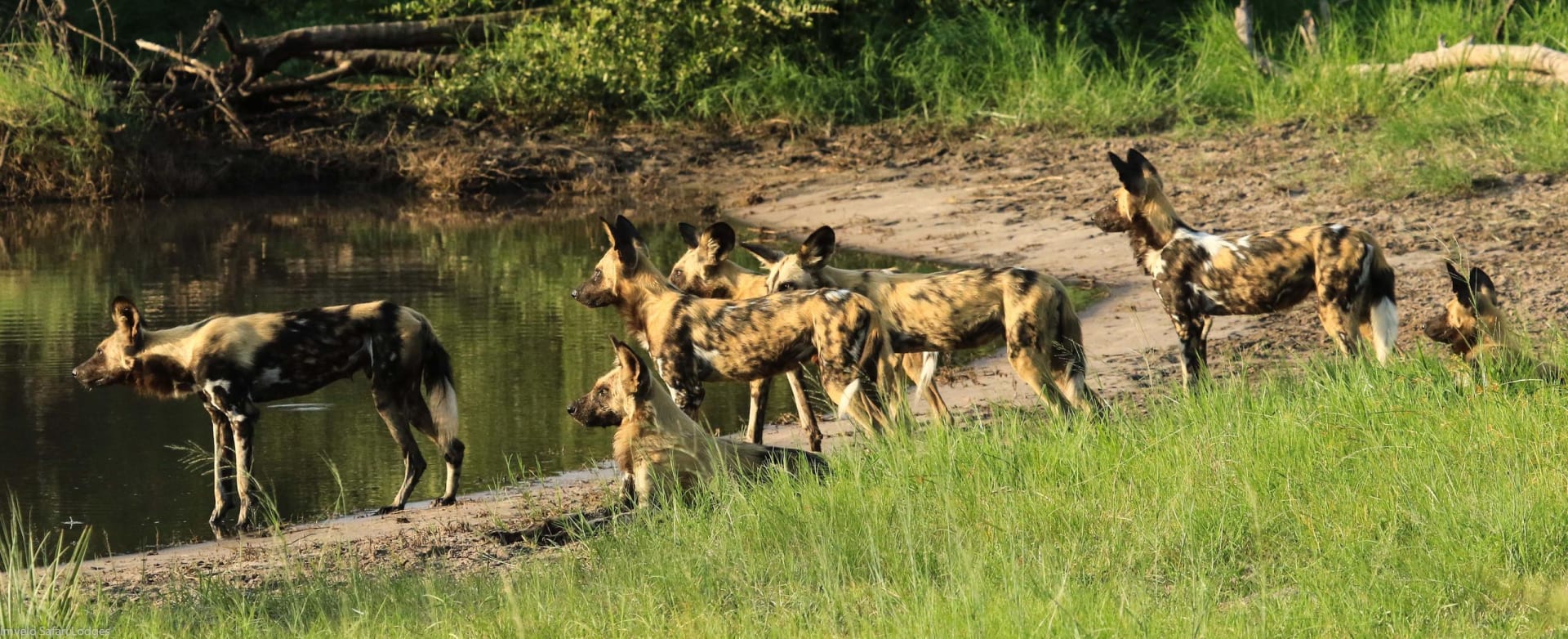
- Wildlife Highlights: Massive elephant herds, lions, wild dogs, 400+ bird species
Introduction
Zimbabwe safari safety in 2026 is generally good in major tourist destinations like Hwange National Park and Victoria Falls, where security infrastructure and professional tourism services have strengthened. Key safari areas maintain excellent safety records with experienced guides and secure lodges. However, visitors should stay informed about local conditions and avoid urban centers during peak hours.
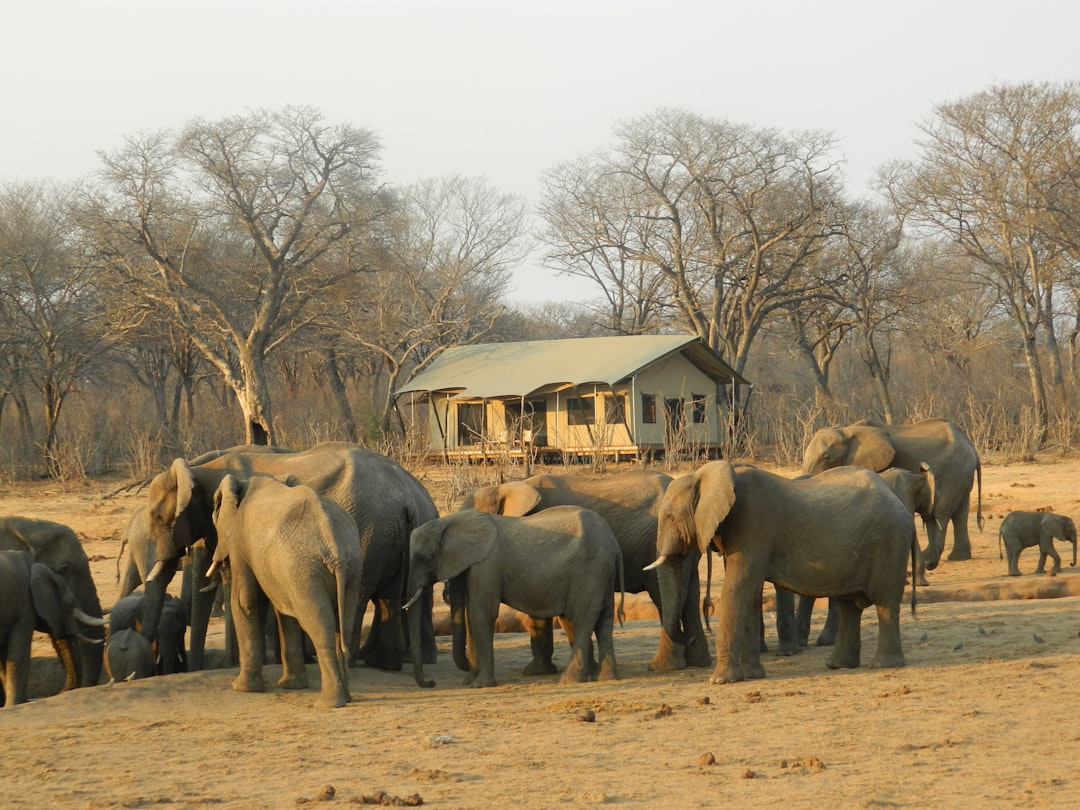
Zimbabwe has emerged as one of Africa's premier safari destinations, attracting thousands of travelers annually who seek authentic wildlife experiences and cultural immersion. The country's vast wilderness areas, including Hwange National Park with its massive elephant populations and the iconic Victoria Falls, offer world-class safari opportunities.
Understanding current safety conditions is essential for planning your Zimbabwe safari. This guide covers everything you need to know about traveling safely in 2026, from urban precautions to wildlife safety protocols. We'll help you navigate real risks while discovering why experienced travelers continue choosing Zimbabwe for unforgettable safari adventures.
Is Zimbabwe Safe for Safari Travel in 2026?
Zimbabwe is generally safe to travel to in 2026, especially in key tourist areas like Victoria Falls and Hwange National Park where security has improved. The country welcomes hundreds of thousands of visitors annually who experience safe, memorable safari adventures with proper planning and awareness.
Hwange National Park stands as safari royalty in southern Africa. This vast protected area covers over 14,600 square kilometers and hosts massive elephant herds, lions, wild dogs, and more than 400 bird species. The park maintains excellent safety standards with professional guides, secure lodges, and well-established wildlife protocols.
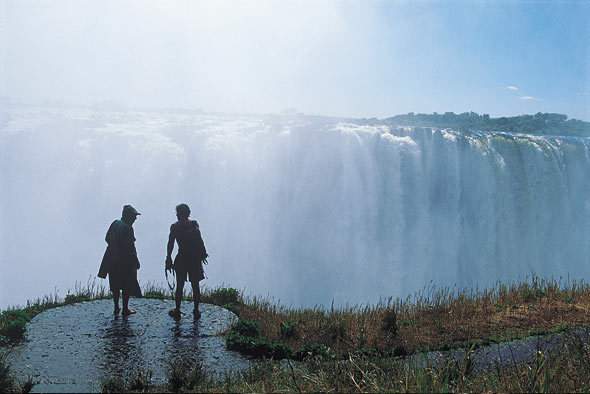
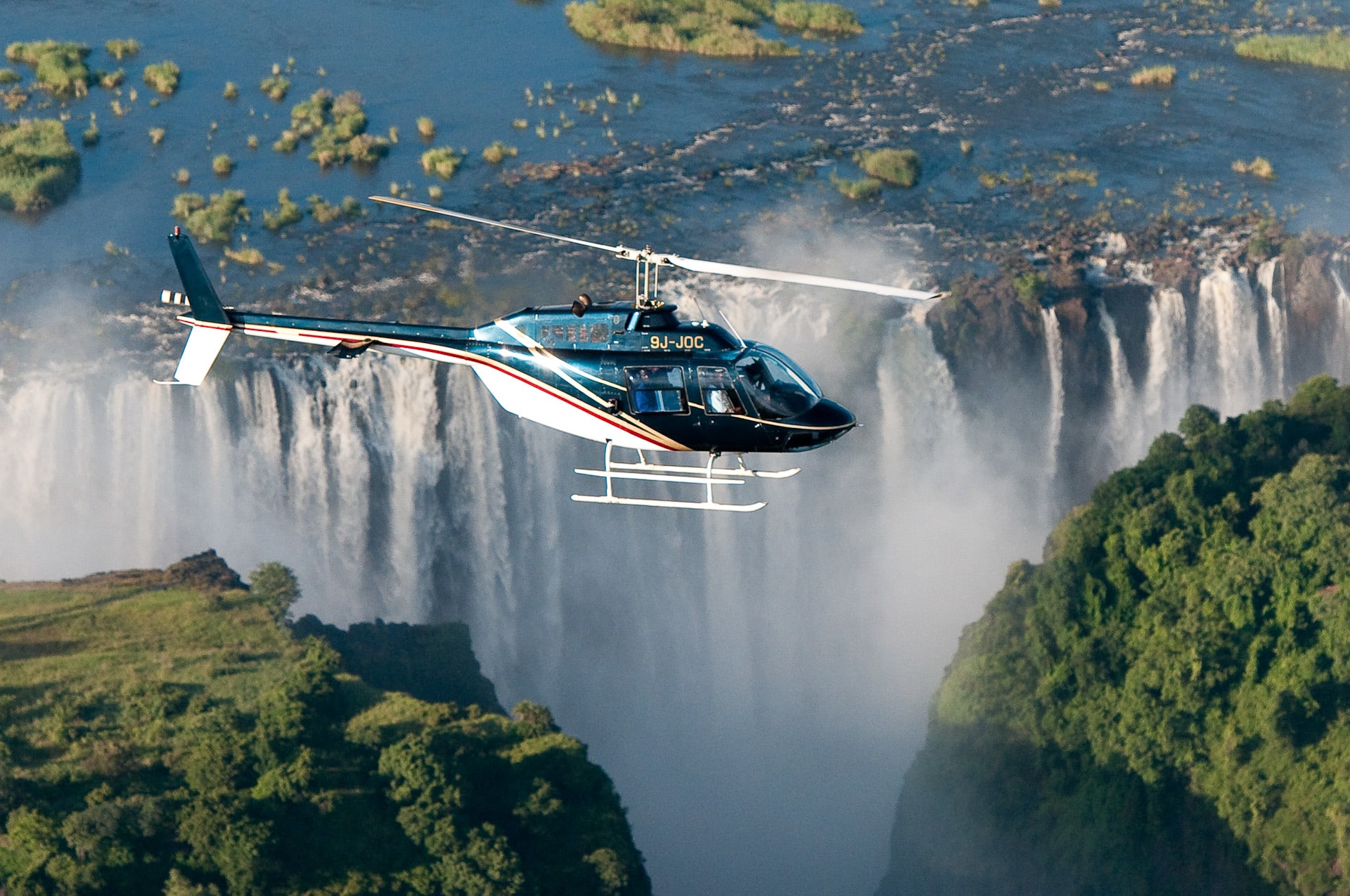
Victoria Falls, one of the world's natural wonders, operates as a major tourism hub with strong security infrastructure. Walking safaris, canoe trips along the Zambezi River, and guided wildlife tours run smoothly with experienced operators who prioritize visitor safety.
The key to safe safari travel in Zimbabwe is choosing established areas and verified operators. Compare verified Zimbabwe safari tour operators on SafariFind to find professionally-managed companies with strong safety records and authentic traveler reviews.
Current Safety Conditions in Zimbabwe (July 2026)
As of July 2026, Zimbabwe continues to advise visitors to exercise a high degree of caution, particularly regarding demonstrations and protests which can occur unpredictably and may turn violent quickly. However, these warnings primarily affect urban centers rather than established safari destinations.
Tourist hotspots like Hwange, Victoria Falls, and Zambezi areas operate normally with strong security presence and professional management. These regions maintain separate security infrastructure from urban political activities, creating safe environments for safari-goers.
Petty crime occurs in urban centers such as Harare and Bulawayo, including theft and pickpocketing, particularly in crowded areas and at night. Visitors should avoid displaying expensive items, use registered taxis, and stay in well-established accommodations with security features.
The contrast between urban and safari areas is important: your safari experience in protected parks and tourism zones operates under different conditions than city centers. Professional safari lodges and camps provide secure environments with experienced staff trained in visitor safety.
What Safety Measures Should You Follow?
Safaris are highly controlled environments with professional guides, secure lodges, and established safety protocols. Most wildlife incidents are preventable with proper awareness and good preparation. Following these practical steps ensures a secure safari experience in Zimbabwe.
Before Your Safari Trip
Register with your embassy or consulate before traveling to Zimbabwe. Provide family members with your itinerary, lodge contacts, and emergency numbers. Purchase comprehensive travel insurance that covers medical evacuation, as remote safari areas may require helicopter rescue in emergencies.
Check vaccination requirements and health advisories. Yellow fever, malaria, and typhoid vaccinations are commonly recommended. Consult your doctor at least 4-6 weeks before departure about antimalarial medications suitable for your health profile.
Obtain necessary permits well in advance. Drone operators must submit applications at least 30 days before travel, as arriving without correct permits may result in confiscation at the airport. Review visa requirements and ensure your passport has at least 6 months validity beyond your travel dates.
During Your Safari
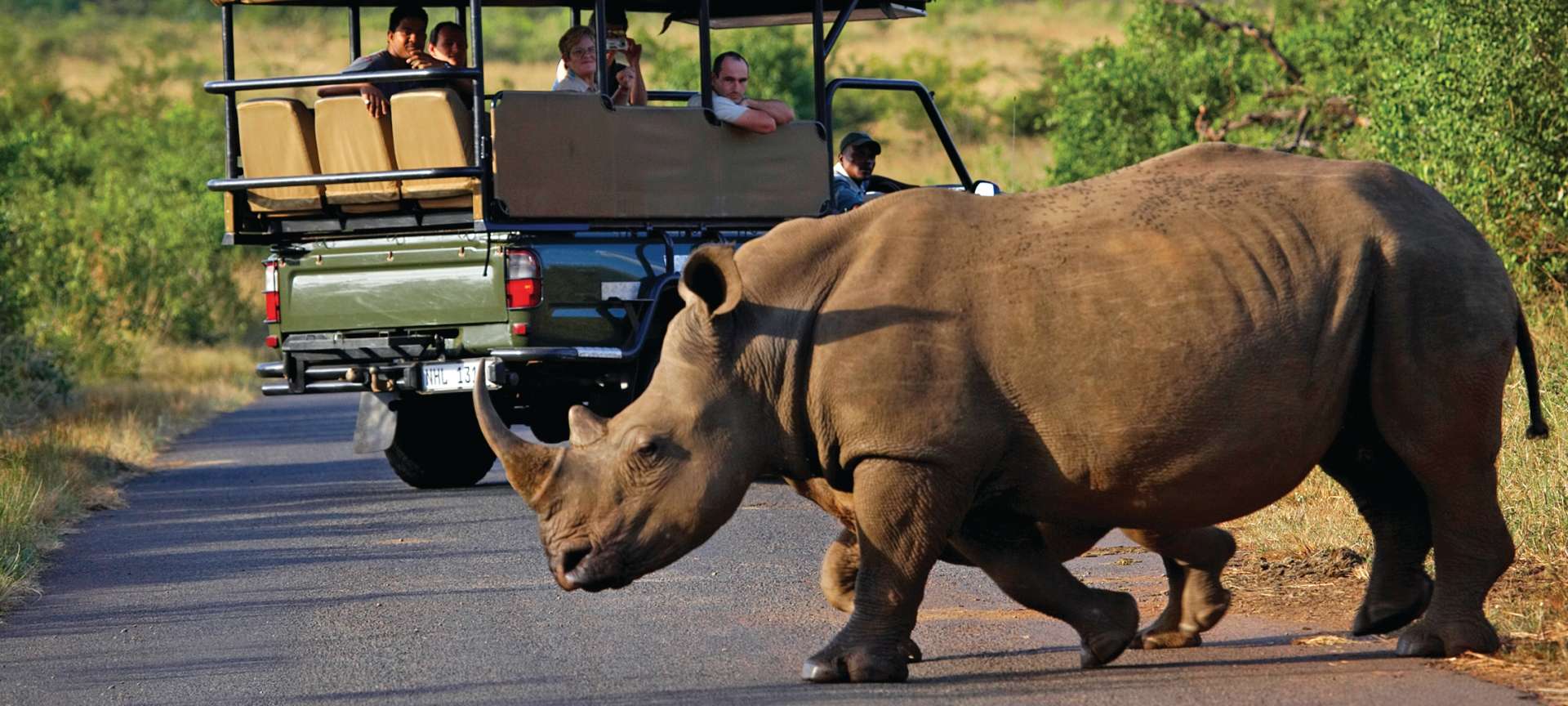
Stay with your guide at all times during wildlife viewing. Professional guides understand animal behavior and know safe distances for photography and observation. Never approach animals independently or wander alone in the bush.
Follow all lodge security protocols. Lock your room when absent, use safes for valuables, and avoid walking alone after dark. Most safari lodges employ night security staff and provide safe pathways between accommodations.
Respect wildlife boundaries and listen carefully to guide instructions about dangerous animals. Keep noise levels low during game drives to avoid disturbing wildlife. Stay hydrated, wear sun protection, and bring necessary medications in original containers.
In Urban Areas
If visiting cities like Harare or Bulawayo, use registered taxis rather than hailing vehicles on streets. Avoid displaying cameras, jewelry, or large amounts of cash. Stay in established hotels with security features and avoid walking in unfamiliar neighborhoods at night.
Avoid political gatherings and demonstrations, which can turn volatile quickly. Keep informed about local news through your accommodation or embassy website. Stick to well-established tourist areas and restaurants recommended by your lodge or hotel.
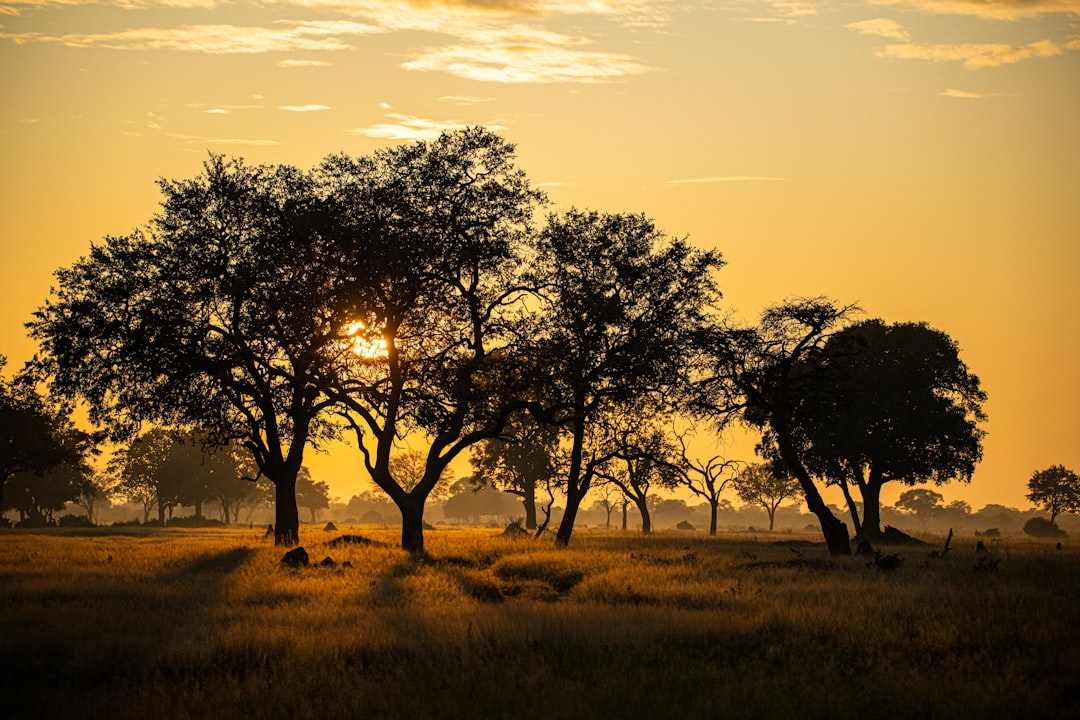
Which Zimbabwe Safari Areas Are Safest?
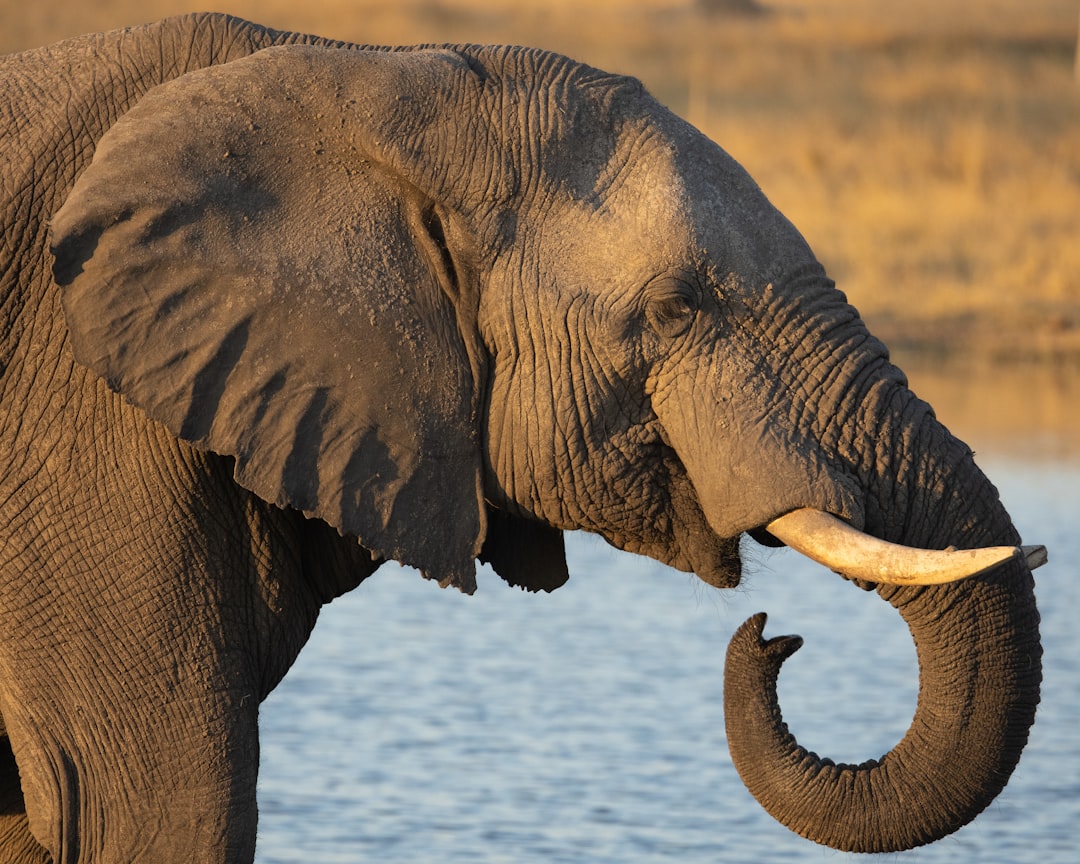
Hwange National Park is Zimbabwe's premier safari destination and operates as one of Africa's safest wildlife areas. The park's remote location, professional management, and established tourism infrastructure create secure conditions for visitors. Elephant populations exceed 40,000, making Hwange a world-class destination for witnessing Africa's largest land animals.
Victoria Falls region offers excellent safety with multiple tourism operators, secure accommodations, and well-established activity providers. The falls attract approximately 1.5 million visitors annually, creating a mature tourism ecosystem with strong security measures and professional services.
Zambezi River safaris provide safe wildlife viewing through canoe trips and guided walks along the water. These activities operate under professional supervision with experienced guides who know the area intimately. The Zambezi is a UNESCO World Heritage Site offering walking safaris and water-based wildlife experiences.
Lake Kariba offers fishing and water-based safaris with established lodge operations and safety protocols. The lake's remote location means fewer tourists but equally professional management and guide services. Wildlife viewing includes hippos, crocodiles, eagles, and various antelope species.
For the safest, most organized safari experience, compare Zimbabwe safari lodges on SafariFind to find verified accommodations under $250 per night with excellent safety ratings and authentic reviews from recent travelers.
Health and Safety Considerations for Zimbabwe Safaris
Malaria is present in Zimbabwe, particularly in lower-altitude areas like Hwange and the Zambezi region. Consult your doctor about antimalarial medications suitable for your health profile. Use mosquito nets, apply insect repellent with DEET, and wear long sleeves during dawn and dusk when mosquitoes are most active.
Water safety requires attention in remote areas. Drink only bottled water or water purified by your lodge. Avoid ice cubes made from untreated water and be cautious with fresh produce that may be washed in untreated water. Most established lodges provide safe drinking water systems.
Medical facilities in safari areas are limited compared to major cities. Serious injuries or illnesses may require evacuation to South Africa or Botswana. This is why comprehensive travel insurance with medical evacuation coverage is essential for remote safari travel.
Wildlife safety depends on respecting animal behavior and following guide instructions. Lions, elephants, and buffalo can be dangerous if surprised or approached. Your guide's experience and knowledge prevent most wildlife incidents. Never photograph animals from unsafe distances or approach them on foot without your guide's approval.
Altitude sickness is not a concern in Zimbabwe, as safari areas remain at relatively low elevations. However, the intense African sun requires strong sun protection. Dehydration occurs quickly in hot, dry climates, so drink water constantly throughout the day.
Comparing Zimbabwe to Other African Safari Destinations
Zimbabwe offers excellent value compared to Kenya and Tanzania while maintaining comparable safety standards in established tourism areas. Safari costs in Zimbabwe range from $80-$300 per day depending on accommodation and activity type, making it competitive with regional alternatives.
For budget-conscious travelers, Zimbabwe safari packages offer flexibility between budget and luxury options, with many reputable operators offering 5-7 day packages in the $1,500-$3,500 range per person.
Botswana's Okavango Delta offers similar wildlife experiences with comparable safety levels but typically higher costs. South Africa's Kruger National Park provides more infrastructure but faces higher petty crime in surrounding areas. Zimbabwe balances authentic safari experiences with reasonable pricing and solid safety in tourism zones.
Tanzania and Kenya attract more tourists overall, but Zimbabwe offers less crowded game viewing and more personalized experiences. Walking safaris and water-based activities are particularly strong in Zimbabwe compared to northern safari destinations.
Weather patterns are similar across southern African destinations, with dry season (May-October) offering best wildlife viewing and game drive conditions. Zimbabwe's climate requires similar preparation to neighboring countries regarding sun protection and hydration.
Common Safety Myths About Zimbabwe Safaris
Myth 1: Zimbabwe safaris are unsafe because of urban crime. Reality: Safari areas operate independently from urban centers with separate security infrastructure. Professional guides and lodges maintain excellent safety records. Crime in cities doesn't reflect conditions in Hwange or Victoria Falls.
Myth 2: Wildlife encounters are extremely dangerous. Reality: Incidents with wildlife are rare when following guide instructions and respecting animal boundaries. Professional guides understand animal behavior and keep safe distances. Thousands of visitors experience safe wildlife encounters annually.
Myth 3: Medical emergencies are impossible to handle. Reality: Most lodges have radio contact with emergency services and helicopter evacuation capabilities. Travel insurance with medical coverage ensures you can access quality care. Remote doesn't mean abandoned.
Myth 4: You need military-grade security to travel safely. Reality: Normal travel precautions—staying aware, following local advice, using established services—provide sufficient safety. Thousands of regular tourists visit Zimbabwe annually without incident.
Myth 5: Recent political instability makes all travel dangerous. Reality: Political activities concentrate in urban areas and rarely affect tourism zones. Safari destinations maintain normal operations with strong security presence protecting tourist interests.
What to Pack and Prepare for Safe Zimbabwe Safari Travel
Appropriate clothing protects you from sun, insects, and weather while enabling safe safari participation. Pack lightweight, breathable long sleeves and pants in neutral colors that don't attract insects. Avoid bright colors and perfumes that may attract biting insects. Include a warm layer for early morning game drives when temperatures drop significantly.
Footwear matters for safety and comfort. Sturdy hiking boots with ankle support prevent injuries during walking safaris. Sandals are acceptable at lodges but not during wildlife activities. Choose shoes with good grip for rocky terrain.
Sun protection is critical in Africa's intense sunlight. Pack high-SPF sunscreen, a wide-brimmed hat, and sunglasses with UV protection. Reapply sunscreen every 2-3 hours, especially after swimming. Lip balm with SPF prevents painful sunburns on sensitive lips.
Medical supplies should include personal medications in original containers, basic first aid items, and antimalarial medication if prescribed. Pack antihistamines for insect reactions, anti-diarrhea medication, and pain relievers. Include any prescription medications with copies of prescriptions.
Electronics require protection from dust, moisture, and intense sun. Bring power adapters for Zimbabwe's electrical outlets, as lodges may have limited charging stations. Pack portable batteries for cameras and phones. Waterproof cases protect equipment during water activities.
Documentation is essential. Carry photocopies of your passport, visa, travel insurance documents, and emergency contact information separately from originals. Store digital copies in cloud storage accessible without internet. Keep embassy contact information readily available.
Working with Verified Safari Operators for Maximum Safety
Professional safari operators implement strict safety protocols and maintain excellent track records with international travelers. Verified operators employ experienced guides with years of wildlife knowledge and safety training. They invest in vehicle maintenance, communication equipment, and emergency protocols.
Reputable companies provide comprehensive safety briefings before activities begin. They explain wildlife behavior, establish clear boundaries, and ensure all guests understand expectations. Guides continuously assess conditions and adjust activities based on weather, animal behavior, and guest fitness levels.
Established lodges maintain security staff, secure accommodations, and reliable communication with emergency services. They screen staff carefully, maintain equipment properly, and follow health and safety regulations. Multiple years of operation with positive reviews indicate proven safety records.
When selecting operators, check SafariFind for verified companies with authentic reviews from recent travelers. Read detailed reviews describing actual experiences, guide professionalism, lodge conditions, and wildlife encounters. Look for operators mentioned repeatedly across multiple platforms with consistent positive feedback.
Learn about Zimbabwe safari animals and which parks offer the best wildlife viewing opportunities to choose destinations matching your interests and safety comfort level.
Key Takeaways
- Book your Zimbabwe safari through verified SafariFind operators who maintain professional guides, secure lodges, and excellent safety records proven through authentic traveler reviews.
- Visit established safari areas like Hwange National Park and Victoria Falls where security infrastructure and tourism services create safe, controlled environments for wildlife viewing.
- Obtain antimalarial medication and comprehensive travel insurance with medical evacuation coverage at least 4-6 weeks before your departure to manage health risks in remote areas.
- Follow professional guide instructions completely during wildlife activities, maintain safe distances from animals, and never wander alone in the bush to prevent dangerous wildlife encounters.
- Avoid urban centers during peak hours and political demonstrations, but know that safari tourism zones operate independently with strong security presence and normal daily operations.
Frequently Asked Questions
Is Zimbabwe safe for tourists in 2026?
Yes, Zimbabwe is generally safe for tourists in 2026, particularly in established safari areas like Hwange National Park and Victoria Falls where security has improved and tourism infrastructure is well-developed. Exercise caution in urban centers like Harare and Bulawayo, but safari destinations maintain excellent safety records with professional guides and secure accommodations.
What are the main safety concerns in Zimbabwe?
Main concerns include petty crime in urban centers, unpredictable demonstrations that can turn violent in cities, and malaria in lower-altitude areas. Safari zones face minimal risks compared to urban areas. Wildlife safety depends on following guide instructions and respecting animal boundaries, which trained guides manage professionally.
Are safaris in Hwange National Park safe?
Yes, Hwange National Park is one of Africa's safest safari destinations with professional management, experienced guides, and secure lodges. The park's remote location, established tourism infrastructure, and wildlife protocols create excellent conditions for safe wildlife viewing. Thousands of visitors experience safe, memorable safari adventures in Hwange annually.
What wildlife poses the greatest danger on Zimbabwe safaris?
Lions, elephants, and buffalo require the most respect due to their size and power, but incidents are rare when following guide instructions. Most wildlife incidents are preventable with proper awareness and good preparation. Professional guides understand animal behavior, maintain safe distances, and adjust activities based on wildlife conditions.
Do I need special vaccinations for Zimbabwe safaris?
Yellow fever, malaria prevention, and typhoid vaccinations are commonly recommended for Zimbabwe travel. Consult your doctor at least 4-6 weeks before departure about antimalarial medications suitable for your health profile. The CDC and UK Health Security Agency provide current vaccination recommendations for Zimbabwe travelers.
How do I find safe, verified safari operators in Zimbabwe?
Use SafariFind to browse verified Zimbabwe safari operators with authentic reviews from recent travelers. Look for companies with consistent positive feedback across multiple reviews, professional guide descriptions, and detailed lodge information. Operators with years of positive reviews and high ratings have proven safety records and professional standards.
Is travel insurance necessary for Zimbabwe safaris?
Yes, comprehensive travel insurance with medical evacuation coverage is essential for remote safari travel. Serious injuries or illnesses may require helicopter evacuation to South Africa or Botswana. Medical facilities in safari areas are limited, making evacuation insurance critical for accessing quality emergency care.
Conclusion
Zimbabwe safari safety in 2026 is excellent in established tourism areas when travelers follow practical precautions and work with verified operators. Hwange National Park, Victoria Falls, and Zambezi region maintain strong safety records with professional guides, secure lodges, and well-established wildlife protocols. The key to safe, memorable safari experiences is choosing reputable companies and respecting local conditions.
Urban areas require more caution than safari zones, but this shouldn't discourage you from experiencing Zimbabwe's incredible wildlife and natural wonders. Thousands of international travelers visit Zimbabwe annually and enjoy safe, transformative safari adventures. With proper preparation—vaccinations, travel insurance, appropriate gear, and professional guides—you can confidently explore one of Africa's most rewarding safari destinations.
The contrast between urban risks and safari safety is important: your experience in protected parks operates under completely different conditions with professional security infrastructure and experienced staff trained specifically for visitor safety. Political demonstrations don't affect tourism zones, and wildlife dangers are manageable with guide expertise and proper preparation.
Ready to plan your safe Zimbabwe safari adventure? Explore verified Zimbabwe safari packages on SafariFind to find professional operators with excellent safety records and authentic traveler reviews. Compare packages, read detailed reviews from recent visitors, and request quotes from verified operators who prioritize your safety and satisfaction. Your next unforgettable safari experience awaits in 2026.
Plan Your Safari with SafariFind
These recommendations use real data from SafariFind, where you can compare operators, browse packages, and read verified traveler reviews before you book.
Recommended Safari Operators from SafariFind
Recommended Safari Packages from SafariFind
What Travelers Say (SafariFind Reviews)
References
- Is Zimbabwe Safe? An Honest Travel Safety Guide for 2026 - Visit Zimbabwe Official
- Is Zimbabwe Safe for Travel RIGHT NOW? (2026 Safety Rating) - Travel Safe Abroad
- Zimbabwe Travel Advice & Safety - Smartraveller
- Zimbabwe Safety Guide: Tips for a Safe Trip - Hello Travel
- Zimbabwe Travel Advice 2026: Visas, Currency & Safari Expert Tips - Go2Africa
- Is Safari Safe? Complete Africa Safety Guide (2026) - Private Tours Cape Town
- Africa Safari Safety 2026: Hidden Risks & Tips - Travel Safe SOS
- Is Zimbabwe Safe to Visit - African Budget Safaris
Sources
- Is Zimbabwe Safe? An Honest Travel Safety Guide for 2026
- Is Zimbabwe Safe for Travel RIGHT NOW? (2026 Safety Rating)
- Zimbabwe Travel Advice & Safety(official)
- Zimbabwe Safety Guide: Tips for a Safe Trip
- Zimbabwe Travel Advice 2026: Visas, Currency & Safari Expert Tips
- Is Safari Safe? Complete Africa Safety Guide (2026)
- Africa Safari Safety 2026: Hidden Risks & Tips
- Is Zimbabwe Safe to Visit
Related to
Ready to start your safari adventure?
Explore curated safari packages and find your perfect African adventure with verified operators.