Walking Safari in Zambia: Cost, Best Parks & Operator Guide
Walking safari in Zambia costs $600–$1,200/night all-inclusive. Explore South Luangwa, best parks, top operators & planning tips for on-foot wildlife adventures.

Walking Safari in Zambia: Cost, Best Parks & Operators
Last updated: July 2026
A walking safari in Zambia costs $600 to $1,200 per person per night, all-inclusive. South Luangwa National Park is the world's premier walking safari destination. The best time to visit is May to October for wildlife viewing. Compare verified operators on SafariFind to find packages that match your budget and experience level.
At a Glance
- Cost: $600–$1,200 per person per night (all-inclusive)
- Best time: May–October (dry season, peak wildlife viewing)
- Duration: 3–7 days recommended for immersive experience
- Best for: Adventure seekers, nature lovers, photographers, experienced hikers
- Top park: South Luangwa National Park (home of the walking safari)
- Getting there: Fly to Lusaka, then domestic flight or drive to park
What Is a Walking Safari in Zambia?
A walking safari in Zambia is an on-foot wildlife exploration led by trained guides through pristine wilderness areas. Unlike vehicle safaris, you track animals at ground level, experiencing the bush on intimate terms. This approach connects you directly to nature's sounds, smells, and rhythms.
Walking safaris in Zambia are priced per person per night, all-inclusive of remote bush camp accommodation, meals, and guided walks . South Luangwa National Park is recognized globally as the birthplace of the walking safari concept, pioneered here in the 1960s . The experience emphasizes slow travel, wildlife interpretation, and sustainable tourism practices.
Unlike traditional game drives, walking safaris demand physical fitness and genuine interest in wilderness immersion. Most walks last 3–5 hours daily across varied terrain. You'll encounter wildlife on their terms, developing a deeper understanding of animal behavior and ecosystem dynamics. This is adventure tourism at its most authentic.
Key Features of Walking Safaris
Walking safaris feature expert guides trained in wildlife tracking and field safety. These professionals read animal signs—paw prints, dung, broken branches—to locate lions, elephants, and African wild dogs. Your guide interprets the landscape, teaching you about plants, predator-prey relationships, and conservation challenges.
Remote bush camps provide basic but comfortable lodging. Expect canvas tents with en-suite bathrooms, lantern lighting, and communal dining under the stars. Meals are prepared by camp cooks using fresh ingredients. This rustic setup enhances your connection to the natural environment while maintaining essential comforts.
Walking safaris are small-group experiences, typically 4–8 participants per guide. This size ensures personalized attention and wildlife viewing opportunities. You move quietly, allowing animals to remain undisturbed. Early morning and late afternoon walks maximize your chances of seeing active wildlife.
Why Walking Safaris Matter in Zambia
Zambia's walking safari tradition represents a conservation philosophy that prioritizes wildlife protection over mass tourism. Proceeds from walking safaris fund community development and anti-poaching efforts in local villages bordering national parks . Your safari fees directly support conservation initiatives that protect endangered species.
Walking safaris create genuine connections between travelers and wilderness. Unlike passive vehicle viewing, you engage all senses—hearing distant elephant calls, feeling warm sand beneath your boots, smelling acacia flowers. This embodied experience often transforms how people view conservation and environmental responsibility.
For Zambia's tourism economy, walking safaris attract quality travelers willing to pay premium rates for authentic experiences. This economic model supports smaller, community-based lodges rather than large resort chains. The result is more sustainable, locally-rooted tourism development that benefits Zambian communities directly.
How Much Does a Walking Safari in Zambia Cost?
Walking safaris in Zambia are priced per person per night, ranging from $600 to $1,200 depending on camp category and season . All-inclusive packages cover accommodation, meals, guided walks, park fees, and transfers. Budget-conscious travelers can find quality experiences at the lower end; luxury seekers will find premium camps at the higher range.
Budget Walking Safari Costs
Budget walking safaris cost approximately $600–$800 per person per night . These camps offer authentic bush experiences with comfortable but basic amenities. Expect simple canvas tents, shared or private bathrooms, and hearty meals prepared communally. Budget options don't compromise on guide quality or wildlife viewing opportunities.
A 5-day budget walking safari in South Luangwa costs roughly $3,000–$4,000 per person all-inclusive . This covers four nights in a remote bush camp, daily guided walks, all meals, and park entry fees. Flight transfers from Lusaka add $200–$400 per person. Budget operators typically work with smaller, family-run lodges rather than international chains.
Mid-Range Walking Safari Costs
Mid-range walking safaris cost $800–$1,000 per person per night . These camps provide more spacious tents, upgraded furnishings, and better bathroom facilities. Meals feature more variety and refined preparation. Mid-range camps often include extras like sundowner drinks, stargazing sessions, and guest libraries.
A 5-day mid-range walking safari costs approximately $4,000–$5,000 per person all-inclusive . You'll stay in more established camps with proven track records. These operators often have larger guide teams and can offer more flexible scheduling. Mid-range options suit travelers seeking comfort without paying luxury premiums.
Luxury Walking Safari Costs
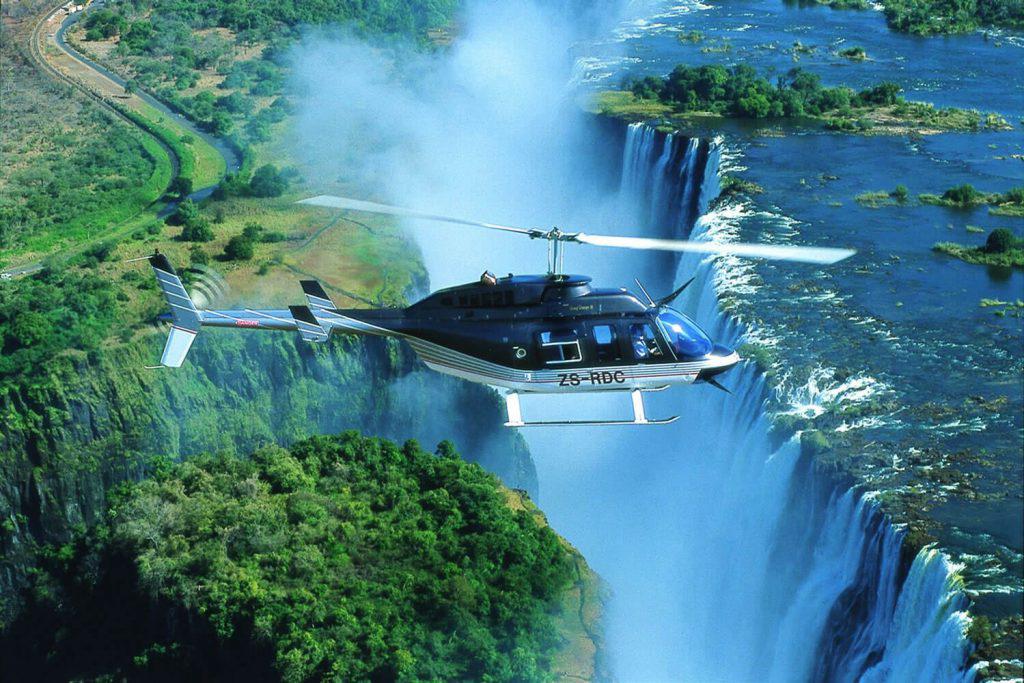
Luxury walking safaris cost $1,000–$1,200+ per person per night . Premium camps feature spacious suites, fine dining, wine cellars, and spa services. Many luxury camps offer activities beyond walking safaris—canoe excursions, helicopter flights, or private guide arrangements. These camps attract international clientele and often have 5-star rating systems.
A 5-day luxury walking safari costs $5,000–$6,000+ per person all-inclusive . Luxury camps provide personalized service, gourmet meals, and exclusive wildlife access. Some offer photography-specific guides or naturalist specialists. Luxury operators include JENMAN African Safaris and other premium brands with international recognition .
Cost Breakdown: What's Included?
Walking safari prices are all-inclusive, meaning your per-night fee covers accommodation, all meals, guided walks, park fees, and camp transfers. Excluded items typically include international flights, travel insurance, visa fees, and personal items. Some camps charge extra for alcohol, laundry, or optional activities like helicopter flights.
Seasonal pricing varies significantly. Peak season (July–October) costs 20–30% more than shoulder season (May–June, November). Green season (December–April) offers 30–50% discounts but features challenging road conditions and lower wildlife visibility. Book walking safaris 3–6 months ahead to secure preferred dates and negotiate group discounts.
Find verified walking safari packages at various price points on SafariFind. Compare operators, read authentic traveler reviews, and request quotes directly from verified tour operators. Many SafariFind operators offer early-booking discounts and package customization to match your budget.
Best Parks for Walking Safaris in Zambia
Zambia hosts three premier walking safari destinations, each offering distinct wildlife and landscape experiences. South Luangwa is the flagship destination; Lower Zambezi and Mana Pools offer excellent alternatives with fewer crowds and lower costs.
South Luangwa National Park
South Luangwa National Park is the world's premier walking safari destination, covering 9,050 square kilometers in eastern Zambia . The park earned this distinction through decades of pioneering walking safari operations and exceptional wildlife diversity. Leopards, lions, African wild dogs, and massive elephant herds inhabit the park's varied ecosystems.
The Luangwa River creates a natural wildlife corridor attracting concentrations of game. Walking safaris follow game trails along riverine forests, open grasslands, and rocky outcrops. Early morning walks often reveal nocturnal predators returning to rest; afternoon walks focus on herbivores and birds. The park's guide training programs set African standards for wildlife interpretation and walking safari safety.
South Luangwa National Park operates 15+ walking safari camps ranging from budget to luxury . Tena Tena Camp exemplifies the mid-range standard, combining rustic charm with 4-star amenities . A 5-day South Luangwa walking safari costs $3,150–$5,500 depending on camp selection . Book well ahead for peak season (July–October) when wildlife viewing peaks.
Lower Zambezi National Park
Lower Zambezi National Park offers spectacular walking safaris with fewer tourists than South Luangwa. The park stretches along the Zambezi River's northern bank, featuring dramatic escarpments, riverine forests, and open plains. Wildlife includes elephants, buffalo, lions, and the endangered African wild dog.
Lower Zambezi walking safaris emphasize river-based experiences. Many camps offer combination packages pairing walking safaris with canoe trips down the Zambezi. This dual-activity approach creates varied wildlife viewing opportunities. The park's remoteness means smaller group sizes and more intimate guide interactions compared to South Luangwa.
Lower Zambezi walking safari costs range from $500–$900 per person per night, generally 20–30% cheaper than South Luangwa . The park attracts adventure travelers seeking less-crowded experiences. Access requires domestic flights from Lusaka or multi-hour road transfers. Lower Zambezi suits experienced hikers comfortable with basic camp facilities.
Mana Pools National Park (Zimbabwe Border)
Mana Pools National Park straddles the Zambia-Zimbabwe border, offering world-class walking safaris with exceptional elephant encounters. The park's four pools create wildlife magnets during dry season. Walking safaris here feature close-range elephant interactions and pristine wilderness experiences.
Mana Pools combines Zambian access with Zimbabwe-side operations. Many walking safari packages include both countries' parks in single itineraries. The park's remote location limits visitor numbers, ensuring exclusive wildlife experiences. Walking safaris emphasize elephant tracking and predator behavior observation.
Mana Pools walking safaris cost $700–$1,100 per person per night . Access is challenging, requiring long road transfers or chartered flights. The park appeals to serious safari enthusiasts and photographers seeking dramatic wildlife moments. Book through operators experienced in cross-border operations.
Choosing the Right Walking Safari Park
South Luangwa suits first-time walking safari visitors and travelers prioritizing wildlife diversity. The park's established infrastructure, numerous camps, and professional guides minimize risks. Mid-range South Luangwa packages offer excellent value at $3,000–$4,500 for 5 days.
Lower Zambezi appeals to budget-conscious adventurers and experienced hikers. Lower costs ($2,500–$3,500 for 5 days) and quieter experiences attract repeat safari visitors. The park's combination of walking and water activities adds variety.
Mana Pools targets serious wildlife photographers and elephant enthusiasts. Premium pricing ($3,500–$5,000+ for 5 days) reflects exclusive access and specialized guiding. The park's dramatic landscapes and elephant concentrations create unforgettable experiences.
Finding and Booking With Top Walking Safari Operators
Zambia's walking safari market includes established international operators and locally-owned guide companies. Reputation, guide training, and safety records vary significantly. Booking through verified operators ensures professional standards and authentic reviews from previous travelers.
Established International Operators
JENMAN African Safaris operates multiple walking safari camps across South Luangwa and Lower Zambezi . The company's 40+ year history in African safaris brings extensive expertise and professional standards. JENMAN offers customizable itineraries, small group sizes, and experienced guide teams trained in wildlife interpretation and emergency response.
Adventure Life specializes in budget-to-mid-range walking safaris throughout Zambia . Their South Luangwa 5-day packages start from $3,150 per person. Adventure Life emphasizes sustainable tourism and community partnerships, ensuring safari fees support local conservation efforts.
Rhino Africa provides luxury walking safari experiences with premium camp selections . Their tailor-made itineraries accommodate specific interests—photography, birding, or general wildlife viewing. Rhino Africa works with hand-picked camps meeting strict quality standards.
What to Look for in Operators
Verify operator credentials before booking. Check for professional affiliations with IATA, ABTA, or regional tourism boards. Read authentic traveler reviews on SafariFind and independent platforms. Verify guide certifications through Zambia's Professional Guides Association or equivalent bodies.
Reputable operators provide detailed itineraries, clear pricing with no hidden fees, and transparent cancellation policies. They offer 24/7 emergency contacts and comprehensive travel insurance options. Ask operators about guide qualifications, safety protocols, and community engagement initiatives.
Compare walking safari packages on SafariFind to evaluate pricing, inclusions, and verified reviews. SafariFind's rating system helps identify top-performing operators. Request quotes from 2–3 operators to compare value. Many SafariFind operators offer early-booking discounts and group rates.
Booking Timeline and Discounts
Book walking safaris 3–6 months ahead to secure preferred dates and negotiate discounts. Peak season (July–October) fills quickly; booking 6+ months ahead ensures availability. Shoulder season (May–June, November) offers 15–20% discounts with excellent wildlife viewing.
Group bookings (4+ travelers) typically qualify for 10–15% discounts. Early-bird discounts (6+ months advance) save 15–20% on peak season rates. Some operators offer last-minute deals (2–4 weeks ahead) at 20–30% discounts if camps have availability.
Request detailed proposals including accommodation specifics, guide bios, daily itineraries, and exact pricing breakdowns. Confirm what's included—some operators charge separately for flights, transfers, or activity upgrades. Clarify cancellation policies before committing funds.
Planning Your Walking Safari: Practical Considerations
Walking safaris demand physical preparation, appropriate gear, and realistic expectations about wilderness conditions. Success requires understanding climate, wildlife safety, health precautions, and personal fitness requirements.
Physical Fitness Requirements
Walking safaris involve 3–5 hours daily walking across varied terrain—grasslands, forests, rocky outcrops, and river valleys. You'll encounter uneven ground, temperature extremes, and occasional steep climbs. Average fitness levels suffice for South Luangwa's gentler walks; Lower Zambezi and Mana Pools demand better conditioning.
Start training 2–3 months before your safari. Practice hiking 5–10 kilometers weekly on varied terrain. Build leg strength and cardiovascular endurance. Discuss fitness concerns with your operator; they can arrange modified itineraries or shorter walking distances. Inform guides about any physical limitations on arrival.
Older travelers and those with mobility concerns should book mid-range or luxury camps offering shorter walks and vehicle support. Some camps provide walking alternatives—canoe trips, short nature walks, or vehicle safaris—for guests unable to complete full-distance walks.
Best Time to Visit for Walking Safaris
May to October is the best season for walking safaris, with dry conditions and peak wildlife visibility . Temperatures range from cool mornings (10–15°C) to warm afternoons (25–30°C). Vegetation is sparse, making animals easier to spot. This peak season costs 20–30% more than shoulder seasons.
November to April is green season, featuring lush vegetation and lower tourism. Roads become muddy and challenging. Wildlife disperses across abundant water sources, making sightings less predictable. Green season costs 30–50% less but offers unique birding opportunities and dramatic storm photography.
Shoulder seasons (May–June, November) offer excellent compromises—good wildlife viewing, moderate costs, and fewer tourists. June–August is coolest (ideal for active walking); September–October is warmest but sees peak predator activity. Choose based on your temperature tolerance and wildlife interests.
Essential Gear and Packing
Pack sturdy hiking boots (broken in before travel), quick-dry clothing in neutral colors, and a wide-brimmed hat. Binoculars, camera equipment, and field guides enhance wildlife observation. Sunscreen, insect repellent, and a headlamp are essential. Bring medications for common issues—diarrhea, altitude sickness, or allergies.
Wear layers to manage temperature swings—cool mornings warm quickly as the sun rises. Neutral colors (greens, browns, tans) blend better with surroundings than bright whites or blues. Avoid perfumes and heavily scented products that alert wildlife. Camp provides all bedding and towels; bring only personal toiletries.
Most camps provide walking sticks, water bottles, and basic first aid. Confirm what's supplied before packing. Weight restrictions on domestic flights (typically 20 kg) limit luggage; pack efficiently. Leave valuables at your Lusaka hotel; camps have secure storage for essential documents.
Health and Safety Precautions
Consult your doctor 4–6 weeks before travel about malaria prophylaxis, yellow fever vaccination, and routine immunizations. Malaria risk exists in most Zambian parks; take prescribed medications consistently. Carry a comprehensive travel medical kit including pain relievers, antihistamines, and blister treatment.
Walking safaris involve wildlife encounters managed by trained guides. Never approach animals independently. Follow guide instructions immediately—guides read animal behavior and assess danger. Respect safe distances from predators and large herbivores. Most wildlife avoids humans; incidents are rare with experienced guides.
Camps provide secure accommodation with wildlife barriers. Store food in designated areas; never leave items outside tents. Use bathroom facilities before dark; guides escort visitors after sunset. Inform your guide about any health issues—altitude sensitivity, heat intolerance, or anxiety around wildlife.
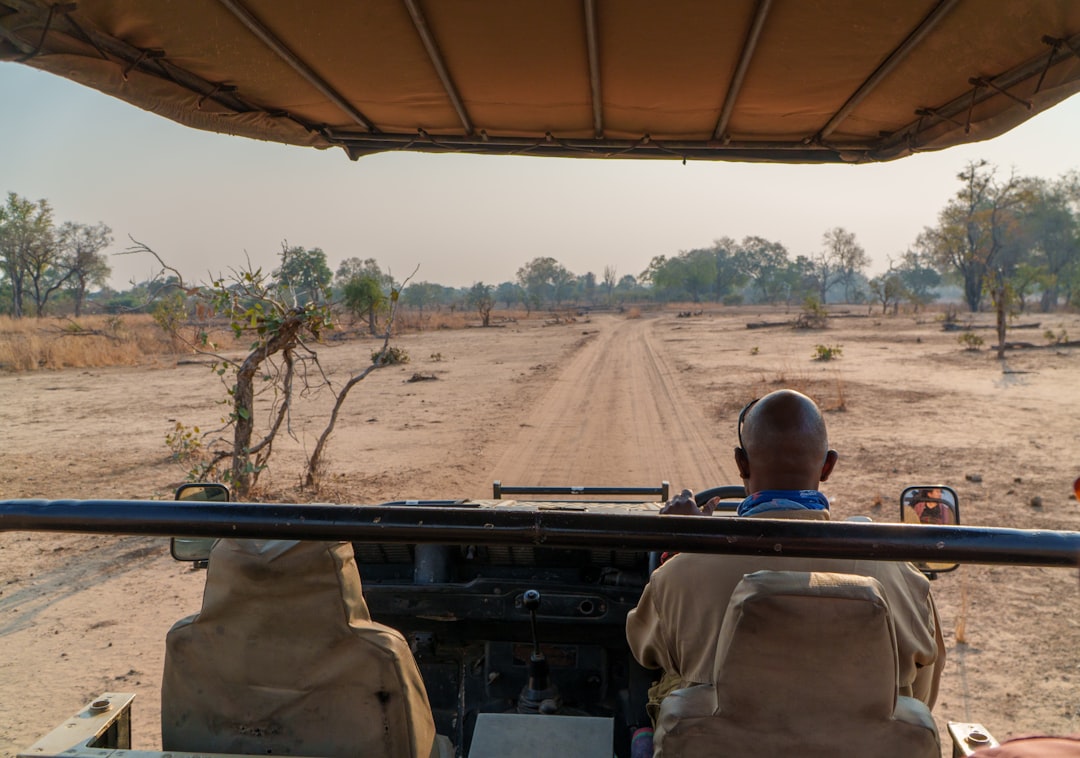
Walking Safaris Versus Vehicle Safaris in Zambia
Walking safaris and vehicle safaris offer distinct advantages. Understanding differences helps you choose the right experience. Many travelers combine both activities for comprehensive wildlife exploration.
| Aspect | Walking Safari | Vehicle Safari |
|---|---|---|
| Cost | $600–$1,200/night | $300–$700/night |
| Immersion | Direct wildlife contact, sensory engagement | Observational viewing from vehicle |
| Pace | Slow, contemplative, flexible | Faster, covers larger distances |
| Physical demand | High (3–5 hours daily walking) | Low (seated comfort) |
| Wildlife diversity | Focused tracking, predator behavior | Broader species coverage |
| Group size | 4–8 people per guide | 4–6 people per vehicle |
Walking safaris suit adventure travelers seeking intimate wilderness connections. You track animals, observe ecosystem details, and develop deeper conservation understanding. Vehicle safaris suit travelers prioritizing comfort, broader wildlife viewing, and lower costs. Many travelers book combination packages pairing both activities.
For detailed comparisons of Zambia's safari options, explore SafariFind's comprehensive guides on Zambia safari packages and costs. These resources help you evaluate all safari types and find packages matching your preferences and budget.
Why Book Walking Safaris Through SafariFind
SafariFind connects travelers with verified walking safari operators across Zambia. The platform features authentic reviews from previous travelers, transparent pricing, and direct operator quotes. SafariFind's verification process ensures operators meet professional standards and safety requirements.
Browse walking safari packages across all price ranges—budget, mid-range, and luxury. Compare operators side-by-side, read verified reviews, and request customized quotes. SafariFind operators offer early-booking discounts and package modifications. The platform's rating system identifies top-performing companies with proven track records.
SafariFind also features related guides comparing Zambia safaris with other African destinations. For budget-conscious travelers, explore resources on safaris under $2,500 per person. For comprehensive destination comparisons, review guides comparing Tanzania, Kenya, Botswana, and other safari countries. These resources help you make informed decisions about where to invest your safari budget.
Key Takeaways
- Book walking safaris 3–6 months ahead to secure preferred dates and negotiate 15–20% discounts on peak season rates.
- South Luangwa National Park costs $3,150–$5,500 for 5 days but offers world-class walking safari infrastructure and exceptional wildlife viewing.
- Budget walking safaris ($600–$800/night) provide authentic experiences without luxury amenities, ideal for cost-conscious adventure travelers.
- Visit May–October for optimal wildlife viewing with cool mornings, sparse vegetation, and peak predator activity.
- Compare verified operators on SafariFind to read authentic traveler reviews, verify safety credentials, and request quotes from multiple companies before booking.
Frequently Asked Questions
How much does a walking safari in Zambia cost per person?
Walking safaris in Zambia cost $600–$1,200 per person per night, all-inclusive of accommodation, meals, guided walks, and park fees . A 5-day safari costs $3,000–$6,000+ depending on camp category. Budget options start around $3,000–$4,000; luxury safaris exceed $5,500 for 5 days .
What is the best time to go walking safari in Zambia?
The best time is May–October during Zambia's dry season . Wildlife concentrations peak as water sources diminish, vegetation is sparse for easier viewing, and temperatures are moderate. Peak season (July–October) costs 20–30% more but offers the highest wildlife viewing probability. Shoulder season (May–June, November) provides excellent value with good wildlife sightings.
Is South Luangwa really the best park for walking safaris?
Yes, South Luangwa National Park is recognized globally as the premier walking safari destination . The park pioneered walking safaris in the 1960s and maintains the highest standards for guide training and wildlife interpretation. The Luangwa River creates wildlife concentrations attracting elephants, leopards, lions, and African wild dogs. Alternative parks like Lower Zambezi offer quieter experiences at lower costs.
Do I need special fitness for walking safaris?
Walking safaris require average fitness levels and ability to walk 3–5 hours daily across varied terrain . Start training 2–3 months ahead with regular hiking. Older travelers or those with mobility concerns can book camps offering shorter walks or vehicle alternatives. Inform your operator about fitness limitations; they arrange modified itineraries accordingly.
Are walking safaris safe with dangerous animals?
Walking safaris are safe when guided by trained professionals who understand wildlife behavior and follow established safety protocols. Guides carry rifles and maintain secure distances from predators. Most wildlife avoids humans; incidents are rare. Never approach animals independently or ignore guide instructions. Camps provide secure accommodation with wildlife barriers protecting guests overnight.
Can I combine walking safaris with other activities?
Yes, many operators offer combination packages pairing walking safaris with vehicle safaris, canoe trips, or helicopter flights. Lower Zambezi camps frequently combine walking safaris with Zambezi River canoe excursions. Multi-activity packages cost more but provide varied wildlife experiences and activity diversity. Request combination packages when requesting operator quotes.
How do I book walking safaris and find verified operators?
Browse walking safari packages on SafariFind to compare verified operators, authentic traveler reviews, and pricing. Request quotes from 2–3 operators to compare value. SafariFind operators offer early-booking discounts and package customization. Read reviews carefully, verify operator credentials, and confirm all inclusions before committing payment.
Conclusion
Walking safaris in Zambia offer transformative wilderness experiences combining adventure, wildlife immersion, and conservation engagement. South Luangwa National Park remains the gold standard destination, though Lower Zambezi and Mana Pools provide excellent alternatives at lower costs. As of 2026, walking safari costs range from $600–$1,200 per night depending on camp category and season .
A 5-day South Luangwa walking safari from $3,150 to $5,500 per person provides exceptional value for the experience quality and wildlife diversity . Budget travelers can access authentic walking safaris for $3,000–$4,000; luxury seekers will find premium camps exceeding $5,500 for 5 days. May–October offers the best combination of wildlife viewing and moderate pricing .
Book 3–6 months ahead to secure preferred dates and negotiate discounts. Compare verified operators on SafariFind to find packages matching your budget, fitness level, and wildlife interests. Read authentic traveler reviews before committing. SafariFind's marketplace connects you with professional operators meeting strict safety and quality standards.
Walking safaris represent more than vacation activities—they're investments in personal growth and wildlife conservation. Your safari fees support anti-poaching efforts, community development, and habitat protection. In 2026, Zambia's walking safari industry continues pioneering sustainable tourism models that prioritize wildlife protection and local benefit. Start planning your transformative walking safari experience today.
Plan Your Safari with SafariFind
These recommendations use real data from SafariFind, where you can compare operators, browse packages, and read verified traveler reviews before you book.
Top Safari Operators from SafariFind
Recommended Safari Packages from SafariFind
What Travelers Say (SafariFind Reviews)
References
- The Best Safari In Zambia: An Expert Guide To Zambia's Top Parks & Lodges – Horizon Guides
- Zambia Safari Guide: Parks, Wildlife & When to Go – JENMAN African Safaris
- How Much Does a Zambia Safari Cost? – SafariBookings
- Best Walking Safaris Africa 2026 | South Luangwa, Mana Pools & More – Private Tours Cape Town
- Zambia Travel and Safari Guide – Rhino Africa
- Best Zambia Tours and Cruises 2026–2027 – Adventure Life
- How Much Does a Zambia Safari Cost? Budget Zambia Safari Price – African Budget Safaris
- South Luangwa National Park – Home to the Walking Safari in Zambia
Sources
- The Best Safari In Zambia: An Expert Guide To Zambia's Top Parks & Lodges
- Zambia Safari Guide: Parks, Wildlife & When to Go – JENMAN African Safaris
- How Much Does a Zambia Safari Cost? – SafariBookings
- Best Walking Safaris Africa 2026 | South Luangwa, Mana Pools & More
- Zambia Travel and Safari Guide – Rhino Africa
- Best Zambia Tours and Cruises 2026–2027 – Adventure Life
- How Much Does a Zambia Safari Cost? Budget Zambia Safari Price
- South Luangwa National Park – Home to the Walking Safari in Zambia
Related to
Ready to start your safari adventure?
Explore curated safari packages and find your perfect African adventure with verified operators.