Big 5 Safari South Africa: Where to See Them + Best Time 2026
Find the best Big 5 safari in South Africa. Discover top reserves, peak viewing seasons (July–August), costs ($2,000–$15,000+), and expert planning tips.

Big 5 Safari South Africa: Where to See Them
Last updated: July 2026
South Africa's Greater Kruger region, especially Sabi Sand Game Reserve, offers the world's most reliable Big Five viewing. The best time to visit is July and August when animals gather near water sources. Plan at least three nights to maximize your chances of spotting lions, leopards, elephants, buffalo, and rhinos. Compare verified safari packages on SafariFind to find tours that fit your budget and travel dates.
At a Glance
- Cost: $2,000–$8,000+ per person for 3-7 days
- Best time: July–August (dry season, best visibility)
- Duration: Minimum 3 nights recommended
- Top destination: Sabi Sand Game Reserve, Greater Kruger
- Best for: First-time safari-goers, wildlife photographers, families
- Wildlife highlights: Lions, leopards, elephants, buffalo, rhinos
What Is a Big 5 Safari in South Africa?
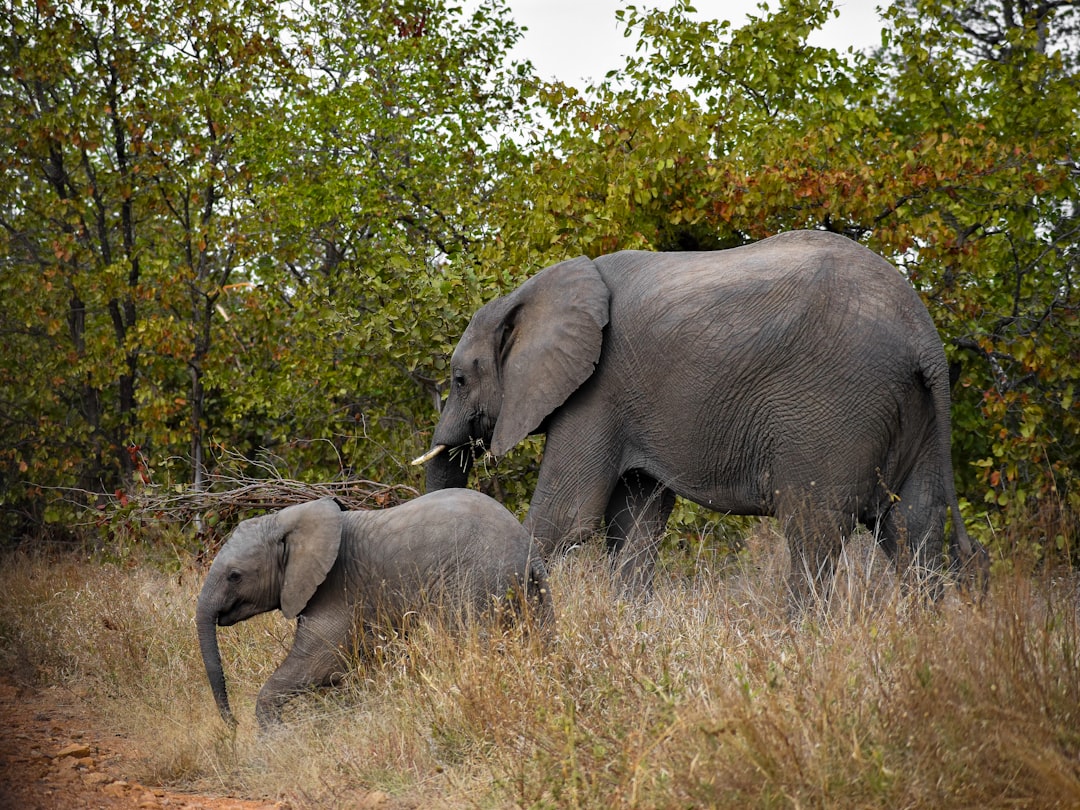
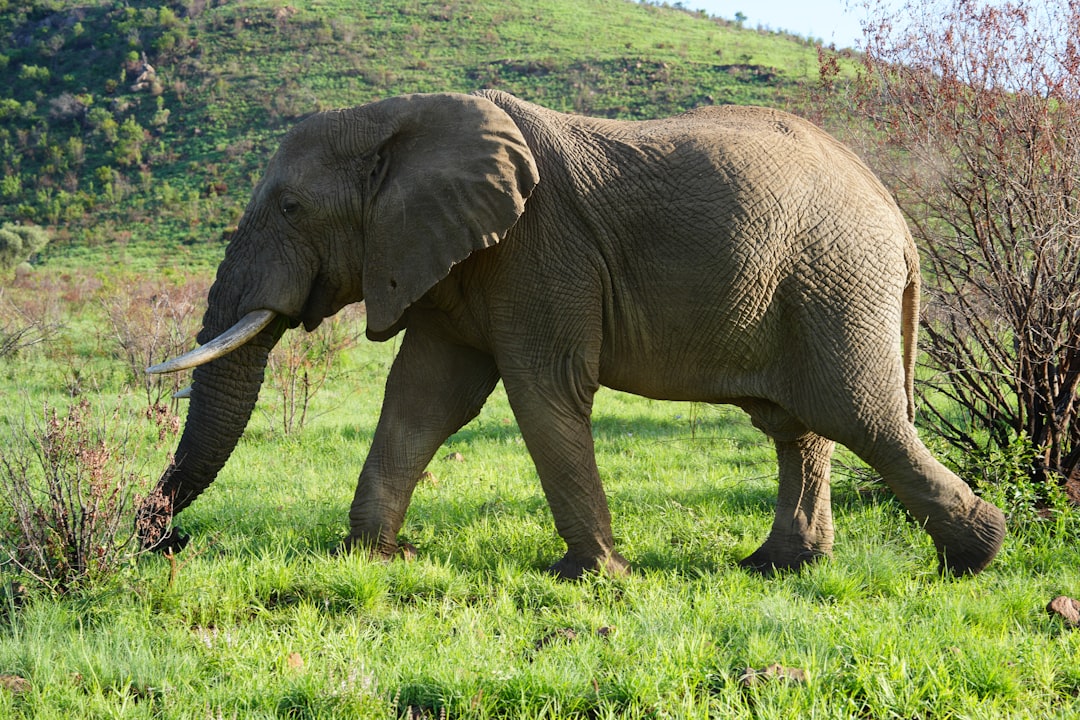
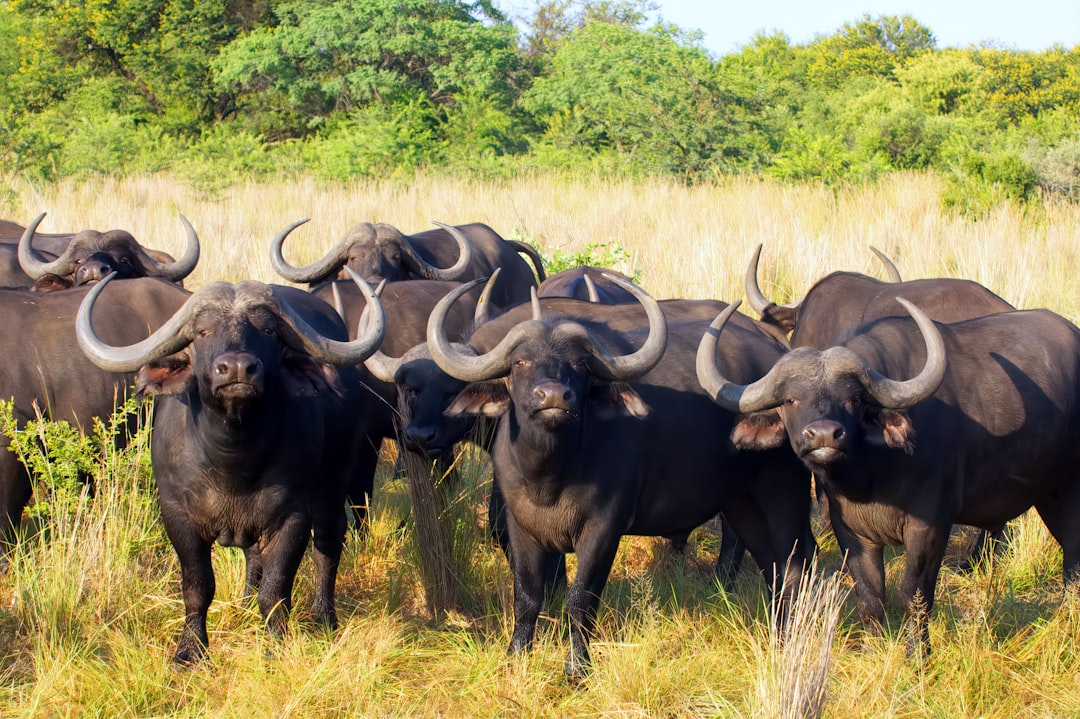
The Big Five are Africa's five most dangerous and sought-after animals: lions, leopards, elephants, buffalo, and rhinoceros. A Big 5 safari in South Africa is a guided wildlife tour where you hunt for these iconic animals in their natural habitat. South Africa's Greater Kruger region offers the world's most reliable Big Five viewing, with Sabi Sand Game Reserve standing out as the premier destination for leopard sightings and dense populations of lions and elephants.
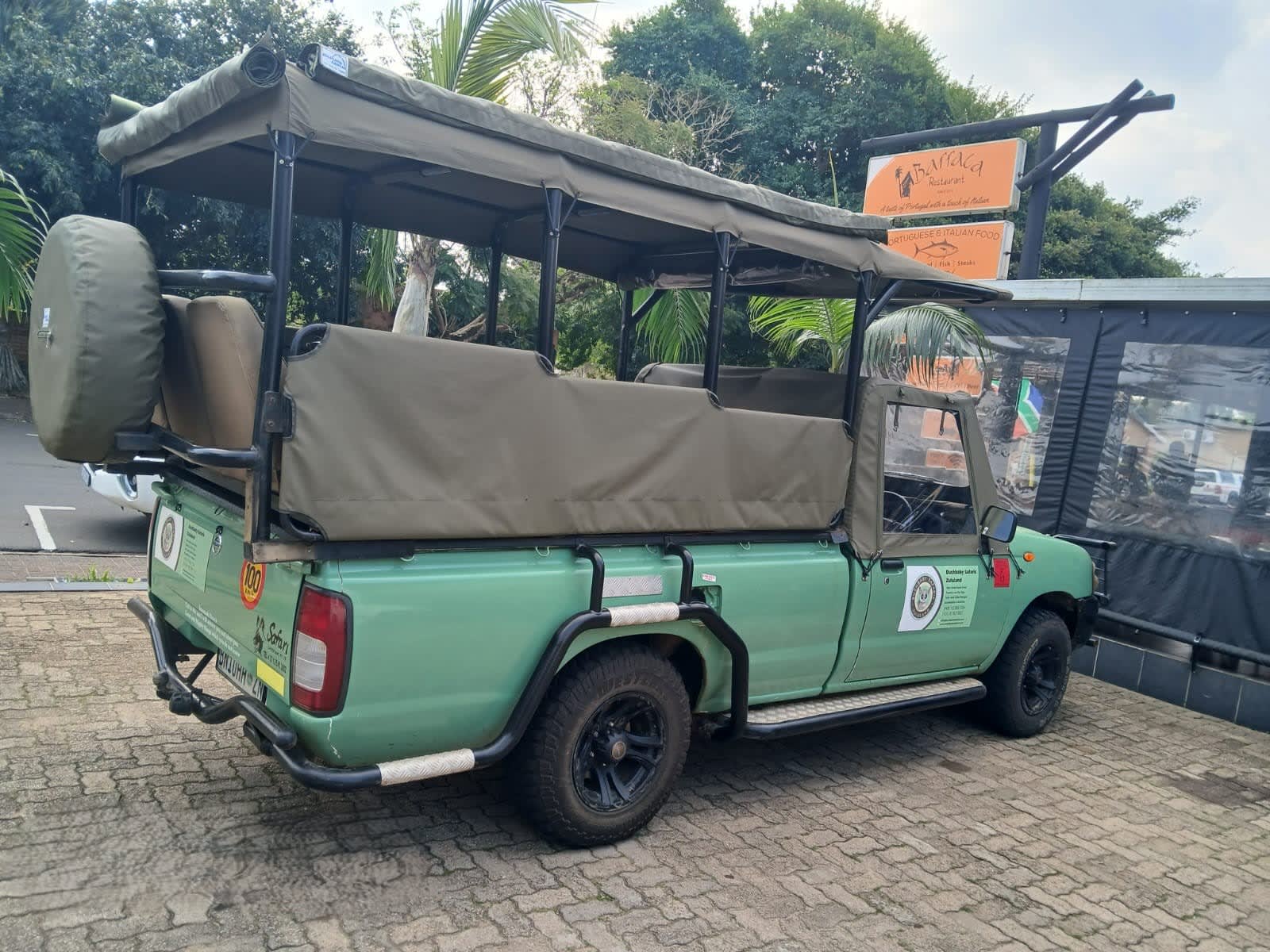
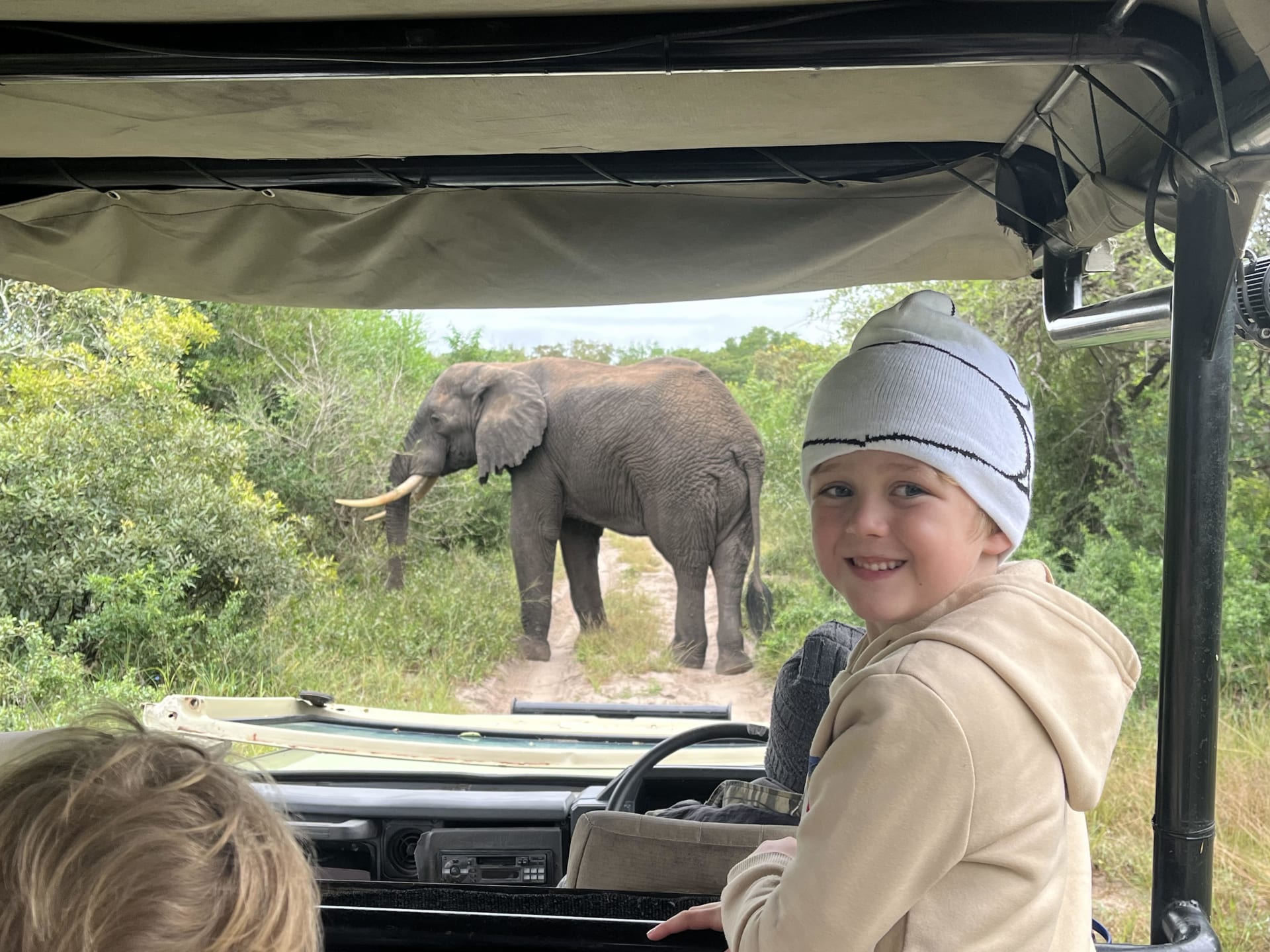
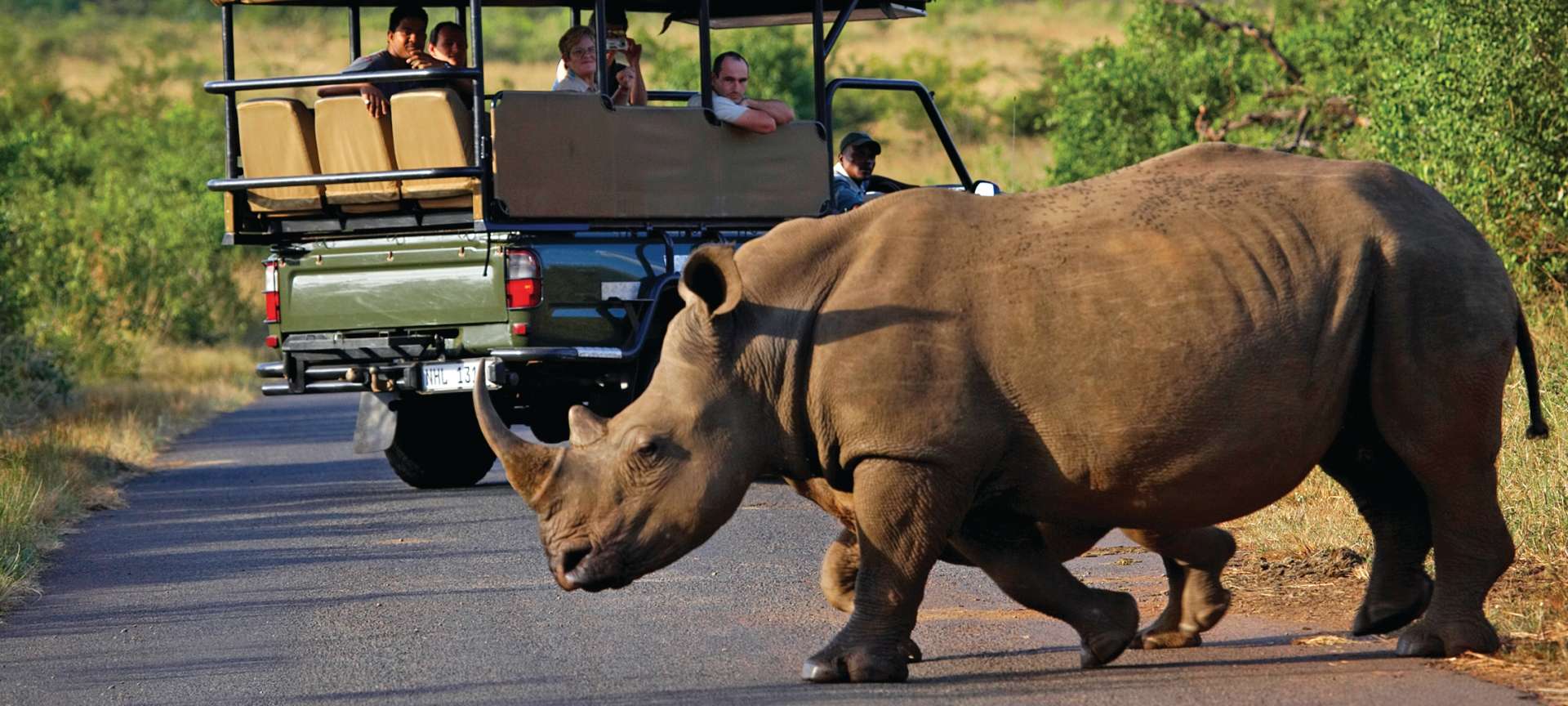
Unlike other African safaris, South Africa's private game reserves allow off-road driving and close-range wildlife encounters. You travel in open safari vehicles with expert guides who track animals using radio communications and local knowledge. Each game drive typically lasts 3–4 hours in early morning or late afternoon when animals are most active.
Why South Africa for Big 5 Safari?
South Africa leads the continent in Big Five viewing success rates. The Sabi Sand Game Reserve, adjacent to Kruger National Park, is famous for the best leopard sightings on earth. Dense lion and elephant populations and off-road traversing give you unmatched close encounters. The infrastructure is world-class: excellent roads, comfortable lodges, professional guides, and reliable accommodation near wildlife hotspots.
Your chances of seeing all five animals in one trip are significantly higher here than in Kenya or Tanzania. Many travelers complete their Big Five checklist in just 3–4 days. Additionally, South Africa offers excellent value compared to other premium safari destinations, with packages ranging from budget-friendly to ultra-luxury options.
Big 5 Safari vs. Other African Destinations
While Kenya's Masai Mara and Tanzania's Serengeti are iconic, South Africa's private reserves offer superior Big Five viewing. The main advantage: private reserves allow off-road driving and night drives, which dramatically increase your wildlife encounter odds. Kenya and Tanzania restrict vehicles to marked roads, limiting flexibility. For a focused Big Five safari experience, South Africa is your best bet.
Where to See the Big 5 in South Africa
The Greater Kruger region is South Africa's premier Big Five destination. Within this vast ecosystem, specific reserves stand out for their wildlife density and visitor experience. Here are the top locations where you'll have the highest success rates for spotting all five animals.
Sabi Sand Game Reserve
Sabi Sand Game Reserve is the world's best destination for leopard sightings and offers exceptional Big Five viewing overall. This 65,000-hectare private reserve borders Kruger National Park to the east and sits in the heart of the Greater Kruger ecosystem. Guides here are exceptionally trained and use radio networks to track animals in real time.
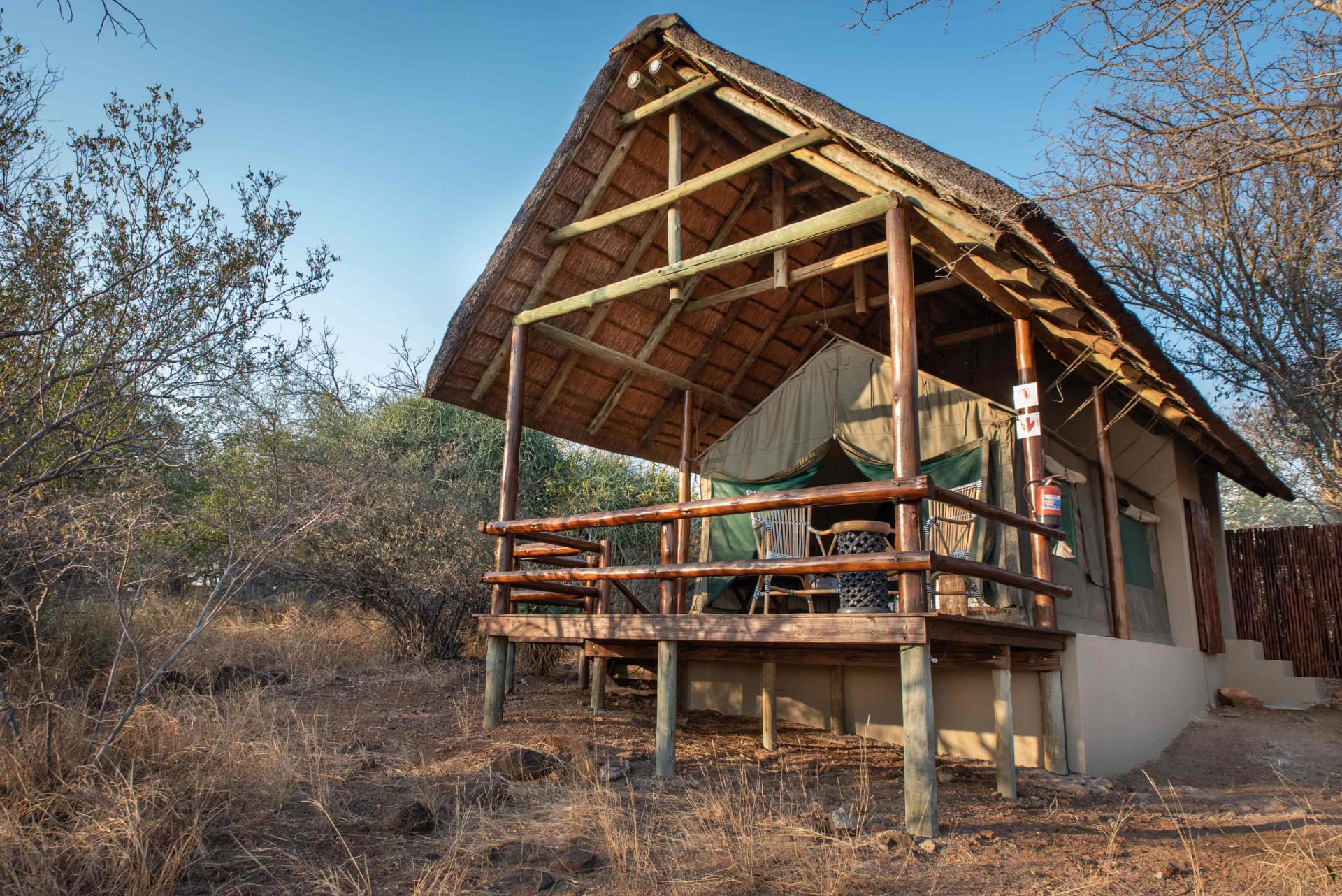
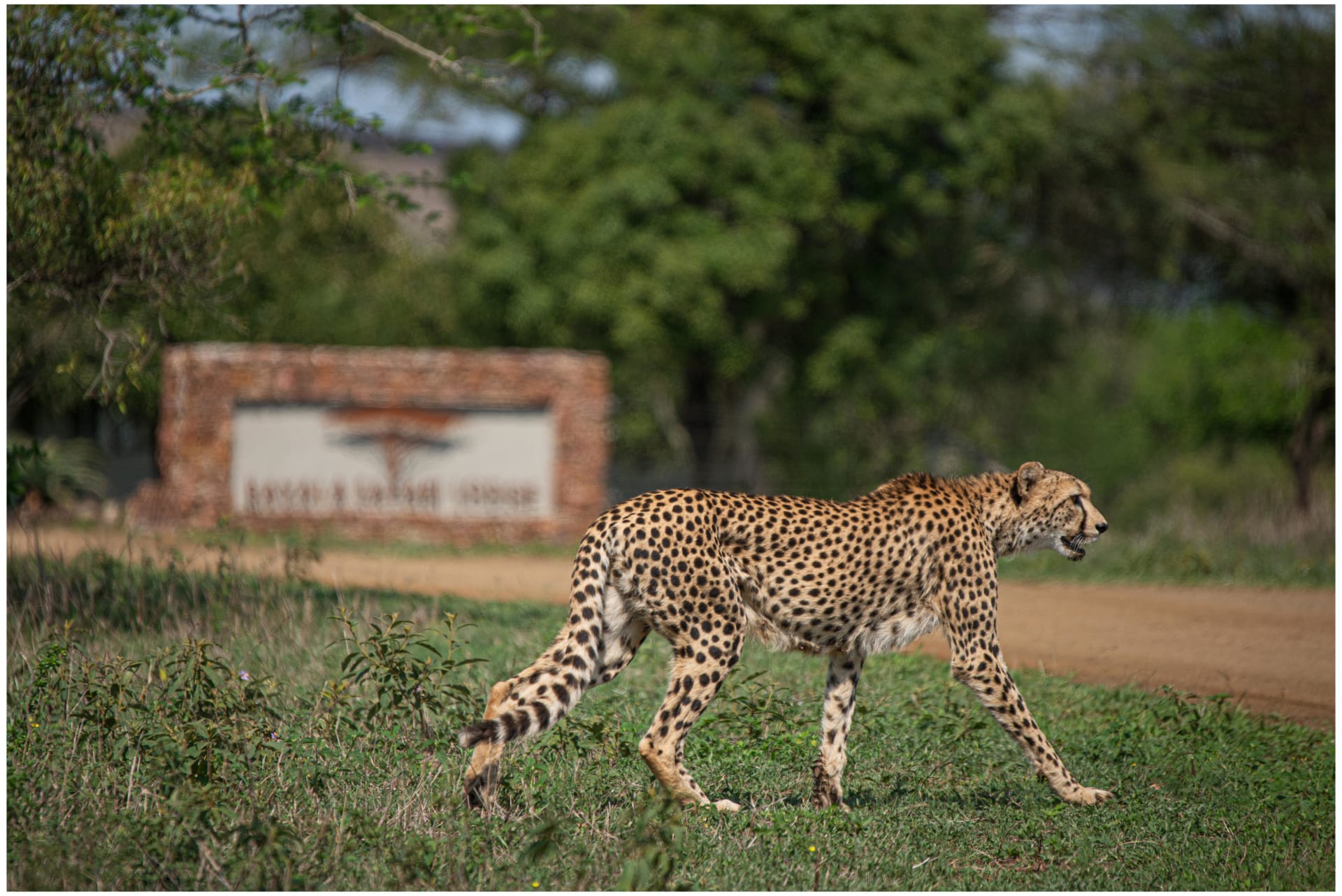
Leopards are notoriously elusive, but Sabi Sand's guides have perfected the art of locating them. The reserve also hosts healthy populations of lions, elephants, buffalo, and both black and white rhinoceros. Accommodation ranges from budget safari camps to ultra-luxury lodges. Most travelers spend 3–5 nights here and have excellent odds of seeing all Big Five within 2–3 game drives.
Kruger National Park
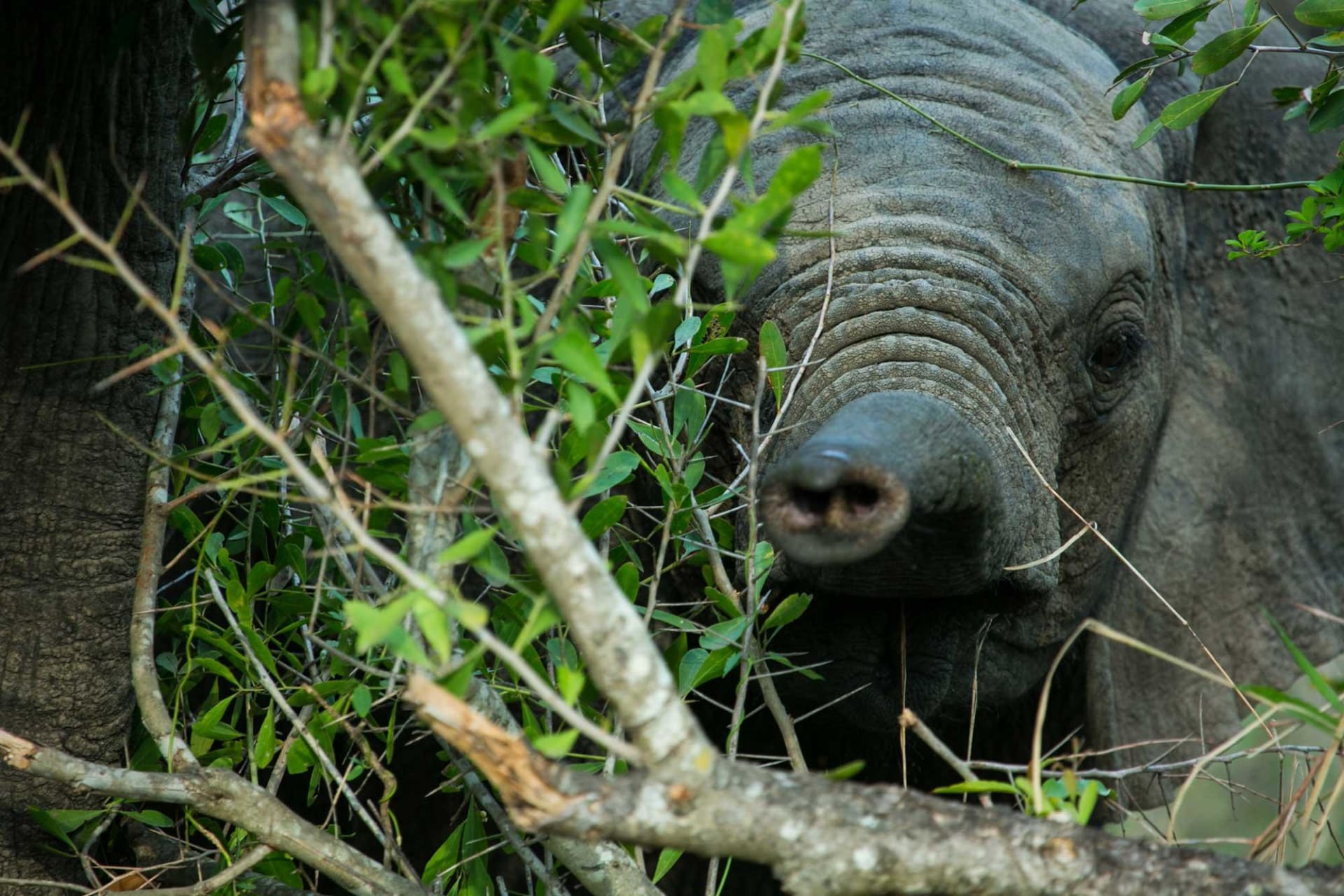
Kruger National Park is South Africa's largest national park, covering 19,633 square kilometers. It's home to the world's largest lion population and massive elephant herds. Buffalo and rhinos are abundant throughout the park. However, leopard sightings are less frequent than in private reserves like Sabi Sand because vehicles must stay on marked roads.
Kruger offers excellent budget safari options with government-run rest camps. Self-drive safaris are popular and affordable, though hiring a private guide significantly increases your wildlife spotting success. Many travelers combine Kruger with adjacent private reserves for the best of both worlds: affordability and premium Big Five viewing.
Timbavati Private Nature Reserve
Timbavati borders Kruger's western boundary and offers similar wildlife density with more exclusive experiences. The reserve is less crowded than Sabi Sand and provides intimate Big Five encounters. Accommodation options range from mid-range to luxury, with excellent value for the quality of sightings you'll experience.
Manyeleti Game Reserve
Manyeleti is a smaller, less-known reserve within the Greater Kruger ecosystem. It offers exceptional Big Five viewing with fewer tourists than Sabi Sand. Guides here are highly skilled, and the reserve's intimate size means more personalized safari experiences. It's ideal if you want premium wildlife encounters without the crowds.
Best Time to Visit for Big 5 Safari in South Africa
The best time for a Big 5 safari in South Africa is July and August. During these dry season months, animals concentrate around water sources, making them easier to locate. Vegetation is sparse, so wildlife visibility is excellent. Daytime temperatures are cool (15–25°C / 59–77°F), making game drives comfortable.
July and August: Peak Season
July and August are the dry season's peak months. Rainfall is minimal, so animals must drink at permanent water holes and river systems. This concentration makes Big Five spotting highly reliable. Guides can predict where animals will appear and position your safari vehicle accordingly. The cooler weather also energizes wildlife, making them more active during game drives.
Expect higher accommodation prices during these months due to peak demand. Book 3–6 months ahead to secure your preferred lodge and save 15–20% on rates. Many travelers find the investment worthwhile because your Big Five viewing success rate exceeds 90% during peak season.
May, June, September: Shoulder Season
May, June, and September offer excellent Big Five viewing with fewer tourists and lower prices than July-August. Rainfall remains minimal, so water concentration still drives animal behavior. September marks the start of spring, bringing lush vegetation and active wildlife. Accommodation rates drop 20–30% compared to peak season, making these months ideal for budget-conscious travelers.
Shoulder season is perfect for families and photographers. You'll enjoy more personalized guide attention and shorter vehicle queues at popular wildlife hotspots. Most operators report 80–85% Big Five sighting success during these months.
October to April: Rainy Season
October through April is the rainy season. Animals disperse across the landscape as water becomes abundant everywhere. This makes Big Five spotting more challenging because wildlife isn't concentrated at water holes. However, the landscape is lush and green, making for stunning photography. Bird watching is exceptional during these months.
If you must travel during rainy season, expect lower accommodation prices (40–50% discounts) and fewer tourists. Big Five sighting success drops to 60–70%, so be realistic about your wildlife viewing odds. Early mornings and late afternoons offer the best game drive conditions when rain typically clears.
Monthly Breakdown: Temperature and Rainfall
| Month | Avg. High (°C) | Rainfall | Big 5 Success | Best For |
|---|---|---|---|---|
| July | 22°C | Very low | 95% | Peak season, premium viewing |
| August | 24°C | Very low | 95% | Peak season, premium viewing |
| September | 27°C | Low | 85% | Shoulder season, value |
| May | 26°C | Low | 80% | Shoulder season, value |
| November | 30°C | Moderate | 65% | Budget travel, bird watching |
How to Plan Your Big 5 Safari: Practical Steps
Planning a Big 5 safari requires choosing your destination, booking accommodation, arranging guides, and planning game drives. Here's a step-by-step approach to ensure a successful trip that meets your budget and wildlife goals.
Step 1: Choose Your Reserve and Duration
Decide between Sabi Sand for premium leopard viewing or Kruger for budget options. Plan a minimum of 3 nights: one night to arrive and acclimate, then two full days of game drives. Most travelers spend 4–5 nights to increase their Big Five sighting odds. Longer stays (6–7 nights) are ideal for photography and in-depth wildlife experiences.
Consider combining reserves. Many travelers spend 3 nights in Sabi Sand, then 2 nights in Kruger's budget camps. This combination maximizes Big Five viewing while balancing premium and affordable experiences.
Step 2: Book Accommodation Well in Advance
Reserve your lodge 3–6 months before your trip, especially if traveling during peak season (July-August). Top lodges book solid during these months. Early booking also unlocks promotional rates and package deals. Most lodges include game drives, meals, and expert guides in their rates, simplifying planning.
Accommodation costs range widely: budget safari camps start at $150–300 per night, mid-range lodges run $400–800 per night, and luxury properties exceed $1,500 per night. All-inclusive packages simplify budgeting and typically offer better value than booking components separately.
Step 3: Arrange Transportation
Most travelers fly into Johannesburg's OR Tambo Airport, then book a connecting flight to Hoedspruit or Kruger Mpumalanga International Airport (KMIA). From there, your lodge typically arranges road transfers or charter flights. The drive from Johannesburg to Sabi Sand takes 5–6 hours; many travelers prefer a short charter flight (1 hour) for convenience.
If you're combining Kruger with Sabi Sand, consider renting a car for Kruger's self-drive option. This adds flexibility and reduces costs. Your lodge can advise on the best transportation strategy for your itinerary.
Step 4: Prepare for Game Drives
Pack binoculars, a camera with a good zoom lens (200mm minimum), sunscreen, and a hat. Wear neutral colors: khaki, green, brown, or gray. Avoid white, bright colors, and perfume, which can alert wildlife. Game drives occur early morning (5–6 AM start) and late afternoon (3–4 PM start), so bring layers for cool mornings.
Arrive at your lodge 1–2 days before your first game drive to rest from travel and acclimate. This also gives guides time to brief you on current animal locations and your Big Five strategy.
Step 5: Book Through Verified Operators
Explore verified safari tour operators for South Africa on SafariFind to compare packages, read authentic traveler reviews, and request quotes. Many operators offer all-inclusive Big Five packages that bundle flights, accommodation, game drives, and meals at competitive rates. SafariFind's verified operators have transparent pricing and real customer feedback, helping you avoid overpaying or booking with unreliable companies.
Big 5 Safari Costs and Package Options
Big 5 safari costs vary dramatically based on your destination, accommodation level, and travel season. As of 2026, expect to spend $2,000–$8,000+ per person for a complete 3–7 day Big 5 safari experience in South Africa. Understanding cost breakdowns helps you choose packages that deliver value.
Budget Safari Packages: $2,000–$3,500 per person
Budget packages typically include Kruger National Park accommodation, self-drive or group game drives, and basic lodging. You'll stay in government rest camps or budget private camps. Meals are usually self-catering or simple breakfast/dinner service. Guide quality varies; some lodges assign trained professionals, while others pair you with less experienced staff.
Budget packages work well for independent travelers comfortable with basic amenities. Your Big Five sighting odds are 70–80% if you hire a professional guide. These packages appeal to budget-conscious families and first-time safari-goers who prioritize wildlife over luxury.
Mid-Range Safari Packages: $3,500–$6,000 per person
Mid-range packages include quality private reserve accommodation (like Timbavati or Manyeleti), professional guide services, and good meals. Lodges offer comfortable rooms with en-suite bathrooms, daily game drives, and experienced guides trained in Big Five tracking. Many mid-range packages include drinks and snacks during game drives.
This price tier offers excellent value. You get expert guidance, reliable Big Five viewing (85–90% success), and comfortable accommodation without luxury pricing. Most families and serious wildlife enthusiasts choose mid-range packages because they balance experience quality with affordability.
Luxury Safari Packages: $6,000–$15,000+ per person
Luxury packages feature Sabi Sand Game Reserve or similar exclusive properties, premium accommodation with exceptional service, private guide assignments, and gourmet meals. Some packages include spa services, wine tastings, and helicopter flights. You'll experience world-class Big Five viewing with 95%+ success rates and highly personalized service.
Luxury packages justify their premium pricing through unmatched wildlife encounters, exclusive lodge experiences, and meticulous service. If budget allows, these packages deliver once-in-a-lifetime memories and the highest Big Five sighting guarantees.
Package Inclusions Comparison
| Package Type | Price per Person | Accommodation | Guide Quality | Big 5 Success Rate |
|---|---|---|---|---|
| Budget | $2,000–$3,500 | Basic camps | Variable | 70–80% |
| Mid-Range | $3,500–$6,000 | Quality lodges | Professional | 85–90% |
| Luxury | $6,000–$15,000+ | Premium resorts | Expert specialists | 95%+ |
Compare detailed South Africa safari costs and package pricing on SafariFind to find options that match your budget and preferences. SafariFind's transparent pricing and verified operator reviews help you avoid hidden fees and overpaying for safari packages.
Essential Tips for a Successful Big 5 Safari
Maximize your Big Five sighting odds and enjoy a comfortable safari experience with these practical tips. These recommendations come from experienced guides and seasoned safari travelers.
Wake Early and Stay Patient
The best game drives happen at dawn, between 5–8 AM. Animals are most active in cool morning temperatures. Set your alarm and resist the urge to sleep in. Most travelers see their most memorable Big Five encounters during early morning drives. Patience is equally crucial: sometimes you'll drive 2–3 hours before spotting an animal. Trust your guide's expertise and enjoy the landscape while you wait.
Communicate Clearly With Your Guide
Tell your guide upfront which Big Five animals you haven't seen yet. Guides prioritize finding your missing animals, especially if you're nearing the end of your stay. If you're interested in photography, let your guide know so they can position the vehicle for optimal light and angles. Good communication transforms a good safari into an exceptional one.
Respect Wildlife and Park Rules
Never leave your safari vehicle unless your guide explicitly allows it. Maintain a minimum distance from animals (typically 25 meters). Keep noise levels low during game drives. Turn off your phone or use silent mode. Respect park rules about staying on designated routes. These practices protect wildlife and ensure everyone's safety.
Dress Appropriately
Wear neutral colors: khaki, tan, olive, or gray. Avoid bright white, neon, or patterned clothing that alerts wildlife. Bring warm layers for cool early mornings (15–20°C). Pack a light rain jacket for unexpected showers. Wear comfortable, broken-in walking shoes for lodge exploration. Sunscreen and a wide-brimmed hat are essential for sun protection during long drives.
Bring Quality Binoculars and Camera Gear
Binoculars dramatically improve your wildlife spotting experience. Invest in 8×42 or 10×42 models for clear, wide-field viewing. A camera with at least 200mm zoom lets you capture distant wildlife. If you're serious about photography, bring a 400–600mm telephoto lens and a sturdy tripod. Even smartphone photographers benefit from binoculars for real-time viewing.
Comparing South Africa Safari to Other African Destinations
South Africa's Big 5 safari experience differs significantly from Kenya and Tanzania options. Understanding these differences helps you choose the right destination for your wildlife goals and budget preferences.
South Africa vs. Kenya
South Africa's private reserves allow off-road driving and night drives, dramatically increasing Big Five viewing odds. Kenya's Masai Mara restricts vehicles to marked roads, limiting flexibility. South Africa's leopard sighting success rates are superior due to expert tracking and reserve accessibility. Kenya offers excellent value for budget travelers and features the famous Great Migration, which South Africa doesn't have. Choose South Africa for focused Big Five viewing; choose Kenya for diverse wildlife experiences and budget affordability.
South Africa vs. Tanzania
Tanzania's Serengeti is larger and wilder, offering a more pristine wildlife experience. However, Big Five viewing is less reliable than South Africa because vehicles are restricted to marked roads. Serengeti vs. Kruger comparisons show that Kruger offers better Big Five reliability for budget travelers. Tanzania offers exceptional value and a more remote safari feel. Choose South Africa for Big Five certainty; choose Tanzania for wilderness immersion and budget pricing.
South Africa vs. Botswana
Botswana's Okavango Delta offers unique water-based safaris and exceptional wildlife diversity. However, Big Five viewing success rates are lower than South Africa's private reserves. Botswana is pricier than South Africa while delivering similar wildlife experiences. South Africa edges ahead for focused Big Five safaris; Botswana excels for diverse wildlife and unique landscape experiences.
Budget travelers can find Botswana safari packages under $2,500 per person, though South Africa's budget options remain more affordable overall.
Practical Information: Visas, Vaccinations, and Logistics
Before booking your Big 5 safari, address travel requirements, health preparations, and logistical details. Proper planning ensures a smooth journey and lets you focus on wildlife viewing rather than travel stress.
Visa Requirements for US Citizens
US citizens receive a 90-day visa exemption upon arrival in South Africa. No pre-arrival visa application is needed. Simply present your passport (valid for at least 6 months beyond your travel dates) at immigration. Your passport must have at least two blank pages. Most travelers complete immigration in 10–15 minutes. Keep your immigration stamp and departure card safe; you'll need them when leaving.
Recommended Vaccinations
The CDC recommends routine vaccinations (MMR, tetanus) before traveling to South Africa. Yellow fever vaccination is not required for South Africa itself, but many countries require proof if you've recently visited endemic areas. Consult your doctor 4–6 weeks before travel. Malaria prophylaxis is recommended for Kruger and surrounding areas; your doctor can prescribe appropriate medication based on your health profile. Malaria risk is moderate during rainy season (October-April) and lower during dry season (May-September).
Travel Insurance
Purchase comprehensive travel insurance covering medical emergencies, trip cancellation, and evacuation. Safari destinations can be remote; medical evacuation costs exceed $50,000. Travel insurance typically costs $150–400 for 2-week trips and provides peace of mind. Ensure your policy covers safari activities and pre-existing medical conditions if applicable.
Getting to South Africa
Most international travelers fly into Johannesburg's OR Tambo International Airport. Direct flights from the US take 14–16 hours. From Johannesburg, book a connecting flight to Hoedspruit or Kruger Mpumalanga International Airport (KMIA), both 1-hour flights. Your safari lodge typically arranges ground transfers from the airport. Alternatively, rent a car and drive 5–6 hours from Johannesburg to Sabi Sand, which offers flexibility and scenic route options.
Currency and Payments
South Africa's currency is the South African Rand (ZAR). As of July 2026, 1 USD equals approximately 18–20 ZAR. Most safari lodges accept credit cards, but carry cash for tips, local purchases, and small vendors. ATMs are available in major towns near safari areas. Notify your bank before travel to avoid card blocks when withdrawing cash.
Key Takeaways
- Book your Big 5 safari in South Africa's Greater Kruger region 3–6 months in advance to secure premium accommodation and save 15–20% on rates.
- Visit July–August for the highest Big Five sighting success rates (95%+) when animals concentrate around water sources during the dry season.
- Plan a minimum 3-night stay with at least 2 full days of game drives; 4–5 nights maximizes your wildlife encounter odds and overall experience quality.
- Choose mid-range safari packages ($3,500–$6,000 per person) for excellent value, professional guides, and 85–90% Big Five viewing success rates.
- Request quotes from verified SafariFind operators to compare packages, read authentic traveler reviews, and avoid overpaying for safari experiences.
Frequently Asked Questions
How much does a Big 5 safari in South Africa cost?
A Big 5 safari in South Africa costs $2,000–$8,000+ per person for 3–7 days, depending on accommodation level and season. Budget packages start at $2,000–$3,500 per person in government rest camps. Mid-range packages run $3,500–$6,000 per person in quality private reserves. Luxury packages exceed $6,000–$15,000+ per person in premium lodges like Sabi Sand. Peak season (July-August) costs 30–50% more than shoulder season (May, June, September). Book through SafariFind's verified operators to find packages that match your budget.
What is the best time of year for safari in South Africa?
The best time for a Big 5 safari in South Africa is July and August. During these dry season months, animals concentrate around permanent water sources, making wildlife spotting highly reliable. Your Big Five sighting success rate exceeds 95% during peak season. Daytime temperatures are comfortable (15–25°C / 59–77°F). Shoulder season months (May, June, September) offer excellent viewing with fewer tourists and lower prices. Avoid October–April (rainy season) when animals disperse and sighting success drops to 60–70%.
Where is the best safari in South Africa for seeing the Big 5?
Sabi Sand Game Reserve is the best destination for Big 5 viewing in South Africa. This 65,000-hectare private reserve borders Kruger National Park and is famous for the world's best leopard sightings. Dense lion, elephant, buffalo, and rhino populations offer exceptional Big Five encounters. Off-road driving and night drives maximize wildlife viewing odds. For budget-friendly Big 5 viewing, Kruger National Park offers excellent wildlife density with lower accommodation costs. Most travelers spend 3–5 nights in Sabi Sand and achieve 95%+ Big Five sighting success.
How long should I spend on a Big 5 safari?
Plan a minimum 3-night stay for a Big 5 safari in South Africa. This allows 1 night to arrive and acclimate, then 2 full days of game drives. Most travelers spend 4–5 nights to increase Big Five sighting odds and enjoy multiple habitat types. Longer stays (6–7 nights) are ideal for photography, in-depth wildlife experiences, and combining multiple reserves like Sabi Sand and Kruger. First-time safari-goers benefit from 4–5 nights to maximize their wildlife encounter odds and overall experience quality.
What vaccinations are recommended for a South Africa safari?
The CDC recommends routine vaccinations (MMR, tetanus) before traveling to South Africa. Malaria prophylaxis is recommended for Kruger and surrounding areas; consult your doctor 4–6 weeks before travel for appropriate medication. Yellow fever vaccination is not required for South Africa itself. Ensure your routine vaccinations are current. Your doctor can assess your individual health profile and recommend specific preventive measures. Travel insurance covering medical emergencies is essential for safari destinations.
How do I book a Big 5 safari in South Africa online?
Book your Big 5 safari through SafariFind's verified tour operators. Browse available packages, compare prices and ratings, read authentic traveler reviews, and request quotes directly from operators. SafariFind's transparent marketplace lets you see package inclusions, lodge amenities, guide qualifications, and pricing before committing. Many operators offer all-inclusive packages bundling flights, accommodation, game drives, and meals at competitive rates. Book 3–6 months in advance for peak season travel to secure your preferred lodge and save money.
Can I see the Big 5 in other South African parks besides Kruger?
Yes, multiple South African reserves offer Big Five viewing. Sabi Sand Game Reserve offers the best leopard sightings and premium Big Five experiences. Timbavati Private Nature Reserve and Manyeleti Game Reserve provide excellent Big Five viewing with fewer tourists than Sabi Sand. Addo Elephant National Park features elephants, lions, buffalo, and rhinos but has fewer leopard sightings. For comprehensive Big Five viewing, Sabi Sand and Kruger remain the top choices. Each reserve offers different price points and experience levels, so choose based on your budget and preferences.
Conclusion
South Africa's Greater Kruger region, particularly Sabi Sand Game Reserve, is the world's best destination for Big 5 safari experiences. The combination of expert guides, private reserves allowing off-road driving, and dense wildlife populations delivers unmatched Big Five viewing success rates. Visiting July or August maximizes your wildlife encounter odds, with success rates exceeding 95% for seeing all five animals.
Plan your trip 3–6 months in advance and allocate at least 3–4 nights for optimal Big Five viewing. Mid-range packages ($3,500–$6,000 per person) offer excellent value, combining professional guides, quality accommodation, and reliable wildlife experiences. Read SafariFind's comprehensive South Africa safari guide for detailed park information, routes, and booking strategies.
To ensure a smooth booking process and avoid overpaying, compare verified safari operators on SafariFind. Browse available Big 5 packages, read authentic traveler reviews, and request quotes from multiple operators. SafariFind's transparent marketplace helps you find the perfect safari experience that matches your budget, travel dates, and wildlife goals. Start planning your Big 5 adventure today and prepare for the safari experience of a lifetime in 2026.
Plan Your Safari with SafariFind
These recommendations use real data from SafariFind, where you can compare operators, browse packages, and read verified traveler reviews before you book.
Recommended Safari Operators from SafariFind
Recommended Safari Packages from SafariFind
What Travelers Say (SafariFind Reviews)
References
- Big Five Safari South Africa 2026 | Best Reserves & Packages - Private Tours Cape Town
- Best Time for a Big Five Safari | Discover Africa
- Top 10 Best African Safari Tours in 2026 | Safari.com Blog
- Big 5 Safari South Africa | Big 5 Safaris in South Africa - African Budget Safaris
- Big 5 Safari | South Africa Safari | Ker & Downey World Travel
- 10 Best Big Five Safaris in Africa 2026/2027 - Best Deals - TourRadar
- When Is The Best Time To Visit South Africa For Safari? - Horizon Guides
- These are the Best Safari Locations in Africa to See the Big 5 - Go2Africa
Sources
- Big Five Safari South Africa 2026 | Best Reserves & Packages
- Best Time for a Big Five Safari | Discover Africa
- Top 10 Best African Safari Tours in 2026 | Safari.com Blog
- Big 5 Safari South Africa | Big 5 Safaris in South Africa
- Big 5 Safari | South Africa Safari | Ker & Downey World Travel
- 10 Best Big Five Safaris in Africa 2026/2027 - Best Deals
- When Is The Best Time To Visit South Africa For Safari?
- These are the Best Safari Locations in Africa to See the Big 5
Related to
Ready to start your safari adventure?
Explore curated safari packages and find your perfect African adventure with verified operators.