Madagascar Safari & Beach Holiday 2026: 7-Day Itineraries Under $2,500
Plan a 7-day Madagascar safari and beach holiday for $1,800–$2,500 per person in 2026. See lemurs, whales, and pristine beaches. Book verified operators on SafariFind.
Madagascar Safari & Beach Holiday: 7-Day Under $2,500
Last updated: July 2026
A 7-day Madagascar safari and beach holiday costs $1,800–$2,500 per person in 2026, including national parks, wildlife viewing, and beach time. The best time to visit is May to October for wildlife and whale watching. Book through verified operators on SafariFind to compare packages and read authentic reviews from past travelers.
At a Glance
- Cost per person: $1,800–$2,500 for 7 days
- Best time to visit: May–October (dry season, whale watching July–September)
- Duration: 7 days recommended for safari and beach combination
- Getting there: Flights to Antananarivo (capital), then domestic travel to parks and beaches
- Best for: Budget travelers, wildlife lovers, first-time safari-goers, couples seeking adventure and relaxation
- Wildlife highlights: Lemurs, chameleons, humpback whales, endemic species found nowhere else on Earth
What Is a Madagascar Safari & Beach Holiday Under $2,500?
A Madagascar safari and beach holiday is a 7-day trip combining national park wildlife viewing with coastal relaxation. You'll see unique animals like lemurs and chameleons, then unwind on pristine beaches. The total cost stays under $2,500 per person when you book smart and choose budget-friendly lodges.
Madagascar is an island nation off Africa's east coast. It's home to 90% of animals found nowhere else on Earth. This makes it one of the world's top wildlife destinations. You start and end your trip in Antananarivo, the capital city. From there, you travel to national parks for safari experiences, then head to coastal areas for beach time.
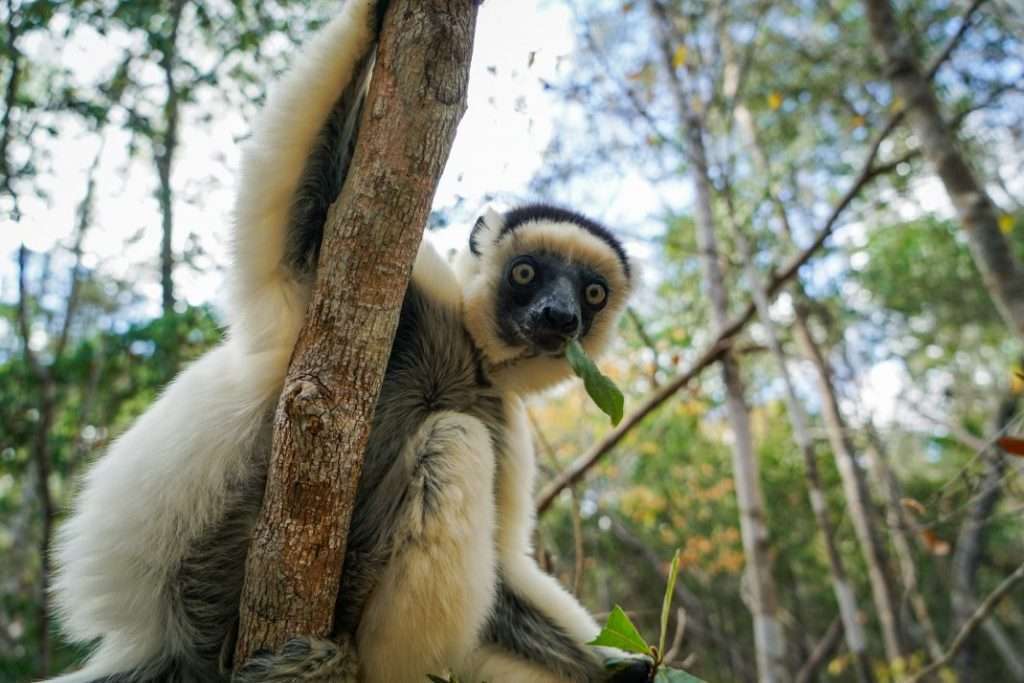
Unlike traditional African safaris in Kenya or Tanzania, Madagascar offers something different. You'll see lemurs jumping through trees instead of lions hunting prey. You'll spot colorful chameleons and unique reptiles. If you visit July through September, you might see humpback whales off the coast. This combination of wildlife and beach makes Madagascar special for budget travelers.
The trip works because flights to Madagascar are cheaper than many African destinations, and local accommodations cost less than Kenya or South Africa. Park fees run $5–$20 per person daily. Local guides cost $10–$25 per day. Activities like hiking and snorkeling run $30–$80 each. These low costs let you experience an amazing safari without breaking your budget.
Explore Madagascar safari packages under $2,500 on SafariFind to compare verified operators and read real traveler reviews.
How to Build Your 7-Day Itinerary Under $2,500
Days 1–2: Antananarivo City Exploration
Antananarivo is Madagascar's vibrant capital where all visitors arrive. Spend your first two days exploring the city's rich history, colonial architecture, and bustling markets. You'll adjust to the local time and get your bearings before heading into the wilderness.
The city sits high in the highlands with stunning views across the landscape. Visit local markets to see vanilla, spices, and traditional crafts. Explore colonial-era buildings and museums. Eat local food like rice and beef stew. Book a local guide for $10–$25 to learn about Malagasy culture and history.
Budget $100–$150 for two nights in a guesthouse, meals, and city activities. This gives you energy for the safari days ahead. Many budget lodges in Tana offer clean rooms and hot water without fancy extras.
Days 3–5: National Park Safari Experience
Madagascar's main highlights are its national parks and wildlife. Choose parks based on what animals you want to see. Reniala Nature Reserve in the southwest offers rare endemic flora, animals, and reptiles. Andasibe-Mantadia National Park in the east is famous for lemurs and rainforest hiking.
Park entrance fees cost $5–$20 daily. Mandatory local guides run $10–$25 per day. Activities like guided hikes, night walks, and wildlife spotting tours cost $30–$80 each. Budget $150–$300 for all activities across three days.
Stay in eco-lodges or guesthouses near the parks. Rooms cost $30–$60 per night. Three nights of accommodation, food, park fees, guides, and activities total $300–$450. You'll see lemurs, chameleons, rare birds, and other animals found nowhere else on Earth.
Learn more about Madagascar safari animals and what you'll actually see to plan which parks match your interests.
Days 6–7: Beach and Ocean Relaxation
End your trip on Madagascar's beautiful beaches. Nosy Be Island is famous for its vanilla and ylang-ylang scented air. This island offers beach relaxation, snorkeling, and whale watching during peak season (July–September).
Other beach options include southwest Madagascar's coastal areas. The drive between parks and beaches takes a few hours. Book a private transfer instead of self-driving, as truck traffic and road conditions make it tedious.
Budget $40–$80 per night for beach guesthouses. Spend two nights relaxing, swimming, and snorkeling. Add $100 for meals and activities. Total for beach days: $180–$260.
Total 7-Day Budget Breakdown
Accommodation: $300–$500 (mix of city, park lodges, and beach guesthouses)
Meals: $200–$350 (eating local food and simple restaurants)
Park fees & guides: $150–$300 (mandatory guides and entrance fees)
Activities & transport: $300–$450 (safaris, hikes, private transfers, snorkeling)
Flights within Madagascar: $200–$400 (internal flights or long-distance transport)
Total in-country costs: $1,150–$2,000
International flights: $400–$800 (varies by origin country)
Grand total: $1,550–$2,800
Compare verified Madagascar safari packages on SafariFind to find operators offering 7-day trips within your budget.
Why Madagascar Safari & Beach Is the Best Budget Option in 2026
Madagascar offers incredible value compared to other African safari destinations. Kenya and Tanzania safaris cost $2,500–$5,000 for 7 days. Madagascar delivers the same experience for less. Madagascar safari vs Kenya shows Madagascar is often better value for budget travelers.
The island's unique wildlife justifies the trip alone. Lemurs exist only in Madagascar. Chameleons here are found nowhere else. These animals draw wildlife lovers from around the world. You get a truly different safari experience, not just another African game drive.
Beach access is built into the trip. Most African safaris end when you leave the park. Madagascar lets you combine wildlife and relaxation in one package. You see animals for three days, then swim and snorkel for two days. This dual experience appeals to couples and families wanting variety.
The dry season (May–October) offers perfect weather. Rain is minimal. Wildlife is easier to spot around water sources. Humpback whales migrate past Nosy Be July through September. This seasonal timing means you maximize animal encounters without high peak-season prices.
Local guides and accommodations are genuinely affordable. A guesthouse room costs $30–$60 per night. A guide costs $10–$25 daily. Local restaurants serve filling meals for $3–$8. These prices let your budget stretch much further than in Kenya or South Africa.
Best Time to Visit Madagascar in 2026
The best time to visit Madagascar is May through October. This dry season offers cool temperatures, minimal rain, and excellent wildlife viewing. Prices are moderate—not peak season inflated, but not low season either.
May–June: Ideal Weather, Fewer Crowds
May and June bring mild temperatures and low rainfall. The landscape is green from recent rains, but the skies are mostly clear. Wildlife congregates around water sources, making spotting easier. Whale watching begins in June as humpback whales start migrating. Fewer tourists visit during these months, so you enjoy parks with less crowding and often lower prices.
July–September: Peak Wildlife & Whale Season
July through September is peak season for good reason. Humpback whales arrive in huge numbers off the coast. This is the best time for whale watching and snorkeling with whale sharks. Wildlife viewing is excellent. Temperatures are cool and comfortable. However, prices rise during these months. Book 2–3 months ahead to get the best rates and secure accommodations.
October: Late Season Bargains
October marks the tail end of the dry season. Weather is still good, though occasional rain appears. Temperatures warm up. Whale watching ends as humpbacks depart. However, prices drop as peak season ends. You get excellent wildlife viewing without peak-season crowds or costs. October is perfect for budget travelers who don't need whale watching.
Avoid November–April
November through April is the wet season. Heavy rains fall, especially December through March. Roads become muddy and difficult. Some parks close temporarily. Cyclones can occur. Prices drop, but weather makes safari and beach activities less enjoyable. Skip this season unless you're a hardcore budget traveler willing to accept rain and occasional park closures.
Getting to Madagascar & Getting Around
Most visitors fly into Antananarivo's Ivato International Airport. This is the main entry point for all international flights. From there, you need to reach parks and beaches. Understanding transport options helps you stay under budget.
International Flights to Madagascar
Direct flights from Europe, Asia, and the Americas go to Antananarivo. Flight costs vary by origin. From the US, expect $400–$800 roundtrip. From Europe, budget $500–$900. From Asia, plan $300–$600. Book flights 2–3 months ahead for better prices. Budget airlines sometimes offer deals, but check reviews before booking.
Domestic Flights Within Madagascar
Flying between cities is often cheaper than long road trips. Antananarivo to Andasibe costs about $80–$120. Flights to beach destinations run $100–$200. Budget $200–$400 for internal flights in your 7-day trip. Air Madagascar is the main domestic carrier, though smaller airlines also operate.
Private Transfers & Road Travel
Between parks and beaches, book private transfers instead of self-driving. Truck traffic makes road travel tedious. A private car with driver costs $50–$100 daily. This is worth it for comfort and safety. Budget $200–$300 for transfers across your week.
Local minibuses (taxi-brousses) are cheaper at $5–$15 per journey, but slower and less comfortable. They work if you have extra time and flexibility.
Accommodation Options Under Budget
Staying under $2,500 total means finding affordable rooms. Madagascar offers excellent guesthouses and eco-lodges at budget prices.
City Guesthouses (Antananarivo)
Budget guesthouses in Tana cost $30–$50 per night. Rooms are clean with basic amenities. Many include breakfast. They're centrally located for exploring markets and colonial sites. Booking platforms like Booking.com and Airbnb list many options. Read reviews carefully to avoid poorly maintained properties.
Park Eco-Lodges
Near national parks, eco-lodges range from $40–$80 per night. These are locally owned and operated. They support conservation efforts. Rooms are simple but comfortable. Many include meals. Staff arrange guides and activities. Staying near parks saves transport costs and maximizes wildlife viewing time.
Beach Guesthouses
Coastal guesthouses cost $40–$80 per night. Many offer ocean views and beach access. Some include snorkeling gear. Meals are available at reasonable prices. Book directly with guesthouses to negotiate weekly rates and discounts.
Booking Tips for Budget Travelers
Book accommodations 2–3 months ahead for better rates. Ask about weekly discounts. Many guesthouses reduce nightly rates for stays of 3+ nights. Email directly instead of using booking platforms—you often save 10–15%. Look for places including breakfast and dinner, as this reduces meal costs.
What to Pack for Safari & Beach
Packing smart means bringing essentials without overpacking. You'll experience rainforest, parks, and beaches in one week.
Safari Clothing
- Neutral colors (khaki, brown, green) for wildlife viewing
- Long pants and long-sleeve shirt for sun and insect protection
- Lightweight jacket for cool mornings and evenings
- Sturdy hiking boots broken in before the trip
- Hat or cap for sun protection
- Sunglasses
Beach & Water Gear
- Swimsuit and beach cover-up
- Snorkeling mask and fins (or rent on-site)
- Lightweight sandals or flip-flops
- Water shoes for rocky beaches
Essential Items
- High-SPF sunscreen (reapply often)
- Insect repellent (DEET-based for malaria prevention)
- Basic medications (painkillers, anti-diarrhea, antihistamine)
- Prescription medications in original bottles
- Lightweight rain jacket or poncho
- Binoculars for wildlife spotting
- Camera and extra batteries or power bank
- Reusable water bottle (tap water is unsafe in many areas)
- Universal power adapter for Madagascar's outlets
Pack light. You'll move between locations multiple times. One carry-on and one checked bag is ideal. Guesthouses have laundry services, so you can wash clothes mid-trip.
Budget Tips to Stay Under $2,500
Smart choices keep costs down without sacrificing experience.
Eat Local Food
Rice-based dishes, local vegetables, and grilled meat cost $3–$8 per meal. Eating where locals eat saves money and tastes great. Avoid tourist restaurants charging $15–$25 for simple meals. Street food is safe if busy and freshly cooked.
Book Tours Directly
Booking guides directly instead of through tour companies saves 20–30%. Ask your guesthouse to arrange guides. Many guides work independently and offer better rates than tour operators.
Travel During Shoulder Season
Visit May–June or October instead of July–September. You save 15–25% on accommodations and flights. Weather is still excellent. Crowds are smaller.
Book Flights Early
International and domestic flights cost less when booked 2–3 months ahead. Use flight comparison sites like Skyscanner and Google Flights. Set price alerts to catch deals.
Share Accommodations
Traveling with a friend? Split a double room to cut costs. Many guesthouses have shared rooms at lower rates. Meeting other travelers creates fun experiences.
Skip Expensive Activities
Some tours cost $100+. Skip expensive options like expensive boat tours or private yacht rentals. Stick to hiking, snorkeling, and wildlife viewing with local guides. These cost $30–$80 and deliver amazing experiences.
Health & Safety Considerations
Madagascar is generally safe for tourists. Use common sense like you would anywhere. A few health precautions are important.
Malaria Prevention
Malaria is present in Madagascar, especially below 1,200 meters elevation. Consult your doctor about antimalarial medication. Atovaquone-proguanil, doxycycline, and mefloquine are common options. Combine medication with insect repellent and long sleeves, especially at dawn and dusk.
Water Safety
Tap water is not safe to drink. Use bottled water for drinking and brushing teeth. Many guesthouses provide filtered water. Boiling water for 10 minutes makes it safe if bottled water isn't available.
Vaccinations
Consult your doctor about vaccinations. Hepatitis A, typhoid, and routine vaccines are often recommended. Yellow fever vaccine is not required but sometimes suggested. Get vaccines 4–6 weeks before travel.
Tourist Safety
Petty theft occurs in cities and tourist areas. Keep valuables secure. Avoid displaying expensive cameras or jewelry. Use hotel safes. Avoid walking alone at night in cities. Stick to main streets and tourist areas.
Rural areas and national parks are very safe. Park rangers and guides provide security. Wildlife is not aggressive toward humans if you follow guide instructions.
Madagascar vs Other Budget Safari Destinations
How does Madagascar compare to Kenya, Tanzania, and Botswana for budget travelers? Tanzania vs Kenya safari comparisons show pricing differences, and Madagascar often wins on value.
Madagascar vs Kenya
Kenya is famous for the Masai Mara and Great Migration. A 7-day Kenya safari costs $2,500–$5,000 per person. Madagascar costs $1,800–$2,500. Both offer excellent wildlife. Kenya has larger animals like lions and elephants. Madagascar has unique endemic species like lemurs. Kenya's parks are more famous. Madagascar is less crowded and cheaper. For budget travelers wanting something different, Madagascar wins.
Madagascar vs Tanzania
Tanzania's Serengeti is iconic. A 7-day Tanzania safari runs $2,500–$5,500 per person. Madagascar costs less and includes beaches. Tanzania offers the Great Migration and vast landscapes. Madagascar offers unique wildlife and beach time. Tanzania is better for large animal viewing. Madagascar is better for budget travelers wanting variety.
Madagascar vs Botswana
Botswana safari under $2,500 is possible but challenging. Botswana is expensive—$3,000–$6,000 for 7 days. Madagascar is cheaper and offers beaches. Botswana has abundant large wildlife. Madagascar has endemic species. For pure budget travel, Madagascar is the winner.
Key Takeaways
- Book 2–3 months ahead to save 15–25% on flights and accommodations for your 7-day Madagascar safari.
- Visit May–October for the best dry season weather and optimal wildlife viewing without peak-season price inflation.
- Budget $1,800–$2,500 per person for 7 days including national park safaris, beach time, meals, and all activities in 2026.
- Stay in eco-lodges and guesthouses at $30–$80 per night to keep accommodation costs low while supporting local communities.
- Eat local food and book guides directly to save 20–30% compared to tourist restaurants and tour operator markups.
Frequently Asked Questions
How much does a 7-day Madagascar safari and beach holiday cost in 2026?
A 7-day Madagascar safari and beach holiday costs $1,800–$2,500 per person in 2026. This includes accommodations ($300–$500), meals ($200–$350), park fees and guides ($150–$300), activities and transport ($300–$450), and domestic flights ($200–$400). International flights add $400–$800 depending on your origin country. Budget travelers can stay near the lower end by eating local food, booking guides directly, and visiting during shoulder season (May–June or October).
What is the best time to visit Madagascar for safari and beaches?
The best time to visit Madagascar is May through October, the dry season. May–June offers mild weather and fewer crowds. July–September is peak season with excellent whale watching (humpback whales migrate July–September) but higher prices. October provides late-season bargains with still-good weather. Avoid November–April, the wet season with heavy rain and occasional cyclones. For budget travelers, May–June and October offer the best balance of good weather and lower prices.
What animals will I see on a Madagascar safari?
Madagascar safaris feature unique wildlife found nowhere else on Earth. You'll see lemurs (ring-tailed, red-ruffed, and others), colorful chameleons, endemic birds, and unique reptiles. The island has 90% of animals found only in Madagascar. Unlike African safaris with lions and elephants, Madagascar offers smaller, more specialized animals. Visit Madagascar safari animals guide to learn exactly what species you'll encounter in different parks.
Do I need vaccinations or malaria medication for Madagascar?
Consult your doctor about vaccinations and antimalarial medication before traveling. Hepatitis A, typhoid, and routine vaccines are often recommended. Yellow fever vaccine is not required but sometimes suggested. Malaria is present in Madagascar below 1,200 meters elevation. Your doctor may recommend antimalarial medication like atovaquone-proguanil, doxycycline, or mefloquine. Also use insect repellent (DEET-based), wear long sleeves at dawn and dusk, and drink only bottled or boiled water.
Is Madagascar safer than Kenya or Tanzania for tourists?
Madagascar is generally safe for tourists. Petty theft occurs in cities, so keep valuables secure and avoid walking alone at night. Rural areas and national parks are very safe. Wildlife is not aggressive toward humans if you follow guide instructions. Madagascar has fewer security concerns than some other African countries. Stick to main streets in cities, use hotel safes, and avoid displaying expensive items. Tour operators and park rangers provide excellent security during safari activities.
Can I combine safari and beach time in one 7-day trip to Madagascar?
Yes, combining safari and beach time is one of Madagascar's best features. Spend 3 days in national parks like Andasibe or Reniala for wildlife viewing. Spend 2 days on beaches like Nosy Be for snorkeling and relaxation. Add 2 days in Antananarivo for city exploration and travel time. This combination gives you diverse experiences without extending your trip. Most verified operators on SafariFind offer packages combining both elements within your 7-day timeframe.
Where can I book a verified Madagascar safari package under $2,500?
SafariFind connects you with verified tour operators offering Madagascar safari packages under $2,500. Browse verified operators, read authentic reviews from past travelers, and request quotes directly. Compare packages by price, duration, included activities, and traveler ratings. SafariFind's marketplace helps you avoid fake operators and find trustworthy companies. Request quotes from multiple operators to negotiate the best rates for your travel dates.
Conclusion
A Madagascar safari and beach holiday is an affordable, unique way to experience African wildlife and tropical beaches. For $1,800–$2,500 per person, you get 7 days combining national park safaris with coastal relaxation. Visit May through October for the best weather and wildlife viewing. See lemurs and endemic species found nowhere else on Earth. End your days swimming and snorkeling on beautiful beaches.
Madagascar delivers better value than Kenya, Tanzania, or Botswana for budget travelers. You save 20–40% compared to traditional African safaris while experiencing something completely different. Local accommodations, affordable guides, and inexpensive meals stretch your budget further. Eating local food, booking guides directly, and traveling during shoulder season keep costs down without sacrificing quality.
The island's unique wildlife, stunning beaches, and low prices make Madagascar perfect for first-time safari-goers, couples seeking adventure and relaxation, and budget-conscious travelers. Start planning your trip now. Book flights and accommodations 2–3 months ahead to secure the best rates. In 2026, Madagascar offers one of the world's best safari and beach experiences at an unbeatable price.
Ready to book your Madagascar safari and beach holiday? Browse verified Madagascar safari packages on SafariFind to compare operators, read authentic reviews, and request quotes from trusted companies offering 7-day trips under $2,500.
Plan Your Safari with SafariFind
These recommendations use real data from SafariFind, where you can compare operators, browse packages, and read verified traveler reviews before you book.
Recommended Safari Operators from SafariFind
What Travelers Say (SafariFind Reviews)
References
- 6 Best Safari-and-Beach Trip Ideas, From Madagascar to Mozambique – Condé Nast Traveler
- Tours, Overlands & Safaris Departing from Antananarivo – African Budget Safaris
- Madagascar – Wild Planet Adventures
- Madagascar Travel Budget for 2 Weeks – Real Costs & Tips (2026) – Safari Tours Madagascar
- Safari & Beach Vacations in 2026 & 2027 – Responsible Travel
- Beach Holidays in South West Madagascar – Far and Wild Travel
- 7-Day Madagascar Tour Itinerary – TourRadar
- Madagascar Vacation Packages with Airfare, Hotels & Tours 2026/2027 – Exoticca
Sources
- 6 Best Safari-and-Beach Trip Ideas, From Madagascar to Mozambique
- Tours, Overlands & Safaris Departing from Antananarivo
- Madagascar – Wild Planet Adventures
- Madagascar Travel Budget for 2 Weeks – Real Costs & Tips (2026)
- Safari & Beach Vacations in 2026 & 2027
- Beach Holidays in South West Madagascar
- 7-Day Madagascar Tour Itinerary
- Madagascar Vacation Packages with Airfare, Hotels & Tours 2026/2027
Related to
Ready to start your safari adventure?
Explore curated safari packages and find your perfect African adventure with verified operators.