Madagascar Safari vs Kenya: Wildlife, Cost & Which Is Worth It
Compare Madagascar and Kenya safaris: wildlife, costs ($1,500–$4,000), best times to visit, and which destination offers better value for your budget in 2026.

Madagascar vs Kenya Safari: Wildlife & Cost
Last updated: July 2026
Kenya safaris cost $2,500–$4,000 for 7 days with Big Five wildlife and the Great Migration, while Madagascar safaris run $1,500–$2,500 for unique lemurs and endemic species. Kenya offers better infrastructure and easier wildlife viewing, but Madagascar delivers incredible biodiversity at lower prices. Choose Kenya for classic safari experiences or Madagascar for rare wildlife on a tighter budget.
At a Glance
- Kenya safari cost: $2,500–$4,000 per person (7 days)
- Madagascar safari cost: $1,500–$2,500 per person (7 days)
- Best time to visit Kenya: July–October (Great Migration)
- Best time to visit Madagascar: April–October (dry season)
- Wildlife highlights Kenya: Big Five, Great Migration, 1.5 million wildebeest
- Wildlife highlights Madagascar: Lemurs, chameleons, 90% endemic species
- Best for Kenya: First-time safari travelers, classic African wildlife
- Best for Madagascar: Budget travelers, unique endemic wildlife enthusiasts
Introduction: Madagascar Safari vs Kenya—Which Destination Wins?
Madagascar safari vs Kenya is a tough choice for wildlife lovers planning their next adventure. Kenya is significantly more expensive than Madagascar for comparable wildlife tourism, with a mid-range 7-day safari in the Maasai Mara and Amboseli typically costing $2,500–$4,000 USD per person including accommodation, park fees, and guiding. Madagascar, by contrast, offers world-class wildlife experiences at a fraction of the cost. The average cost of living in Kenya ($721) is 26% more expensive than in Madagascar ($574), which directly affects safari pricing.
Both destinations deliver unforgettable wildlife encounters, but they offer different experiences. Kenya showcases the iconic Big Five and the legendary Great Migration. Madagascar reveals 90% endemic species found nowhere else on Earth, including dozens of lemur species and colorful chameleons. Your choice depends on your budget, timeline, and what wildlife matters most to you.
This guide compares Madagascar and Kenya safaris across wildlife, cost, infrastructure, and value to help you decide which destination is right for you in 2026.
Kenya Safari: Classic African Wildlife & Higher Costs
What Makes Kenya Special
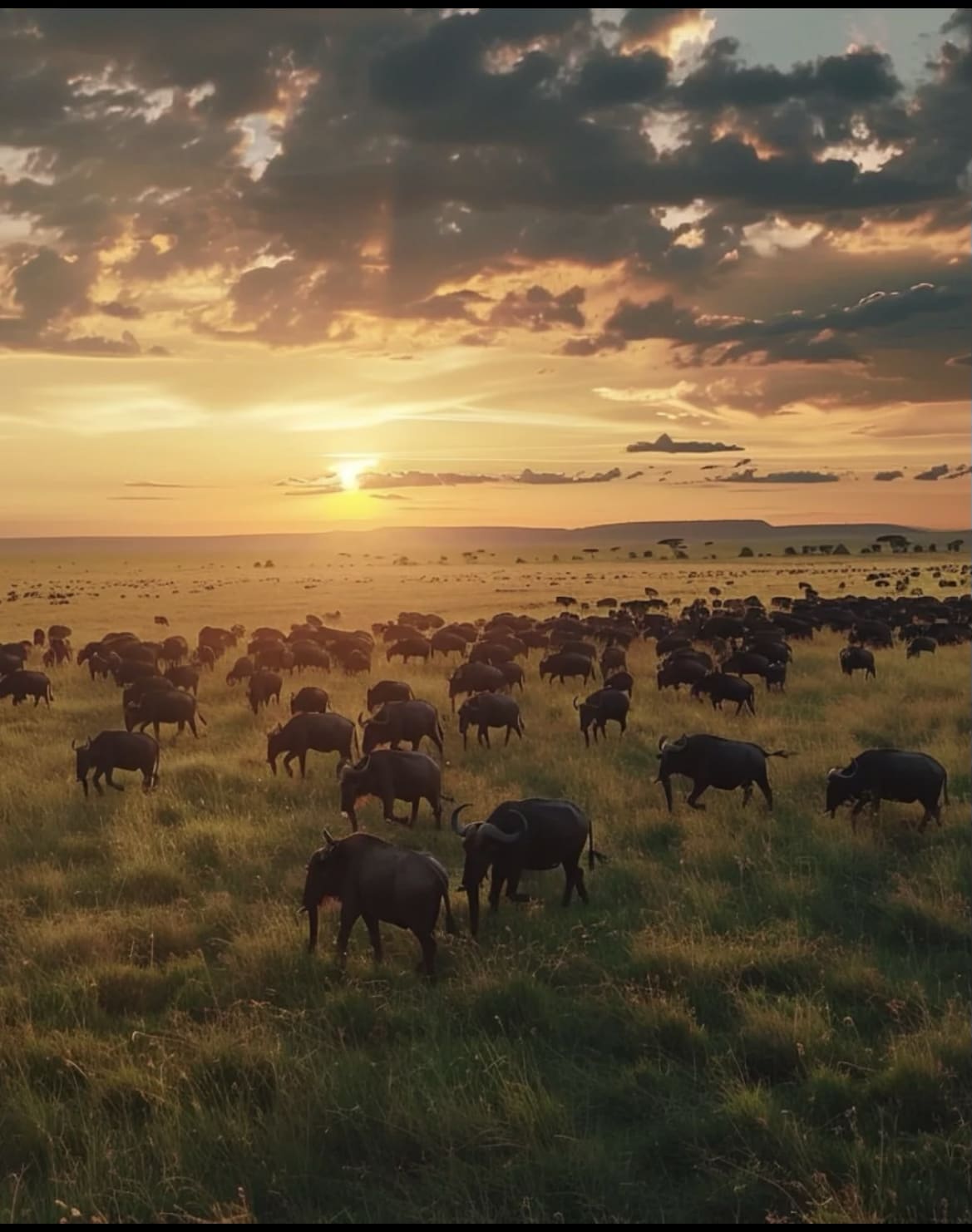
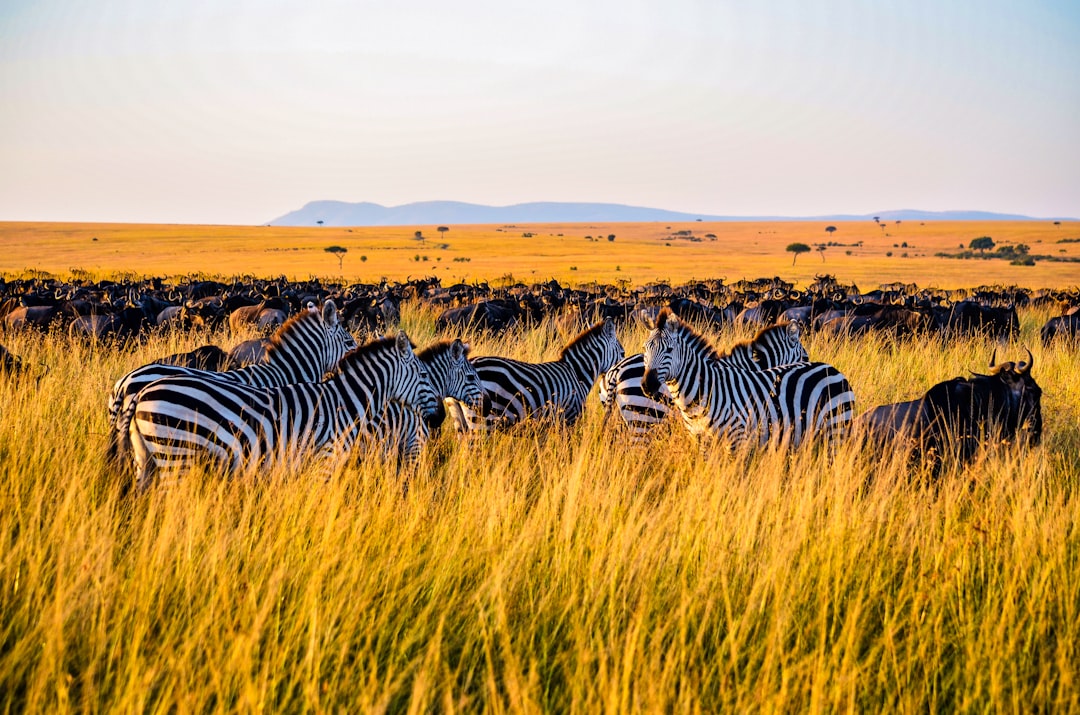
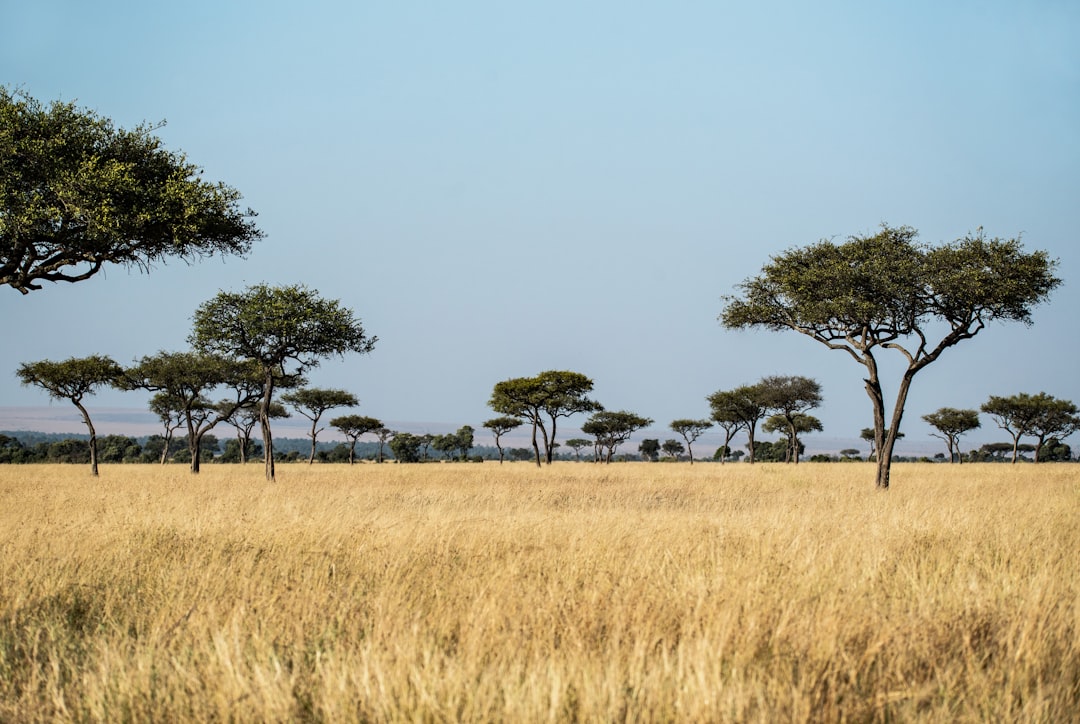
Kenya is famous for outstanding wildlife viewing and world-class safari infrastructure. The Masai Mara National Reserve is Kenya's crown jewel, hosting the Great Migration each year. Between July and October, over 1.5 million wildebeest, zebras, and gazelles cross the Mara River in one of nature's most dramatic events. This spectacle alone draws hundreds of thousands of visitors annually.
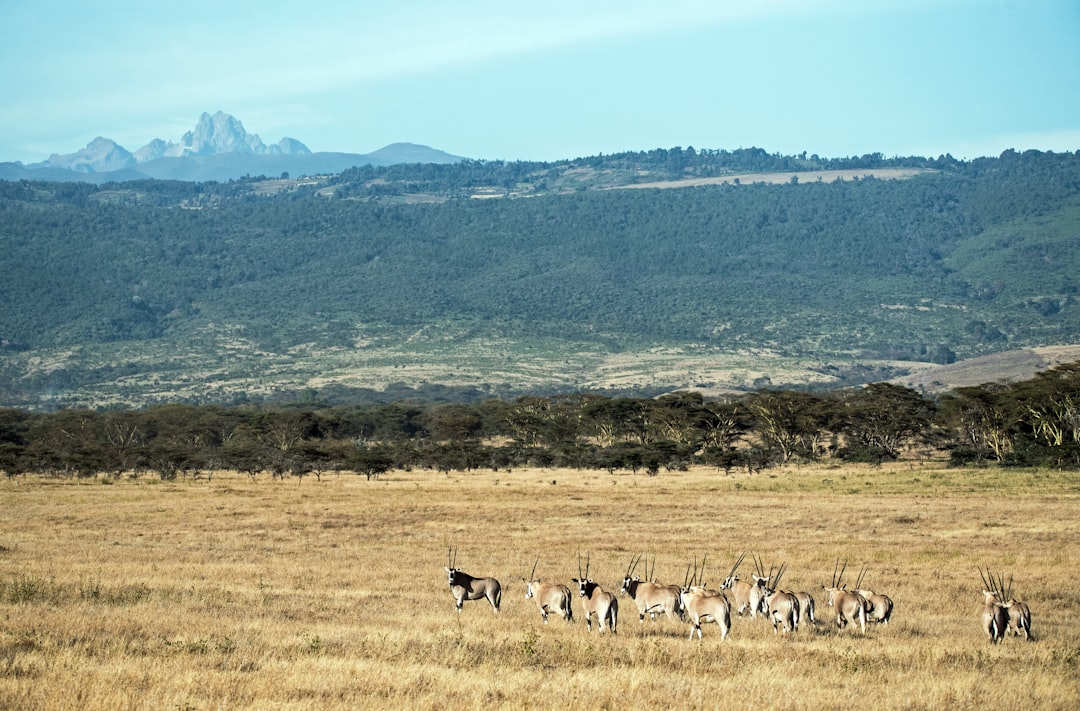
Kenya's wildlife diversity is exceptional. You can see the Big Five—lions, leopards, elephants, buffalo, and rhinoceros—in multiple parks. Amboseli National Park offers stunning views of Mount Kilimanjaro with abundant elephant herds. Lake Nakuru attracts flamingos and other water birds. Tsavo East and Tsavo West provide remote, rugged safari experiences with fewer tourists.
Kenya also has more private conservancies than many African destinations. These allow night drives, walking safaris, and exclusive experiences that national parks don't permit. This flexibility appeals to travelers seeking varied safari activities.
Kenya Safari Costs & What's Included
A mid-range 7-day Kenya safari costs $2,500–$4,000 per person, including accommodation, meals, professional guides, park entrance fees, and organized activities. Budget options run $1,500–$2,000, while luxury safaris exceed $5,000 per day. Most safari packages include accommodation, meals, professional guides, park entrance fees, and organized activities. However, international flights, internal flights (sometimes), tips, travel insurance, and personal expenses are often extra.
Daily park fees in Kenya range from $50–$80 per person, depending on the park. Accommodation varies widely: budget lodges cost $80–$150 per night, mid-range camps run $200–$400, and luxury tented camps exceed $500. A professional guide typically adds $50–$100 daily.
Peak season (July–October) is 20–30% more expensive than shoulder seasons (November–June). Booking 3–6 months ahead can save 15–20% on peak season rates.
Best Time to Visit Kenya
July to October is the best time for the Great Migration and overall wildlife viewing. The long rains (March–May) make roads muddy and wildlife harder to spot. The dry season (June–October) concentrates animals around water sources, improving sightings. However, Kenya is excellent year-round, with varied experiences in each season.
Compare verified Kenya safari packages under $2,500 on SafariFind to find deals from trusted operators with authentic traveler reviews.
Madagascar Safari: Unique Endemic Wildlife & Lower Prices
What Makes Madagascar Special
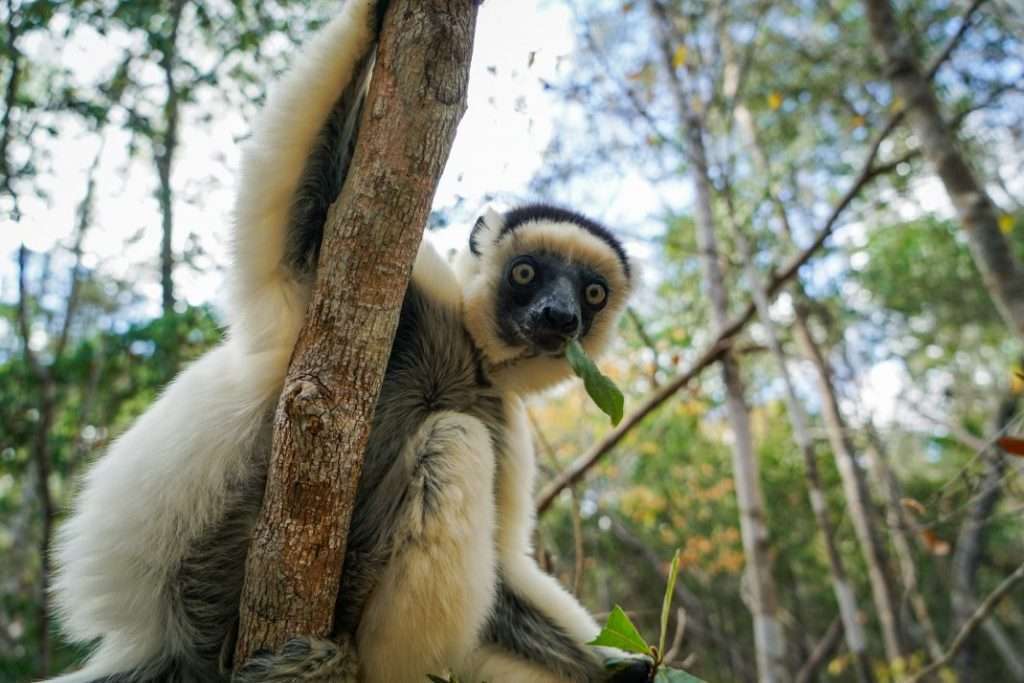
Madagascar is a wildlife wonderland unlike anywhere else on Earth. Ninety percent of the island's species are endemic, meaning they live nowhere else in the world. This makes Madagascar irreplaceable for wildlife enthusiasts seeking truly unique encounters. Lemurs are Madagascar's signature wildlife—there are over 100 lemur species, from tiny mouse lemurs to ring-tailed lemurs and indri lemurs.
Beyond lemurs, Madagascar hosts chameleons (more species than any other country), fossas (Madagascar's apex predator), and hundreds of bird species found nowhere else. Rainforests in the northeast, spiny forests in the south, and deciduous forests in the west each harbor distinct ecosystems and wildlife communities. This diversity means every region offers different animals and landscapes.
Madagascar's parks are less crowded than Kenya's. You'll encounter fewer tourists, allowing for more intimate wildlife experiences. The island's slower pace and lower tourism infrastructure also mean fewer developed trails and lodges, which appeals to adventurous travelers seeking off-the-beaten-path experiences.
Madagascar Safari Costs & What's Included
A mid-range 7-day Madagascar safari costs $1,500–$2,500 per person, including accommodation, meals, guides, and park fees. Budget options run $1,000–$1,500, while luxury safaris range from $3,000–$5,000. Madagascar's park fees are among the lowest globally, typically $10–$20 per person daily. This makes Madagascar significantly cheaper than Kenya for comparable experiences.
Most safari packages include accommodation, meals, professional guides, park entrance fees, and organized activities. However, international flights, internal flights (sometimes), tips, travel insurance, and personal expenses are often extra. Budget lodges cost $40–$80 per night, mid-range camps run $100–$250, and luxury lodges exceed $300.
Madagascar has fewer private operators than Kenya, so prices vary more widely. Always check what's included before booking. Some operators bundle internal flights; others charge separately. Request quotes from multiple verified operators to compare true costs.
Best Time to Visit Madagascar
April to October is the best time to visit Madagascar. The dry season offers comfortable temperatures and lower humidity. Roads are passable, and wildlife viewing improves as animals gather around water sources. November to March is the rainy season—roads become muddy, some parks close, and prices drop significantly for budget travelers willing to accept less reliable conditions.
Explore Madagascar safari cost breakdowns for 2026 to understand pricing differences between budget and luxury operators.
Wildlife Comparison: Big Five vs. Endemic Species
Kenya's Big Five & Migration Magic
Kenya's biggest draw is the Big Five—lions, leopards, elephants, buffalo, and rhinoceros. Seeing these iconic animals in their natural habitat is a bucket-list experience for most safari travelers. The Masai Mara offers some of the world's highest concentrations of these animals, along with thousands of other species.
The Great Migration is unmatched in scale and drama. Between July and October, 1.5 million wildebeest and zebras migrate across the Serengeti and Mara ecosystem, crossing crocodile-infested rivers in a breathtaking spectacle. This annual event happens nowhere else on Earth and draws visitors from around the world.
Kenya also excels for bird watching. Tanzania and Kenya have a wide range of bird species, and even non-birders are astounded by species like the secretary bird and the Marabou stork. Over 1,000 bird species inhabit Kenya's varied ecosystems.
Madagascar's Lemurs & Endemics
Madagascar offers wildlife experiences impossible anywhere else. Lemurs are found only in Madagascar—there are over 100 species ranging from the iconic ring-tailed lemur to the rare aye-aye. Watching lemurs leap through rainforest canopies and hearing their haunting calls is magical.
Madagascar's chameleon diversity is unparalleled. The island hosts more chameleon species than any other country, from tiny leaf chameleons to massive panther chameleons. Other endemic wildlife includes the fossa (a cat-like predator), tenrecs (spiky insectivores), and dozens of lemur species in every park you visit.
Madagascar's bird diversity rivals Kenya's. Rare birds like the blue-legged bee-eater, helmet vanga, and Malagasy kestrel attract serious birdwatchers. The island's isolation has created entirely unique bird communities found nowhere else.
Wildlife Summary Table
| Wildlife Feature | Kenya | Madagascar |
|---|---|---|
| Big Five | All five species present | None (different ecosystem) |
| Lemurs | None | 100+ species endemic |
| Great Migration | 1.5 million wildebeest July–October | No migration |
| Endemic species % | ~30% | ~90% |
| Bird species | 1,000+ | 300+ |
| Best for | Classic African safari | Unique wildlife nowhere else |
Cost Comparison: Kenya vs. Madagascar in 2026
Total Safari Budget Breakdown
Kenya's total safari cost for one person typically breaks down as follows: international flights ($600–$1,200), internal flights ($200–$400), accommodation ($1,400–$2,800 for 7 days), meals ($350–$700), park fees ($350–$560), guide and vehicle ($350–$700), tips ($200–$400), and miscellaneous ($200–$300). Total: $3,650–$7,660 per person.
Madagascar's total safari cost typically breaks down as follows: international flights ($600–$1,200), internal flights ($300–$600), accommodation ($700–$1,750 for 7 days), meals ($280–$560), park fees ($70–$140), guide and vehicle ($350–$700), tips ($150–$300), and miscellaneous ($150–$250). Total: $2,600–$5,500 per person.
The difference is significant: Madagascar safaris are 30–40% cheaper than Kenya safaris for comparable experiences. A budget traveler can enjoy Madagascar for $1,500–$2,000 total, while Kenya requires at least $2,500–$3,000.
Accommodation Cost Comparison
Kenya's accommodation ranges from budget hostels at $80–$150 per night to luxury tented camps at $500–$1,000+. Mid-range lodges with good service run $200–$400 nightly. For a 7-day safari, expect $1,400–$2,800 for accommodation alone.
Madagascar's accommodation is significantly cheaper. Budget guesthouses run $40–$80 per night, mid-range camps cost $100–$250, and luxury lodges range from $300–$600. For 7 days, budget travelers spend $280–$560, while mid-range travelers spend $700–$1,750.
Madagascar's lower accommodation costs reflect less developed tourism infrastructure. Facilities are often simpler but comfortable. Kenya's more established tourism industry means better amenities at higher prices.
Park Fees & Activities
Kenya's daily park fees range from $50–$80 per person, depending on the park. The Masai Mara costs $70–$80 daily. Amboseli and Lake Nakuru cost $50–$65. Over 7 days, park fees total $350–$560. Activities like hot air balloon rides ($500–$600) and walking safaris ($100–$200) add extra costs.
Madagascar's park fees are among the lowest globally, typically $10–$20 per person daily. Mantadia National Park costs $15 daily, while Isalo costs $10. Over 7 days, park fees total just $70–$140. This massive difference makes Madagascar accessible to budget travelers.
Compare Kenya vs. Tanzania safari value to see how these East African destinations stack up for different traveler budgets.
Infrastructure, Accessibility & Travel Logistics
Getting There & Getting Around
Kenya has well-developed tourism infrastructure. Major international airports in Nairobi and Mombasa receive direct flights from Europe, North America, and Asia. Domestic flights connect to safari hubs like the Masai Mara and Amboseli. Roads are generally good, and vehicle rental is straightforward. Most safaris use Land Cruisers with pop-up roofs—comfortable and reliable.
Madagascar's infrastructure is less developed. International flights arrive mainly in Antananarivo, the capital. Domestic flights are limited and expensive ($200–$400 per flight). Road conditions vary—some routes are paved, others are rough. Safari vehicles are often basic 4x4s without luxuries. This requires more patience but offers authentic, adventurous experiences.
Language & Communication
Kenya uses English as an official language alongside Swahili. Most safari guides, hotel staff, and tour operators speak fluent English. Communication is easy for English-speaking travelers. Internet and mobile coverage are reliable in towns and many lodges.
Madagascar's official languages are Malagasy and French, not English. English speakers are less common outside tourist areas. This can make communication challenging but also encourages cultural immersion. Internet and mobile coverage are spotty in remote areas. Budget time for communication delays and plan activities around connectivity.
Safety & Health Considerations
Kenya is generally safe for tourists, with well-established safari routes and experienced guides. Nairobi requires normal urban caution, but safari areas are secure. Medical facilities are good in major towns. Malaria is present in some areas—use prophylaxis as recommended by your doctor.
Madagascar is also safe for tourists, though less developed. Safari areas are secure, and guides are experienced. Medical facilities are basic outside the capital. Malaria is present—use prophylaxis. Tap water is unsafe; drink bottled water. Health risks are higher due to limited medical infrastructure, but thousands of travelers visit safely each year.
Which Safari Is Worth It? Decision Guide
Choose Kenya If You Want:
- The Big Five and iconic African wildlife
- The Great Migration (July–October)
- Easier travel and better infrastructure
- English-speaking guides and smooth logistics
- Established, comfortable safari camps
- Multiple wildlife parks in one trip
- Shorter flights and less travel time
Choose Madagascar If You Want:
- Unique endemic wildlife nowhere else on Earth
- Lemurs, chameleons, and rare species
- A budget 30–40% lower than Kenya
- Fewer tourists and more solitude
- Adventurous, off-the-beaten-path experiences
- Pristine rainforests and unique ecosystems
- Authentic cultural immersion
The Verdict
Kenya is best for first-time safari travelers and those seeking classic African wildlife. The Big Five, Great Migration, and excellent infrastructure make Kenya the safest choice for maximum wildlife viewing. If you have 7–10 days and a budget of $2,500–$4,000, Kenya delivers exceptional value.
Madagascar is best for budget travelers and wildlife enthusiasts seeking unique, endemic species. The 30–40% cost savings, combined with 90% endemic wildlife, make Madagascar an incredible value. If you have flexible travel dates, some patience with logistics, and curiosity about rare species, Madagascar rewards you with unforgettable experiences.
Many travelers visit both. A combined Kenya-Madagascar trip (12–14 days) showcases Africa's most diverse wildlife: the Big Five, the Great Migration, lemurs, chameleons, and hundreds of endemic species.
Booking Your Safari: How to Get the Best Deal
Use SafariFind to Compare Verified Operators
SafariFind connects travelers with verified tour operators offering authentic reviews and transparent pricing. Search for Kenya or Madagascar safari packages, compare prices across multiple operators, and read real traveler reviews before booking. Verified operators have been vetted for reliability, safety, and value.
Request quotes from at least 3–5 operators. Ask exactly what's included: accommodation, meals, park fees, guide, vehicle, and activities. Ask what's excluded: flights, tips, travel insurance, personal expenses. This clarity prevents surprises and lets you compare true costs.
Booking Timeline & Discounts
Book Kenya safaris 3–6 months ahead to save 15–20% on peak season rates. Early booking also guarantees availability at popular lodges and camps. Last-minute deals exist but are unpredictable.
Madagascar has less demand, so booking 2–3 months ahead is usually sufficient. Off-season (November–March) offers 20–30% discounts but comes with rainy conditions and limited activities.
What's Usually Included
Most safari packages include accommodation, meals, professional guides, park entrance fees, and organized activities. However, international flights, internal flights (sometimes), tips, travel insurance, and personal expenses are often extra. Always clarify with your operator before paying.
Budget 10–20% extra for tips (guides, drivers, staff), travel insurance, and unexpected expenses. This prevents budget overruns and ensures good service from your guides.
Key Takeaways
- Book Kenya safaris 3–6 months ahead to save 15–20% on peak season rates and secure spots at popular lodges.
- Madagascar safaris cost 30–40% less than Kenya ($1,500–$2,500 vs. $2,500–$4,000 for 7 days), making them ideal for budget travelers seeking unique endemic wildlife.
- Choose Kenya for the Big Five and Great Migration (1.5 million wildebeest July–October); choose Madagascar for 100+ lemur species and 90% endemic wildlife found nowhere else.
- Kenya offers better infrastructure, English-speaking guides, and comfortable camps; Madagascar delivers authentic adventures with fewer tourists and lower park fees ($10–$20 daily vs. $50–$80).
- Request quotes from at least 3–5 verified operators on SafariFind to compare true costs, since "included" items vary widely and hidden fees can add $500–$1,000 to your budget.
Frequently Asked Questions
How much does a 7-day safari cost in Kenya vs. Madagascar in 2026?
A mid-range 7-day Kenya safari costs $2,500–$4,000 per person including accommodation, meals, guides, and park fees. A comparable Madagascar safari costs $1,500–$2,500 per person. Madagascar is 30–40% cheaper. Budget options exist in both countries: Kenya from $1,500–$2,000 and Madagascar from $1,000–$1,500, though these sacrifice comfort and amenities.
Which destination has better wildlife: Kenya or Madagascar?
Kenya and Madagascar offer different wildlife. Kenya excels with the Big Five (lions, leopards, elephants, buffalo, rhinos) and the Great Migration of 1.5 million wildebeest. Madagascar offers 100+ lemur species and 90% endemic animals found nowhere else, including chameleons, fossas, and rare birds. Kenya is better for classic African safari; Madagascar is better for unique, endemic species.
What's the best time to visit Kenya and Madagascar?
Kenya: July–October is best for the Great Migration and wildlife viewing. The dry season concentrates animals around water sources. Kenya is excellent year-round, but peak season (July–October) is 20–30% more expensive. Madagascar: April–October is best for dry weather, comfortable temperatures, and reliable wildlife viewing. November–March is rainy season with muddy roads but lower prices.
Do safari packages include flights and accommodation?
Most safari packages include accommodation, meals, professional guides, park entrance fees, and organized activities. However, international flights, internal flights (sometimes), tips, travel insurance, and personal expenses are often extra. Always ask your operator exactly what's included before booking. Request a detailed breakdown of costs to avoid surprises and compare true prices across operators.
Is Kenya or Madagascar safer for tourists?
Both destinations are safe for tourists. Kenya has well-established safari routes, experienced guides, and good security. Nairobi requires normal urban caution. Madagascar is also safe, with secure safari areas and experienced guides, though medical infrastructure is less developed. Both countries have thousands of safe tourist visits annually. Choose based on wildlife preferences and budget rather than safety concerns.
How should I book a safari to get the best price?
Book Kenya safaris 3–6 months ahead to save 15–20% on peak season rates. Book Madagascar safaris 2–3 months ahead (less demand). Request quotes from at least 3–5 verified operators on SafariFind to compare prices and read authentic traveler reviews. Ask exactly what's included and excluded. Budget 10–20% extra for tips, travel insurance, and unexpected expenses.
Can I visit both Kenya and Madagascar on one trip?
Yes! A 12–14 day combined trip showcases Africa's most diverse wildlife: Kenya's Big Five and Great Migration, plus Madagascar's lemurs, chameleons, and endemic species. Expect total costs of $4,500–$8,000 per person including flights. Most travelers spend 7 days in each destination. Browse combined Kenya-Madagascar packages on SafariFind to find operators offering both destinations.
Conclusion: Your Perfect Safari Awaits
Madagascar safari vs Kenya is not a simple choice—both destinations deliver world-class wildlife experiences, just different ones. Kenya offers the iconic Big Five, the legendary Great Migration, and excellent infrastructure for $2,500–$4,000 per 7-day safari. Madagascar delivers 90% endemic wildlife, unique lemurs, and incredible value at 30–40% lower costs ($1,500–$2,500 for 7 days).
Choose Kenya if you prioritize iconic African wildlife, easier logistics, and the Great Migration spectacle. Choose Madagascar if you want unique endemic species, budget savings, and adventurous off-the-beaten-path experiences. Many travelers visit both, combining East Africa's Big Five with Madagascar's rare wildlife in a 12–14 day journey.
The best safari is the one you actually take. Start by comparing verified operators, reading authentic traveler reviews, and requesting detailed quotes. Browse safari packages on SafariFind to explore options from trusted operators. Request quotes today and discover which destination calls to you.
In 2026, both Kenya and Madagascar remain Africa's top safari destinations. Your adventure awaits—choose wisely, book early, and prepare for wildlife experiences you'll never forget.
Plan Your Safari with SafariFind
These recommendations use real data from SafariFind, where you can compare operators, browse packages, and read verified traveler reviews before you book.
Recommended Safari Operators from SafariFind
Recommended Safari Packages from SafariFind
What Travelers Say (SafariFind Reviews)
References
- Kenya vs Madagascar comparison: Cost of Living & Prices
- Madagascar vs Kenya for Wildlife: Which Safari Is Worth More? 2026 · Voyagiste Madagascar
- Madagascar Safari Cost 2026: Budget vs Luxury | SafariFind
- Kenya vs Tanzania Safari: Wildlife, Cost & Travel Guide
- Tanzania Safari Cost vs Kenya Safari Cost - What to Expect
- Kenya Vs Tanzania Safari - Which is Best After 6+ Visits?
- Kenya Safari - Compare 3,461 Tours - SafariBookings
Sources
- Kenya vs Madagascar comparison: Cost of Living & Prices
- Madagascar vs Kenya for Wildlife: Which Safari Is Worth More? 2026
- Madagascar Safari Cost 2026: Budget vs Luxury | SafariFind
- Kenya vs Tanzania Safari: Wildlife, Cost & Travel Guide
- Tanzania Safari Cost vs Kenya Safari Cost - What to Expect
- Kenya Vs Tanzania Safari - Which is Best After 6+ Visits?
- Kenya Safari - Compare 3,461 Tours - SafariBookings
Related to
Ready to start your safari adventure?
Explore curated safari packages and find your perfect African adventure with verified operators.