Rwanda Safari vs Kenya: Which Is Safer & Better Value 2026?
Compare Rwanda and Kenya safaris: costs ($3,500–$15,000), safety records, wildlife experiences, and best value for 2026. Plan your African adventure.

Rwanda Safari vs Kenya: Which Is Safer & Better Value 2026?
Last updated: July 2026
Rwanda safaris cost $8,000–$15,000 for 7 days with luxury gorilla trekking experiences, while Kenya safaris average $3,500–$4,800 for mid-range wildlife viewing in the Masai Mara. Kenya offers better overall value and easier accessibility, but Rwanda provides a more exclusive, intimate experience with mountain gorillas. Both countries are safe for tourists in 2026, though Kenya has slightly more developed infrastructure and lower permit costs.
At a Glance
- Rwanda 7-Day Cost: $8,000–$15,000 per person (luxury); $4,500–$7,000 (mid-range)
- Kenya 7-Day Cost: $3,500–$4,800 per person (mid-range); $5,500–$9,000 (luxury)
- Gorilla Permit (Rwanda): $1,500 per person; one trek included
- Best Time to Visit: June–October (dry season) for both countries
- Best for Rwanda: Gorilla trekking, intimate wildlife experiences, luxury travelers
- Best for Kenya: Budget travelers, Great Migration viewing, diverse wildlife
- Safety Rating: Both countries rated safe for tourists; Rwanda slightly lower crime rates
- Getting There: Rwanda: 2–3 hours from Kigali; Kenya: 6–8 hours from Nairobi to parks
What Is Rwanda Safari vs Kenya: Which Is Safer & Better Value?
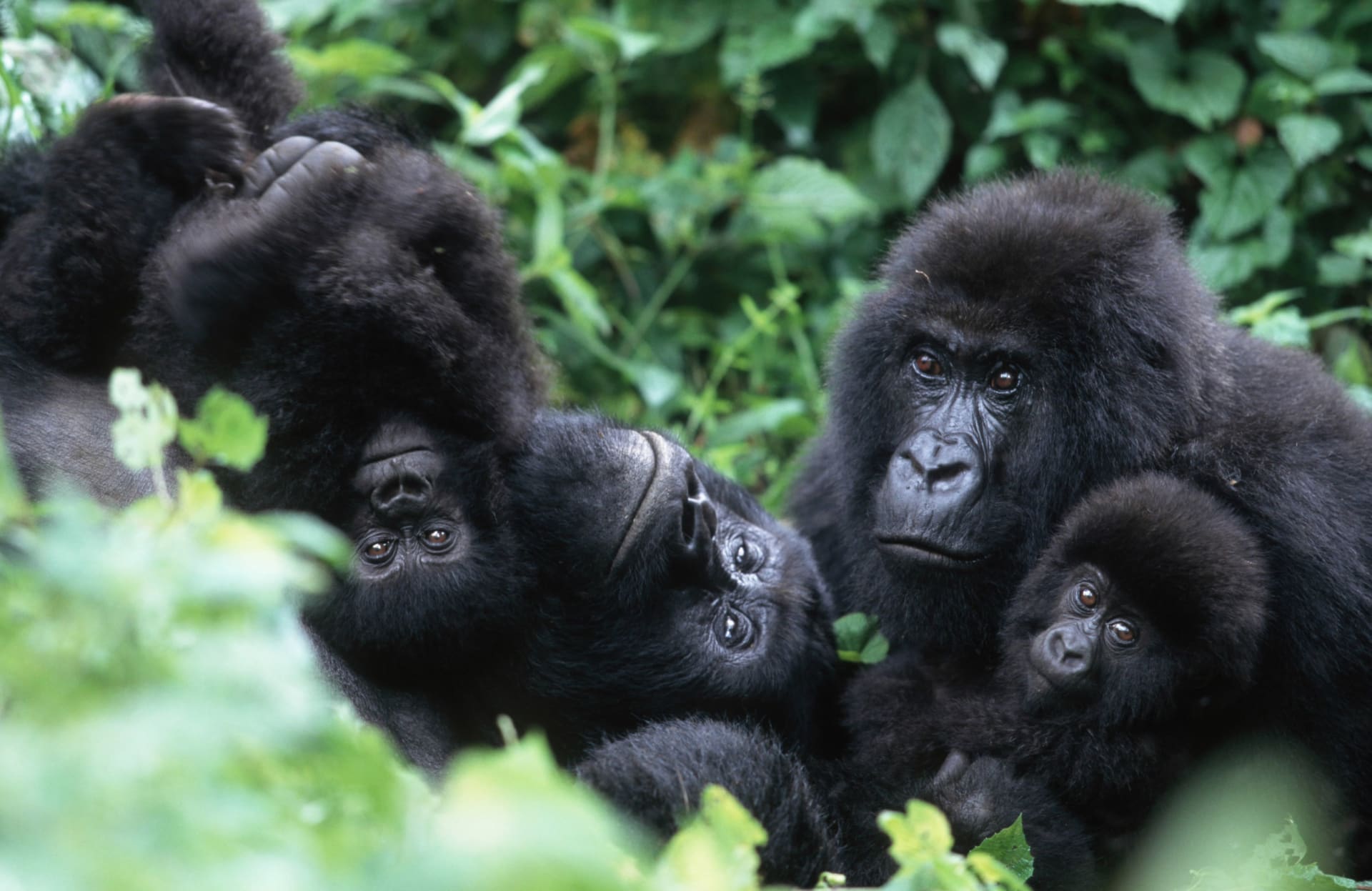
Choosing between Rwanda and Kenya for your African safari is one of the biggest decisions you'll make as a traveler. Both countries offer world-class wildlife experiences, but they serve very different types of visitors. Kenya is the home of the "Out of Africa" experience with vast savannahs and massive wildlife herds, while Rwanda specializes in exclusive mountain gorilla trekking and intimate rainforest encounters . Understanding the differences in cost, safety, wildlife, and value helps you pick the right destination for your 2026 safari adventure.
The main question most travelers ask is simple: Which destination gives me better value for my money? Kenya typically wins on affordability, while Rwanda wins on exclusivity and gorilla encounters. A 7-day mid-range safari in Kenya costs $3,500–$4,800 per person, including park fees and accommodation . Rwanda's equivalent experience runs $8,000–$15,000 per person, with gorilla permits making up a significant portion of that cost . However, the Rwanda experience is fundamentally different—you're paying for an encounter with one of Earth's rarest primates in their natural habitat.
Both countries rank as safe safari destinations in 2026. Rwanda has invested heavily in tourism infrastructure and maintains strict security measures in national parks. Kenya's security situation has improved significantly, with dedicated wildlife protection units in major parks like the Masai Mara. Neither destination presents unusual safety risks compared to other African countries, though standard travel precautions apply.
This guide breaks down everything you need to know about both destinations. We'll compare costs, safety records, wildlife opportunities, and overall value. By the end, you'll understand which country aligns with your budget, interests, and travel style. You can then explore verified safari packages on SafariFind to find operators in your chosen destination.
Rwanda vs Kenya: Cost Comparison for 2026
Kenya offers significantly better value for budget-conscious travelers, while Rwanda commands premium prices for its exclusive gorilla experiences. Understanding the cost breakdown helps you plan realistically and avoid surprises.
Kenya Safari Pricing Breakdown
Kenya safari prices fluctuate dramatically by season . High season (June–October, December–January) commands premium rates, while shoulder seasons (March–May, November) offer better value. A typical 7-day mid-range safari in Kenya costs $3,500–$4,800 per person, including park entry fees, accommodation, and meals . This price assumes shared accommodations and guided game drives in popular parks like the Masai Mara, Amboseli, or Tsavo.
Luxury Kenya safaris run $5,500–$9,000 per person for the same duration, featuring private lodges, personalized guides, and premium amenities. Budget safaris drop to $2,000–$3,000 per person for basic camping or budget lodge stays. Kenya's park entry fees average $80–$100 per day, making them relatively affordable compared to other African nations.
What makes Kenya particularly attractive is its diverse wildlife viewing without expensive permits. The Masai Mara alone hosts over 1.5 million wildebeest during the Great Migration between July and October . You can see lions, elephants, zebras, and giraffes without paying specialized permit fees beyond park entry.
Rwanda Safari Pricing Breakdown
Rwanda safaris are more expensive because of the mountain gorilla experience . A single gorilla permit costs $1,500 per person as of 2026, and this covers just one trekking experience. A 7-day Rwanda safari package typically costs $8,000–$15,000 per person, with the gorilla permit representing about 20% of total cost. The remaining expenses cover accommodation (usually $150–$400 per night), meals, transportation, and park guides.
Mid-range Rwanda safaris start around $4,500–$7,000 per person for 7 days, combining gorilla trekking with visits to Volcanoes National Park and surrounding areas. Budget options exist but are rare, as Rwanda's tourism infrastructure caters primarily to mid-to-luxury travelers. Rwanda has fewer parks than Kenya, so you're paying for exclusivity and intimate experiences rather than sprawling landscapes.
If you add a second gorilla trek (possible in Uganda), costs increase by another $400–$800 per day. Rwanda's Volcanoes National Park remains the most accessible gorilla destination in Africa, which drives up prices .
Cost Comparison Table
| Destination | Duration | Budget Option | Mid-Range | Luxury | Major Permit Costs |
|---|---|---|---|---|---|
| Kenya | 7 days | $2,000–$3,000 | $3,500–$4,800 | $5,500–$9,000 | Park fees: $80–$100/day |
| Rwanda | 7 days | $4,500–$5,500 | $8,000–$12,000 | $12,000–$15,000 | Gorilla permit: $1,500 |
Kenya clearly wins on cost. You'll spend 40–60% less in Kenya for a comparable mid-range experience. However, Rwanda offers something Kenya cannot: guaranteed mountain gorilla encounters. If gorillas are your priority, Rwanda's premium pricing is justified.
Safety Comparison: Rwanda vs Kenya in 2026
Both Rwanda and Kenya are safe for tourists in 2026, with Rwanda having slightly lower crime rates in tourist areas and Kenya maintaining excellent security infrastructure in major parks. Safety concerns should not be the primary factor in choosing between these destinations.
Rwanda Safety Record
Rwanda has established itself as one of Africa's safest countries for tourism. The government has invested heavily in security, particularly around Volcanoes National Park and tourism hubs. Violent crime targeting tourists is extremely rare. Rwanda's main challenges are petty theft in urban areas like Kigali, but safari regions remain secure. Park rangers and guides receive extensive training in wildlife safety and visitor protection.
Rwanda's tourism infrastructure reflects its commitment to visitor safety. Hotels, lodges, and tour operators follow strict safety protocols. Medical facilities in Kigali are good, though remote areas require evacuation to the capital for serious emergencies. Travel advisories from major governments (US, UK, Canada) rate Rwanda as safe for tourism as of July 2026.
Kenya Safety Record
Kenya's security situation has improved significantly since 2020. Major wildlife parks like the Masai Mara and Amboseli now have dedicated anti-poaching units and ranger patrols. Tourist areas remain well-protected, and violent crime against visitors is uncommon. Nairobi requires standard urban precautions (avoid certain neighborhoods at night), but safari regions are secure.
Kenya's advantage is its long history of tourism. The country has decades of experience managing large numbers of international visitors. Park infrastructure is well-established, guides are highly trained, and emergency services are accessible. Most safari operators have excellent safety records and insurance.
Petty theft and scams occur in Nairobi and Mombasa, as in any major city. However, within national parks and private conservancies, safety is excellent. Travel advisories recommend standard precautions but do not warn against Kenya as a destination.
Overall Safety Assessment
Rwanda edges ahead slightly in terms of overall crime rates and security infrastructure. However, both countries are genuinely safe for safari tourism. Your safety depends more on choosing a reputable tour operator than on which country you visit. When you browse verified operators on SafariFind, you gain access to companies with proven safety records and authentic traveler reviews.
Wildlife Experiences: What You'll Actually See
Kenya excels at savannah megafauna and the Great Migration, while Rwanda specializes in mountain gorillas and rainforest biodiversity. Your choice depends entirely on which animals matter most to you.
Kenya Wildlife Highlights
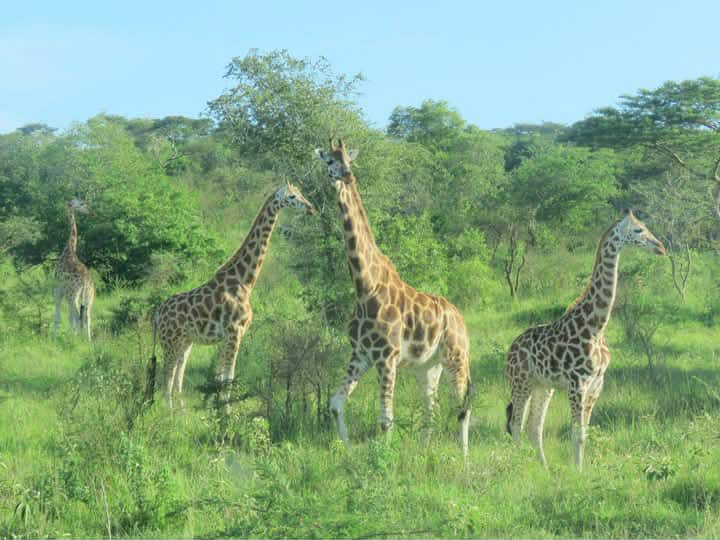
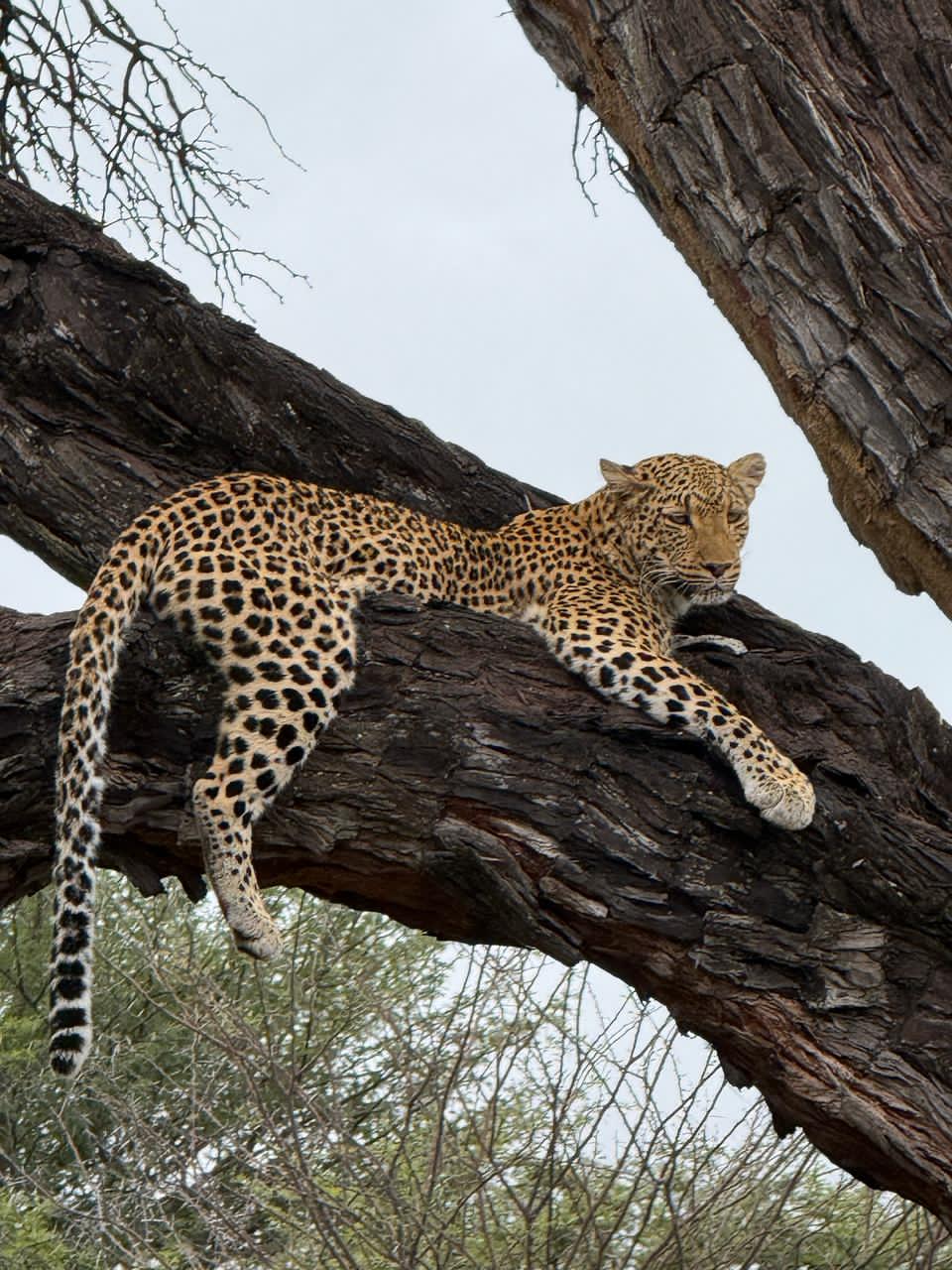
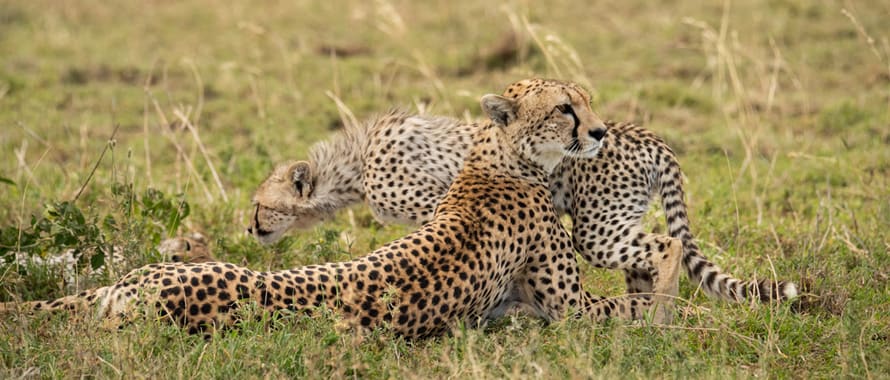
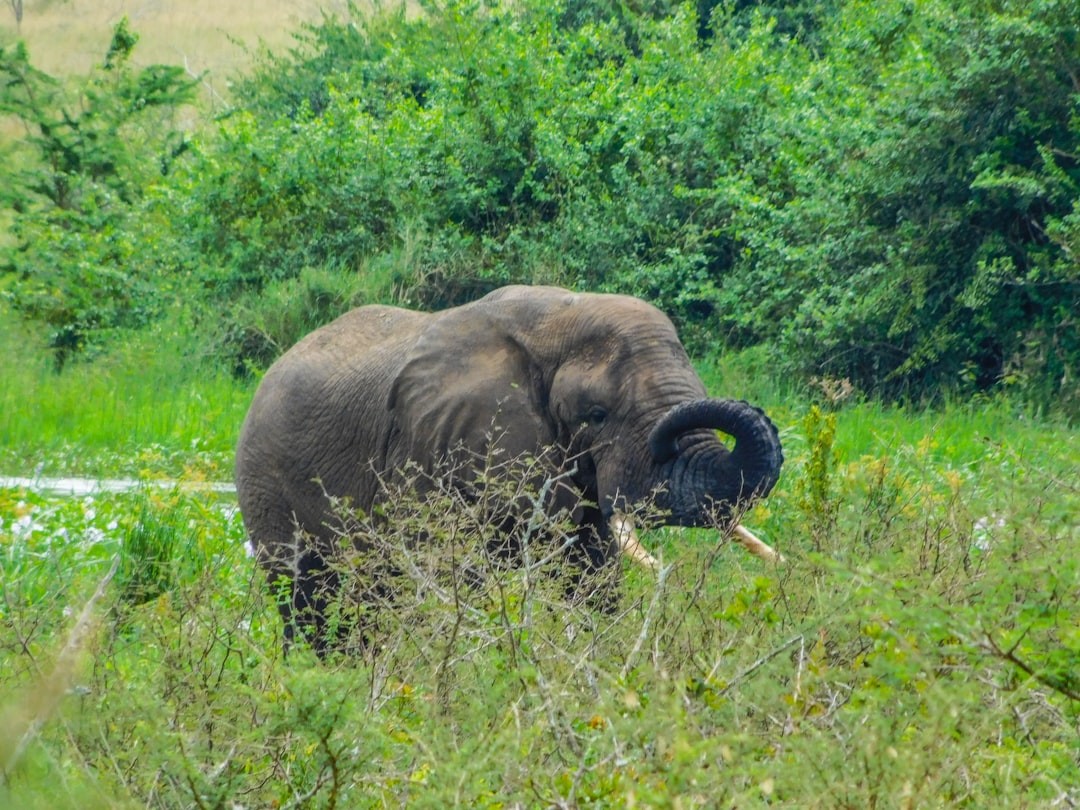
Kenya wins for rhino sightings. Adding Ol Pejeta Conservancy, Lake Nakuru, or even a half-day at Nairobi National Park gives a strong chance at both black and white rhino . The Masai Mara hosts the largest concentration of big cats in Africa—lions, leopards, and cheetahs are regularly spotted. You'll see massive elephant herds, buffalo, zebras, giraffes, and countless antelope species.
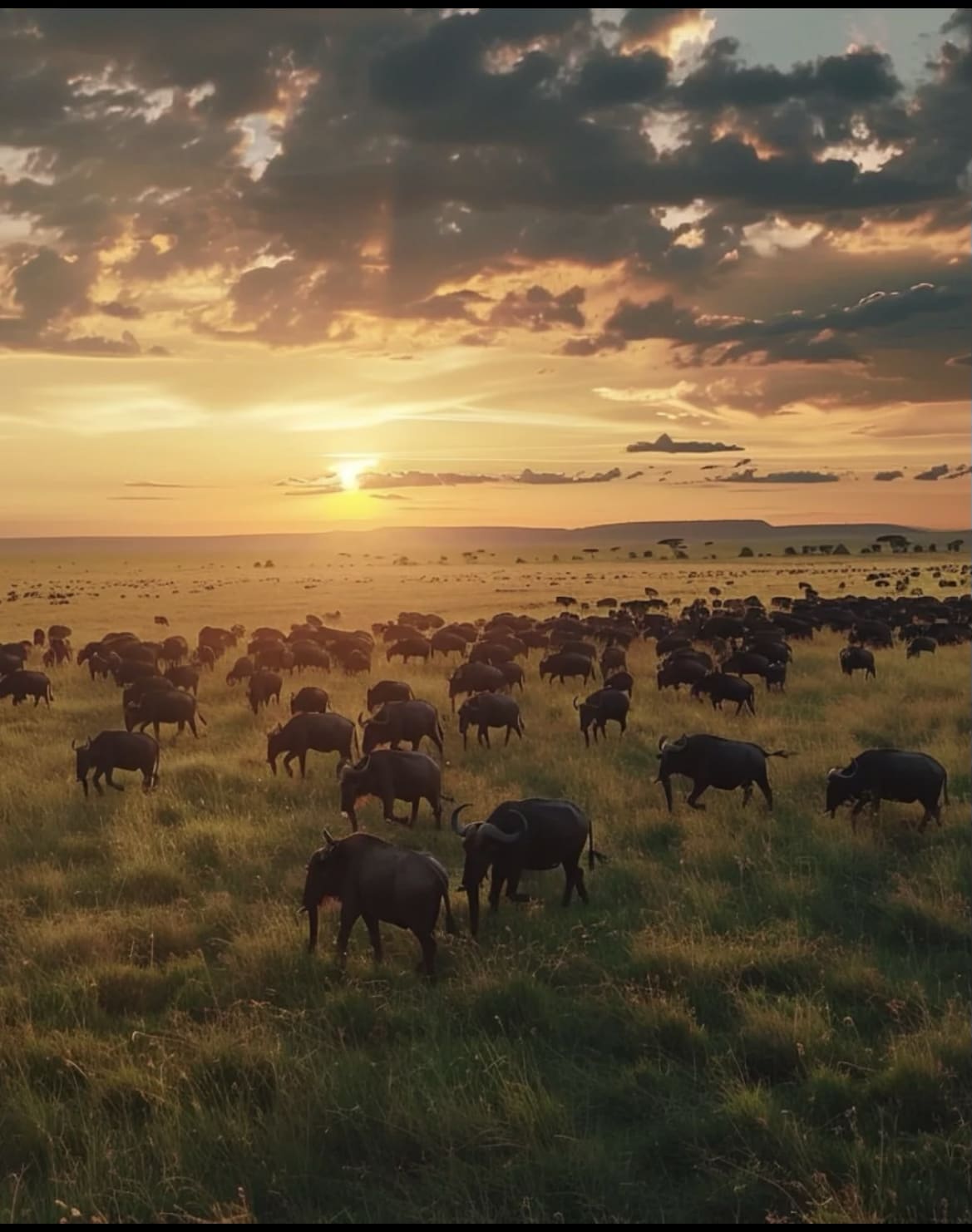
The Great Wildlife Migration is Kenya's signature experience. Between July and October, 1.5 million wildebeest and zebras flood the Masai Mara from Tanzania's Serengeti . River crossings draw massive crocodiles and create dramatic wildlife moments. This is the world's largest land animal migration and exists nowhere else on Earth.
Kenya's diverse ecosystems support over 1,000 bird species. Birdwatchers flock to Lake Nakuru, the Rift Valley, and coastal regions. You'll encounter species ranging from crowned eagles to flamingos. The variety of landscape—from mountains to deserts to savannahs—means constant visual diversity.
Rwanda Wildlife Highlights
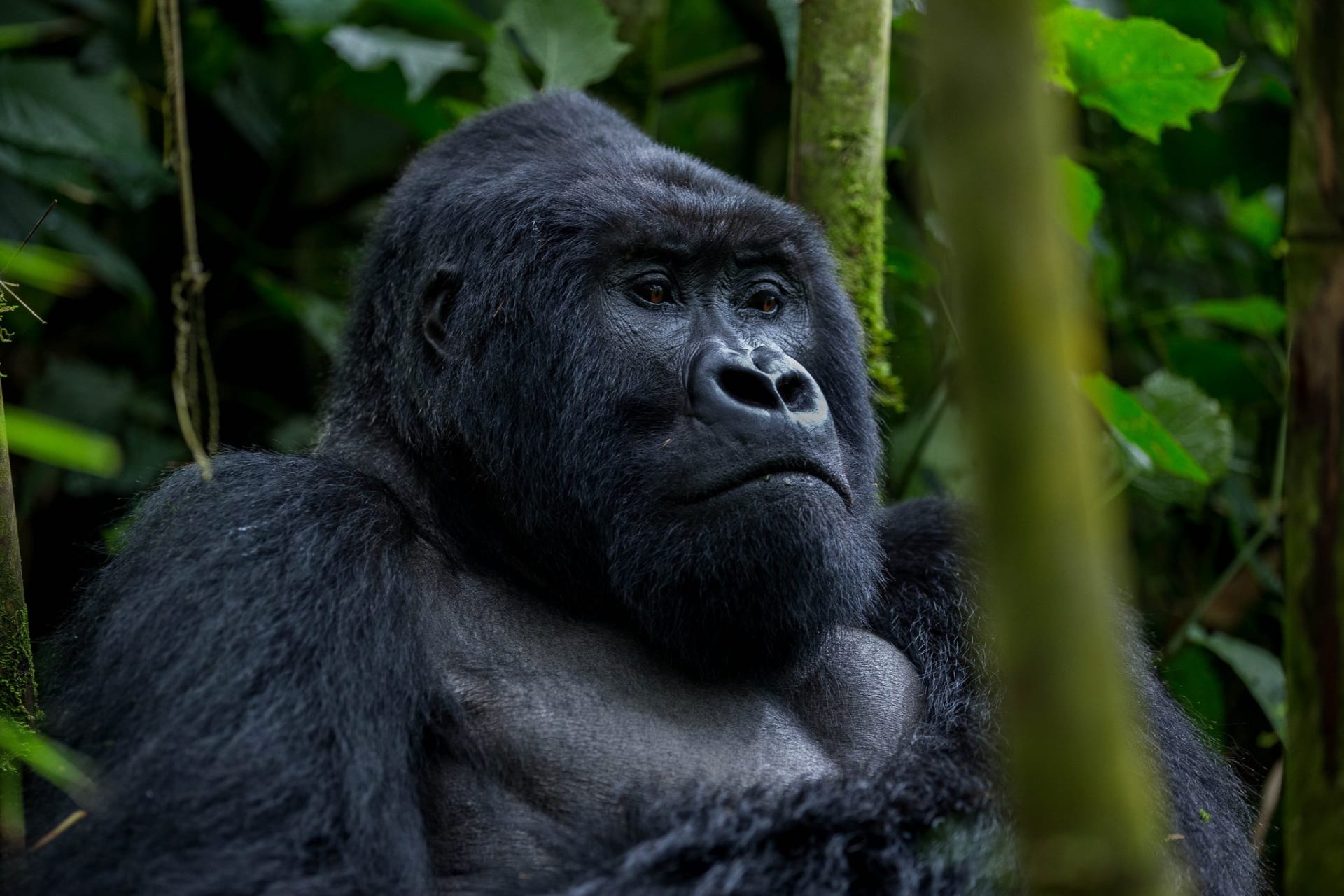
Rwanda's primary draw is mountain gorillas. Volcanoes National Park is home to 13 habituated gorilla families, making gorilla encounters nearly guaranteed . A gorilla trek involves hiking through misty rainforests to sit with a family for one hour. This is an emotional, transformative experience many travelers call the highlight of their lives.
Beyond gorillas, Rwanda offers golden monkeys, chimpanzees, and numerous forest bird species. Nyungwe Forest National Park contains 310 bird species and 13 primate species. The landscape is lush and green, contrasting sharply with Kenya's dry savannahs. If you prefer intimate rainforest experiences over wide-open plains, Rwanda wins.
Rwanda's wildlife is less abundant in terms of sheer numbers. You won't see massive elephant herds or thousands of wildebeest. Instead, you'll experience rare primates in their natural habitat. The quality of the gorilla experience justifies this trade-off for many travelers.
Wildlife Comparison Summary
Choose Kenya if you want classic African safari: vast herds, dramatic predator-prey interactions, and the Great Migration. Choose Rwanda if you want a transformative primate encounter, particularly mountain gorillas. Many travelers combine both countries, spending 4 days in Kenya and 3 days in Rwanda. Check out Rwanda safari packages for 5–10 day tours to see combination options.
Accessibility and Travel Logistics
Kenya offers easier accessibility with more flights and established infrastructure, while Rwanda requires shorter travel times from its capital but fewer international flight options. Logistics matter when planning your trip.
Getting to Kenya
Nairobi's Jomo Kenyatta International Airport is East Africa's largest hub. Direct flights arrive from London, New York, Middle East hubs, and South Africa. Once in Nairobi, safari parks are 6–8 hours by road or 1–2 hours by domestic flight. Kenya's road network is decent, though some routes require 4x4 vehicles during rainy seasons.
Domestic flights connect Nairobi to Masai Mara airstrips in 1–2 hours, costing $200–$400 per person. Many safari packages include domestic flights, making park access seamless. Kenya's tourism infrastructure means plenty of accommodation options at every price point.
Getting to Rwanda
Rwanda's Kigali International Airport is smaller but modern. Direct flights arrive from Brussels, Istanbul, and some African hubs. International connectivity is less frequent than Kenya's, potentially requiring connections. However, Kigali to Volcanoes National Park is only 2–3 hours by road , much closer than Kenya's parks.
Rwanda's advantage is proximity. Once you land, you're at the gorilla trekking destination within hours. Kenya requires longer overland travel or domestic flights. For travelers with limited time, Rwanda's compactness is valuable.
Rwanda's road network is excellent and well-maintained. Driving conditions are safer and easier than in Kenya. If you dislike long road journeys, Rwanda is preferable.
Visa and Documentation
Both countries offer visa-on-arrival for most nationalities. Rwanda is increasingly offering e-visas ($50) online before travel, speeding up arrival. Kenya also offers e-visas ($50). Processing times are typically 24–48 hours. Both countries require passports valid for 6+ months beyond your travel dates.
Vaccination requirements are identical: yellow fever vaccination recommended (sometimes required depending on your origin country), malaria prophylaxis advised for both destinations. Consult your doctor 4–6 weeks before travel.
Best Time to Visit: Seasonal Considerations
The best time to visit both countries is June–October (dry season), though Rwanda is less seasonal and offers year-round gorilla trekking. Timing affects prices, wildlife viewing, and weather conditions.
Kenya's Seasons
Kenya's dry season (June–October) is peak tourist season. The Great Migration happens July–October in the Masai Mara. Prices are highest, and parks are busier. However, wildlife viewing is excellent because animals concentrate around water sources. This is the best time for photography and wildlife encounters.
Shoulder season (March–May, November) offers better value and fewer crowds. Wildlife viewing remains good, though the Great Migration is not active. Short rains (April–May) make some roads muddy, but vegetation is lush and bird watching is excellent. These months cost 20–30% less than peak season.
Rainy season (April–May, October–November) sees reduced tourism. Roads can become impassable, and some lodges close. However, dedicated travelers enjoy solitude and dramatic scenery. Wildlife is still present but more dispersed.
Rwanda's Seasons
Rwanda is less seasonal than Kenya. Mountain gorillas are present year-round in Volcanoes National Park. Dry season (June–September, December–February) offers clearer skies and easier hiking. Rainy season (March–May, October–November) brings mist and mud but also lush scenery and fewer tourists.
Gorilla permit availability is similar year-round, though booking ahead is essential. The main advantage of dry season is better hiking conditions and clearer photography. Rainy season is cheaper and more intimate, though trails are muddy.
Pricing Seasonality
Kenya's pricing is highly seasonal. Peak season (June–October) costs 40–50% more than shoulder season. Rwanda's pricing is more consistent, as gorilla permits are fixed at $1,500 regardless of season. However, accommodation prices drop 20–30% during rainy months.
Book 3–6 months ahead for peak season in Kenya to secure the best rates . Rwanda gorilla permits require advance booking (sometimes 2–3 months ahead during peak season) to guarantee your trek date.
Choosing Your Destination: Decision Framework
Use these criteria to decide between Rwanda and Kenya based on your priorities, budget, and interests.
Choose Kenya If You:
- Have a tight budget ($2,000–$5,000 total)
- Want to see the Great Migration
- Prefer vast landscapes and open savannahs
- Want to see diverse megafauna (rhinos, elephants, big cats)
- Have limited time and want quick accessibility
- Prefer established tourism infrastructure
Choose Rwanda If You:
- Want to see mountain gorillas (non-negotiable priority)
- Prefer intimate, exclusive experiences over crowds
- Value pristine rainforest ecosystems
- Have a flexible budget ($8,000–$15,000)
- Want a shorter travel time from the capital
- Prefer personal, transformative wildlife encounters
Consider a Combination
Many travelers split their time between both countries. A popular itinerary combines Kenya and Rwanda: 4 days in the Masai Mara (Kenya) plus 3 days in Volcanoes National Park (Rwanda). This gives you the Great Migration, diverse savannah wildlife, and mountain gorillas. Total cost: $6,500–$10,000 per person for 7 days. Explore Rwanda gorilla safari routes and costs to understand combination options.
Combination trips require careful logistics. Flights between Kenya and Rwanda take 2–3 hours. Most operators can arrange these connections. The advantage is experiencing the best of both destinations without choosing one over the other.
Key Takeaways
- Book Kenya safaris 3–6 months ahead during peak season (June–October) to save 15–20% on mid-range packages averaging $3,500–$4,800 per person.
- Reserve Rwanda gorilla permits immediately after deciding your travel dates, as Volcanoes National Park limits trekking to 80 permits daily and books out 2–3 months in advance during peak season.
- Combine both countries for 7 days—4 days Kenya Masai Mara plus 3 days Rwanda Volcanoes—to experience the Great Migration and mountain gorillas for $6,500–$10,000 per person.
- Visit Kenya during shoulder season (March–May or November) to cut costs by 20–30% while maintaining excellent wildlife viewing and avoiding peak-season crowds.
- Choose Kenya for budget travel and diverse megafauna; choose Rwanda for exclusive gorilla encounters and rainforest intimacy—both countries are equally safe for tourists in 2026.
Frequently Asked Questions
Is Rwanda or Kenya safer for safari tourism in 2026?
Both countries are safe for safari tourism in 2026. Rwanda has slightly lower crime rates and excellent security infrastructure around Volcanoes National Park. Kenya's safety has improved significantly, with dedicated protection units in major parks like the Masai Mara. Standard urban precautions apply in capital cities, but safari regions in both countries are secure. Your safety depends more on choosing a reputable tour operator than on which country you visit.
How much does a 7-day safari cost in Kenya vs Rwanda?
Kenya's 7-day mid-range safari costs $3,500–$4,800 per person, including park fees and accommodation . Rwanda's equivalent costs $8,000–$15,000 per person, with gorilla permits ($1,500) making up a significant portion . Kenya offers better value for budget travelers, while Rwanda commands premium prices for exclusive gorilla experiences. Budget options in Kenya start at $2,000–$3,000, while Rwanda's budget safaris rarely drop below $4,500–$5,500.
Which country has better wildlife viewing: Kenya or Rwanda?
Kenya excels at savannah megafauna and the Great Migration with 1.5 million wildebeest crossing between July and October . Kenya wins for rhino sightings, lion encounters, and diverse landscape experiences . Rwanda specializes in mountain gorillas—the experience is nearly guaranteed and transformative, but wildlife diversity is lower. Choose Kenya for classic African safari; choose Rwanda for mountain gorilla encounters. Many travelers combine both for the complete experience.
What is the best time to visit Kenya and Rwanda for a safari?
The best time for both countries is June–October (dry season) . In Kenya, July–October captures the Great Migration in the Masai Mara. In Rwanda, dry season offers clearer skies and easier gorilla trekking. Shoulder season (March–May, November) provides better value, 20–30% cheaper than peak season, with good wildlife viewing and fewer crowds. Rwanda's gorilla trekking is available year-round, but dry season offers easier hiking conditions.
Can I visit both Kenya and Rwanda on the same trip?
Yes, combination trips are popular and highly recommended. A typical 7-day itinerary includes 4 days in Kenya's Masai Mara and 3 days in Rwanda's Volcanoes National Park. Flights between the two countries take 2–3 hours. Total cost ranges from $6,500–$10,000 per person for mid-range accommodations. This combination gives you the Great Migration, diverse savannah wildlife, and mountain gorillas. Most safari operators can arrange these connections seamlessly.
How far in advance should I book my safari in Kenya or Rwanda?
Book Kenya safaris 3–6 months ahead for peak season (June–October) to secure the best rates . Rwanda gorilla permits require advance booking—2–3 months ahead during peak season—as Volcanoes National Park limits daily trekking to 80 permits. Shoulder season bookings can be made 6–8 weeks ahead. Last-minute bookings (2–4 weeks) are possible but offer fewer package options and higher prices. When ready to book, request quotes from verified operators on SafariFind to compare packages and authentic traveler reviews.
Conclusion
Rwanda and Kenya offer fundamentally different safari experiences, and the better choice depends entirely on your priorities, budget, and interests. Kenya delivers exceptional value for budget-conscious travelers, featuring the world's largest land animal migration, diverse megafauna, and established tourism infrastructure. A 7-day mid-range Kenya safari costs $3,500–$4,800 per person and lets you experience classic African wildlife in vast savannahs . Rwanda specializes in exclusive mountain gorilla encounters in Volcanoes National Park, offering an intimate, transformative experience that costs $8,000–$15,000 per person but is unforgettable.
Both countries are equally safe for tourism in 2026. Rwanda edges ahead slightly in security ratings, while Kenya offers easier accessibility with more international flights. The best time to visit both is June–October during the dry season, though Rwanda's gorilla trekking operates year-round. Consider combining both countries for 7 days—4 days Kenya plus 3 days Rwanda—to experience the Great Migration and mountain gorillas for $6,500–$10,000 per person. This combination gives you the best of African safari without choosing one country over the other.
Start planning your 2026 safari today. Compare verified safari packages on SafariFind to explore options in both Kenya and Rwanda. Read authentic reviews from previous travelers, request quotes from verified operators, and find the perfect package that matches your budget and interests. Whether you choose Kenya's vast savannahs or Rwanda's intimate rainforests, you'll experience Africa in ways that will stay with you forever.
Plan Your Safari with SafariFind
These recommendations use real data from SafariFind, where you can compare operators, browse packages, and read verified traveler reviews before you book.
Recommended Safari Packages from SafariFind
What Travelers Say (SafariFind Reviews)
References
- Agasaro Safaris: How much does an African safari cost in 2026?
- Saunter Land Tours: Ultimate Kenya Safari Cost 2026 Guide
- Gorilla Tracking: Gorilla Safari Planning Guide – Perfect 7–14 Day Itineraries
- Duma Explorer: Tanzania Safari vs Kenya – 2026 Guide to Costs & Wildlife
- Ella McKendrick: Kenya Safari Cost 2026 – Everything You Need to Know
- Travel Giants Uganda: Uganda vs Rwanda Gorilla Trekking – Which Is Better for You in 2026?
- Regal Roams Safari: Family vs Solo Kenya Safari 2026 – Complete Cost Breakdown
- Follow Alice: Kenya vs Tanzania – Which Offers the Better African Safari?
Sources
- Agasaro Safaris: How much does an African safari cost in 2026?
- Saunter Land Tours: Ultimate Kenya Safari Cost 2026 Guide
- Gorilla Tracking: Gorilla Safari Planning Guide – Perfect 7–14 Day Itineraries
- Duma Explorer: Tanzania Safari vs Kenya – 2026 Guide to Costs & Wildlife
- Ella McKendrick: Kenya Safari Cost 2026 – Everything You Need to Know
- Travel Giants Uganda: Uganda vs Rwanda Gorilla Trekking – Which Is Better for You in 2026?
- Regal Roams Safari: Family vs Solo Kenya Safari 2026 – Complete Cost Breakdown
- Follow Alice: Kenya vs Tanzania – Which Offers the Better African Safari?
Related to
Ready to start your safari adventure?
Explore curated safari packages and find your perfect African adventure with verified operators.