Uganda Safari Animals: What You'll See in Each Park 2026
Discover Uganda safari animals across 6 parks in 2026. See mountain gorillas, tree-climbing lions, chimpanzees. Plan 7-10 days, budget $1,800-$4,500. Book verified operators.

Uganda Safari Animals: What You'll See 2026
Last updated: July 2026
Uganda safaris let you see mountain gorillas, tree-climbing lions, and chimpanzees across diverse parks in 2026. The best parks for wildlife viewing are Bwindi, Queen Elizabeth, and Murchison Falls. Plan 7-10 days and book through verified operators on SafariFind to compare packages starting at $1,800 per person.
At a Glance
- Best for animals: Mountain gorillas, tree-climbing lions, chimpanzees, elephants
- Top parks: Bwindi, Queen Elizabeth, Murchison Falls, Kibale
- Best time: June-August and December-February (dry seasons)
- Duration: 7-10 days recommended for full experience
- Cost range: $1,800-$4,500 per person for 7-day packages in 2026
- Key requirement: Gorilla permits ($800-$1,500 per person)
What Is Uganda Safari Animals: What You'll See in Each Park?
Uganda is known as the Pearl of Africa for good reason. This East African country packs incredible wildlife diversity into compact national parks. You'll find species you can't see anywhere else on Earth, especially mountain gorillas that live nowhere else in the wild.
Uganda's safari circuit features four main parks with distinct animal populations. Each park offers different wildlife viewing opportunities. Mountain gorillas live in misty forests. Lions roam savannah grasslands. Chimpanzees swing through rainforest canopies. Understanding which animals live where helps you plan the perfect safari.
The quick answer: Uganda safaris deliver a 99% chance of seeing mountain gorillas with permits, 95-100% for elephants, and excellent odds for lions, chimpanzees, and countless other species. You'll experience landscapes ranging from crater lakes to tropical forests to open savannahs. This variety makes Uganda unique compared to other African safari destinations.
Gorilla tracking requires advance planning and permits, but the experience is life-changing. The trek through misty forests to observe these gentle giants in their natural habitat ranks among Africa's top wildlife experiences. Beyond gorillas, you'll encounter tree-climbing lions, forest elephants, and rare golden monkeys.
Why Uganda Stands Out for Wildlife
Uganda offers something most safaris don't: intimate encounters with endangered species in pristine habitats. Mountain gorillas, once hunted to near extinction, now number around 1,000 in the wild, with roughly half living in Uganda. This conservation success story makes Uganda a leader in African wildlife protection.
The country's national parks protect diverse ecosystems. Tropical rainforests shelter chimpanzees and forest elephants. Crater lakes provide water for hippos and buffalo. Savannah grasslands host lions and giraffes. This ecological variety means you see more animal species in one trip than most other African safaris offer.
Main Uganda Safari Parks and Their Animals
Bwindi Impenetrable National Park: Mountain Gorillas
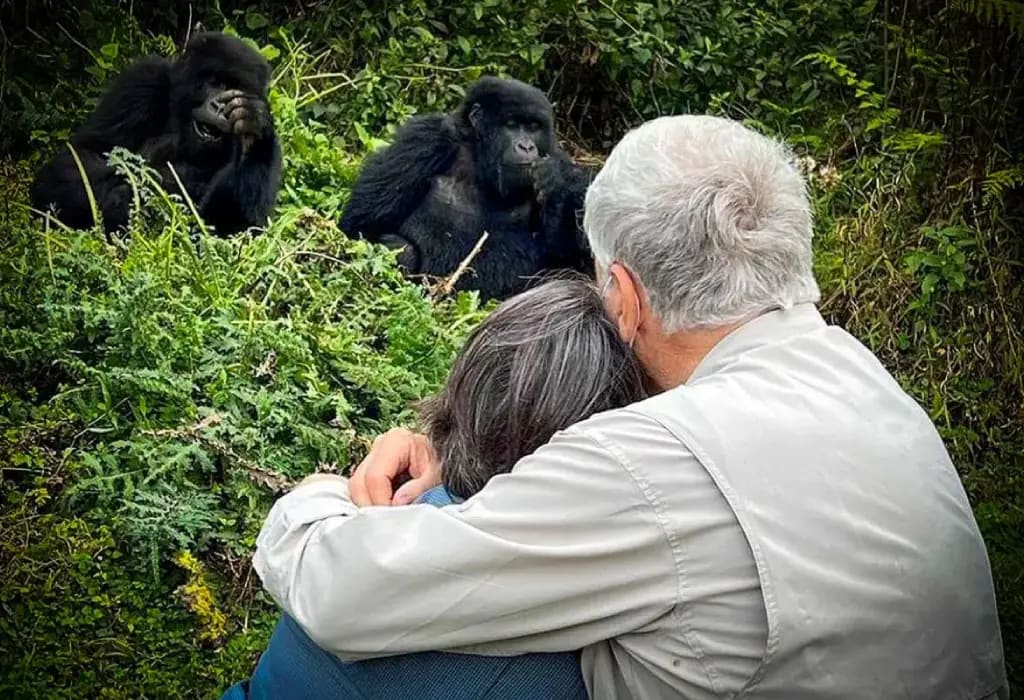
Bwindi Impenetrable National Park is the premier destination for mountain gorilla tracking in Uganda. The park covers 331 square kilometers of dense rainforest in southwestern Uganda. It's home to nearly half of the world's remaining mountain gorillas, with approximately 500 individuals living here.
Gorilla trekking in Bwindi requires a 2-4 hour hike through misty forest trails. Expert rangers lead small groups of maximum eight people to habituated gorilla families. You spend one hour observing a family in their natural behavior. Permits cost $800-$1,500 per person in 2026, depending on season.
Beyond gorillas, Bwindi hosts other primate species you'll encounter. Golden monkeys leap through the canopy with their striking yellow and black fur. Black-and-white colobus monkeys make loud alarm calls that echo through the forest. Chimpanzee populations also inhabit Bwindi, though they're harder to locate than gorillas.
Bird enthusiasts will love Bwindi's 350+ bird species. Turaco birds flash brilliant colors. African fish eagles soar overhead. The park's elevation ranges from 1,190 to 2,607 meters, creating diverse habitats for different species. Plan at least 2-3 days here to maximize your gorilla tracking chances and explore the forest trails.
Queen Elizabeth National Park: Tree-Climbing Lions
Queen Elizabeth National Park is famous for tree-climbing lions, one of Africa's most unusual wildlife behaviors. This 1,978-square-kilometer park sits on the equator in western Uganda. The park features diverse landscapes: savannah grasslands, crater lakes, rivers, and swamps provide habitat for spectacular wildlife diversity.
The tree-climbing lions of Queen Elizabeth are famous worldwide. These big cats rest in acacia trees during hot afternoons, draped across branches like house cats. Researchers believe the behavior helps them escape biting insects and find cooler spots. Spotting a lion in a tree is a rare and memorable wildlife moment.
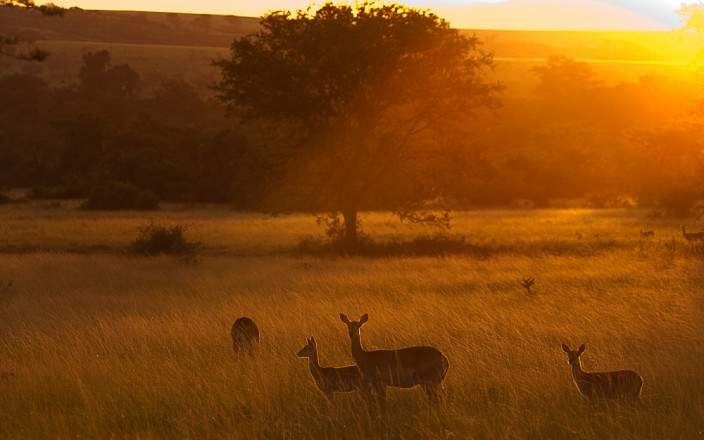
Queen Elizabeth offers excellent big game viewing beyond lions. Elephants are abundant here, with 2,000-3,000 individuals roaming the park. You'll see buffalo herds, spotted hyenas, leopards, and giraffes. The park's savannah grasslands host Ugandan kob antelopes, side-striped jackals, and baboons.
The Kazinga Channel boat tour is a must-do experience. This 32-kilometer waterway connects Lake Edward to Lake George. You'll see hippos wallowing in water, elephants drinking at the banks, and crocodiles basking on sandy shores. Early morning or late afternoon boat tours offer the best wildlife viewing and photography opportunities.
Murchison Falls National Park: Big Game and Waterfalls
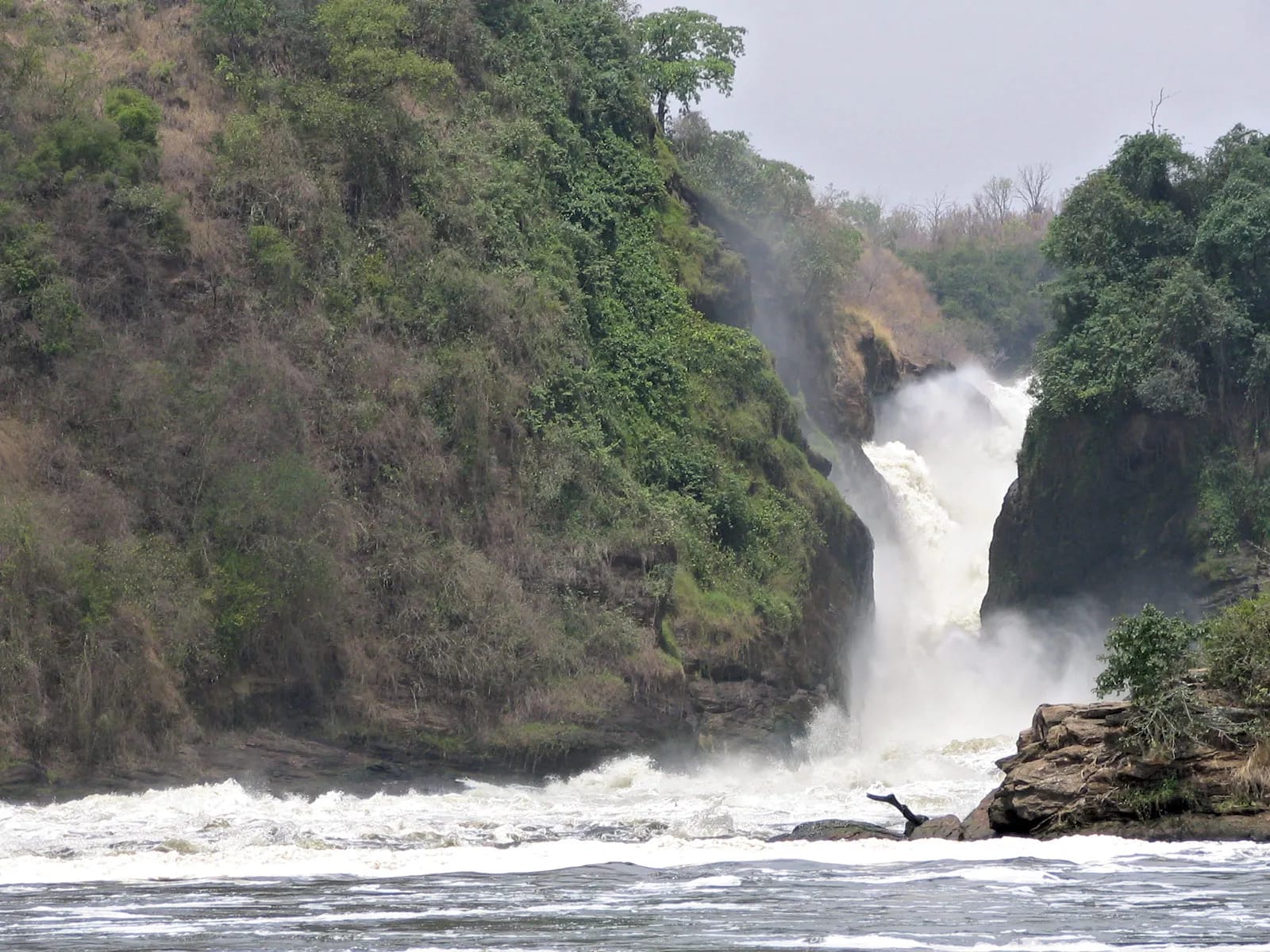
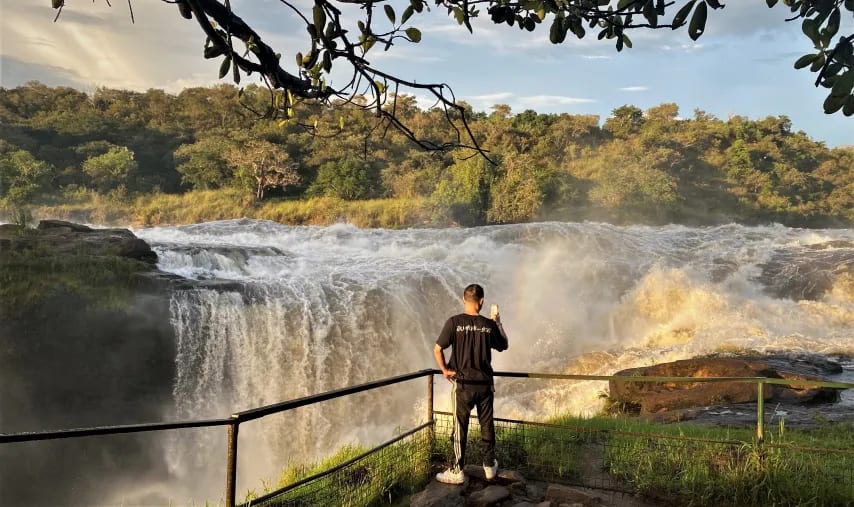
Murchison Falls National Park is Uganda's largest park, covering 3,893 square kilometers in northern Uganda. The park's namesake waterfall is spectacular: the Nile River crashes through a 7-meter gap between rocky cliffs, creating a thunderous roar and mist visible for kilometers.
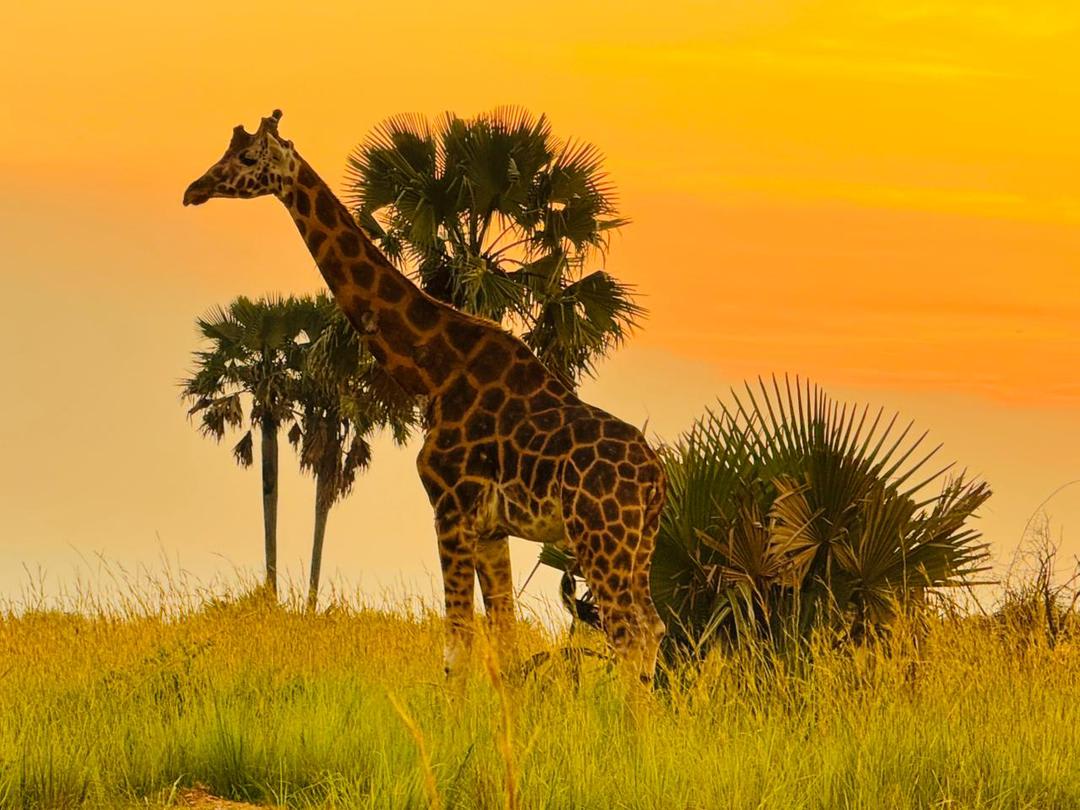
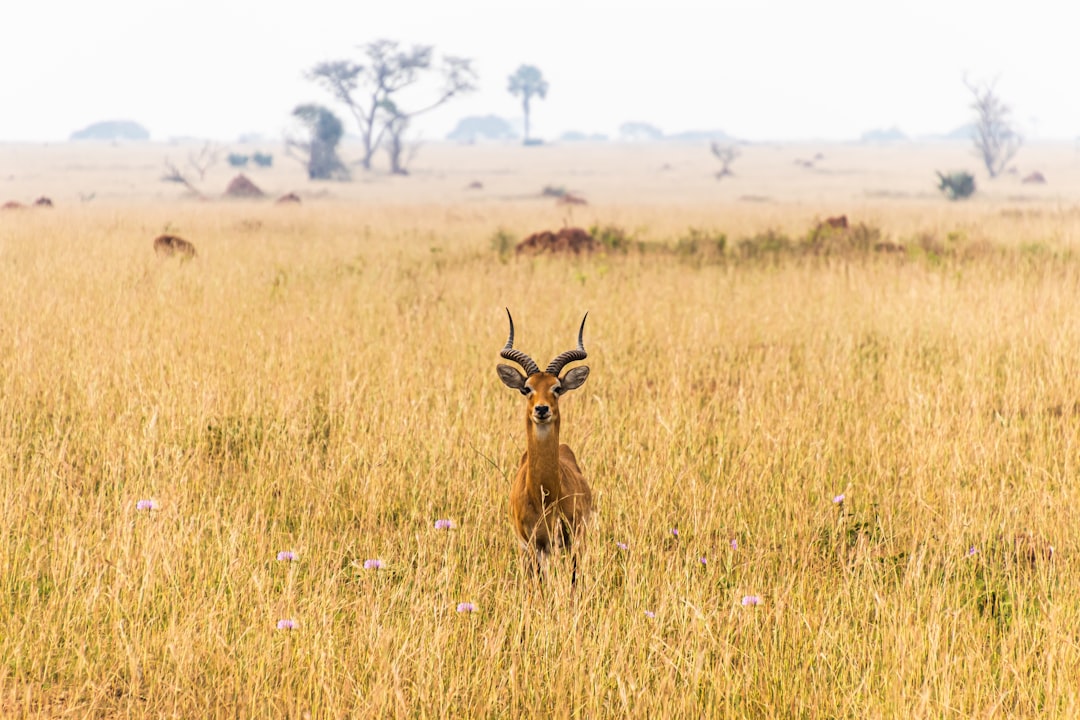
Murchison Falls draws visitors with its big game populations. Elephants, giraffes, buffalo, lions, and leopards roam the park's open savannahs. You'll see waterbuck, kob antelopes, and hartebeest grazing in grasslands. The park hosts over 450 bird species, making it excellent for birdwatchers too.
Safari activities include morning and afternoon game drives on park roads. You'll travel in open-sided vehicles with experienced guides who spot wildlife and explain animal behavior. The Nile River boat cruise takes you upstream toward the falls, offering excellent hippo and crocodile viewing. Many visitors combine game drives with the boat tour for a complete experience.
Murchison Falls works well for budget-conscious travelers. Park entry fees are lower than Bwindi's gorilla permits. Accommodation ranges from budget lodges to luxury camps. A 7-day Murchison safari typically costs $1,800-$3,000 per person, making it more affordable than gorilla trekking destinations.
Kibale Forest National Park: Chimpanzees and Primates
Kibale Forest National Park is Uganda's primate capital, home to 13 primate species including chimpanzees. This 795-square-kilometer tropical forest sits in western Uganda at elevations between 1,000 and 1,600 meters. The park protects one of Africa's most intact rainforests with exceptional biodiversity.
Chimpanzee trekking is Kibale's main attraction. Permits cost $250 per person in 2026, making it much cheaper than gorilla permits. Small groups hike through forest trails with ranger guides to locate habituated chimpanzee communities. You'll hear their calls echoing through the canopy before spotting them.
Kibale hosts other primate species you won't see elsewhere. Red colobus monkeys leap through the treetops in groups of 50-100 individuals. Black-and-white colobus monkeys make loud, haunting alarm calls. Grey-cheeked mangabeys forage on the forest floor. Golden cats and forest elephants also inhabit Kibale's protected forests.
Kyambura Gorge within Kibale offers another chimpanzee trekking opportunity. This scenic canyon has resident chimpanzee populations. The gorge also hosts tree hyraxes, forest buffalo, and forest elephants. Plan 2-3 days in Kibale for multiple chimpanzee encounters and forest walks.
Mgahinga Gorilla National Park: Mountain Gorillas and Golden Monkeys
Mgahinga Gorilla National Park is Uganda's smallest national park but offers world-class gorilla trekking. Located on the Uganda-Rwanda border in southwestern Uganda, this 34-square-kilometer park protects the northern slope of Mount Muhavura volcano. The park is home to one habituated mountain gorilla family plus several unhabituated groups.
Mgahinga offers an intimate gorilla trekking experience with smaller crowds than Bwindi. Permits cost the same ($800-$1,500), but fewer visitors trek here daily. The park's volcanic terrain creates stunning scenery: misty forests, crater lakes, and views across the border to Rwanda's Volcanoes National Park.
Golden monkeys are Mgahinga's second-most iconic species. These acrobatic primates with golden-orange fur are found only in the Virunga volcanic region. Watching them leap between branches and play in family groups is delightful. The park also hosts other primates including black-and-white colobus monkeys and blue monkeys.
Mgahinga's volcanic landscape creates unique trekking opportunities. You can hike Mount Muhavura (3,645 meters) for panoramic views across three countries: Uganda, Rwanda, and the Democratic Republic of Congo. Crater lakes dot the park. Forest trails connect different ecosystems. Combine gorilla trekking with hiking for a complete experience.
Semuliki National Park: Rare Forest Species
Semuliki National Park protects Uganda's most diverse forest ecosystem. Located in western Uganda near the Congo border, this 219-square-kilometer park sits in a lowland tropical rainforest. The park's location gives it unique species found nowhere else in Uganda, including African forest elephants and forest buffalo.
Semuliki offers primate tracking for chimpanzees and colobus monkeys. The park's hot springs create mineral-rich environments supporting specialized plant and animal communities. Over 440 bird species live in Semuliki, making it a birding paradise. Guided forest walks reveal insects, amphibians, and reptiles rarely seen elsewhere.
Semuliki appeals to adventurous travelers seeking authentic forest experiences away from crowds. The park receives fewer visitors than Bwindi or Queen Elizabeth, offering quieter wildlife encounters. Accommodation options are limited but immersive. Plan 2-3 days for forest walks and primate tracking.
Which Animals You'll Definitely See on a Uganda Safari
The Big Five and Other Large Mammals
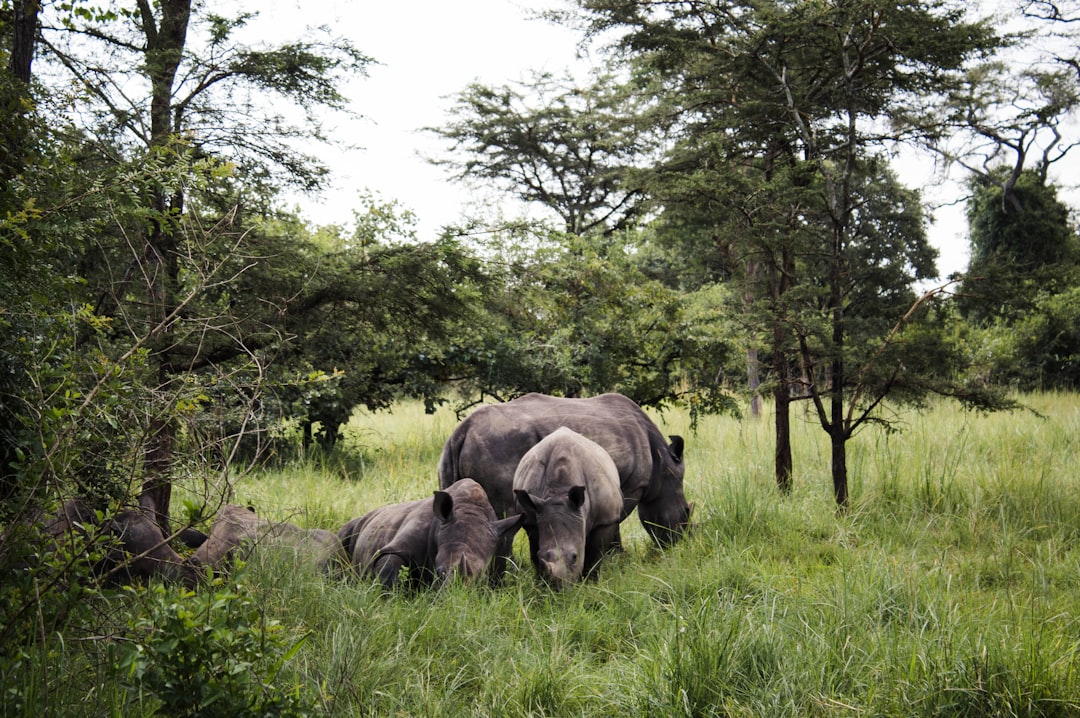
Uganda safaris deliver excellent odds for seeing Africa's iconic large animals. The Big Five (lion, leopard, elephant, buffalo, and rhinoceros) are present in Uganda, though rhinos are extremely rare and only found in specialized reserves.
| Animal | Sighting Probability (7-day safari) | Best Park | Best Time |
|---|---|---|---|
| Mountain Gorilla | 99% (with permit) | Bwindi, Mgahinga | Year-round |
| Elephant | 95-100% | Queen Elizabeth, Murchison Falls | Late afternoon |
| Lion | 85-95% | Queen Elizabeth, Murchison Falls | Early morning, dusk |
| Chimpanzee | 90% (with trekking) | Kibale, Kyambura | Early morning |
| Buffalo | 90-100% | All major parks | Any time |
| Leopard | 60-75% | Queen Elizabeth | Dusk, night drives |
Elephants are abundant in Uganda's parks. Queen Elizabeth alone hosts 2,000-3,000 elephants. You'll see them at waterholes, feeding on acacia trees, and cooling off in water. Forest elephants inhabit Kibale and Semuliki parks, smaller than savannah elephants but equally impressive.
Lions are common in open-country parks like Queen Elizabeth and Murchison Falls. The tree-climbing lions of Queen Elizabeth are Uganda's most famous lions. You'll spot them resting in acacia trees during hot afternoons. Early morning and dusk drives offer the best lion sighting chances when they hunt or move between resting spots.
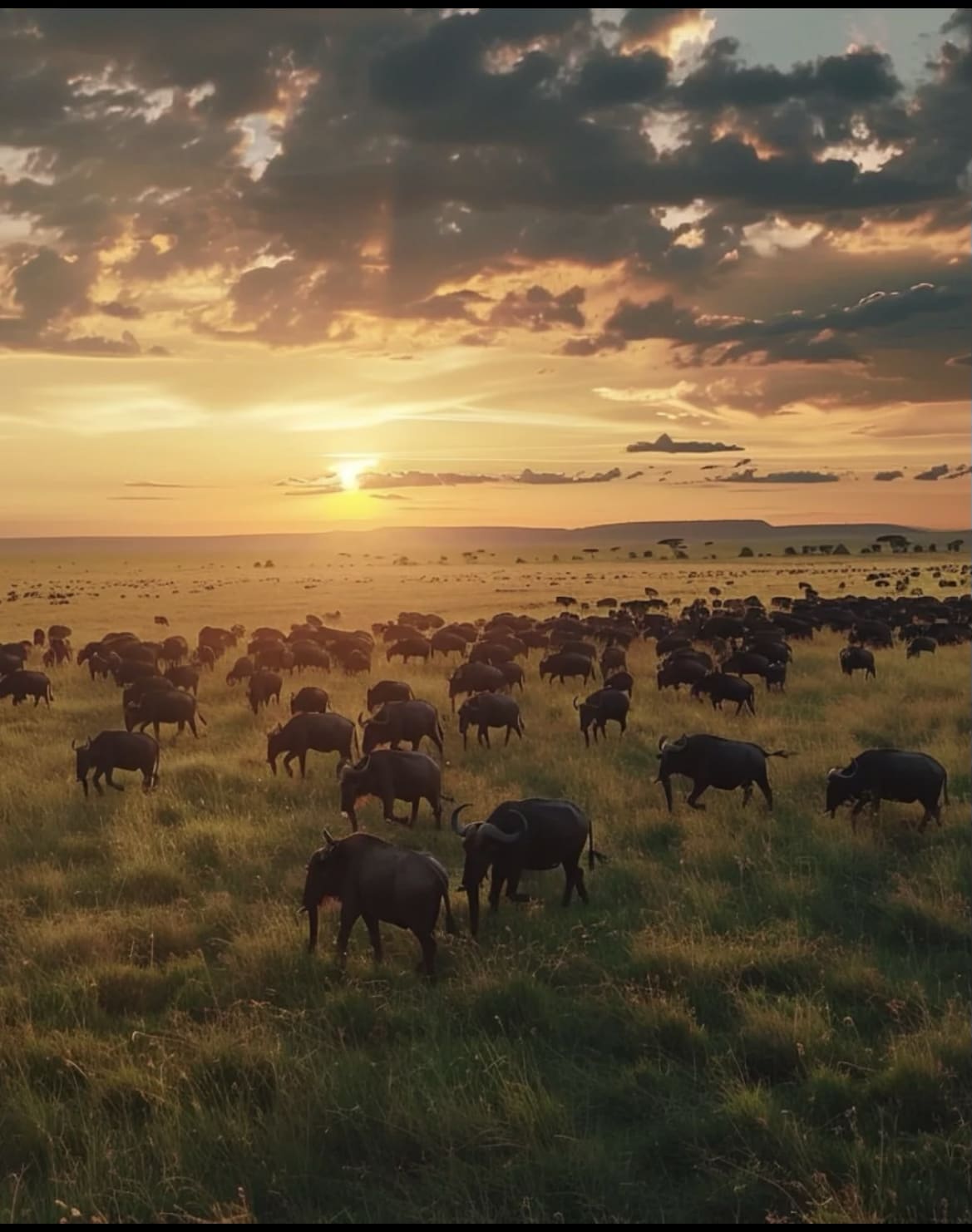
Buffalo herds roam all major parks. These powerful animals are unpredictable and dangerous, so guides always maintain safe distances. Watching a buffalo herd move across grasslands is a memorable sight. Giraffes, zebras, waterbuck, and other antelopes populate the savannah parks.
Primates Beyond Gorillas
Uganda's primate diversity is world-class. Beyond mountain gorillas, you'll encounter chimpanzees, multiple monkey species, and smaller primates that make safaris exciting.
Chimpanzees are Uganda's second-most iconic primate. Kibale Forest and Kyambura Gorge offer excellent chimpanzee trekking. These intelligent apes live in family groups of 30-50 individuals. Hearing their pant-hoots and screams echo through the forest creates unforgettable moments. You'll watch them feed, play, and interact in their natural habitat.
Golden monkeys live only in the Virunga volcanic region, making them extremely rare and special. Mgahinga and Bwindi offer golden monkey trekking. These acrobatic primates with striking golden fur leap between branches with amazing agility. Watching family groups play and interact is delightful and photogenic.
Black-and-white colobus monkeys inhabit forest parks throughout Uganda. Their loud, haunting alarm calls echo through the canopy. Red colobus monkeys leap in large groups through Kibale's treetops. Grey-cheeked mangabeys forage on the forest floor. Each primate species has unique behaviors and calls that experienced guides can explain.
Reptiles and Amphibians
Uganda's wetlands and forests host incredible reptile and amphibian diversity. Nile crocodiles are common in parks with water bodies. You'll see them basking on riverbanks during boat tours. These prehistoric-looking reptiles can grow up to 5 meters long. Viewing them safely from boats offers thrilling encounters.
Hippos are abundant in Uganda's rivers and lakes. You'll see them wallowing in water during boat cruises. These massive animals are deceptively fast on land, so guides always maintain safe distances. Hearing hippos snort and grunt at night creates an authentic African soundscape.
Forest parks like Kibale host numerous snake species, frogs, and lizards. Guided night walks reveal nocturnal creatures. Tree hyraxes make strange barking calls that sound otherworldly. Chameleons change colors slowly as they move through branches. These encounters appeal to naturalists and photographers.
Planning Your Uganda Safari for Maximum Wildlife Viewing
Best Time to Visit for Wildlife
Uganda's dry seasons offer the best wildlife viewing in 2026. The primary dry season runs June through August. The secondary dry season spans December through February. During these periods, animals congregate near water sources, making them easier to spot.
Rainy seasons (March-May and September-November) bring challenges for safari-goers. Roads become muddy and impassable. Visibility decreases due to thick vegetation and clouds. However, rainfall brings fewer tourists and lower prices. Birdwatching is excellent during rainy seasons. If budget matters more than wildlife quantity, consider visiting during shoulder seasons.
Mountain gorilla trekking works year-round in Bwindi and Mgahinga. The dry seasons offer more comfortable trekking conditions. Rainy seasons mean muddy trails and wet clothes, but gorillas are always present. Most visitors plan gorilla trekking during dry seasons to combine it with savannah safaris in Queen Elizabeth and Murchison Falls.
How Long Your Safari Should Be
Plan at least 7-10 days for a comprehensive Uganda safari. A 7-day minimum allows you to visit two parks and experience different wildlife types. Gorilla trekking alone requires 2-3 days when including travel time. Add 3-4 days for savannah parks like Queen Elizabeth or Murchison Falls.
Ten days lets you visit three parks: one for gorillas and two for big game. You'll have buffer days for rest and flexibility if weather impacts activities. This length allows deeper exploration of each ecosystem and higher wildlife sighting probabilities.
Shorter safaris (3-5 days) work if you focus on one park. You could do a Murchison Falls-only safari or Queen Elizabeth-only trip. However, you'll miss Uganda's incredible diversity. Most travelers feel short safaris don't justify the long-distance flights to reach Uganda.
Choosing Your Parks Wisely
Your park selection depends on your interests and budget. Gorilla trekking is Uganda's signature experience but costs $800-$1,500 per permit. If gorillas are your priority, budget 2-3 days in Bwindi or Mgahinga.
Budget-conscious travelers should focus on Queen Elizabeth and Murchison Falls. These parks offer excellent big game viewing without expensive permits. A 7-day Murchison Falls safari costs $1,800-$3,000 per person, significantly cheaper than including gorilla trekking.
Primate enthusiasts should include Kibale Forest for chimpanzee trekking. Chimpanzee permits cost just $250, making them affordable. Combine Kibale with gorilla parks for comprehensive primate experiences. You could visit Bwindi for gorillas, Kibale for chimps, and Queen Elizabeth for big game in a 10-day itinerary.
Explore verified safari packages on SafariFind to compare operators and prices across different park combinations. Uganda safari packages start at $1,800 for 7-day tours, with options reaching $4,500 for luxury experiences. Request quotes from multiple operators to find the best value for your interests.
Permits and Bookings
Mountain gorilla permits are the most expensive and must be booked months ahead. In 2026, permits cost $800-$1,500 per person depending on season. Book permits through your tour operator or directly with Uganda Wildlife Authority. High demand means permits sell out during peak seasons (June-August, December-January).
Chimpanzee permits cost $250 per person and are easier to obtain but should still be booked in advance. Other park entry permits are inexpensive ($20-$50) and can usually be purchased on arrival. Your tour operator handles all permit arrangements as part of package booking.
Book your safari 3-6 months ahead for better rates and permit availability. Peak season packages cost 15-20% more than shoulder season rates. Work with verified SafariFind operators who handle permits professionally and ensure compliant, ethical wildlife viewing practices.
What to Pack and Prepare
Pack layers for Uganda's variable climate. Forests are cool and misty, especially during gorilla trekking. Bring a warm fleece jacket for early mornings and forest hikes. Savannah parks are hot during midday but cool at dawn. Neutral-colored clothing (greens, browns, grays) helps with wildlife photography and doesn't disturb animals.
Bring sturdy hiking boots for forest trekking. Waterproof boots are essential during rainy seasons. Pack a waterproof jacket and rain cover for your backpack. Insect repellent protects against mosquitoes and other biting insects. Sunscreen, hat, and sunglasses are crucial for sun protection on open-vehicle safaris.
Binoculars enhance wildlife viewing dramatically. A good camera with a telephoto lens captures memorable photos. Bring extra batteries and memory cards—you'll take hundreds of photos. Medications for motion sickness help on bumpy park roads. Consult your doctor about malaria prophylaxis before traveling.
Physical fitness matters for gorilla trekking. The trek involves 2-4 hours of hiking at high elevation through muddy forest trails. Train with cardio and hiking before your trip. Gorilla trekking is strenuous but achievable for most healthy adults. Age isn't a barrier—visitors from 8 to 80 successfully trek Uganda's gorillas.
Uganda Safari Costs and Budget Planning for 2026
Uganda safari costs vary widely based on park selection, season, and accommodation level. Budget $1,800-$4,500 per person for 7-day packages in 2026. Gorilla trekking packages cost more due to permit fees. Savannah-only safaris cost less. All-inclusive packages from SafariFind operators simplify budgeting.
Budget safaris cost $1,800-$2,500 per person and include basic accommodation, meals, and activities. Mid-range packages run $2,500-$3,500 with better lodges and more activities. Luxury safaris exceed $4,000 and feature premium camps, gourmet meals, and exclusive experiences.
Gorilla permits add $800-$1,500 to your total cost. This non-negotiable expense is worth every penny—the experience is priceless. Chimpanzee permits add just $250. Park entry fees are minimal ($20-$50). Flight costs from the US or Europe typically exceed safari package costs.
Book early to secure better rates. Peak season (June-August) costs 15-20% more than shoulder seasons. Budget travelers should visit during shoulder seasons (April-May, October-November) for lower prices and fewer crowds. Compare Uganda safari costs between budget and luxury packages on SafariFind to find options matching your budget.
Key Takeaways
- Book mountain gorilla permits 3-6 months ahead to secure dates and save 15-20% on off-season rates versus peak season prices.
- Plan 7-10 days for a comprehensive Uganda safari covering gorillas, chimpanzees, and big game across multiple parks.
- Visit during dry seasons (June-August, December-February) for optimal wildlife viewing and comfortable trekking conditions.
- Budget $1,800-$4,500 per person for 7-day packages in 2026, with gorilla permits adding $800-$1,500 to your total cost.
- Request quotes from verified SafariFind operators to compare packages, read authentic reviews, and find the best value for your interests.
Frequently Asked Questions
What animals will I definitely see on a Uganda safari?
You'll definitely see elephants (95-100% probability), buffalo (90-100%), and various antelope species across Uganda's parks. With gorilla permits, mountain gorillas are 99% certain. Chimpanzees are 90% likely with trekking. Lions, leopards, and giraffes are common in savannah parks like Queen Elizabeth and Murchison Falls. Most 7-day safaris deliver sightings of 20+ species.
How much does a Uganda safari cost in 2026?
Uganda safari packages range from $1,800-$4,500 per person for 7-day tours in 2026. Budget safaris start at $1,800 with basic accommodation and activities. Mid-range packages cost $2,500-$3,500. Luxury safaris exceed $4,000. Gorilla permits add $800-$1,500. Chimpanzee permits add $250. These prices typically include accommodation, meals, park fees, and guided activities but exclude international flights.
Which park is best for seeing mountain gorillas?
Bwindi Impenetrable National Park is Uganda's premier gorilla destination, home to approximately 500 mountain gorillas—nearly half the world's remaining population. Mgahinga Gorilla National Park offers an intimate alternative with smaller crowds and one habituated family. Both parks offer 99% sighting success rates with permits. Bwindi has more gorilla families to choose from, while Mgahinga provides a quieter experience with volcanic scenery.
What is the best time to visit Uganda for wildlife?
The best time for Uganda wildlife viewing is the dry seasons: June-August (primary) and December-February (secondary). During these periods, animals concentrate near water sources, making sightings easier. Gorilla trekking works year-round, but dry seasons offer more comfortable hiking. Rainy seasons (March-May, September-November) bring fewer tourists and lower prices but muddy roads and reduced visibility. Birdwatching excels during rainy seasons when birds are active.
How long should my Uganda safari be?
Plan at least 7-10 days for a comprehensive Uganda safari. Seven days allows visits to two parks and experiences of different wildlife types. Ten days lets you visit three parks and explore each ecosystem thoroughly. Gorilla trekking alone requires 2-3 days including travel. Savannah safaris need 3-4 days for quality wildlife viewing. Longer safaris increase sighting probabilities and reduce rushing between activities.
Can I see tree-climbing lions in Uganda?
Yes, Queen Elizabeth National Park is famous for tree-climbing lions—one of Africa's most unusual behaviors. These big cats rest in acacia trees during hot afternoons, draped across branches. The behavior helps them escape biting insects and find cooler spots. Tree-climbing lions are less common than typical ground-dwelling lions but frequently spotted in Queen Elizabeth. Combine this experience with Kazinga Channel boat cruises for complete big game viewing.
How do I book a Uganda safari with verified operators?
Use SafariFind to browse verified tour operators, compare packages, and read authentic reviews from previous travelers. Request quotes from multiple operators to find the best value matching your interests and budget. Verified operators handle all permit arrangements, accommodation bookings, and guided activities. SafariFind helps you compare 7-day packages starting at $1,800 per person, ensuring you book with legitimate, experienced companies offering quality experiences.
Conclusion
Uganda's national parks deliver world-class wildlife viewing experiences unavailable anywhere else on Earth. Mountain gorillas, tree-climbing lions, chimpanzees, and diverse primate species create unforgettable safari memories. The country's exceptional biodiversity across distinct ecosystems—from misty mountain forests to savannah grasslands to tropical rainforests—ensures every traveler finds their perfect wildlife adventure.
Planning a Uganda safari in 2026 requires advance booking, especially for mountain gorilla permits. Start planning 3-6 months ahead to secure permit availability and better rates. Budget $1,800-$4,500 per person for 7-day packages depending on your park selections and accommodation preferences. Visit during dry seasons (June-August or December-February) for optimal wildlife viewing and comfortable trekking conditions.
Your gorilla trekking experience will be transformative. Spending one hour observing a family of mountain gorillas in their natural habitat ranks among life's most profound wildlife encounters. Combine gorilla trekking with Queen Elizabeth's tree-climbing lions, Kibale's chimpanzees, and Murchison Falls' big game for a comprehensive safari showcasing Uganda's incredible animal diversity.
Compare verified Uganda safari operators on SafariFind to find packages matching your budget and interests. Read authentic reviews from previous travelers. Request quotes from multiple operators to negotiate better rates. SafariFind connects you with legitimate, experienced tour companies ensuring safe, ethical, and memorable wildlife viewing. Start your Uganda safari journey today—the Pearl of Africa awaits.
Plan Your Safari with SafariFind
These recommendations use real data from SafariFind, where you can compare operators, browse packages, and read verified traveler reviews before you book.
Recommended Safari Operators from SafariFind
Recommended Safari Packages from SafariFind
What Travelers Say (SafariFind Reviews)
References
- Uganda Wildlife Authority - National Parks and Protected Areas
- Travel Giants International Ltd - What Animals Will I See on a Uganda Safari? (2026)
- TourRadar - 10 Best Safari Tours in Uganda 2026/2027
- Agasaro Safaris - Uganda National Parks Guide: Best Safaris, Gorillas & Wildlife 2026
- African Mecca Safaris - Best Uganda Parks & Reserves To Visit In 2026-2027
- Next Gen Safaris - What to Expect on a Safari in Uganda (2026 Updated Guide)
- Pawmac Safaris - Safari Africa Animals You Can See in Uganda
- Naturalist Journeys - 2026 Uganda Wildlife Mammals Safari and Birding Tour
Sources
- Uganda Wildlife Authority - National Parks and Protected Areas
- Travel Giants International Ltd - What Animals Will I See on a Uganda Safari? (2026)
- TourRadar - 10 Best Safari Tours in Uganda 2026/2027
- Agasaro Safaris - Uganda National Parks Guide: Best Safaris, Gorillas & Wildlife 2026
- African Mecca Safaris - Best Uganda Parks & Reserves To Visit In 2026-2027
- Next Gen Safaris - What to Expect on a Safari in Uganda (2026 Updated Guide)
- Pawmac Safaris - Safari Africa Animals You Can See in Uganda
- Naturalist Journeys - 2026 Uganda Wildlife Mammals Safari and Birding Tour
Related to
Ready to start your safari adventure?
Explore curated safari packages and find your perfect African adventure with verified operators.