Uganda Safari Cost 2026: Budget vs Luxury Packages
Uganda safari costs range $1,500–$3,500 for budget to $20,000+ for luxury in 2026. Compare packages, inclusions, and save 15–25% with SafariFind.
Uganda Safari Cost 2026: Budget vs Luxury
Last updated: July 2026
Uganda safari costs range from $1,500 to $3,500 for budget packages and up to $20,000+ for luxury experiences in 2026. Most packages include gorilla trekking permits, park fees, and guides. Book through verified operators on SafariFind to compare prices and read authentic reviews from past travelers.
At a Glance
- Budget Safari Cost: $1,500–$3,500 per person
- Mid-Range Safari Cost: $3,000–$7,000 per person
- Luxury Safari Cost: $8,000–$20,000+ per person
- Best Time to Visit: June–August and December–February for dry season wildlife viewing
- Gorilla Permit Cost: $800 per person (included in most packages)
- Recommended Duration: 5–10 days for complete experience
Understanding Uganda Safari Costs in 2026
Uganda safari costs vary widely depending on your budget and preferences. A budget safari in Uganda starts at $1,500 per person, while luxury packages exceed $20,000 per person[1][4]. The price difference reflects accommodation quality, guide expertise, vehicle type, and included activities.
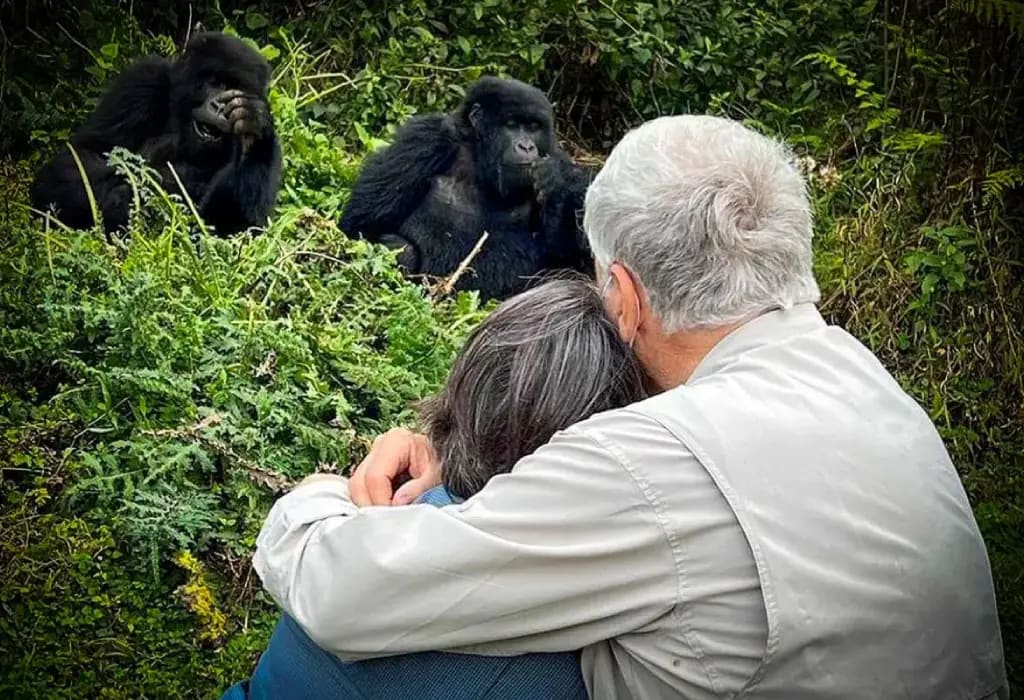
Most Uganda safari packages include gorilla trekking permits, which cost $800 per person[8]. This makes Uganda more affordable than Rwanda, where permits cost $1,500 per person. Park entrance fees, professional guides, and transportation between destinations are typically included in your package price.
The Uganda Safari Cost 2026 depends on several factors. These include your travel dates, accommodation choices, group size, and specific activities. Understanding these price categories helps you choose the right package for your needs and budget.
Budget Safari Packages: $1,500–$3,500
Budget safari packages offer basic but comfortable accommodations and essential experiences[5]. You'll stay in modest lodges or budget-friendly camps with shared or simple private rooms. These packages focus on gorilla trekking, wildlife viewing, and visiting national parks like Queen Elizabeth and Kibale.
Budget packages typically include transportation, park fees, and a professional guide. Meals may be basic but filling. You'll see the same wildlife as luxury travelers but from standard safari vehicles and accommodations. Budget safaris work well for travelers who prioritize experiences over comfort.
A typical budget Uganda safari lasts 5–7 days. This timeframe lets you trek mountain gorillas, visit savanna parks, and experience Uganda's diverse ecosystems without rushing. Budget operators on SafariFind offer transparent pricing and authentic reviews from previous travelers.
Mid-Range Safari Packages: $3,000–$7,000
Mid-range safaris offer better accommodations and more personalized service than budget options[1]. You'll stay in comfortable lodges with private bathrooms, good meals, and better amenities. These packages balance cost and comfort effectively.
Mid-range packages often include additional activities beyond gorilla trekking. You might enjoy game drives, bird watching, cultural visits to local communities, or boat safaris on Uganda's beautiful lakes. Group sizes are smaller, giving you more attention from guides.
These packages suit travelers who want quality experiences without extreme luxury costs. You get excellent wildlife viewing, knowledgeable guides, and comfortable lodging. Mid-range safaris typically last 6–8 days and provide the best value for most travelers.
Luxury Safari Packages: $8,000–$20,000+
Luxury safari packages offer premium accommodations in high-end lodges and exclusive camps[2]. You'll enjoy five-star amenities, gourmet meals, and personalized service. Guides are highly experienced and often specialize in specific interests like photography or bird watching.
Luxury packages include exclusive experiences unavailable in budget options. These might involve private game drives, helicopter tours, spa services, or Gorilla Habituation Experiences—a four-hour immersion with habituated gorilla groups[8]. You travel in small groups or privately with dedicated guides.
Luxury safaris last 7–10 days or longer. They cover multiple destinations, offer flexible itineraries, and provide exceptional comfort. Premium operators focus on personalized attention and creating unforgettable memories. These packages suit travelers prioritizing comfort and exclusive experiences.
What's Included in Uganda Safari Packages
Understanding what's included in your Uganda safari cost helps you compare packages accurately. Most packages include gorilla trekking permits, accommodation, meals, transportation, and professional guides[3]. However, inclusions vary between budget and luxury options.
Typical Package Inclusions
Nearly all Uganda safari packages include the gorilla trekking permit, which costs $800 per person[6]. This permit gives you access to mountain gorillas in Bwindi Impenetrable National Park or Mgahinga Gorilla National Park. Park entrance fees for other destinations like Queen Elizabeth and Kibale are also typically included.
Transportation between lodges, airports, and national parks is standard in most packages. This includes safari vehicle use during game drives and activities. Professional guides with wildlife knowledge lead all activities. Accommodation ranges from basic to luxury depending on your package tier.
Meals are usually included, though quality varies by price level. Budget packages offer simple but nutritious meals. Mid-range and luxury packages feature diverse menus with local and international cuisine. Some packages include beverages; others charge extra for alcohol.
What's Usually NOT Included
International flights are almost never included in safari package prices[7]. You'll book these separately. Visas for Uganda are also your responsibility, though some operators help with visa applications.
Optional activities like hot air balloon rides, helicopter tours, or additional guided walks typically cost extra. Travel insurance, personal gear, and tips for guides and staff are not included. Always ask your operator exactly what's covered before booking.
Alcohol and soft drinks beyond basic water may incur additional charges. Photography permits for professional equipment sometimes cost extra. Confirm all costs upfront to avoid surprises during your trip.
Budget vs. Luxury: Key Differences
Choosing between budget and luxury safaris depends on your priorities and budget. Both offer excellent wildlife viewing and gorilla trekking experiences. The main differences involve accommodation quality, group size, and included activities[4].
| Feature | Budget ($1,500–$3,500) | Mid-Range ($3,000–$7,000) | Luxury ($8,000–$20,000+) |
|---|---|---|---|
| Accommodation | Basic lodges, shared rooms | Comfortable lodges, private rooms | Five-star lodges, suites |
| Group Size | 8–12 people per vehicle | 4–6 people per vehicle | 2–4 people or private |
| Meals | Simple, basic options | Varied, quality meals | Gourmet, diverse cuisine |
| Activities | Gorilla trekking, basic game drives | Multiple activities, flexibility | Exclusive experiences, personalized |
| Guide Quality | Knowledgeable, experienced | Specialized knowledge available | Expert specialists, personalized |
| Wildlife Viewing | Excellent, same animals seen | Excellent with better timing | Prime times, exclusive access |
Budget safaris deliver excellent value and the same wildlife experiences as luxury options. You'll see gorillas, lions, elephants, and hundreds of bird species. The difference lies in comfort and personalization, not wildlife quality.
Luxury safaris offer exclusive experiences and exceptional service. You might enjoy helicopter tours, private guides, or Gorilla Habituation Experiences unavailable in budget packages. These extras justify the higher cost for travelers seeking premium experiences.
Mid-range safaris provide the best balance for most travelers. You get comfortable accommodations, quality meals, and flexible activities without extreme costs. Many experienced safari travelers choose mid-range packages for optimal value.
Planning Your Uganda Safari Budget
Planning a Uganda safari in 2026 requires understanding total costs beyond package prices. International flights, visas, travel insurance, and personal expenses add to your budget. Smart planning helps you maximize value and avoid surprises.
Breaking Down Total Costs
Your Uganda safari budget includes several components. The safari package itself costs $1,500–$20,000 depending on tier[4]. International flights typically cost $800–$2,000 from North America or Europe. Uganda visas cost $50 for an online e-visa.
Travel insurance adds $100–$300 for comprehensive coverage. Personal expenses like tips, souvenirs, and optional activities cost $200–$500. Budget an extra $300–$500 for unexpected costs. Total trip cost typically ranges from $3,000–$25,000 per person depending on package tier and flight costs.
Book your safari package 3–6 months in advance to secure better rates and availability. Early booking saves 10–15% on peak season packages. Compare multiple operators on SafariFind to find the best value for your budget.
Money-Saving Tips for Uganda Safaris
Travel during shoulder seasons (March–May or September–November) to save money. Prices drop 20–30% compared to peak season. Wildlife viewing remains excellent during these periods, though some animals are less concentrated.
Join group safaris instead of private options. Group tours share vehicle and guide costs, reducing your per-person expense by 30–40%. Larger groups offer more social experiences while lowering individual costs.
Choose mid-range accommodations over luxury to save significantly. You'll still enjoy comfort, good meals, and quality guides. The savings can reach $100–$300 per night compared to luxury lodges.
Book combo packages that include multiple destinations. Combining gorilla trekking with other parks costs less than booking separately. Many operators offer discounts for 7–10 day packages versus shorter trips.
Booking Your Uganda Safari Package
Finding the right Uganda safari package requires comparing operators, reading reviews, and confirming inclusions. SafariFind connects you with verified tour operators offering transparent pricing and authentic traveler reviews. This helps you make confident booking decisions.
How to Compare Safari Operators
Start by comparing prices across multiple operators for your desired dates and package type. Check what's included in each price—some operators bundle more services than others. Read reviews from previous travelers to assess operator quality and reliability.
Verify operator credentials and certifications. Reputable operators hold memberships in safari industry associations. They carry proper insurance and employ trained guides. SafariFind's verified operators meet strict quality standards and have authentic customer reviews.
Request quotes from at least three operators before deciding. Ask detailed questions about inclusions, accommodation quality, guide experience, and cancellation policies. Compare responses carefully to understand differences between options.
Questions to Ask Before Booking
Ask what specific activities are included and which cost extra. Confirm accommodation details—room type, amenities, and meal options. Inquire about guide qualifications and language abilities. Ask about group size and vehicle type used for game drives.
Verify the cancellation and refund policy clearly. Ask about travel insurance requirements. Confirm pickup and drop-off locations and times. Ask about flexibility to adjust itineraries if you want to spend more time at specific locations.
Request recent traveler reviews and contact information. Ask if the operator can accommodate dietary restrictions or special needs. Clarify payment terms, deposit requirements, and final payment deadlines.
Explore safari packages on SafariFind to compare verified operators. Read authentic reviews from previous travelers. Request quotes directly from operators through SafariFind to streamline your booking process.
Best Time to Visit Uganda: Impact on Pricing
Uganda's seasons significantly affect safari pricing and wildlife viewing quality. The dry seasons offer excellent wildlife viewing and cost more. Shoulder seasons provide good experiences with lower prices. Understanding seasonal pricing helps you plan your budget effectively.
Peak Season: June–August and December–February
Peak season occurs during Uganda's dry months when wildlife concentrates around water sources. Gorilla trekking is excellent, and game drives yield frequent animal sightings. However, peak season brings higher prices and more tourists.
Expect to pay 20–30% more for packages during peak season. Popular lodges book quickly, so reserve 4–6 months in advance. Gorilla permits sell out frequently, requiring early booking. Despite higher costs, peak season offers the best wildlife viewing and weather conditions.
Shoulder Season: March–May and September–November
Shoulder seasons offer excellent wildlife viewing with fewer tourists and lower prices. Rain increases vegetation, making gorilla trekking more challenging but scenery more beautiful. Prices drop 15–25% compared to peak season.
These months work well for budget and mid-range travelers. Wildlife remains abundant, and guides have more attention for smaller groups. Availability is better, and you can often book with shorter notice. Many experienced travelers prefer shoulder seasons for the best value.
Rainy Season: April–May and October–November
Heavy rains in April–May and November make some roads difficult. However, October remains relatively dry with lower prices. Gorilla trekking is muddy but still possible. Fewer tourists mean quieter experiences and better guide attention.
Budget packages during heavy rain can cost 30–40% less than peak season. Accommodations offer discounts to attract visitors. Wildlife viewing remains good despite rain. This season suits adventurous travelers comfortable with muddy trekking.
Key Takeaways
- Book your Uganda safari 3–6 months in advance to secure availability and save 15–20% on package prices, especially for peak season dates.
- Choose mid-range safaris ($3,000–$7,000) for best value—you get comfortable accommodations, quality meals, and flexible activities without extreme luxury costs.
- Travel during shoulder seasons (March–May or September–November) to reduce costs by 15–25% while enjoying excellent wildlife viewing and fewer tourists.
- Confirm all inclusions before booking—verify that gorilla permits ($800), park fees, guides, transportation, and meals are included in your quoted price.
- Compare verified operators on SafariFind to read authentic reviews, request quotes, and find the best package matching your budget and preferences.
Frequently Asked Questions
What is the average cost of a Uganda safari in 2026?
The average Uganda safari cost in 2026 ranges from $1,500–$3,500 for budget packages, $3,000–$7,000 for mid-range options, and $8,000–$20,000+ for luxury experiences[4]. Most packages include gorilla trekking permits, accommodations, meals, guides, and transportation. Your final cost depends on your chosen tier, travel dates, and trip duration.
Is Uganda cheaper than Rwanda for gorilla trekking?
Yes, Uganda is significantly cheaper than Rwanda for gorilla trekking. Uganda's gorilla permits cost $800 per person, while Rwanda charges $1,500 per person[8]. Additionally, Uganda offers more gorilla groups and the exclusive four-hour Gorilla Habituation Experience. Overall safari packages in Uganda cost 20–30% less than comparable Rwanda options.
What is included in Uganda safari package prices?
Most Uganda safari packages include gorilla trekking permits ($800), park entrance fees, professional guides, accommodations, meals, and transportation between destinations[3]. However, inclusions vary by package tier. Budget packages include basics, while luxury packages add amenities like gourmet meals, exclusive activities, and premium lodges. Always confirm specific inclusions before booking your package.
When is the cheapest time to visit Uganda on safari?
The cheapest times to visit Uganda are shoulder seasons from March–May and September–November, with prices 15–25% lower than peak season[4]. October offers good weather with lower prices. April–May and November bring heavy rains, reducing prices 30–40% but making trekking muddy. Budget travelers save the most by visiting during shoulder or rainy seasons.
How far in advance should I book a Uganda safari?
Book your Uganda safari 3–6 months in advance for peak season travel to secure availability and better rates. Booking early saves 10–20% on package prices. For shoulder seasons, 2–3 months advance booking usually suffices. Last-minute bookings are possible but offer limited options and higher prices. Request quotes from verified operators on SafariFind to lock in your preferred dates.
What are the best budget safari operators in Uganda?
SafariFind features verified budget and mid-range safari operators with authentic customer reviews. Compare multiple operators on SafariFind to find packages matching your budget. Read traveler reviews to assess operator quality and reliability. Request quotes from at least three operators before deciding. SafariFind's verified operators meet strict quality standards and offer transparent pricing with no hidden fees.
Conclusion
Uganda safari costs in 2026 range from $1,500 for budget packages to $20,000+ for luxury experiences. Understanding the differences between package tiers helps you choose the best option for your budget and preferences. Budget safaris offer excellent value and the same wildlife viewing as luxury options, while mid-range packages provide the best balance of comfort and cost[1][4].
Gorilla trekking permits cost $800 per person and are included in most packages, making Uganda significantly cheaper than Rwanda for gorilla experiences[8]. By traveling during shoulder seasons and booking 3–6 months in advance, you can save 15–25% on package prices. Mid-range safaris typically offer the best value, combining comfortable accommodations, quality meals, and flexible activities without extreme costs.
Compare verified safari operators on SafariFind to find the perfect package for your Uganda adventure. Read authentic reviews from previous travelers, request quotes from multiple operators, and confirm all inclusions before booking. SafariFind connects you with trusted operators offering transparent pricing and excellent service. Start exploring Uganda safari packages today and plan the unforgettable African adventure you deserve.
Plan Your Safari with SafariFind
These recommendations use real data from SafariFind, where you can compare operators, browse packages, and read verified traveler reviews before you book.
Recommended Safari Operators from SafariFind
Top Safari Packages from SafariFind
What Travelers Say (SafariFind Reviews)
References
- Cost of a Uganda Safari 2025/2026 - Agasaro Safaris
- Top Uganda Luxury Safari Trips & Packages 2026/2027 - Travelstride
- Uganda vs Rwanda Gorilla Trekking Cost (2026) Guide - Nature Bound Africa
- How Much Does an East Africa Safari Cost in 2026? - Mandrill African Safaris
- Best Uganda Budget Safari in 2026/2027 - African Natural Tours
- Gorilla Trekking Uganda Cost and Price Guide For 2026 - Gorilla Safari Discovery
- What Does an African Safari Cost? 2026 Guidelines - Go2Africa
- Uganda Gorilla Trekking: Trips, Permits & Prices (2026) - Duma Explorer
Related to
Ready to start your safari adventure?
Explore curated safari packages and find your perfect African adventure with verified operators.