Uganda Safari Packages 2026: 7-Day Tours $1,800–$4,500
7-day Uganda safari packages cost $1,800–$4,500 per person in 2026. Compare budget, mid-range, and luxury options. Book verified operators on SafariFind.

Uganda Safari Packages 2026: 7-Day Tours
Last updated: July 2026
Uganda safari packages for 7 days range from $1,800 to $4,500 per person in 2026, depending on accommodation level and included activities. The best time to visit is June to September or December to February for optimal wildlife viewing. Book through verified operators on SafariFind to compare packages, read authentic traveler reviews, and request quotes tailored to your budget.
At a Glance
- Cost range: $1,800–$4,500 per person for 7 days
- Best time to visit: June–September and December–February (dry seasons)
- Recommended duration: 7 days to experience multiple parks
- Best for: Gorilla trekking, chimpanzee viewing, Big Five safaris
- Wildlife highlights: Mountain gorillas, chimpanzees, lions, elephants, Uganda kobs
- Getting there: Fly into Entebbe International Airport, then domestic flights or road transfers
What Are Uganda Safari Packages 2026: 7-Day Tours?
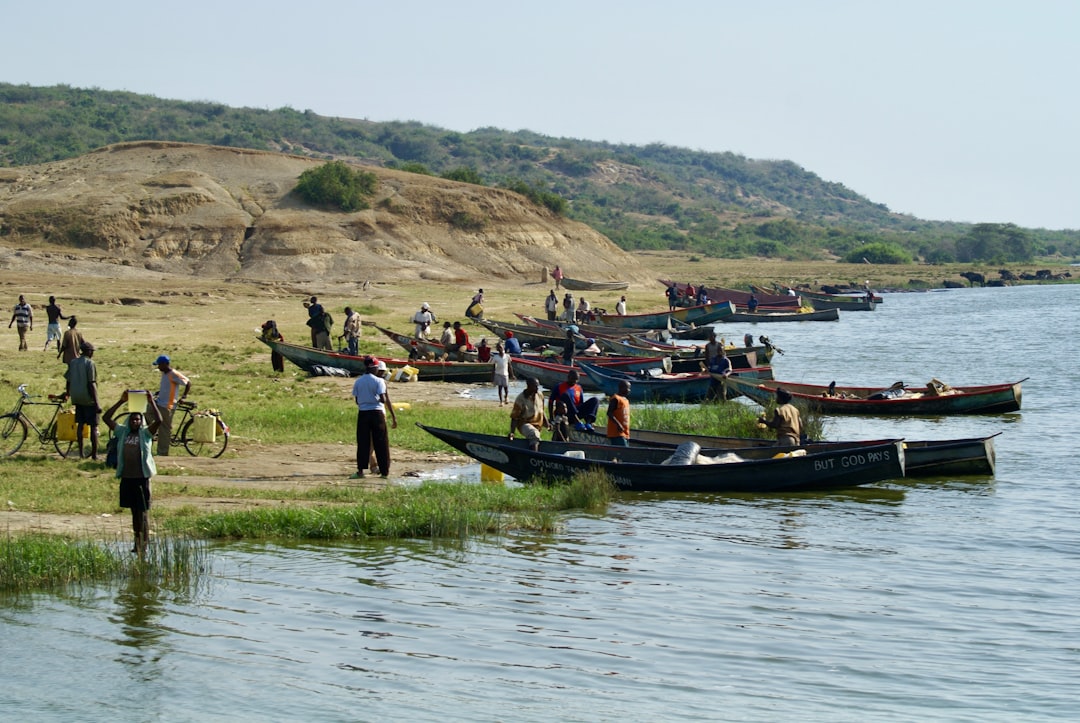
Uganda safari packages for 7 days combine multiple national parks and wildlife experiences into one unforgettable trip. These tours typically cost between $1,800 and $4,500 per person in 2026, with prices varying based on lodge quality, meal plans, and included activities . A 7-day safari lets you explore Uganda's most famous destinations without feeling rushed.
Most 7-day packages include guided game drives in national parks, accommodation at lodges or tented camps, all meals, and park entrance fees . You'll visit parks like Murchison Falls, Queen Elizabeth, and often Bwindi Impenetrable Forest for gorilla trekking. The experience combines luxury comfort with authentic African wilderness.
Why Choose a 7-Day Safari?
Seven days gives you enough time to visit multiple parks and truly connect with Uganda's wildlife. Unlike shorter 3 or 4-day trips, a week-long safari reduces travel stress and maximizes animal viewing opportunities. You'll spend more time in each location instead of constantly moving between destinations.
A 7-day itinerary typically includes time for morning and evening game drives when animals are most active. You'll also have flexibility for optional activities like boat cruises, nature walks, or extra wildlife spotting sessions. This length is ideal for first-time safari visitors who want a complete African experience.
Key Features of 7-Day Uganda Safaris
Most packages include accommodation ranging from budget-friendly lodges ($150–$250 per night) to luxury tented camps ($300–$400 per night) . All-inclusive options cover meals, drinks, guide services, and park fees. Some packages add premium experiences like hot air balloon rides or private vehicle charters.
Your safari includes a dedicated guide who knows Uganda's wildlife and ecosystems. Guides speak English fluently and share insights about animal behavior, plants, and local culture. You'll travel in a comfortable 4WD vehicle modified for game viewing with open sides and pop-up roof hatches.
Understanding Uganda Safari Costs: The Complete Breakdown
Uganda safari packages cost between $1,800 and $4,500 per person for 7 days, depending on your comfort level and specific activities . Budget safaris start around $1,800 per person, while mid-range packages run $2,500–$3,500. Luxury safaris with premium lodges exceed $4,000 per person. These prices typically include accommodation, meals, and park fees.
Budget Safari Packages ($1,800–$2,500)
Budget safaris use comfortable but basic lodges and shared vehicles with other travelers. Accommodation costs $150–$250 per night and includes simple but nutritious meals . You still get professional guides and access to all major national parks. Budget options work well for travelers who prioritize wildlife viewing over luxury amenities.
A typical budget 7-day package visits Murchison Falls National Park for 2–3 days, Queen Elizabeth National Park for 2–3 days, and either Kibale Forest or Bwindi for gorilla trekking. Transportation between parks uses shared minibuses or small group vehicles. This tier offers excellent value without sacrificing quality wildlife experiences.
Mid-Range Safari Packages ($2,500–$3,500)
Mid-range packages feature better lodges with private bathrooms, comfortable beds, and good meals. Accommodation costs $250–$350 per night and often includes wine or beer with dinner . You'll typically have a private or semi-private vehicle shared with one or two other travelers. This level balances comfort and cost effectively.
Mid-range safaris often add extras like boat cruises on the Kazinga Channel or guided forest walks. Some packages include one gorilla trekking permit (which costs $700 separately). You'll stay in established lodges with reliable electricity, hot water, and quality service. This is Uganda's most popular safari tier for good reason.
Luxury Safari Packages ($3,500–$4,500+)
Luxury packages use premium tented camps and high-end lodges with suites, fine dining, and personal service. Accommodation costs $350–$500+ per night and includes premium drinks and special meals . You get a private vehicle with a guide dedicated to your group. Luxury safaris feel like five-star hotel experiences in the wilderness.
These packages often include multiple gorilla trekking permits, private charter flights between parks, and exclusive experiences like sunrise balloon safaris. Meals feature gourmet cuisine prepared by professional chefs. Luxury safaris appeal to travelers seeking comfort and personalized service alongside world-class wildlife viewing.
Ready to compare verified Uganda safari operators? Browse 7-day Uganda safari packages on SafariFind to see real prices, ratings, and traveler reviews.
What's Included vs. What Costs Extra
Most Uganda safari packages include accommodation, meals, game drives, park entrance fees, and guide services. However, some costs are separate. Gorilla trekking permits cost $700 per person and are often not included in advertised package prices . International flights, travel insurance, and visa fees are always extra.
Typically Included in Your Package
- Accommodation (lodge or tented camp)
- All meals (breakfast, lunch, dinner)
- Game drives and guided tours
- National park entrance fees
- Professional English-speaking guide
- Transport between parks (unless by charter flight)
- Drinking water and basic beverages
Usually Not Included (Extra Costs)
- Gorilla trekking permit: $700 per person
- International flights: $800–$1,500 from Europe/US
- Visa for Uganda: $50 (on arrival)
- Travel insurance: $50–$150
- Optional activities: Balloon rides ($400–$600), boat cruises ($50–$100)
- Tips for guides and drivers: Typically 10% of tour cost
- Alcoholic drinks and premium beverages: $5–$15 per drink
Read package descriptions carefully on SafariFind to understand what's included. Many operators offer add-on options like gorilla permits or premium lodges at discounted rates when booked with your main package.
Best National Parks for Your 7-Day Uganda Safari
Uganda's most visited safari parks are Murchison Falls, Queen Elizabeth, Bwindi Impenetrable Forest, and Kibale National Park . A 7-day itinerary typically combines two or three parks depending on your interests. Each park offers unique wildlife and experiences worth exploring.
Murchison Falls National Park
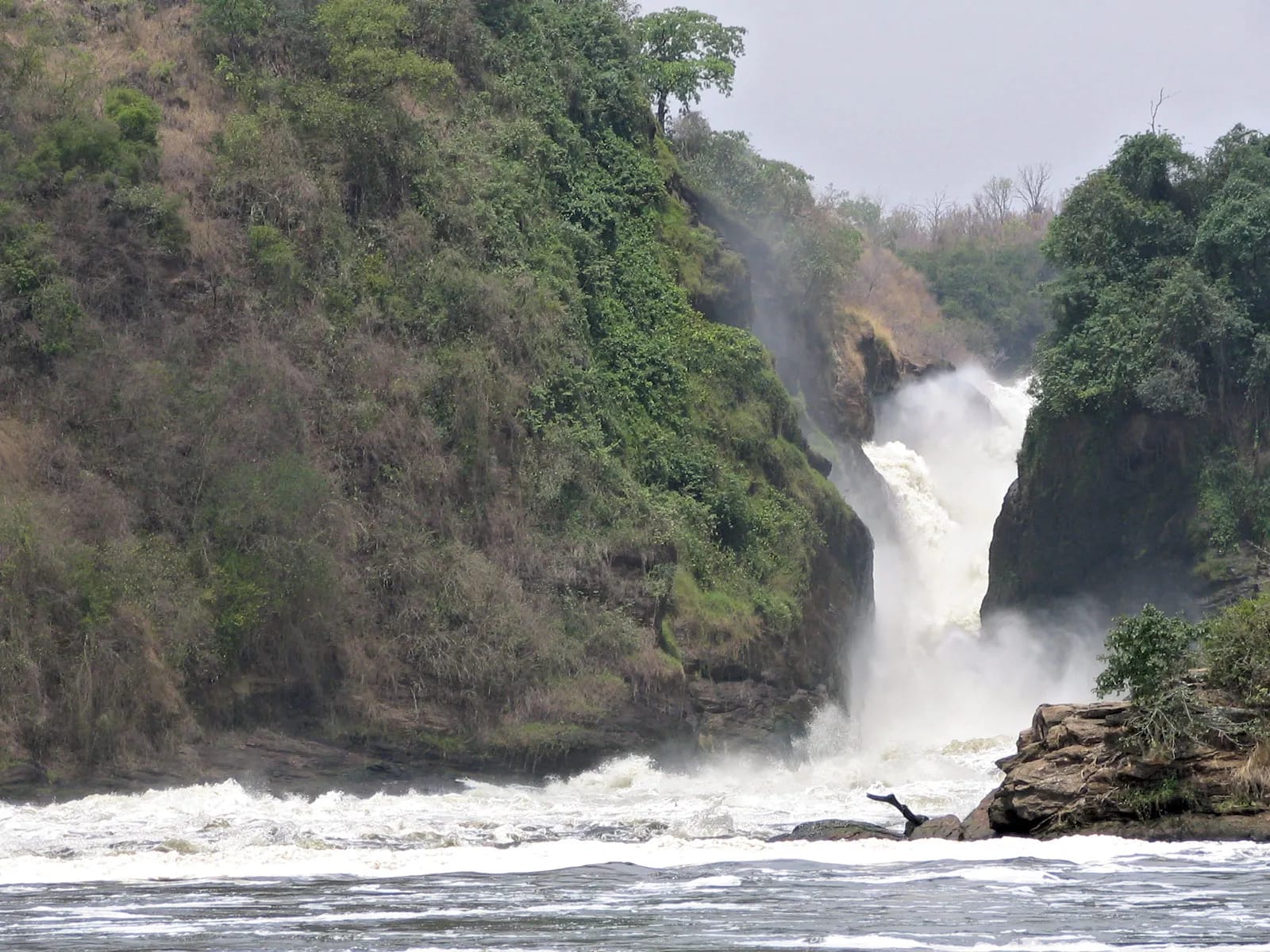
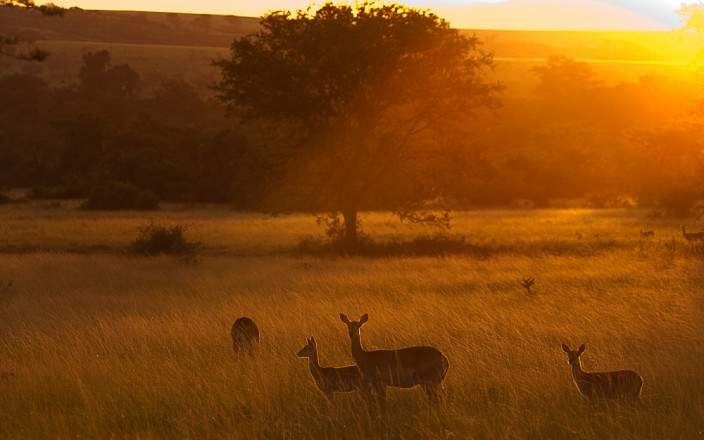
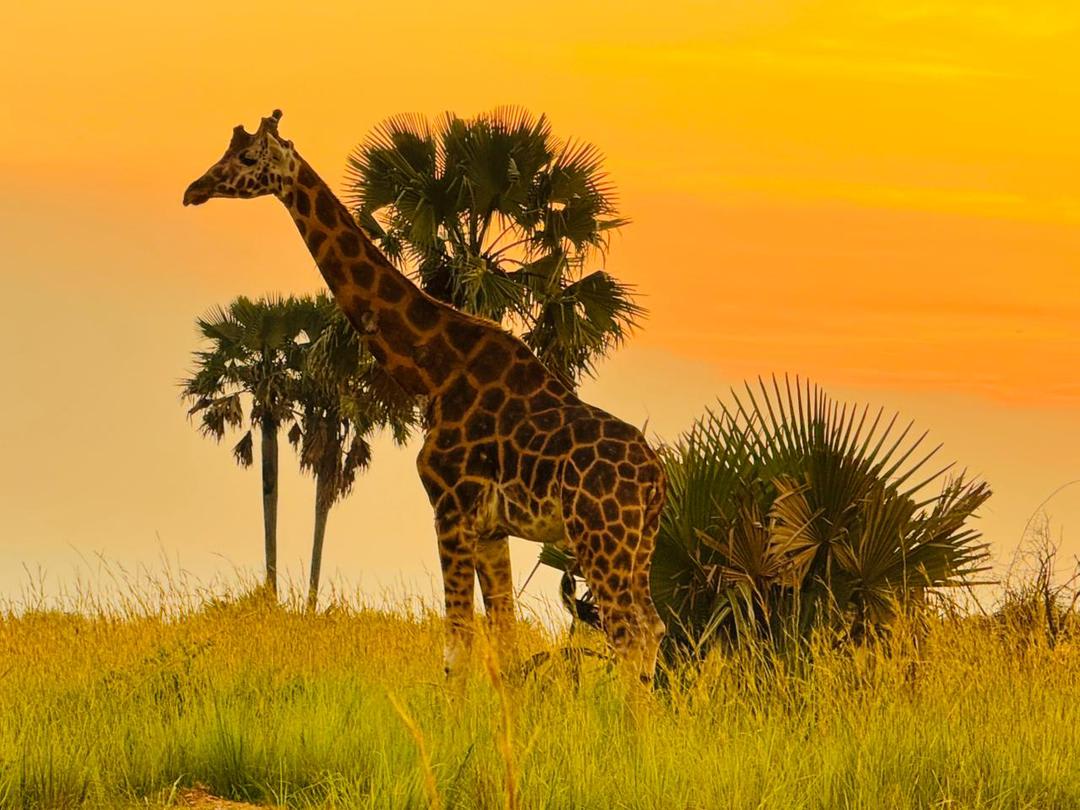
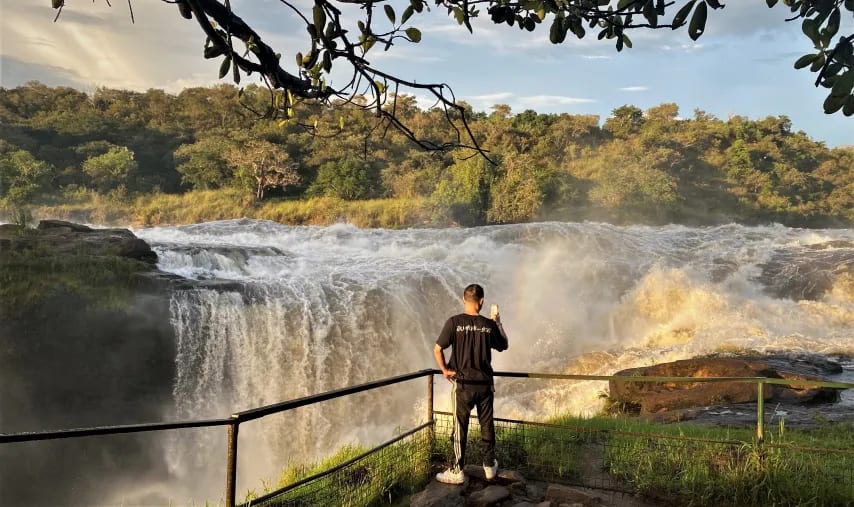
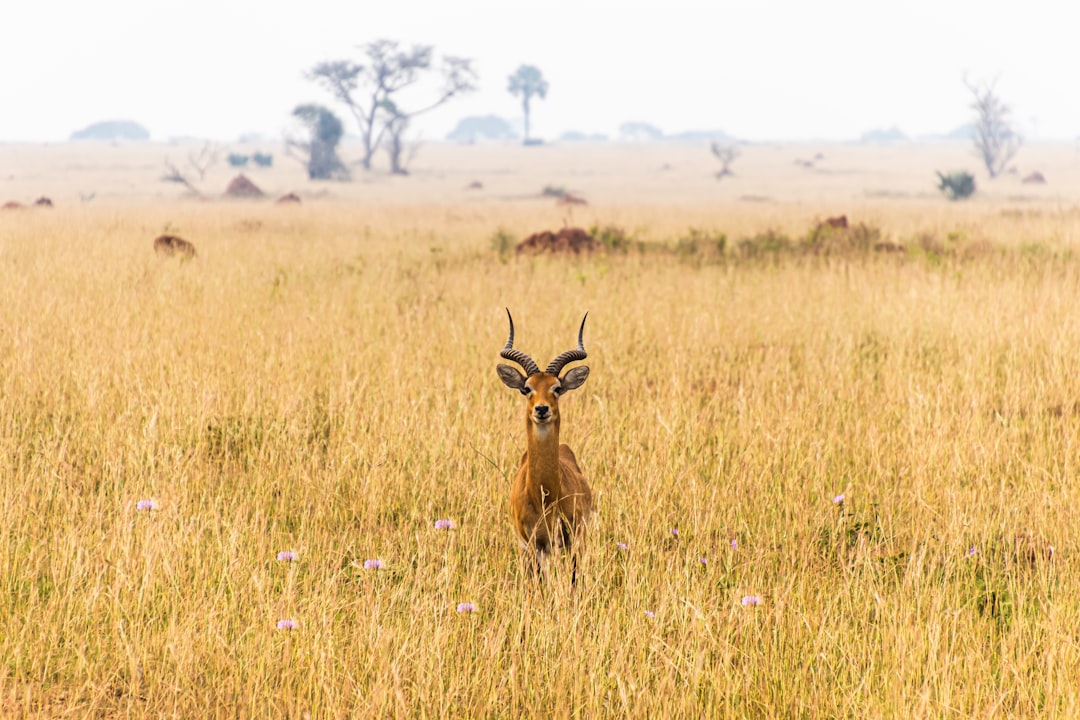
Murchison Falls National Park covers vast savannas where you'll see lions, elephants, giraffes, and Uganda kobs. The park is named for its dramatic waterfall where the Nile River squeezes through a narrow canyon . Most safaris spend 2–3 days here for morning and evening game drives plus a boat cruise to see hippos and crocodiles.
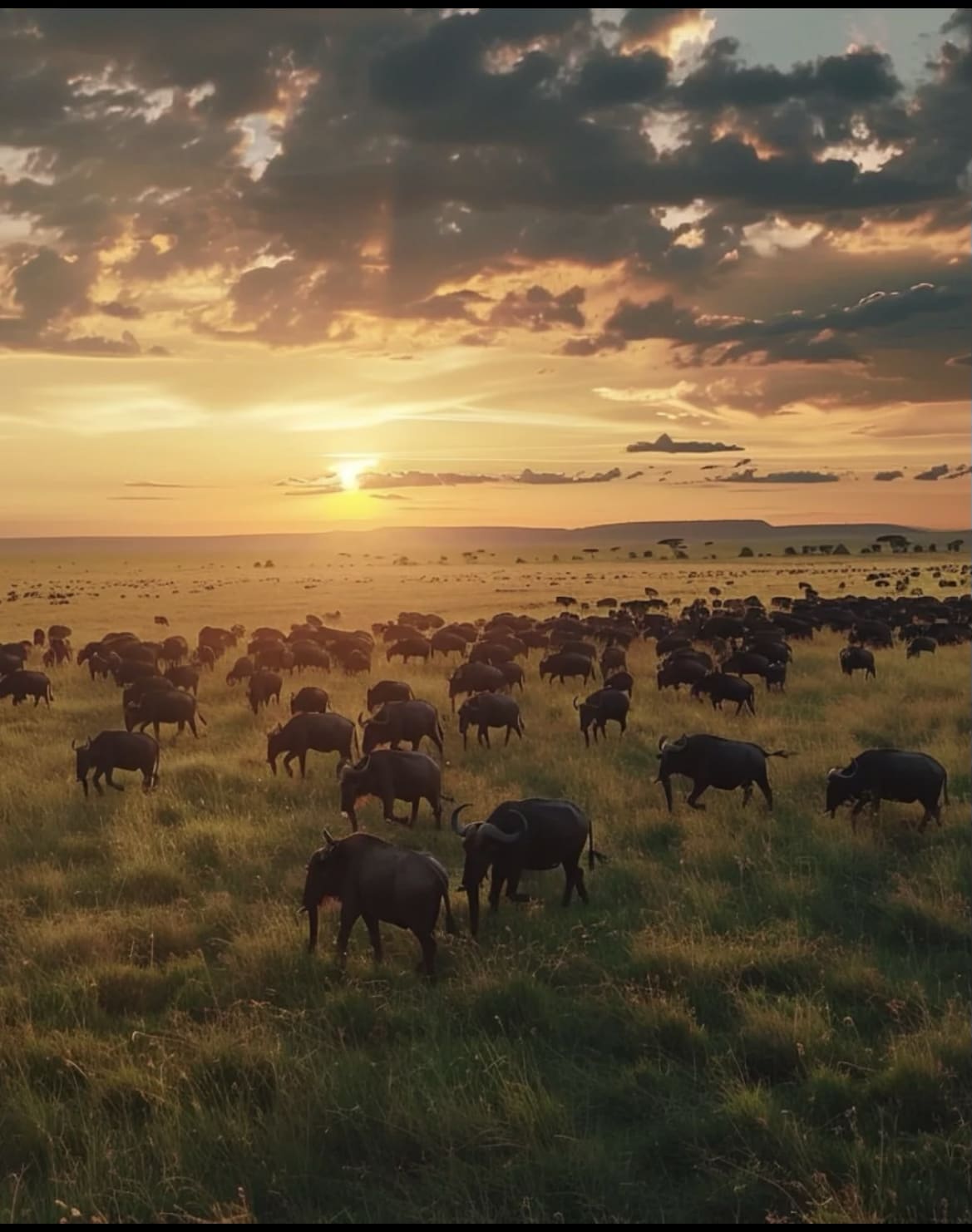
The park's northern sector has the best wildlife concentration. You'll see herds of buffalo, antelopes, and occasionally leopards. The Nile boat cruise is a highlight where you get close to hippos and various bird species. Murchison Falls works as an excellent starting point for longer Uganda safaris.
Queen Elizabeth National Park
Queen Elizabeth National Park is Uganda's most visited park and home to over 95 mammal species and 600 bird species . The park features the Kazinga Channel, a narrow waterway connecting two lakes where massive concentrations of hippos gather. Most travelers spend 2–3 days here exploring different sectors.
Queen Elizabeth offers diverse ecosystems from savanna to forest. The park's Kasenyi Plains are excellent for spotting lions and buffalo. The Kazinga Channel boat cruise is a must-do where you'll see hippos, crocodiles, and water birds. The park also offers opportunities to see tree-climbing lions, a unique behavior found in this region.
Bwindi Impenetrable Forest and Gorilla Trekking
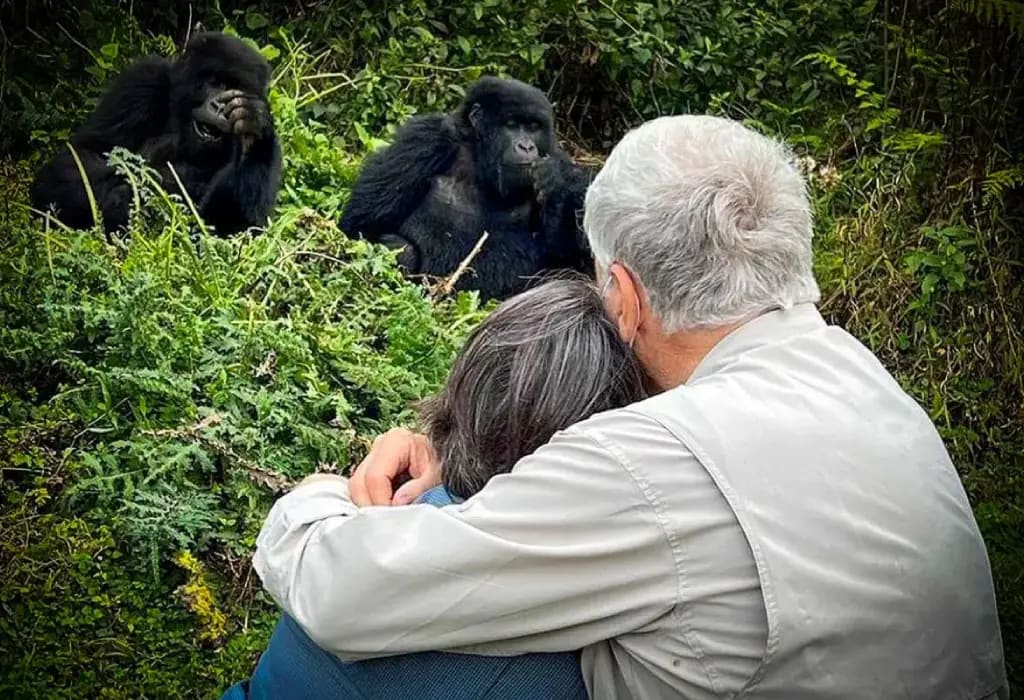
Bwindi Impenetrable Forest is the world's most accessible location for mountain gorilla trekking. The park is home to nearly 50% of Earth's remaining mountain gorillas . A gorilla trek costs $700 per person for a permit and takes 2–7 hours of hiking through dense forest. Most 7-day packages include 1–2 days for gorilla trekking.
Gorilla trekking is the highlight experience for most visitors. You'll hike with an experienced guide to find a gorilla family and spend one hour observing them in their natural habitat. The experience is physically demanding but deeply rewarding. Bwindi also offers other attractions like bird watching and cultural visits to local villages.
Kibale National Park and Chimpanzee Trekking
Kibale National Park is home to over 1,400 chimpanzees and 13 other primate species . Chimpanzee trekking costs $200 per person (much less than gorilla permits) and involves 2–4 hours of forest hiking. The park is smaller than other destinations but offers intimate wildlife encounters. Many 7-day packages include one day here.
Chimpanzee trekking provides close encounters with our closest living relatives. You'll hear their calls echoing through the forest before spotting them in trees. Kibale also offers forest walks where you'll see other primates like colobus monkeys and baboons. The park is excellent for bird watchers with over 350 bird species recorded.
For detailed comparison of Uganda safari costs and packages, read our guide on Uganda Safari Cost 2026: Budget vs Luxury Packages.
When to Visit: Best Seasons for Uganda Safaris
Uganda's best safari seasons are June to September and December to February, when dry weather makes wildlife viewing easier . These are peak seasons with higher prices and more tourists. The shoulder seasons (March–May and October–November) offer better value with decent wildlife viewing. Rain can affect driving conditions but rarely ruins safaris.
Peak Season: June–September and December–February
Peak seasons have the best weather for game drives and hiking. Dry conditions make animals gather around water sources, improving viewing chances. Vegetation is sparse, making wildlife easier to spot. However, expect higher prices and more tourists. Package prices peak during these months .
June to September is the most popular period when the Great Migration analogs occur in Uganda. December to February offers similar dry conditions with fewer crowds than summer. Both periods are excellent for gorilla trekking since hiking conditions are better. Book peak season safaris 3–6 months ahead for best rates.
Shoulder Season: March–May and October–November
Shoulder seasons have occasional rain but still offer good wildlife viewing and lower prices. March to May has frequent afternoon showers but prices drop 15–20% . October to November is drier than March–May with fewer tourists. Both periods work well for budget-conscious travelers.
Shoulder season advantages include smaller crowds, greener landscapes, and better bird watching. Rainfall is typically brief afternoon showers, not all-day downpours. Parks are less crowded, giving you more intimate wildlife encounters. Gorilla trekking in shoulder season is still excellent with fewer other trekking groups.
Rainy Season: March–May and October–November
Rainy season has afternoon showers but shouldn't stop you from visiting. Rain brings lush vegetation and attracts wildlife to water sources . Prices are lowest during these months. Experienced travelers often prefer rainy season for fewer crowds and better photography conditions.
Rain rarely cancels game drives—instead it improves wildlife viewing as animals are more active. Vegetation is green, making landscapes more beautiful. Bird watching is exceptional as migratory species arrive. Rainy season works perfectly for budget travelers willing to accept occasional wet weather.
How to Book Your 7-Day Uganda Safari
Booking a Uganda safari involves choosing your dates, selecting parks, picking your accommodation level, and finding a verified operator. The process is straightforward when you use SafariFind to compare verified tour operators with authentic reviews. Most operators can customize itineraries to match your interests and budget.
Step 1: Decide Your Budget and Dates
Start by setting your budget ($1,800–$4,500 per person) and preferred travel dates. Consider peak versus shoulder season pricing when planning. Check your calendar for work commitments and school holidays. Early booking (3–6 months ahead) saves 10–15% on peak season rates.
Step 2: Choose Your Parks and Activities
Decide which parks interest you most. Budget 2–3 days per park for meaningful experiences. If gorilla trekking is important, plan 1–2 days in Bwindi or Mgahinga. If you want chimpanzee viewing, add a day at Kibale. Create a rough itinerary before contacting operators.
Step 3: Compare Verified Operators on SafariFind
Search SafariFind's verified Uganda safari operators to compare packages, prices, and ratings. Read authentic traveler reviews to understand what past clients experienced. Check how many reviews each operator has—more reviews indicate established credibility. Request quotes from 2–3 operators for comparison.
Step 4: Request Quotes and Customizations
Contact operators with your preferred dates, parks, and budget. Ask specific questions about what's included, accommodation quality, and guide experience. Request references from recent travelers. Verify that gorilla permits are included or understand their cost. Confirm cancellation policies before committing.
Step 5: Book and Prepare
Once you've selected an operator, book early to secure dates and get better rates. Arrange your international flights and travel insurance. Apply for your Uganda visa (simple process, $50 on arrival for many nationalities). Pack appropriate safari gear like binoculars, sun protection, and comfortable hiking boots.
Essential Tips for Uganda Safari Success
Uganda safaris are well-organized, but a few tips help maximize your experience. Bring quality binoculars for better wildlife viewing—the difference is dramatic. Pack layers since early morning game drives are cool. Wear neutral-colored clothing (khaki, green, brown) to avoid startling animals.
Start your days early for the best wildlife viewing. Animals are most active between 6–8 AM and 4–6 PM. Afternoon heat reduces animal activity. Listen to your guide's advice about animal behavior and safety. Guides have years of experience and know how to find wildlife others miss.
Bring a good camera but don't spend the entire safari looking through a lens. Some of your best memories come from simply watching and listening to the African wilderness. Stay patient during slow periods—wildlife viewing isn't guaranteed every moment. The anticipation and occasional magical encounters make safaris memorable.
Respect local communities you encounter. Many safaris include cultural visits where you'll meet local people. Learn about their traditions respectfully. Tip your guide and driver fairly—they work hard to create your experience. A 10% tip is standard if not already included in your package.
Key Takeaways
- Book your 7-day Uganda safari 3–6 months ahead to save 15–20% on peak season rates and secure preferred dates.
- Budget $1,800–$4,500 per person depending on accommodation level, with mid-range packages ($2,500–$3,500) offering the best value for most travelers.
- Visit during dry seasons (June–September or December–February) for optimal wildlife viewing and gorilla trekking conditions.
- Include Murchison Falls, Queen Elizabeth, and Bwindi in your itinerary to experience Uganda's most iconic parks and mountain gorillas.
- Compare verified operators on SafariFind with authentic reviews before booking to avoid overpricing and ensure quality service.
Frequently Asked Questions
How much does a 7-day Uganda safari cost in 2026?
A 7-day Uganda safari costs $1,800–$4,500 per person in 2026, depending on accommodation quality and included activities . Budget safaris run $1,800–$2,500, mid-range packages cost $2,500–$3,500, and luxury safaris exceed $4,000. Gorilla trekking permits ($700) are usually extra. Book verified operators on SafariFind to compare current prices and package details.
What's the best time to visit Uganda for a safari?
The best times are June–September and December–February when dry weather makes wildlife viewing easiest . These peak seasons have higher prices but excellent game viewing. Shoulder seasons (March–May and October–November) offer lower prices with decent wildlife viewing and fewer tourists. Rain rarely ruins safaris and brings lush scenery and better bird watching.
Do 7-day Uganda safari packages include gorilla trekking?
Most advertised package prices don't include gorilla trekking permits, which cost $700 per person separately . However, some operators offer packages with gorilla permits included at discounted rates. Always ask specifically if gorilla trekking is included before booking. Chimpanzee trekking ($200) is more often included than gorilla permits.
Which Uganda national parks should I visit on a 7-day safari?
A typical 7-day itinerary includes Murchison Falls (2–3 days), Queen Elizabeth (2–3 days), and Bwindi or Kibale for gorilla or chimpanzee trekking (1–2 days) . Murchison Falls offers Big Five viewing and dramatic waterfalls. Queen Elizabeth features the Kazinga Channel with hippos and diverse wildlife. Bwindi provides mountain gorilla experiences while Kibale offers chimpanzee trekking.
How do I choose between budget, mid-range, and luxury Uganda safaris?
Budget safaris ($1,800–$2,500) use basic lodges and shared vehicles but still deliver excellent wildlife viewing . Mid-range packages ($2,500–$3,500) balance comfort and cost with better lodges and semi-private vehicles. Luxury safaris ($3,500–$4,500+) offer premium accommodations, fine dining, and exclusive experiences. Choose based on your budget, comfort preferences, and priorities for the trip.
How do I book a safe Uganda safari with a verified operator?
Search SafariFind's verified Uganda safari operators to compare packages with authentic traveler reviews. Read multiple reviews to understand real experiences. Request quotes from 2–3 operators. Ask about guide qualifications, vehicle conditions, and cancellation policies. Book with operators that have many positive reviews and clear communication.
Conclusion
Uganda safari packages for 7 days offer incredible wildlife experiences at reasonable prices compared to other African destinations. With costs ranging from $1,800 to $4,500 per person in 2026, Uganda provides excellent value for gorilla trekking, chimpanzee viewing, and Big Five safaris . The combination of world-class wildlife, experienced guides, and diverse landscapes makes Uganda an unforgettable safari destination.
The best approach is booking during dry seasons (June–September or December–February) with a verified operator. Visit multiple parks like Murchison Falls and Queen Elizabeth to experience Uganda's ecological diversity. Include gorilla trekking in Bwindi for a once-in-a-lifetime encounter with these endangered primates. Budget 3–6 months for planning and booking to secure the best rates and availability.
Start your Uganda safari journey by exploring verified packages and reading authentic traveler reviews. Compare 7-day Uganda safari packages on SafariFind to find operators that match your budget and preferences. Request quotes from multiple operators to understand current pricing and customization options. Your perfect African adventure awaits—begin planning your Uganda safari today in 2026.
Plan Your Safari with SafariFind
These recommendations use real data from SafariFind, where you can compare operators, browse packages, and read verified traveler reviews before you book.
Recommended Safari Operators from SafariFind
Top Safari Packages from SafariFind
What Travelers Say (SafariFind Reviews)
References
- Uganda Safaris & Tours 2026 - African Tour Operators
- Safaris in Uganda, African Uganda Safari Tours & Packages 2026 - Kibale Forest National Park
- Uganda Safari Tours & Holidays | Best Packages 2026/2027 - African Gorilla
- Cost of Big Five Safari in Uganda 2026: Complete Guide - Pawmac Safaris
- How Much is Uganda Gorilla Safari Cost 2026: Prices & Permit - Go Silverback Safaris
- How Much Does a Uganda Safari Cost? (Budget Breakdown) - Private Tours Cape Town
- 10 Best Safari Tours in Uganda 2026/2027 - TourRadar
- Uganda Safari Cost 2026: Full Price Guide & Travel Breakdown - Feather Trail Safaris
Sources
- Uganda Safaris & Tours 2026
- Safaris in Uganda, African Uganda Safari Tours & Packages 2026
- Uganda Safari Tours & Holidays | Best Packages 2026/2027
- Cost of Big Five Safari in Uganda 2026: Complete Guide
- How Much is Uganda Gorilla Safari Cost 2026: Prices & Permit
- How Much Does a Uganda Safari Cost? (Budget Breakdown)
- 10 Best Safari Tours in Uganda 2026/2027
- Uganda Safari Cost 2026: Full Price Guide & Travel Breakdown
Related to
Ready to start your safari adventure?
Explore curated safari packages and find your perfect African adventure with verified operators.