Tanzania Safari Companies: Which Operators Have the Best Wildlife Photography Reviews?
Find top-rated Tanzania safari operators specializing in wildlife photography. Compare locally-owned and premium companies with verified reviews, pricing, and booking tips.
Tanzania Safari Photography: Top Operators 2026
Last updated: July 2026
Tanzania's best wildlife photography safari operators include locally-owned companies like Suricata Safaris and Top Guide Adventures, plus premium operators like Asilia Africa and KiliClimb Africa Safaris. Expect to pay $2,500-$8,000 per person for 7-10 day trips. The best time for wildlife photography is July-October during the Great Migration. Browse verified operators and authentic reviews on SafariFind to find the perfect photography safari package.
At a Glance
- Cost: $2,500-$8,000 per person for 7-10 days
- Best time: July-October for Great Migration and clear skies
- Duration: 7-10 days recommended for wildlife photography
- Best for: Amateur and professional photographers, nature enthusiasts
- Top operators: Suricata Safaris, Top Guide Adventures, KiliClimb Africa, Asilia Africa
- Prime locations: Serengeti, Ngorongoro Crater, Tarangire, Ruaha
Why Tanzania Is the Ultimate Wildlife Photography Destination
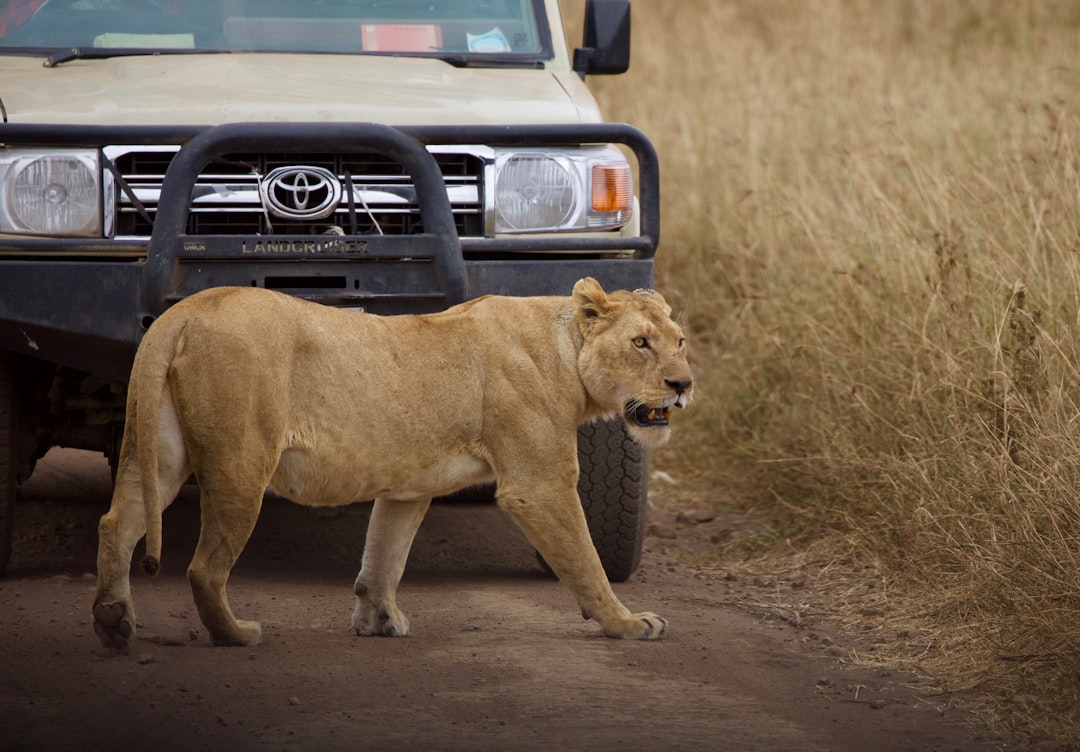
Tanzania is Africa's premier destination for wildlife photography safaris, attracting thousands of photographers annually. The country hosts over 1.5 million wildebeest during the Great Migration, dramatic landscapes across the Serengeti and Ngorongoro Crater, and diverse wildlife including lions, leopards, and African elephants. As of 2026, safari companies specializing in wildlife photography have expanded their offerings significantly, with better vehicles, experienced guides trained in photography techniques, and prime positioning at wildlife hotspots.
The northern Tanzania safari circuit—covering Serengeti, Tarangire, and Ngorongoro—remains the gold standard for photography safaris. The region's varied habitats, from savanna grasslands to volcanic highlands, provide stunning backdrops and consistent wildlife encounters. Professional photographers and hobbyists alike choose Tanzania for its accessibility, affordability compared to other African destinations, and the expertise of local operators who know exactly where to find animals at the best times of day.
What makes Tanzania different from Kenya or South Africa is the concentration of wildlife in specific areas and the presence of safari companies dedicated exclusively to photography. Many operators offer customized itineraries that prioritize light, positioning, and animal behavior patterns. This specialized focus means better images and a more rewarding experience for anyone carrying a camera.
Top-Rated Tanzania Safari Companies for Wildlife Photography
Locally-Owned Arusha-Based Operators
Suricata Safaris, Gosheni Safaris, Roy Safaris, Lion King Adventures, Altezza Travel, and Easy Travel & Tours represent Tanzania's best locally-owned operators . These companies offer competitive pricing, deep knowledge of wildlife patterns, and strong customer reviews. Many travelers report that local operators provide more personalized service and better photographic opportunities than international chains.
Suricata Safaris specializes in small-group photography tours with experienced guides trained in wildlife behavior and photographic composition. The company operates across Tarangire, Ngorongoro Crater, and the Serengeti, positioning clients for optimal light and animal encounters. Gosheni Safaris similarly focuses on photography-specific itineraries with 4×4 vehicles equipped for long game drives and early morning departures.
Booking with locally-owned operators supports Tanzania's communities directly. These companies typically employ local guides who have grown up in the regions where safaris operate, giving them unmatched knowledge of animal migration patterns and seasonal wildlife behavior. You can compare verified operators and read reviews from past travelers to find the best fit for your photography goals.
Premium International Operators
Asilia Africa is a premium operator with strong camp infrastructure across Tanzania and Kenya . Their Sayari Camp in the northern Serengeti is positioned perfectly for the Great Migration river crossings—one of the most dramatic wildlife photography moments in Africa. The camp's elevated locations and experienced photography guides maximize your chances of capturing iconic images.
KiliClimb Africa Safaris is a Tanzanian photography safari operator headquartered in Arusha, offering guided wildlife photo tours across Tarangire, Ngorongoro Crater, and the Serengeti . Small groups of up to six guests travel in 4×4 vehicles fitted with roof hatches for unobstructed photography. The company's guides understand composition, lighting, and wildlife behavior, making them ideal partners for both amateur and professional photographers.
Top Guide Adventures is a Tanzania travel company creating wildlife safaris, Kilimanjaro climbing trips, and cultural experiences for guests seeking safety and expertise . Their photography-focused packages include positioning for wildlife encounters, guide expertise in animal behavior, and customized itineraries that follow seasonal patterns. Reviews consistently praise their professionalism and the quality of wildlife encounters.
Specialized Photography-First Operators
Beyond the Plains Safaris and Top Guide Adventures stand out for their wildlife photography specialization . These operators design entire itineraries around photographic opportunities, including early morning game drives to capture animals at first light, late afternoon positioning for golden hour lighting, and guide expertise in anticipating animal behavior for dramatic shots.
Mellivora African Travels offers safari tours with strong customer feedback on wildlife viewing quality . The company's guides are trained to identify animals quickly and position vehicles for optimal photographic angles. Their trip reviews consistently mention excellent wildlife encounters and guides who understand the technical aspects of photography.
For Tanzania Safari & Zanzibar packages from the UK or US, many international operators partner with these local companies, meaning you're ultimately working with the same experienced guides and local knowledge, just through an international booking platform.
What Makes a Great Wildlife Photography Safari Company
Vehicle Setup and Equipment
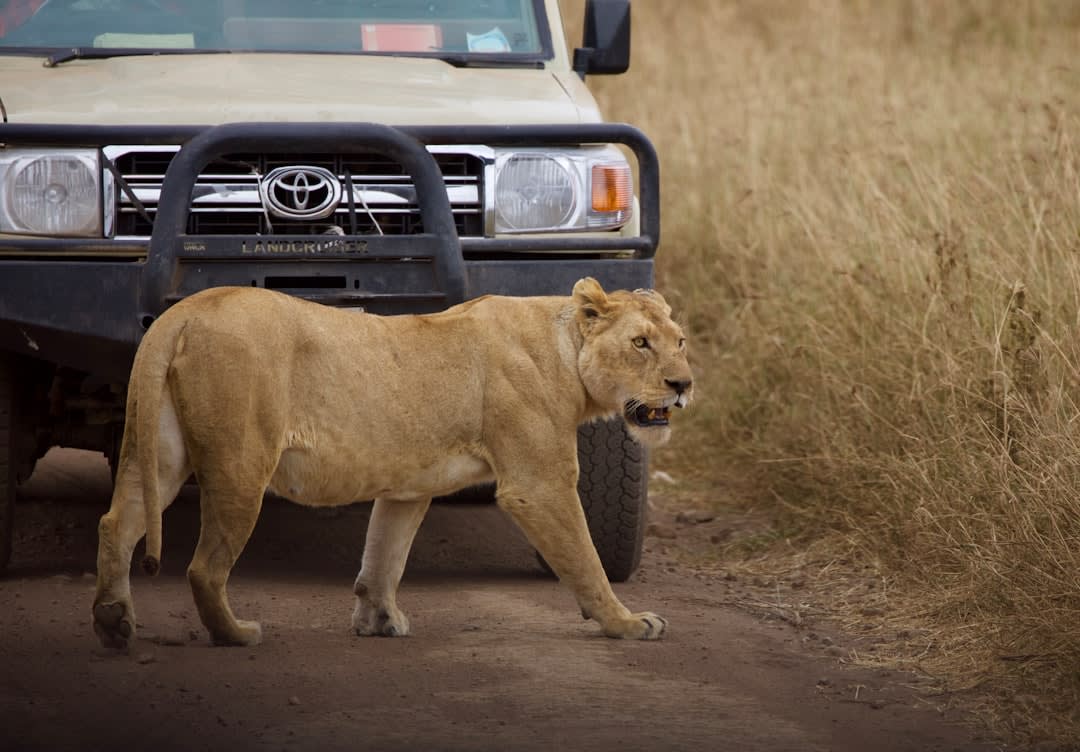
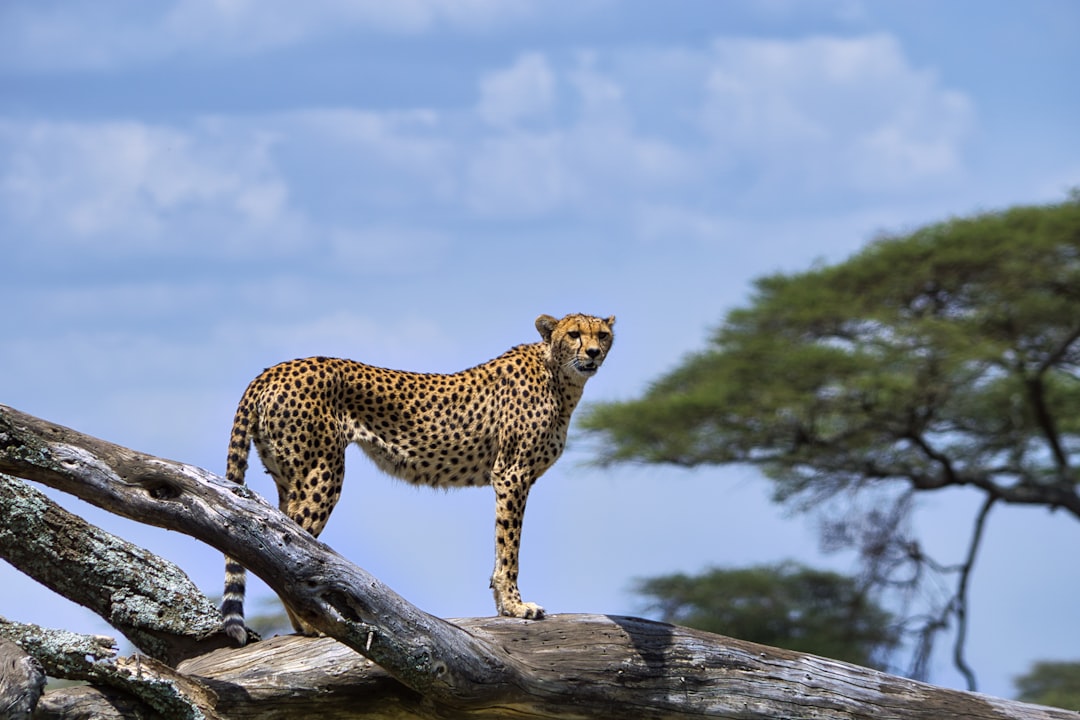
The best photography safari operators use 4×4 vehicles with pop-up or open-air roof hatches, allowing photographers to stand safely while shooting. Standard safari vehicles with fixed windows create reflections and limit angles. Look for operators who offer vehicles dedicated to photography groups—not mixed with regular tourists—to maximize positioning flexibility.
Equipment matters too. Companies should provide beanbags or camera rests to stabilize lenses during bumpy drives. Some premium operators offer vehicle-mounted tracking systems that help guides locate animals quickly, reducing wasted driving time and maximizing photography opportunities.
Guide Expertise in Photography
Expert guides know wildlife behavior patterns and can predict where animals will be at specific times. They understand light quality, positioning angles, and animal movement patterns. The best photography guides have worked with photographers for years and understand what makes a great shot—not just finding animals, but positioning you to photograph them during optimal conditions.
Read reviews specifically mentioning guide expertise. Phrases like "guide understood photography" or "positioned us perfectly for light" indicate operators who train guides in photography-specific skills. Many companies now hire photography-trained guides or offer guides who've worked with National Geographic and professional photographers.
Small Group Sizes
Photography safaris work best with groups of 4-6 people maximum. Larger groups create competition for vehicle positioning, slower decision-making, and less flexible itineraries. The best operators cap group sizes specifically for this reason. Small groups also allow guides to customize the pace and focus based on what animals are active.
Customized Itineraries
Top photography operators tailor itineraries to current wildlife patterns and seasonal conditions. In July-September, they focus on Serengeti Migration crossings. In other months, they adjust to animal movements—following predators to Tarangire in the dry season or exploring Ruaha National Park when other areas are crowded.
The best operators ask about your interests before the trip. Do you want dramatic action shots of predators? Intimate portraits of elephants? Landscape photography with wildlife? Customization around your goals makes the difference between a good safari and an exceptional photography experience.
Wildlife Photography Hotspots in Tanzania
Serengeti National Park: The Great Migration
The Serengeti hosts the world's largest terrestrial animal migration—1.5 million wildebeest, zebras, and gazelles crossing the landscape in a never-ending cycle. From July to October, the massive herds congregate in the northern Serengeti, creating extraordinary photography opportunities. The river crossings at the Mara River are particularly dramatic, with crocodile encounters and predator activity.
Photography operators position camps and game drives specifically for migration crossing locations. Early morning departures capture animals in golden light as they gather at river crossings. Late afternoon positioning catches the tension and drama of predator-prey interactions. For detailed information on northern Tanzania safari itineraries and timing, understand that migration timing varies annually based on rainfall patterns.
Ngorongoro Crater: Density and Diversity
Ngorongoro Crater is Earth's largest intact caldera, containing over 25,000 large animals in a relatively small area. This density creates consistent wildlife encounters—lions, elephants, zebras, and buffalo in a single game drive. The crater walls provide dramatic landscape backgrounds, and the variety of habitats supports diverse wildlife photography opportunities.
The crater floor is 610 square kilometers with limited water sources, concentrating animals around key watering holes. Photographers position themselves at these locations during early morning and late afternoon when animals must drink. The concentrated wildlife and dramatic landscape make Ngorongoro ideal for both action and portrait photography.
Tarangire National Park: Elephants and Baobabs
Tarangire is known for its massive elephant herds and iconic baobab trees. During the dry season (June-November), elephants concentrate around the Tarangire River, creating photography opportunities unavailable elsewhere. The park's varied landscape—from river valleys to rocky hillsides—provides diverse compositional options.
Tarangire attracts fewer international visitors than Serengeti or Ngorongoro, meaning less crowded game drives and more intimate wildlife encounters. Photography operators prize Tarangire for its accessibility, consistent elephant sightings, and the unique combination of wildlife and landscape elements in single frames.
Ruaha National Park: Predators and Remote Beauty
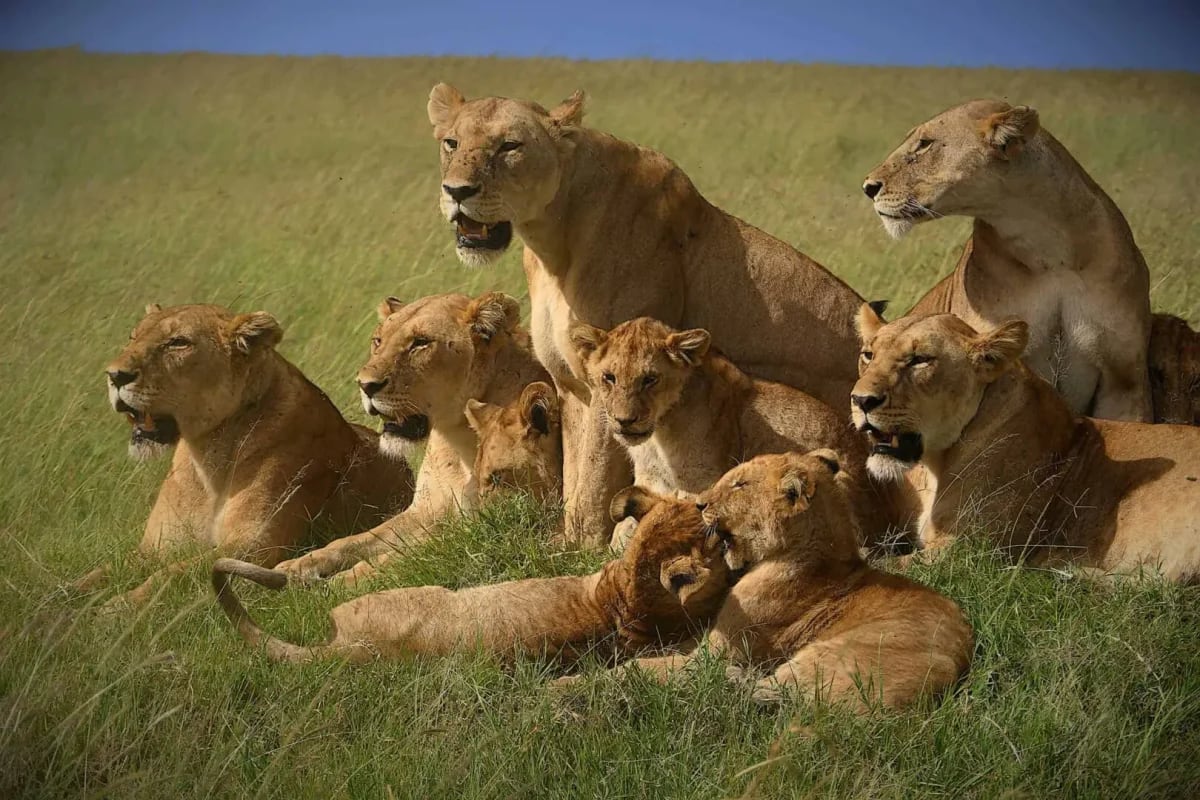
Ruaha is Tanzania's largest national park and one of Africa's most remote wildlife areas. The park supports large predator populations—lions, leopards, and African wild dogs—making it ideal for action and predator behavior photography. Fewer tourists visit Ruaha compared to northern parks, meaning more pristine wildlife encounters.
The Great Ruaha River attracts animals during dry seasons, creating concentrated wildlife viewing similar to Tarangire. Photography operators appreciate Ruaha for its dramatic landscapes, predator activity, and the sense of exploring untamed African wilderness. Ruaha requires longer driving times from Arusha, making it a destination for 8-10 day safaris rather than quick trips.
Best Time for Wildlife Photography in Tanzania
July-October: Peak Migration Season
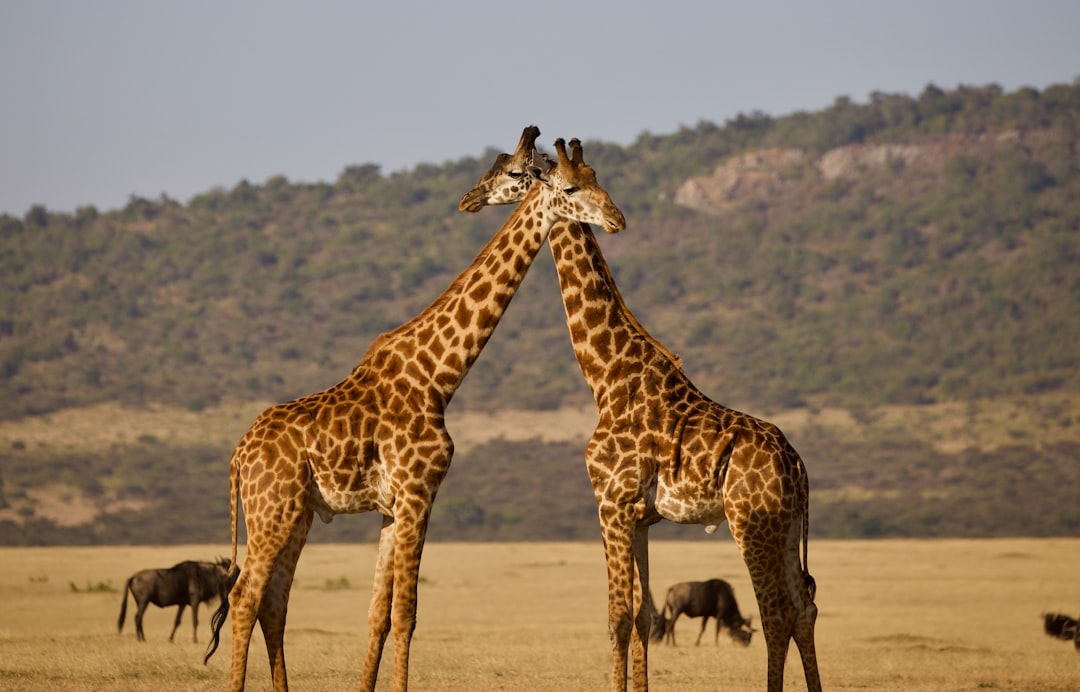
July through October is the absolute best time for wildlife photography in Tanzania. The Great Migration reaches its northern peak in the Serengeti, river crossings provide dramatic predator-prey interactions, and the dry season creates clear skies and good light for photography. Vegetation is minimal, making animals easier to spot and photograph against clean backgrounds.
However, peak season means higher prices and more crowded game drives. Many operators charge 20-30% premiums during July-September. If you're flexible on timing, late June or early November offers similar wildlife activity with fewer crowds and lower costs.
December-March: Calving Season
December through March is calving season in the southern Serengeti and Ngorongoro area. Newborn animals provide heartwarming photography opportunities, and the wet season creates lush landscapes. However, heavy rains can make roads difficult and reduce visibility for photography.
This season is ideal for photographers interested in intimate wildlife portraits and maternal behavior. Predator activity increases as they hunt vulnerable young animals. Fewer international photographers visit during wet season, meaning less competition for positioning.
April-June: Shoulder Season
April through June is the long rainy season, but it's also the most affordable time to visit. Wildlife is abundant but dispersed across the landscape, making encounters less predictable than dry season. The landscape is incredibly green, offering beautiful composition opportunities for photographers interested in environmental portraiture.
If budget is your primary concern, shoulder season offers great value. Operators reduce prices significantly during wet season. Animal behavior is fascinating as predators hunt through tall grass and birds are most active. This is when serious photographers looking for unique perspectives often travel.
What to Expect: Pricing and Packages in 2026
Budget Photography Safaris
Budget-friendly photography safaris with locally-owned operators cost $2,500-$3,500 per person for 7 days, including accommodations, meals, and game drives . These packages typically use basic but comfortable lodges, share vehicles with other guests, and employ experienced guides trained in wildlife behavior but not specialized in photography techniques.
Budget options are still excellent value. You'll see the same animals and visit the same parks as premium operators. The difference is in accommodation luxury, vehicle exclusivity, and guide specialization. For photographers on a budget, this is a practical way to experience Tanzania's wildlife.
Mid-Range Photography Safaris
Mid-range packages cost $4,000-$5,500 per person for 7-10 days. These include better accommodations (permanent camps or upscale lodges), dedicated photography vehicles with small groups (4-6 people), and guides trained specifically in photography techniques. Meals are high quality, and itineraries are customized for wildlife photography.
Mid-range represents the sweet spot for most photographers. You get professional-level guide expertise, photography-optimized vehicles, and high-quality accommodations without the extreme expense of luxury camps. Many serious amateur photographers choose mid-range packages because the value-to-quality ratio is excellent.
Premium and Luxury Photography Safaris
Premium photography packages with international operators like Asilia Africa cost $6,000-$8,000+ per person for 7-10 days. These include luxury tented camps or lodges, exclusive vehicle use, expert photography guides (often with professional photography backgrounds), and highly customized itineraries. Some packages include professional photographers accompanying the group or offering photography instruction.
Luxury packages appeal to serious photographers and travelers prioritizing comfort and expertise. The premium price reflects exclusive camp positioning, guide expertise, and amenities. If wildlife photography is your primary travel goal and budget allows, luxury packages maximize your chances of exceptional images.
For detailed pricing comparisons and information on all-inclusive vs. budget safari costs, explore packages on SafariFind to see exactly what's included and compare verified operator reviews.
Reading Reviews: What Matters for Photography Safaris
Photography-Specific Feedback
When reading reviews, look for comments about photographic opportunities specifically. Phrases like "guide positioned us perfectly," "excellent wildlife encounters," or "amazing light for photography" indicate operators who understand photography needs. Reviews mentioning "difficult to photograph" or "rushed game drives" suggest the company doesn't prioritize photography.
The best reviews include specific details about animals photographed, positioning quality, and guide expertise. Generic reviews saying "great safari" don't tell you whether the operator actually specializes in photography. Read multiple reviews to identify patterns in photography-focused feedback.
Guide Quality and Knowledge
Excellent reviews mention guides by name and describe their expertise in animal behavior, positioning vehicles, and understanding photography needs. Look for comments like "guide knew exactly where to find leopards" or "positioned us for perfect backlit shots." These indicate guides with specialized wildlife and photography knowledge.
Poor reviews mentioning "guide didn't understand photography" or "rushed through game drives" are red flags. Photography safaris require guides willing to spend time positioning vehicles and waiting for optimal moments. This is different from standard safari guides who prioritize checking off animal sightings.
Vehicle and Group Size Feedback
Reviews should mention vehicle type and group size. Positive reviews about photography safaris typically mention small groups (4-6 people) and vehicles with pop-up roofs or open sides. Larger groups or enclosed vehicles generate negative feedback from photographers because positioning becomes difficult.
Look for reviews specifically comparing the company to competitors. Reviews saying "better than other operators we've used" or "most professional guides we've encountered" indicate genuine photography expertise. These comparative statements are more meaningful than generic praise.
How to Book a Wildlife Photography Safari
Step 1: Define Your Photography Goals
Before booking, clarify what you want to photograph. Are you interested in the Great Migration? Predator behavior? Elephant portraits? Landscape photography with wildlife? Different operators specialize in different areas and seasons. Communicating your goals helps operators recommend the best itinerary and timing.
Consider your photography experience level too. Beginners benefit from guides offering photography instruction. Professionals may prefer operators who understand advanced composition and can anticipate dramatic moments. Your experience level influences which operator matches your needs.
Step 2: Research Operators and Read Reviews
Use SafariFind to browse verified operators specializing in wildlife photography. Read multiple reviews focusing on photography-specific feedback. Compare operators on group size, vehicle type, guide expertise, and pricing. Look for operators with consistent five-star reviews mentioning photography expertise.
Check when reviews were written. Recent reviews (2025-2026) reflect current operations. Older reviews may describe outdated vehicles or guides who are no longer with the company. Focus on recent feedback to understand current quality standards.
Step 3: Request Quotes and Customize Itineraries
Contact operators with customized questions about their photography focus. Ask about guide photography experience, vehicle setup, group sizes, and their approach to positioning for wildlife encounters. Quality operators respond quickly with detailed information and ask questions about your goals.
Request customized quotes based on your travel dates, interests, and budget. Operators specializing in photography will propose itineraries specifically timed for wildlife activity and light conditions. Generic quotes suggesting standard itineraries indicate less photography focus.
Step 4: Verify Credentials and Insurance
Confirm operators are registered with Tanzania's tourism board and have proper insurance. Legitimate operators provide credentials and can answer questions about vehicle maintenance, guide certifications, and safety protocols. This is especially important when booking directly with local operators rather than through international intermediaries.
Ask about cancellation policies, payment schedules, and what's included in quoted prices. The best operators are transparent about costs and offer flexible booking options. Avoid operators unwilling to answer detailed questions or reluctant to provide written confirmations.
Essential Gear for Wildlife Photography Safaris
Camera Equipment
A telephoto lens is essential for wildlife photography safaris. Minimum 200mm focal length, but 400mm or longer is ideal for distant animals. Consider bringing two camera bodies for reliability and the ability to use different lenses without changing equipment in dusty conditions.
A sturdy tripod or monopod helps stabilize long lenses during game drives. Beanbags are lighter and more practical than tripods in moving vehicles. Many operators provide beanbags, but bringing your own ensures comfort with your specific equipment. Extra batteries and memory cards are critical since charging opportunities are limited on remote safaris.
Protective Equipment
Dust and sand are constant challenges on African safaris. Bring lens cleaning kits, UV filters for lens protection, and a weather-sealed camera bag. Consider a dry bag for unexpected rain during wet season safaris. Lens caps and body caps protect equipment during bumpy drives.
Sun protection is equally important. Bring a hat, sunscreen, and sunglasses for long game drives. The African sun is intense, and you'll spend 6-8 hours daily in open vehicles. Comfortable clothing in neutral colors (browns, tans, grays) helps you blend with the landscape and reduces glare in photographs.
For a complete packing list for 10-day wildlife photography trips, consult SafariFind's detailed guide covering camera gear, clothing, health items, and documentation requirements.
Seasonal Considerations and Wildlife Behavior
Understanding Animal Patterns
Wildlife behavior varies dramatically by season. During the dry season (June-November), animals concentrate around water sources, making them predictable and easier to photograph. During wet season (December-May), animals disperse across the landscape, making encounters less frequent but more intimate.
Predator activity increases when prey animals are vulnerable. During calving season (December-March), predators hunt newborns, creating action photography opportunities. During the Great Migration (July-October), river crossings provide dramatic predator-prey encounters with crocodiles and big cats.
Light Quality and Photography
The best light for wildlife photography occurs during golden hour—the first 2-3 hours after sunrise and the final 2-3 hours before sunset. Midday light is harsh and creates unflattering shadows. Top photography operators plan game drives specifically around light quality, departing before dawn and returning before midday.
During rainy season, cloud cover provides soft, diffuse light that's excellent for wildlife portraits. Dry season offers clear skies and dramatic lighting but harsh midday conditions. Understanding how seasonal light affects photography helps you plan trips that match your photographic style.
Vegetation and Composition
Dry season vegetation is sparse, making animals stand out against clean backgrounds. This is ideal for dramatic wildlife portraits. Wet season vegetation is lush, allowing environmental portraits showing animals in their habitat. Both seasons offer different compositional opportunities—choose based on your photographic interests.
Common Questions About Tanzania Photography Safaris
Photography Experience Requirements
You don't need professional photography experience to enjoy a wildlife photography safari. Many operators welcome beginners and offer guidance on composition, light, and camera settings. However, basic camera knowledge is helpful—understanding aperture, shutter speed, and ISO settings lets you maximize your equipment.
Some operators offer photography instruction during safaris, teaching composition and wildlife behavior techniques. If you're a complete beginner, look for operators offering educational components. Experienced photographers often prefer operators who assume knowledge and focus on positioning and wildlife insights.
Camera Equipment Rental
Most operators don't provide camera equipment, but some can arrange rentals through partnerships with camera shops in Arusha. Renting equipment locally can be expensive and availability is limited. It's generally better to travel with your own cameras or rent before arriving in Tanzania.
Check airline baggage policies for camera equipment. Most airlines allow camera equipment as carry-on luggage, but confirm with your specific carrier. Professional photographers often invest in protective camera cases that qualify as checked baggage.
Solo Travel and Group Dynamics
Solo travelers can join group safaris or book private safaris with just a guide and driver. Group safaris are more affordable and offer social interaction with other photographers. Private safaris provide complete customization but cost 2-3 times more.
Most group photography safaris attract like-minded photographers, creating natural friendships and shared learning. Reading reviews about group dynamics helps you understand whether an operator attracts serious photographers or casual tourists.
Key Takeaways
- Book Tanzania wildlife photography safaris 3-6 months ahead during July-October peak season to secure spots with top-rated operators and save 15-20% on early-bird pricing.
- Choose locally-owned Arusha-based operators like Suricata Safaris or Gosheni Safaris for competitive pricing ($2,500-$3,500 per 7 days) and deep wildlife knowledge verified by authentic reviews.
- Prioritize operators with vehicles featuring pop-up roof hatches, guides trained in photography techniques, and groups limited to 4-6 people for optimal positioning and image quality.
- Plan safaris for Serengeti (July-October), Ngorongoro Crater (year-round), or Tarangire (June-November) depending on your target wildlife and photographic style preferences.
- Use SafariFind to compare verified operators, read photography-specific reviews, and request customized quotes that match your experience level and photography goals before committing.
Frequently Asked Questions
Which Tanzania safari companies specialize in wildlife photography?
Top-rated photography specialists include Suricata Safaris, Gosheni Safaris, KiliClimb Africa Safaris, Top Guide Adventures, Beyond the Plains Safaris, and premium operator Asilia Africa . These operators employ guides trained in wildlife behavior and photography techniques, use vehicles optimized for photography (pop-up roofs, small groups), and customize itineraries around wildlife activity and light conditions. Read reviews on SafariFind focusing on photography-specific feedback to identify which operator best matches your goals.
What's the best time to visit Tanzania for wildlife photography?
July-October is the best time for wildlife photography, coinciding with the Great Migration in the northern Serengeti and providing dry season conditions with minimal vegetation and clear skies. River crossings at the Mara River offer dramatic predator-prey interactions. However, peak season costs 20-30% more and attracts crowds. December-March offers calving season photography opportunities at lower prices but with wet season challenges. Late June and early November provide good wildlife activity with fewer crowds than peak season.
How much does a wildlife photography safari in Tanzania cost in 2026?
Wildlife photography safaris cost $2,500-$3,500 per person for 7 days with budget operators, $4,000-$5,500 for mid-range packages with photography-trained guides and dedicated vehicles, and $6,000-$8,000+ for premium operators with luxury accommodations and expert photography guides. Peak season (July-October) costs 20-30% more than shoulder seasons. Prices include accommodations, meals, and game drives but typically exclude international flights. Request customized quotes from verified operators on SafariFind to compare exact pricing for your travel dates.
What camera gear do I need for a Tanzania safari?
Essential equipment includes a telephoto lens (400mm or longer is ideal), extra batteries, and memory cards. A tripod or monopod stabilizes long lenses during bumpy drives, though operators often provide beanbags. Bring a UV filter to protect lenses, lens cleaning supplies, and a weather-sealed camera bag to protect equipment from dust and sand. For a complete packing list including camera gear and other essentials, consult SafariFind's detailed guide for wildlife photography trips.
Can beginners enjoy wildlife photography safaris in Tanzania?
Yes, beginners are welcome on wildlife photography safaris. Many operators offer guidance on composition, camera settings, and wildlife behavior. However, basic camera knowledge helps—understanding aperture, shutter speed, and ISO settings lets you maximize your equipment. Look for operators mentioning photography instruction in their descriptions. Experienced photographers often prefer operators focusing on positioning and wildlife insights rather than camera basics. Reading reviews helps you find operators matching your experience level.
How do I choose between local and international safari operators?
Local Arusha-based operators like Suricata Safaris offer competitive pricing and deep wildlife knowledge. International operators like Asilia Africa provide luxury accommodations and established infrastructure. Many international operators partner with local guides anyway, meaning you ultimately work with the same expertise. Consider your budget, accommodation preferences, and whether you want personalized service from smaller local companies or established systems from international operators. Read reviews on SafariFind comparing both types to find the best fit for your needs and budget.
What should I look for in safari operator reviews for wildlife photography?
Look for reviews specifically mentioning photography-related feedback like "guide positioned us perfectly," "excellent wildlife encounters," or "amazing light for photography." Reviews should mention guide expertise, vehicle type, group size, and specific animals photographed. Avoid generic reviews just saying "great safari." Compare multiple reviews to identify patterns. Recent reviews (2025-2026) reflect current operations better than older feedback. SafariFind's verified reviews include traveler names and ratings, making it easier to trust feedback from real photographers who've used the operators.
Conclusion
Tanzania's wildlife photography safari operators range from budget-friendly local companies to luxury international operators, all offering excellent opportunities to photograph Africa's most iconic animals. The best operators—Suricata Safaris, Gosheni Safaris, Top Guide Adventures, and Asilia Africa—combine experienced guides trained in photography techniques, vehicles optimized for image capture, and itineraries customized around wildlife behavior and seasonal patterns .
As of 2026, wildlife photography safaris cost $2,500-$8,000 per person for 7-10 days depending on your budget and preferences. The best time to visit is July-October for the Great Migration, though December-March offers calving season opportunities at lower prices. Success depends on choosing an operator specializing in photography rather than general tourism, reading reviews focusing on photography-specific feedback, and clearly communicating your goals before booking.
Don't book blindly. Browse verified operators and authentic reviews on SafariFind to compare packages, read detailed feedback from past photographers, and request customized quotes matching your experience level and budget. The right operator transforms a standard safari into an exceptional wildlife photography experience that produces images you'll treasure for a lifetime. Start your search today and discover which photography specialist best matches your vision for capturing Africa's incredible wildlife.
Plan Your Safari with SafariFind
These recommendations use real data from SafariFind, where you can compare operators, browse packages, and read verified traveler reviews before you book.
Top Safari Operators from SafariFind
Recommended Safari Packages from SafariFind
Verified Traveler Reviews from SafariFind
References
- Tanzania Safari Photography Tours: Best Operators 2026 | SafariFind
- Best Photography Safari Companies in Africa
- Tanzania Photo Safari: African Safari Photography Tours | National Geographic Expeditions
- Michael, Canada - Tanzania Wildlife Photography Safari Review | Top Guide Adventures
- Best Safari Tour Operators in Tanzania | Beyond the Plains Safaris
- Best Tanzania Safari Companies for 2026: An Honest Review
- Safari Tanzania Experiences and Photographs
- The 10 Best Tour Operators in Tanzania (With Reviews)
Sources
- Tanzania Safari Photography Tours: Best Operators 2026 | SafariFind
- Best Photography Safari Companies in Africa
- Tanzania Photo Safari: African Safari Photography Tours | National Geographic Expeditions
- Michael, Canada - Tanzania Wildlife Photography Safari Review | Top Guide Adventures
- Best Safari Tour Operators in Tanzania | Beyond the Plains Safaris
- Best Tanzania Safari Companies for 2026: An Honest Review
- Safari Tanzania Experiences and Photographs
- The 10 Best Tour Operators in Tanzania (With Reviews)
Related to
Ready to start your safari adventure?
Explore curated safari packages and find your perfect African adventure with verified operators.