Northern Tanzania Safari Guide: Serengeti vs Arusha 10-Day Itineraries
Compare Serengeti-focused vs Northern Circuit 10-day safaris in Tanzania. Costs $2,461–$3,475 per person. Best July–October. Book verified operators on SafariFind.

Northern Tanzania Safari: Serengeti vs Arusha 10-Day Guide
Last updated: July 2026
A 10-day Northern Tanzania safari costs $2,461 to $3,475 per person and covers Tarangire, Ngorongoro Crater, and Serengeti National Parks. The best time to visit is July through October for the Great Migration. Book through verified operators on SafariFind to compare packages and read authentic reviews from past travelers.
At a Glance
- Cost: $2,461–$3,475 per person (2026)
- Best time: July–October for Great Migration viewing
- Duration: 10 days recommended for full circuit
- Getting there: Fly into Arusha, depart from Serengeti
- Best for: First-time safari-goers and wildlife photographers
- Wildlife highlights: 1.5 million wildebeest, African elephants, lions, leopards
What Is a Northern Tanzania Safari Guide: Serengeti vs Arusha 10-Day Itinerary?
A Northern Tanzania safari guide covers the country's most famous wildlife parks. The typical 10-day itinerary starts in Arusha and includes Tarangire, Ngorongoro Crater, and Serengeti National Parks. This route balances game viewing, cultural experiences, and natural wonders into one complete journey.
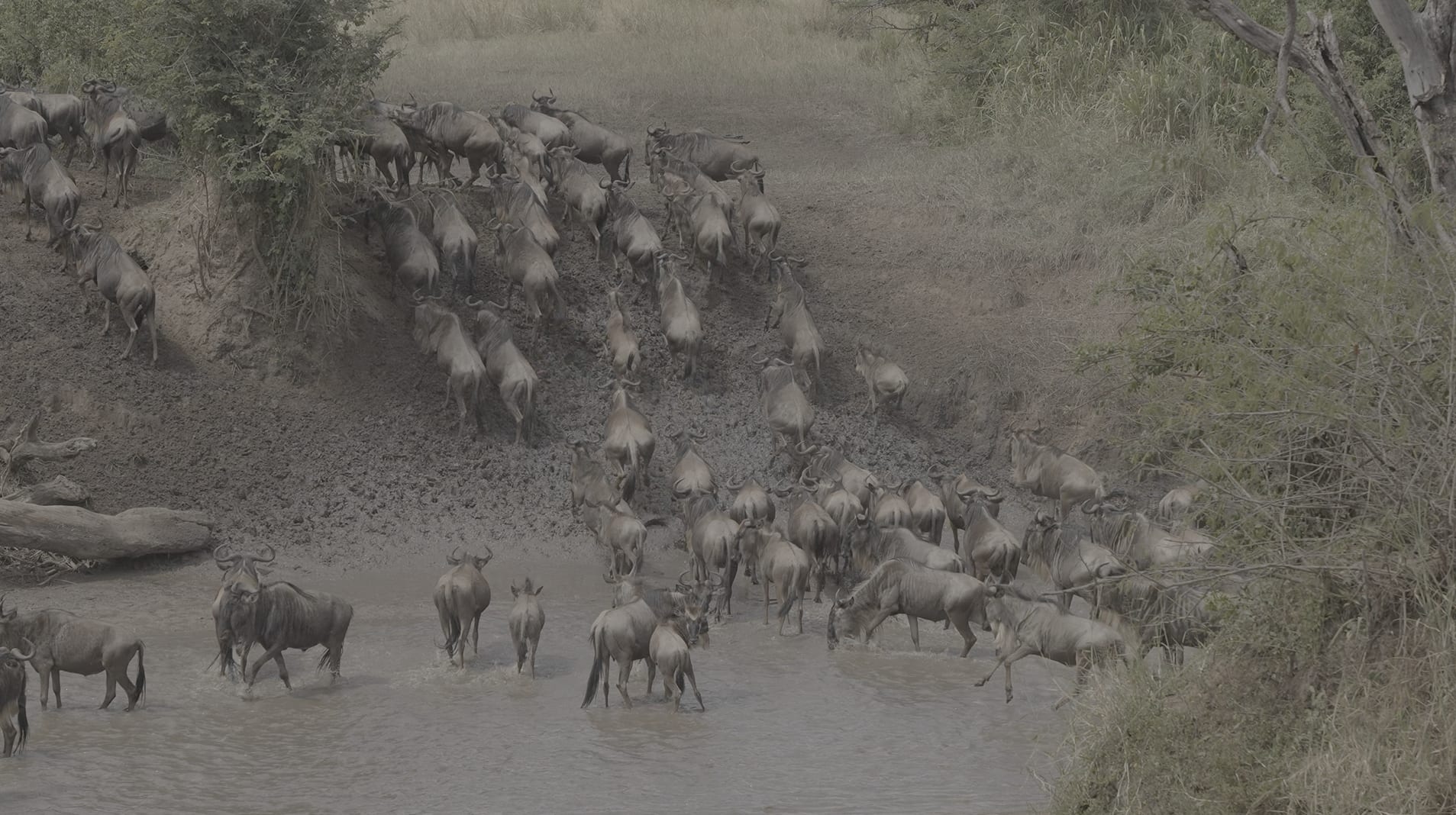
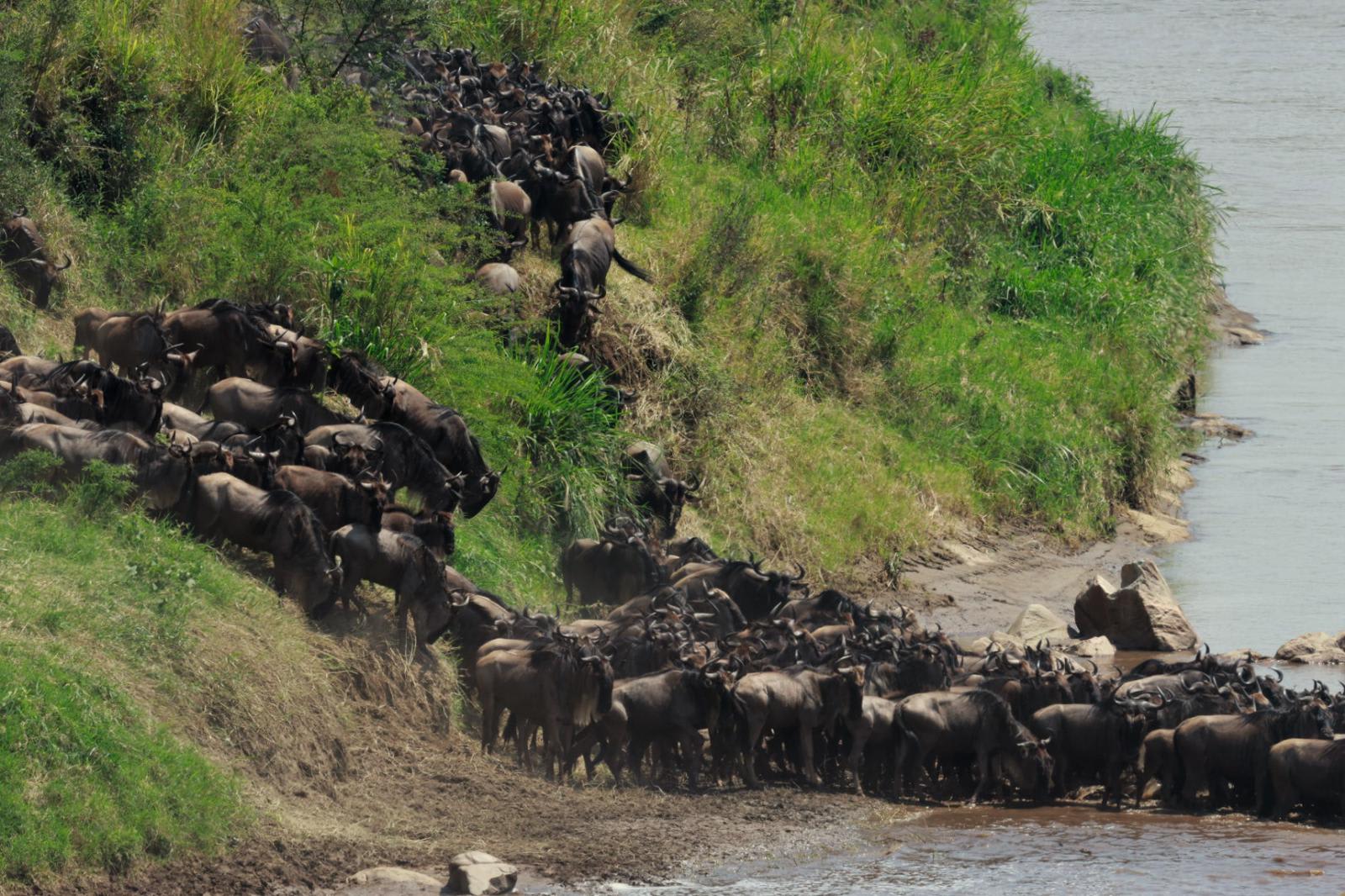
The Serengeti National Park covers 14,750 square kilometers and hosts the annual Great Migration. Between July and October, roughly 1.5 million wildebeest cross the Mara River in search of fresh grazing lands. This natural spectacle makes Serengeti the centerpiece of most 10-day Northern Tanzania safaris.
Arusha serves as the gateway city for Northern Tanzania safaris. Located at the base of Mount Meru, this bustling hub offers international flights and easy access to all major parks. Most safari packages depart from Arusha on Day 1 and return there on Day 10 for convenience.
The 10-day length is ideal for travelers wanting complete immersion without excessive time off work. Shorter trips feel rushed. Longer trips become repetitive. Ten days hits the sweet spot for seeing diverse landscapes and wildlife while maintaining energy levels.
Popular Northern Tanzania safari packages include Serengeti migration safaris, Ngorongoro Crater game drives, Tarangire elephant safaris, and Lake Manyara wildlife tours. Each destination offers unique ecosystems and animal encounters that build on each other throughout your journey.
This guide helps you understand the differences between Serengeti-focused trips and broader Northern Circuit options. You'll learn what to expect, how much to budget, and which itinerary matches your travel style. Explore our Tanzania Safari Field Guide for more wildlife details and seasonal information.
How Does the 10-Day Northern Tanzania Itinerary Break Down Day by Day?
A standard 10-day Northern Tanzania safari follows a predictable pattern that maximizes wildlife viewing and minimizes travel fatigue. Day 1 starts in Arusha, Days 2–4 cover Tarangire and Ngorongoro, Days 5–8 focus on Serengeti, and Days 9–10 return to Arusha for departure.
Day 1: Arusha Gateway. You arrive in Arusha and meet your safari guide. Most operators provide briefings about park rules, wildlife behavior, and what to expect. You'll stay overnight in Arusha to rest before heading into the parks.
Days 2–3: Tarangire National Park. Tarangire is famous for its massive elephant herds. You'll see baobab trees, warthogs, and diverse bird species. The park's river attracts animals year-round, making game viewing reliable even in dry seasons.
Day 4: Ngorongoro Crater. The Ngorongoro Crater is one of Africa's natural wonders. Descend 600 meters into this volcanic caldera to see concentrated wildlife populations. You'll spot lions, buffalo, zebras, and flamingos all in one location.
Days 5–8: Serengeti National Park. Spend at least three nights in Serengeti to fully experience the park. Morning and afternoon game drives reveal different animals and behaviors. Your guide will track migration movements to position you for the best sightings.
Days 9–10: Return to Arusha. Fly back from Serengeti to Arusha for your international departure. Most operators include a final morning game drive before heading to the airstrip. This allows you to spot animals you might have missed earlier.
Day-by-day, you're constantly moving between parks. This prevents boredom but requires patience with early mornings and long drives. Learn more about optimal trip lengths and what each duration offers.
Serengeti vs Arusha: Which Safari Focus Is Right for You?
Serengeti-focused safaris spend more time in one park. Arusha-based circuit safaris visit multiple parks from a single hub. The choice depends on your interests, budget, and travel style.
Serengeti-Focused Safaris: Deep Immersion
Serengeti-focused 10-day safaris spend 5–6 nights in Serengeti. You see the same landscapes repeatedly, which reveals animal behavior patterns. Patient observers spot hunting sequences, mating rituals, and family dynamics that quick visitors miss.
These safaris prioritize the Great Migration if traveling July to October. You'll position yourself along river crossings and follow herds across the landscape. The Serengeti's 2.3 million large animals ensure excellent wildlife viewing throughout your stay.
Serengeti-focused trips cost $2,600–$3,500 per person for 10 days. Premium lodges with private guides run higher. Budget camps with shared vehicles cost less. Most packages include accommodation, meals, and park fees in the quoted price.
Best for: Wildlife photographers, nature lovers, travelers with previous safari experience, and those wanting to witness the Great Migration.
Northern Circuit Safaris: Diverse Landscapes
Northern Circuit safaris visit Tarangire, Ngorongoro, and Serengeti in one trip. You experience different ecosystems, wildlife populations, and landscapes. Each park offers distinct animal encounters and photographic opportunities.
Tarangire specializes in elephants. Ngorongoro offers concentrated wildlife viewing in a compact crater. Serengeti provides endless plains and migration drama. Together, they create a well-rounded safari experience.
Northern Circuit 10-day trips cost $2,461–$3,200 per person. Budget is slightly lower because parks are closer together and require less specialized guiding. You'll spend 2–3 nights in each major park.
Best for: First-time safari-goers, travelers wanting variety, families with mixed interests, and those wanting to maximize different wildlife and landscapes in one trip.
| Comparison Factor | Serengeti-Focused | Northern Circuit |
|---|---|---|
| Duration in Serengeti | 5–6 nights | 2–3 nights |
| Total Parks Visited | 1–2 parks | 3–4 parks |
| Price Range (2026) | $2,600–$3,500 | $2,461–$3,200 |
| Best For | Wildlife photographers, repeat visitors | First-timers, variety seekers |
| Migration Viewing Odds | 70–85% (July–Oct) | 50–70% (July–Oct) |
Both options work well for 10 days. Your choice depends on whether you want deep focus or broad exposure. Compare all-inclusive versus budget safari options to find your ideal cost level.
What Are the Real Costs for a 10-Day Northern Tanzania Safari in 2026?
A 10-day Northern Tanzania safari costs between $2,461 and $3,475 per person in 2026. This range assumes mid-range lodges, experienced guides, and park fees included. Costs vary based on season, lodge quality, group size, and operator reputation.
Budget Breakdown: What's Included and What Costs Extra
Most quoted prices include accommodation, meals, safari vehicle, guide, and park entrance fees. International flights are almost always separate. Travel insurance, visa fees, and tips are also extra.
Included in quoted price: Lodge accommodation (2–3 nights per park), breakfast/lunch/dinner at lodges, game drives with experienced guide, park entrance fees, vehicle with driver/guide, and emergency communication.
Not included: International flights ($600–$1,200 from US), Tanzania visa ($50–$100), travel insurance ($100–$300), personal tips for guides ($100–$200), alcoholic beverages at lodges, and equipment rentals like binoculars or camera gear.
Total cost for two people on a 10-day Northern Tanzania safari typically runs $6,000–$8,500 when you add flights and extras. Budget an additional $1,500–$2,000 for miscellaneous expenses.
Season Pricing: Peak vs Shoulder vs Low
Peak season (July–October): $3,000–$3,475 per person. High demand for Great Migration viewing drives prices up. Book 4–6 months ahead to secure lodges. Discounts are rare during peak season.
Shoulder season (November–December, March–May): $2,700–$3,000 per person. Good wildlife viewing with slightly lower prices. Fewer tourists mean better game drive experiences. Rainfall increases vegetation, making animals harder to spot.
Low season (January–February, June): $2,461–$2,700 per person. Cheapest rates but challenging conditions. January–February is hot and dry. June brings cold nights. Wildlife is still abundant, but fewer operators run safaris.
Traveling in shoulder season (April–May) offers the best value-to-experience ratio. You'll see wildlife, avoid peak crowds, and pay 10–15% less than peak season rates. Find affordable Tanzania safari packages with flights included under $3,000.
When Is the Best Time to Visit Northern Tanzania on a 10-Day Safari?
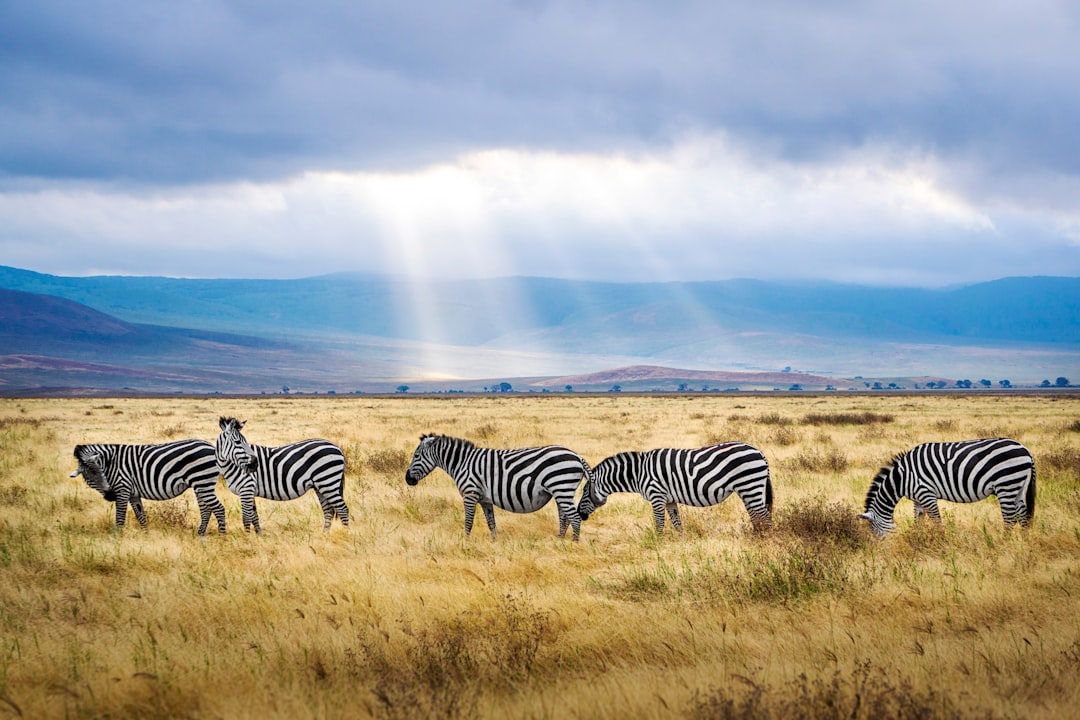
The best time for a Northern Tanzania safari is July through October for the Great Migration. During these months, 1.5 million wildebeest and zebras cross the Mara River in dramatic river-crossing scenes. This four-month window offers the highest wildlife concentration and most reliable sightings.
July–October: Great Migration Season
July marks the start of the Great Migration's northern movement. Herds concentrate in the Serengeti's central plains. By August, massive river crossings occur daily as animals push toward Kenya's Masai Mara. This is peak safari season worldwide.
Advantages: Guaranteed Great Migration viewing, largest animal concentrations, best photography opportunities, and reliable game drives. Disadvantages: Highest prices, most tourists, and crowded lodges.
November–June: Green Season and Calving
November through June is the rainy season in Tanzania. Rainfall brings lush vegetation and lower tourist numbers. January–February marks the calving season when thousands of wildebeest calves are born, attracting predators and excellent viewing opportunities.
Advantages: Cheaper prices, fewer tourists, green landscapes for photography, and unique calving season drama. Disadvantages: Heavy rains can close roads, vegetation obscures animals, and some lodges close temporarily.
Optimal months for value: April and May offer post-rain landscapes, active wildlife, and 15–20% lower prices than peak season. The Great Migration hasn't started yet, but predator-prey interactions are excellent.
Optimal months for migration: August and September guarantee river crossings but expect crowds and high prices. Book 6 months ahead for lodges.
How Do You Book and Prepare for a 10-Day Northern Tanzania Safari?
Booking a Northern Tanzania safari requires planning across five key areas: operator selection, visa preparation, health precautions, packing, and payment timing.
Step 1: Choose a Verified Safari Operator
Research operators with authentic reviews and proven experience. SafariFind lists verified tour operators with real traveler feedback. Compare operators by rating, review count, price, and specialization (photography, luxury, budget, adventure).
Look for operators offering transparent pricing, included amenities, and flexible cancellation policies. Read recent reviews mentioning specific parks, wildlife sightings, and guide quality. Ask operators about their naturalist guide certifications and vehicle maintenance records.
Top-rated operators for Northern Tanzania include Get Together Adventures (5.0★, 37 reviews on SafariFind) offering the 10-Day Tanzania Northern Circuit Comfort Adventure package from €3,049–€3,475. Other strong options include operators specializing in wildlife photography or luxury lodge experiences.
Step 2: Handle Visa and Health Requirements
US citizens need a Tanzania visa. Apply online at the Tanzania Immigration website or get a visa on arrival (not recommended due to delays). Review detailed visa requirements for US citizens traveling to Tanzania in 2026.
Visit your doctor 4–6 weeks before departure. Tanzania requires yellow fever vaccination proof and recommends malaria prophylaxis, typhoid, and hepatitis A vaccines. Malaria is present in most safari areas below 2,000 meters elevation.
Step 3: Book 4–6 Months Ahead
Peak season safaris (July–October) fill up quickly. Reserve your package 4–6 months in advance to secure preferred lodges and guides. Shoulder season bookings need 2–3 months advance notice. Low season bookings can happen 1 month ahead.
Most operators require a 25–50% deposit to confirm your booking. Final payment is typically due 30–60 days before departure.
Step 4: Pack Smart for 10 Days
Pack neutral-colored clothing for game drives (greens, tans, browns). Bring layers for cool mornings and hot afternoons. Include sturdy hiking boots, sun protection, and a quality camera with backup batteries.
Check our Tanzania safari packing list for essential gear for 10-day wildlife photography trips.
Step 5: Arrange Flights and Travel Insurance
Book international flights separately from safari packages. Fly into Kilimanjaro International Airport or Julius Nyerere International Airport (Dar es Salaam), then transfer to Arusha. Most packages include Arusha airport transfers.
Purchase travel insurance covering trip cancellation, medical emergencies, and evacuation. Safari regions are remote, and medical care is limited. Insurance costs $100–$300 for 10 days but saves thousands if problems arise.
What Wildlife Will You See on a 10-Day Northern Tanzania Safari?
Northern Tanzania safaris guarantee sightings of Africa's iconic big five: lions, elephants, buffalo, leopards, and rhinoceros. You'll also see zebras, wildebeest, giraffes, hyenas, and dozens of bird species. Animal encounters vary by park and season.
Serengeti Wildlife Highlights
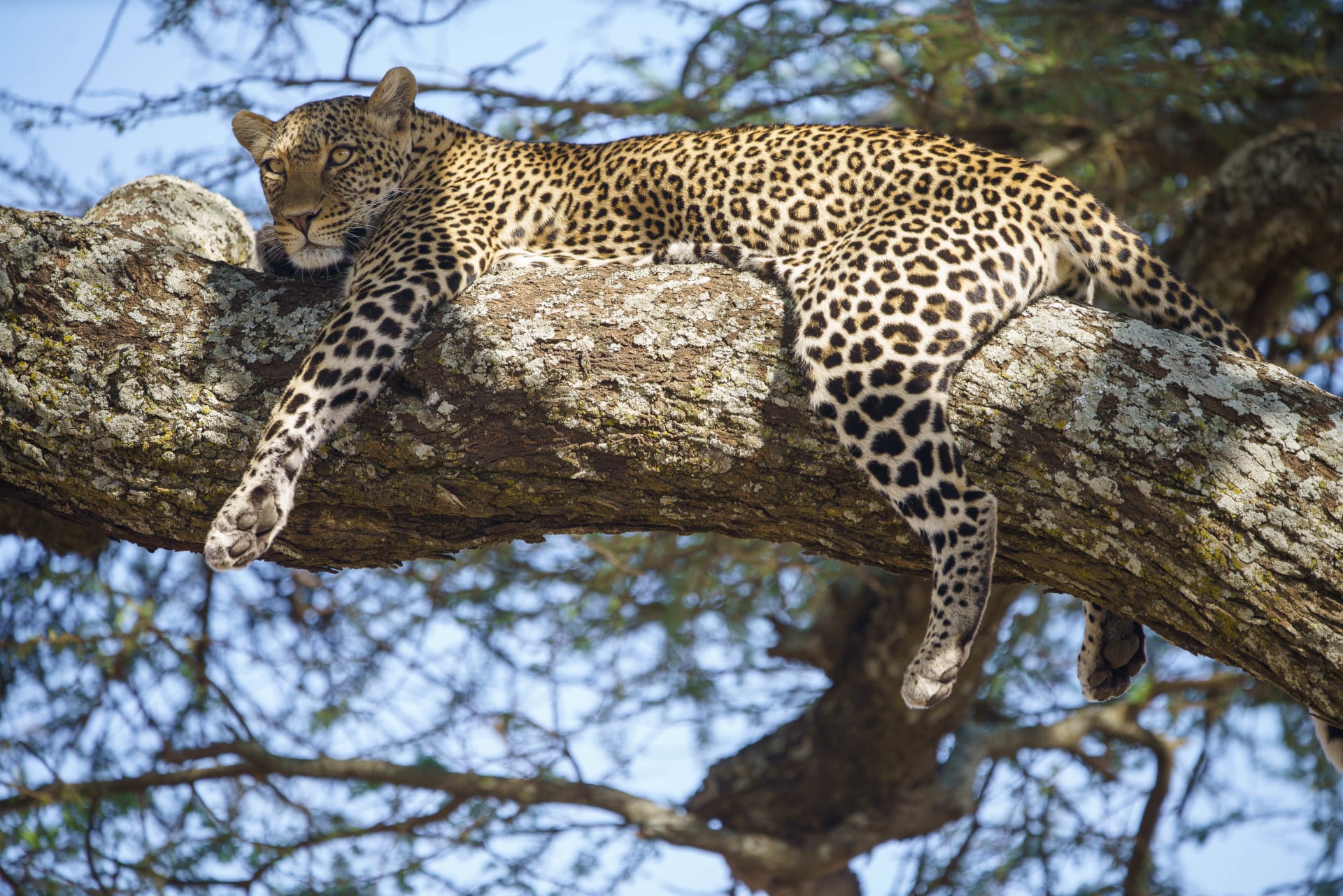
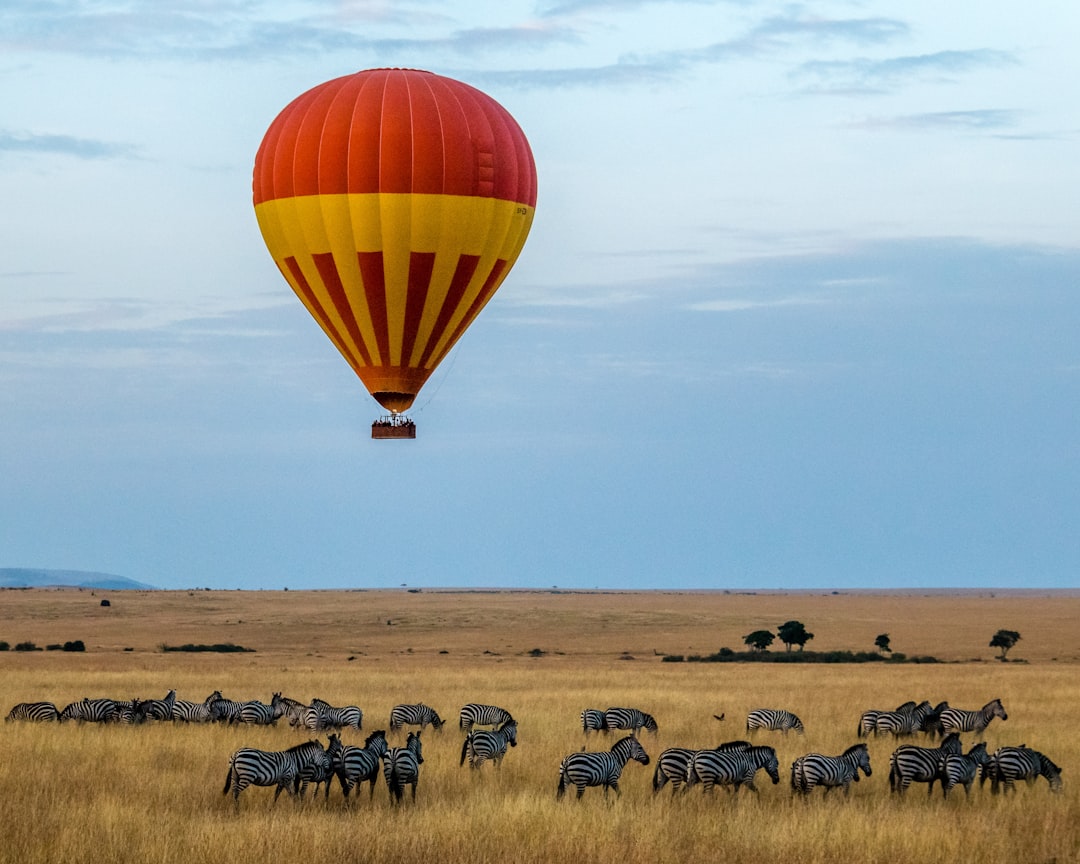
The Serengeti hosts 2.3 million large animals, making it Africa's most wildlife-rich park. Lions, leopards, and cheetahs are commonly spotted. Elephant herds roam the plains. The Great Migration (July–October) brings massive predator-prey interactions along river crossings.
Bird enthusiasts find over 500 bird species in Serengeti, including eagles, ostriches, and crowned cranes. Night game drives reveal nocturnal animals like hyenas, aardvarks, and occasionally leopards.
Tarangire Wildlife Highlights
Tarangire is famous for its massive elephant herds, sometimes numbering over 300 animals in a single viewing area. The park's river attracts buffalo, zebras, and giraffes year-round. Warthogs are comically abundant. Predators include lions and wild dogs.
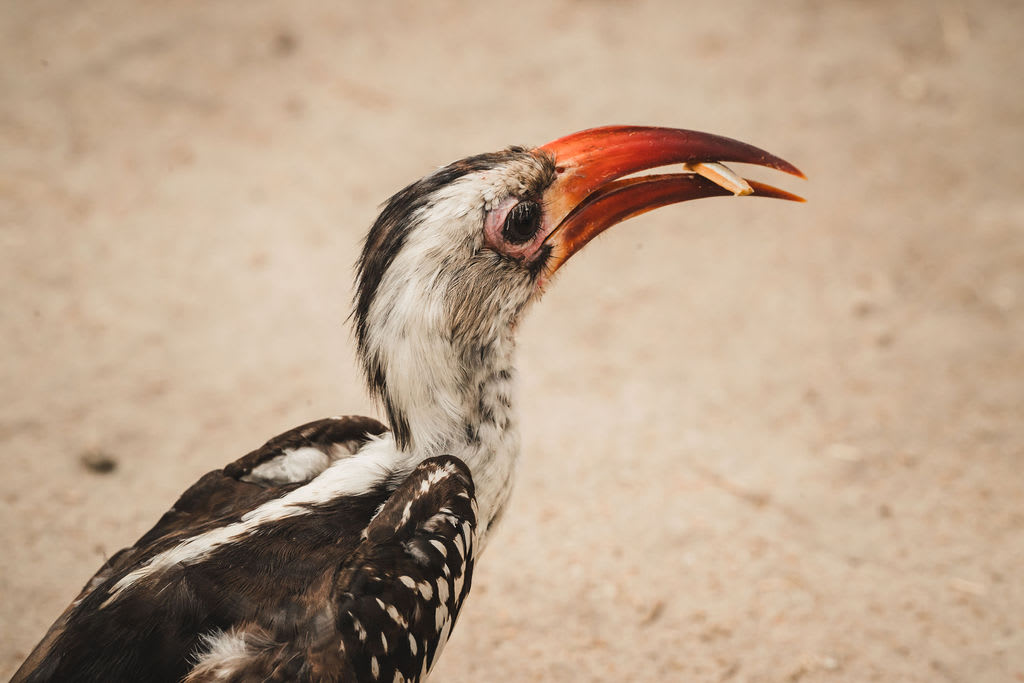
Tarangire offers excellent bird watching. Secretary birds, kori bustards, and various eagle species are regular sightings.
Ngorongoro Crater Wildlife Highlights
The Ngorongoro Crater concentrates wildlife in a compact 260-square-kilometer area. You'll see lions, buffalo, zebras, wildebeest, and hyenas all in one crater. Elephant sightings are common. Flamingos gather at the crater's soda lake.
The crater's enclosed ecosystem means animals can't migrate far, so wildlife is reliably present year-round.
Lake Manyara Wildlife Highlights
Lake Manyara is famous for tree-climbing lions, a unique behavior seen nowhere else in Africa. Giraffes browse acacia trees. Baboons and monkeys fill the forests. Flamingos and pelicans cover the lake's surface during certain seasons.
Manyara offers diverse habitats—lake, forest, and grassland—in a small area, making wildlife viewing efficient.
What Should You Expect During Your 10-Day Safari Experience?
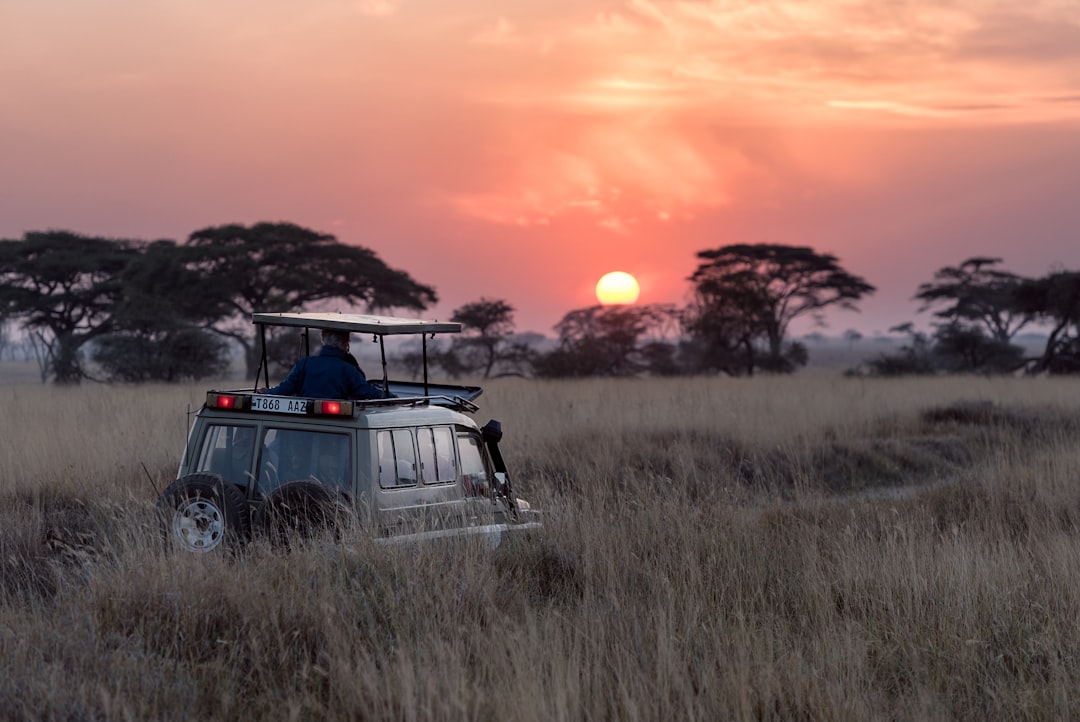
A 10-day Northern Tanzania safari follows a predictable daily rhythm. Early mornings mean 5:30 AM wake-up calls. Game drives run 6:00 AM to 10:00 AM, then 4:00 PM to 7:00 PM. Mid-day rest periods allow relaxation at lodges.
Daily Safari Schedule
5:30 AM: Wake-up call and coffee/tea at your lodge. Your guide briefs you on the day's route and recent animal sightings.
6:00–10:00 AM: Morning game drive in an open safari vehicle. This is prime wildlife viewing time. Animals are active, light is soft, and temperatures are cool.
10:00 AM–4:00 PM: Return to lodge for breakfast, lunch, and rest. Some lodges offer guided nature walks or cultural visits. Most travelers nap or review photos.
4:00–7:00 PM: Afternoon game drive. Light becomes golden, creating excellent photography conditions. Evening is when predators hunt.
7:00 PM onward: Return to lodge for dinner, evening briefing, and rest. Some lodges offer night game drives (additional cost).
Lodge Accommodations and Comfort Levels
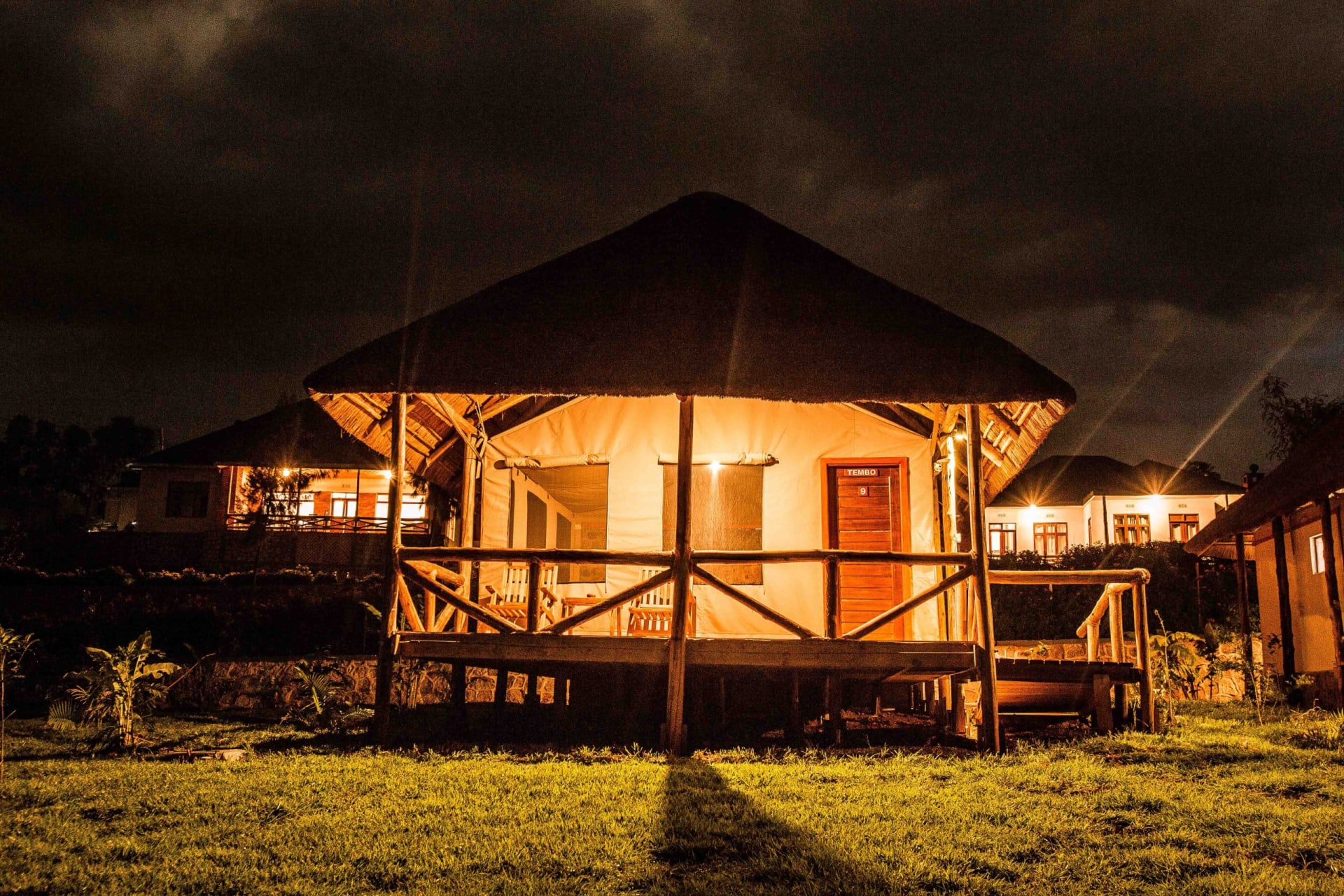
Most 10-day safaris use mid-range lodges with private en-suite bathrooms, restaurants, and lounges. Beds are comfortable. Hot showers are standard. WiFi is spotty but usually available at main lodge buildings.
Budget safaris use basic lodges with shared facilities and simple meals. Luxury safaris offer fine dining, premium wines, and exclusive camps. All provide reliable shelter and food for energy during long game drives.
Physical Demands and Activity Level
Safari days are moderately physically demanding. You're sitting in vehicles for 6–8 hours daily, which strains backs and necks. Dust, heat, and sun exposure are real. Game drives include occasional short walks (15–30 minutes).
Travelers with mobility issues should discuss limitations with operators. Many lodges offer accessible rooms. Vehicles have high steps, requiring reasonable agility to enter and exit.
The pace is relaxed. You're not hiking mountains or doing extreme activities. Most travelers of average fitness can complete 10-day safaris comfortably.
Key Takeaways
- Book your 10-day Northern Tanzania safari 4–6 months ahead for July–October departures to secure preferred lodges and save 10–15% on off-peak pricing.
- Budget $2,461–$3,475 per person for mid-range accommodations, guide, meals, and park fees in 2026, plus $600–$1,200 for international flights and $100–$300 for travel insurance.
- Visit during July–October to witness the Great Migration's 1.5 million wildebeest river crossings, or choose April–May for better value and excellent predator-prey interactions with fewer crowds.
- Choose between Serengeti-focused safaris (deep immersion, 5–6 nights in one park) or Northern Circuit safaris (diverse landscapes, visiting Tarangire, Ngorongoro, and Serengeti).
- Pack neutral-colored clothing, sturdy hiking boots, sun protection, and camera gear, then arrange flights, visas, vaccines, and travel insurance before your departure date.
Frequently Asked Questions
How much does a 10-day Northern Tanzania safari cost in 2026?
A 10-day Northern Tanzania safari costs $2,461 to $3,475 per person for mid-range accommodations in 2026. This includes lodging, meals, guide, vehicle, and park fees. International flights add $600–$1,200. Travel insurance costs $100–$300. Total trip cost for two people runs approximately $6,000–$8,500 before tips and personal expenses.
What is the best time of year to visit the Serengeti for the Great Migration?
The best time to visit Serengeti for the Great Migration is July through October. During these months, 1.5 million wildebeest and zebras move across the plains. July sees herds in central Serengeti. August and September feature dramatic river crossings. October marks the migration's end as herds return south.
Should I book a Serengeti-focused or Northern Circuit 10-day safari?
Choose a Serengeti-focused safari if you want deep wildlife immersion and the best chance at migration viewing. Choose a Northern Circuit safari if you're a first-timer wanting diverse landscapes and variety. Serengeti safaris spend 5–6 nights in one park. Northern Circuit safaris visit Tarangire, Ngorongoro, and Serengeti with 2–3 nights in each. Both cost similarly ($2,461–$3,475) but offer different experiences.
What documents do US citizens need to travel to Tanzania for a safari?
US citizens need a valid passport (6 months validity beyond travel dates), a Tanzania visa ($50–$100), proof of yellow fever vaccination, and travel insurance. Check detailed visa requirements for US citizens traveling to Tanzania in 2026. Apply for the visa online before departure or get one on arrival (not recommended due to delays).
What wildlife will I definitely see on a 10-day Northern Tanzania safari?
You'll definitely see zebras, wildebeest, giraffes, and gazelles on a 10-day Northern Tanzania safari. Lions, elephants, buffalo, and hyenas are commonly spotted. Leopard sightings are possible but not guaranteed. The big five (lion, elephant, buffalo, leopard, rhino) are frequently seen, though rhinos are rare. Specific sightings depend on park, season, and luck.
How do I book a 10-day Northern Tanzania safari online through SafariFind?
Visit SafariFind and browse 10-day Northern Tanzania safari packages. Filter by price, destination, rating, and operator. Read reviews from past travelers. Compare packages side-by-side, then request a quote from verified operators. SafariFind connects you directly with tour operators, allowing you to ask questions, negotiate details, and secure bookings with transparent pricing and authentic traveler feedback.
Conclusion
A 10-day Northern Tanzania safari combines world-class wildlife viewing with manageable time investment and reasonable costs. The Serengeti's Great Migration, Ngorongoro Crater's concentrated animals, and Tarangire's elephant herds create unforgettable experiences. Whether you choose a Serengeti-focused deep dive or a diverse Northern Circuit tour, you'll witness Africa's most iconic landscapes and animals.
In 2026, budget $2,461–$3,475 per person for mid-range accommodations, experienced guides, and park access. Book 4–6 months ahead for peak season (July–October) to secure preferred lodges and guarantee Great Migration viewing. Consider shoulder season (April–May) for better value and fewer crowds while maintaining excellent wildlife viewing odds.
Success requires planning across operator selection, visa paperwork, health precautions, and packing. Explore the best safari tour operators for Tanzania with US traveler reviews for 2026 to find companies matching your travel style and budget. SafariFind's marketplace connects you with verified operators offering transparent pricing and authentic reviews from past travelers. Start comparing packages today and take the first step toward your Northern Tanzania adventure.
Plan Your Safari with SafariFind
These recommendations use real data from SafariFind, where you can compare operators, browse packages, and read verified traveler reviews before you book.
Recommended Safari Operators from SafariFind
Recommended Safari Packages from SafariFind
What Travelers Say (SafariFind Reviews)
References
- Tanzania Safari Itineraries: 7 & 10-Day Trip Plans
- Northern Tanzania Safari Guide
- Ultimate 7-10 Day Tanzania Safari Itinerary & Costs
- 10-Day Tanzania Safaris (223 Tours by 114 Tour Operators)
- Northern Tanzania Safaris: Routes, Itineraries & Tours
- 10 Days Tanzania Safari – All Northern Parks in 1 Trip
- 10 Best Serengeti Safari Tours: Our Top Picks
- Luxury Tanzania Safari Tours & Packages
Sources
- Tanzania Safari Itineraries: 7 & 10-Day Trip Plans
- Northern Tanzania Safari Guide
- Ultimate 7-10 Day Tanzania Safari Itinerary & Costs
- 10-Day Tanzania Safaris (223 Tours by 114 Tour Operators)
- Northern Tanzania Safaris: Routes, Itineraries & Tours
- 10 Days Tanzania Safari – All Northern Parks in 1 Trip
- 10 Best Serengeti Safari Tours: Our Top Picks
- Luxury Tanzania Safari Tours & Packages
Related to
Ready to start your safari adventure?
Explore curated safari packages and find your perfect African adventure with verified operators.