Tanzania Safari Field Guide: Wildlife, Best Seasons & 2026 Costs
Complete Tanzania safari field guide with wildlife info, best seasons (June-Oct & Jan-Mar), 2026 pricing ($250-$2,500+/day), and verified operator booking tips.
Tanzania Safari Field Guide: Wildlife, Best Seasons & 2026 Costs
Last updated: July 2026
A Tanzania safari costs between $250 and $2,500+ per person per day in 2026, depending on accommodation level and season. The best time to visit is June through October (dry season) when wildlife congregates around water sources, or January through March (calving season) for lower prices and massive predator activity. Book through verified operators on SafariFind to compare packages, read authentic reviews, and find deals that match your budget and travel dates.
At a Glance
- Cost: $250–$2,500+ per person per day (2026)
- Best time: June–October (dry season) or January–March (calving season)
- Duration: 5–10 days recommended for a complete experience
- Getting there: Fly to Kilimanjaro International Airport or Julius Nyerere International Airport
- Best for: Wildlife photographers, nature lovers, families, adventure travelers
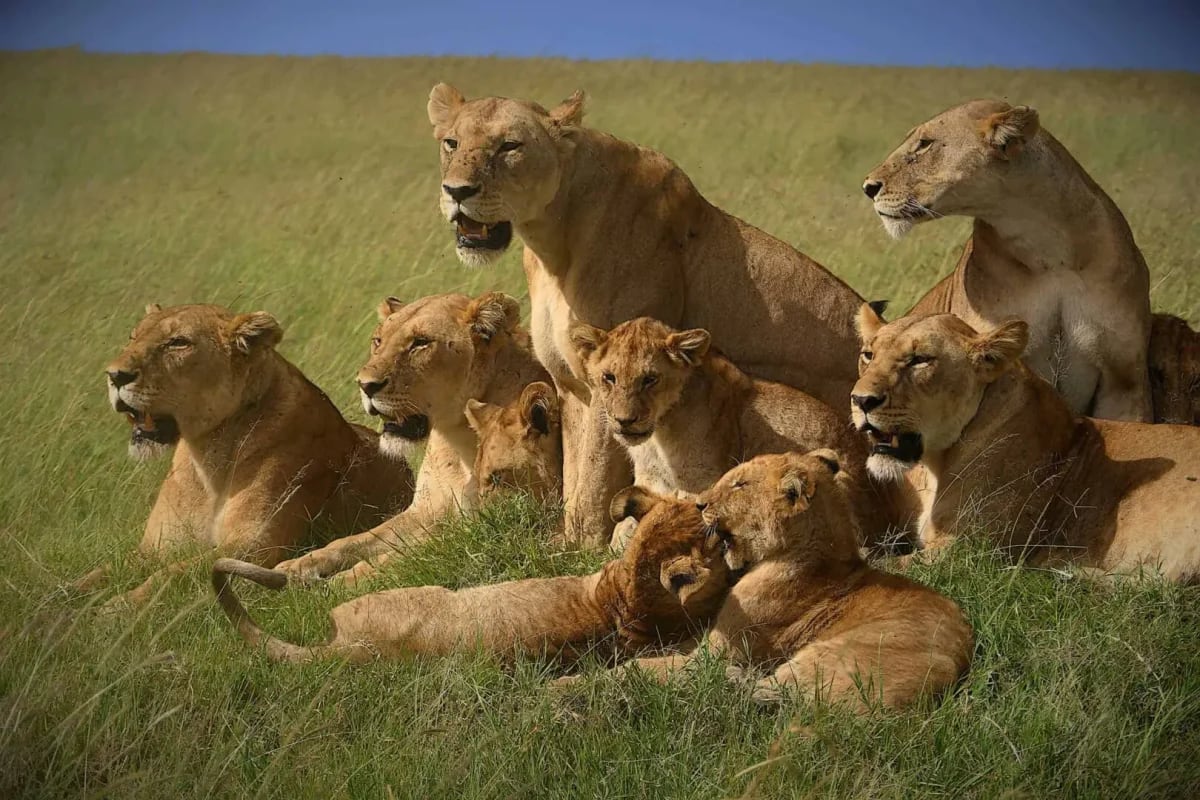
- Wildlife highlights: Lions, elephants, giraffes, zebras, wildebeest, Cape buffalo, African wild dogs
What Is a Tanzania Safari Field Guide?
A Tanzania safari field guide is your complete resource for planning an unforgettable wildlife adventure in East Africa. This guide covers everything from animal identification and behavior to seasonal timing, pricing, and booking strategies for 2026. Tanzania safaris let you experience Africa's most iconic landscapes: the Serengeti's endless plains, the Ngorongoro Crater's dramatic walls, and pristine wilderness where wildlife roams free.
Tanzania safari costs vary widely based on accommodation type, group size, and travel season. Budget safaris run $250–$400 per person daily, mid-range packages cost $400–$700 daily, and luxury experiences exceed $700 daily. Understanding these price tiers helps you choose the right package for your budget and expectations.
The Tanzania safari field guide answers critical questions: What animals will I see? When should I visit? How much should I budget? Which tour operators offer the best value? This guide combines current 2026 pricing data, wildlife information, and seasonal insights to help you book with confidence.
Tanzania's Premier Safari Destinations
Serengeti National Park: The Heart of Tanzania Safari
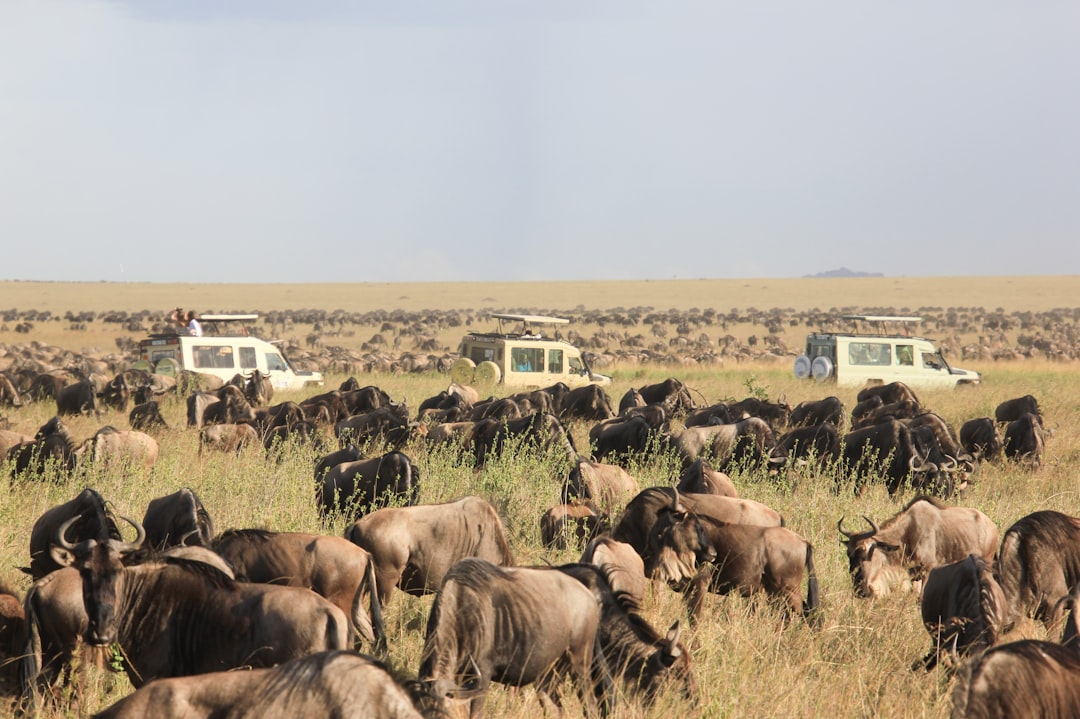
Serengeti National Park covers 14,750 square kilometers and is Tanzania's most famous safari destination. The name "Serengeti" means "the place where the land runs on forever" in Maasai language. This park hosts the Great Migration, where 1.5 million wildebeest cross from Tanzania to Kenya annually between July and October.
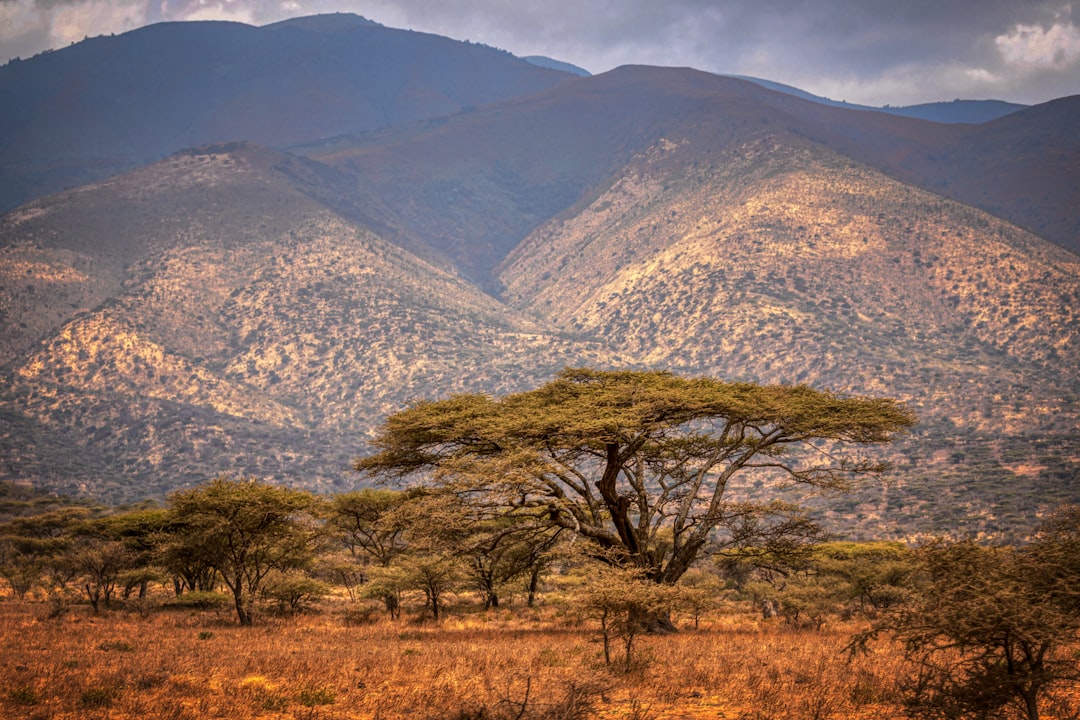
The Serengeti is known for year-round wildlife viewing. You'll see lions, leopards, African wild dogs, hyenas, and countless herbivores. The park's northern region offers river crossings during migration season, while the southern plains showcase massive predator activity during calving season.
Serengeti safaris typically cost $400–$1,000+ per person daily, depending on lodge tier and season. Budget camps offer basic comfort, mid-range tented camps provide excellent service, and luxury lodges deliver high-end amenities with personalized guiding.
Ngorongoro Crater: The Eighth Wonder
Ngorongoro Crater is a UNESCO World Heritage Site and one of Africa's most spectacular natural features. This volcanic caldera drops 610 meters and contains a permanent ecosystem supporting thousands of animals on its crater floor.
The crater is home to the largest concentration of African lions in Tanzania. You'll also spot elephants, zebras, flamingos, and hippos within this contained landscape. A single crater drive often yields more sightings than full-day park safaris elsewhere.
Crater safaris cost $300–$800 per person daily. The crater is typically visited as part of a northern Tanzania safari combining Serengeti, Ngorongoro, and Lake Natron experiences.
Lake Natron and Tarangire National Park
Lake Natron is a soda lake famous for its flamingo populations and dramatic pink coloring. This destination suits photographers and bird watchers seeking unique landscapes beyond traditional safari viewing.
Tarangire National Park features massive elephant herds and diverse birdlife. The park's dry-season concentration rivals the Serengeti for elephant encounters. Tarangire offers a quieter safari experience with fewer tourists than northern circuit parks.
Best Time to Visit Tanzania for Safari
Dry Season: June Through October
The dry season (June through October) is Tanzania's peak safari period. Wildlife concentrates around permanent water sources, making sightings easier and more predictable. This is when the Great Migration crosses the Mara River, offering dramatic predator-prey interactions.
June through October brings cooler temperatures, clear skies, and lush vegetation. However, this popularity means higher prices. Expect to pay 20–30% more than shoulder seasons. Book 3–6 months ahead to secure preferred lodges and guides during this period.
This season is best for wildlife photography, first-time safari visitors, and those seeking maximum animal encounters. Families often choose dry season because wildlife viewing is most reliable.
Calving Season: January Through March
Calving season (January through March) brings exceptional value and intense predator activity. Over 400,000 wildebeest calves are born in the southern Serengeti and Ndutu area within a two-week window. This attracts massive predator concentrations: lions, leopards, hyenas, and wild dogs feast during this brief abundance.
Prices drop significantly outside festive holiday weeks (late December through early January). Expect 30–40% discounts compared to dry season rates. Shoulder months (late February through March) offer even better value.
Calving season suits experienced safari travelers, wildlife photographers, and budget-conscious visitors. Rainfall increases, but afternoon showers rarely disrupt game drives.
Shoulder Seasons: April–May and November–December
Shoulder seasons offer excellent value and decent wildlife viewing. April and May bring green landscapes and bird watching opportunities. November starts the short rains but offers lower prices and fewer crowds.
Late November through early December (before holiday prices spike) provides the best value-to-experience ratio. Lodges discount rates significantly during these months.
Tanzania Safari Costs: Complete 2026 Breakdown
Budget Safaris: $250–$400 Per Person Daily
Budget safaris offer basic accommodation in shared dormitories or simple twin rooms. Meals are simple but adequate. Guides are experienced but may speak English as a second language. Safari vehicles are older Land Cruisers with 6–8 passengers per vehicle.
Budget options work for travelers seeking authentic experiences without luxury amenities. These packages often include flights from regional hubs but not international flights. A 7-day budget safari costs $1,750–$2,800 per person (land only).
Budget safaris are ideal for backpackers, young travelers, and budget-conscious families. Wildlife viewing quality matches mid-range and luxury options—the difference is comfort, not animal encounters.
Mid-Range Safaris: $400–$700 Per Person Daily
Mid-range safaris provide permanent tented camps or solid lodge rooms with en-suite bathrooms. Quality meals feature local and international cuisine. Guides are fluent English speakers with excellent wildlife knowledge. Vehicles carry maximum 4–6 passengers, offering better photography angles.
This tier delivers excellent value and consistent quality. Lodges feature reliable hot water, electricity, and comfortable beds. A 7-day mid-range safari costs $2,800–$4,900 per person (land only).
Mid-range safaris suit most travelers: families, couples, and first-time visitors. The experience feels personal without excessive luxury pricing.
Premium and Luxury Safaris: $700–$2,500+ Per Person Daily
Premium safaris feature luxury lodges with high-end amenities, spa services, and gourmet dining. Private guides accompany small groups (2–4 people). Vehicles are new Land Cruisers with comfortable seating and panoramic windows. Some operators offer helicopter transfers between camps.
Luxury packages include premium wine selections, premium spirits, and special dietary accommodations. Lodges offer infinity pools, game drives at dawn and dusk, and personalized itineraries.
A 7-day luxury safari costs $4,900–$17,500+ per person (land only). These experiences suit honeymooners, anniversary celebrations, and travelers seeking maximum comfort and exclusivity.
Complete Cost Breakdown by Circuit
| Circuit | Price Range (Per Person/Day) | Best For | Typical Duration |
|---|---|---|---|
| Northern (Serengeti, Ngorongoro) | $300–$1,200+ | First-time visitors, wildlife photographers | 5–7 days |
| Southern (Selous, Ruaha) | $250–$900 | Experienced travelers, fewer crowds | 4–6 days |
| Western (Katavi, Mahale) | $400–$1,500+ | Adventure travelers, chimpanzee trekking | 6–8 days |
| Zanzibar Beach Add-on | $200–$800 | Safari + relaxation combos | 3–5 days |
Pricing varies based on season, group size, and specific lodges. Peak dry season (July–September) costs 20–30% more than shoulder seasons. Luxury lodges premium pricing increases during holidays (December and July–August).
Compare verified Tanzania safari packages and real 2026 pricing on SafariFind to see exactly what your budget covers.
Tanzania Safari Wildlife: What Animals You'll See
The Big Five and Beyond
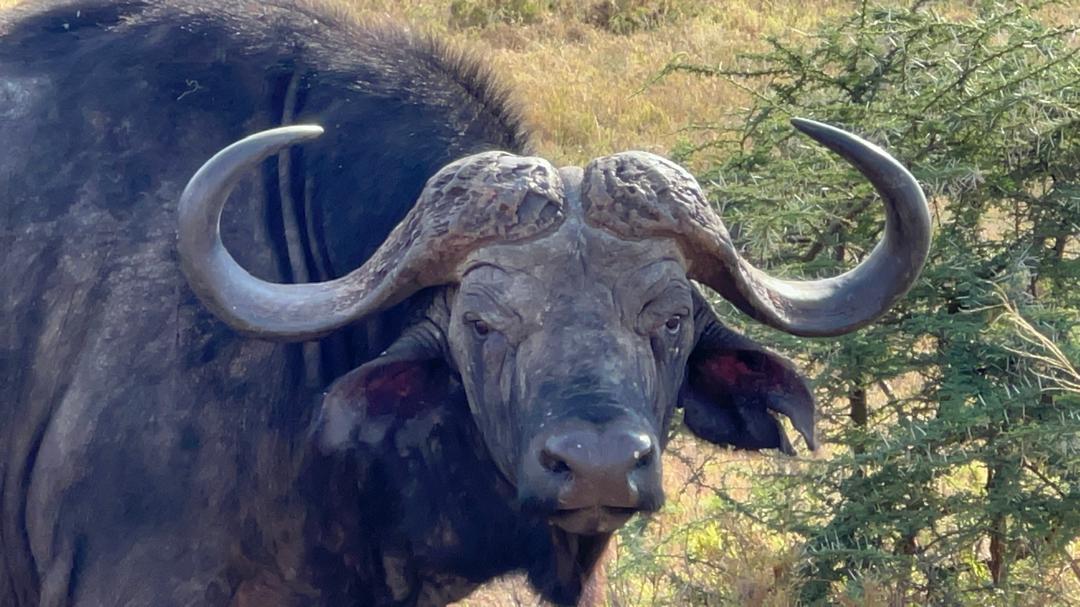
Tanzania safaris showcase Africa's most iconic animals. The Big Five—lions, elephants, Cape buffalo, leopards, and African rhinoceros—live in Tanzania's protected areas. However, rhinos are extremely rare; most safari-goers see the other four consistently.
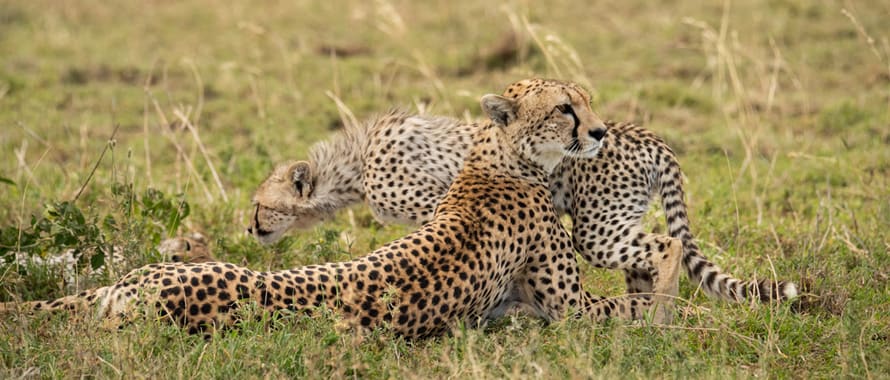
Beyond the Big Five, you'll encounter African wild dogs, hyenas, cheetahs, zebras, giraffes, wildebeest, warthogs, baboons, and countless bird species. Tanzania has over 1,100 bird species, making it a world-class birding destination.
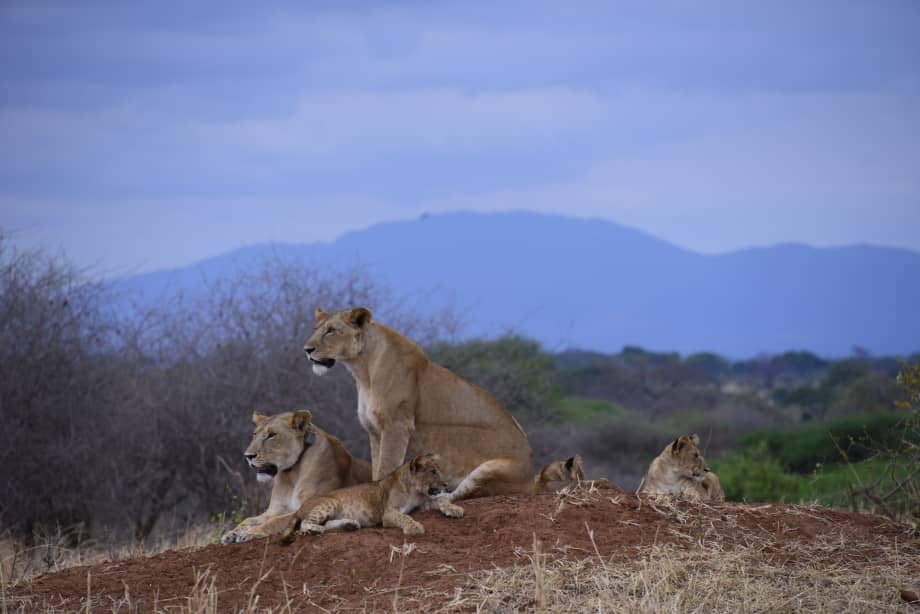
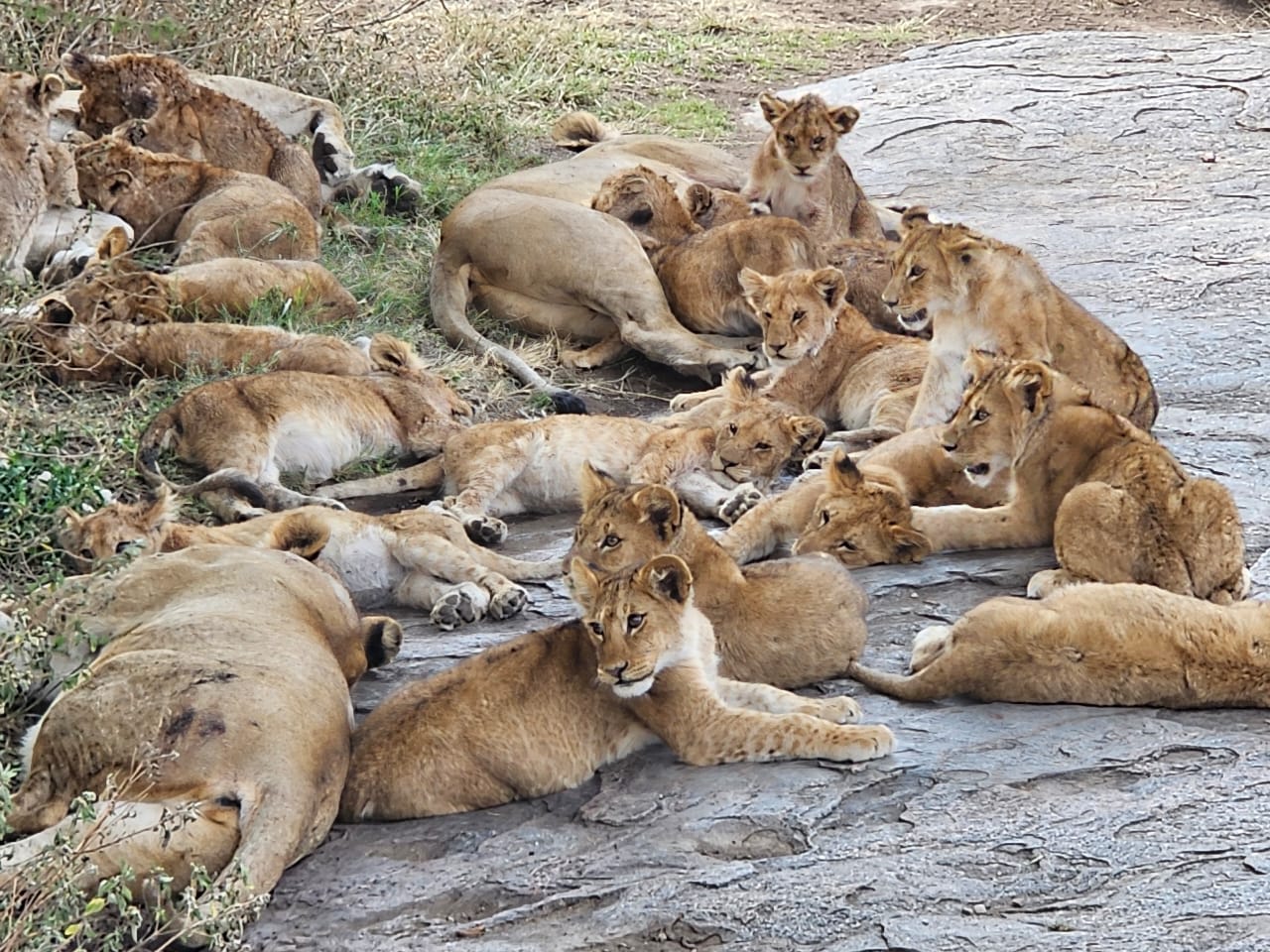
Serengeti safaris guarantee lion sightings, especially during migration season. Ngorongoro Crater offers the highest lion density in Africa. Southern parks like Selous feature wild dogs and diverse herbivores in quieter settings.
Great Migration and Seasonal Wildlife Patterns
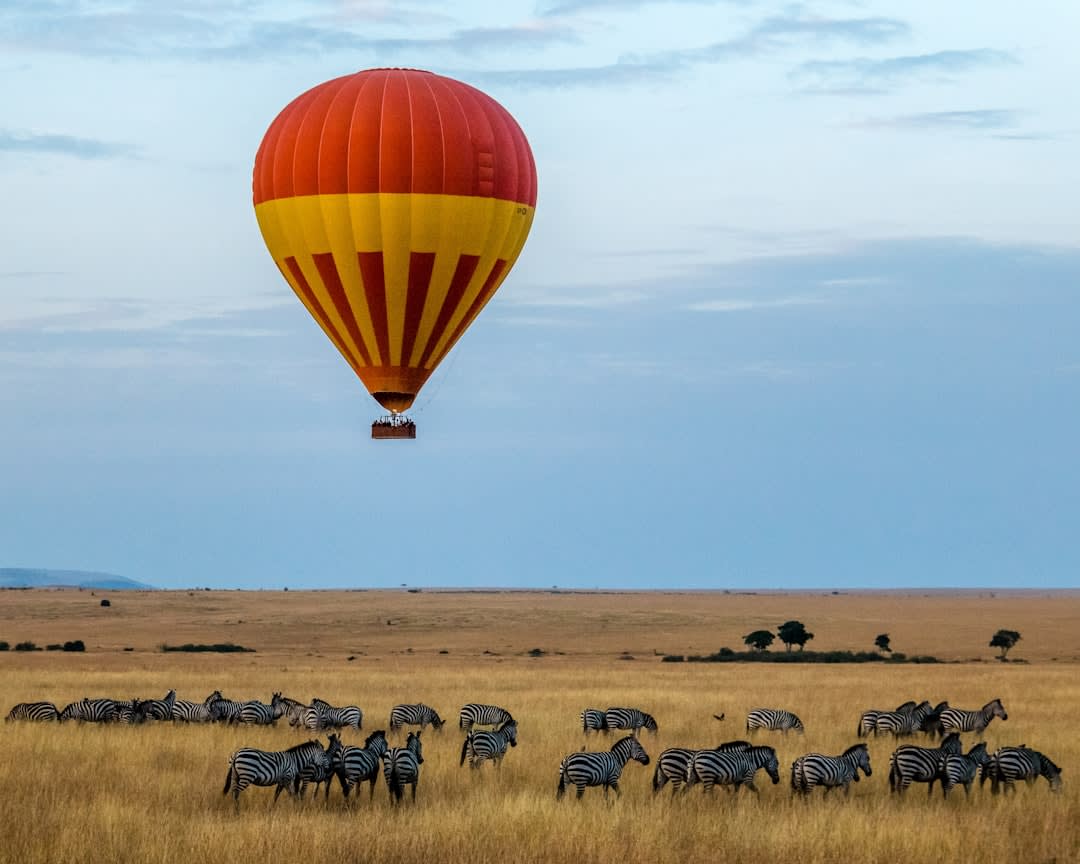
The Great Migration is the world's largest overland animal movement. Between July and October, 1.5 million wildebeest and 250,000 zebras migrate from Tanzania's Serengeti to Kenya's Masai Mara, then return. This migration creates dramatic river crossings where crocodiles and lions hunt.
January through March, the southern Serengeti and Ndutu region host the calving season. Over 400,000 wildebeest calves are born within weeks, creating predator feeding frenzies. This period offers the most intense wildlife action and best predator photography opportunities.
Wildlife photography specialists on SafariFind offer customized itineraries for specific animal encounters and seasonal patterns.
Planning Your Tanzania Safari: Practical Essentials
How Long Should Your Safari Be?
A quality Tanzania safari requires minimum 5 days to experience multiple ecosystems and maximize wildlife viewing. Seven days is ideal for combining northern circuits (Serengeti, Ngorongoro) with additional destinations. Ten days allows flexibility for weather delays and unhurried exploration.
Shorter 3-day safaris exist but compress experiences and reduce animal encounter likelihood. Longer 10–14 day trips combine safari with Zanzibar beaches or multiple circuits, creating comprehensive African experiences.
Calculate your ideal Tanzania safari length and budget breakdown based on your available time and budget.
Visa Requirements and Travel Documentation
US citizens need a valid passport (6+ months validity) and a Tanzania tourist visa. Visas cost $50–$100 and are available on arrival at major airports, though pre-arrival online applications exist. Processing takes 1–3 business days for online applications.
Complete visa requirements and 2026 application procedures for US travelers are detailed in SafariFind's dedicated guide.
Yellow fever vaccination is recommended (sometimes required) for entry. Malaria prophylaxis is essential for most safari regions. Consult your doctor 4–6 weeks before travel for vaccination and medication recommendations.
Packing Essentials for Tanzania Safaris
Pack neutral-colored clothing: khaki, olive, tan, and brown blend into landscapes for better wildlife photography. Avoid bright whites and reds that startle animals. Bring lightweight layers for cool dawn drives and warm afternoons.
Essential items include binoculars, camera equipment, sunscreen (SPF 50+), insect repellent (DEET-based), and a good hat. Comfortable closed-toe hiking boots are critical for bush walks and uneven terrain.
Pack medications for diarrhea, pain relief, and allergy relief. Most lodges have basic medical supplies, but remote camps may not. Bring any prescription medications in original containers with doctor's letters.
Complete packing list essentials for a 10-day safari and step-by-step booking procedures are available in SafariFind's comprehensive guides.
Tanzania Safari vs. Kenya Safari: Key Differences
Tanzania and Kenya both offer world-class safari experiences, but each has distinct advantages. Tanzania safaris cost 15–20% less than equivalent Kenya safaris in 2026. Tanzania's Serengeti feels wilder and less crowded than Kenya's Masai Mara, despite hosting the same Great Migration.
Kenya's advantage is accessibility: more direct flights, more lodge options, and more tour operators create competitive pricing. Kenya's Amboseli offers Mount Kilimanjaro views. Tanzania's advantage is value, fewer tourists, and more remote wilderness experiences.
Tanzania offers longer road distances between parks but more pristine ecosystems. Kenya offers shorter transfers and more developed infrastructure. First-time safari visitors often prefer Kenya for convenience. Experienced travelers favor Tanzania for wilderness and value.
Compare top-rated Tanzania safari operators with US traveler reviews to find the right fit for your preferences.
Booking Your Tanzania Safari: Finding the Right Operator
What to Look For in Tour Operators
Choose operators with strong reviews from recent travelers. Look for operators specializing in your safari type: family safaris, photography safaris, luxury experiences, or budget adventures. Verify they employ experienced guides with wildlife credentials.
Reputable operators include detailed itineraries, transparent pricing (with all fees disclosed), and flexible cancellation policies. They should provide pre-departure communication and answer questions thoroughly before booking.
Avoid operators offering prices significantly below market rates—these often indicate poor quality or hidden costs. Mid-range operators ($400–$700 daily) consistently deliver better value than budget operators struggling to maintain quality.
All-Inclusive vs. Budget Packages
All-inclusive packages cover accommodation, meals, guides, park fees, and internal flights. These simplify budgeting and often save money compared to booking components separately. All-inclusive packages cost $1,500–$5,000 per person for 7 days.
Budget packages cover basic accommodation and guiding but exclude meals, beverages, and activities. You save upfront but pay more overall when adding meals and activities. Budget packages suit experienced travelers comfortable managing details independently.
Compare all-inclusive vs. budget Tanzania safari packages with real cost breakdowns to determine the best option for your travel style.
Finding Affordable Packages with Flights Included
Flights from the US to Tanzania typically cost $800–$1,500 roundtrip. Packages including flights reduce total costs by bundling airfare with ground arrangements. Flights from major hubs (New York, Los Angeles, Atlanta) are cheaper than regional airports.
Find affordable Tanzania safari packages with flights included under $3,000 by browsing SafariFind's curated budget options.
Book 2–3 months ahead for better flight pricing. Shoulder seasons (April–May, November–December) offer cheaper flights than peak season (July–September, December holidays).
Key Takeaways
- Book your Tanzania safari 3–6 months ahead to save 15–20% on peak season rates and secure preferred lodges during July–October dry season.
- Choose mid-range safaris ($400–$700 per person daily) for the best balance of comfort, wildlife viewing, and value in 2026.
- Visit June through October for guaranteed Great Migration crossings and maximum wildlife density, or January through March for 30–40% lower prices and intense predator activity.
- Plan for 5–7 days minimum to experience multiple ecosystems (Serengeti, Ngorongoro, Tarangire) and maximize animal encounters across different habitats.
- Compare verified Tanzania safari packages on SafariFind to read authentic traveler reviews, confirm pricing includes all fees, and find operators specializing in your safari style.
Frequently Asked Questions
How much does a safari in Tanzania typically cost in 2026?
Tanzania safaris range from $250–$400 per person daily for budget camps to $700–$2,500+ daily for luxury lodges in 2026. A typical 7-day mid-range safari costs $2,800–$4,900 per person (land only, excluding international flights). Peak dry season (July–September) costs 20–30% more than shoulder seasons. All-inclusive packages with flights run $3,500–$7,000 per person for 7 days depending on accommodation level.
What is the best time of year for wildlife viewing in the Serengeti?
The dry season (June through October) is best for overall wildlife viewing, especially the Great Migration. July and August offer the famous Mara River crossings. January through March is best for predator activity during calving season, when 400,000 wildebeest calves attract massive predator concentrations. Both periods guarantee excellent sightings; choose based on your wildlife priorities and budget.
How many days should I plan for a Tanzania safari?
A quality Tanzania safari requires 5 days minimum to experience multiple ecosystems and maximize wildlife encounters. Seven days is ideal for combining northern circuits (Serengeti, Ngorongoro, Lake Natron). Ten days allows flexibility for weather and unhurried exploration across multiple regions. Shorter 3-day safaris compress experiences and reduce animal encounter probability.
What is the packing list essentials for a 10-day safari?
Pack neutral-colored clothing (khaki, olive, tan, brown) for wildlife photography and animal comfort. Bring lightweight layers for temperature changes, comfortable closed-toe hiking boots, binoculars, camera equipment, sunscreen (SPF 50+), DEET-based insect repellent, and a wide-brimmed hat. Include medications for diarrhea, pain relief, and allergies in original containers. Bring a headlamp, reusable water bottle, and quick-dry towels for remote lodges.
What are the visa requirements for US citizens traveling to Tanzania?
US citizens need a valid passport (6+ months validity) and a Tanzania tourist visa. Visas cost $50–$100 and are available on arrival or through pre-arrival online applications (1–3 business days processing). Yellow fever vaccination is recommended; malaria prophylaxis is essential. Consult your doctor 4–6 weeks before travel for vaccination and medication recommendations.
How do I book a multi-day safari in Tanzania online?
SafariFind's step-by-step booking guide walks you through selecting operators, comparing packages, requesting quotes, and completing reservations. Browse verified operators with authentic reviews, compare prices and inclusions, request detailed itineraries, confirm all fees are disclosed, and book directly through SafariFind's marketplace. Most operators respond to quote requests within 24 hours.
What are the top-rated luxury lodges on a Tanzania safari?
Top luxury lodges include Four Seasons Safari Lodge (Serengeti), Ngorongoro Crater Lodge, and Singita Grumeti Reserves, ranging $700–$2,500+ per person daily. These properties offer world-class service, gourmet dining, spa facilities, and personalized guiding. Mid-range luxury options like Sopa Lodges and Tarangire Sopa offer excellent value ($400–$700 daily) with high service standards. Browse verified luxury lodge reviews on SafariFind to read authentic traveler experiences and confirm amenities match your expectations.
Conclusion: Plan Your Tanzania Safari Today
Tanzania safaris deliver world-class wildlife experiences at exceptional value in 2026. The Serengeti's Great Migration, Ngorongoro Crater's dramatic landscape, and diverse ecosystems create unforgettable African adventures. Whether you choose budget, mid-range, or luxury accommodations, Tanzania delivers consistent wildlife viewing and authentic experiences.
A quality 7-day Tanzania safari costs $2,800–$4,900 per person (mid-range, land only) when booked 3–6 months ahead. Visit June through October for peak wildlife concentration, or January through March for lower prices and intense predator action. Plan for 5–7 days minimum to experience multiple parks and maximize animal encounters.
Success in Tanzania safari booking depends on choosing the right operator and timing your visit strategically. Verified operators on SafariFind have transparent pricing, authentic reviews, and specialized expertise. Compare multiple packages, read traveler feedback, and request detailed itineraries before committing.
Browse verified Tanzania safari packages on SafariFind to compare prices, durations, lodges, and traveler ratings. Request quotes from top-rated operators, read authentic reviews from previous travelers, and book your perfect safari adventure. Your Tanzania safari awaits—start planning today to secure the best packages and prices for 2026.
Plan Your Safari with SafariFind
These recommendations use real data from SafariFind, where you can compare operators, browse packages, and read verified traveler reviews before you book.
Recommended Safari Operators from SafariFind
Recommended Safari Packages from SafariFind
What Travelers Say (SafariFind Reviews)
References
- Private Tanzania Safari 2026: 9 Best Options & Costs
- How Much Does a Tanzania Safari Cost in 2026? The Honest, Complete Guide
- Tanzania Safari Costs for US Travelers 2026
- Tanzania Safari Cost: How Much Should You Budget?
- Tanzania Safari Cost 2026 - Everything You Need to Know
- Best Time to Visit Kenya and Tanzania for Safari: 2026 Guide
- Luxury Tanzania Safari Tours & Packages | Micato Safaris
- Best Time to Visit Tanzania
Sources
- Private Tanzania Safari 2026: 9 Best Options & Costs
- How Much Does a Tanzania Safari Cost in 2026? The Honest, Complete Guide
- Tanzania Safari Costs for US Travelers 2026
- Tanzania Safari Cost: How Much Should You Budget?
- Tanzania Safari Cost 2026 - Everything You Need to Know
- Best Time to Visit Kenya and Tanzania for Safari: 2026 Guide
- Luxury Tanzania Safari Tours & Packages | Micato Safaris
- Best Time to Visit Tanzania
Related to
Ready to start your safari adventure?
Explore curated safari packages and find your perfect African adventure with verified operators.