Tanzania Safari Online Booking: Step-by-Step Guide for US Travelers
Book a Tanzania safari online in 4-6 weeks for $2,500-$6,000 per person. Step-by-step guide for US travelers: research operators, choose dates, apply for e-visa, and secure your booking.
Book Tanzania Safari Online: US Traveler Guide
Last updated: July 2026
Booking a Tanzania safari online takes 4-6 weeks and costs $2,500-$6,000 per person depending on lodging and season. Start by researching verified tour operators on SafariFind, choose your dates around the Great Migration (July-October), and apply for your e-visa at least 3 weeks before departure. Compare packages, read traveler reviews, and book directly with operators to secure the best rates.
At a Glance
- Cost: $2,500-$6,000 per person (budget to luxury)
- Best time: July-October for Great Migration wildlife viewing
- Duration: 7-10 days recommended for first-time visitors
- Booking timeline: 4-6 weeks in advance
- Visa: US citizens need e-visa ($50-$100) applied 3+ weeks ahead
- Best for: Wildlife photography, family trips, couples' safaris
Understanding Tanzania Safari Online Booking for US Travelers
Tanzania safari online booking is the process of researching, comparing, and reserving verified safari packages through tour operators and platforms like SafariFind. For US travelers, booking online saves time and money compared to calling operators or using travel agents.
The Tanzania safari market has grown significantly since 2024. US citizens now represent about 18% of safari tourists in Tanzania, making it easier to find operators who cater to American travelers with familiar payment methods and customer service. Most reputable operators offer secure online booking portals where you can finalize your itinerary, make deposits, and receive confirmation documents electronically.
Why book online? You get instant access to current pricing, real traveler reviews, detailed itineraries, and comparison tools. You can read feedback from other US visitors, check cancellation policies, and verify operator credentials before spending money. SafariFind connects you with verified tour operators who have been vetted for reliability and quality.
A quick answer for busy travelers: Research 3-5 operators on SafariFind, request quotes for your preferred dates, compare package inclusions, read reviews from past guests, and book with the operator offering the best value for your budget and interests.
Step 1: Research Your Safari Options and Destinations
Your first step is deciding which Tanzania parks and experiences match your interests. Tanzania has three main safari regions: the Serengeti, Ngorongoro Crater, and the southern parks (Ruaha and Selous). Each offers different wildlife, landscapes, and price points.
The Serengeti National Park covers 14,750 square kilometers and is known for the Great Migration, where 1.5 million wildebeest cross the Mara River between July and October. This is peak season for wildlife viewing but also the busiest and most expensive time to book.
The Ngorongoro Crater is a UNESCO World Heritage Site with the highest concentration of large animals per square mile in Africa. It's perfect for a shorter safari (2-3 days) and works well combined with other destinations. The southern parks like Ruaha offer fewer crowds and lower prices, ideal for budget-conscious travelers seeking authentic wilderness experiences.
Consider these questions before booking: Are you interested in the Great Migration spectacle or prefer quieter parks? Do you want a luxury lodge experience or budget-friendly tented camps? Are you traveling with family, as a couple, or for wildlife photography? Your answers shape which operators and packages suit you best.
Start by browsing Tanzania safari options compared to Kenya to understand what makes Tanzania unique. Then explore SafariFind's catalog of verified packages to see current availability and pricing for your target dates.
Step 2: Choose a Reputable Tour Operator
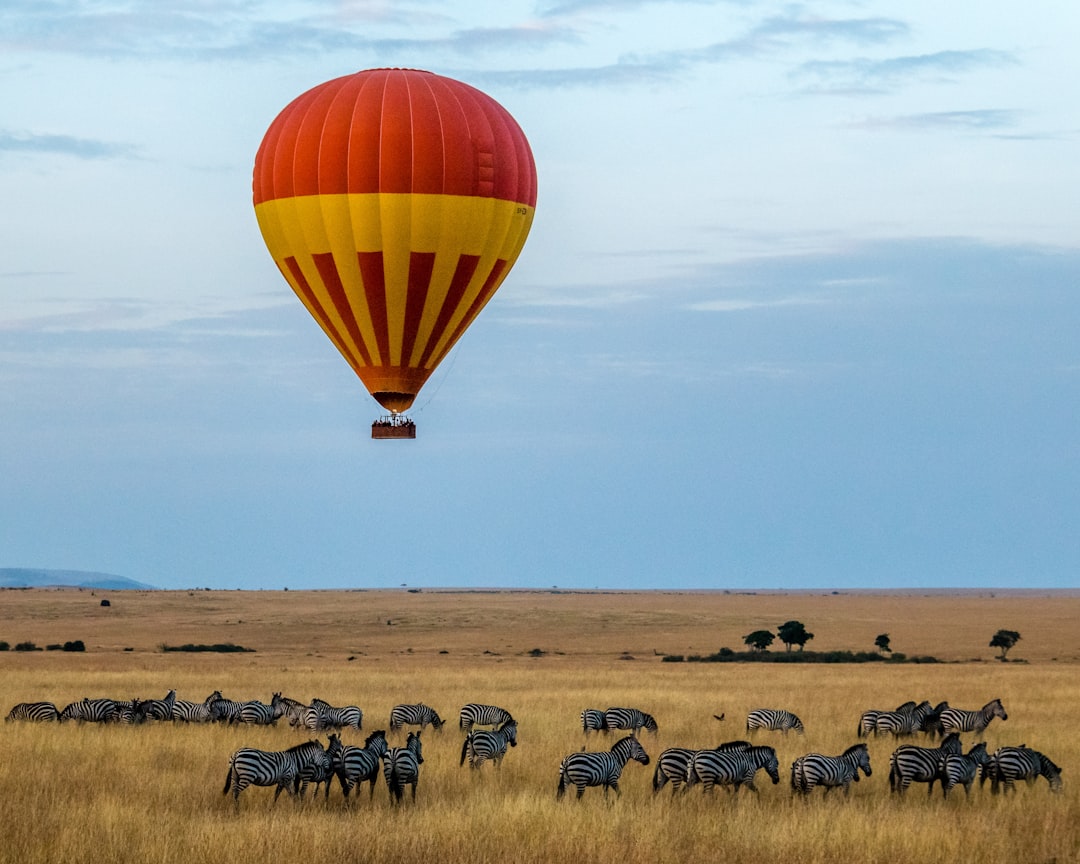
Choosing the right tour operator is critical to your safari experience. A reputable operator handles logistics, manages your safety, and delivers quality wildlife viewing. On SafariFind, you can filter operators by rating, review count, specialization, and price range.
Look for operators with at least 50+ reviews and ratings above 4.5 stars. Read specific reviews from other US travelers to understand how operators handle American customer service expectations, payment processes, and communication. Check whether the operator specializes in your interests—wildlife photography, family trips, honeymoons, or luxury travel all require different expertise.
Verify operator credentials: Do they hold a license from the Tanzania Tourist Board? Are they members of professional associations like ATTA (Adventure Travel Trade Association)? Can they provide references from past clients? Legitimate operators answer these questions transparently.
Compare what each operator includes in their packages. Some bundle flights from US cities, others require you to arrange your own international flights. Some include all meals and accommodations, while others charge separately for activities or upgrades. Transparency about pricing is a sign of a trustworthy operator.
SafariFind shows you operator profiles, customer reviews, and package details in one place. You can request quotes from multiple operators simultaneously and compare their responses side-by-side. This saves hours of research and helps you make an informed decision based on real traveler feedback.
Step 3: Plan Your Travel Dates and Safari Season
Your travel dates determine wildlife availability, prices, and crowd levels. Tanzania has two main seasons: the dry season (June-October) and the rainy season (November-May). Choosing the right season affects your safari quality and budget significantly.
The dry season (June-October) offers the best wildlife viewing because animals gather around remaining water sources. During this period, the Great Migration in the Serengeti is at its peak, particularly July-October. Expect higher prices, more tourists, and the best chances of seeing large herds and predator interactions. This season is ideal for first-time visitors and wildlife photographers.
The rainy season (November-May) brings lush green landscapes and fewer tourists. Wildlife is more dispersed, making sightings less predictable, but you'll encounter fewer safari vehicles and enjoy more solitude. Prices drop 20-30% during this period. However, some lodges close, and road conditions can be challenging. This season suits experienced safari-goers and budget travelers.
Consider the Great Migration 2026 timing for the best Serengeti wildlife viewing. In 2026, the migration peaks in July-September. If seeing the migration is your priority, book June-October dates. If you prefer lower costs and smaller crowds, plan for January-May or November-December.
Factor in school holidays, work schedules, and visa processing time when choosing dates. US citizens should apply for Tanzanian visas 3-4 weeks before departure, so plan accordingly. Most operators recommend booking 6-8 weeks in advance for peak season (June-October) and 4-6 weeks for shoulder seasons.
Step 4: Finalize Your Itinerary and Package Details
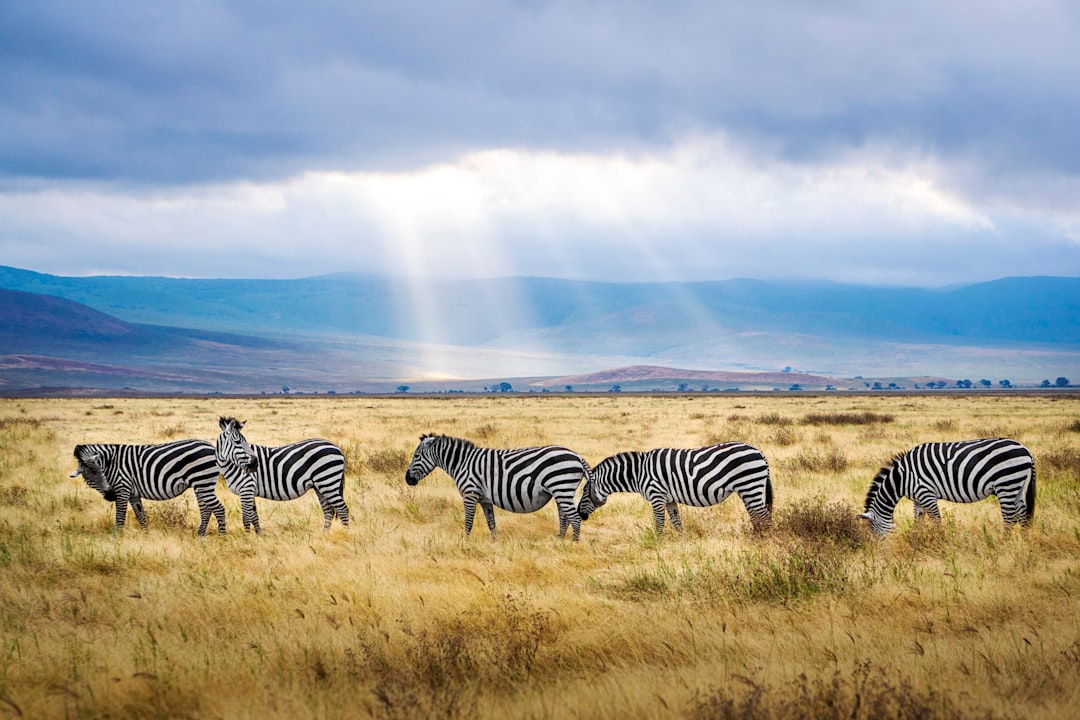
Once you've chosen an operator, work with them to customize your itinerary. A typical 7-day Tanzania safari includes 4-5 days in national parks plus travel days. Your itinerary should specify which parks you'll visit, how many nights in each location, accommodation types, and daily activities.
Request detailed information about accommodations. Will you stay in luxury lodges, mid-range tented camps, or budget safari camps? Luxury lodges offer 4-5 star amenities, gourmet meals, and premium service (expect $400-$800+ per night). Mid-range camps provide comfortable beds, decent meals, and good guides ($150-$300 per night). Budget options are clean and functional but basic ($50-$150 per night).
Clarify what's included in the package price. Most all-inclusive packages cover park fees, accommodations, meals, game drives, and transportation between locations. Some exclude international flights, travel insurance, tips, alcohol, and personal activities. Ask specifically about these items to avoid surprise costs.
Confirm internal flight details if your itinerary includes flights between safari locations. Tanzania has several airstrips in remote parks. Ask about baggage allowances (usually 15kg on small aircraft), flight schedules, and whether flights are included or charged separately. Double-check arrival times to ensure smooth connections.
Request a written itinerary with dates, times, accommodation addresses, guide names (if assigned), and emergency contact numbers. This document becomes your reference throughout your trip. Reputable operators provide comprehensive pre-trip information packets covering what to pack, safety guidelines, and cultural tips.
Step 5: Handle Visa Requirements and Travel Documents
US citizens need a visa to enter Tanzania. The easiest method for Americans is applying for an e-visa online at least 3 weeks before departure. The e-visa process takes 5-10 business days and costs $50-$100.
Visit the official Tanzania Immigration website to apply for your e-visa. You'll need your passport (valid for 6+ months), a recent photo, and your travel details. The application is straightforward and you'll receive your e-visa via email as a PDF document. Print it and carry it with your passport.
Some travelers choose visa-on-arrival, which is possible but slower and riskier. You can technically get a visa at the airport, but lines are long and you might face delays. For a smooth experience, apply for the e-visa before you travel.
Check your passport expiration date now. Your passport must be valid for at least 6 months beyond your return date. If your passport expires soon, renew it before applying for a visa. Passport renewal takes 4-6 weeks, so don't delay.
Ensure your passport has blank pages for stamps. Tanzania requires at least one blank page for entry and exit stamps. If your passport is nearly full, renew it before your trip.
Learn about Tanzania visa and vaccination requirements for US citizens in 2026 to stay current on any changes. Keep copies of your visa approval, passport, and travel insurance documentation in both digital and physical formats.
Step 6: Arrange Vaccinations and Health Preparations
Tanzania requires certain vaccinations for entry. While no single vaccine is officially mandatory, several are strongly recommended. Visit your doctor or a travel health clinic 4-6 weeks before departure to discuss your specific health needs.
The CDC recommends vaccinations for Yellow Fever, Hepatitis A, Hepatitis B, Typhoid, and Polio for Tanzania travelers. Malaria prophylaxis is essential. You'll take malaria pills starting 1-2 weeks before arrival and continuing for 4 weeks after returning home. Different medications suit different travelers, so discuss options with your doctor.
Get your Yellow Fever vaccination at least 10 days before departure. Some countries require proof of Yellow Fever vaccination if you're traveling from Tanzania to other African nations, so it's practical to get vaccinated before leaving the US.
Consider travel insurance that covers medical evacuation. Remote safari locations are far from advanced medical facilities. Travel insurance costing $100-$300 can cover emergency evacuation by helicopter, which costs $5,000-$10,000 out of pocket. This is essential peace of mind for safari travel.
Consult the recommended vaccinations for a Tanzania trip 2026 checklist for a complete list of medical preparations. Start health planning at least 6 weeks before your departure date.
Step 7: Make Payment and Secure Your Booking
Most operators require a deposit (typically 25-50% of the total cost) to secure your booking. The remaining balance is usually due 4-8 weeks before departure. Ask about payment methods—most accept credit cards, bank transfers, and checks.
Understand the cancellation policy before paying. Good operators offer flexible cancellation up to 30-60 days before departure with full refunds. Cancellations closer to the travel date may forfeit the deposit or incur penalties. Read the fine print carefully.
Currency considerations affect your budget. Safari prices are typically quoted in US dollars, but some operators accept Tanzanian shillings, euros, or other currencies. Exchange rates fluctuate, so confirm the exact USD amount you'll pay. Ask whether prices are fixed or subject to currency adjustment.
Use credit cards with fraud protection when paying online. Reputable operators use secure payment gateways (look for HTTPS and lock icons). Never wire money to personal accounts or use unsecured payment methods. SafariFind's verified operators use legitimate payment systems.
Request a booking confirmation with all details: dates, accommodation names, included services, total cost, payment schedule, and cancellation policy. Keep this document safe. It's your contract with the operator and proof of your reservation.
Step 8: Prepare for Departure and Final Logistics
With your booking confirmed and visas arranged, focus on final preparations. Review your itinerary one more time. Confirm your international flight details, arrival time in Tanzania, and transportation to your first lodge. Alert your operator immediately of any flight changes.
Pack appropriately for Tanzania's climate. The country is warm year-round, but temperatures vary by elevation and season. Pack light, breathable clothing in neutral colors (khaki, tan, olive) to blend with nature and reduce insect attraction. Bring a warm layer for early morning game drives when temperatures drop.
Essential packing items include: sturdy hiking boots, binoculars, sun protection (sunscreen, hat, sunglasses), insect repellent with DEET, a camera with extra batteries, and any personal medications. Leave room in your luggage for souvenirs and purchases at lodges.
Arrange travel insurance before you depart. Coverage should include trip cancellation, medical emergencies, evacuation, and baggage loss. Medical tourism insurance specifically for African safari travel is available and recommended.
Notify your bank and credit card companies of your travel dates to prevent fraud blocks. Download offline maps of Tanzania on your phone. Share your itinerary with family or friends at home. These steps ensure smooth travel and peace of mind.
Browse verified Tanzania safari packages on SafariFind one final time to confirm you've chosen the right operator. Read the most recent reviews from travelers who've completed their safaris in 2026 to ensure standards remain high.
Understanding Tanzania Safari Pricing and Value
Tanzania safari pricing ranges from $2,500 to $6,000+ per person for a 7-day trip, depending on season, accommodation level, and inclusions. Budget safaris cost $2,500-$3,500 per person and include basic accommodations and meals. Mid-range packages run $3,500-$4,500 with comfortable lodges and quality guides. Luxury safaris exceed $5,000 with premium lodges and exclusive experiences.
Peak season (July-October) costs 30-50% more than low season (November-May). A 7-day Serengeti safari in July costs $5,000-$6,000 per person, while the same trip in February costs $3,000-$4,000. Book during shoulder seasons (June or November) for better prices with good wildlife viewing.
What affects pricing? Park fees ($40-$60 per day), accommodation quality, guide expertise, vehicle type, and meal inclusions all factor in. All-inclusive packages offer better value than booking components separately. Operators can customize pricing based on your preferences.
Learn more about Tanzania safari cost breakdown for budget, mid-range, and luxury options in 2026 to understand where your money goes. Compare packages across operators on SafariFind to find the best value for your budget.
Combining Tanzania with Zanzibar: Extended Package Options
Many US travelers combine their Tanzania safari with a beach vacation in Zanzibar. This creates a perfect balance of adventure and relaxation. A typical combination is 5-7 days on safari followed by 2-3 days on Zanzibar's beaches.
Zanzibar is a historic island known for pristine beaches, snorkeling, and Stone Town's cultural sites. Flight time from the Serengeti to Zanzibar is about 1.5 hours. Most operators can arrange this combination easily.
Package pricing for 10-day safaris with Zanzibar extensions typically ranges from $3,500-$5,500 per person, depending on accommodation levels. This combination works especially well for couples and families wanting both wildlife and beach time.
Explore Tanzania safari and Zanzibar 7-day all-inclusive packages under $3,500 for budget-friendly combination options. SafariFind lists many operators specializing in these combined itineraries.
Wildlife Photography Safaris: Specialized Booking Considerations
If wildlife photography is your passion, choose operators specializing in photography safaris. These tours offer extended game drives, positioning for optimal lighting, and guides trained to locate specific animals for photos.
Photography-focused operators typically use open-sided safari vehicles with no roof, allowing unobstructed camera angles. They schedule game drives during golden hour (sunrise and sunset) when lighting is best. Guides understand animal behavior and positioning for dramatic shots.
Photography safaris cost 10-20% more than standard tours but deliver superior results. Expect to spend $4,000-$7,000 for a 7-day photography safari versus $3,000-$5,000 for standard tours.
When booking a photography safari, ask about guide experience with photographers, vehicle setup, photography workshops, and post-processing critiques. Some operators offer these value-added services.
Discover Tanzania safari companies specializing in wildlife photography in 2026 on SafariFind. Read reviews from photographers to see which operators consistently deliver excellent images and learning opportunities.
All-Inclusive Safari Packages: What's Really Included?
All-inclusive packages simplify budgeting by bundling most costs into one price. However, "all-inclusive" definitions vary between operators. Always confirm exactly what's included before booking.
Typically included: accommodations, most meals, non-alcoholic beverages, park entrance fees, game drives, professional guides, transportation between lodges, and internal flights. Sometimes included: international flights, travel insurance, and airport transfers.
Often NOT included: alcoholic beverages, tips for guides and staff (10-15% is customary), personal activities (spa, premium experiences), travel insurance, and visa fees. Ask your operator for a detailed list of inclusions and exclusions.
Learn what truly goes into Tanzania safari all-inclusive packages and what $4,500 really includes in 2026. This helps you compare packages accurately and avoid surprise costs during your trip.
Key Takeaways
- Start your research 8-10 weeks before departure to secure better prices and accommodation choices. Peak season (July-October) books quickly, so early planning saves money and stress.
- Apply for your Tanzanian e-visa at least 3 weeks in advance through the official immigration website. The $50-$100 fee and 5-10 day processing time are manageable if you plan ahead.
- Compare 3-5 verified operators on SafariFind by reading authentic traveler reviews, checking ratings, and requesting quotes. Real reviews from other US travelers reveal operator quality and reliability.
- Book during shoulder seasons (June or November) to save 20-30% on peak-season prices while maintaining good wildlife viewing. This timing offers excellent value without sacrificing the safari experience.
- Arrange travel insurance, vaccinations, and malaria prophylaxis 4-6 weeks before departure to protect your health and investment. Medical emergencies in remote areas require evacuation that costs thousands without proper insurance.
Frequently Asked Questions
How much does a safari in Tanzania typically cost?
A 7-day Tanzania safari costs $2,500-$6,000 per person depending on season and accommodation level. Budget safaris run $2,500-$3,500, mid-range packages $3,500-$4,500, and luxury safaris exceed $5,000. Peak season (July-October) costs 30-50% more than low season (November-May). All-inclusive packages offer better value than booking components separately.
What is the best time of year for wildlife viewing in the Serengeti?
July-October is the best time for Serengeti wildlife viewing, when the Great Migration brings 1.5 million wildebeest across the Mara River. During this period, animals concentrate around remaining water sources, making sightings more frequent. June-October offers excellent viewing overall, though July-September is peak season with higher prices and more tourists.
Do US citizens need a visa for Tanzania?
Yes, US citizens need a visa to enter Tanzania. The easiest method is applying for an e-visa online through the official Tanzania Immigration website. The e-visa costs $50-$100 and takes 5-10 business days to process. Apply at least 3 weeks before departure. Visa-on-arrival is possible but slower and less reliable.
How far in advance should I book a Tanzania safari?
Book Tanzania safaris 6-8 weeks in advance for peak season (June-October) and 4-6 weeks for shoulder seasons. Early booking secures better accommodation choices and sometimes lower prices. Last-minute bookings are possible but offer limited options and higher costs. SafariFind shows current availability, helping you book at optimal timing.
What vaccinations do I need for a Tanzania safari?
The CDC recommends vaccinations for Yellow Fever, Hepatitis A, Hepatitis B, Typhoid, and Polio for Tanzania travelers. Malaria prophylaxis (pills) is essential and taken for 1-2 weeks before arrival through 4 weeks after returning home. Visit a travel health clinic 4-6 weeks before departure to discuss your specific needs and get required vaccinations.
Can I combine a Tanzania safari with a Zanzibar beach vacation?
Yes, many operators offer combination packages with 5-7 days on safari followed by 2-3 days in Zanzibar. A 10-day safari-Zanzibar combination typically costs $3,500-$5,500 per person. This creates a perfect balance of wildlife adventure and beach relaxation. SafariFind lists many operators specializing in these popular combination itineraries for easy comparison.
Where can I find verified Tanzania safari operators and read authentic reviews?
SafariFind connects travelers with verified safari operators and displays authentic reviews from past guests. Browse operators by destination, price range, and specialization. Compare packages, read detailed reviews from other US travelers, and request quotes directly from operators. SafariFind's verified badge indicates operators who meet quality standards and have positive track records.
Conclusion: Your Next Steps to Book a Tanzania Safari
Booking a Tanzania safari online is straightforward when you follow these eight steps. Start by researching verified operators on SafariFind, choose your preferred dates and parks, finalize your itinerary, handle visas and health requirements, and secure your booking with confidence. Tanzania offers unforgettable wildlife experiences at reasonable prices compared to other African safari destinations.
The best time to start your booking is now. July 2026 shows strong availability for peak season (July-October) safaris, though prices are higher. If you prefer lower costs, book for shoulder seasons in June or November. Either way, beginning your research today ensures you secure the best packages and accommodations.
A practical next step: Visit SafariFind and browse 7-10 day Tanzania safari packages in your preferred price range. Read reviews from verified travelers who've completed safaris in 2026. Request quotes from 3-4 operators and compare their responses. Within a week, you'll have enough information to make a confident booking decision.
Consider combining your safari with a Zanzibar beach extension for a balanced adventure. Many all-inclusive packages offer exceptional value when you book safari and beach components together. SafariFind's comparison tools help you evaluate combination options side-by-side.
Compare verified Tanzania safari packages on SafariFind today. Read authentic reviews from US travelers who've recently completed their safaris. Request quotes from trusted operators and start planning your African adventure. Your dream Tanzania safari is just a few clicks away, and booking in 2026 ensures you experience this remarkable destination while supporting local communities and wildlife conservation.
Plan Your Safari with SafariFind
These recommendations use real data from SafariFind, where you can compare operators, browse packages, and read verified traveler reviews before you book.
Recommended Safari Operators from SafariFind
Recommended Safari Packages from SafariFind
What Travelers Say (SafariFind Reviews)
References
- Book Tanzania Safari Online: Step-by-Step 2026 | SafariFind
- How to Book a Safari in Tanzania from USA | Nihapa Tours
- How to Book a Tanzania Safari in 5 Easy Steps | Vencha Travel
- How to Book a Safari in Tanzania: Ultimate Step-by-Step Guide 2026 | Epic Horizons Adventures
- Beat the Safari Booking Overwhelm: Step-by-Step Guide | Pristine Trails
- How to Book a Safari in Tanzania: Detailed Guide | East African Safari
- How to Book a Safari in Tanzania | Climbing Kilimanjaro
Sources
- Book Tanzania Safari Online: Step-by-Step 2026 | SafariFind
- How to Book a Safari in Tanzania from USA | Nihapa Tours
- How to Book a Tanzania Safari in 5 Easy Steps | Vencha Travel
- How to Book a Safari in Tanzania: Ultimate Step-by-Step Guide 2026 | Epic Horizons Adventures
- Beat the Safari Booking Overwhelm: Step-by-Step Guide | Pristine Trails
- How to Book a Safari in Tanzania: Detailed Guide | East African Safari
- How to Book a Safari in Tanzania | Climbing Kilimanjaro
Related to
Ready to start your safari adventure?
Explore curated safari packages and find your perfect African adventure with verified operators.