Tanzania Safari vs Kenya: Wildlife, Cost & Which Operator to Book 2026
Compare Tanzania and Kenya safaris: wildlife, costs ($400-$850/day), best operators, visa requirements, and which destination fits your 2026 budget.

Tanzania vs Kenya Safari: Wildlife & Cost 2026
Last updated: July 2026
Tanzania and Kenya both offer world-class safaris with different benefits. Tanzania costs $500-$850 per day but offers remote experiences in the Serengeti and Ngorongoro Crater. Kenya costs $400-$700 per day with easier access to the Masai Mara. Book through verified operators on SafariFind to compare packages, read authentic reviews, and find the best fit for your budget and travel style.
At a Glance
- Tanzania Safari Cost: $500-$850 per person per day in 2026
- Kenya Safari Cost: $400-$700 per person per day in 2026
- Best Time to Visit: July-October for both destinations (Great Migration season)
- Duration: 7-10 days recommended for either country
- Best For: Tanzania (remote wilderness); Kenya (budget-friendly, easier access)
- Top Wildlife: Big Five, Great Migration, Ngorongoro Crater (Tanzania); Masai Mara, Amboseli (Kenya)
Introduction: Tanzania vs Kenya Safari Comparison
Choosing between a Tanzania safari and a Kenya safari is one of the most important decisions for African wildlife enthusiasts. Both destinations offer incredible wildlife viewing, diverse landscapes, and authentic safari experiences, but they differ in cost, accessibility, and the type of adventure you'll have. Tanzania safari options range from budget-friendly packages to luxury lodges, while Kenya safaris generally offer better value for money and shorter travel distances for visitors from the US and UK.
Tanzania and Kenya each deliver unforgettable encounters with the Big Five and the world-famous Great Migration. The choice depends on your budget, travel timeline, and what kind of experience you want. Tanzania offers more remote, exclusive experiences in the Serengeti and Ngorongoro Crater. Kenya provides easier logistics, shorter park transfers, and more affordable mid-range packages. Both countries welcome US and international visitors year-round, though the best time for wildlife viewing is July through October.
This guide compares everything you need to know: wildlife highlights, costs, best operators, visa requirements, and vaccinations. You'll learn which destination suits your travel style and budget, plus how to book your perfect safari in 2026.
Wildlife: Big Five, Great Migration & Unique Ecosystems
Tanzania's Serengeti and Ngorongoro Crater
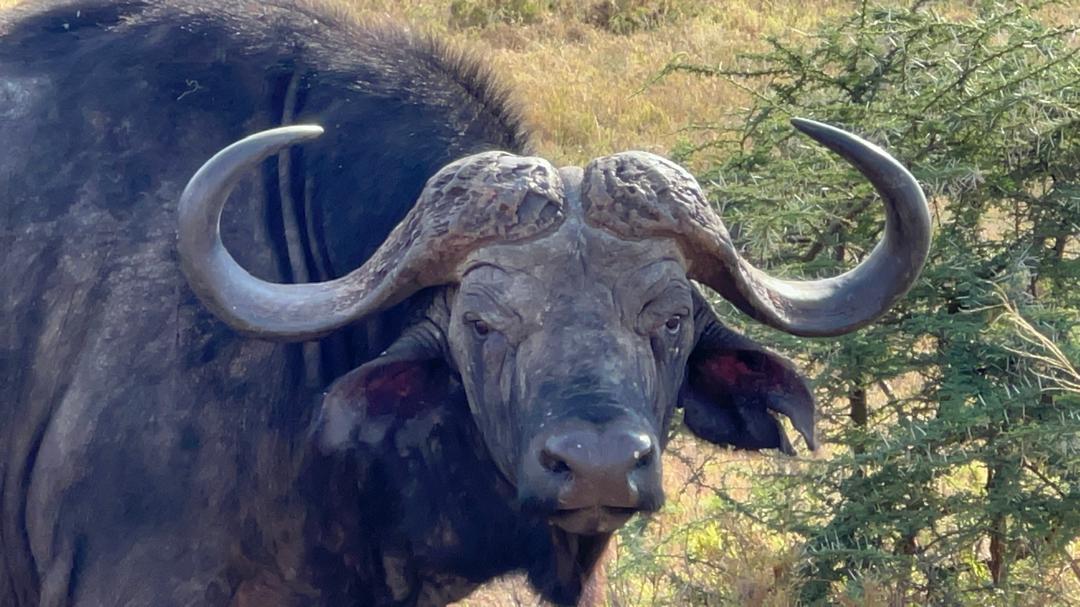
The Serengeti National Park in Tanzania is home to over 1.5 million wildebeest that migrate across its plains each year. Between July and October, you'll witness the Great Migration as herds cross the Mara River, creating one of nature's most dramatic spectacles. The Serengeti harbors all of the Big Five: lions, leopards, African elephants, Cape buffalo, and African rhinoceros.
The Ngorongoro Crater is Tanzania's geological marvel and a UNESCO World Heritage Site. This massive volcanic caldera contains a self-contained ecosystem with over 25,000 large mammals. You'll see lions, zebras, wildebeest, hyenas, and endangered black rhinoceros within the crater's walls. The crater's unique landscape creates concentrated wildlife viewing opportunities unlike anywhere else in Africa.
Tanzania's remote locations mean fewer tourists and more exclusive wildlife encounters. The Serengeti and Ngorongoro Crater offer pristine wilderness experiences with smaller group sizes. You can arrange optional hot air balloon safaris for breathtaking aerial views of migrating herds. Cultural visits to Maasai communities in the Loita Hills let you combine wildlife viewing with authentic cultural experiences.
Kenya's Masai Mara and Diverse Habitats
Kenya's Masai Mara National Reserve rivals the Serengeti for wildlife diversity and the Great Migration. Between July and October, hundreds of thousands of wildebeest, zebras, and gazelles flood into the Mara from Tanzania's Serengeti. The Mara River crossings are equally dramatic, with crocodiles waiting below as herds plunge into the water.
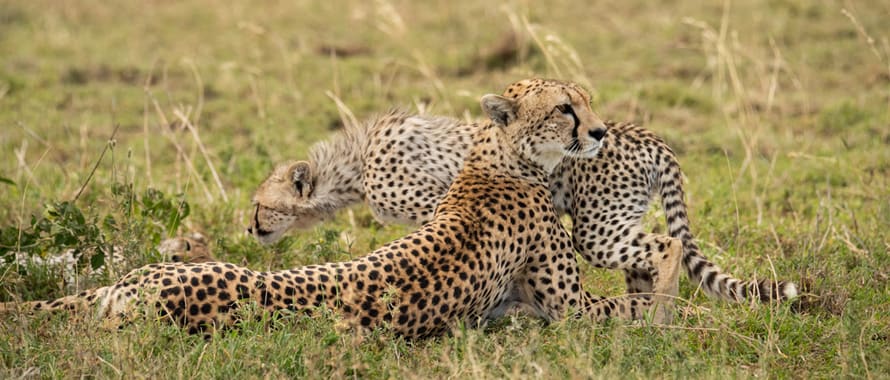
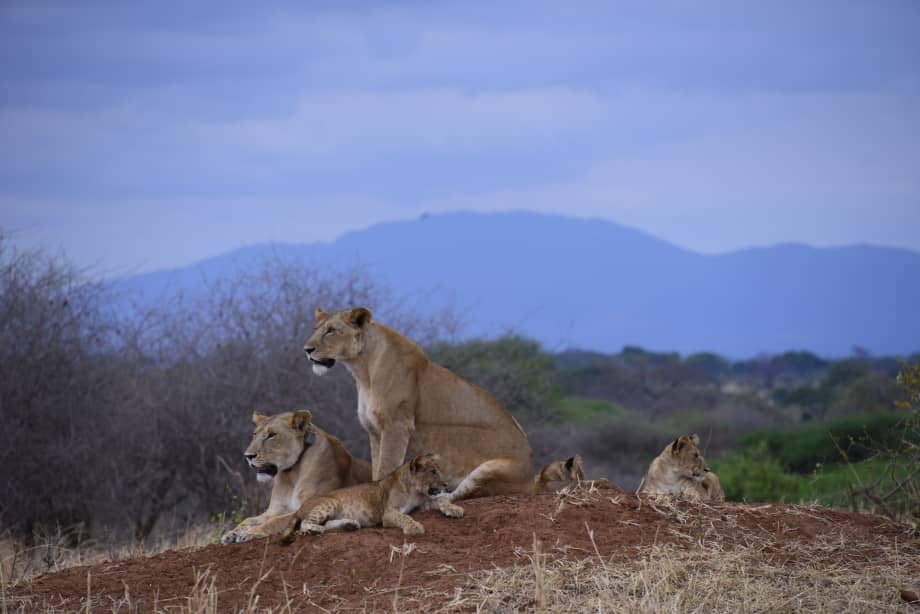
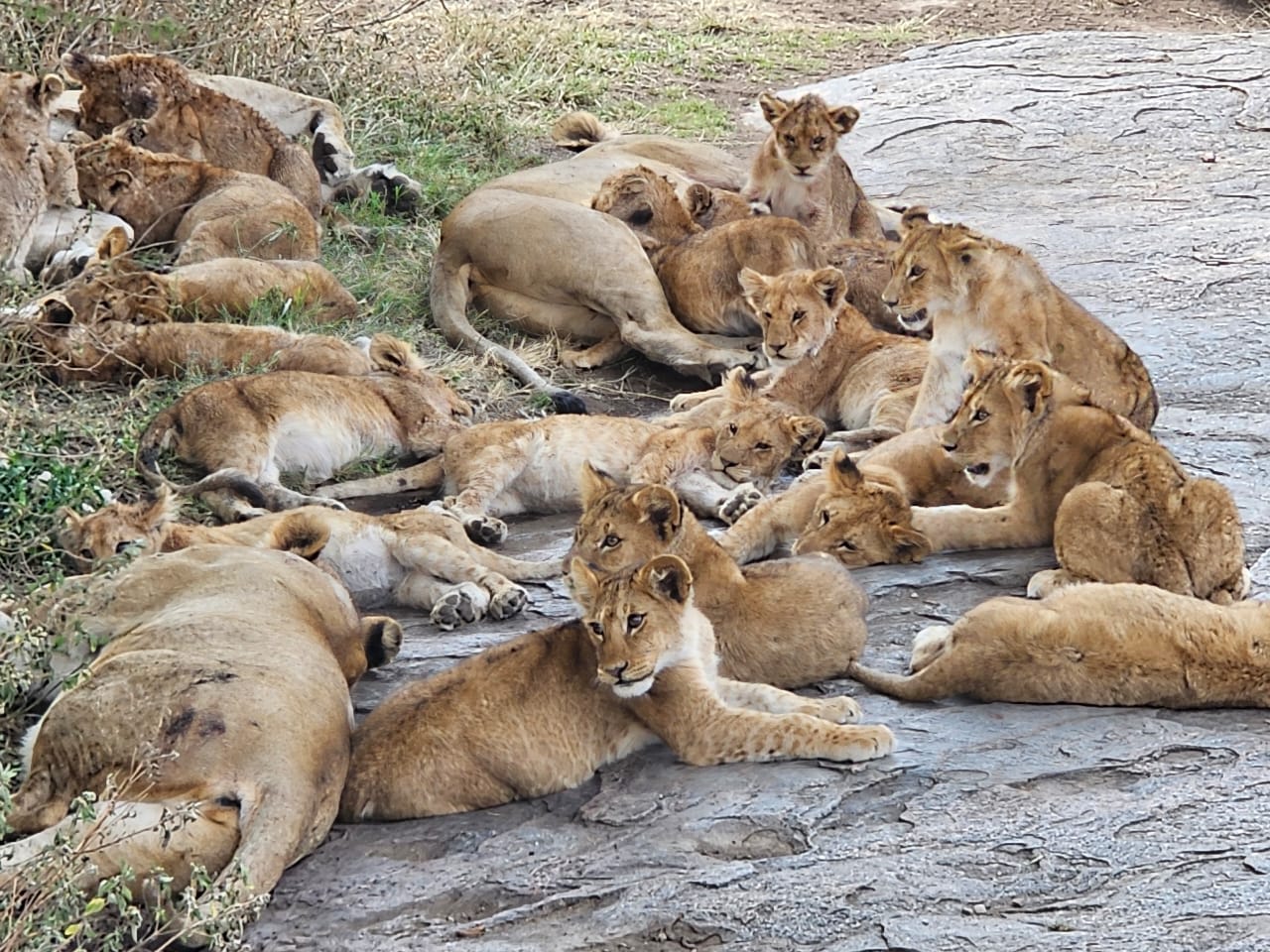
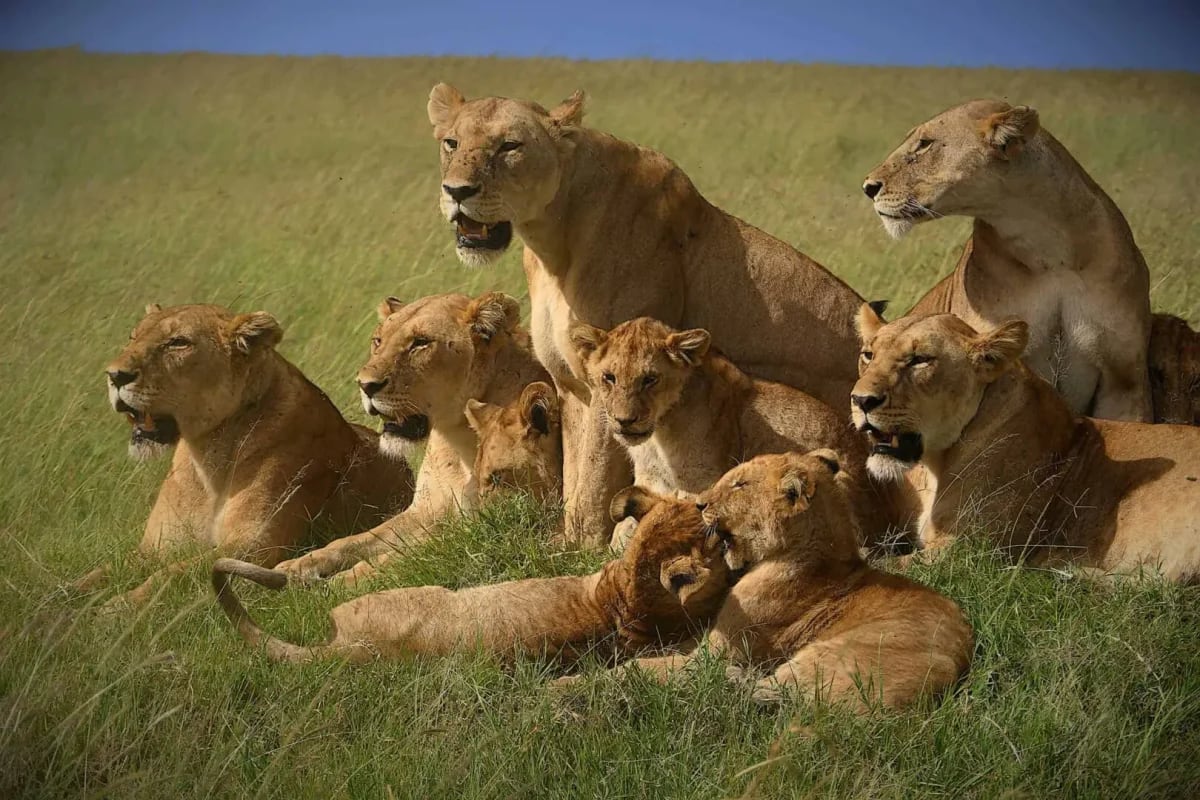
The Masai Mara hosts all Big Five species in easily accessible game drive areas. Lions are particularly abundant here, with numerous prides active across the reserve. Cheetahs hunt impala in the open grasslands during dawn and dusk. Leopards rest in acacia trees, and elephants migrate through seasonal water sources. The reserve's varied terrain—grasslands, riverine forests, and rocky outcrops—supports diverse wildlife communities.
Kenya offers additional safari destinations beyond the Masai Mara. Amboseli National Park features elephants against Mount Kilimanjaro's backdrop. Tsavo East and Tsavo West parks offer vast wilderness areas with less crowding. The Great Rift Valley contains multiple small reserves with unique bird species and geological features. This variety makes Kenya ideal for combining multiple ecosystems in one trip.
Learn more about the best wildlife viewing season by reading our guide on Great Migration 2026: Best Time to See Serengeti Wildlife in Tanzania.
Cost Comparison: Which Safari Fits Your Budget?
Kenya Safari Pricing: The More Affordable Option
Kenya safaris are generally more affordable than Tanzania's due to higher tourism volume and greater competition among tour operators. Mid-range Kenya safari packages cost $400-$700 per person per day in 2026, making them ideal for budget-conscious travelers. Budget options start around $300 per day, while luxury all-inclusive packages exceed $1,000 daily.
Park fees in Kenya average 15-20% of your total safari cost. The government sets these fees at around $80 per adult per day for the Masai Mara. Accommodation costs vary widely: budget camps cost $50-$150 per night, mid-range lodges run $200-$500 nightly, and luxury properties exceed $800. Vehicle hire and guide fees add $100-$250 daily depending on group size.
A typical 7-day Kenya safari costs between $2,800 and $4,900 per person when booked through verified operators. This includes park fees, accommodation, meals, and game drives but excludes international flights. Kenya's shorter internal transfers mean lower fuel costs and less time spent traveling between parks.
Tanzania Safari Pricing: Higher Costs, Exclusive Experiences
Tanzania safaris cost more than Kenya's, ranging from $500-$850 per person per day in 2026. The Serengeti and Ngorongoro Crater command premium prices due to their remoteness and exclusivity. Budget Tanzania packages start around $400 daily, while luxury options exceed $1,200.
Tanzania's park fees are higher than Kenya's. The Serengeti charges approximately $70 per adult per day, while Ngorongoro Crater adds $80 daily. Accommodation in Tanzania ranges from basic safari camps ($80-$200 per night) to mid-range lodges ($300-$600) to luxury properties ($1,000+). Remote locations increase transportation and logistics costs.
A 7-day Tanzania safari typically costs $3,500-$5,950 per person, again excluding flights. The higher price reflects Tanzania's remote locations, smaller tourist numbers, and exclusive wildlife experiences. However, you get fewer crowds and more intimate safari moments.
Combined Kenya & Tanzania Safari Costs
Many first-time safari travelers combine both countries in one trip. A combined 10-day Kenya and Tanzania safari typically runs $350-$1,000 or more per person per day, depending on accommodation choices and park selections. This allows you to experience both the Masai Mara and Serengeti Great Migration in one journey.
| Safari Type | Daily Cost (2026) | 7-Day Total | Best For |
|---|---|---|---|
| Kenya Budget | $300-$400 | $2,100-$2,800 | First-time travelers, tight budgets |
| Kenya Mid-Range | $400-$700 | $2,800-$4,900 | Most travelers, good value |
| Kenya Luxury | $800-$1,200 | $5,600-$8,400 | Premium experiences, all-inclusive |
| Tanzania Budget | $400-$500 | $2,800-$3,500 | Adventure seekers, remote areas |
| Tanzania Mid-Range | $500-$850 | $3,500-$5,950 | Wildlife enthusiasts, exclusivity |
| Tanzania Luxury | $900-$1,500 | $6,300-$10,500 | Ultra-luxury, private camps |
Discover detailed pricing breakdowns in our article on Tanzania Safari Cost Breakdown: Budget, Mid-Range & Luxury 2026. You can also explore How Much Does a Tanzania Safari Cost? Budget Breakdown by Package Type for more detailed information.
Ready to compare actual operator prices? Browse verified safari packages on SafariFind to see real 2026 pricing from trusted tour operators with authentic traveler reviews.
Best Time to Visit: Seasonal Wildlife Patterns
The Great Migration Season (July-October)
Both Tanzania and Kenya experience their peak wildlife season from July through October. This is when the Great Migration dominates both the Serengeti and Masai Mara. Massive herds of wildebeest and zebras move north from Tanzania into Kenya, creating unprecedented wildlife viewing opportunities. River crossings are dramatic and dangerous as crocodiles wait below.
July to October offers the best wildlife concentration and photography opportunities. Dry conditions mean animals gather near water sources, making them easier to spot. Temperatures are mild, ranging from 50-75°F in the mornings to 70-85°F during the day. However, this season also brings peak tourism crowds and higher prices.
Shoulder Seasons: April-June and November-December
April through June is the rainy season in both countries, but wildlife viewing remains excellent. Animals are more dispersed due to water availability, but you'll see more vegetation and birdlife. Lodges offer significant discounts during this period. June marks the start of the dry season in the Serengeti as herds begin migrating north.
November and December bring the short rains to Tanzania and Kenya. Wildlife still concentrates in accessible areas, and you'll encounter fewer tourists. Prices drop 20-30% compared to peak season. December combines shoulder-season pricing with improving weather as the dry season approaches.
Dry Season: January-March
January through March is the warmest, driest period in both countries. Temperatures reach 85-95°F during the day. Wildlife viewing is excellent as animals concentrate around remaining water sources. The Serengeti's southern plains explode with wildebeest calves in January and February. This is an ideal time for wildlife photography with clear skies and good visibility.
Tourism numbers drop after the peak season, so you'll enjoy smaller group sizes and more competitive pricing. However, some lodges close in April-May for maintenance. Plan ahead if you're considering travel during the rainy season.
Visa, Vaccinations & Health Requirements for US Citizens
Visa Requirements for Tanzania and Kenya
US citizens need a valid passport with at least six months remaining validity to enter both Tanzania and Kenya. Tanzania requires a visa, which you can obtain on arrival at the airport for $50 USD or apply online in advance. The online visa (eVisa) costs $50 and takes 2-3 business days to process. Kenya also requires a visa. US citizens can obtain an eVisa online for $51 USD, which typically processes within 24 hours.
Both countries offer tourist visas valid for 90 days. Processing is straightforward through official government websites. We recommend applying online before your trip to avoid airport queues. Keep your passport and visa documents easily accessible throughout your safari.
Recommended Vaccinations for Tanzania and Kenya
The CDC recommends several vaccinations before traveling to Tanzania and Kenya. Yellow fever vaccination is strongly recommended, especially if you'll visit rural areas or combine your safari with other African destinations. Malaria prophylaxis is essential for both countries. Consult your doctor 4-6 weeks before departure to discuss your specific itinerary and health history.
Standard vaccinations (measles, mumps, rubella, tetanus) should be current. Typhoid, hepatitis A and B, and Japanese encephalitis vaccinations are also recommended depending on your activities. Detailed guidance is available in our comprehensive article on Recommended Vaccinations for a Tanzania Trip: 2026 Checklist.
See our full guide to Tanzania Safari Visa & Vaccinations: US Citizen Requirements 2026 for complete documentation and preparation details.
Travel Insurance and Health Precautions
Purchase comprehensive travel insurance that covers emergency medical evacuation. Both countries have basic medical facilities in major cities, but remote safari locations require evacuation insurance. Malaria prevention is critical. Take antimalarial medications as prescribed by your doctor, use insect repellent, and wear long sleeves at dawn and dusk.
Pack a comprehensive first-aid kit including any personal medications, pain relievers, and stomach remedies. Drink bottled or filtered water throughout your safari. Most lodges provide safe drinking water, but carry a water bottle with a filter for game drives. Travel insurance costs $100-$300 for two weeks and provides peace of mind in remote locations.
Top Safari Operators: Where to Book Your 2026 Safari
What Makes a Verified Safari Operator Trustworthy
When booking a safari in Tanzania or Kenya, choose operators with proven track records, authentic customer reviews, and proper licensing. Verified operators maintain professional guides, well-maintained vehicles, and high safety standards. They offer transparent pricing without hidden fees and provide detailed itineraries before booking.
Read reviews from previous travelers on SafariFind and other platforms. Look for operators with 4.5+ star ratings and substantial review counts (50+ reviews indicates experience). Avoid operators with mostly 5-star reviews and few total reviews—this often signals fake feedback. Genuine operators acknowledge occasional challenges while showcasing their strengths.
Recommended Operators for Tanzania Safaris
Tanzania safari operators range from budget-friendly to ultra-luxury. Mid-range operators typically offer excellent value with professional guides, comfortable lodges, and comprehensive itineraries. Look for companies specializing in the Serengeti and Ngorongoro Crater with multi-year operating history.
Travelers praise operators that provide intimate wildlife experiences with knowledgeable guides and quality accommodations. Go2Africa, mentioned in TripAdvisor reviews, partners with local operators like Asilia for Tanzania ground operations, combining international service standards with local expertise. Natural World Kenya Safaris arranges combined Kenya and Tanzania safaris, coordinating seamless transfers between countries.
Browse verified Tanzania safari operators on SafariFind to compare packages, pricing, and authentic reviews from travelers who've completed their safaris.
Recommended Operators for Kenya Safaris
Kenya's competitive safari market means you'll find excellent operators at various price points. Masai Mara specialists dominate the Kenya market, with many offering multi-day Great Migration packages. Budget operators provide solid experiences for cost-conscious travelers, while luxury companies cater to premium clients seeking exclusive camps.
Look for operators offering small group sizes (6-8 people maximum) for better wildlife viewing and photography. Private safari options cost more but provide personalized itineraries and flexibility. Shared group departures offer significant savings while still delivering excellent experiences with like-minded travelers.
Compare Kenya safari packages on SafariFind to find operators matching your budget, preferred travel dates, and experience level.
Combined Kenya & Tanzania Safari Specialists
Operators offering combined Kenya and Tanzania safaris handle logistics across both countries, coordinating flights, transfers, and accommodation changes. These specialists understand border crossings, visa requirements, and inter-country travel timing. They typically cost more than single-country operators but eliminate coordination headaches.
Natural World Kenya Safaris specializes in combined Kenya-Tanzania-Zanzibar packages, arranging everything from safari game drives to beach relaxation. Go2Africa offers family-friendly combined safaris with flexible itineraries. These operators handle all logistics, allowing you to focus on enjoying your safari experience.
Find your perfect safari operator: Compare verified tour operators on SafariFind with authentic reviews, detailed package information, and direct booking options.
Practical Planning: Flights, Packing & Booking Timeline
Getting to Tanzania and Kenya from the US
International flights from major US cities (New York, Los Angeles, Chicago) to Kenya's Nairobi or Tanzania's Dar es Salaam typically require one connection through European hubs like London, Amsterdam, or Frankfurt. Flight time is 15-18 hours total with connections. Round-trip fares range from $800-$1,500 per person depending on travel dates and booking timing.
Book flights 3-4 months in advance for better prices. Peak season (July-October) flights cost 30-50% more than shoulder seasons. Kenya Airways, Ethiopian Airlines, and European carriers offer competitive rates with good safety records. Many safari packages include flights, which simplifies booking and often provides better overall value.
Domestic transfers between safari parks require small aircraft or long road transfers. Kenya's shorter distances mean shorter transfers—typically 3-4 hours by road. Tanzania's remote parks require longer transfers, sometimes 5-7 hours by road or small charter flights ($200-$400 per person).
What to Pack for Your Safari
Pack neutral-colored clothing (khaki, tan, brown, olive) to avoid startling wildlife. Bring long-sleeved shirts and pants for sun protection and insect prevention. Early morning and evening game drives require warm layers—temperatures drop to 50°F. Include a light rain jacket for unexpected showers, especially during shoulder seasons.
Essential items include a wide-brimmed hat, high-SPF sunscreen, insect repellent, and quality binoculars. Bring a camera with a telephoto lens (200mm+) for wildlife photography. Pack any personal medications, including malaria prophylaxis and first-aid supplies. Most lodges provide toiletries, but bring any specialty items you prefer.
Luggage restrictions apply on small aircraft used for internal transfers. Most safari operators limit baggage to 20 kg (44 lbs) per person. Use soft-sided duffel bags instead of rigid suitcases—they pack more efficiently in aircraft. Leave unnecessary items at your hotel in Nairobi or Dar es Salaam.
Booking Timeline and Best Practices
Book your safari 3-6 months in advance for peak season (July-October) to secure your preferred dates and lodges. Mid-range to luxury properties fill quickly during the Great Migration. Early booking also unlocks better pricing—operators often offer 10-15% discounts for advance reservations.
Start planning in January or February for July-October travel. Confirm your visa requirements and schedule vaccinations with your doctor 4-6 weeks before departure. Book travel insurance simultaneously with your safari package. Purchase travel insurance before making other bookings to ensure coverage for cancellations.
Request detailed itineraries from operators before committing. Confirm what's included: meals, park fees, guides, vehicle hire, and accommodation. Clarify cancellation policies and payment schedules. Many operators require 30-50% deposit with final payment 60 days before departure.
Explore all-inclusive Tanzania safari packages by reading our guide on Tanzania Safari All-Inclusive 2026: What $4,500 Really Includes. For budget-conscious travelers, check out Tanzania Safari & Zanzibar: 7-Day All-Inclusive Packages Under $3,500.
Tanzania vs Kenya: Which Safari Should You Choose?
Choose Tanzania If You Want:
Remote wilderness experiences. Tanzania's Serengeti and Ngorongoro Crater offer more exclusive wildlife encounters with fewer tourists. You'll experience pristine African wilderness with smaller group sizes and intimate moments with wildlife.
Diverse ecosystems in one trip. Combine the Serengeti's vast plains with Ngorongoro's crater wildlife. Add Lake Natron's flamingos or Tarangire's elephant herds. Tanzania's varied landscapes deliver multiple unique experiences.
Cultural immersion. Visit Maasai communities in the Loita Hills to learn traditional pastoralist culture. Tanzania offers deeper cultural interactions than Kenya's more tourism-developed regions.
Photography opportunities. Fewer tourists mean better photography without crowds. Remote locations and diverse habitats create stunning compositions impossible in busier areas.
Choose Kenya If You Want:
Better value for money. Kenya's competitive market and higher tourism volume create better pricing. You'll save 15-25% compared to Tanzania while enjoying equally excellent wildlife viewing.
Easier logistics and shorter transfers. Kenya's well-developed infrastructure means shorter road transfers and more convenient flights. First-time safari travelers appreciate Kenya's accessibility.
Multiple park options in close proximity. Visit Masai Mara, Amboseli, and Tsavo in one trip with manageable transfers. Kenya's diverse parks offer varied experiences without long journeys.
Proven Great Migration viewing. The Masai Mara's river crossings are reliably dramatic. Kenya's Mara has hosted millions of safari tourists with consistent wildlife success.
Consider a Combined Safari
Many travelers choose both countries in one trip, experiencing the Masai Mara and Serengeti together. A 10-14 day combined safari costs $5,000-$10,000 per person but delivers unmatched African safari experiences. You'll witness the Great Migration in both countries and explore diverse ecosystems.
Combined safaris work best when booked through operators experienced in multi-country logistics. They handle border crossings, visa coordination, and seamless transfers. This eliminates stress and maximizes your safari enjoyment.
Wildlife Photography Tours: Capturing Africa's Best Moments
Tanzania Safari Photography Specialists
Tanzania safari photography tours cater to serious photographers seeking wildlife images in pristine locations. Operators provide guides experienced in animal behavior, lighting, and composition. Small group sizes (4-6 photographers) ensure everyone gets good positioning for shots.
The Serengeti and Ngorongoro Crater offer exceptional photography subjects: migrating herds, predator-prey interactions, and dramatic landscapes. Early morning and late afternoon light creates stunning images. Remote locations mean fewer crowds interfering with photography sessions.
Explore detailed information in our guide to Tanzania Safari Photography Tours: Best Operators & Wildlife Hotspots 2026.
Kenya Photography Safari Options
Kenya's Masai Mara attracts wildlife photographers worldwide. Numerous operators offer photography-focused packages with experienced guides who understand animal behavior and positioning. The Mara's diverse wildlife and varied terrain provide endless photography subjects.
Photography safaris typically include longer game drives (6-8 hours daily) compared to standard packages. Guides stop frequently for composition and lighting adjustments. Many operators offer workshops on wildlife photography techniques, camera settings, and post-processing.
Equipment rentals are available if you prefer not traveling with expensive cameras. Most lodges offer secure storage for valuable gear. Consider purchasing camera insurance for international travel, especially for high-end equipment.
Key Takeaways
- Book Tanzania safaris 3-6 months ahead to access Serengeti lodges during peak season and save 10-15% on early-booking discounts.
- Choose Kenya for budget-conscious travel: Mid-range Kenya safaris cost $2,800-$4,900 for 7 days versus $3,500-$5,950 in Tanzania, offering 15-25% savings.
- Plan your safari for July-October to witness the Great Migration's dramatic river crossings and maximum wildlife concentrations in both countries.
- Arrange vaccinations and visas 6-8 weeks before departure—consult your doctor about yellow fever, malaria prophylaxis, and required vaccinations for US citizens.
- Compare verified operators on SafariFind to read authentic traveler reviews, confirm pricing transparency, and book packages matching your budget and experience level.
Frequently Asked Questions
How much does a safari in Tanzania typically cost?
A Tanzania safari costs $500-$850 per person per day in 2026. A 7-day package typically runs $3,500-$5,950 total, excluding international flights. Budget options start around $400 daily, while luxury safaris exceed $1,200 per day. Costs include accommodation, park fees, meals, and game drives. Tanzania commands higher prices than Kenya due to remote locations and exclusive experiences in the Serengeti and Ngorongoro Crater.
What is the best time of year for wildlife viewing in Serengeti?
July through October is the best time for Serengeti wildlife viewing, when the Great Migration brings 1.5 million wildebeest and hundreds of thousands of zebras across the plains. River crossings are most dramatic in August and September. Dry conditions concentrate animals around water sources, making them easier to spot. This peak season also brings higher prices and more tourists. November-December and January-March offer excellent wildlife viewing with fewer crowds and lower costs.
What vaccinations do I need for a Tanzania safari?
The CDC recommends yellow fever vaccination for Tanzania travel, though it's not officially required. Malaria prophylaxis is essential—take antimalarial medications prescribed by your doctor. Confirm tetanus, measles, mumps, and rubella vaccinations are current. Typhoid, hepatitis A and B, and Japanese encephalitis vaccines are recommended depending on your activities. Consult your doctor 4-6 weeks before departure. See our detailed guide on recommended vaccinations for complete information on preparing for your trip.
Is Kenya safari cheaper than Tanzania safari?
Yes, Kenya safaris are generally 15-25% cheaper than Tanzania's. Kenya mid-range packages cost $400-$700 per day versus Tanzania's $500-$850 daily rates. A 7-day Kenya safari costs $2,800-$4,900 compared to Tanzania's $3,500-$5,950. Kenya's higher tourism volume creates more competition, driving prices down. Both countries offer excellent wildlife viewing—Kenya provides better value, while Tanzania offers more exclusive, remote experiences.
How do I book a combined Kenya and Tanzania safari?
Contact verified safari operators specializing in combined Kenya and Tanzania packages on SafariFind. These operators coordinate logistics across both countries, including flights, border crossings, and accommodation changes. Natural World Kenya Safaris arranges seamless Kenya-Tanzania-Zanzibar packages. Most operators require 30-50% deposit with final payment 60 days before departure. Book 3-6 months in advance for peak season. Request detailed itineraries confirming what's included: flights, transfers, meals, park fees, and guides.
What wildlife will I see on a Tanzania or Kenya safari?
Both countries host the Big Five: lions, leopards, African elephants, Cape buffalo, and African rhinoceros. Tanzania's Serengeti features 1.5 million migrating wildebeest plus zebras, gazelles, hyenas, and wild dogs. Ngorongoro Crater concentrates 25,000+ large mammals in a compact area. Kenya's Masai Mara offers similar diversity with abundant lions, cheetahs, and seasonal wildebeest crossings. Additional species include giraffes, warthogs, baboons, various antelope species, and over 1,000 bird species. Wildlife abundance varies seasonally—July-October offers peak concentrations during the dry season.
Do US citizens need a visa for Tanzania and Kenya?
Yes, US citizens need visas for both Tanzania and Kenya. Tanzania requires a $50 eVisa (apply online, 2-3 days processing) or obtain a visa on arrival for $50 USD. Kenya requires a $51 eVisa (online application, typically 24-hour processing). Both visas are valid for 90 days. Apply online before your trip to avoid airport queues. Ensure your passport has at least six months validity remaining. Keep visa documents easily accessible throughout your safari.
Conclusion: Planning Your Perfect African Safari in 2026
Tanzania and Kenya each deliver world-class safari experiences with distinct advantages. Tanzania offers remote wilderness, exclusive wildlife encounters, and diverse ecosystems in the Serengeti and Ngorongoro Crater, though at higher daily costs of $500-$850 per person. Kenya provides better value at $400-$700 daily, easier logistics, and reliable Great Migration viewing in the Masai Mara, making it ideal for first-time safari travelers and budget-conscious adventurers.
The best choice depends on your priorities. Choose Tanzania if you want remote, exclusive experiences and don't mind higher costs. Select Kenya if budget and logistics are primary concerns. Consider a combined safari if you want both countries' highlights—experiencing the Serengeti and Masai Mara together creates unforgettable memories.
Book 3-6 months in advance for July-October travel to secure preferred lodges and unlock early-booking discounts. Arrange vaccinations and visas 6-8 weeks before departure. Pack neutral-colored clothing, quality binoculars, and a good camera for wildlife photography.
Ready to book your 2026 safari? Browse verified safari operators on SafariFind to compare packages, read authentic traveler reviews, and request quotes from trusted tour operators. SafariFind connects you with experienced operators offering transparent pricing, professional guides, and proven track records. Find your perfect safari match today and start planning the African adventure of a lifetime.
Plan Your Safari with SafariFind
These recommendations use real data from SafariFind, where you can compare operators, browse packages, and read verified traveler reviews before you book.
Top Safari Operators from SafariFind
Recommended Safari Packages from SafariFind
What Travelers Say (SafariFind Reviews)
References
- 10 Best Safari Tours in Kenya And Tanzania 2026/2027 - TourRadar
- How much does a Kenya Tanzania Safari Cost? 2026 Ideal Guide
- Kenya Safari Cost 2026 – Everything You Need to Know!
- Tanzania vs Kenya Safari 2026: Which is Better? | Full Comparison
- Private Tanzania Safari 2026: 9 Best Options & Costs
- Experience a combined Kenya & Tanzania Parks safari 2026/2027
- Kenya Safari Cost in 2026: What a Real Trip Actually Costs
- Ultimate African Safari Cost from USA Guide | Expert
Sources
- 10 Best Safari Tours in Kenya And Tanzania 2026/2027 - TourRadar
- How much does a Kenya Tanzania Safari Cost? 2026 Ideal Guide
- Kenya Safari Cost 2026 – Everything You Need to Know!
- Tanzania vs Kenya Safari 2026: Which is Better? | Full Comparison
- Private Tanzania Safari 2026: 9 Best Options & Costs
- Experience a combined Kenya & Tanzania Parks safari 2026/2027
- Kenya Safari Cost in 2026: What a Real Trip Actually Costs
- Ultimate African Safari Cost from USA Guide | Expert
Related to
Ready to start your safari adventure?
Explore curated safari packages and find your perfect African adventure with verified operators.