Tanzania Safari Visa & Vaccinations: US Citizen Requirements 2026
US citizens need a $100 Tanzania visa valid 12 months and yellow fever vaccination. Passport must be valid 6+ months. Apply 4-6 weeks before departure.
Tanzania Safari Visa & Vaccinations: US Citizens 2026
Last updated: July 2026
US citizens need a $100 Tanzania multiple-entry visa valid for 12 months and yellow fever vaccination documentation. Your passport must be valid for six months beyond your travel dates. Plan visa applications 4-6 weeks before departure and schedule vaccinations 4-6 weeks ahead to allow immunity to develop.
At a Glance
- Visa Cost: $100 USD for multiple-entry visa
- Visa Validity: 12 months from issue date
- Passport Requirement: Valid 6 months beyond travel
- Yellow Fever Vaccine: Recommended; required for onward travel to some countries
- Processing Time: 4-6 weeks for visa applications
- Best Time to Apply: 6-8 weeks before departure
Understanding Tanzania Visa Requirements for US Citizens
Tanzania visa requirements for US citizens are straightforward but require careful planning. You must obtain a multiple-entry visa before traveling to Tanzania, which costs $100 and remains valid for 12 months from the issue date. This visa allows you to enter and exit Tanzania multiple times during the year, making it ideal for travelers planning safari trips or combining Tanzania with nearby countries like Kenya.
Your passport is your most critical document. The Tanzanian government requires your passport to be valid for at least six months beyond your planned departure date from Tanzania. This means if you're leaving Tanzania on August 15, 2026, your passport must remain valid until at least February 15, 2027. Many travelers make the mistake of checking passport expiration only days before departure, which can result in visa denial and cancelled trips.
The US Embassy in Tanzania processes visa applications through their official channels. Plan to submit your application 4-6 weeks before your intended travel date to allow adequate processing time. Applications submitted too close to departure risk rejection due to processing backlogs, especially during peak safari season from June to October.
You can apply for your Tanzania visa online through the Tanzania eVisa portal or at the US Embassy in Tanzania. The online process is faster and more convenient for most travelers. Required documents include a recent passport-size photo, a copy of your passport's biographical page, your return flight ticket, and proof of accommodation in Tanzania.
Vaccination Requirements and Health Precautions for Tanzania
Vaccinations are essential for safe travel to Tanzania. Yellow fever vaccination is the most critical requirement, as several African countries require proof of yellow fever vaccination if you're traveling onward from Tanzania. The CDC recommends yellow fever vaccination for all travelers to Tanzania, and many other African nations will deny entry without proof of this vaccination.
Schedule your vaccinations 4-6 weeks before departure. Yellow fever vaccine requires 10 days to become fully effective, so timing matters for your protection. The vaccine is administered as a single dose and provides immunity for life in most cases, though some countries require booster doses every 10 years.
Beyond yellow fever, the CDC recommends additional vaccinations depending on your travel plans. Typhoid vaccination is strongly recommended, especially if you're staying with local families or visiting rural areas outside major cities. Typhoid spreads through contaminated food and water, and the vaccine significantly reduces your risk of infection.
Hepatitis A and B vaccines are also recommended for Tanzania travel. These viruses spread through contaminated food and water (Hepatitis A) or blood and body fluids (Hepatitis B). Both vaccines require multiple doses administered over several months, so start your vaccination series as early as possible—ideally 6-8 weeks before departure.
Malaria prevention is critical in Tanzania. While malaria vaccine is not yet available, antimalarial medications are essential. The CDC recommends atovaquone-proguanil, doxycycline, or mefloquine for Tanzania. Consult your doctor to determine which medication suits your health profile. Start taking antimalarial medication according to your doctor's schedule, typically beginning 1-2 days before arrival and continuing for 4 weeks after departure.
Visit a travel medicine clinic or your primary care doctor at least 4-6 weeks before your safari departure. These specialists understand Tanzania's specific health risks and can create a personalized vaccination and medication plan based on your itinerary, medical history, and allergies.
Step-by-Step Guide to Obtaining Your Tanzania Visa
Getting your Tanzania visa involves several clear steps. Start by gathering required documents: a valid US passport, recent passport-size photo (2x2 inches), and a copy of your passport's biographical page showing your name, photo, and passport number.
Visit the official Tanzania eVisa website at visa.immigration.go.tz. Create an account and fill out the online application form with accurate information. The form asks for personal details, passport information, intended arrival date, and accommodation details in Tanzania. Upload your photo and passport copy as digital files.
Pay the $100 visa fee online using a credit or debit card. The system accepts international payment methods. Keep your payment receipt and application reference number safe—you'll need these to track your application status.
Processing typically takes 5-10 business days, though it can extend to 4-6 weeks during peak season. You'll receive an email notification when your visa is approved. Download and print your eVisa approval letter, which you must present along with your passport at Tanzania immigration upon arrival.
Alternative option: Apply in person at the Tanzanian embassy or consulate in your area. This requires more time and effort but may be faster in some cases. Contact your nearest Tanzanian diplomatic mission for specific requirements and processing times.
Never attempt to travel without your approved eVisa. Immigration officials will deny entry and may deport you immediately if you arrive without proper visa documentation. This happens to unprepared travelers every month, resulting in lost safari bookings and expensive rebooking fees.
For top-rated Tanzania safari operators, many can assist with visa guidance and help you understand requirements specific to your chosen package. Request visa support when booking your safari.
Passport Validity and Extension Considerations
Your passport's validity is non-negotiable for Tanzania travel. The six-month validity rule exists in most African countries, and Tanzania strictly enforces it. If your passport expires within six months, renew it before applying for your Tanzania visa.
US passport renewal takes 6-8 weeks through standard processing, or as little as 2-3 weeks with expedited service (additional fee required). If you're cutting it close on time, apply for expedited renewal immediately. Visit the US State Department website or your nearest passport acceptance facility to begin the renewal process.
Check your passport expiration date right now if you're planning a Tanzania safari. Don't wait until weeks before departure to discover you need renewal. Many travelers have missed safari trips because they didn't account for passport processing time.
Keep your passport in a secure location during travel. Make photocopies of your biographical page and store them separately from your original. Carry a digital copy on your phone as backup. If your passport is lost or stolen while in Tanzania, contact the US Embassy in Dar es Salaam immediately for emergency assistance.
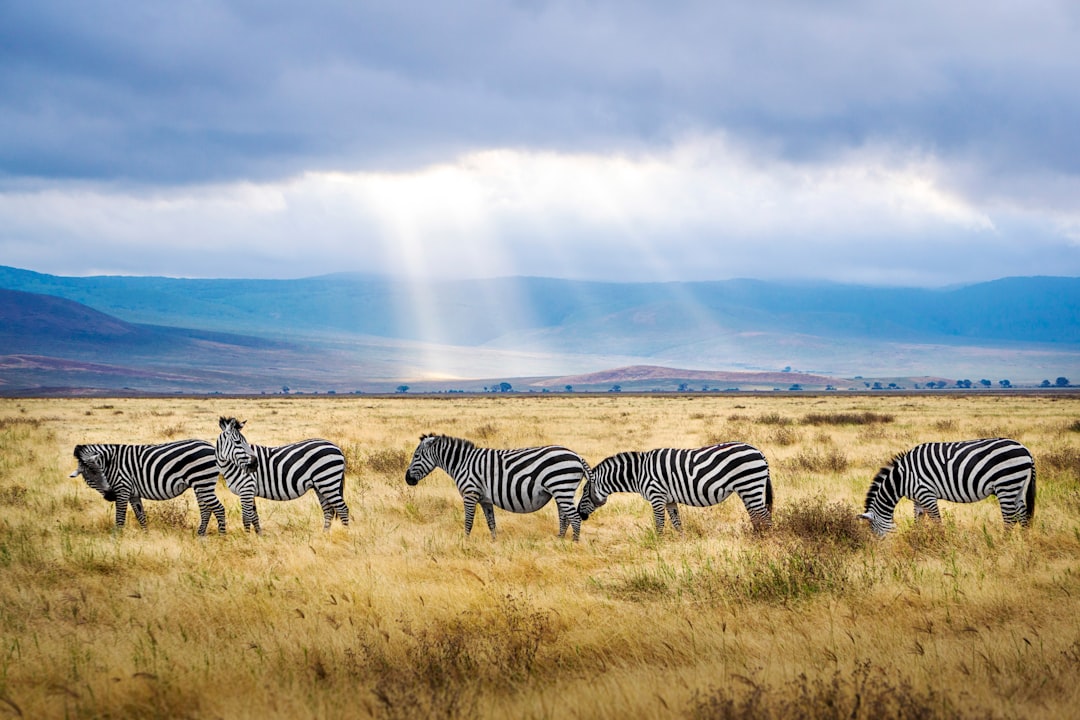
Combining Tanzania Safari with Zanzibar: Visa and Health Considerations
Many travelers combine Tanzania safari with Zanzibar beach time. Your Tanzania visa covers both mainland Tanzania and Zanzibar, since Zanzibar is part of the United Republic of Tanzania. You don't need a separate visa for Zanzibar if you're holding a valid Tanzania visa.
Health precautions are similar for Zanzibar, though malaria risk is lower on the island than in mainland safari regions. Yellow fever vaccination remains essential, as do Hepatitis A and typhoid vaccines. Antimalarial medications are still recommended if you're spending time outside major Zanzibar towns.
The island has excellent medical facilities in Zanzibar Town, with private clinics serving international visitors. Mainland safari regions have fewer medical resources, so ensure all vaccinations are complete before heading to remote areas. Tanzania safari and Zanzibar packages often build in rest days on the island after safari activities, allowing you to recover and access better medical care if needed.
Purchase travel insurance that covers medical evacuation. Safari regions are remote, and serious illnesses may require evacuation to larger hospitals in Dar es Salaam or Kenya. Travel insurance ensures you can access proper care without financial hardship.
Common Mistakes to Avoid When Planning Your Tanzania Safari
Travelers make preventable mistakes that derail their safari plans. The most common error is applying for visa too close to departure. Apply 6-8 weeks ahead to ensure approval before your trip. Even with eVisa processing, unexpected delays happen. Build in extra time as a safety buffer.
Second mistake: Ignoring vaccination timelines. Starting vaccinations weeks before departure means your immunity develops properly. Yellow fever vaccine needs 10 days to take effect. Typhoid vaccine series requires multiple doses spaced weeks apart. Don't scramble to get vaccinated days before departure—start early.
Third error: Overlooking passport validity. Check expiration dates immediately when planning your safari. If renewal is needed, start that process before applying for visa. Many travelers have cancelled safaris because their passport wouldn't be valid six months beyond their return date.
Fourth mistake: Not obtaining travel insurance. Medical emergencies in remote safari areas can be expensive and life-threatening without proper coverage. Travel insurance with medical evacuation protection is essential, not optional.
Fifth error: Failing to confirm visa approval before traveling. Download your approval letter and keep it with your documents. Take screenshots of your application status as backup. Arrive at the airport prepared with all required documents.
When booking your safari through verified Tanzania safari operators, ask about their visa and vaccination support. Many reputable operators provide checklists and reminders to help clients prepare properly.
Current Visa and Health Information for 2026
As of July 2026, Tanzania visa requirements remain stable at $100 for US citizens with 12-month validity. The eVisa system continues to be the primary application method, with processing times typically 5-10 business days during low season and up to 4-6 weeks during peak safari season.
Vaccination recommendations from the CDC remain consistent for 2026. Yellow fever, typhoid, Hepatitis A and B, and antimalarial medications continue to be the standard recommendations for Tanzania travelers. No new vaccination requirements have been added, though the CDC regularly updates guidance based on disease activity.
Tanzania's immigration system has modernized, making eVisa applications faster and more reliable than paper applications. The system is user-friendly for US citizens, and the online process reduces errors that lead to application rejection.
Health facilities in Tanzania have improved, particularly in Dar es Salaam and major safari towns. Private clinics cater to international visitors and accept travel insurance. However, remote safari regions still have limited medical resources, making preventive vaccinations and antimalarial medication absolutely critical.
Travel advisories for Tanzania remain stable with no major security concerns for tourists in standard safari regions. The US State Department maintains a Level 1 advisory for most of Tanzania, meaning normal travel precautions apply. However, certain border regions have higher advisory levels, so check current State Department guidance before finalizing your itinerary.
Planning Your Complete Safari Health and Documentation Timeline
Create a master timeline to stay organized. Start 8-10 weeks before departure by scheduling your travel medicine appointment. Discuss your complete itinerary with your doctor or travel health specialist. They'll recommend specific vaccinations and medications based on your travel plans, medical history, and any allergies.
At 6-8 weeks before departure, begin vaccination series if needed. Yellow fever vaccine can be administered immediately. Typhoid and Hepatitis vaccines require multiple doses spaced weeks apart, so starting early ensures you're fully protected by departure.
At 6-8 weeks before departure, also start your visa application process. Gather documents: valid passport, recent photo, and accommodation details. Submit your eVisa application online. Save your application reference number and tracking information.
At 4-6 weeks before departure, confirm your visa approval status. If approved, download and print your eVisa approval letter. If not approved, contact the Tanzanian immigration authorities for status updates. Begin antimalarial medication according to your doctor's schedule, typically 1-2 days before arrival.
At 2-4 weeks before departure, finalize your safari booking with a verified operator. Confirm your visa and vaccination status with them. Purchase travel insurance with medical evacuation coverage. Make copies of your passport, visa approval, and vaccination records.
At 1 week before departure, pack medications and vaccination records in your carry-on bag. Keep originals and copies together. Confirm your flights and accommodation details. Recheck your passport expiration date one final time.
At departure, carry your approved eVisa letter, valid passport, vaccination records, antimalarial medications, and travel insurance documentation. You're prepared for smooth entry and a safe, healthy safari experience.
Key Takeaways
- Apply for your Tanzania visa 6-8 weeks before departure through the official eVisa portal at visa.immigration.go.tz to ensure approval and avoid peak season delays costing you your safari.
- Verify your passport validity extends six months beyond your return date immediately—if not, renew it before applying for visa, as Tanzania strictly enforces this requirement.
- Schedule yellow fever and typhoid vaccinations 4-6 weeks ahead to allow immunity to develop and protect you against diseases common in Tanzania safari regions.
- Start antimalarial medication 1-2 days before arrival and continue for four weeks after departure as recommended by the CDC to prevent malaria infection in Tanzania.
- Purchase travel insurance with medical evacuation coverage before departure since remote safari areas have limited medical facilities, and emergency evacuation can cost $10,000-$50,000 without coverage.
Frequently Asked Questions
How much does a Tanzania visa cost for US citizens in 2026?
A Tanzania multiple-entry visa costs $100 USD for US citizens as of 2026. This visa is valid for 12 months from the issue date, allowing multiple entries and exits from Tanzania during that period. You can apply online through the Tanzania eVisa portal or in person at the Tanzanian embassy, with online processing typically faster.
Do I need yellow fever vaccination to visit Tanzania?
The CDC recommends yellow fever vaccination for all travelers to Tanzania. While Tanzania itself does not require proof of yellow fever vaccination for entry, many other African countries require it if you're traveling onward from Tanzania. Getting vaccinated protects you against the disease and prevents entry denials to other countries, making it essential for most itineraries.
How long is a Tanzania visa valid, and can I renew it while in Tanzania?
A Tanzania multiple-entry visa is valid for 12 months from the issue date. You can enter and exit Tanzania as many times as you wish during this period. Renewing your visa while in Tanzania requires permission from the Commissioner General of Immigration in Dar es Salaam, a process taking minimum six weeks. Plan your visa application before departure rather than attempting renewal in-country.
What vaccinations do I need for a Tanzania safari beyond yellow fever?
The CDC recommends typhoid, Hepatitis A, Hepatitis B, and malaria prevention medications in addition to yellow fever vaccination for Tanzania travel. Typhoid is especially important if visiting rural areas or staying with local families. Malaria prevention requires antimalarial medications like atovaquone-proguanil or doxycycline, started before arrival and continued after departure. Consult a travel medicine specialist to determine which vaccines suit your specific itinerary and health profile.
When should I apply for my Tanzania visa before my safari departure date?
Apply for your Tanzania visa 6-8 weeks before your planned departure. eVisa processing typically takes 5-10 business days during low season but can extend to 4-6 weeks during peak safari season (June-October). Starting early ensures approval before your trip and protects you against processing delays or application issues requiring resubmission.
How do I check my Tanzania visa application status?
After submitting your eVisa application online, you receive a reference number via email. Use this number to track your application status on the Tanzania eVisa portal at visa.immigration.go.tz. The system shows whether your application is pending, approved, or requires additional information. Save your reference number and check status regularly, especially as your travel date approaches.
Can I book my Tanzania safari before receiving my visa approval?
Most reputable safari operators recommend applying for your visa first, then booking your safari once approved. However, many operators understand visa processing timelines and allow provisional bookings pending visa approval. When booking through verified SafariFind operators, discuss visa status upfront and confirm their policy on cancellations if visa approval is delayed.
Conclusion: Prepare Properly for Your Tanzania Safari Adventure
Tanzania safari visa and vaccination requirements are manageable when you plan ahead. US citizens need a $100 multiple-entry visa valid for 12 months, yellow fever vaccination, and a passport valid six months beyond travel. Start your visa application 6-8 weeks before departure and schedule vaccinations 4-6 weeks ahead to ensure full immunity develops.
Proper preparation protects your health and ensures smooth entry to Tanzania. Yellow fever vaccination, antimalarial medications, and other recommended vaccines reduce your risk of serious illness in remote safari regions. Your valid passport and approved eVisa are non-negotiable documents for entry. Create a timeline starting 8-10 weeks before departure, and check off each requirement systematically.
Don't let visa or health requirements intimidate you. Thousands of US citizens successfully travel to Tanzania each year by following these straightforward steps. Start early, stay organized, and work with travel health specialists and verified safari operators who understand the requirements.
Ready to book your Tanzania safari? Compare verified safari packages and tour operators on SafariFind to find your perfect adventure. Browse detailed itineraries, read authentic traveler reviews, and request quotes from operators experienced with US travelers. Your dream Tanzania safari awaits—proper preparation ensures it's safe, healthy, and unforgettable.
Plan Your Safari with SafariFind
These recommendations use real data from SafariFind, where you can compare operators, browse packages, and read verified traveler reviews before you book.
Recommended Safari Operators from SafariFind
Recommended Safari Packages from SafariFind
What Travelers Say (SafariFind Reviews)
References
- U.S. Embassy in Tanzania - Visas
- U.S. State Department - Tanzania International Travel Information
- CDC - Tanzania, including Zanzibar Travelers' Health
- Tanzania eVisa - Guidelines
- Embassy of Tanzania in Washington D.C. - Immunization Services
- University Hospitals - Tanzania Travel Vaccines and Travel Medicine Services
- Get Safari Tours - Tanzania Visa for US & UK Citizens: 2026 Guide
Sources
- U.S. Embassy in Tanzania - Visas(official)
- U.S. State Department - Tanzania International Travel Information(official)
- CDC - Tanzania, including Zanzibar Travelers' Health(official)
- Tanzania eVisa - Guidelines(official)
- Embassy of Tanzania in Washington D.C. - Immunization Services(official)
- University Hospitals - Tanzania Travel Vaccines and Travel Medicine Services
- Get Safari Tours - Tanzania Visa for US & UK Citizens: 2026 Guide
Related to
Ready to start your safari adventure?
Explore curated safari packages and find your perfect African adventure with verified operators.