Tanzania Safari Cost Breakdown: Budget, Mid-Range & Luxury 2026
Tanzania safari costs $200-$400 daily for budget, $450-$800 mid-range, $550-$1,050+ luxury in 2026. Compare prices, save 30-50% with smart timing.

Tanzania Safari Cost Breakdown 2026
Last updated: July 2026
Tanzania safaris cost $200-$400 per day for budget trips, $450-$800 for mid-range, and $550-$1,050+ for luxury experiences in 2026. A 7-day safari runs $1,400-$7,350 total per person depending on tier. Book through verified operators on SafariFind to compare packages and find the best value for your budget.
At a Glance
- Daily Cost Range: $200-$1,050+ per person depending on safari tier
- Budget 7-Day Safari: $1,400-$2,800 total per person
- Mid-Range 7-Day Safari: $3,150-$5,600 total per person
- Luxury 7-Day Safari: $3,850-$7,350+ total per person
- Best Time to Visit: July-October (Great Migration) or January-February (calving season)
- International Flights: $900-$5,000+ return depending on class and season
Understanding Tanzania Safari Costs in 2026
Tanzania safari pricing depends heavily on your accommodation choice, travel season, and group size. Budget safaris in 2026 run $200-$400 per person daily, mid-range options cost $450-$800 daily, and luxury experiences reach $550-$1,050+ daily. These daily rates typically include park fees, accommodation, meals, and professional guides—but not international flights.
The price difference between tiers is substantial because luxury lodges offer private pools, fine dining, and premium locations, while budget camps use shared facilities and basic tents. Mid-range lodges strike a balance with comfortable rooms, good food, and reliable service without the luxury price tag.
Your total safari cost depends on five main factors: accommodation type, safari length, travel season, group size, and whether flights are included. A solo traveler booking last-minute pays more than a group of four booking three months ahead. Understanding these variables helps you find the right safari for your budget.
Budget Safari Costs: $200-$400 Per Day
Budget safaris offer authentic wildlife viewing at the lowest cost. You'll camp in public campsites, sleep in shared or basic tents, and eat simple meals prepared by camp staff. This tier suits backpackers, solo travelers, and groups willing to trade comfort for savings.
What Budget Safaris Include
Budget safari packages include accommodation in public campsites or basic lodge rooms, all meals, professional game drives, park entrance fees ($53-$83 per day), and a trained guide. You won't get luxury amenities, but you'll see the same wildlife as luxury travelers.
A typical budget 7-day Serengeti safari costs $1,400-$2,800 per person total. This breaks down to roughly $200-$400 daily for lodging, food, and guides, plus park fees. International flights add $900-$1,200 if booked from the US as a budget option.
Budget Safari Trade-offs
Budget safaris mean shared rooms, outdoor showers, and basic meals—but many travelers report these experiences are the most authentic. You'll meet other travelers, camp under stars, and focus on wildlife rather than luxury.
Expect longer drives between campsites and less flexibility in your itinerary. Budget operators run set schedules to keep costs low. However, you'll still see lions, elephants, zebras, and giraffes during peak season.
Book your budget safari 4-8 weeks ahead to secure spots. Last-minute bookings fill quickly because budget options are popular. Compare budget Tanzania safari packages on SafariFind to find operators with strong reviews and transparent pricing.
Mid-Range Safari Costs: $450-$800 Per Day
Mid-range safaris balance comfort and cost. You'll stay in comfortable lodge rooms with private bathrooms, eat well-prepared meals, and enjoy reliable service without luxury pricing. This tier suits families, groups, and travelers who want quality wildlife viewing without overspending.
What Mid-Range Safaris Include
Mid-range packages include private or semi-private lodge rooms with en-suite bathrooms, three daily meals, morning and evening game drives, park fees, and experienced guides. Many operators include wine or beer at dinner and afternoon tea breaks during drives.
A 7-day mid-range safari costs $3,150-$5,600 per person total. This breaks down to $450-$800 daily for accommodation, food, and guides. Add $1,200-$1,800 for return flights from the US during shoulder season.
Mid-Range Benefits
Mid-range lodges offer good locations near wildlife viewing areas without the premium price. You'll stay in rooms with hot showers, comfortable beds, and quality meals—significantly better than budget camping but without unnecessary luxury.
Most mid-range operators keep group sizes to 6-8 people, offering more personal attention than budget tours. Your guide is usually full-time staff with deep knowledge of local wildlife and ecosystems.
Mid-range safaris work well for families with children, older travelers, or anyone wanting comfort without breaking the bank. You'll see identical wildlife as luxury travelers but in slightly simpler accommodations.
Luxury Safari Costs: $550-$1,050+ Per Day
Luxury safaris offer premium experiences with private guides, exclusive lodges, gourmet meals, and personalized service. This tier suits travelers prioritizing comfort, privacy, and high-end amenities. You'll stay in properties with pools, spas, and fine dining.
What Luxury Safaris Include
Luxury packages include private or suite-style accommodation, all meals prepared by professional chefs, private game drives, park fees, and dedicated guides. Many include premium drinks, spa treatments, and activities like hot air balloon rides or walking safaris.
A 7-day luxury safari costs $3,850-$7,350+ per person total. This breaks down to $550-$1,050+ daily for accommodation, meals, and guides. Add $2,500-$5,000+ for premium international flights in business or first class.
Luxury Advantages
Luxury lodges occupy prime wildlife viewing locations with private access. You'll see game from your room balcony and enjoy intimate sightings other tourists miss. Small group sizes (2-4 people) mean personalized service and flexible itineraries.
Luxury guides are often naturalists or wildlife experts offering deep insights into animal behavior and ecosystems. Your meals reflect local cuisine and international standards. Amenities like infinity pools, spa treatments, and sunset cocktails enhance the overall experience.
Luxury safaris suit honeymooners, special occasions, and travelers seeking once-in-a-lifetime experiences. Private guides can adjust routes based on wildlife activity, giving you better photography opportunities and wildlife encounters.
International Flight Costs: $900-$5,000+
International flights represent a major portion of total safari costs. Budget flights from the US run $900-$1,200 return, mid-range options cost $1,200-$1,800, and premium business-class seats reach $2,500-$5,000+.
Factors Affecting Flight Prices
Flight costs vary by departure city, season, cabin class, and booking timing. Flying from East Coast cities (New York, Atlanta) to Dar es Salaam or Kilimanjaro typically costs $100-$300 less than West Coast departures.
Peak season flights (July-October) cost 30-50% more than shoulder season (April-June, November-December). Booking 2-3 months ahead saves 15-20% versus last-minute bookings.
Economy flights include basic service and carry-on luggage. Mid-range premium economy offers extra legroom and meal service. Business class provides lie-flat beds, premium meals, and lounge access—worth the investment on 14+ hour flights.
Bundled vs. Separate Flights
Some operators include flights in all-inclusive packages, simplifying planning. Others offer safari-only pricing, letting you book flights separately for better rates.
All-inclusive packages averaging $4,500-$6,500 total often include mid-range flights. Booking flights separately might save $200-$400 if you find deals on flight comparison sites.
Additional Costs: Park Fees, Visas & Transfers
Safari packages don't always include every cost. Park entrance fees, visas, airport transfers, and tips add up quickly. Understanding these hidden costs helps you budget accurately.
Tanzania Park Entrance Fees
Tanzania charges $53-$83 per person daily for national park access. A 7-day safari across multiple parks costs $371-$581 in park fees alone. Most mid-range and luxury packages include these fees, but budget operators sometimes add them separately.
The Serengeti costs $83 daily, Ngorongoro Crater $80 daily, and Tarangire $63 daily. Zanzibar island fees are separate ($30-$50 daily) if you extend your trip.
Tanzania E-Visa Costs
US citizens need a Tanzania e-visa costing $50. The visa takes 1-3 business days to process online. Apply at Tanzania's official immigration site at least one week before travel.
For detailed visa requirements and vaccination information, read our Tanzania Safari Visa & Vaccinations guide.
Airport Transfers & Activities
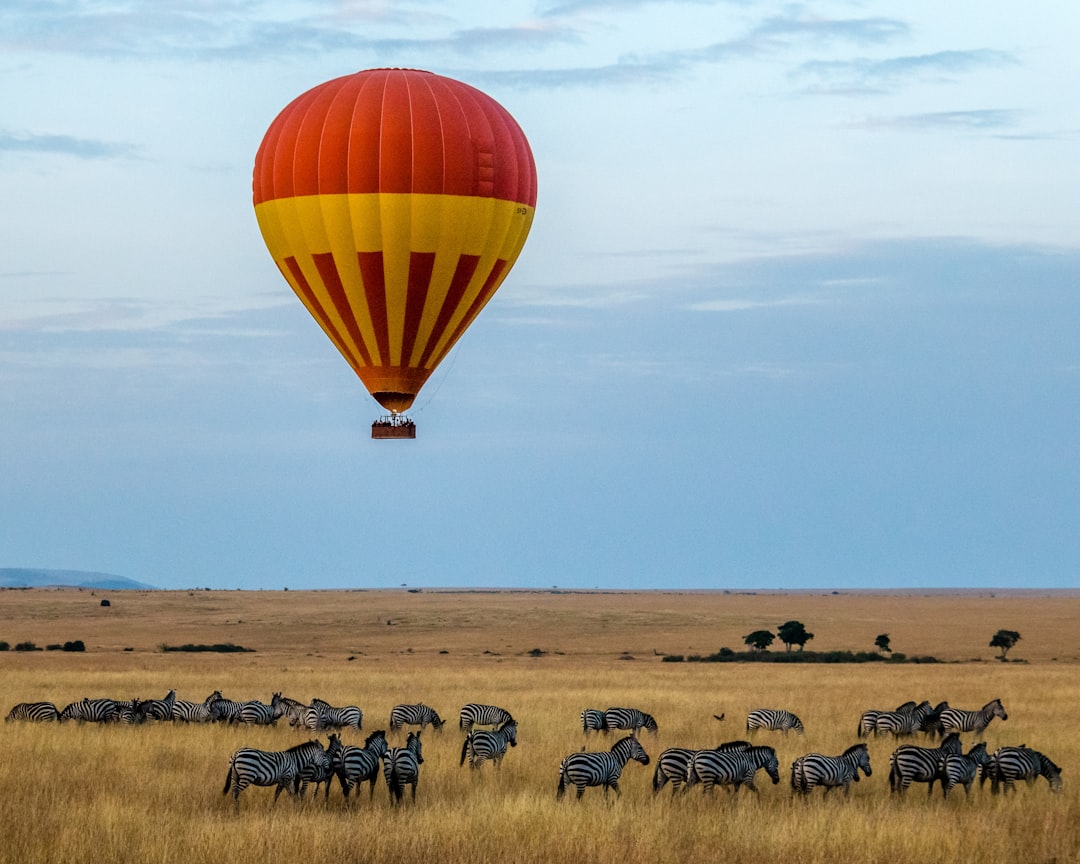
Airport transfers from Dar es Salaam or Kilimanjaro cost $40-$80 per person if not included. Optional activities like hot air balloon rides ($500-$800), guided walks ($100-$200), or photography tours add significant costs.
Budget $150-$300 for tips to guides and staff across your 7-day safari. Learn proper tipping amounts in our 2026 gratuity guide.
Seasonal Pricing: Save 30-50% With Smart Timing
Tanzania safari prices fluctuate 30-50% based on season. Peak season (July-October) costs the most because of the Great Migration. Shoulder season (April-June, November) offers 20-30% savings. Low season (March, September-early November) provides 40-50% discounts.
Peak Season: July-October
Peak season brings 1.5 million wildebeest across the Mara River, creating dramatic wildlife moments. Accommodation books 2-3 months ahead. Prices are highest: $300-$1,050+ daily for the same safari costing $180-$700 during low season.
July-August is busiest. October is still busy but slightly cheaper. If you must travel peak season, book 4-6 months ahead and expect 20-30% price premiums.
Shoulder Season: April-June & November
Shoulder seasons offer good wildlife viewing at 20-30% lower prices. April-June features calving season when predators hunt newborns. November brings migratory birds and comfortable weather.
Accommodation availability is good, and guides give more personal attention. Prices run $240-$800 daily—a sweet spot for value and experience.
Low Season: March & September-Early November
Low season offers 40-50% savings on identical safaris. March is rainy but green with lush landscapes. Late September-early November is dry with fewer tourists.
Wildlife viewing remains excellent because animals concentrate around water sources. You might see larger predator kills with fewer spectators. Budget safaris cost $180-$300 daily, mid-range $350-$500, and luxury $400-$700.
Low season suits travelers flexible on dates and seeking value. Book 4-8 weeks ahead even in low season, as availability varies by lodge.
Group Size Impact: Solo vs. Group Pricing
Group size dramatically affects per-person costs. Solo travelers pay 50-100% premiums over groups of four. Understanding group discounts helps you find the best deal.
Solo Traveler Pricing
Solo travelers pay single-occupancy supplements ($200-$600 total for 7 days) because lodges charge per room, not per person. You'll pay full daily rates without discounts.
A budget safari costing $1,400 for a group of four costs $1,800-$2,000 solo. Join group tours to split costs or book a shared room to reduce premiums.
Group Discounts
Groups of 2-3 people get 5-10% discounts. Groups of 4+ receive 10-20% discounts. A mid-range safari at $600 daily costs $4,200 for one person but $3,360 per person for a group of four—saving $840 each.
Many operators offer group bookings at fixed rates. SafariFind helps you find group tours or connect with other travelers to split costs.
All-Inclusive vs. Safari-Only Pricing
All-inclusive packages bundle flights, accommodation, meals, and activities into one price. Safari-only packages cover just the safari experience. Comparing both helps you find value.
All-Inclusive Advantages
All-inclusive packages simplify planning and often provide 10-15% savings through operator partnerships with airlines and hotels. You know your total cost upfront without surprise add-ons.
A typical all-inclusive 7-day mid-range safari costs $4,500-$6,500 per person including flights. Booking separately might cost $5,000-$6,000 or more.
All-inclusive suits travelers wanting simplicity. Operators handle all logistics, flights, transfers, and accommodations. You just show up and enjoy the safari.
Safari-Only Advantages
Safari-only packages cost $1,400-$5,600 for 7 days, letting you book flights independently. This works if you already have frequent flyer miles, live near affordable airports, or want to extend your trip to Zanzibar or Kenya.
Explore Tanzania safari and Zanzibar combination packages for flexible options combining both destinations.
Real Safari Cost Examples for 2026
Here's what actual 7-day safaris cost in 2026 based on real operator pricing.
| Safari Tier | Daily Cost | 7-Day Total | Best For |
|---|---|---|---|
| Budget Camping | $200-$400 | $1,400-$2,800 | Backpackers, solo travelers |
| Mid-Range Lodge | $450-$800 | $3,150-$5,600 | Families, groups, comfort seekers |
| Luxury Lodge | $550-$1,050+ | $3,850-$7,350+ | Honeymooners, special occasions |
These prices are 2026 estimates based on current operator rates. Peak season (July-October) costs 20-40% more. Low season (March, September-early November) costs 30-50% less.
Money-Saving Tips for Tanzania Safaris
Strategic planning cuts safari costs by 30-50%. Here's how to maximize your budget without sacrificing wildlife viewing quality.
Book 3-6 Months Ahead
Early bookings save 15-20% on peak season safaris and 10-15% on shoulder season. Last-minute bookings (2-4 weeks before) cost premiums because available inventory is limited.
Travel During Shoulder Season
April-June and November offer 20-30% savings versus peak season. Wildlife viewing remains excellent. Crowds are smaller, and guides give more personal attention.
Join Group Tours
Group safaris cost 10-20% less per person than private tours. SafariFind lists group tours where you can join other travelers and split costs.
Fly Midweek
Tuesday-Thursday flights cost $100-$300 less than weekend flights. Flying into Dar es Salaam instead of Kilimanjaro saves $50-$150 but adds 4-6 hours driving.
Skip Expensive Add-Ons
Hot air balloon rides ($500-$800), premium lodges, and private guides are extras. Standard game drives offer identical wildlife viewing at lower cost.
Combining Tanzania Safari with Zanzibar
Many travelers add 3-4 days in Zanzibar to their safari. Beach relaxation after safari driving is popular. Zanzibar costs $150-$400 daily for accommodation, adding $450-$1,600 to your total.
A combined 10-day trip (7-day safari + 3-day Zanzibar) costs $2,500-$8,500 total per person including flights. Browse Tanzania safari and Zanzibar packages on SafariFind for combined deals.
Zanzibar flights from Dar es Salaam cost $100-$200 return. The flight takes 1 hour. Most operators can arrange Zanzibar extensions easily.
How to Book Your Tanzania Safari in 2026
Booking a Tanzania safari involves choosing dates, selecting a tier, comparing operators, and requesting quotes. Here's the step-by-step process.
Step 1: Choose Your Dates
Decide when you want to travel. Peak season (July-October) requires booking 4-6 months ahead. Shoulder season (April-June, November) needs 2-3 months. Low season (March, September-early November) allows 4-8 weeks.
Step 2: Select Your Safari Tier
Budget safaris suit backpackers and value-seekers. Mid-range works for families and groups. Luxury suits special occasions and comfort-focused travelers.
Step 3: Compare Operators on SafariFind
SafariFind lists verified Tanzania safari operators with authentic reviews. Filter by price, destination, and traveler ratings. Browse verified tour operators for Tanzania safaris to see current packages and prices.
Step 4: Request Quotes
Contact 2-3 operators with your dates and preferences. Good operators respond within 24 hours with detailed itineraries and pricing. Compare inclusions: flights, park fees, meals, activities.
Step 5: Review Traveler Feedback
Read authentic reviews from previous travelers on SafariFind. Look for feedback about guide quality, food, wildlife sightings, and value. Recent reviews (last 3-6 months) are most relevant.
Step 6: Book and Prepare
Once you choose an operator, pay deposits (typically 25-50%) to secure your dates. Get your Tanzania e-visa, check required vaccinations, and arrange travel insurance.
Key Takeaways
- Budget $200-$400 daily for budget safaris with camping and basic lodges, totaling $1,400-$2,800 for 7 days plus $900-$1,200 flights.
- Book 3-6 months ahead to save 15-20% on peak season safaris and secure your preferred dates with top-rated operators.
- Travel April-June or November to save 20-30% compared to peak season while maintaining excellent wildlife viewing opportunities.
- Join group tours to reduce per-person costs by 10-20% and meet other travelers without paying solo premiums.
- Use SafariFind to compare verified operators with authentic reviews, transparent pricing, and personalized quotes matching your budget and dates.
Frequently Asked Questions
How much does a safari in Tanzania typically cost?
A Tanzania safari costs $250-$1,500 per person per day in 2026, depending on accommodation tier. Budget safaris run $200-$400 daily, mid-range $450-$800 daily, and luxury $550-$1,050+ daily. A 7-day safari totals $1,400-$7,350 per person before flights.
What's included in safari package prices?
Safari packages typically include accommodation, all meals, professional guides, game drives, and park entrance fees ($53-$83 daily). They usually exclude international flights, visas ($50), tips, and optional activities like hot air balloon rides. Always confirm inclusions with your operator.
What's the best time of year for wildlife viewing in Serengeti?
The best time is July-October during the Great Migration when 1.5 million wildebeest cross the Mara River. January-February offers calving season with abundant newborns attracting predators. Shoulder seasons (April-June, November) provide good wildlife viewing with fewer crowds and 20-30% lower prices.
Can I book a Tanzania safari under $2,000 for 7 days?
Yes, budget safaris cost $1,400-$2,800 total for 7 days per person including park fees, accommodation, meals, and guides. This excludes international flights ($900-$1,200). Booking during low season (March, late September-early November) maximizes your budget.
What are the visa requirements for US citizens?
US citizens need a Tanzania e-visa costing $50, obtained online in 1-3 business days. Apply at least one week before travel. You'll also need proof of yellow fever vaccination and a passport valid 6+ months beyond your travel dates. Read our complete US citizen requirements guide.
Should I book flights with the safari operator or separately?
All-inclusive packages save 10-15% through operator partnerships, costing $4,500-$6,500 total for 7 days including flights. Safari-only packages ($1,400-$5,600) let you book flights separately, useful if you have airline miles or want to extend your trip. Compare both options when requesting quotes from SafariFind operators.
How do I find the best Tanzania safari operators?
SafariFind lists verified tour operators with authentic traveler reviews. Filter by price, destination, and ratings. Request quotes from 2-3 operators, compare inclusions, and read recent reviews (last 3-6 months) to find the best fit for your budget and preferences.
Conclusion
Tanzania safaris in 2026 cost $1,400-$7,350 per person for 7 days including accommodation, meals, guides, and park fees—but not flights. Your total depends on accommodation tier, travel season, group size, and booking timing. Budget safaris offer authentic experiences at $200-$400 daily. Mid-range lodges balance comfort and cost at $450-$800 daily. Luxury properties deliver premium service at $550-$1,050+ daily.
Strategic planning cuts costs significantly. Booking 3-6 months ahead saves 15-20%. Traveling April-June or November saves 20-30% versus peak season. Joining group tours reduces per-person costs by 10-20%. These strategies combine to save $1,000-$3,000 on identical safaris.
The best safari fits your budget, travel dates, and experience level. Compare verified operators on SafariFind offering transparent pricing and authentic reviews. Request quotes from 2-3 companies, compare inclusions, and choose the operator matching your needs. Browse verified Tanzania safari packages on SafariFind today and start planning your African adventure for 2026.
Plan Your Safari with SafariFind
These recommendations use real data from SafariFind, where you can compare operators, browse packages, and read verified traveler reviews before you book.
Recommended Safari Operators from SafariFind
Recommended Safari Packages from SafariFind
What Travelers Say (SafariFind Reviews)
References
- Tanzania Safari Cost 2026: Complete Budget Breakdown & Money Saving Tips
- Tanzania Safari Cost 2026: $250 to $1,500+ Per Day Explained
- Tanzania Safari Cost Guide: Complete Budget Breakdown for 2026
- How Much Does a Tanzania Safari Cost in 2026? The Honest, Complete Guide
- Tanzania Safari Cost 2026: Full Price Breakdown (Budget to Luxury)
- How Much Does a Tanzania Safari Cost? (Budget Breakdown)
- Mid Luxury Tanzania Safari Tours and Packages
- Tanzania Safari Cost: 2026 Prices, Tiers & Real Trips
Sources
- Tanzania Safari Cost 2026: Complete Budget Breakdown & Money Saving Tips
- Tanzania Safari Cost 2026: $250 to $1,500+ Per Day Explained
- Tanzania Safari Cost Guide: Complete Budget Breakdown for 2026
- How Much Does a Tanzania Safari Cost in 2026? The Honest, Complete Guide
- Tanzania Safari Cost 2026: Full Price Breakdown (Budget to Luxury)
- How Much Does a Tanzania Safari Cost? (Budget Breakdown)
- Mid Luxury Tanzania Safari Tours and Packages
- Tanzania Safari Cost: 2026 Prices, Tiers & Real Trips
Related to
Ready to start your safari adventure?
Explore curated safari packages and find your perfect African adventure with verified operators.