Great Migration 2026: Best Time to See Serengeti Wildlife in Tanzania
Plan your 2026 Serengeti safari during the Great Migration. Peak wildlife viewing July-September. Budget $2,500-$5,000 per person. Book verified operators on SafariFind.

Great Migration 2026: Best Time to See Serengeti Wildlife
Last updated: July 2026
The Great Migration in Tanzania's Serengeti happens year-round but peaks from July to September for dramatic river crossings and January to February for newborn calves. A 7-day Serengeti safari costs $2,500-$5,000 per person in 2026. Book through verified operators on SafariFind to compare packages and see authentic traveler reviews before committing.
At a Glance
- Best months: July-September (river crossings) or January-February (calving season)
- Cost per person: $2,500-$5,000 for 7 days (mid-range packages)
- Duration: 7-10 days recommended for optimal wildlife viewing
- Peak crowds: July-August; fewer tourists April-May
- Best for: Wildlife photographers, adventure seekers, nature lovers
- Wildlife highlights: 1.5 million wildebeest, zebras, predators, river crossings
What Is the Great Migration 2026 in Tanzania?
The Great Migration is one of Earth's most incredible natural events. Each year, over 1.5 million wildebeest, zebras, and gazelles move across the Serengeti ecosystem in Tanzania and Kenya. This migration follows ancient routes driven by rainfall patterns and fresh grass availability.
The migration cycle repeats continuously throughout the year. Wildebeest spend different seasons in different areas of the Serengeti based on where the rains fall and new vegetation grows. Understanding this cycle helps you plan when to visit for the specific wildlife experience you want.
Serengeti National Park covers 14,750 square kilometers in northern Tanzania. The park provides the perfect stage for this annual spectacle. Thousands of tourists visit each year specifically to witness this natural wonder and see African safari wildlife at its most dramatic.
Why the Migration Matters
This migration is not just a tourist attraction. It shapes the entire Serengeti ecosystem. Predators follow the herds, feeding and maintaining natural population balance. The movement distributes nutrients across different regions through animal waste. Plants and soil benefit from this annual cycle.
For travelers, the migration offers unmatched opportunities. You'll see massive herds moving together. You'll witness dramatic river crossings where predators hunt. You'll photograph newborn calves in the birthing season. Few natural events match this intensity and scale.
When Is the Best Time to Visit in 2026?
The best time depends on what you want to see. The Serengeti offers different experiences in different months. Planning your visit around your interests ensures you get the most from your safari adventure.
July to September: Peak River Crossings
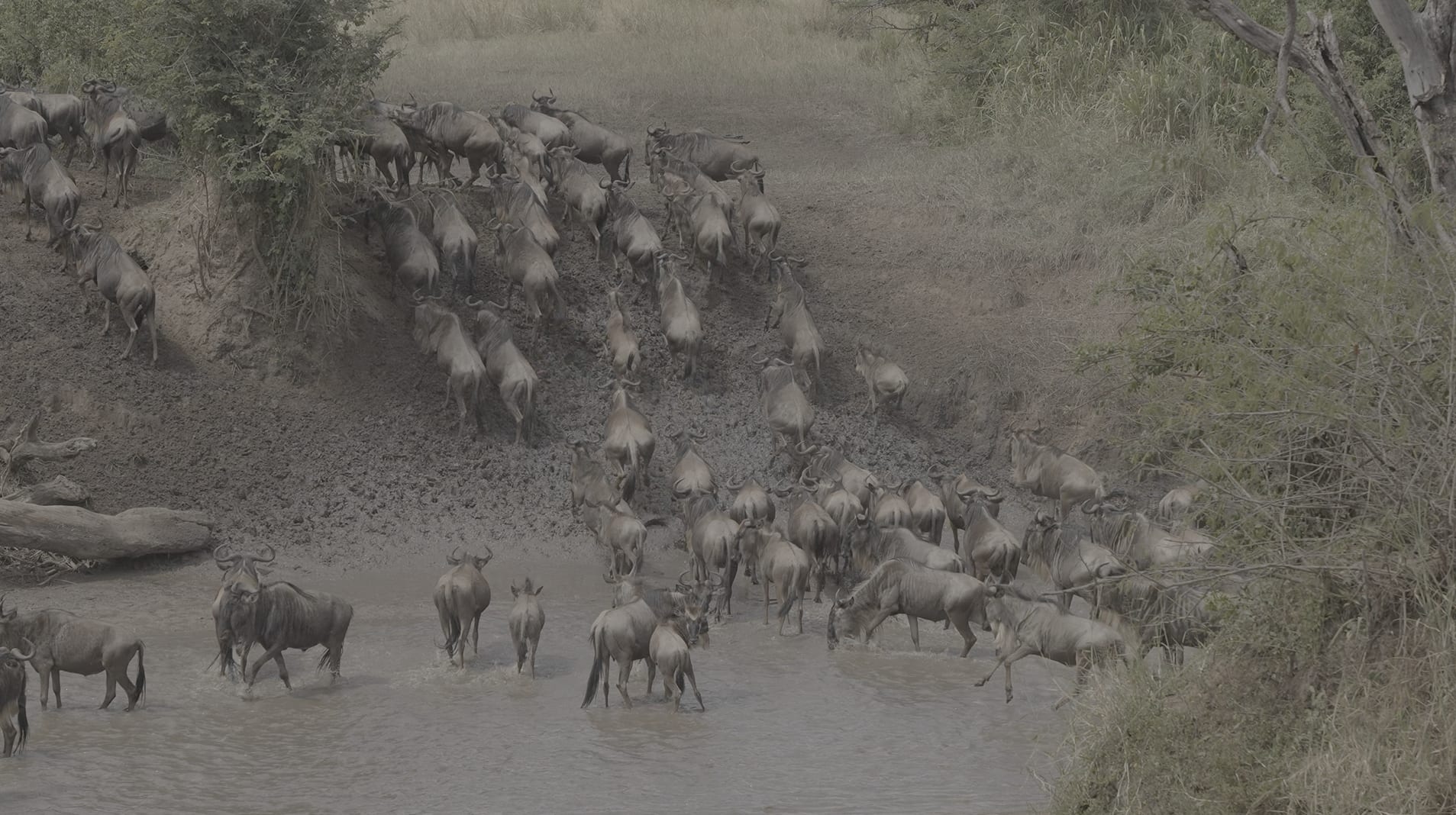
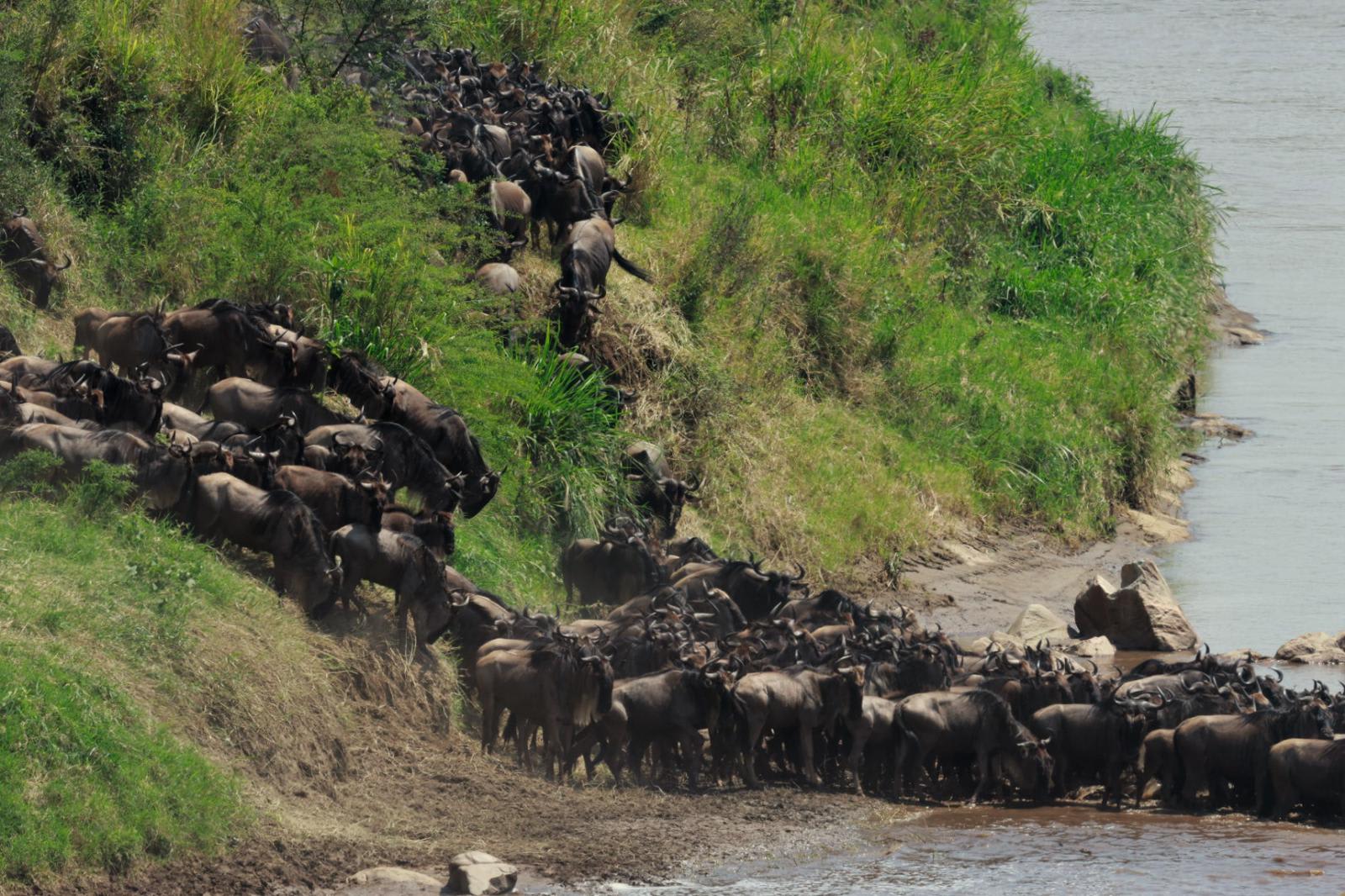
July through September is prime time for dramatic action. The migration reaches the northern Serengeti and Masai Mara during these months. Massive herds attempt to cross the Mara River, and crocodiles wait below. This is when you see the most intense predator-prey interactions.
Mid-July to October offers the best viewing for river crossings specifically. Thousands of wildebeest gather at river crossings each day. Many don't survive. This harsh reality of nature unfolds before your eyes. It's simultaneously beautiful and brutal.
However, July and August are peak tourist season. Expect crowded roads and higher prices. Many safari vehicles converge on the same crossing sites. Your experience may include other tourists in your photos. Consider visiting in September when crowds thin slightly but crossings still happen regularly.
January to February: Calving Season
January and February bring a different spectacle: newborn calves. The southern Serengeti near Enkutoto Migration Camp becomes the birthing ground. Half a million calves are born during this period. The landscape transforms with thousands of young animals learning to walk and run.
Calving season offers incredible photography opportunities. You'll see mothers protecting newborns. You'll watch predators hunting vulnerable young animals. The survival struggle plays out daily. It's less crowded than July-August, so you get more peaceful viewing experiences.
February weather is warm and dry. Game viewing is excellent because animals gather near water sources. Accommodation fills quickly though, so book early. January offers the same advantages with slightly fewer tourists than February.
April to May: Avoid the Crowds
April and May are often overlooked but offer real advantages. These months fall during the long rainy season. Many travelers avoid this period, thinking rain means poor viewing. Actually, the rains bring lush vegetation and concentrated wildlife.
Fewer tourists visit in April and May, so prices drop 20-30%. You'll have more personal attention from guides. Safari vehicles won't cluster around the same animals. Your experience feels more exclusive and intimate. The rains pass quickly each afternoon, leaving sunny mornings for game drives.
The main downside is accessibility. Some roads become muddy and difficult. However, experienced operators know the best routes. If you're flexible on weather and want to save money, April-May deserves serious consideration.
November to December: Arrival Season
November and December mark the beginning of a new cycle. After the short rains in November and December, wildebeest arrive from the north. They return to the southern Serengeti following fresh grass growth. This transition period offers unique viewing opportunities.
December combines the arrival of herds with decent weather. The landscape is green and beautiful. Game viewing is good but not as intense as July-September. Tourist numbers are moderate. It's an excellent option if you can't make other peak months.
Planning Your Serengeti Safari for 2026
Successful safari planning requires advance preparation. Start your booking 3-6 months before your preferred travel dates to secure the best rates and accommodations. The following steps ensure a smooth, memorable experience.
Choosing Your Safari Duration
Plan for at least 7 days to experience the Serengeti properly. This gives you 4-5 full days of game drives. Shorter trips leave you disappointed. Longer trips, 10-14 days, let you explore multiple regions and increase wildlife sighting odds.
Most travelers book 7-10 day packages. A 7-day safari includes 2-3 days driving to and from the park, leaving 4-5 days in the Serengeti itself. Ten days gives you 6-7 game drive days. For serious wildlife photographers, 10-14 days is ideal.
Budget Considerations for 2026
Mid-range 7-day Serengeti safaris cost $2,500-$5,000 per person in 2026. This typically includes accommodation, game drives, meals, and park fees. Luxury lodges run $5,000-$15,000 per person. Budget camping safaris start at $1,500-$2,500 per person.
Add international flights, travel insurance, and visa fees to your base package cost. Many travelers book all-inclusive packages that bundle flights with safari activities. This simplifies planning and often saves money. Tanzania Safari All-Inclusive 2026: What $4,500 Really Includes provides detailed breakdowns of what different price points offer.
Consider combining your Serengeti safari with a Zanzibar beach extension. Tanzania Safari & Zanzibar: 7-Day All-Inclusive Packages Under $3,500 shows how to add beach time without breaking your budget.
Booking Through Verified Operators
Use SafariFind to find and compare verified tour operators. Read authentic reviews from previous travelers. Check ratings and experience levels. The best operators have local guides with deep Serengeti knowledge.
Best Safari Tour Operators for Tanzania From the US: 2026 Reviews lists top-rated companies with traveler feedback. Compare their packages, pricing, and what's included. Request quotes from multiple operators to find the best value.
Health and Travel Requirements
Before traveling, check required vaccinations and visa requirements. US citizens need a Tanzania visa, which you can arrange online or at the border. Tanzania Safari Visa & Vaccinations: US Citizen Requirements 2026 covers all documentation you need.
Consult your doctor about vaccinations. Recommended Vaccinations for a Tanzania Trip: 2026 Checklist lists recommended shots and preventive medications. Get these done 4-6 weeks before departure to ensure full protection.
Practical Packing Tips
Pack lightweight, neutral-colored clothing for safari. Earth tones help you blend into the landscape for better wildlife photography. Bring layers because mornings are cool and afternoons are hot. Include a warm jacket for early morning game drives.
Protect yourself from the sun with high-SPF sunscreen, sunglasses, and a wide-brimmed hat. Binoculars are essential for spotting distant wildlife. A quality camera with a telephoto lens lets you capture incredible photos. Don't forget insect repellent to protect against mosquitoes.
Pack any prescription medications in original containers with documentation. Bring a small medical kit with pain relievers, anti-diarrhea medication, and antihistamines. Most lodges provide basic first aid, but it's wise to be prepared.
Wildlife You'll See During the Great Migration
The Serengeti hosts Africa's most diverse and abundant wildlife. The migration brings together multiple species in dramatic interactions. Understanding what animals you'll encounter helps you prepare mentally and photographically.
The Main Players: Wildebeest and Zebras
Wildebeest form the migration's backbone. Over 1.5 million wildebeest move across the Serengeti annually. They travel in massive herds, sometimes stretching for miles. Watching this moving ocean of animals is humbling and unforgettable.
Zebras migrate alongside wildebeest, numbering around 250,000. They eat different grass than wildebeest, so they don't compete directly. Zebras often lead the way to new grazing areas, using their excellent vision to spot danger ahead.
Predators: Lions, Leopards, and Cheetahs
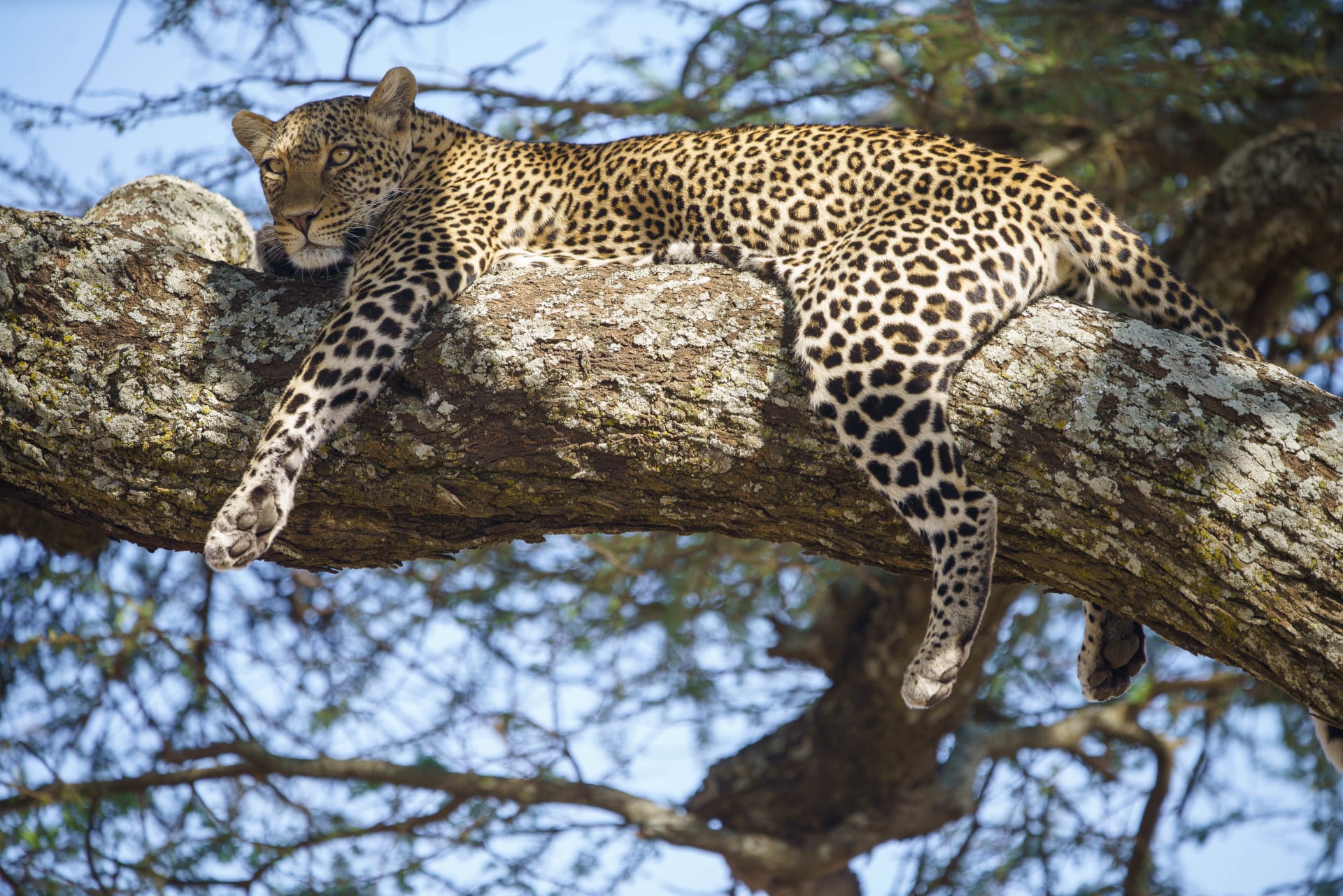
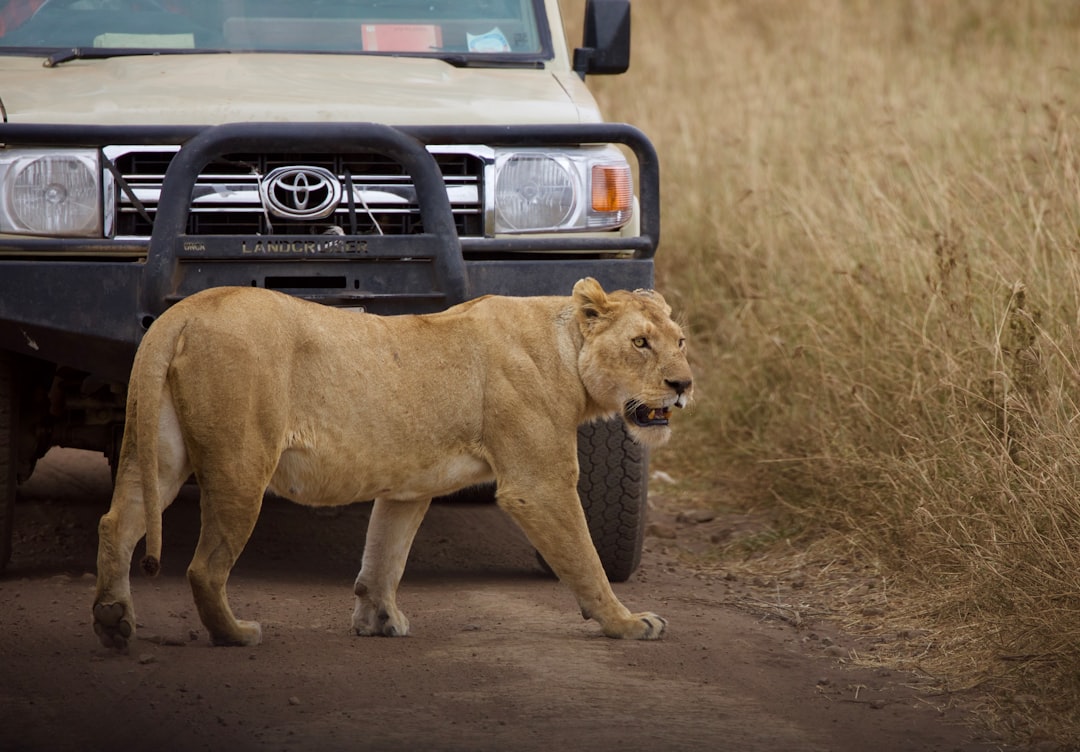
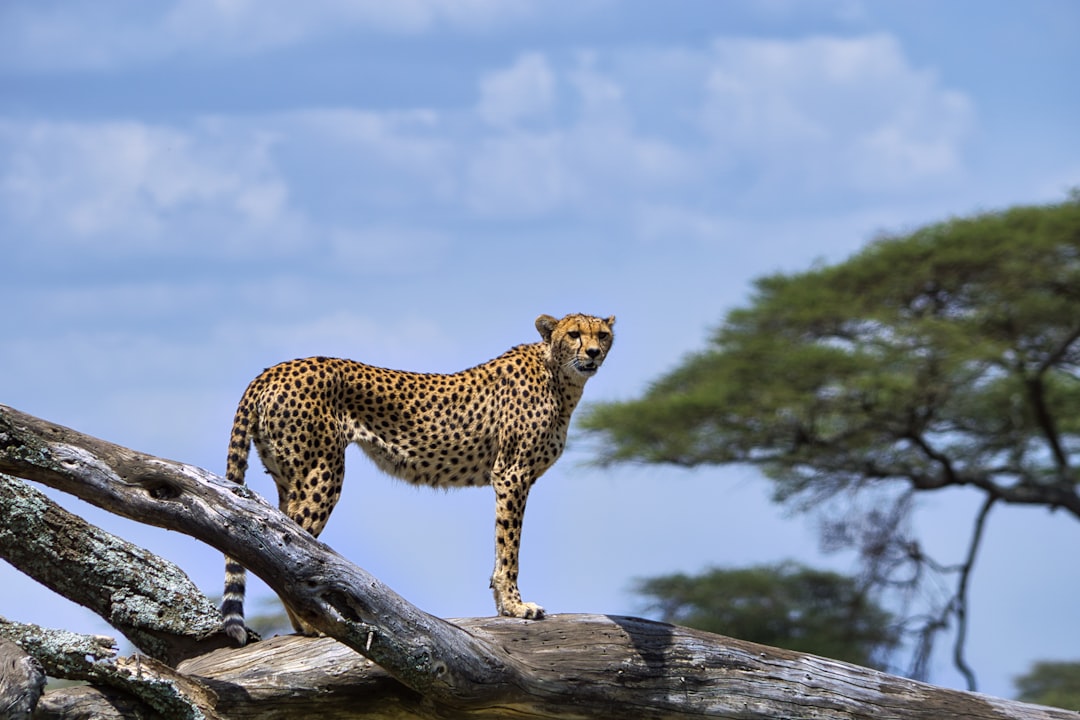
Predators follow the herds, making the migration a predator-prey showcase. Lions hunt in coordinated prides, bringing down large wildebeest. Cheetahs chase gazelles across open plains at 70 mph. Leopards ambush from trees and rocky outcrops. Hyenas and wild dogs join the feast.
Witnessing a hunt is rare but possible. Guides position vehicles to watch without disturbing animals. You'll see predator-prey interactions that documentaries capture. It's nature's reality: survival of the fittest played out before your eyes.
Other Iconic African Animals
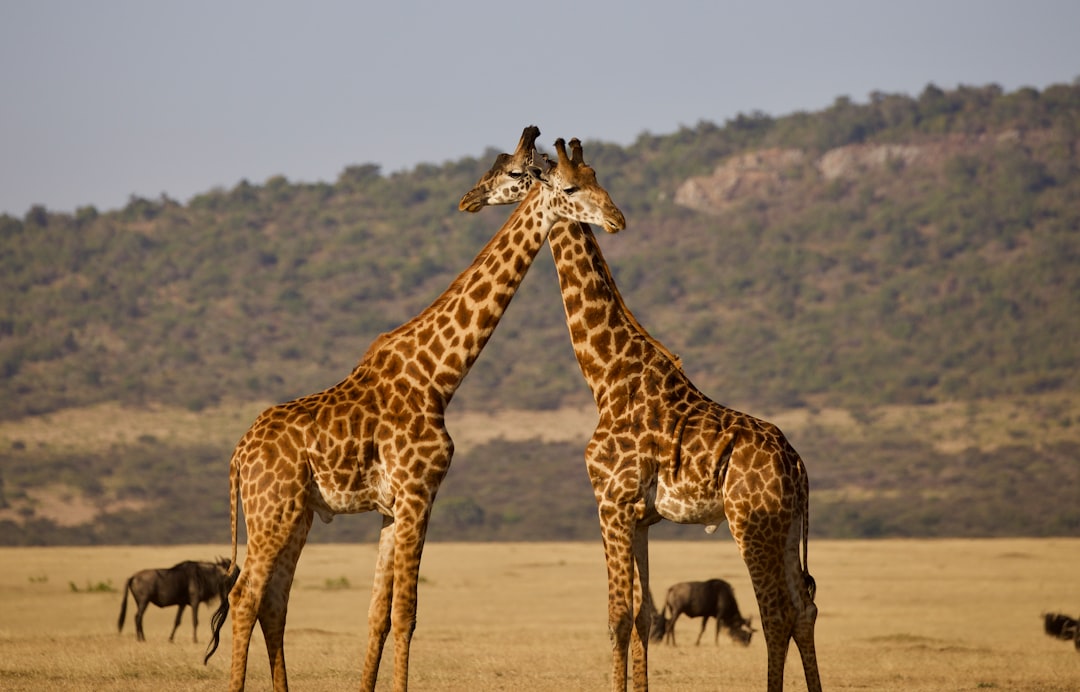
Beyond the main migration species, the Serengeti hosts incredible diversity. Elephants roam in family groups. Giraffes browse acacia trees with their impossibly long necks. Buffalo form large herds. Antelopes of various species graze throughout the park.
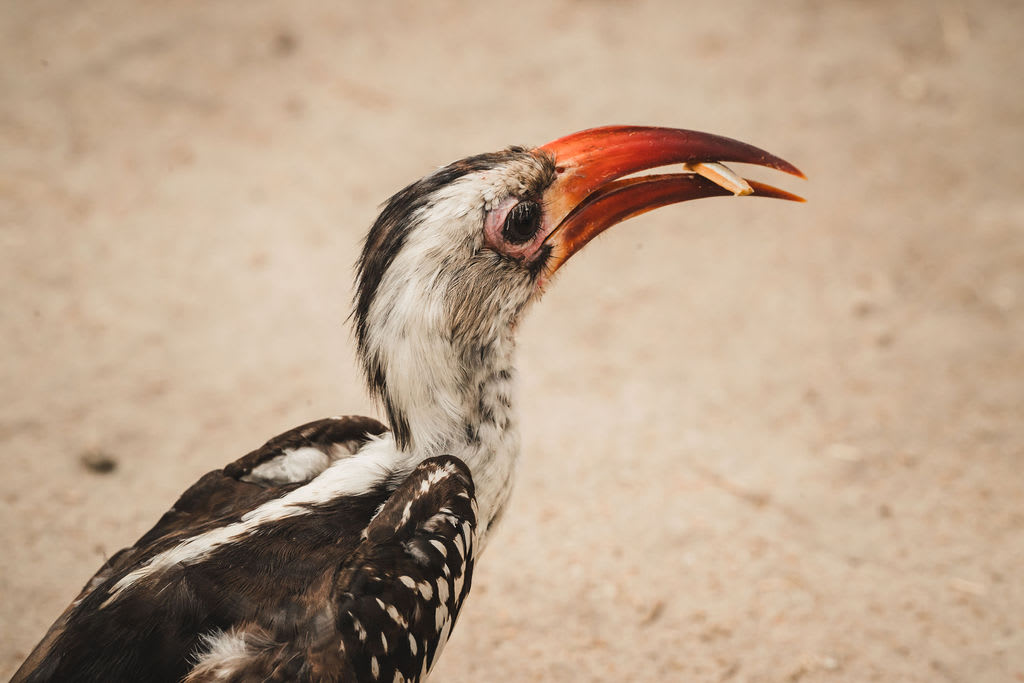
Bird watching is exceptional too. Over 500 bird species inhabit the Serengeti. Crowned eagles, ostriches, secretary birds, and countless others fill the skies. Bring binoculars and a bird identification guide to enhance this aspect of your safari.
How Tourism Affects the Migration
The Serengeti faces mounting pressure from tourism growth. Wildlife migration itself is collapsing in some regions due to habitat loss and human pressure. Understanding these challenges helps responsible travelers make ethical choices.
The Problem Isn't Tourism Itself
Safari tourism isn't inherently bad for the Serengeti. The real problem is how tourism is managed. Unregulated vehicle use damages vegetation and stresses animals. Overcrowding at wildlife viewing sites disrupts natural behaviors. Poor planning concentrates impact in sensitive areas.
However, responsible tourism provides economic incentives to protect the park. Tanzanian communities benefit from tourism revenue. This creates local support for conservation. When managed well, safari tourism funds habitat protection and anti-poaching efforts.
Visiting Responsibly in 2026
Choose operators committed to sustainable practices. Ask about their conservation efforts. Do they limit vehicle numbers? Do they follow strict wildlife viewing distances? Do they employ local guides and support community projects?
Plan your visit for less crowded seasons when possible. April-May offers excellent viewing with fewer environmental impacts. Your guide makes a huge difference. Experienced guides know sensitive areas to avoid. They teach wildlife behavior and conservation importance.
Stay in lodges using renewable energy and sustainable practices. Respect wildlife by maintaining proper distances. Never feed animals or leave trash. These small actions multiply across thousands of visitors, significantly reducing environmental impact.
Key Takeaways
- Book your 7-10 day Serengeti safari 3-6 months in advance to save 15-20% on peak season rates and secure lodging in popular camps.
- Visit July-September for dramatic river crossings with 1.5 million wildebeest, or January-February for newborn calf viewing and fewer crowds.
- Budget $2,500-$5,000 per person for mid-range 7-day safaris in 2026, including accommodation, meals, and park fees but excluding flights.
- Compare verified tour operators on SafariFind to find packages matching your budget, travel style, and specific wildlife interests before committing.
- Consult How Much Does a Tanzania Safari Cost? Budget Breakdown by Package Type to understand pricing across all experience levels.
Frequently Asked Questions
What is the best time of year for wildlife viewing in Serengeti?
The best time depends on what you want to see. July-September offers dramatic river crossings with predator action and massive herds. January-February provides newborn calf viewing with fewer tourists. April-May delivers excellent wildlife viewing at lower prices during the rainy season. Each period offers unique advantages for different traveler preferences and budgets.
How much does a safari in Tanzania typically cost?
A 7-day Serengeti safari costs $2,500-$5,000 per person for mid-range packages in 2026. Budget options start at $1,500-$2,500 per person. Luxury safaris range from $5,000-$15,000 per person. These prices include accommodation, game drives, meals, and park fees but exclude international flights, visas, and travel insurance. Tanzania Safari Cost Breakdown: Budget, Mid-Range & Luxury 2026 provides detailed pricing by experience level.
Can I see the Great Migration in both Tanzania and Kenya?
Yes, the Great Migration spans both countries. The herds spend July-October in the Masai Mara in Kenya and the northern Serengeti in Tanzania. January-February, they're in southern Tanzania. Many travelers book combined Kenya-Tanzania safaris to follow the migration across both countries, though this requires more time and budget. Focus on one country for your first safari, then explore the other on future trips.
What wildlife will I definitely see on a Serengeti safari?
You'll see wildebeest, zebras, and gazelles almost certainly. Lions, cheetahs, leopards, and other predators are commonly spotted. Elephants, giraffes, buffalo, and antelopes appear regularly. However, wildlife sightings depend on luck and season. No guide can guarantee specific animal sightings, but experienced guides maximize your odds. Over 4-5 game drive days, you'll typically see 20-30 different species.
How do I book a multi-day safari in Tanzania online?
Use SafariFind to browse verified tour operators and their available packages. Compare prices, ratings, and inclusions. Request quotes from operators matching your dates and budget. Read authentic traveler reviews to assess quality and reliability. Once you select an operator, they'll handle booking coordination, payment, and logistics. Most operators require a deposit upfront with final payment 4-6 weeks before departure. SafariFind connects you directly with established operators, eliminating middlemen and ensuring transparent pricing.
Are Tanzania safaris better than Kenya safaris?
Both offer incredible experiences with different advantages. Tanzania's Serengeti is larger and often less crowded than Kenya's Masai Mara. Kenya offers excellent wildlife viewing with potentially easier logistics for US travelers. The Great Migration occurs in both locations at different times. Your choice depends on budget, available dates, and travel style. Many experienced safari travelers visit both countries to experience each ecosystem fully.
What vaccinations and visa requirements do I need for Tanzania?
US citizens need a Tanzania visa, available online or at the border. Yellow fever vaccination is recommended for most travelers. Malaria prevention medication is important for most regions. Consult your doctor about other vaccinations like typhoid, hepatitis A, and tetanus. Tanzania Safari Visa & Vaccinations: US Citizen Requirements 2026 covers complete documentation requirements and health preparations for your trip.
Conclusion
The Great Migration in Tanzania's Serengeti is one of Earth's most spectacular natural events. Over 1.5 million wildebeest, zebras, and other animals move across the landscape following ancient migration routes. The best time to visit depends on what you want to experience: dramatic river crossings in July-September, newborn calves in January-February, or fewer crowds in April-May.
In 2026, expect to spend $2,500-$5,000 per person for a quality 7-day safari including accommodation and meals. Book 3-6 months in advance to secure the best rates and preferred lodging. Plan for at least 7 days to experience the Serengeti properly, though 10 days is ideal for serious wildlife photographers and nature enthusiasts.
Start your journey by comparing verified tour operators on SafariFind. Read authentic reviews from previous travelers. Request quotes from multiple operators to find the best value for your budget and travel style. The right operator makes the difference between a good safari and an unforgettable life experience.
The Great Migration awaits. Whether you're watching massive herds thunder across the plains or photographing newborn calves taking their first steps, the Serengeti will transform how you see nature. Plan your 2026 safari adventure today and prepare for memories that last a lifetime.
Plan Your Safari with SafariFind
These recommendations use real data from SafariFind, where you can compare operators, browse packages, and read verified traveler reviews before you book.
Recommended Safari Operators from SafariFind
Recommended Safari Packages from SafariFind
What Travelers Say (SafariFind Reviews)
References
- The Wildlife Society - Wildebeest Migration is Collapsing in Kenya
- African Budget Safaris - Great Migration: Travel Smart, See More, Stress Less
- Monkey Adventures - Great Migration in Serengeti in 2025/2026: What, When, Where & How Much?
- Acacia Collections - Great Migration 2026: Month-by-Month Guide
- Wildebeest Sightings - Detailed Serengeti Wildebeest Migration Map 2026/2027
- Wildlife Trails - Wildebeest Migration Safari February 2026
- TourRadar - Serengeti National Park: Best Time to Visit in 2026/2027
- Go2Africa - Guide to a 2026/2027 Wildebeest Migration Safari
Sources
- The Wildlife Society - Wildebeest Migration is Collapsing in Kenya
- African Budget Safaris - Great Migration: Travel Smart, See More, Stress Less
- Monkey Adventures - Great Migration in Serengeti in 2025/2026
- Acacia Collections - Great Migration 2026: Month-by-Month Guide
- Wildebeest Sightings - Detailed Serengeti Wildebeest Migration Map
- Wildlife Trails - Wildebeest Migration Safari February 2026
- TourRadar - Serengeti National Park: Best Time to Visit
- Go2Africa - Guide to a Wildebeest Migration Safari
Related to
Ready to start your safari adventure?
Explore curated safari packages and find your perfect African adventure with verified operators.