1 / 5
1 / 5🇹🇿 TanzaniaUNESCO site
Serengeti National Park
Size
14,750 km²
Elevation
960 m
Entry fee
Loading SafariFind...
1 / 5Size
14,750 km²
Elevation
960 m
Entry fee
SafariFind app
Keep up with your inquiries and bookings, and message operators wherever you are.

$80
Ideal stay
4 days
Established
1951
Nearest airport
Serengeti airstrips (Seronera, Kogatende, Grumeti); nearest major airport is Kilimanjaro International Airport (KIA) near Arusha
Nearest town: Arusha (approximately 5-6 hours drive away)
 5 daysPrivate
 Imana Yawiza Explorers Limited
 7 daysPrivateImana Yawiza Explorers Limited
 8 daysPrivateImana Yawiza Explorers Limited
 4 daysPrivateImana Yawiza Explorers Limited
 12 daysPrivate
 Eli-shama Divine Safaris
 6 daysPrivateImana Yawiza Explorers Limited
 6 daysPrivateImana Yawiza Explorers Limited
 4 daysPrivateImana Yawiza Explorers Limited
 4 daysPrivateImana Yawiza Explorers Limited
 13 daysPrivate
 Eliana Kenia Luxury Safaris
 6 daysPrivate
 Pumba Reisen
 6 daysPrivatePumba Reisen
The Great Migration is a year-round circular movement of approximately 1.8-2 million wildebeest, zebras, and gazelles across the Serengeti-Mara ecosystem. The migration follows a predictable pattern: January-February in southern Serengeti (calving season), March-May moving north, June-August in northern Serengeti and Maasai Mara (river crossings), and September-December returning south. The dramatic river crossings at Grumeti and Mara rivers typically occur in July-August, making this the peak migration viewing season.
Most visitors experience Serengeti through guided safari tours with professional guides, which is recommended for safety, wildlife knowledge, and navigation. Self-driving is permitted but requires a rental vehicle and valid driving permit. Guided safaris offer superior wildlife spotting expertise, knowledge of animal behavior, and navigation of the 14,750 km² park. Hot air balloon safaris provide unique aerial perspectives of the landscape and migration. Walking safaris, available with guides, offer intimate ground-level experiences. Tour operators in Arusha arrange multi-day safari packages combining various safari types.
Yes, Serengeti National Park is generally safe for tourists when following park regulations and safety guidelines. TANAPA (Tanzania National Parks Authority) enforces strict safety protocols. Visitors must remain in vehicles except at designated safe locations, follow guide instructions, and respect wildlife distances. The park has good infrastructure, ranger patrols, and emergency services. Standard travel precautions apply, such as vaccinations (yellow fever recommended) and travel insurance. Choosing reputable tour operators and established lodges enhances safety. Wildlife encounters are managed professionally, and serious incidents are rare when guidelines are followed.
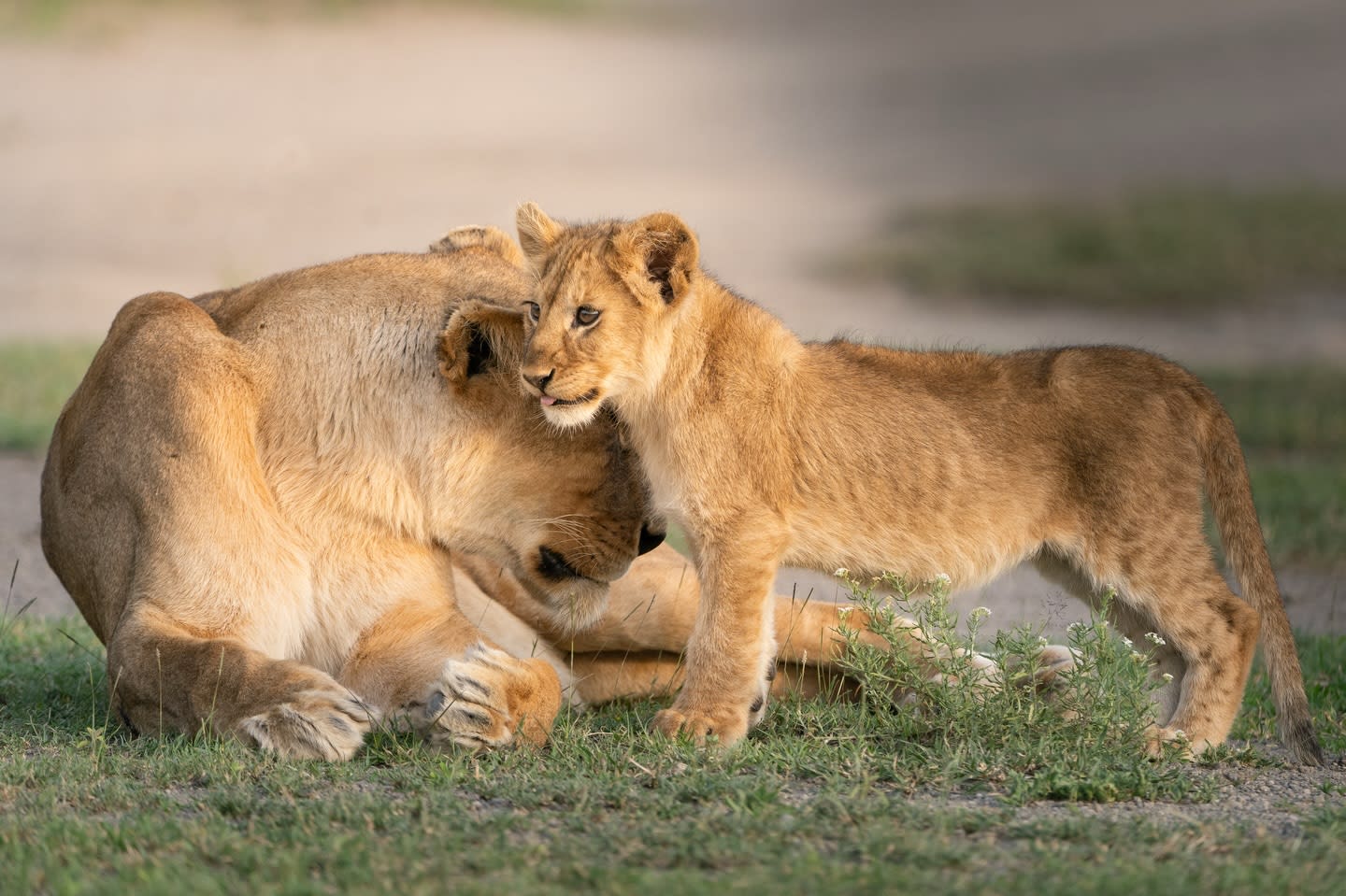
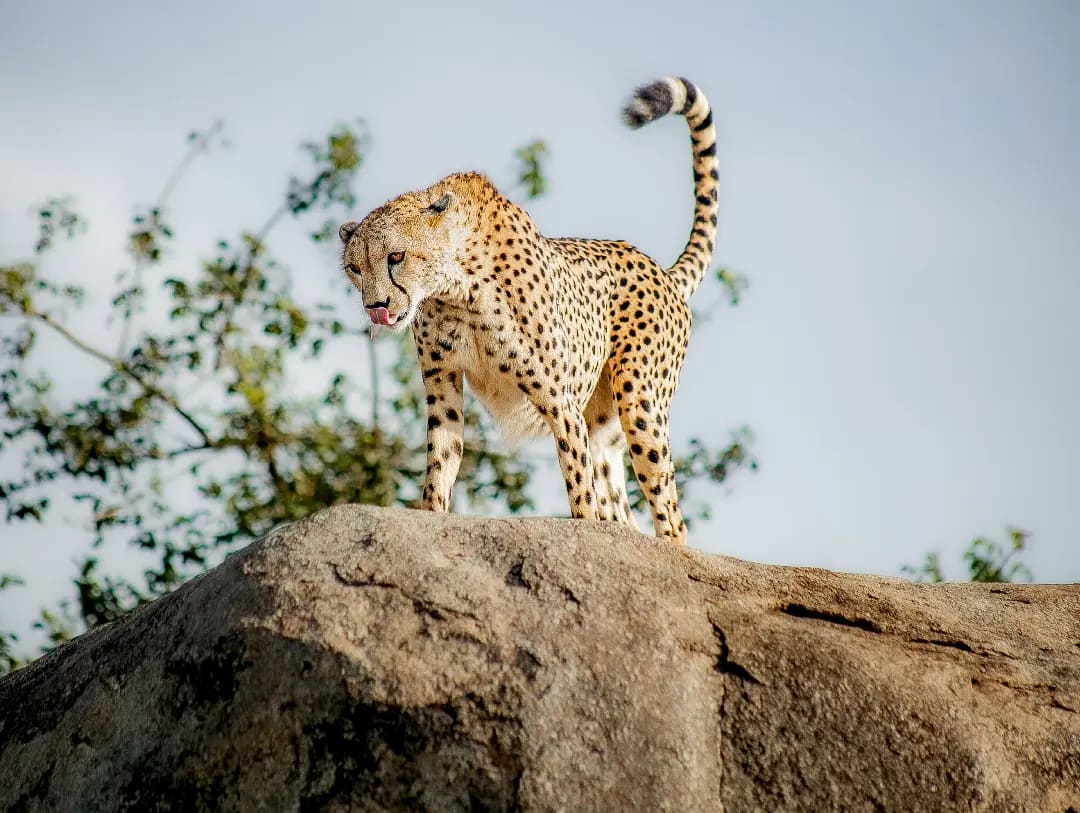
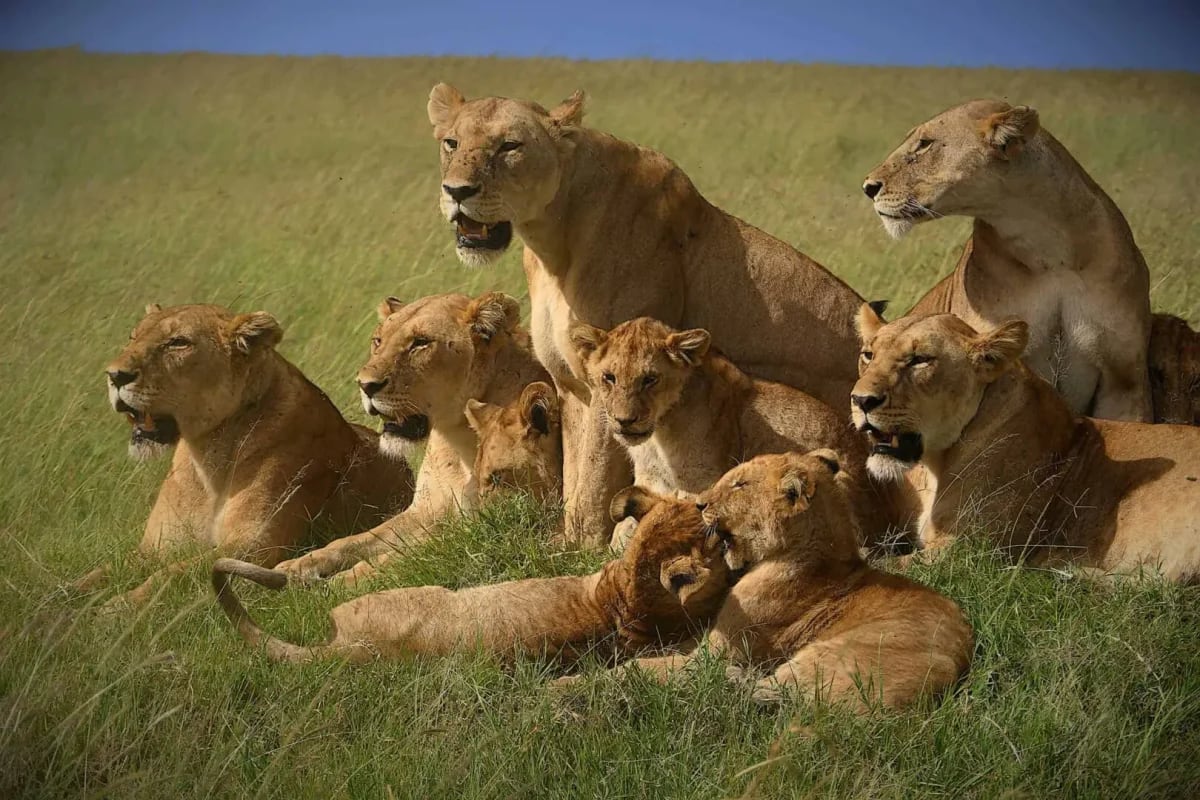
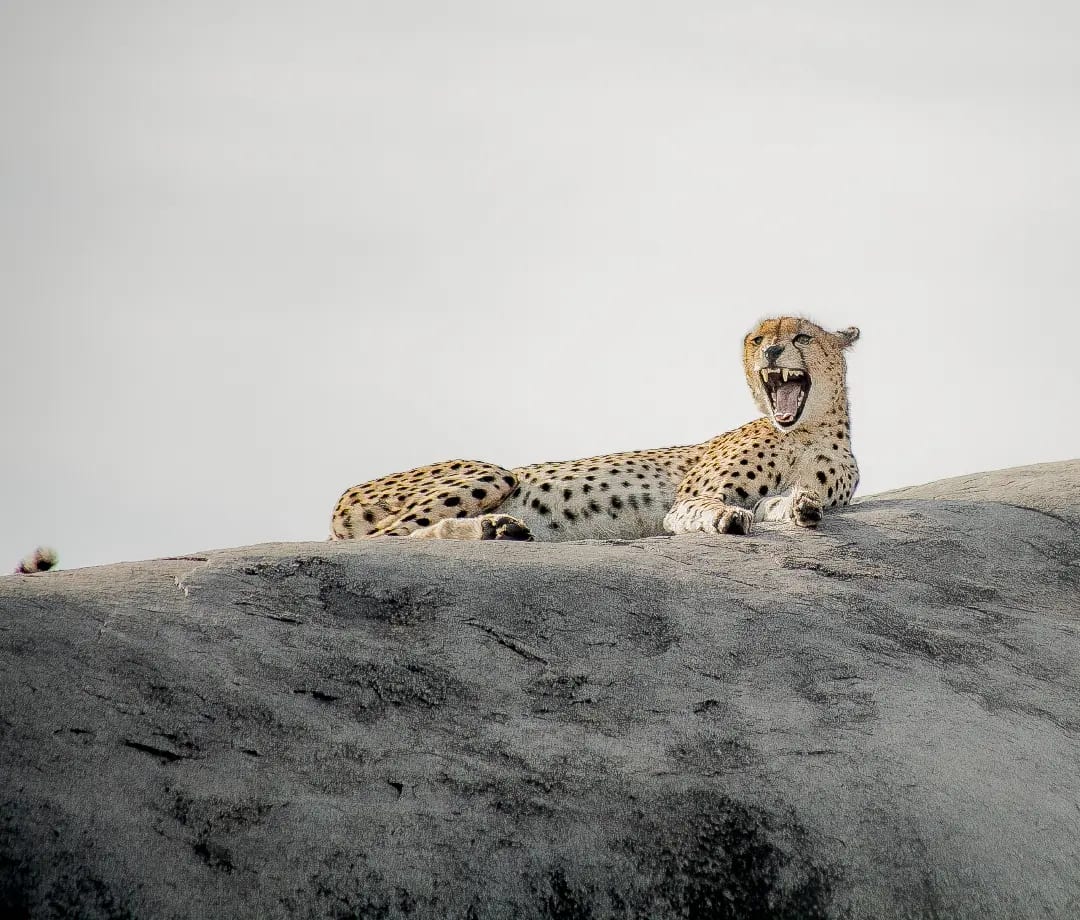
Serengeti hosts exceptional wildlife diversity with over one million wildebeest, hundreds of thousands of zebras and gazelles, and significant populations of predators including lions, leopards, cheetahs, and African wild dogs. The park contains four globally threatened or endangered species: black rhinoceros, African elephants, wild dogs, and African buffalo. You'll also encounter giraffes, hippos, crocodiles, warthogs, antelopes, and over 500 bird species. Sighting frequency varies by season and location within the park, with predator concentrations higher during migration periods.
Safari costs vary significantly by accommodation type and duration. Budget safaris range from $150-250 per day, mid-range from $300-600 per day, and luxury safaris from $800-2,000+ per day. Park entry fees are approximately $80 USD per day for foreign adults. Costs typically include accommodation, meals, safari vehicle with guide, park fees, and fuel. Multi-day packages (3-5 days) offer better value than single days. Prices fluctuate seasonally, with peak season (June-October) commanding premium rates. Booking through established tour operators in Arusha provides competitive pricing and package deals.
© 2026 SafariFind. All rights reserved.
 Ask about this