The Complete Guide to Selous Game Reserve in Tanzania
1. Overview & Location
The Selous Game Reserve, now partially renamed Nyerere National Park, stands as Africa's largest game reserve and one of the continent's most significant protected wilderness areas. Covering an expansive 50,000 square kilometers (19,000 square miles), the reserve is embedded within a larger 90,000 square kilometer ecosystem that includes national parks, forest reserves, and community-managed wildlife areas. This vast expanse has earned UNESCO World Heritage Site designation since 1982, recognizing its exceptional biodiversity and relatively undisturbed natural landscapes.
Located in southern Tanzania, the reserve is situated in a remote and secluded region that remains largely untouched by human development. The property is functionally linked with the 42,000 square kilometer Niassa reserve, creating one of Africa's most intact wilderness ecosystems. The reserve's isolation and size are key factors that have preserved its ecological integrity and made it a premier destination for serious wildlife enthusiasts.
2. Wildlife & Natural Features
Exceptional Wildlife Populations
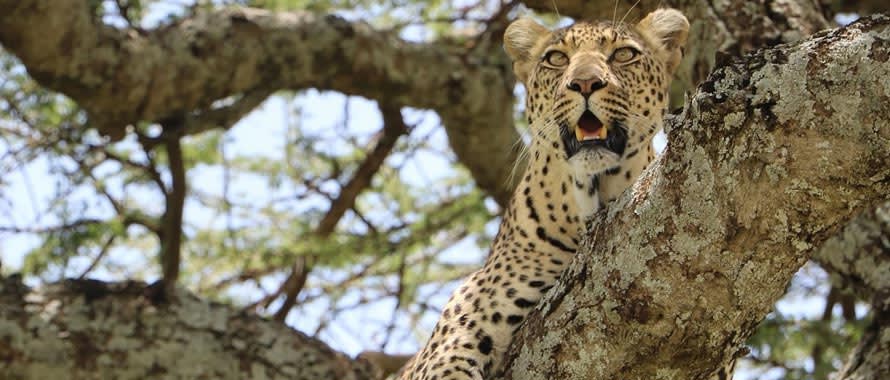
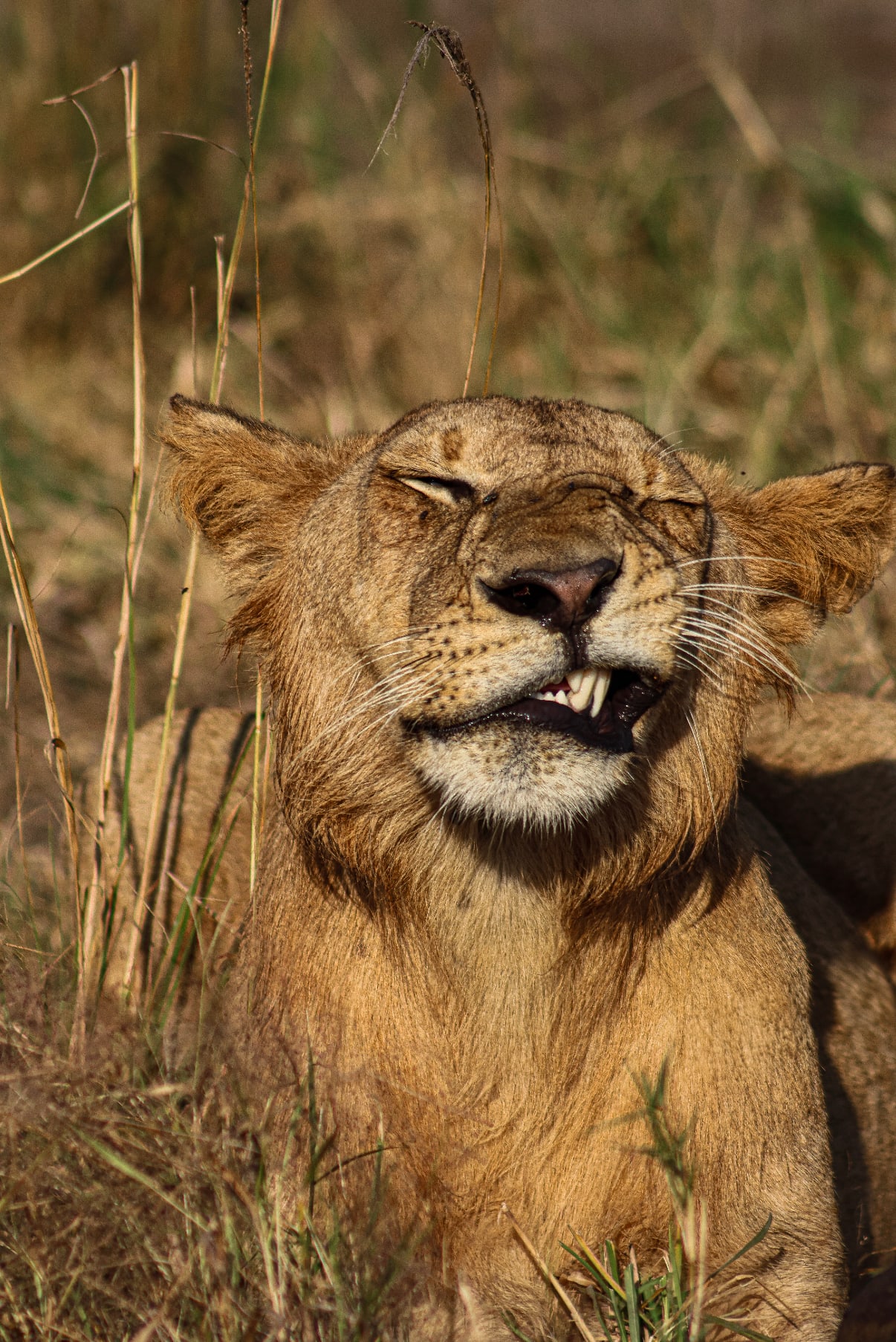
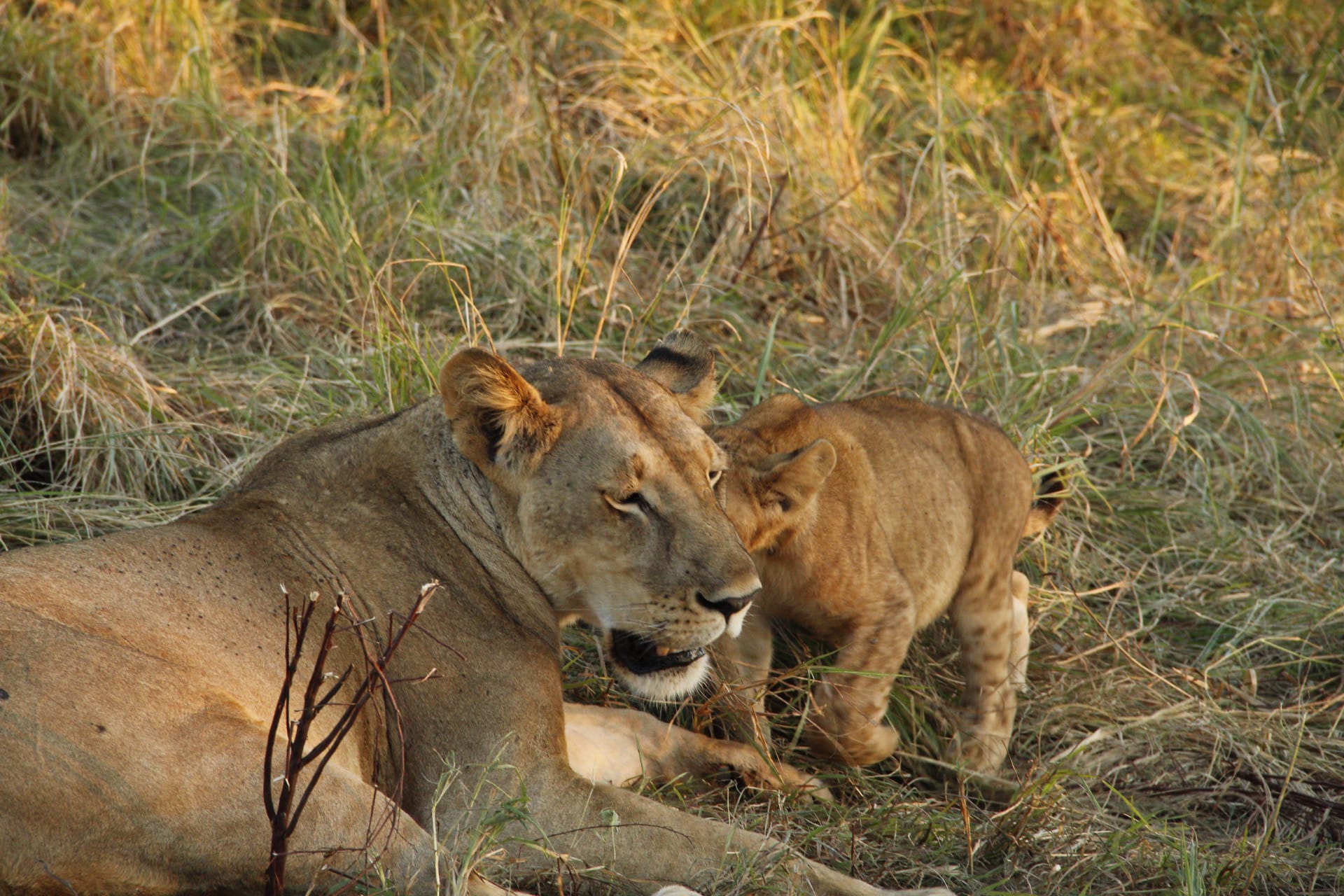
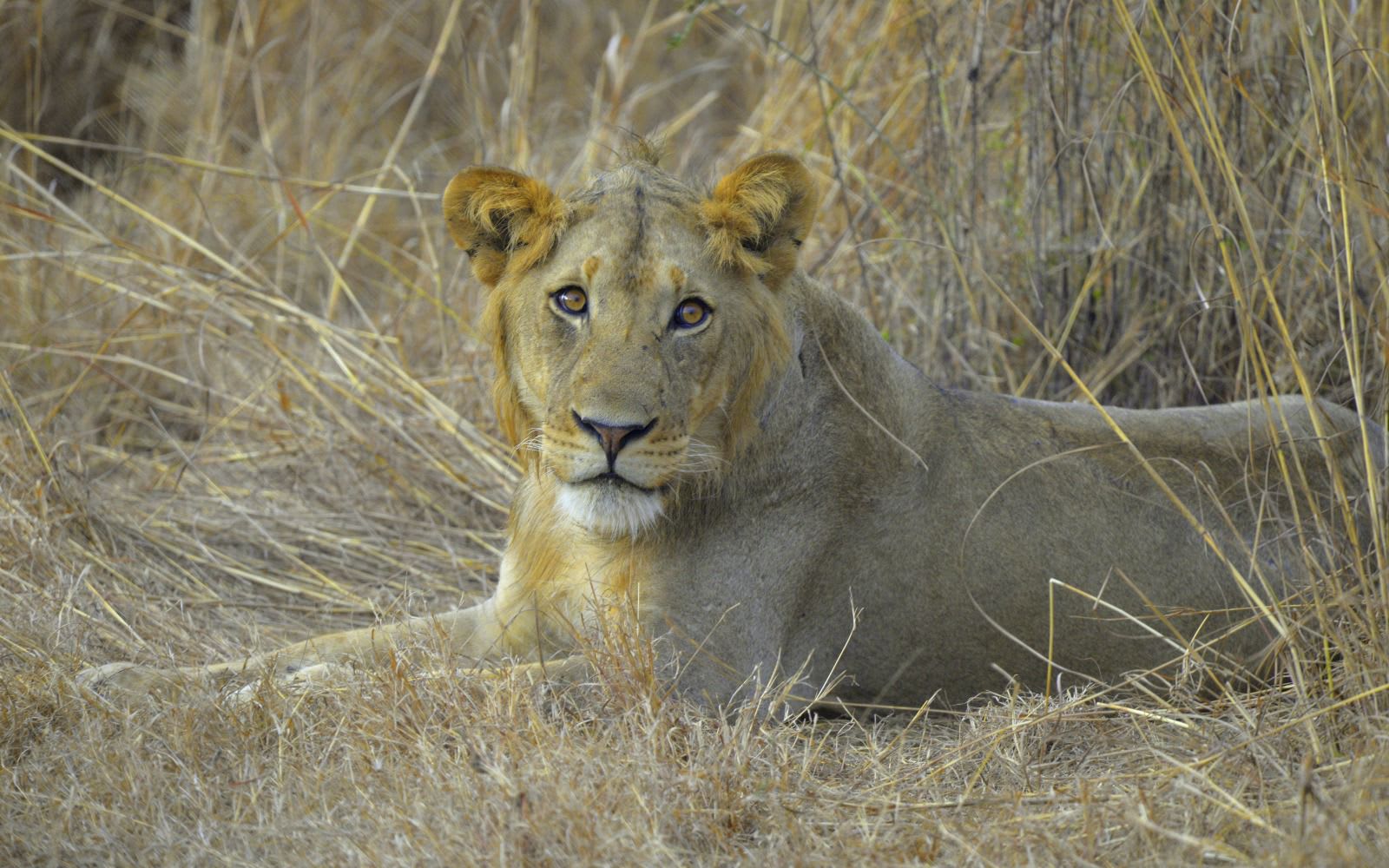
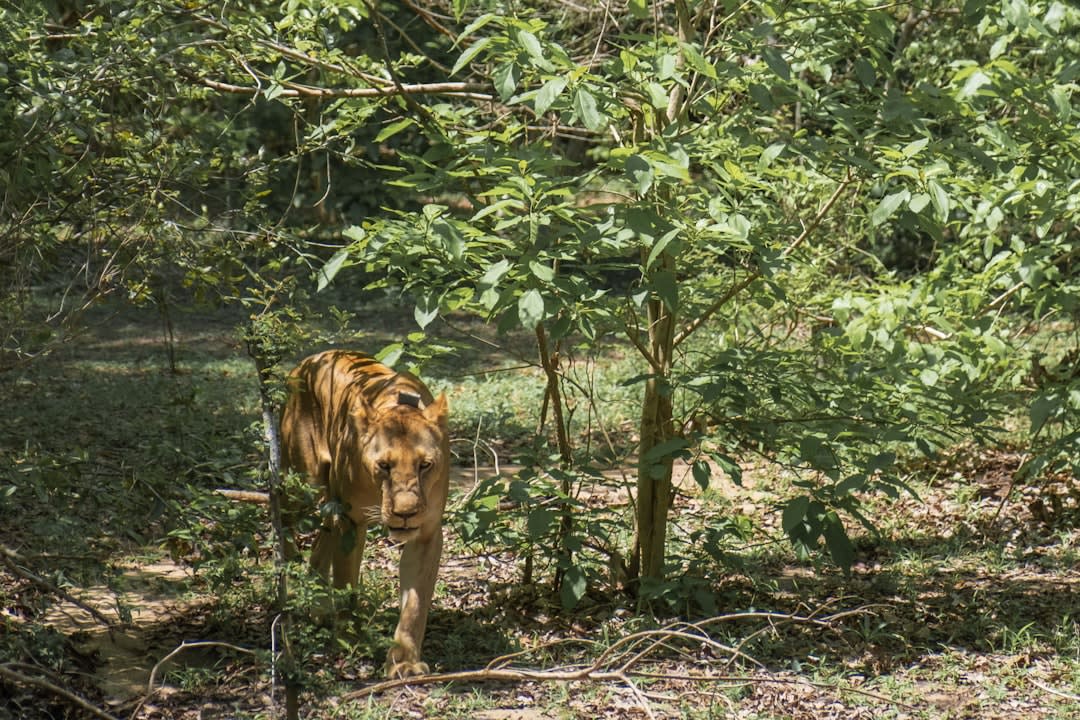
Selous Game Reserve harbors one of the most significant concentrations of African wildlife. The reserve is home to impressive populations of elephants, buffalo, and lions, which are found in greater numbers here than in many other African protected areas. The reserve also contains the last true stronghold for African wild dogs, making it critically important for this endangered species' survival.
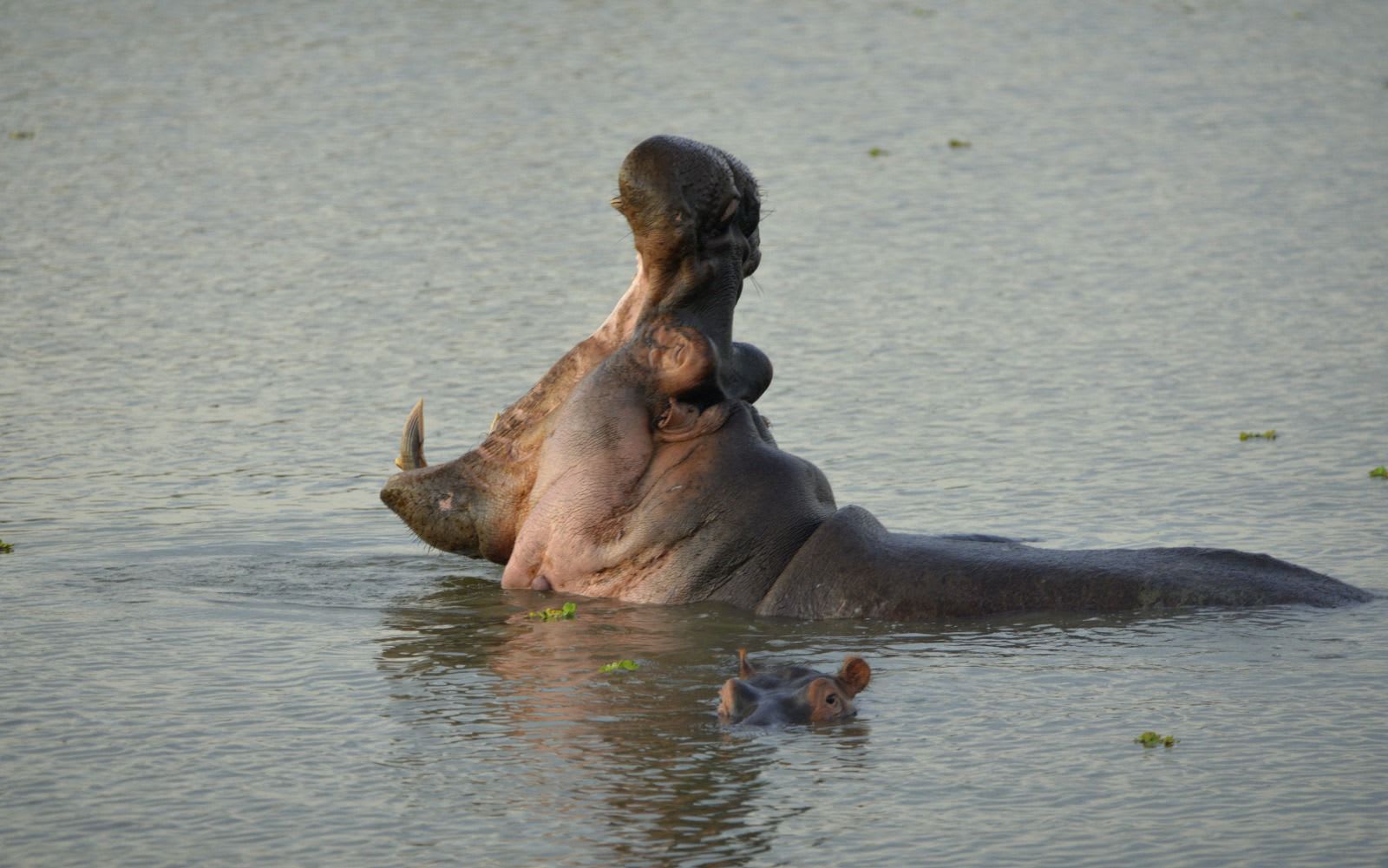
Beyond these megafauna, the reserve supports populations of black rhinoceros, cheetah, giraffe, hippopotamus, and crocodile. The high concentration and variety of animals make it an ideal destination for wildlife viewing, particularly near the numerous lakes and water circuits scattered throughout the reserve where diverse species congregate.
Diverse Habitats and Vegetation
The reserve's ecological significance stems partly from its exceptional habitat diversity. The landscape encompasses several distinct vegetation zones, including dominant deciduous Miombo woodlands, open grasslands, typical acacia savanna, rocky acacia-clad hills, gallery and ground water forests, riverine forests, swamps, and lowland rainforest. This variety of habitats supports different species assemblages and creates a valuable laboratory for ecological research.
The Rufiji River, the largest river in East Africa, flows through the reserve and forms a crucial ecological corridor. The river creates dynamic riverine ecosystems and eventually flows into the Indian Ocean opposite Mafia Island. The spectacular Stiegler Gorge, a canyon measuring nearly 100 meters deep and equally wide, represents another dramatic natural feature within the reserve.
3. Best Time to Visit
The reserve experiences distinct seasonal patterns that affect wildlife visibility and accessibility. The dry season, typically from June through October, represents the optimal visiting period. During these months, animals concentrate around water sources, making wildlife viewing more predictable and rewarding. The landscape is also more accessible, as roads are in better condition.
The wet season, from November through May, transforms the landscape into lush green vegetation but can make road access challenging. However, this period brings different wildlife viewing opportunities and is ideal for birdwatchers, as the reserve supports an exceptionally high variety of bird species. Water levels also rise significantly during wet months, making certain safari activities more viable.
4. Activities & Experiences
Diverse Safari Options
Selous Game Reserve offers the widest diversity of safari activities in Tanzania. Traditional game drives allow visitors to explore the reserve's expansive landscapes and search for wildlife across varied terrain. The reserve's size means that visitors often experience lower animal densities than in busier northern parks, but the quality of wilderness experience is unparalleled.
Boating safaris along the Rufiji River and associated lakes represent a unique attraction. These water-based experiences provide different perspectives on wildlife and allow visitors to observe species that congregate at water sources. The river systems create intimate safari experiences distinct from land-based game viewing.
Walking Safaris and Fly Camping
Walking safaris immerse visitors in the reserve's ecosystems on foot, offering a more intimate connection with the landscape and wildlife. The reserve's vast size and relatively low human disturbance make walking safaris particularly rewarding for those seeking authentic wilderness experiences.
Legendary fly camping trips represent the ultimate safari adventure. These mobile camps allow visitors to experience the reserve's remote interior, moving through different ecosystems and habitats while camping under the stars. This immersive experience provides unparalleled access to the reserve's wilderness character.
5. Getting There
Air Access
Most visitors reach Selous Game Reserve by small aircraft from Dar es Salaam, the nearest major city. This remains the most practical and popular access route, as the reserve's remote location makes overland travel time-consuming. Multiple airstrips serve the reserve's lodge and camp facilities, though visitors should note that temporary closures occasionally occur for maintenance.
Alternative Access Routes
Train and car access to the reserve is possible but considerably more challenging and time-consuming than air travel. Road conditions can be variable, particularly during wet seasons, making independent overland travel less practical for most visitors. Those with extended timeframes may explore these alternatives, but air access remains the recommended option.
6. Practical Information
Accommodation Options
The reserve offers various accommodation choices catering to different preferences and budgets. Several high-end lodges and camps are situated along river and lake systems, providing comfortable bases for safari activities. The photographic wildlife zone in the northern section along the Rufiji River contains approximately one lodge and ten tented four-person camps, with additional facilities under development. These accommodations range from luxury camps to more modest tented options, ensuring diverse visitor experiences.
Reserve Management and Activities
The reserve operates under specific management protocols that balance conservation with sustainable tourism. A large section of the northern park along the Rufiji River is designated as a strict photographic wildlife zone, prioritizing game viewing and photography over hunting activities. This area represents the primary destination for most wildlife tourists.
Visitors should be aware that trophy hunting is permitted in designated areas of the reserve under Tanzania's Wildlife Conservation Act, though this does not affect the photographic wildlife zones where tourists typically visit. This hunting provides important revenue for reserve management and conservation efforts.
Planning Your Visit
Prospective visitors should book accommodations well in advance, particularly during peak dry season months. Most lodges and camps can arrange charter flights from Dar es Salaam. It is advisable to consult with experienced safari operators familiar with Selous to plan activities that match individual interests and fitness levels. The reserve's vast size means that meaningful wildlife experiences require adequate time; a minimum of three to four days is recommended to fully appreciate the reserve's wilderness character and wildlife viewing opportunities.
The Selous Game Reserve represents a premier African safari destination for travelers seeking authentic wilderness experiences, exceptional wildlife viewing, and diverse safari activities in one of the continent's most pristine protected areas.