Tanzania Safari Field Guide: Wildlife ID + Best Viewing Seasons 2026
Identify Big Five wildlife and plan peak viewing seasons in Tanzania. Learn when to visit for Great Migration, budget tips, and wildlife photography.

Tanzania Safari Field Guide: Wildlife ID 2026
Last updated: July 2026
Tanzania's safari field guide helps you identify Big Five wildlife and plan peak viewing seasons. The best time for wildlife viewing is June to October during the dry season when the Great Migration crosses the Serengeti. Budget travelers save 40-60% visiting April to May. Book through verified operators on SafariFind to compare packages and read authentic reviews from past travelers.
At a Glance
- Best time to visit: June to October for peak wildlife viewing and Great Migration river crossings
- Budget season: April to May with 40-60% lower prices and lush landscapes
- Recommended stay: 3 nights minimum in the Serengeti
- Top destinations: Serengeti National Park, Ngorongoro Crater, northern Tanzania
- Wildlife highlights: Big Five (lion, leopard, buffalo, elephant, rhino), wildebeest, zebra, gazelle
- Peak season crowds: July-October sees highest tourist numbers but best animal sightings
What is a Tanzania Safari Field Guide?
A Tanzania safari field guide is your essential companion for identifying wildlife and understanding viewing seasons. It combines wildlife identification tips with seasonal information to help you plan the perfect safari experience. This guide covers the Big Five, migration patterns, and when to see specific animals across Tanzania's protected areas.
Tanzania safari field guide knowledge helps you make informed decisions about your trip timing and destination choice. Whether you want to witness the Great Migration, spot rare animals, or save money on your adventure, understanding seasons and wildlife behavior matters. Many travelers overpay for safaris by visiting at the wrong time or choosing poorly-matched packages.
Why Tanzania Wildlife Identification Matters
Identifying wildlife correctly enhances your safari experience significantly. You'll appreciate animal behavior, understand ecological relationships, and capture better photos when you know what you're looking at. Field guides help you spot camouflaged leopards, distinguish lion subspecies, and recognize animal signs like tracks and scat.
Tanzania's wildlife field guide also prepares you mentally for what to expect. Knowing that African elephants have larger ears than Asian elephants, or that buffalo can be more dangerous than lions, helps you stay safe and respect animal boundaries during your safari adventure.
Best Wildlife Viewing Seasons in Tanzania
The best time to visit Tanzania for wildlife depends on what animals you want to see and your budget. Tanzania offers year-round wildlife viewing, but specific seasons concentrate animals in predictable locations. Understanding seasonal patterns helps you plan affordable safaris and maximize animal sightings.
Peak Dry Season (June to October): The Classic Choice
Peak season from July to October represents the pinnacle of East African safari conditions, characterized by dry weather and thinning vegetation that makes wildlife viewing optimal. This period coincides with the Great Migration river crossings in the Mara River, where over 1.5 million wildebeest cross between Tanzania and Kenya.
During peak season, animals concentrate around remaining water sources, making them easier to spot. The Serengeti's grasslands clear of vegetation, giving you unobstructed views of predators and prey. However, peak season brings higher prices and more tourists competing for game drives. Popular lodges book 6-12 months in advance during these months.
The dry season also includes January to February in northern Tanzania, offering a shorter but equally productive viewing window. Fewer tourists visit during these months, reducing competition for prime viewing spots. Prices remain lower than peak July-October rates while animal sightings remain excellent.
Green Season (April to May): Best Budget Tanzania Safari
The long rains transform Tanzania's landscapes into lush, verdant plains studded with wildflowers. This is the year's best value period for Tanzania safari packages, with prices dropping 40-60% compared to peak season. Tour operators reduce rates to attract budget-conscious travelers during quieter months.
Green season offers excellent wildlife viewing despite the rainy reputation. Animals disperse across the landscape with abundant vegetation and water, making them harder to locate but more numerous overall. Birdwatchers find this season exceptional, with migratory species arriving from Europe and Asia. The landscape photography is stunning with fresh green vegetation and dramatic cloud formations.
Rainfall typically occurs in afternoon downpours, leaving mornings clear for game drives. You'll experience fewer tourists, more personalized guide attention, and lower accommodation costs. This season suits photographers seeking dramatic skies and travelers wanting authentic safari experiences without crowds.
Shoulder Seasons: March and November
March and November offer transitional wildlife viewing with moderate prices and variable animal concentrations. These months bridge peak and green seasons, making them unpredictable but potentially rewarding for flexible travelers. Some animals remain concentrated at water sources while others disperse, creating mixed viewing opportunities.
March typically sees lingering rains from the green season, while November begins the short dry season. Both months offer good value compared to peak season and better wildlife viewing than deep green season. Lodges may have availability during these shoulder periods, allowing you to book closer to your travel dates without premium pricing.
Tanzania Big Five Wildlife Identification Guide
The Big Five represent Africa's most iconic and dangerous animals: lion, leopard, buffalo, elephant, and rhino. Identifying these animals correctly enhances your safari experience and helps you understand their behavior and ecology. Tanzania's northern safari circuit offers excellent opportunities to see all five species in their natural habitat.
Lions: Africa's Apex Predators
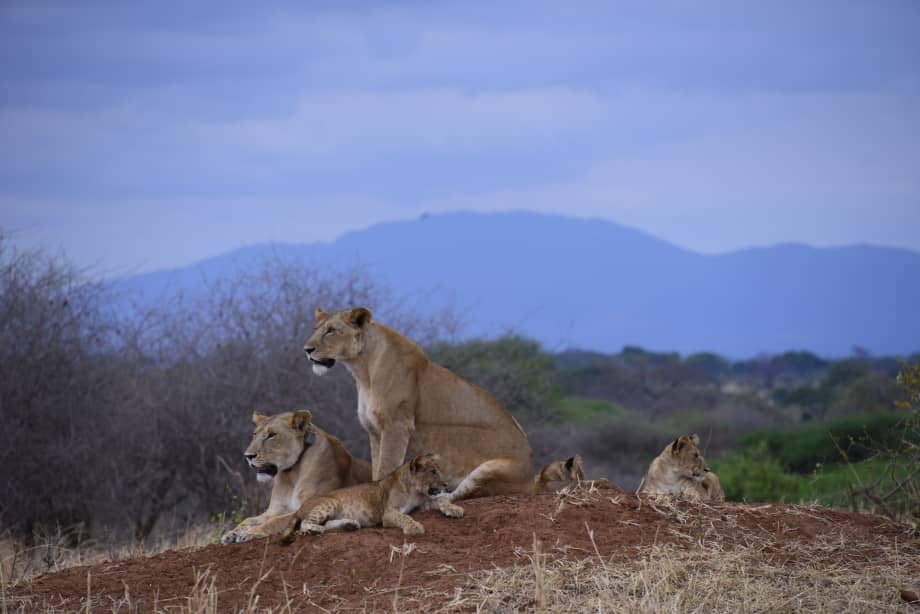
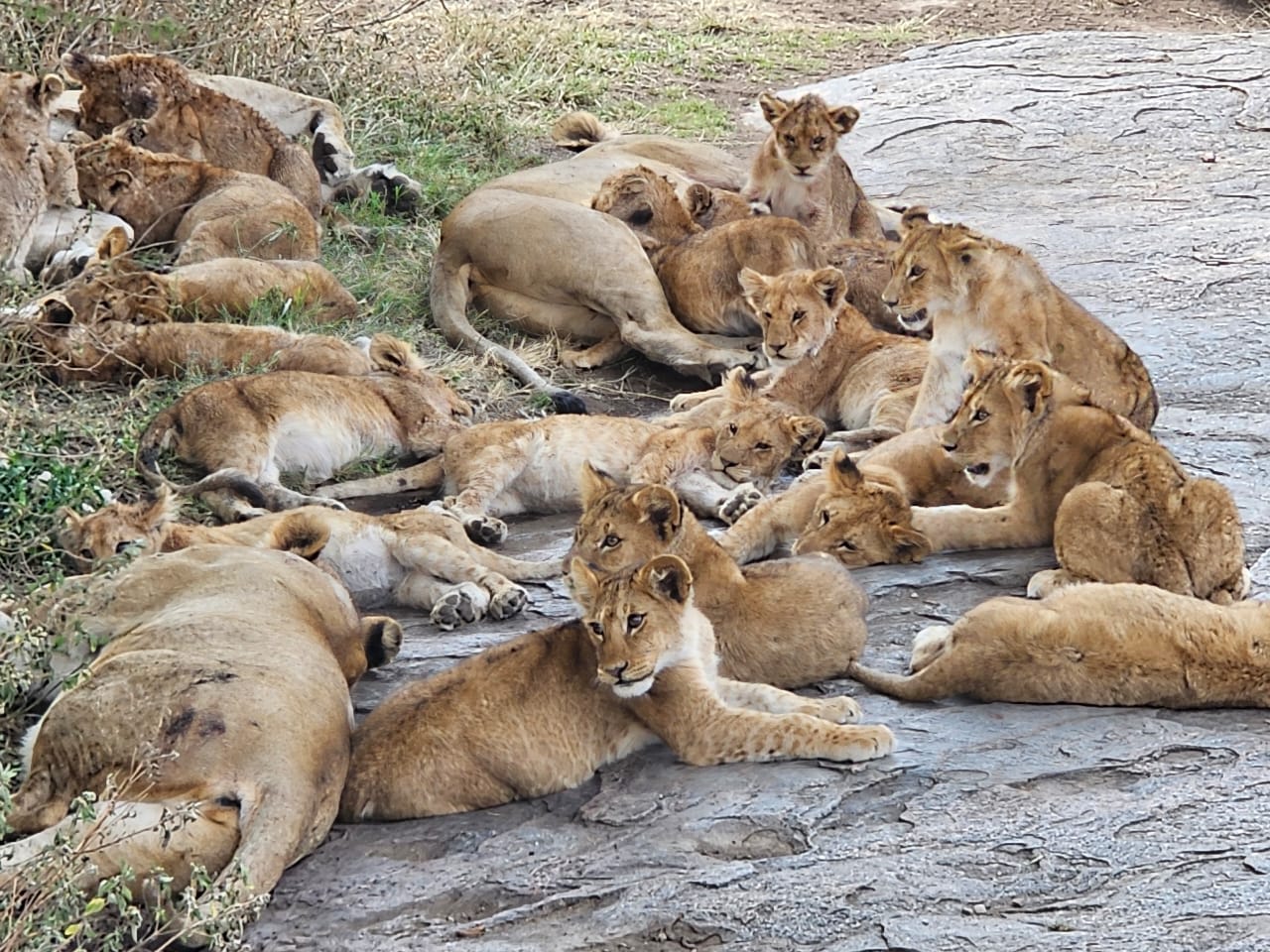
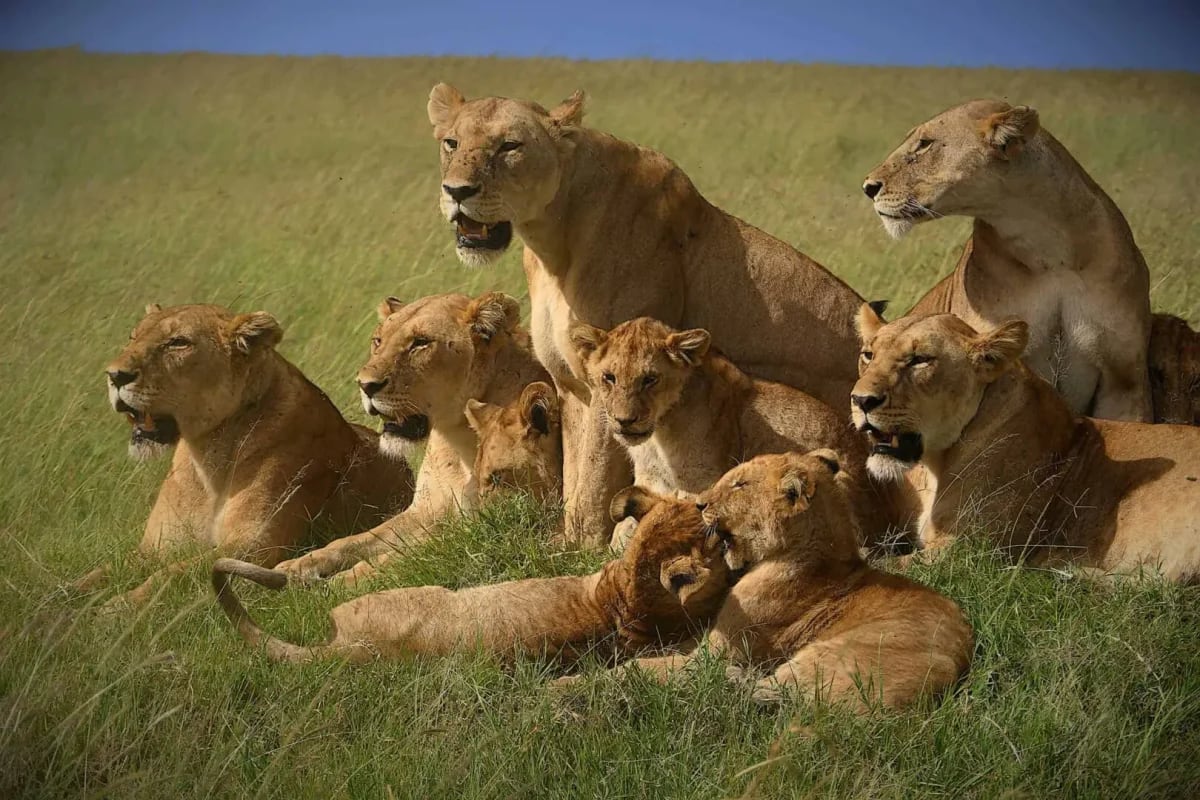
Lions are Africa's largest cats and the only truly social felines, living in prides of 4-30 individuals. Male lions feature distinctive manes that darken with age and social status, while females remain mane-less. You can identify lions by their tawny coloring, muscular build, and characteristic roar that carries up to 9 kilometers across the savanna.
In Tanzania, lions inhabit the Serengeti, Ngorongoro Crater, and surrounding areas. The Serengeti supports over 3,000 lions, making it one of Africa's largest populations. Male lions sleep 16-20 hours daily while females do most hunting. During your safari, you'll likely spot lions resting in shade during hot afternoons, becoming active during cooler dawn and dusk hours.
African Elephants: The Gentle Giants
African elephants are Earth's largest land animals, weighing up to 6,000 kilograms and standing 4 meters tall. Unlike Asian elephants, African elephants have larger ears, a concave back, and a single dome on their head. Both males and females typically have tusks, though some females lack tusks depending on genetics and poaching history.
Tanzania's elephant populations face ongoing threats from poaching, making conservation efforts critical. The Serengeti and surrounding parks host thousands of elephants that migrate seasonally following water and food sources. You'll recognize elephants by their distinctive trunk with 40,000 muscles, their deep rumbling communication, and their intelligent, social behavior. Elephant families are matriarchal, led by the oldest female who remembers water locations during droughts.
African Buffalo: The Unpredictable Danger
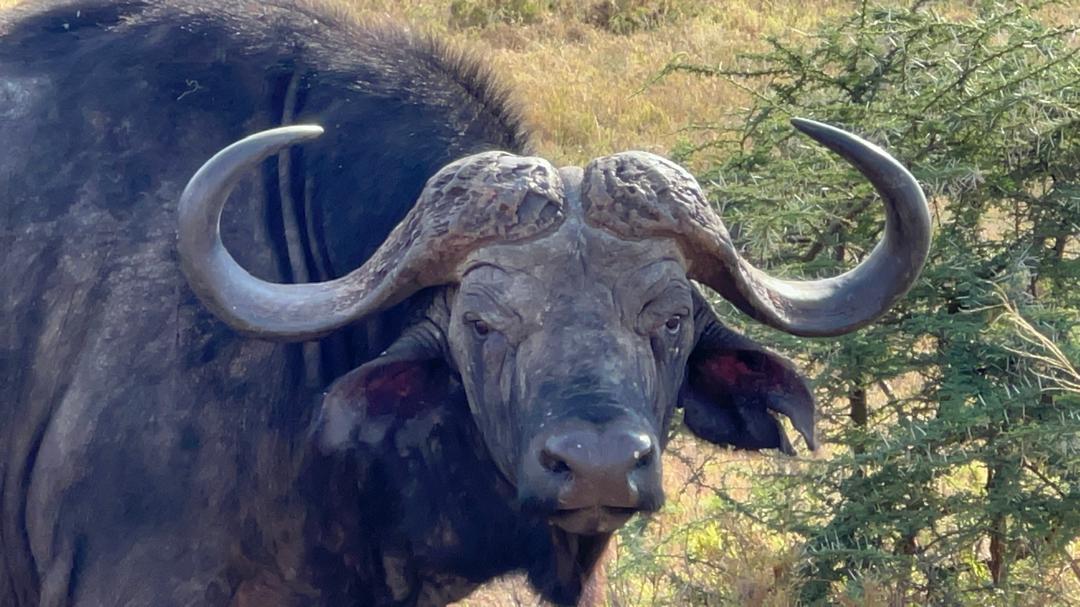
African buffalo are large bovines weighing up to 900 kilograms with massive horns that curve downward and inward. Despite their herbivore status, buffalo are considered more dangerous than lions because they're unpredictable and aggressive when threatened. Males are darker than females, and both sexes have thick horns that provide excellent defense.
Buffalo live in herds ranging from small groups to massive gatherings of thousands. The Serengeti supports substantial buffalo populations that follow the Great Migration. During your safari, you'll spot buffalo grazing in grasslands and wallowing in water holes. Never approach buffalo on foot—they have poor eyesight but excellent hearing and smell, and they charge aggressively when startled.
Leopards: The Elusive Spotted Cats
Leopards are Africa's most elusive big cats, with golden coats covered in dark rosette patterns that provide perfect camouflage. They're solitary, nocturnal hunters that spend daylight hours resting in trees. Leopards are smaller than lions but incredibly powerful, capable of dragging prey twice their body weight into trees.
Spotting leopards requires patience and good fortune. Tanzania's national parks host healthy leopard populations, but their solitary, nocturnal nature makes sightings less common than lions. Experienced guides know leopard territories and feeding patterns, increasing your chances of observation. Look for leopards draped over tree branches during the heat of day, or listen for alarm calls from other animals that alert you to a leopard's presence.
Black Rhinos: Tanzania's Rarest Big Five Member
Black rhinos are critically endangered, with fewer than 6,000 remaining in Africa. Tanzania hosts a small population primarily in the Ngorongoro Crater. These massive animals weigh up to 1,400 kilograms and have distinctive two-horned heads with aggressive temperaments when threatened.
Rhino sightings in Tanzania are rare and special. The Ngorongoro Crater offers your best chance to see these prehistoric-looking animals, though even there sightings aren't guaranteed. Black rhinos are browsers that eat leaves and shrubs, unlike white rhinos which graze. Their poor eyesight but excellent hearing and smell make them dangerous when surprised. Rhino conservation remains critical for this species' survival in Tanzania.
Explore Northern Tanzania Safari Guide: 7-Day Itinerary + Cost 2026 to see where you can spot these magnificent creatures during your adventure.
Additional Wildlife Species You'll See on Tanzania Safaris
Beyond the Big Five, Tanzania's safaris feature dozens of other incredible animals that make your experience unforgettable. Understanding these species helps you appreciate the ecosystem's complexity and interconnected wildlife relationships. Many travelers find their favorite sightings among these secondary species rather than the famous Big Five.
Wildebeest and the Great Migration
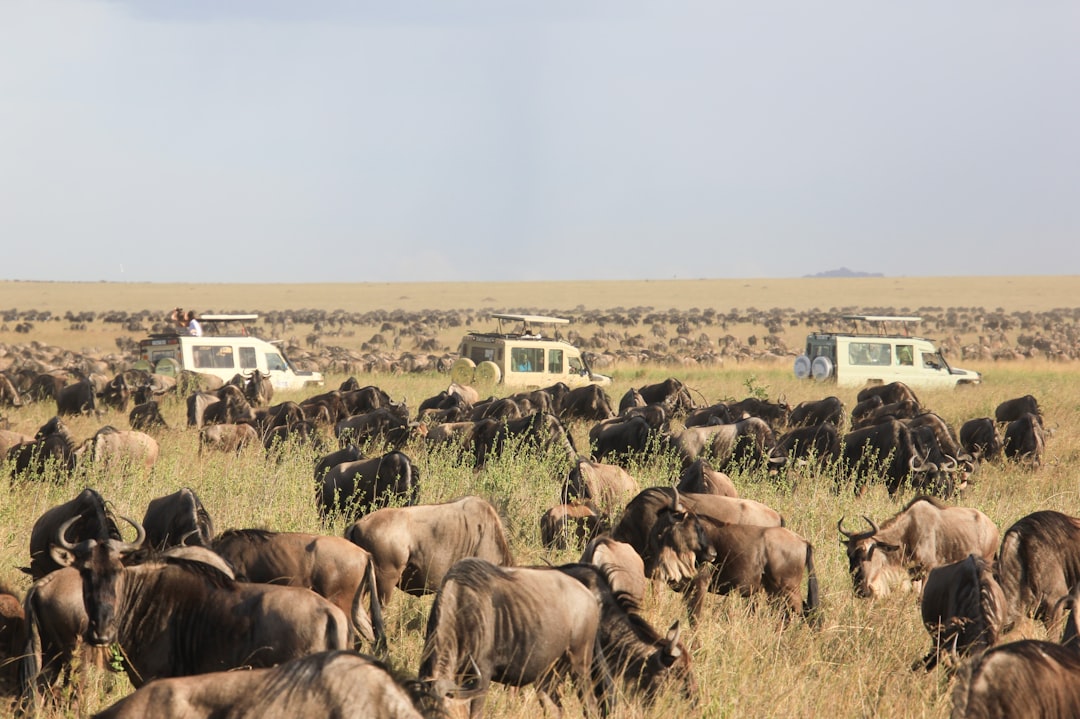
Wildebeest are medium-sized antelopes famous for the Great Migration, when 1.5 million animals move between Tanzania and Kenya following seasonal rains. These animals have distinctive bearded faces, dark coloring, and powerful horns. Despite their intimidating appearance, wildebeest are herbivores that rarely attack humans.
The Great Migration represents one of Earth's greatest wildlife spectacles. From July to October, massive herds cross the Mara River, with thousands drowning or falling to crocodiles and lions. This natural drama unfolds across the Serengeti landscape, creating unforgettable safari moments. Witnessing the migration's river crossings is a life-changing experience for most travelers.
Zebras, Gazelles, and Other Herbivores
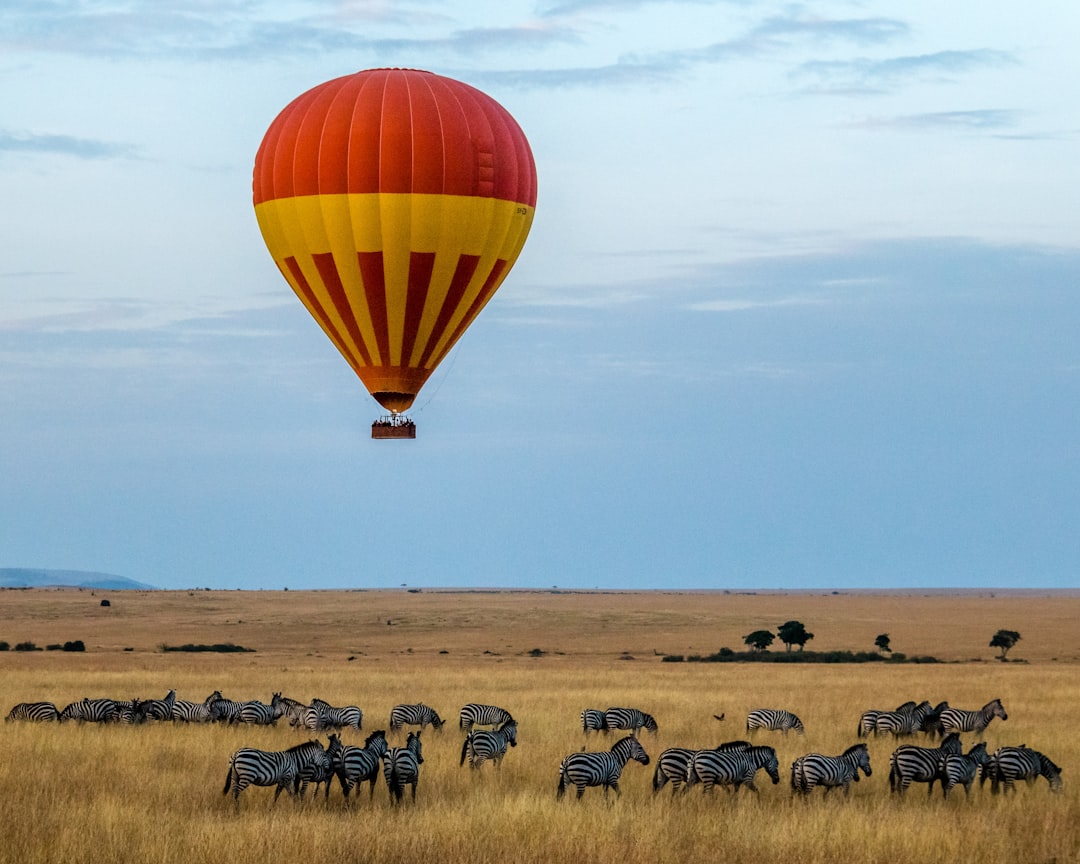
Zebras are distinctive striped equines with each individual having unique stripe patterns like fingerprints. Tanzania's zebras include Burchell's and Grant's zebras, both herbivores that graze in large herds. Gazelles include Thomson's gazelles (small with distinctive black side stripes), Grant's gazelles (larger with long horns), and impala (medium-sized with lyre-shaped horns).
These herbivores form the foundation of Tanzania's food chain, supporting predators like lions, leopards, and wild dogs. Their movements follow grass availability, creating seasonal migration patterns beyond the famous wildebeest migration. Watching predator-prey interactions provides insight into natural ecosystem balance and animal behavior.
Predators Beyond the Big Five
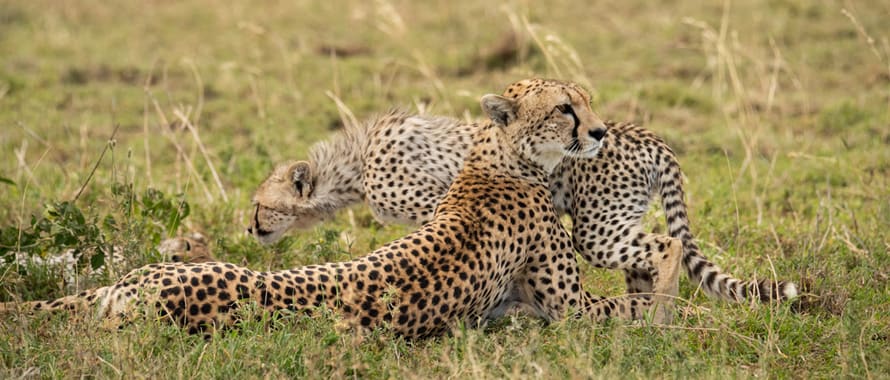
Tanzania hosts several predators beyond the Big Five that offer excellent viewing opportunities. African wild dogs are pack hunters with distinctive mottled coats and large rounded ears. Hyenas are powerful scavengers and hunters often misunderstood as cowardly, though they're actually intelligent, social animals. Cheetahs are Africa's fastest land animals, reaching 110 kilometers per hour while hunting gazelles across open plains.
These predators demonstrate different hunting strategies and social structures compared to lions and leopards. Wild dogs hunt cooperatively with 80% success rates, far exceeding lions' 25% success. Hyenas live in complex matriarchal clans with sophisticated communication. Cheetahs rely on speed rather than strength, hunting during daylight to avoid competition with larger predators.
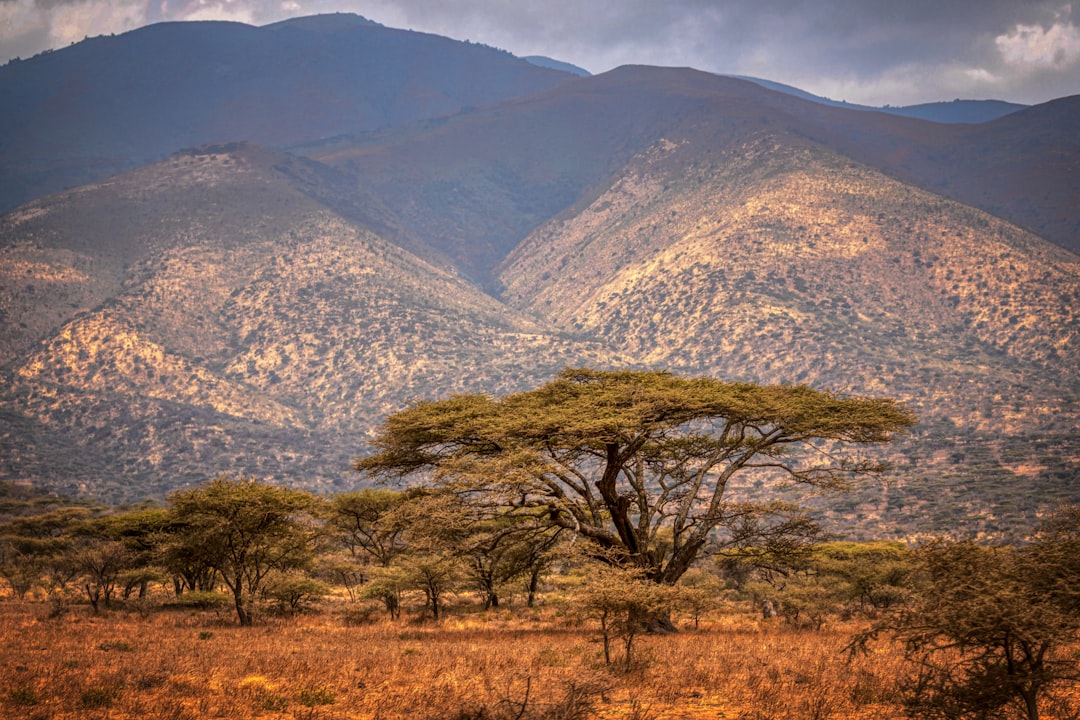
Planning Your Tanzania Safari with Seasonal Knowledge
Understanding Tanzania's wildlife seasons helps you choose the perfect time for your safari adventure. Different seasons offer distinct advantages: peak season provides guaranteed wildlife viewing, green season offers budget savings and lush landscapes, and shoulder seasons provide balance between crowds and prices. Your choice depends on your priorities, budget, and travel flexibility.
Peak Season Safari Planning (June to October)
Peak season requires advance booking, typically 6-12 months ahead for premium lodges and packages. Prices increase 30-50% compared to green season, but wildlife viewing is virtually guaranteed. Book early-morning game drives to beat crowds and see animals before they retreat to shade. Peak season suits travelers wanting maximum wildlife sightings and don't mind higher costs or crowds.
During peak season, expect 3-4 other safari vehicles at popular animal sightings. Lodges operate at full capacity with consistent service quality. Your guides are highly experienced and motivated by peak-season tips. This season works well for first-time safari travelers wanting high probability of animal sightings.
Green Season Planning (April to May)
Green season allows late booking, sometimes just weeks before travel. Prices drop significantly, with many operators offering last-minute discounts. You'll experience fewer tourists, more personalized attention, and more authentic safari experiences. This season suits budget-conscious travelers and photography enthusiasts seeking dramatic skies and fresh landscapes.
Green season requires flexibility regarding rainfall. Afternoon storms are common but rarely prevent game drives. Bring waterproof gear and extra batteries for camera equipment. Your guide may suggest alternative activities on heavy rain days. This season rewards adventurous travelers with unique experiences unavailable during peak times.
Compare Tanzania Safari All-Inclusive Packages 2026: True Costs Revealed to understand pricing across different seasons and find packages matching your budget and timeline.
Booking Your Tanzania Safari Through Verified Operators
Booking through verified operators on SafariFind ensures professional service and authentic reviews from past travelers. SafariFind connects you with reputable tour companies offering transparent pricing and detailed itineraries. Reading reviews from previous travelers helps you choose operators matching your expectations and travel style.
Request quotes from multiple operators to compare packages, prices, and inclusions. Ask about wildlife guarantees, guide qualifications, and vehicle conditions. Verify that your operator is licensed and insured. SafariFind's verified badge indicates operators meeting quality standards and customer satisfaction benchmarks.
Tanzania Safari Costs and Value Across Seasons
Tanzania safari costs vary dramatically by season, ranging from budget to luxury experiences. Understanding pricing helps you maximize value while achieving your safari goals. The difference between peak and green season prices can save you 40-60% without sacrificing wildlife viewing quality.
Peak Season Pricing (June to October)
Peak season packages typically range from $3,000 to $8,000+ per person for 7-10 days, depending on accommodation level and inclusions. Premium luxury lodges exceed $10,000 daily rates. These prices reflect high demand, premium locations near wildlife concentrations, and quality service standards. Peak season costs include excellent guides, comfortable vehicles, and reliable wildlife sightings.
Peak season pricing includes premium accommodations with excellent amenities, daily game drives, most meals, and park fees. Some packages add flights from major cities. Luxury packages include premium wine selections, spa services, and gourmet dining. Mid-range packages offer comfortable lodges, good service, and reliable wildlife viewing without premium frills.
Green Season Pricing (April to May)
Green season packages range from $1,200 to $4,000 per person for 7-10 days, representing 40-60% savings compared to peak season. Budget operators offer excellent value with quality guides and reliable vehicles. Mid-range options provide comfortable accommodations and good service at fraction of peak prices. Even luxury operators discount rates during green season.
Green season value is exceptional for budget-conscious travelers and photographers. Lower prices don't mean lower quality—many operators maintain service standards while reducing rates during quieter periods. You'll receive personalized attention from guides and lodge staff with fewer guests. This season suits travelers seeking authentic experiences and genuine value.
Learn more about How Much Does a Tanzania Safari Cost? Budget vs Luxury 2026 to understand pricing across all seasons and accommodation types.
Wildlife Photography Tips for Tanzania Safaris
Tanzania offers world-class wildlife photography opportunities with diverse animals and dramatic landscapes. Successful safari photography requires understanding animal behavior, lighting conditions, and camera settings. Whether you're using a smartphone or professional camera, these tips help you capture memorable images.
Best Times for Wildlife Photography
Golden hour—the first two hours after sunrise and final two hours before sunset—provides ideal lighting for wildlife photography. During these times, light is warm, directional, and flattering for animal subjects. Midday harsh shadows make photography challenging. Plan your game drives to maximize golden hour shooting time, requesting early starts and late afternoon drives from your guide.
Cloudy days offer diffuse light that eliminates harsh shadows, excellent for photographing animal details and behaviors. Overcast conditions suit wildlife photography despite appearing less dramatic than clear skies. Rainy season clouds create dramatic backdrops for silhouette photography and add visual interest to landscape images.
Camera Settings for Safari Wildlife
Use fast shutter speeds (1/1000 second or faster) to freeze animal movement and prevent motion blur. Set ISO appropriately for lighting conditions—higher ISO in low light but lower ISO in bright conditions to reduce grain. Use continuous autofocus to track moving animals, especially predators during hunts. Aperture settings depend on your lens and depth-of-field preferences.
Bring telephoto lenses (200-400mm) for distant wildlife, wide-angle lenses (14-35mm) for landscape and environmental portraits, and macro lenses for detail shots of insects and plants. Polarizing filters reduce glare from water and sky. Neutral density filters help with exposure control in bright conditions. Extra batteries and memory cards are essential—you'll take hundreds of photos daily.
Health and Safety Considerations for Tanzania Safaris
Tanzania safari health and safety require proper preparation before departure. Understanding risks and taking preventive measures ensures a healthy, safe adventure. Most safari travelers experience no health issues when following basic precautions and getting recommended vaccinations.
Recommended Vaccinations
Consult with a travel health clinic 4-6 weeks before your Tanzania trip. Standard vaccinations include yellow fever (required for entry to some countries afterward), typhoid, hepatitis A, and polio boosters. Malaria prevention is critical—take antimalarial medication as prescribed by your healthcare provider. Some areas require malaria prophylaxis while others recommend it based on season and risk tolerance.
Altitude considerations apply if visiting Mount Kilimanjaro or high-elevation areas. Allow time for acclimatization to prevent altitude sickness. Drink plenty of water and avoid alcohol during acclimatization. Talk to your doctor about your specific health conditions and safari activities.
Wildlife Safety During Game Drives
Always follow your guide's instructions regarding wildlife distance and behavior. Never leave the vehicle during game drives unless your guide explicitly permits it. Respect animal space—approaching too close stresses animals and creates dangerous situations. Avoid sudden movements or loud noises that might startle animals.
During night drives, use flashlights carefully to avoid startling nocturnal animals. Never feed wildlife, which causes dangerous habituation and unhealthy food dependency. Respect guides' warnings about specific animals or locations. Your guide's experience and knowledge keep you safe while maximizing viewing opportunities.
Key Takeaways
- Book your Tanzania safari 3-6 months ahead for peak season (June-October) to secure preferred lodges and save 15-20% compared to last-minute bookings
- Visit during green season (April-May) to save 40-60% on safari costs while still enjoying excellent wildlife viewing and dramatic landscape photography
- Identify Big Five wildlife correctly—lions by manes and roars, elephants by size and ears, buffalo by unpredictable aggression, leopards by spotted coats and tree-climbing, rhinos by horns and rarity
- Plan game drives during golden hour (sunrise and sunset) for optimal wildlife photography lighting and increased animal activity viewing
- Get recommended vaccinations 4-6 weeks before travel and take malaria prophylaxis as prescribed to protect your health during your Tanzania safari adventure
Frequently Asked Questions
What is the best time of year for wildlife viewing in Serengeti?
The best time for wildlife viewing in the Serengeti is June to October during the dry season, when animals concentrate around remaining water sources and vegetation thins, making sightings easier. July and August peak with the Great Migration river crossings. January to February offers a secondary dry season with fewer tourists and excellent wildlife viewing.
How much does a Tanzania safari typically cost?
A Tanzania safari costs between $1,200 and $8,000+ per person for 7-10 days, depending on season and accommodation level. Peak season (June-October) ranges $3,000-$8,000, while green season (April-May) offers 40-60% savings at $1,200-$4,000. Luxury packages exceed $10,000 daily, while budget options start around $150-$250 daily.
Can I see all Big Five animals on a Tanzania safari?
Yes, Tanzania's northern circuit—Serengeti, Ngorongoro Crater, and surrounding parks—offers opportunities to see all Big Five animals: lions, elephants, buffalo, leopards, and rhinos. However, leopard and rhino sightings are less common than other species. Your guide's expertise and luck influence your success rate at spotting all five during your safari.
What wildlife can I identify using a Tanzania safari field guide?
A Tanzania safari field guide helps you identify the Big Five (lion, leopard, buffalo, elephant, rhino), secondary predators (wild dog, hyena, cheetah), herbivores (wildebeest, zebra, gazelle, impala), and numerous bird species. Field guides include identification features like coloring, size, horns, behavior patterns, and habitat preferences for each species.
Is April to May a good time for a Tanzania safari?
April to May is excellent for Tanzania safaris, especially for budget-conscious travelers and photographers. The green season offers 40-60% lower prices, lush landscapes, and excellent wildlife viewing despite occasional afternoon rains. This season suits photographers seeking dramatic skies and travelers wanting authentic experiences without peak-season crowds.
How do I book a multi-day Tanzania safari online?
Book your multi-day Tanzania safari through verified operators on SafariFind. Compare packages, prices, and reviews from previous travelers. Request quotes from multiple operators to find the best value. Read authenticity-verified reviews to understand operator quality and customer experiences. SafariFind's verified badge indicates operators meeting quality standards and insurance requirements.
What vaccinations do I need for a Tanzania safari?
Consult a travel health clinic 4-6 weeks before your trip for personalized recommendations. Standard vaccinations include yellow fever (often required), typhoid, hepatitis A, and polio boosters. Malaria prevention is critical—take prescribed antimalarial medication based on your destination and season. Your healthcare provider will assess your individual health needs and risk factors.
Conclusion
Tanzania safari field guide knowledge transforms your wildlife experience from passive observation into active engagement with Africa's ecosystem. Understanding Big Five identification, seasonal patterns, and animal behavior deepens your appreciation for nature's complexity and interdependence. Whether you visit during peak season's guaranteed sightings or green season's budget-friendly adventures, Tanzania delivers unforgettable moments.
Timing your Tanzania safari strategically maximizes both wildlife viewing and value. Peak season (June-October) guarantees Great Migration river crossings and concentrated animal sightings, though at premium prices. Green season (April-May) offers 40-60% cost savings with excellent wildlife viewing and dramatic landscapes. Both seasons deliver exceptional safari experiences—your choice depends on priorities and budget.
Book your Tanzania safari through verified operators on SafariFind to access authentic reviews and transparent pricing from previous travelers. Compare packages across different seasons and operators to find experiences matching your wildlife goals and budget constraints. SafariFind's marketplace connects you with licensed, insured operators offering quality service and memorable adventures.
Your Tanzania safari awaits with iconic Big Five animals, dramatic Great Migration scenes, and landscapes that inspire wonder. Prepare with proper vaccinations, quality gear, and field guide knowledge. Whether you're spotting a leopard draped across a tree branch or witnessing 1.5 million wildebeest crossing the Mara River, Tanzania delivers safari moments that last a lifetime. Start planning your 2026 adventure today through SafariFind's verified safari packages and experience the magic of African wildlife.
Plan Your Safari with SafariFind
These recommendations use real data from SafariFind, where you can compare operators, browse packages, and read verified traveler reviews before you book.
Recommended Safari Operators from SafariFind
Recommended Safari Packages from SafariFind
What Travelers Say (SafariFind Reviews)
References
- Georgia Tech Alumni Association - Tanzania Wildlife Safari 2026
- Duma Explorer - Best Time Tanzania Safari: 2026 Month-by-Month Guide
- Armani Tours and Travel - Tanzania Safari Guide 2026: Best Wildlife Safari Expert Tips
- TourRadar - Best Time to Travel To Tanzania 2026/2027
- Horizon Guides - The Best Tanzania Safaris And Hidden Gems (2026)
- Kenya Tanzania Safari - Best Time to Visit Kenya and Tanzania for Safari: 2026 Guide
- TAASA - Planning Your Serengeti Safari: The Complete Guest FAQ Guide
Sources
- Georgia Tech Alumni Association - Tanzania Wildlife Safari 2026
- Duma Explorer - Best Time Tanzania Safari: 2026 Month-by-Month Guide
- Armani Tours and Travel - Tanzania Safari Guide 2026
- TourRadar - Best Time to Travel To Tanzania 2026/2027
- Horizon Guides - The Best Tanzania Safaris And Hidden Gems (2026)
- Kenya Tanzania Safari - Best Time to Visit Kenya and Tanzania for Safari
- TAASA - Planning Your Serengeti Safari: The Complete Guest FAQ Guide
Related to
Ready to start your safari adventure?
Explore curated safari packages and find your perfect African adventure with verified operators.