Tanzania vs South Africa Safari: Cost, Wildlife & Best Operators 2026
Compare Tanzania and South Africa safaris: costs ($350–$2,000 vs $120–$300/day), wildlife, best timing, and verified operators for your 2026 adventure.

Tanzania vs South Africa Safari: 2026 Guide
Last updated: July 2026
Tanzania safaris cost $350–$2,000 per person per day with diverse wildlife including the Great Migration, while South Africa safaris range from $120–$300 per day and offer better value for budget travelers. Tanzania peaks July–October; South Africa works year-round. Book through SafariFind to compare verified operators and read authentic reviews from past travelers.
At a Glance
- Tanzania cost: $350–$2,000 per person per day
- South Africa cost: $120–$300 per person per day
- Best time in Tanzania: July–October (Great Migration)
- Best time in South Africa: Year-round (May–September for wildlife)
- Duration: 7–10 days recommended
- Best for: Tanzania = migration seekers; South Africa = budget-conscious travelers
Tanzania vs South Africa Safari: Which Is Right for You?
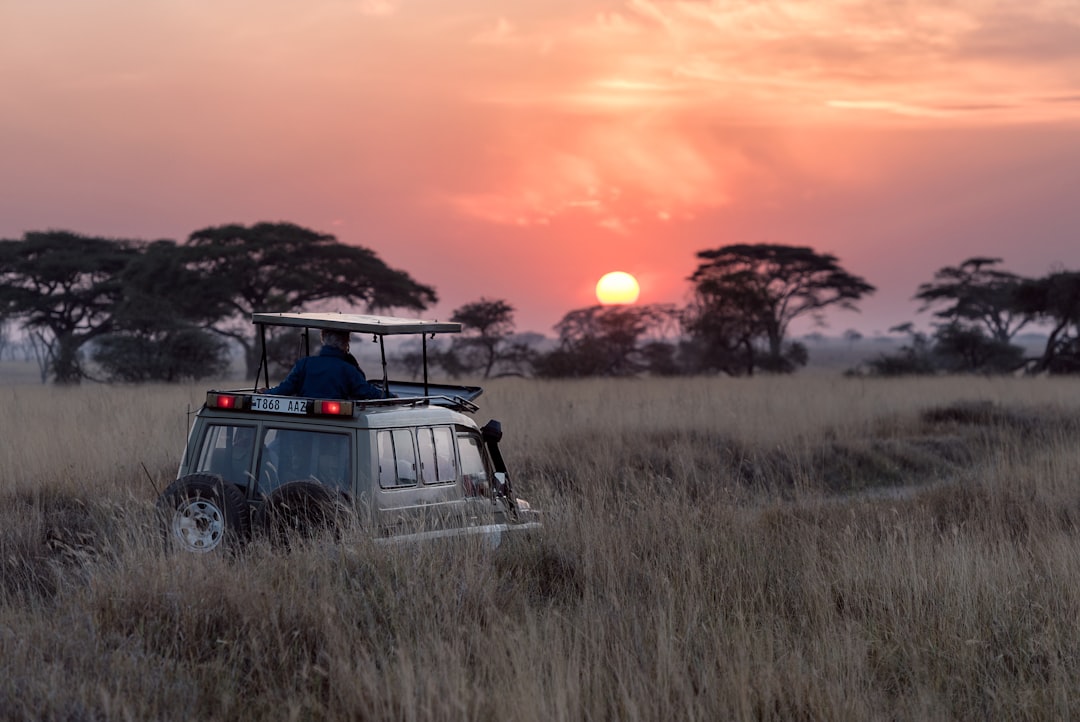
Tanzania and South Africa are Africa's two premier safari destinations, but they serve different travelers. Tanzania offers the iconic Great Migration and higher wildlife diversity, while South Africa delivers excellent value and easier self-drive options. Your choice depends on budget, timing, and what animals you want to see.
This guide compares costs, wildlife, timing, and operators so you can pick the right destination for your 2026 safari adventure.
Tanzania Safari: Cost, Wildlife & Best Timing
How Much Does a Tanzania Safari Cost?
Tanzania safaris cost between $350 and $2,000 per person per day, depending on luxury level. Budget camps run $350–$600 per day. Mid-range lodges cost $800–$1,200 per day. Luxury properties exceed $1,500 per day. Park fees add $83 per day in the Serengeti. Flights and transfers increase the total bill significantly.
A typical 7-day Tanzania safari costs $3,500–$8,000 per person all-inclusive from the US. This includes accommodation, meals, guides, park fees, and vehicle. Budget safaris with camping can drop to $2,500–$3,500 for the same duration. Luxury lodge safaris reach $10,000–$15,000 per person.
Tanzania safaris are cheaper than Kenya, Botswana, Uganda, and Rwanda but pricier than South Africa. You save money by visiting during the green season (April–June) when rates drop 20–30 percent.
Tanzania Wildlife: What Will You See?
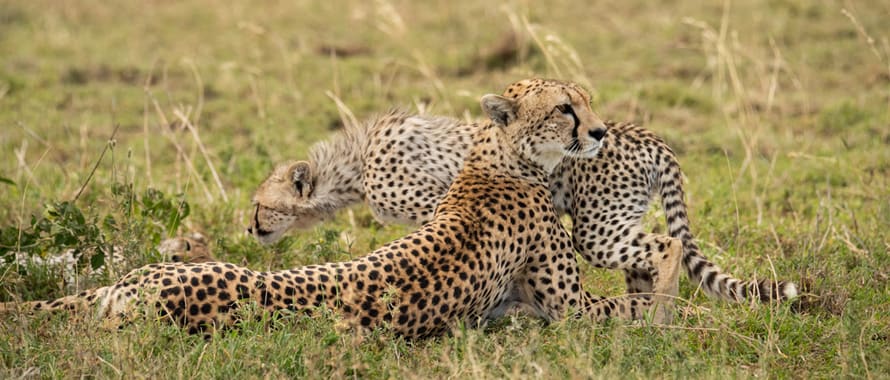
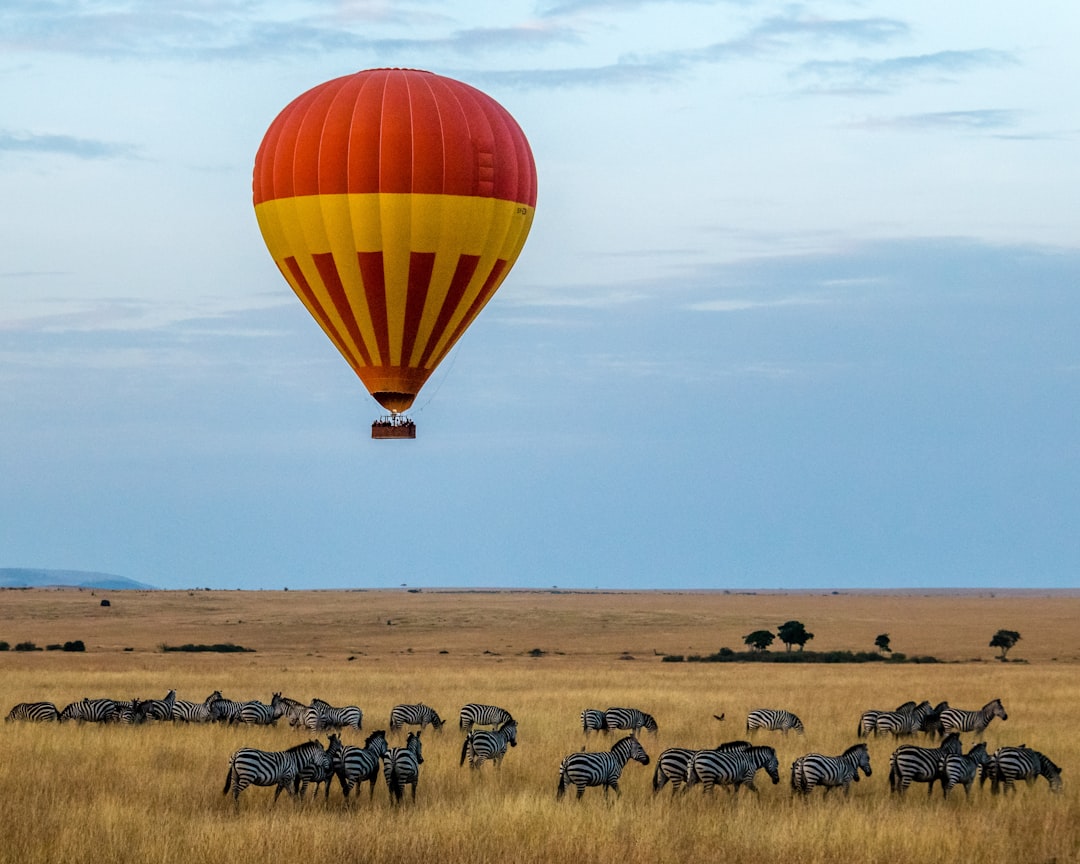
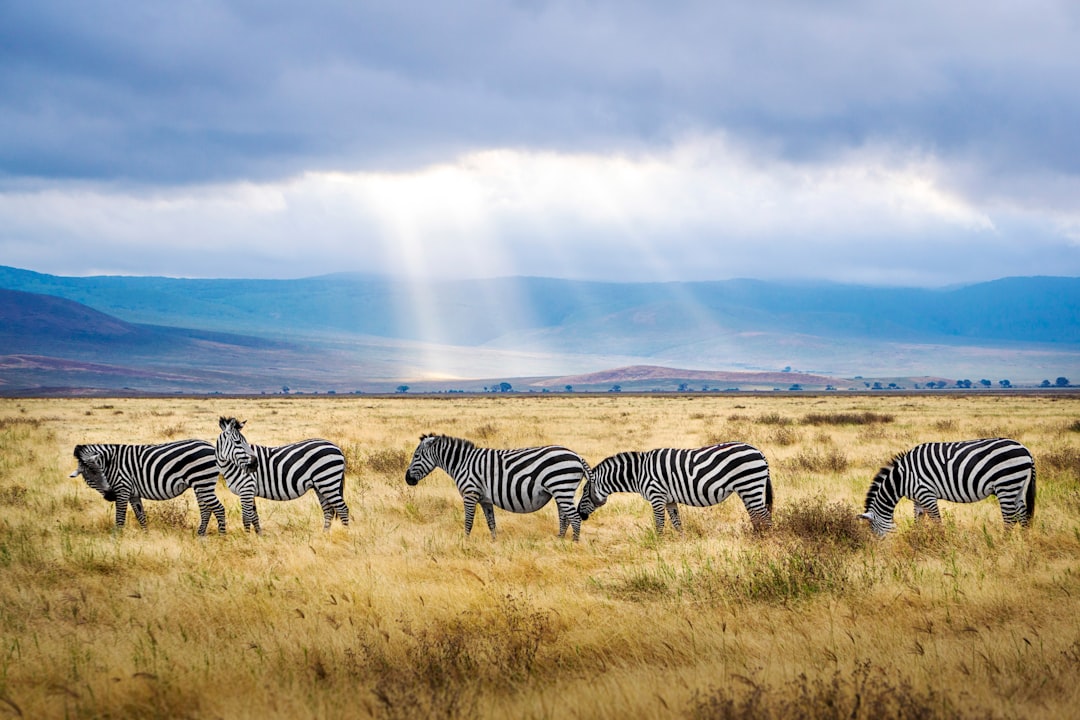
Tanzania hosts over 1.5 million wildebeest, 200,000 zebras, and countless lions, elephants, and buffalo during the Great Migration. The Serengeti is Earth's largest terrestrial mammal migration. You'll also spot giraffes, cheetahs, hyenas, hippos, and over 500 bird species.
The Serengeti National Park covers 14,750 square kilometers and is Tanzania's most famous safari destination. Ngorongoro Crater offers a unique ecosystem with 25,000 large animals in one compact area. Tarangire National Park features massive elephant herds and baobab trees.
For predator encounters, the Serengeti excels. For bird watching, Lake Natron and Arusha National Park are superior. For diverse landscapes, southern Tanzania safaris near Selous avoid Serengeti crowds and save 30 percent on costs.
Best Time to Visit Tanzania
July through October is peak season for Tanzania safaris. The Great Migration crosses the Mara River during this window, creating the planet's greatest wildlife spectacle. Dry conditions mean easier animal spotting. However, expect crowds and premium prices.
November through March offers the green season with lower prices and newborn animals. April through June is the long rains—fewer tourists, lush landscapes, and budget rates. June is often overlooked but delivers excellent wildlife viewing with minimal crowds.
Book a 7-day Tanzania safari 3–6 months ahead to save 15–20 percent on peak season rates. Shoulder seasons (April–June, November) offer the best value-to-experience ratio.
South Africa Safari: Cost, Wildlife & Best Timing
How Much Does a South Africa Safari Cost?
South Africa safari costs range from $120 to $300 per person per day, making it Africa's best-value safari destination. Budget self-drive safaris in Kruger National Park cost as little as $120–$150 per day. Mid-range lodge stays run $200–$250 per day. Luxury properties exceed $300 per day.
A 7-day South Africa safari costs $1,200–$2,500 per person all-inclusive. Self-drive trips offer the lowest costs—you rent a car, book budget accommodations, and pay only park entrance fees ($15–$30 per day). This approach saves 40–50 percent compared to guided tours.
Compared to Tanzania, South Africa costs 50–80 percent less. You can experience world-class wildlife at a fraction of the price. Travelers can stay in comfortable accommodations, eat well, and still spend less than a mid-range Tanzania safari.
South Africa Wildlife: What Will You See?
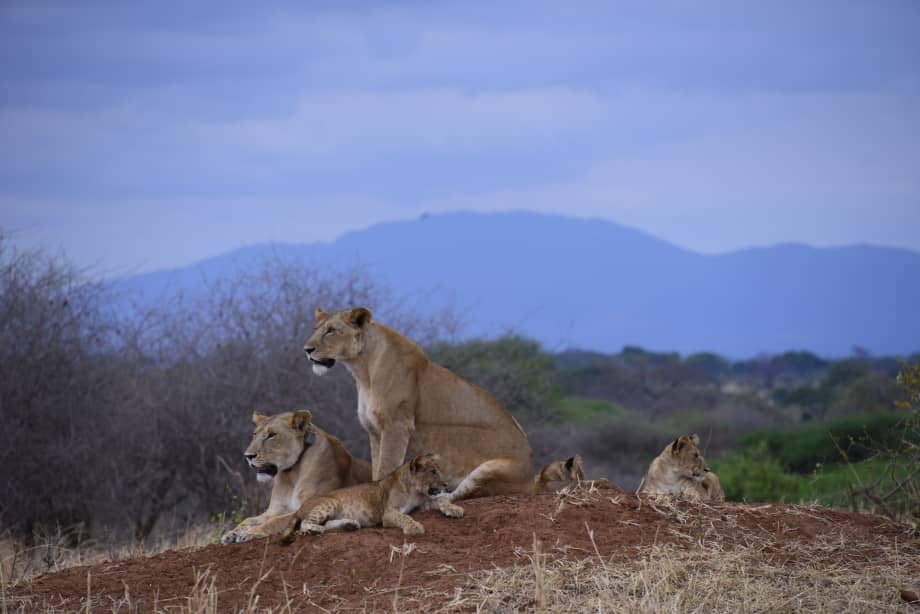
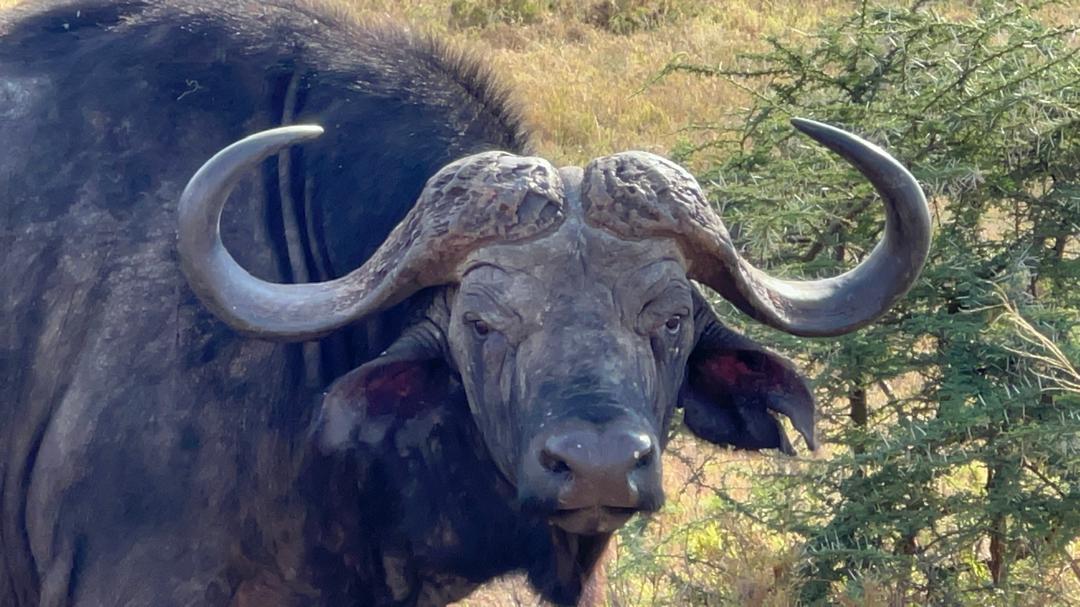
South Africa's Kruger National Park hosts the Big Five: lions, elephants, buffalo, leopards, and rhinos. You'll also see giraffes, zebras, wildebeest, impalas, warthogs, hyenas, and over 500 bird species. South Africa has the highest rhino population in Africa, making rhino sightings more likely.
The Kruger National Park spans 19,485 square kilometers across northeastern South Africa. It's one of the world's largest game reserves and offers excellent self-drive options. Private reserves like Sabi Sands offer luxury experiences at better prices than Tanzania.
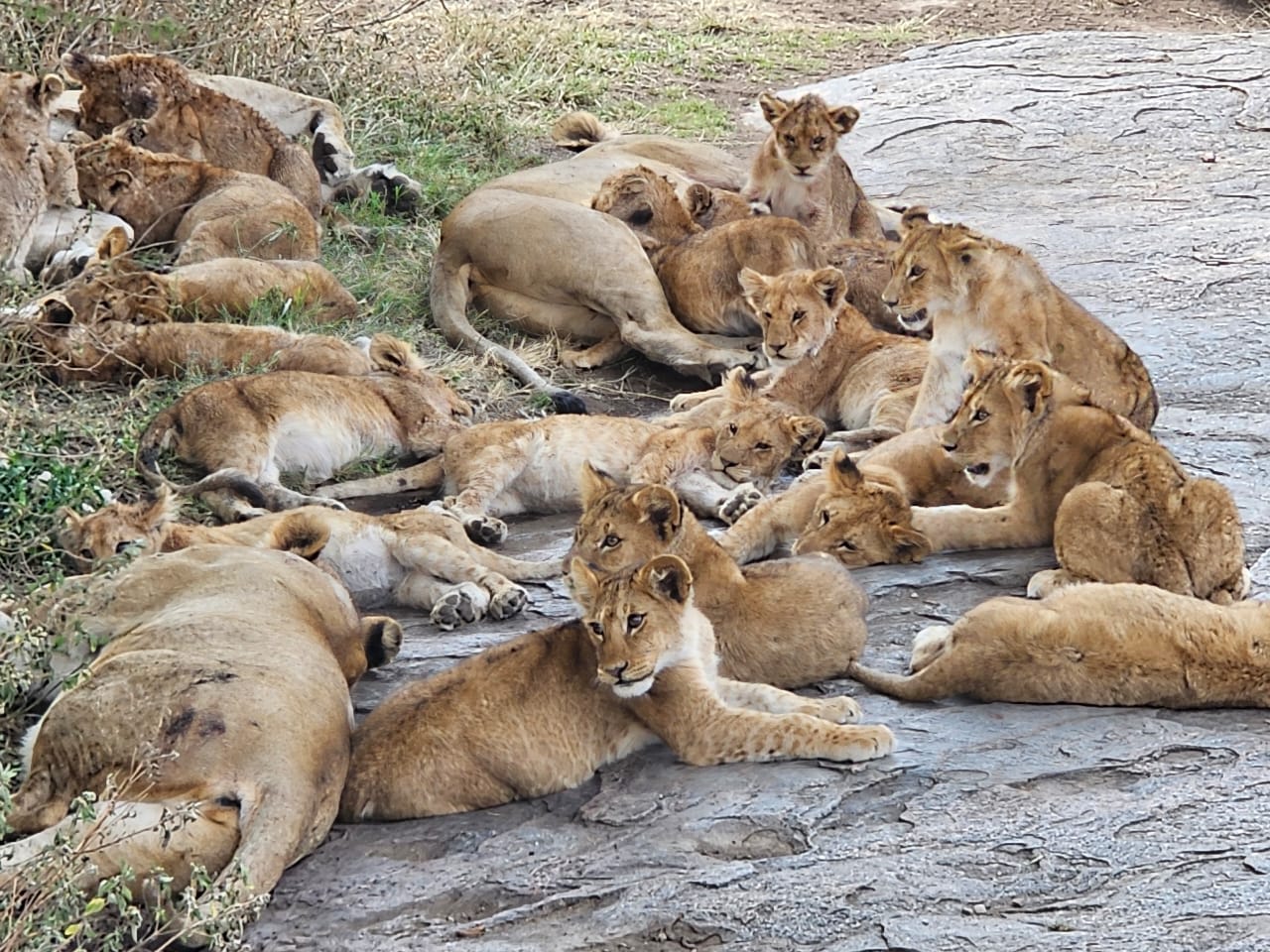
South Africa excels in predator density and rhino encounters. The Kruger is less crowded than the Serengeti outside peak season. Unique landscapes include savannas, riverine forests, and rocky outcrops that support diverse wildlife.
Best Time to Visit South Africa
South Africa works year-round, but May through September is peak season. Winter temperatures (60–75°F) are comfortable, and dry conditions mean better animal spotting. Vegetation is sparse, making wildlife easier to see.
November through March brings summer heat (80–95°F) and green landscapes. Animals disperse to find water, making sightings less predictable. However, prices drop 30–40 percent, and bird watching improves. Newborn animals appear December–March.
Book South Africa safaris 2–3 months ahead. Unlike Tanzania, you don't need to time a specific migration, so flexibility is greater. Shoulder seasons (April–May, September–October) offer pleasant weather and moderate prices.
Head-to-Head Comparison: Tanzania vs South Africa
Cost Breakdown
| Category | Tanzania | South Africa |
|---|---|---|
| Daily cost (budget) | $350–$600 | $120–$150 |
| Daily cost (mid-range) | $800–$1,200 | $200–$250 |
| Daily cost (luxury) | $1,500+ | $300+ |
| 7-day all-inclusive | $3,500–$8,000 | $1,200–$2,500 |
| Peak season markup | 30–50% | 15–25% |
Wildlife Comparison
Tanzania excels at migration spectacle and diversity. The Great Migration is unmatched globally. Tanzania has more elephant populations, more predator variety, and more scenic landscapes. South Africa specializes in rhino encounters and Big Five reliability.
South Africa offers easier self-drive options. You control the pace and don't depend on guides. Kruger's road network is excellent. Tanzania requires a guide by law, limiting flexibility but ensuring safety and expertise.
Best Destination by Traveler Type
- Migration seekers: Tanzania (July–October Great Migration is mandatory)
- Budget travelers: South Africa (half the cost for comparable wildlife)
- Rhino enthusiasts: South Africa (highest rhino density)
- Photography pros: Tanzania (dramatic migrations, diverse landscapes)
- Families: South Africa (self-drive flexibility, lower costs)
- First-time safari goers: Tanzania (guided experience, bucket-list migration)
Top Safari Operators for Tanzania & South Africa in 2026
Finding Verified Operators
Tanzania has 183 verified travel agents with 43,079 total reviews. South Africa has 81 operators with extensive track records. Quality varies widely. Use SafariFind to compare operators, read authentic traveler reviews, and request quotes from verified companies.
When choosing an operator, check:
- Minimum 4.5-star rating from verified travelers
- At least 50+ reviews for consistency proof
- Transparent pricing (no hidden fees)
- Specialized expertise (migration, photography, family trips)
- Safety certifications and insurance
Tanzania Operator Considerations
Tanzania operators specialize in Serengeti migration, Ngorongoro Crater, and northern circuit safaris. Budget-to-mid-range private operators prove that "private" and "budget" are not mutually exclusive. You get a dedicated vehicle and guide without paying luxury lodge prices.
Look for operators offering 7–10 day packages that combine multiple parks. The northern circuit (Serengeti, Ngorongoro, Tarangire, Arusha) provides maximum wildlife diversity. Tanzania Safari Companies: Top-Rated Operators for US Travelers 2026 lists verified operators with current reviews and pricing.
South Africa Operator Considerations
South Africa operators excel at Kruger National Park safaris and private reserve experiences. Self-drive packages are popular for budget travelers. Guided lodge safaris offer comfort without Tanzania's premium prices.
Many operators offer multi-country packages combining South Africa with other destinations. Botswana, Namibia, and Zimbabwe add-ons are common. Ask about seasonal pricing—South Africa discounts heavily in summer (November–March).
Practical Planning: Visas, Vaccinations & Packing
Visa Requirements for US Citizens
US citizens need a tourist visa for Tanzania. You can obtain it on arrival ($100) or apply online beforehand (recommended). The visa is typically valid for 90 days. Bring your passport, proof of funds, and a return ticket.
South Africa allows US citizens 90 days visa-free. Simply present your passport at immigration. No advance application needed. Ensure your passport is valid for at least 6 months beyond your travel dates.
Recommended Vaccinations
Both countries require yellow fever vaccination if you're arriving from endemic regions. Malaria prophylaxis is essential for both Tanzania and South Africa—consult your doctor 4–6 weeks before travel. Typhoid, hepatitis A, and routine vaccinations are recommended.
Visit the CDC website for current health requirements. Malaria risk is highest in Serengeti and Kruger during rainy seasons. Take antimalarial medication as prescribed.
Essential Packing List for 7–10 Days
Pack neutral-colored, lightweight clothing for hot days and cool mornings. Layers are essential—safaris start at dawn (50–60°F) and heat up to 85°F+ by midday. Tanzania Safari Packing List: 10-Day Essentials + Gear Guide provides a detailed checklist.
- Long-sleeved shirts and pants (sun protection, insect defense)
- Comfortable hiking boots and walking sandals
- Wide-brimmed hat and sunglasses
- Sunscreen (SPF 50+) and insect repellent
- Binoculars and camera with extra batteries
- Reusable water bottle (3+ liters daily)
- Medications and first-aid kit
- Quick-dry towels and moisture-wicking socks
Booking Your Safari: Step-by-Step Process
How to Book a Multi-Day Safari Online
Step 1: Choose your destination (Tanzania or South Africa) and travel dates. Consider seasonal factors—July–October for migration, May–September for South Africa wildlife.
Step 2: Determine your budget. Budget safaris cost $2,500–$4,000 for 7 days. Mid-range runs $5,000–$8,000. Luxury exceeds $10,000. Include flights from the US ($800–$1,500 round-trip).
Step 3: Browse verified operators on SafariFind. Read reviews from past travelers. Compare package inclusions—some include flights, some don't. Request quotes from 2–3 operators.
Step 4: Confirm inclusions. Ask about park fees, meals, tips, and transport from airports. Hidden costs derail budgets. Get a detailed itinerary in writing.
Step 5: Book 3–6 months ahead for peak season (July–October Tanzania). South Africa allows shorter lead times (2–3 months). Secure travel insurance covering safari activities.
How to Book a Multi-Day Tanzania Safari Online: Step-by-Step 2026 walks through the full process with checklists.
What to Ask Operators Before Booking
- What's included in the price? (Accommodation, meals, park fees, transport, guide)
- What's not included? (Tips, drinks, activities, travel insurance)
- What's the cancellation policy? (Refunds, date changes, insurance requirements)
- How many people per vehicle? (Smaller groups = better wildlife viewing)
- What's the guide's experience level? (Years guiding, wildlife expertise)
- Are there any hidden fees? (Surcharges, park fee increases)
- What happens if wildlife viewing is poor? (Guarantee policy?)
Tanzania Safari Combinations: Adding Zanzibar
Tanzania Safari + Zanzibar Packages
Many travelers combine a northern Tanzania safari (7 days) with Zanzibar beach time (3–5 days). This balances adventure and relaxation. Flights between Dar es Salaam and Zanzibar cost $100–$150 and take 1 hour.
A typical 10-day package: 7 days Serengeti/Ngorongoro + 3 days Zanzibar beaches runs $4,500–$7,000 per person all-inclusive from the US. Tanzania Safari & Zanzibar Packages from UK: All-Inclusive 2026 details combined itineraries with pricing.
Zanzibar offers pristine beaches, snorkeling, historic Stone Town, and spice plantation tours. The island is perfect for post-safari recovery. Book safaris and Zanzibar through the same operator to simplify logistics.
Advanced Tips: Avoid Serengeti Crowds & Save Money
Southern Tanzania: Hidden Gem Alternative
Southern Tanzania safaris (Selous, Ruaha, Katavi) avoid Serengeti crowds and save 30 percent on costs. These parks offer excellent wildlife, fewer tourists, and lower prices. Ruaha National Park rivals the Serengeti for predator density and landscape beauty.
Southern parks are less famous, so operators charge less. You still see the Big Five and experience authentic African bush. Southern Tanzania Safari: Avoid Serengeti Crowds + Save 30% compares southern parks with northern options.
Budget Tips for Tanzania & South Africa
- Travel April–June or November: Prices drop 20–30 percent vs. peak season
- Book 3–6 months ahead: Early bookings save 15–20 percent
- Choose budget camps or mid-range lodges: Skip luxury for value
- Join group safaris: Shared costs reduce per-person prices 25–40 percent
- Self-drive in South Africa: Rent a car and book accommodations independently
- Negotiate park fees: Some operators bundle entrance fees; others charge separately
- Skip tips in your budget: Factor in $10–$20 per day for guides and staff
Understanding All-Inclusive Packages
Tanzania Safari All-Inclusive Packages 2026: True Costs Revealed breaks down what "all-inclusive" really means. Some packages cover flights, meals, and park fees. Others exclude tips, drinks, and activity surcharges.
Read the fine print. Ask for a detailed cost breakdown. Compare quotes from multiple operators—prices vary 30–50 percent for identical itineraries.
Wildlife Field Guide: What to Expect
Big Five in Tanzania & South Africa
Both destinations offer Big Five encounters, but success rates differ. Tanzania's Serengeti guarantees lions and elephants. Rhino sightings are less common. South Africa's Kruger offers higher rhino density and more reliable Big Five sightings due to smaller park area and better road networks.
Tanzania Safari Field Guide: Wildlife ID + Best Viewing Seasons 2026 details animal behavior, identification tips, and best viewing locations.
Migration Spectacle (Tanzania Only)
The Great Migration is Tanzania's signature experience. 1.5 million wildebeest and 200,000 zebras move between Tanzania and Kenya following rainfall patterns. The Mara River crossing (July–August) features dramatic predator-prey interactions.
If migration is your priority, book July–October. If wildlife diversity matters more, choose other seasons. Migration isn't guaranteed every year—drought and timing variations affect crossing dates.
Key Takeaways
- Book Tanzania safaris 3–6 months ahead to save 15–20 percent on peak season rates, with July–October offering the iconic Great Migration experience.
- Choose South Africa for budget-conscious travelers: safaris cost 50–80 percent less than Tanzania while delivering excellent wildlife viewing year-round.
- Combine Tanzania safari (7 days, $3,500–$8,000) with Zanzibar beaches (3 days, $800–$1,200) for a balanced 10-day adventure at $4,500–$7,000 per person.
- Avoid Serengeti crowds by exploring southern Tanzania parks like Ruaha or Selous, which save 30 percent on costs and offer comparable wildlife without tourists.
- Compare verified operators on SafariFind using authentic traveler reviews and transparent pricing to ensure transparent costs and avoid hidden fees exceeding $200–$500 per booking.
Frequently Asked Questions
How much does a safari in Tanzania typically cost?
Tanzania safaris cost $350–$2,000 per person per day depending on luxury level. A 7-day all-inclusive safari runs $3,500–$8,000 per person from the US, including flights, accommodation, meals, park fees, and guides. Budget camps cost less; luxury lodges exceed $1,500 daily.
Is South Africa safari cheaper than Tanzania safari?
Yes, South Africa safaris cost 50–80 percent less than Tanzania. South Africa ranges $120–$300 per person per day versus Tanzania's $350–$2,000. A 7-day South Africa safari costs $1,200–$2,500 all-inclusive, while Tanzania costs $3,500–$8,000 for the same duration.
What's the best time of year for wildlife viewing in Serengeti?
July through October is peak season for the Great Migration and wildlife viewing. Dry conditions mean animals concentrate near water sources, making sightings more reliable. However, expect crowds and premium prices. Green season (April–June) offers lower prices, lush landscapes, and fewer tourists with still-excellent wildlife viewing.
Can I do a self-drive safari in Tanzania or South Africa?
South Africa allows self-drive safaris in Kruger National Park—you rent a car and explore independently. Tanzania requires licensed guides by law, so self-drive isn't permitted. This makes South Africa more flexible and budget-friendly for independent travelers, while Tanzania ensures expert guidance and safety.
How do I book a multi-day safari online safely?
Use SafariFind to browse verified operators with authentic traveler reviews. Request quotes from 2–3 companies. Ask detailed questions about inclusions, cancellation policies, and hidden fees. Book 3–6 months ahead for peak season. Secure travel insurance covering safari activities. Read recent reviews from past travelers to confirm operator reliability.
What vaccinations and visas do I need for Tanzania and South Africa?
US citizens need a tourist visa for Tanzania ($100 on arrival or online). South Africa allows 90 days visa-free. Both countries recommend yellow fever, malaria prophylaxis, typhoid, and hepatitis A vaccinations. Consult the CDC 4–6 weeks before travel. Ensure your passport is valid for 6+ months beyond travel dates.
Where can I find affordable Tanzania safari packages with flights included?
SafariFind lists verified operators offering all-inclusive packages with flights. Budget safaris cost $2,500–$4,000 for 7 days including US flights. Mid-range runs $5,000–$8,000. Compare quotes from multiple operators—prices vary 30–50 percent. Book during green season (April–June) or shoulder season (November) for 20–30 percent discounts versus peak season.
Conclusion: Your Safari Decision in 2026
Tanzania and South Africa each deliver world-class safari experiences suited to different travelers. Tanzania excels for bucket-list migration seekers and wildlife photographers willing to pay premium prices for unmatched diversity. South Africa wins for budget-conscious travelers and families seeking flexibility, offering the Big Five at half Tanzania's cost.
In 2026, book Tanzania safaris 3–6 months ahead to secure July–October Great Migration packages ($5,000–$8,000 for 7 days). Choose South Africa for immediate planning—it works year-round with 2–3 month booking windows and costs $1,200–$2,500 for 7 days.
The best decision? Visit both. A combined East Africa tour (Kenya/Tanzania) followed by South Africa maximizes wildlife diversity and value. SafariFind connects you with verified operators offering transparent pricing, authentic traveler reviews, and customized itineraries. Compare verified safari packages on SafariFind to find your perfect African adventure today.
Plan Your Safari with SafariFind
These recommendations use real data from SafariFind, where you can compare operators, browse packages, and read verified traveler reviews before you book.
Top Safari Operators from SafariFind
Recommended Safari Packages from SafariFind
What Travelers Say (SafariFind Reviews)
References
- Africa Tour Operators: Tanzania and Kenya Go-To Destinations for East African Safari with Wildebeest Migration
- Duma Explorer: Private Tanzania Safari 2026 Options & Costs
- Ella McKendrick: Tanzania Safari Cost 2026 - Everything You Need to Know
- TourRadar: 10 Best African Safari Tour Operators 2026/2027
- African Budget Safaris: Tanzania vs South Africa Safari - Costs, Wildlife & Best Choice
- Go2Africa: The Best Places to Go on Safari in 2026
- African Safari Magazine: How to Plan an African Safari 2026 - Timeline, Cost & Key Decisions
Sources
- Africa Tour Operators: Tanzania and Kenya Go-To Destinations for East African Safari with Wildebeest Migration
- Duma Explorer: Private Tanzania Safari 2026 Options & Costs
- Ella McKendrick: Tanzania Safari Cost 2026 - Everything You Need to Know
- TourRadar: 10 Best African Safari Tour Operators 2026/2027
- African Budget Safaris: Tanzania vs South Africa Safari - Costs, Wildlife & Best Choice
- Go2Africa: The Best Places to Go on Safari in 2026
- African Safari Magazine: How to Plan an African Safari 2026 - Timeline, Cost & Key Decisions
Related to
Ready to start your safari adventure?
Explore curated safari packages and find your perfect African adventure with verified operators.